





















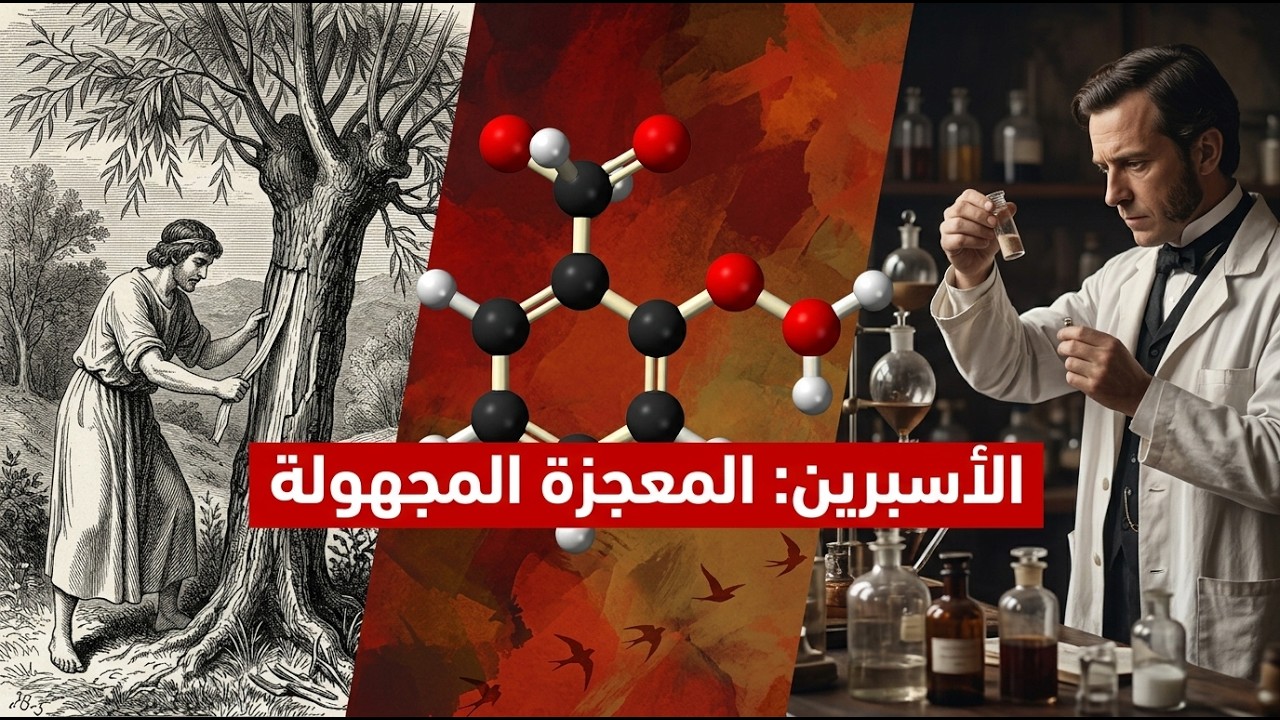

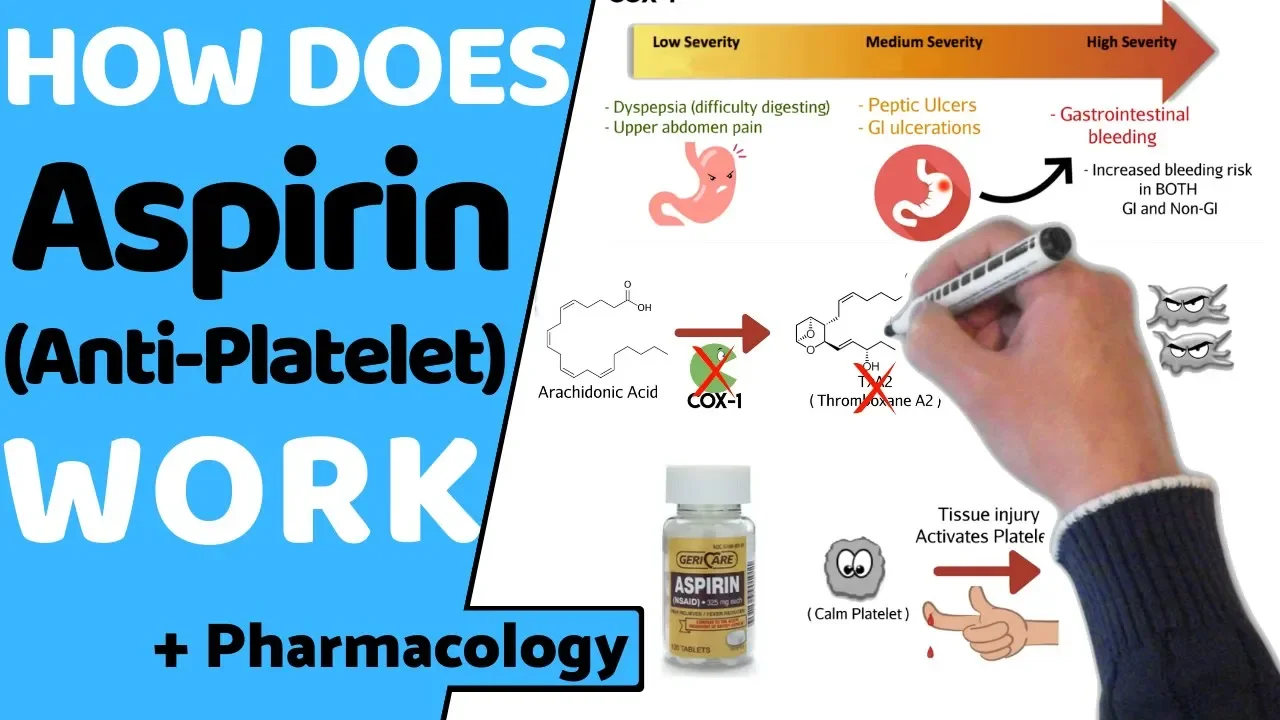

Aspirin's active ingredient, salicin, was first used by ancient Sumerians 4,000 years ago by consuming willow bark; Hippocrates later recommended it for pain relief around 400 BC; after centuries of use, German pharmacist Johann Buchner identified salicin in the 18th century, leading French chemist to synthesize acetylsalicylic acid in 1853, which Bayer marketed as 'aspirin' in 1897; modern research revealed aspirin works by inhibiting prostaglandin production (Nobel Prize 1982) and thromboxane formation, making it effective for pain, inflammation, heart attack prevention, and potentially cancer reduction.
The Discovery and Evolution of Aspirin in Medicine
Added:Basic organic chemistry concepts, specifically functional groups like esters and carboxylic acids, to understand acetylsalicylic acid's chemical structure.
The biological mechanism of inflammation, pain (nociception), and fever production in the human body.
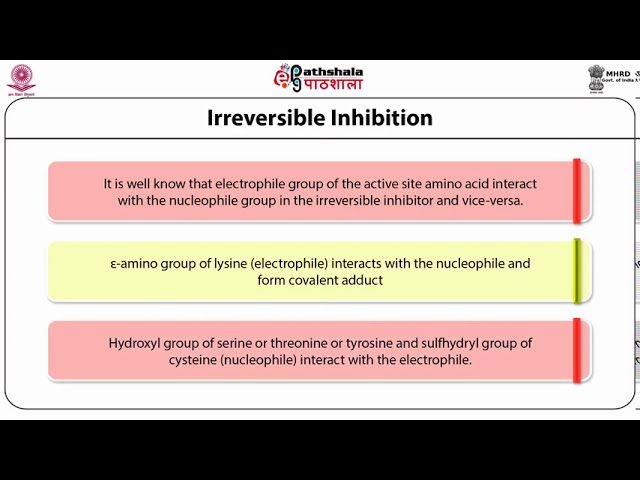
The fundamentals of enzyme inhibition, particularly how active ingredients block molecular pathways to alter physiological responses.
The historical transition from traditional herbal remedies (ethnobotany) to synthetic drug development.
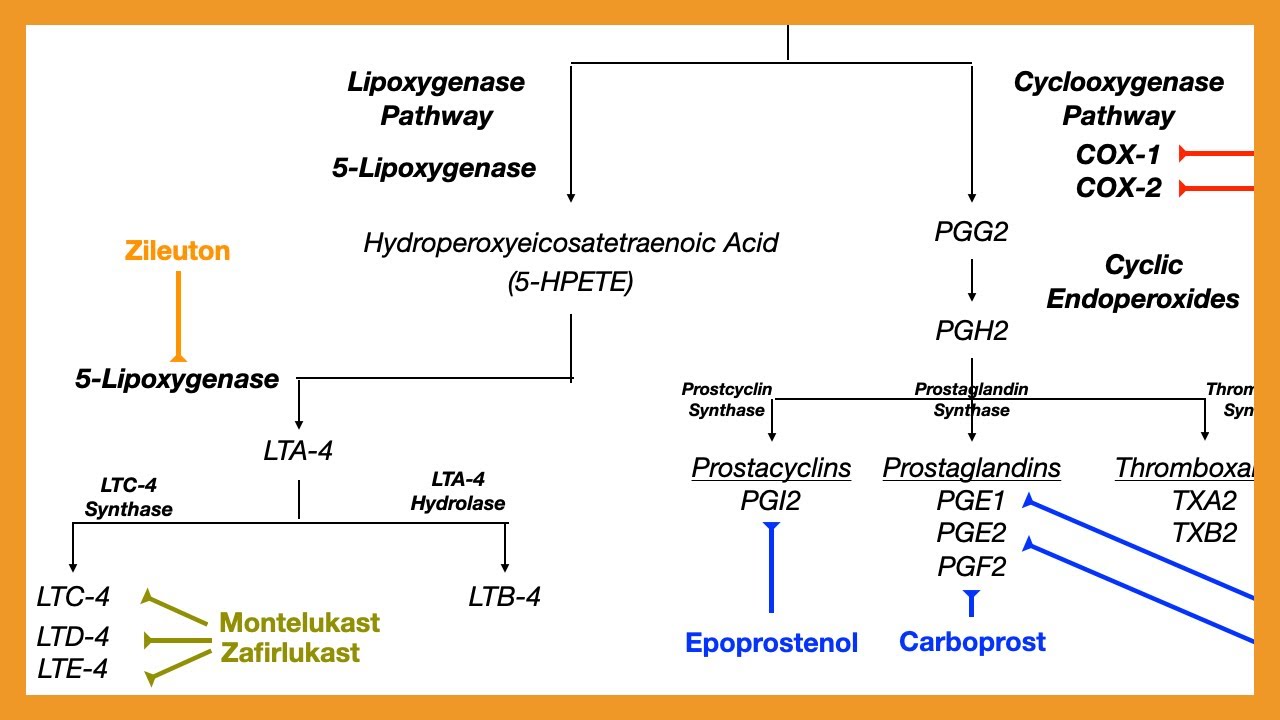
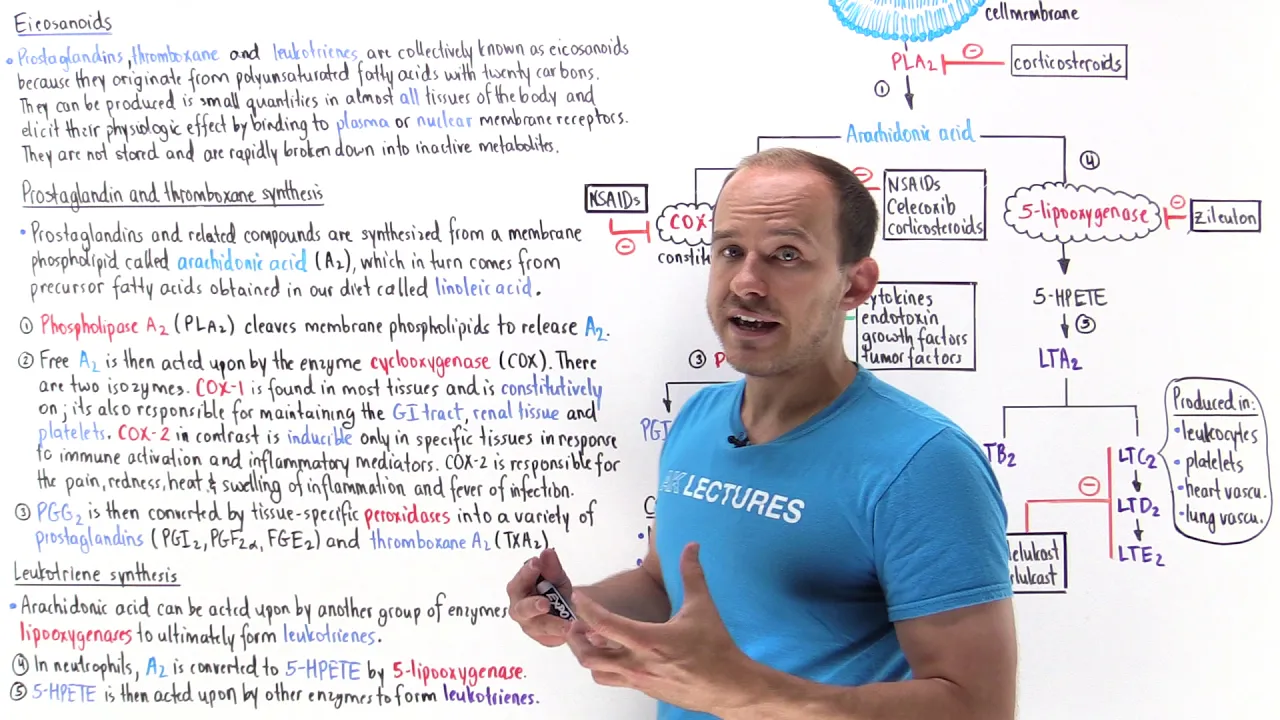
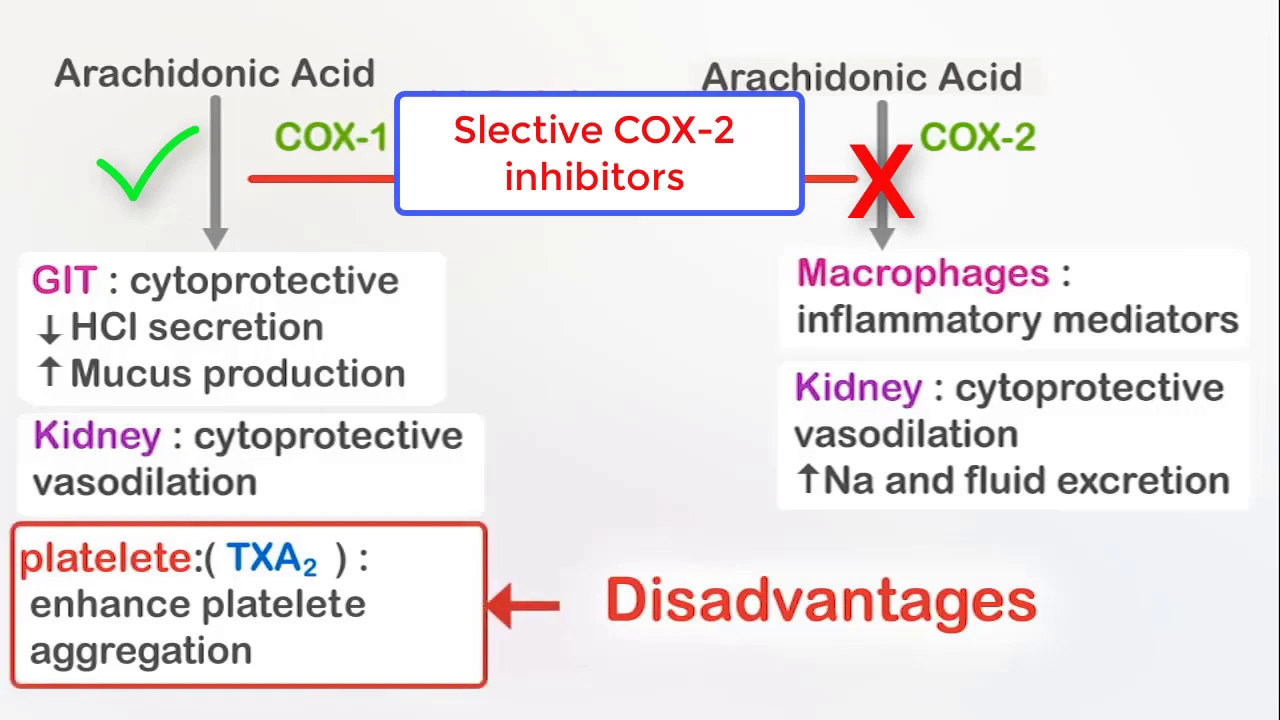
The detailed biochemistry of the arachidonic acid pathway and the specific differences between COX-1 and COX-2 inhibitors.
A comparative pharmacology study of aspirin versus other Non-Steroidal Anti-inflammatory Drugs (NSAIDs) and analgesics like ibuprofen and acetaminophen.
The clinical use of antiplatelet therapy in cardiology, specifically low-dose aspirin for stroke and myocardial infarction prevention.
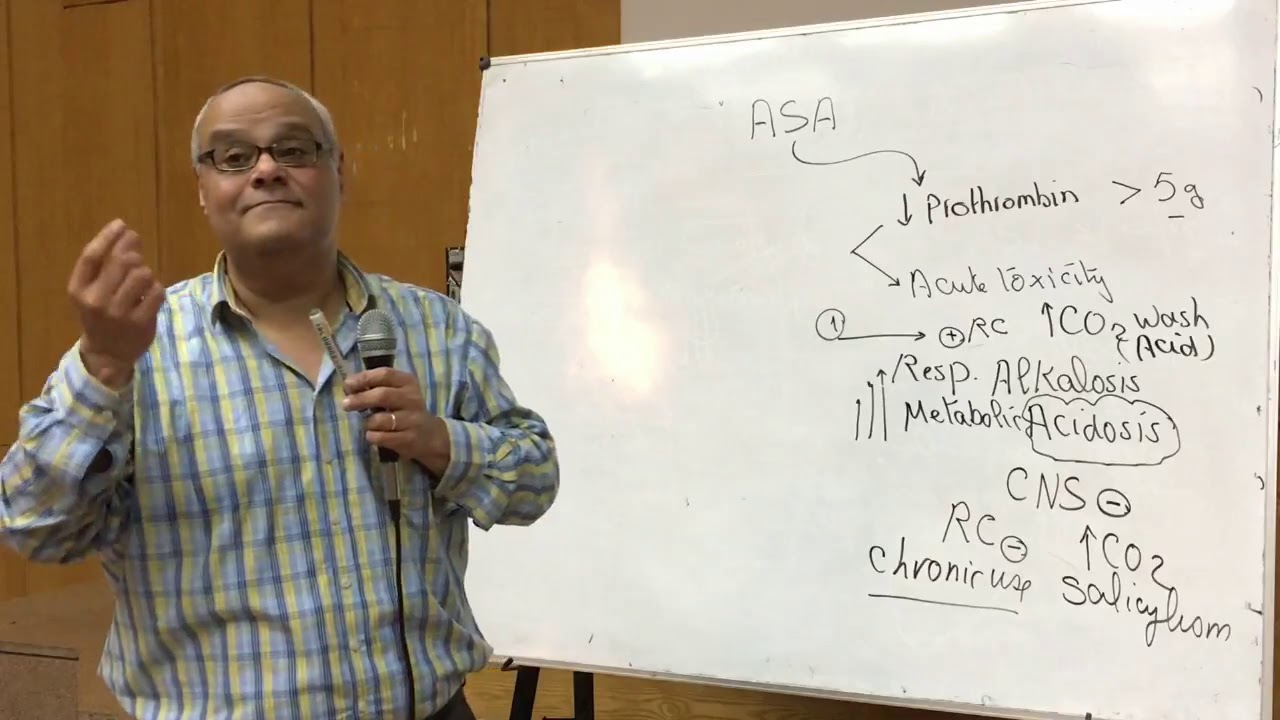
The physiological causes of aspirin-induced side effects, such as gastrointestinal ulcers and pediatric Reye's syndrome.
3M views73.3Klikes5:44Original Release: 2017-10-02
4,000 years ago, the ancient Sumerians made a surprising discovery.
If they scraped the bark off a particular kind of tree and ate it, their pain disappeared.
Little did they know that why they'd found was destined to influence the future course of medicine.
What the Sumerians had discovered was a precursor to the medicine known today as aspirin.
Aspirin's active ingredient is found commonly in willow trees and other wild plants, which is how it came to infuse the medical traditions of Sumer, ancient Egypt, ancient Greece, and other cultures.
Around 400 BC, Hippocrates, thought of as the father of modern medicine, first recommended chewing willow bark for pain relief and making willow leaf tea to ease the pain of childbirth.
But it took over 2,000 years for us to comprehensively investigate its potential.
In the mid-18th century, an Englishman named Edward Stone ran five years of experiments, showing that willow bark crushed into a powder and eaten could cure a fever.
It took nearly another 70 years for a German pharmacist, Johann Buchner, to finally identify and purify the substance that made all this possible, a compound called salicin.
By then, doctors were routinely using willow bark and other salicin-rich plants, like the herb meadowsweet, to ease pain, fever, and inflammation.
But identifying the exact compound suddenly opened up the possibility of manipulating its form.
In 1853, a French chemist managed to chemically synthesize the compound, creating a substance called acetylsalicylic acid.
Then in 1897, the pharmaceutical company Bayer found a new method and began marketing the compound as a pain reliever called aspirin.
This was widely recognized as one of the first synthetic pharmaceutical drugs.
Originally, aspirin was just Bayer's brand name: A for acetyl, and spir for meadowsweet, whose botanical name is Spiraea ulmaria.
Soon, aspirin became synonymous with acetylsalicylic acid.
As its influence grew, aspirin was found to ease not just pain, but also many inflammation-related problems, like rheumatoid arthritis, pericarditis, which enflames the fluid-filled sack around the heart, and Kawasaki disease, where blood vessels become inflamed.
Yet, despite aspirin's medical value, at this point, scientists still didn't actually know how it worked.
In the 1960s and 70s, Swedish and British scientists changed that.
They showed that the drug interrupts the production of certain chemicals called prostaglandins, which control the transmission of pain sensations and inflammation.
In 1982, that discovery won the researchers a Nobel Prize in Medicine.
Over time, research has also uncovered aspirin's risks.
Overconsumption can cause bleeding in the intestines and the brain.
It can also trigger Reye's Syndrome, a rare but often fatal illness that affects the brain and liver in children with an infection.
And in the late 20th century, aspirin's success had been overshadowed by newer pain killers with fewer side effects, like acetaminophen and ibuprofen.
But in the 1980s, further discoveries about aspirin's benefits revived interest in it.
In fact, the 1982 Nobel Prize winners also demonstrated that aspirin slows production of thromboxanes, chemicals that cause clumping of platelets, which in turn form blood clots.
A landmark clinical trial showed that aspirin reduced heart attack risk by 44% in participants who took the drug.
Today, we prescribe it to people at risk of heart attack or stroke because it cuts the likelihood of clots forming in the arteries that supply the heart and brain.
Even more intriguingly, there's a growing body of research that suggests aspirin reduces the risk of getting and dying from cancer, especially colorectal cancer.
This might be due to aspirin's anti-platelet effects.
By reducing platelet activity, aspirin may decrease the levels of a certain protein that helps cancer cells spread.
These discoveries have transformed aspirin from a mere pain reliever to a potentially life-saving treatment.
Today, we consume about 100 billion aspirin tablets each year, and researchers continue searching for new applications.
Already, aspirin's versatility has transformed modern medicine, which is astounding considering its humble beginnings in a scraping of willow bark.
Up Next
66:57
Cinchonism Explained: Quinine & Quinidine Toxicity
@EmPoisonPharmD
391 views•2024-07-09

48:47
Graphic Medicine: Comics for Collaborative Healthcare Communication
@nationalpatientadvocate
189 views•2023-12-04

8:14
Chronic Pain as a Disease: Mechanisms and Future Treatments
@TEDEd
251.1K views•2013-03-31
3:05
Stages of Labor and Vaginal Birth | Childbirth Animation
@nucleusmedicalmedia
52.1M views•2017-08-18
Related Study Plans & Knowledge Roadmaps
Structured learning paths in Medicine
medicine
Abnormal LFTs: Diagnostic Workup & Pathology
01Liver Anatomy and Basic Physiology
02Introduction to Liver Function Tests (LFTs)
03Hepatocellular vs. Cholestatic Patterns
+ 3 more learning modules
12h6 modules
Explore Roadmap
medicine
Analyzing Blood Smears: RBC, WBC & Platelets
01Introduction to Blood Components & Smear Preparation
02Normal Morphology of Blood Cells
03Erythrocyte Pathologies & Morphological Variants
+ 2 more learning modules
12h5 modules
Explore Roadmap
medicine
Mechanical Ventilation: Waveforms & Alarms
01Anatomy and Physiology of Breathing
02Introduction to Mechanical Ventilation & Core Modes
03Ventilator Settings and Waveform Interpretation
+ 2 more learning modules
12h5 modules
Explore Roadmap
medicine
Neuro Exam: Localization & Stroke Syndromes
01Foundations of Neuroanatomy and Vascular Supply
02The Neurological Examination: Step-by-Step
03Principles of Neurological Localization
+ 3 more learning modules
18h6 modules
Explore Roadmap