





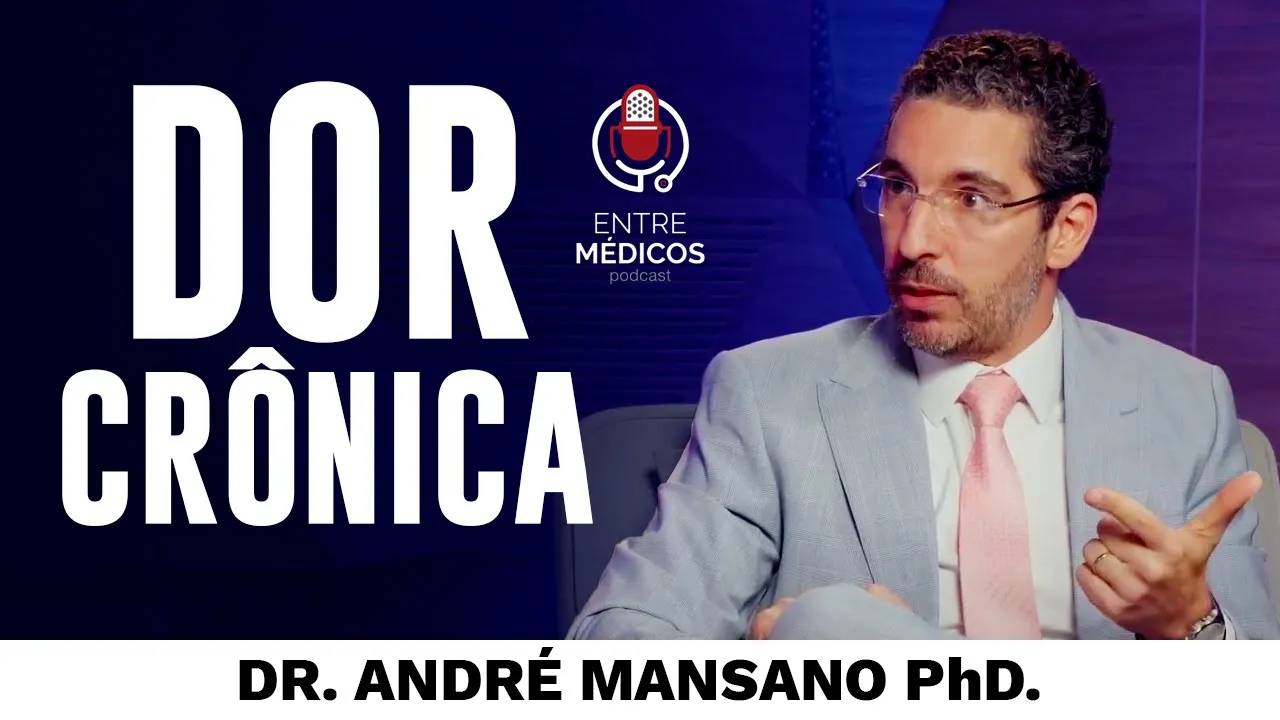













Chronic pain is not merely a symptom but can become its own disease when the nervous system develops maladaptive feedback loops involving glial cells that distort and amplify sensory signals, causing normally harmless stimuli to be perceived as severe pain; current treatments focus on symptom management through medication, nerve blocks, physical therapy, and psychotherapy, while future research aims to develop disease-modifying drugs that target the underlying glial cell dysfunction.
Chronic Pain as a Disease: Mechanisms and Future Treatments
Added:Basic neuroanatomy and nociception: Understanding how the nervous system detects, transmits, and processes acute pain signals from the periphery to the brain.
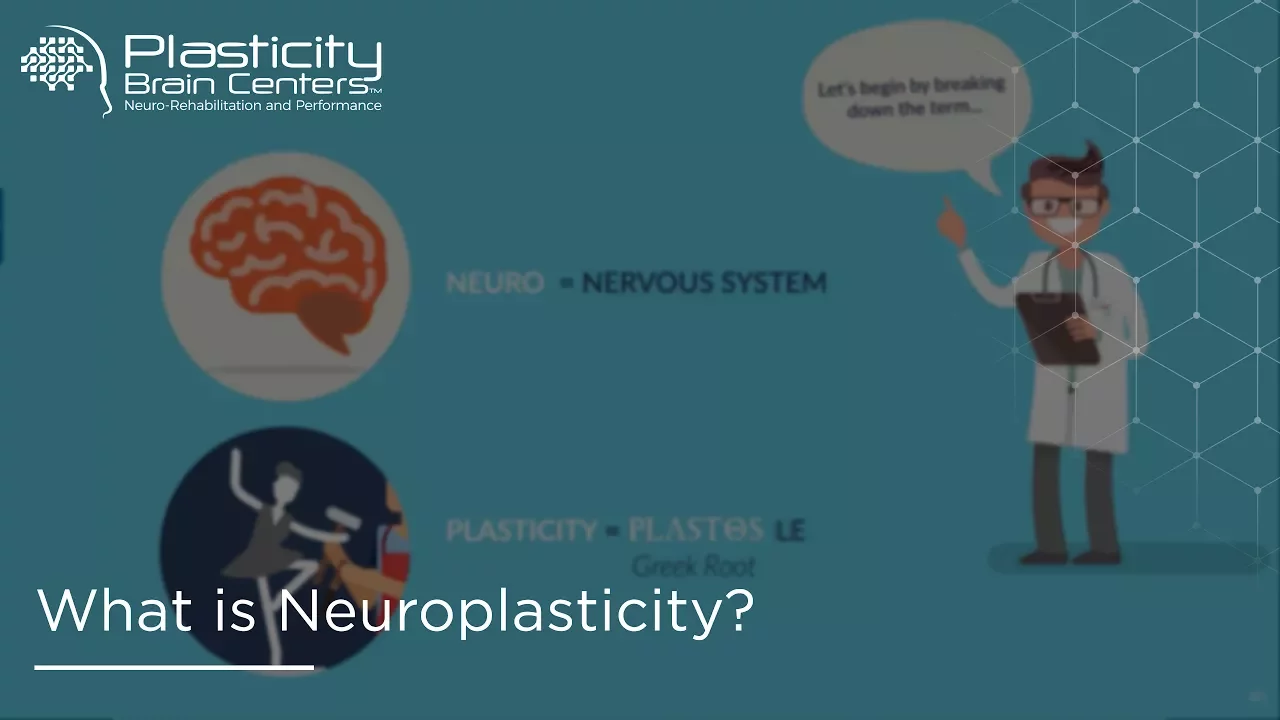
The concept of neuroplasticity: Knowing how neural pathways and synapses adapt, reorganize, and change their strength in response to learning, injury, or stimulus.
Synaptic transmission and neurotransmitters: Familiarity with how chemical messengers (such as glutamate and GABA) convey and modulate signals between neurons.
The difference between acute and chronic pain: Recognizing acute pain as an adaptive, protective symptom and distinguishing it from chronic pain which persists beyond normal tissue healing.
Mechanisms of central and peripheral sensitization: Investigating how hyper-excitability develops in both the peripheral nociceptors and the central nervous system.
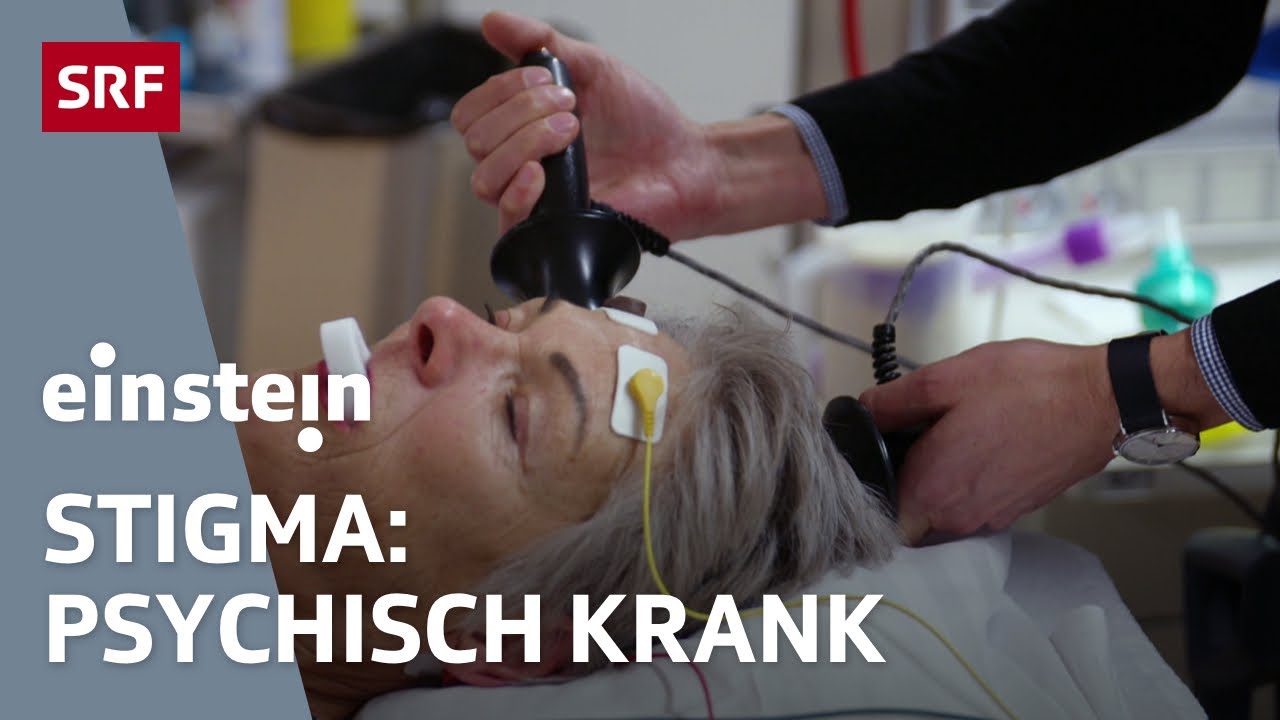
Advanced neuromodulation therapies: Exploring clinical treatments like Spinal Cord Stimulation (SCS) and Transcranial Magnetic Stimulation (TMS) designed to disrupt pathological pain signaling.
The Biopsychosocial Model of pain: Studying how psychological factors (such as catastrophizing or depression) and social environment interact with biological mechanisms to shape chronic pain perception.
Targeted pharmacology and emerging therapeutics: Examining novel drug classes, gene therapies, and monoclonal antibodies that specifically target neuroinflammatory pathways and glial cell activation.
251.1K views4.7Klikes8:14Original Release: 2013-03-31
[Music] [Applause] i'm a pediatrician and an anesthesiologist so i put children to sleep for a living and i'm an academic so i put audiences to sleep for free um but what i actually mostly do is i manage the pain management service at the packard children's hospital up at stanford in palo alto and it's from the experience of about 20 or 25 years of doing that that i want to bring to you the message this morning that pain is a disease now most of the time you think of pain is a symptom of a disease and that's true most of the time it's the symptom of a tumor or an infection or an inflammation or an operation but about 10 of the time after the patient has recovered from one of those events pain persists it persists for months and often times for years and when that happens it is its own disease and before i tell you about how it is that we think that happens and what we can do about it i want to show you how it feels for my patients so imagine if you will then i'm stroking your arm with this feather as i'm stroking my arm right now now i want you to imagine that i'm stroking it with this please keep your seat a very different feeling now what does it have to do with chronic pain imagine if you will these two ideas together imagine what your life would be like if i were to stroke it with this feather but your brain was telling you that this is what you were feeling and that is the experience of my patients with chronic pain in fact imagine something even worse imagine i were to stroke your child's arm with this feather and their brain were telling them that they were feeling this hot torch that was the experience of my patient chandler whom you see in the photograph as you can see she's a beautiful young woman she was 16 years old last year when i met her and she aspired to be a professional dancer and during the course of one of her dance rehearsals she fell on her outstretched arm and sprained her wrist now you would probably imagine as she did that a wrist sprain is a trivial event in a person's life wrap it in an ace bandage take some ibuprofen for a week or two and that's the end of the story but in chandler's case that was the beginning of the story this is what her arm looked like when she came to my clinic about three months after her sprain you can see that the arm is discolored purplish in color it was categorically cold to the touch the muscles were frozen paralyzed dystonic is how we refer to that the pain had spread from her wrist to her hands to her fingertips from her wrist up to her elbow almost all the way to her shoulder but the worst part was not the spontaneous pain that was there 24 hours a day the worst part was that she had allodynia the medical term for the phenomenon that i just illustrated with the feather and with the torch the lightest touch of her arm the touch of a hand the touch even of a sleeve of a garment as she put it on caused excruciating burning pain how can the nervous system get this so wrong how can the nervous system misinterpret an innocent sensation like the touch of a hand and turn it into the malevolent sensation of the touch of the flame well you probably imagine that the nervous system in the body is hard wired like your house in your house wires run in the wall from the light switch to a junction box in the ceiling and from the junction box to the light bulb and when you turn the switch on the light goes on and when you turn the switch off the light goes off so people imagine the nervous system is just like that if you hit your thumb with a hammer these wires in your arm that of course we call nerves transmit the information up to the junction box in the spinal cord where new wires new nerves take the information up to the brain where you become consciously aware that your thumb is now hurt but the situation of course in the human body is far more complicated than that instead of it being the case that that junction box in the spinal cord is just simply where one nerve communicates with the next nerve by releasing these little brown packets of chemical information called neurotransmitters in a linear one-on-one fashion in fact what happens is the neurotransmitters spill out in three dimensions laterally vertically up and down in the spinal cord and they start interacting with other adjacent cells these cells called glial cells were once thought to be unimportant structural elements of the spinal cord that did nothing more than hold all the important things together like the nerves but it turns out the glial cells have a vital role in the modulation amplification and in the case of pain the distortion of sensory experiences these glial cells become activated their dna starts to synthesize new proteins which spill out and interact with adjacent nerves and they start releasing their neurotransmitters and those neurotransmitters spill out and activate adjacent glial cells and so on and so forth until what we have is a positive feedback loop it's almost as if somebody came into your home and rewired your wall so that the next time you turned on the light switch the toilet flushed three doors down or your dishwasher went on or your computer monitor turned off that's crazy but that's in fact what happens with chronic pain and that's why pain becomes its own disease the nervous system has plasticity it changes and it morphs in response to stimuli well what do we do about that what can we do in a case like chandler's we treat these patients in a rather crude fashion at this point in time we treat them with symptom modifying drugs painkillers which are frankly not very effective for this kind of pain we take nerves that are noisy and active that should be quiet and we put them to sleep with local anesthetics and most importantly what we do is we use a rigorous and often uncomfortable process of physical therapy and occupational therapy to retrain the nerves in the nervous system to respond normally to the activities and sensory experiences that are part of everyday life and we support all of that with a intensive psychotherapy program to address the despondency despair and depression that always accompanies severe chronic pain it's successful as you can see from this video of chandler who two months after we first met her is now doing a backflip and i had lunch with her yesterday because she's a college student studying dance at long beach here and she's doing absolutely fantastic but the future is actually even brighter the future holds the promise that new drugs will be developed that are not symptom modifying drugs that simply mask the problem as we have now but that will be disease modifying drugs that will actually go right to the root of the problem and attack those glial cells or those pernicious proteins that the glial cells elaborate that spill over and cause this central nervous system wind up or plasticity that so is capable of distorting and amplifying the sensory experience that we call pain so that i have hope that in the future the prophetic words of george carlin will be realized who said my philosophy no pain no pain thank you very much [Music] [Applause] you
Up Next

10:09
Antibiotics Explained: Prokaryotic vs Eukaryotic Targets | Microbiology Basics
@katharinabrandl361
16.3K views•2015-05-21

48:47
Graphic Medicine: Comics for Collaborative Healthcare Communication
@nationalpatientadvocate
189 views•2023-12-04
5:44
The Discovery and Evolution of Aspirin in Medicine
@TEDEd
3M views•2017-10-02
3:05
Stages of Labor and Vaginal Birth | Childbirth Animation
@nucleusmedicalmedia
52.1M views•2017-08-18
Related Study Plans & Knowledge Roadmaps
Structured learning paths in Medicine
medicine
Abnormal LFTs: Diagnostic Workup & Pathology
01Liver Anatomy and Basic Physiology
02Introduction to Liver Function Tests (LFTs)
03Hepatocellular vs. Cholestatic Patterns
+ 3 more learning modules
12h6 modules
Explore Roadmap
medicine
Analyzing Blood Smears: RBC, WBC & Platelets
01Introduction to Blood Components & Smear Preparation
02Normal Morphology of Blood Cells
03Erythrocyte Pathologies & Morphological Variants
+ 2 more learning modules
12h5 modules
Explore Roadmap
medicine
Mechanical Ventilation: Waveforms & Alarms
01Anatomy and Physiology of Breathing
02Introduction to Mechanical Ventilation & Core Modes
03Ventilator Settings and Waveform Interpretation
+ 2 more learning modules
12h5 modules
Explore Roadmap
medicine
Neuro Exam: Localization & Stroke Syndromes
01Foundations of Neuroanatomy and Vascular Supply
02The Neurological Examination: Step-by-Step
03Principles of Neurological Localization
+ 3 more learning modules
18h6 modules
Explore Roadmap