

![Anti-Arrythmics Pharmacology [Action Potential, Arrythmias, Waughan Williams Classification]](https://i.ytimg.com/vi_webp/1YXMzaCBYQg/maxresdefault.webp)






![[DƯỢC LÝ] - Bài 3: Dược lực học - cơ chế tác dụng của thuốc (P.3) | PGS.TS. Dương Xuân Chữ _ CTUMP.](https://i.ytimg.com/vi/Rh1RXJT67pI/maxresdefault.jpg)











Cinchonism is a syndrome of toxicities caused by quinoline alkaloids in cinchona bark, including quinine and quinidine, characterized by symptoms such as tinnitus, headache, dizziness, flushing, and potentially delayed ocular toxicity leading to blindness; this condition results from multiple mechanisms including sodium and potassium channel blockade, anti-cholinergic effects, alpha-adrenergic blockade, and direct effects on the ear's hair cells and retina, with treatment focusing on supportive care, correcting electrolyte abnormalities, and managing cardiac effects.
Cinchonism Explained: Quinine & Quinidine Toxicity
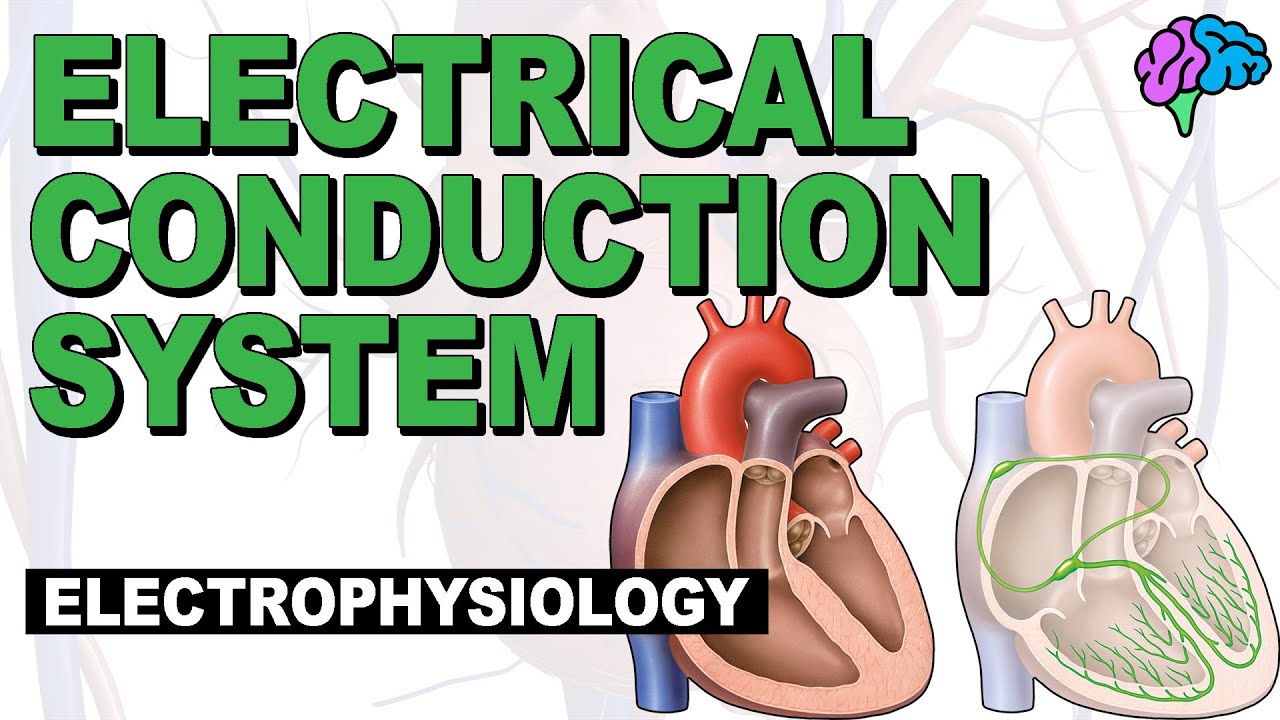
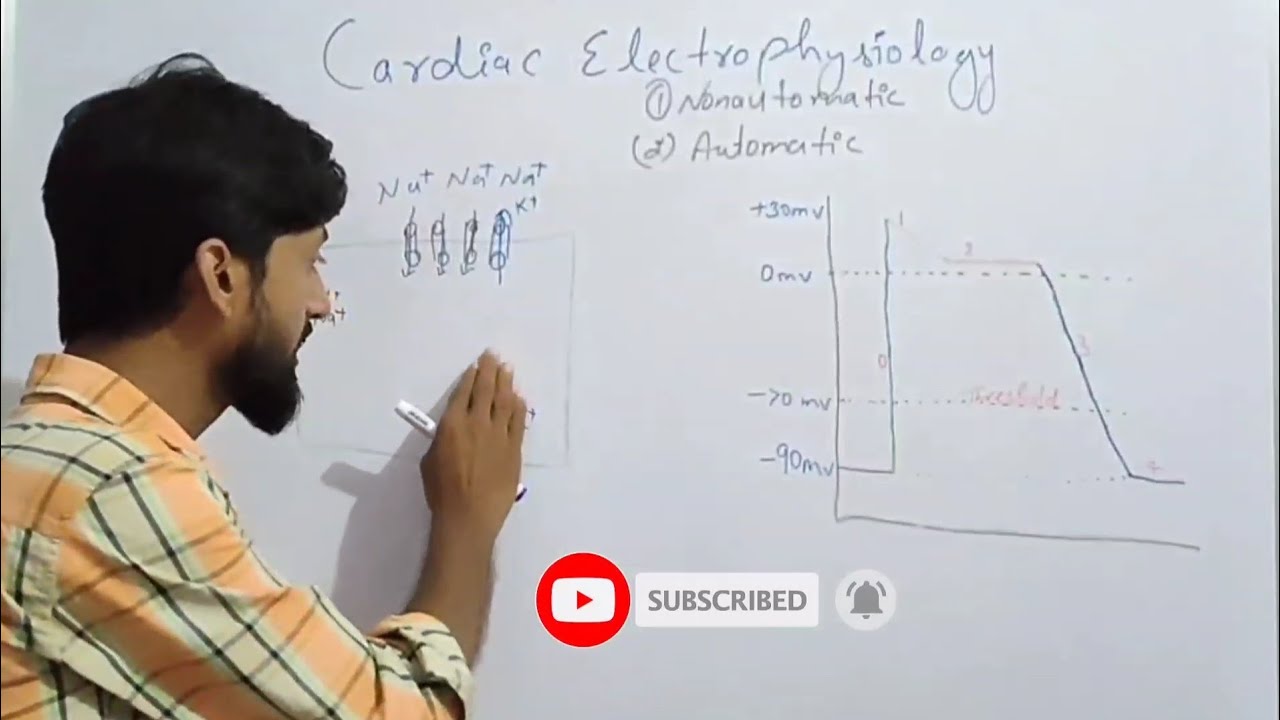
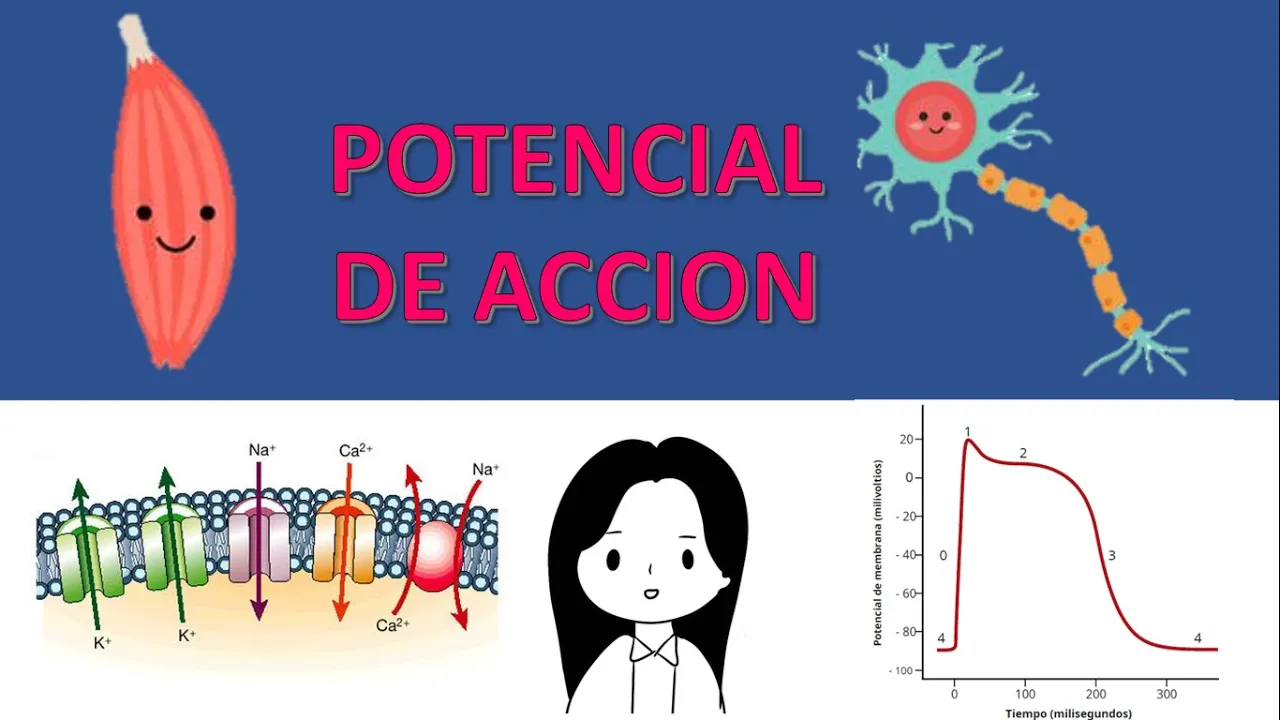
Added:Basic cardiac electrophysiology, specifically the phases of the cardiac action potential and the role of sodium and potassium ion channels.
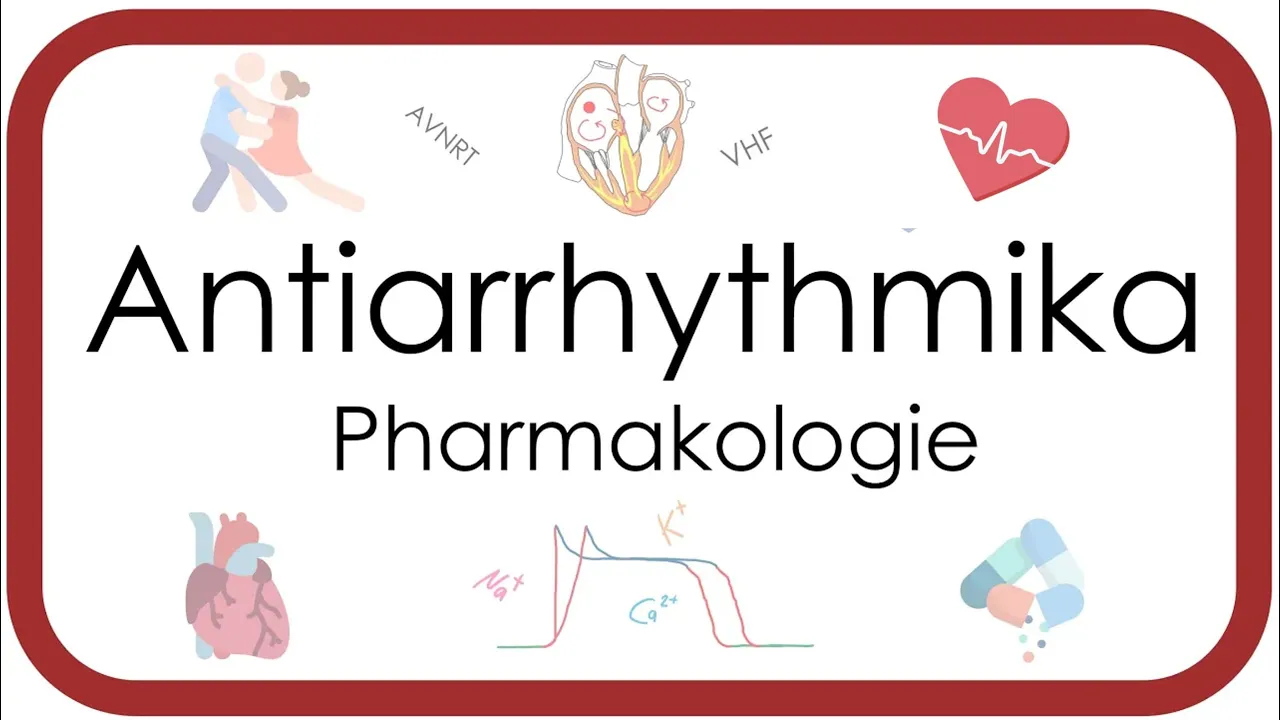
The Vaughan Williams classification of antiarrhythmic drugs, with a focus on Class Ia agents.
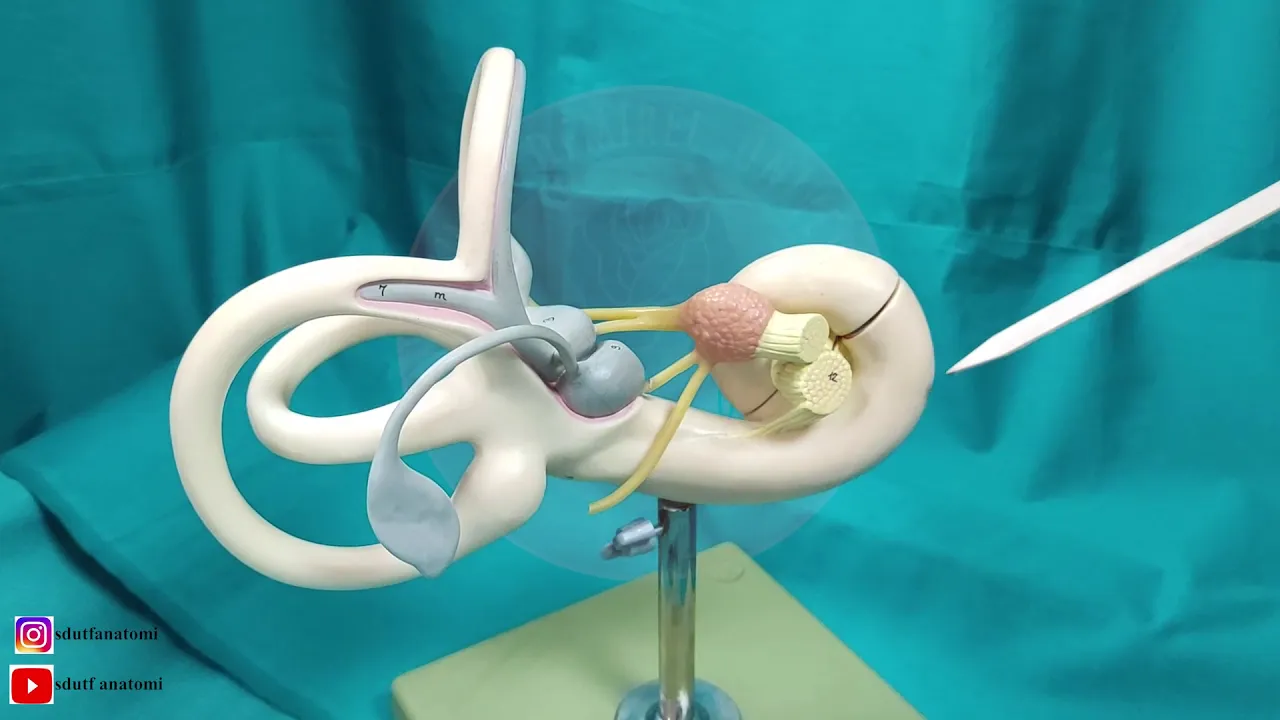
Fundamental neuroanatomy and physiology of the inner ear and cranial nerve VIII (vestibulocochlear nerve) to comprehend drug-induced ototoxicity.
General principles of toxicology, including the concepts of therapeutic index, drug clearance, and toxidromes.
Advanced clinical management of drug-induced prolonged QT interval and lethal ventricular arrhythmias such as Torsades de Pointes.
A comparative analysis of modern, safer antimalarial alternatives, such as artemisinin-based combination therapies (ACTs).
Emergency medicine protocols for systemic drug-induced cardiotoxicity, including the use of intravenous sodium bicarbonate and cardiac pacing.
Differential diagnosis of pharmaceutical-induced ototoxicity, comparing cinchona alkaloids with loop diuretics, salicylates, and aminoglycosides.
391 views8likes1:06:57Original Release: 2024-07-09
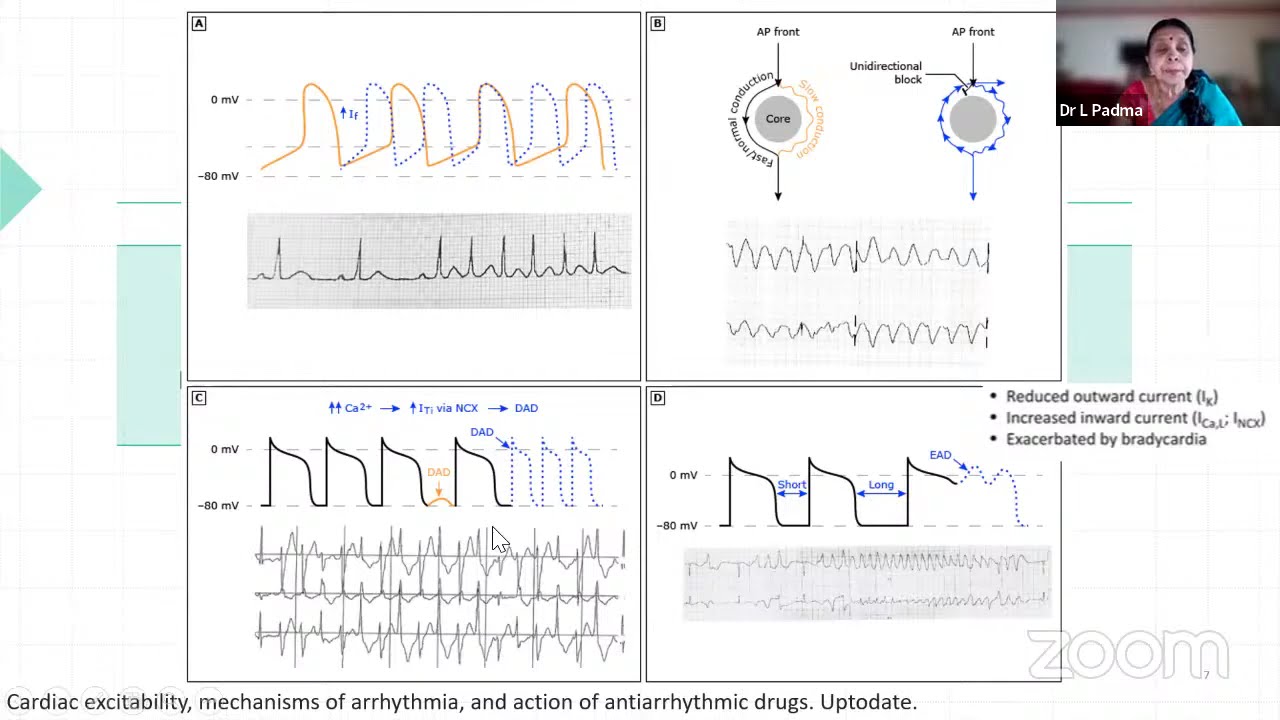
a 21-year-old female presents with new symptoms of decreased Vision approximately 8 hours prior they were attempting to conduct the cinnamon challenge where they consumed a tablespoon full of powdered spice they initially believed it to be cinnamon but didn't read the label and later confirmed it was not they immediately experience symptoms of tinitus or ringing in the ears as well as dizziness headache and flush skin they laid down for a few hours but the symptoms did not dissipate and at the onset of worsening vision decided to seek Healthcare evaluation what spice laying around in your pantry could cause your ears to ring and your vision to go dark can it do more if you want answers keep listening this is the poison lab hey everybody you are listening to the poison lab show about poisoning from people who treat poisoning I'm your host clinical toxicologist and emergency medicine pharmacist Ryan and after a brief Hiatus last episode toxo is back in the lab today and we're thrilled to welcome them back thank you Ryan I knew you wouldn't last long without me well I think we did okay but I guess that's one way to look at it now what were you doing while you were gone toxo I was on a medical mission for doctors with very heavy steel borders wow I had no idea there was such a need for steel reinforced medical care but we thank you for your service toxo all right well let's dive right into the case so we had a young person who ate a tablespoon of a spice they thought it was cinnamon but they immediately began feeling dizzy nauseous and flushed they had ringing in their ears and later progressed to vision loss this was a case I was consulted on and I was taken aback when I heard about it you see I had been teaching about this rare condition for the past few years when I would teach about anti-arrhythmics to the physician assistant school but I never thought I would see a case of it in my lifetime but it was so common from the 1700s to the 1960s don't you humans remember that far well we don't all have a combined Universal Consciousness like UT toxo rarely do we see this these days before we give it away let's hear the differentials of our listeners activating email reading protocols Transmissions from the poison verse our first guest here comes from a repeat guesser listener Karina renberg who guesses I think it sounds like nutmeg and she's not the only one we have one two three four five six guesses for nutmeg let's hear why some others also think it's nutmeg here is one from listener Nicole Jenkins who says this sounds like nutmeg which I believe to be more psychotropic than oot toxic but dot dot dot shrug Emoji wow thumbs up emoji to un Nicole cuz that was a great point I think the fact that it's a spice is drawing people to Nutmeg but I don't really know of any case reports of Odo or ocular toxicity from nutmeg as for its psychotropic effect let's take this email from Graham coat Smith it was nutmeg that stuff can seriously mess you up even in small quantities love the show keep up the good work sincerely Graham thanks Graham I sincerely hope that you haven't been messed up by small quantities of nutmeg thanks for listening how about another one from Reddit user dunkl Stu 666 flushed skin vision problems probably Delirious with midias and a high temp anti-cholinergic toxidrome I would guess it's nutmeg or marasin yet another nutmeg guess and interesting that they say it's an anti-cholinergic toxicity antii what Ry and I do not have the same receptors as humans I have told you you need to explain these Concepts to me anti-cholinergic stands for anti- choline choline like acetycholine and anti like blocking acetycholine the neurotransmitter in our body we use to talk to our brain and other organs there are many drugs that block acet Coline that we call anticholinergics the most common that people would know is going to be dyen hydramine or Benadryl the same one that teenagers on Tik Tok have been gulping down to try to impress their friends but instead wind up with some pretty nasty toxicities other examples are over-the-counter antihistamines numerous psychiatric medicines and many plants like deadly nightshade gimpson weed or as this user is suggesting possibly a compound in nutmeg when you block acetycholine you can run into some problems remember it's a neurotransmitter neuro like your brain so your brain uses it to transmit signals to your organs and tell them to do things acetycholine is primarily involved in governing our parasympathetic nervous system also called the rest and digest nervous system so when we release acetycholine onto organs you generally see the effects that you would see while you're resting and digesting it slows down our heart rate so we can rest and relax it increases secretion of saliva so we can start to digest food that we're about to eat it mobilizes your gastric system causing you to need to go to the bathroom and pushing food through the system so that the different parts of your gastric tract can absorb the nutrients you just ate and it constricts our pupils so less light gets in and we can get to sleep now it's not only in our parasympathetic rest and digest system it also gets borrowed just a little bit bit by our sympathetic nervous system sympathetic like I have sympathy for you because you're being chased by a bear this is our fight or flight nervous system to imagine its effects just imagine being chased by a bear your heart rate is elevated so you can run faster your pupils are dilated so you can see incoming threats you begin to sweat so you don't overheat while you're running this system normally gets you amped up with neurotransmitters called catac colomines it's kind of a fancy word for adrenaline epinephrine norepinephrine dopamine all that stuff but it borrows acetycholine to stimulate the sweating response so when you overdose on a drug that blocks acetylcholine a few things happen you block the rest in digest system you can't slow down your heart rate so it's going fast as a fiddle you can't make any saliva your mouth gets dry as a bone you can't pee your poop so you're full as a kettle you can't constrict your pupils so you go blind as a bat and You Can't Sweat which means you have no way of cooling down so you get hot as a hair and when your body gets really hot it needs to find another way to get rid of all that heat so your blood vessels dilate radiating heat off of you as the blood gets closer to the skin and this makes you look flushed or as we call it red as a beet this is why there's a classic poem for describing anti-cholinergic toxicity fast as a fiddle dry as a bone full as a kettle blind as a bat hot as a hair red as a beet and mad as a Hatter now I I know we didn't mention mad as a Hatter yet but acetycholine is a neurotransmitter in your brain so when you block it you go a little bit mad or agitated as we like to call it not angry agitated but pleasantly confused patients are commonly described at picking at things in the air and they have what are called liliputian hallucinations that's in reference to guler's travels the island of liliput was where the tiny people lived that Gulliver found the ones that roped him up well people tend to hallucinate very small objects or have size Distortion it's a relatively common phenomenon anyways we're getting off track these are the types of symptoms you'd see in anyone with an anti-cholinergic overdose whether it be a misguided teenager trying to do a benad tick tock challenge or perhaps an anti-cholinergic compound that's found in nutmeg our patient had decreased vision and flushness duncle St is saying this is probably from an anti-cholinergic toxidrome from dilated pupils which is making the vision blurred from inability to focus light and flushness from inability to sweat causing blood vessels to dilate closer to the surface of the skin they are also claiming they probably have a hot temperature and are delusional although that's not really stated in this case but those were very astute observations duncle Do's way to put together the pieces now let me just break your whole world I know we just talked about anti-cholinergic toxicity and that has been reported in nutmeg in gestions but we'd actually expect it to have some pathomimetic toxicity some pathomimetic like mimicking the sympathetic nervous system remember the whole running from a bear system it's governed by adrenaline epinephrine norepinephrine dopamine so stimulant drugs like methamphetamine that's crystal meth or MDMA which is Molly or ecstasy can look very much like norpine or epinephrine to your body and cause you to experience the same effects as those neurotransmitters they induce along with dopamine and some serotonin the fight ORF flight response just imagine your average person on crystal math hot tacky sweaty crazy Throwing Cars fighting cops they definitely look like they're running from a bear the Bear in their mind so toxo what is in nutmeg that would be closely related to methamphetamine nutmeg contains marasin an amphetamine precursor that gets converted in the body to a compound very similar to the street rugs SMY MDMA or ecstasy that's right nutmeg contains marasin an amphetamine precursor which gets metabolized into the body into methoxy methylene deoxy amphetamine mmda structurally it looks very similar to the drug mesculin which is peyote and MDMA which is ecstasy like we just said these are all stimulant drugs for the chemistry nerds they're all in a class of drugs called feno ethylamines I know we said this once I'm repeating it CU we're going over a lot pheno ethylamines look very similar to our neurotransmitters epinephrine norepinephrine and dopamine which we call catac colomine neurotransmitters so we would expect somebody who took maroin and had it metabolized to methoxy methylene deoxy amphetamine to experience the fight ORF flight response fast heart rate dilated pupils agitation hypothermia and sweating your pants off kind of sounds like our anti-cholinergic toxicity doesn't it and they do overlap a lot one of them is activating your fight or flight and the other one is just preventing you from activating your rest and digest all this overlap can make it confusing when you have a patient who shows up with a high temperature wide pupils t cardia and agitation as they're both shared by activating your fight ORF flight system or by blocking your rest and digest system did they take crystal meth or was this a benad dril challenge fortunately we can use certain Clues to help us figure out what the exposure might be if they're hot tacky agitated and sweaty that's probably a sympathetic toxidrome if they're hot tacky and dry as a bone with no bowel sounds and they're retaining all the urine that's probably someone who took a bottle of benad but anyways that's all besides the point it's possible that nutmeg actually has stimulant and anti-cholinergic compounds inside of it which is why we see anticholinergics reported in the literature although we expect more of a stimulant toxidrome based on the known chemicals that are in it it's a pretty fascinating compound and there's a good mix of symptoms that are reported in patients presenting with overdose regardless of which nervous system predominates in overdose you rarely hear about people trying to take nutmeg twice it's just generally regarded as an extremely uncomfortable experience and any dose you would take to experience psychiatric effects is more than enough to experience systemic toxicity this show is not about nutmeg if you want to know more check out a YouTuber called chubby emu he's a toxicologist and he's actually made a great episode about a case report of nutmeg overdose and if I piqued your interest about the drugs of abuse and their relationship to our different neurotransmitters you can check out one of my YouTube videos called what has Johnny been smoking it's actually a grand rounds I did in 2018 and it explains the biologic effects of psychoactive substances like LSD or Methamphetamine based off of their neurotransmitter structural homology feel free to check it out I think this explains why my nephew has a $400 charge at peny spices wow I never knew you had a biologic relative toxo and I'm really struggling to wrap my mind on how that's actually possible but either way you should probably talk with your nephew and Nutmeg is not the right answer to any of these cases so who's going to give me an explanation for the autotoxicity that's present in this case wow ran you are really stumping people with this one here's a guess from yet another repeat listener Michael Wright who keys in on the fact that tenius was one of the first symptoms or patient experience they write tenius sounds like aspirin or silicate poisoning I'm sure many spices contain solic slates but without researching I would guess turmeric since so many people use it as an anti inflammatory thank you Michael Wright BS Pharmacy student at Concordia University thanks for writing in again Mike now this is a great guess for a variety of reasons although still wrong when I think autotoxicity the first thing that comes to my mind is cicis or excessive aspirin poisoning and there are many over-the-counter products which contain large amounts of aspirin but when I think of that it's more or less essential oils like oil of winter green which contains dangerously high levels of methyl cicil so much so that just a few drops could kill a child as far as spices that might contain silicate well spices are groundup plants generally and silicate was originally discovered in willow bark that's what they Ed to treat fever so it's possible that this was ground willow bark but it doesn't necessarily explain the ocular toxicity and I don't think people use ground willow bark as a spice but I could be wrong as far as the turmeric goes I understand the link you're making between anti-inflammatories and possibly containing Aspirin because silicate is an anti-inflammatory but turmeric contains a compound called dier oil methane which is supposedly responsible for its pharmacologic effects no solic late that I know of did anyone guess it right well hold on there there were a few guesses here's one from ER phys physician Brad who says hi Ryan this is Brad just listen to your most recent podcast fascinating stuff hope I don't OD on laramide next time I have gi distress I hope so too Brad he goes on to say listened for the topics in the next case and I think the first one is quinine powder quinine I thought that was the stuff that is in tonic water oh well you'd be right toxo and so was Dr Brad well at least in part toxo would you like to reveal the powdered spice that our YouTuber tried to take a spoonful of powdered bark of the sinona tree a tree that has been used medically for hundreds of years that contains many alkaloids most notably the anti-ar rithmic quinidine and the antimalarial quinine that's right quinine is part of this toxicity same quinine that's a precursor for hydroxy chloroquin and chloroquin the hotly contested covid Therapeutics that many have heard about today but quinine is only part of the equation there's also quinidine and other alkaloids found in the bark of the sinona tree a powdered bark that we've been using medically for so long its bitter taste spurred the introduction of a brand new cocktail the gin and tonic we'll talk about that a little bit later and while we've been using it to treat everything from life-threatening parasitic infections to restless legs or fever you can also buy it powdered right online people use it to make their own tonic water or even misguidedly take it to try to treat various viral illnesses like Corona virus in fact you probably heard about the Fatal case in March in 2020 of a man who took a spoonful of a fish tank cleaner that was a quinine derivative known as chloroquin sulfate and rapidly passed away from it now overdose from these substances can cause severe toxicity but Ryan the patient was not taking chloroquine or hydroxychloro queen that's right but they did get a large overdose of similar compounds they're all in a class of drugs called quinolines hydroxy chloroquin and chloroquin are aminoquinolines which are derived from the syona bark alkaloids quinidine and quinine hey folks Ryan here quick update about a mini episode being released alongside this episode while quinine and quinine are the focus of this show I know many people are concerned about the toxicity of their derivatives hydroxy chloroquin and chloroquin given that many misinformed people have given some false promises about hydroxy chloroquin and chloroquin are scarfing down who knows how much in a misguided attempt to treat Corona virus the mini episode will cover treatments the evidence and rationale behind each therapy and clinical considerations and how to monitor the drugs that we're actually using so check it out at the poison lab.com now or after this episode I'll mention it one more time at the end of the show okay let's get back to the show so when this patient got a large overdose of quinolines in their syona powder they began experienc experiencing the classical effects of synchronism the name coined to describe the syndrome of toxicities that patients would routinely experience when taking syona for medical purposes feeling dizzy and light-headed flushed skin tinitus and sometimes ocular toxicity or even blindness Brian are you jumping right into the history before we pick this week's winner oh you're right tox I'm getting ahead of myself you know it's kind of tough to pick this week we had so many good guesses and we've actually had three or four repeat guessers while we value loyalty here we value clearly explain answers even more and for that I think we're going to have to go with Michael Wright who is totally wrong but he had a good rationale for why he chose the agent that he did and we liked his thought process so congrats Mike keep your eyes peeled for one of our highly coveted poison lab stickers coming to a place near you as for the toxin well its history is deeply intertwined it's been responsible for saving millions of lives and causing serious side effects and many more its therapeutic value was hotly debated for many years and still is to this day if you consider hydroxy chloroquin and chloroquin and it's led to massive cultural Innovations like the gin and tonic but maybe we're getting ahead of ourselves really it all starts with a parasite and a tree toxo can you hit the history segment poisons in history the parasite in question well actually there's quite a few all within the genus plasmodium plasmodium felip parum plasmodium viax plasmodium oval or plasmodium malaria all parasites responsible for causing the disease malaria Mal area Mal like bad and air like air it originally got its name as a way to describe the fevers that people experienced after they were exposed to the bad air near marshes and swamps but it wasn't the air that was causing this disease for them but the mosquitoes that enjoyed the moist environment near the marshes and swamps you see mosquitoes are one of the primary vectors of malaria the plasmodium parasite lives in the mosquito and when it drinks her blood the parasite enters your body it spreads out into different organs but eventually infects your red blood cells which then makes you a carrier then when another mosquito comes to drink your blood it gets malaria and can go spread it to others according to the World Health Organization there was about 435,000 deaths from malaria in 2017 this is why mosquitoes commonly win the award of most deadly animal and unfortunately the most vulnerable population are children under 5 years old now if you're listening in the US this might be a bit of a surprise to you malaria was eradicated in the United States between 1947 and 1951 owing in large part to the widespread use of the powerful insecticidal agents such as DDT so despite pesticides like DDT having a pretty toxic reputation some have said they're one of the most life-saving interventions that humans have come up with either way while we may not have the threat here in the US it is still rampant worldwide and malaria has been infecting humans for as long as we can remember for so long in fact that it was an evolutionary pressure for the development of some conditions sickle cell anemia is a condition where your hemoglobin takes on a different shape causing your red blood cells to crumple and look kind of like half moons or sickles these irregularly shaped cells can get stuck in small blood vessels which slow or block blood flow and oxygen to certain parts of the body it occurs when you have two copies of a gene that change the shape of your hemoglobin if we look at it purely from an evolutionary perspective having genetic mutations that cause decreased oxygen delivery as well as a whole other slew of effects wouldn't normally be considered a survival Advantage so we wouldn't expect this Gene to become very prevalent however some 4.4 million people are afflicted with CLE cell anemia and another 43 million are carriers so why does that happen well if you have only one cop of the gene you're just a Sickle Cell carrier your red blood cells still function normally but there are some slight alterations to the cellular Machinery of them now remember malaria needs to infect our red blood cells well because of changes that these CLE cell carriers have in their cellular Machinery they're actually less likely to let malaria into their blood cells to infect them so having the CLE cell carrier trait imparts a survival advantage in areas of the world where infants and children die of malaria this is why 80% of CLE cell anemia can be found in patients with ancestors from subsaharan Africa or places where malaria is endemic evolutionary pressure from malarial infection causing premature infant mortality selects for a larger population of CLE cell Gene carriers who are less likely to get infected and with a larger population of carriers we're more likely to pass on two copies of the Gene and get full CLE cell anemia expression Brian is this episode about poison or malaria you are getting off topic isn't it all one topic if everything in the universe is connected toxo you sound like you've been eating nutmeg okay the point is malaria has been around for a long time infecting humans and causing disease while we only recently determined the pathogen to be plasmodium we have known of the clinical symptoms of malaria infection since early human history and fever is one of the Hallmark signs and humans have been aggressively hunting for for treatments to malarial fever for as long as malaria has been hunting us and well that's where the tree comes into play the tree as we talked about before is the sinona tree it got its name from the Countess of sinon which is a small colony in Madrid Spain she was visiting Peru in 1630 when she came down with a case of malarial fevers now instead of using traditional methods of that time for treating fever which included things like limb amputation purging bloodletting being thrown into a bush to leave the fever there they instead utilized a medicinal bark that the natives of Peru had been using for many years as an antipyretic and lo and behold the Countess of Sone was cured of her fever thus the sinona tree got its name and the Countess of Sone gathered up the bark and distribute it to others Afflicted with malaria through herself and through her Jesuit preachers thus it also has the name Jesuit bark it was brought back to Spain and gained widespread use for a variety of conditions its use for malaria was frequently recommended though hotly contended not unlike today where the syona bark derivative hydroxy chloroquin is under much debate in terms of its utility in Corona virus as you can imagine without strict regulation around the concentration of syona alkaloid such as quinine Quin and quinine users of this miracle bark often received variable dosing which would lead to a variable effect on actually treating malaria combined that with frequent contamination and malicious vendors selling false powders for profit led to much debate over the actual effectiveness of this nevertheless its use was still widespread 100 years after the Countess of syone became ill in 1768 sinona bark was being used as prophylactic agent to prevent malaria in British soldiers the British Naval surgeon James Lind recommended that as long as a ship lay at anchor in a tropical Port every man receive a daily ration of syona powder now the quinine in sinona powder makes it very bitter and the soldiers didn't exactly want to choke down dry bitter powder so they would mix it with soda quinine mixed with soda is known as tonic water and they would add in their ration of gin as well as some lemon juice and sugar and thus out of concerned to keep soldiers healthy when they were in tropical ports the gin and tonic was born to prevent malaria now before you get any bright ideas you can't Kickstart your day with the Jin and tonic and tell people you're treating malaria currently in the US the FDA limits tonic water to 83 mg of quinine per liter and generally you needed to have about 500 Mig of quinine to actually treat malaria so you'd need about 5 L of GNT before you were even getting therapeutic I think he'd run into some other problems before that tonic water seems great for soldiers in malaria endemic countries and guys named Todd on Sunday fund so why isn't it still being used today since malaria is still so prevalent good question and actually it's the scarcity of other antimalarial agents that drove us to move away from syona powder in the first place Place see it was the only antimalarial available for 3 to 400 years but it turns out that syona trees are pretty hard to grow so there are limited areas where it can be produced and during World War II the Dutch controlled East Indies was the only area capable of producing this antimalarial bark so when that area was captured by Japan in World War II nearly the entire world lost access to their only antimalarial treatment and remember malaria still kills hundreds of thousands a year even today this was a vital therapy for Many Nations so given that the 's enemies in World War II controlled the only access to antimalarials and there was absolutely no other options it provided the incentive for the US to actually research and develop other antimalarial compounds it was given the level of priority second only to the Manhattan Project which developed the atomic bomb so thanks to the pressure from the scarcity of other options we eventually developed other agents like hydroxy chloroquin and chloroquin and we should be thankful it turns out syabar is actually a pretty terrible way to treat malaria all throughout its therapeutic use there was constant debate over whether it was helping or not apparently there's some theories that it can actually increase malarial infectivity and it doesn't even kill malaria it just suppresses it to keep soldiers healthy yada yada yada so very questionable efficacy but I guess if it doesn't have any side effects it's pretty low risk right oh except there a ton of side effects and soldiers routinely experience them besides some nastier ones that we don't have time to get into called blackwat fever soldiers taking this to prevent infection routinely experience dizziness nausea tentis headaches vertigo flushness and sometimes decrease Vision the classical symptoms of synchronism if I was a soldier I'm not so sure that I would want to be taking this well Ryan we developed new antimalarials after World War II so no one gets synchronism anymore right well you'd think and yes having less people Cho Sy conark is definitely going to reduce the likelihood of seeing it but we figured out that quinidine one of the Active Components in sinona bark is an anti- rhythmic so we actually isolated that and turned it into a drug and in the 18 and 1900s everybody was getting quinidine to treat palpitations and guess what if you were on quinidine you could also develop synchronism so we were still seeing bursts of this up until about 1980 okay and I don't want to get too nerdy here but there was basically a trial called the cast trial which demonstrated that when we use anti rythmics to try to suppress arhythmia it actually kills more people than it helps so a lot of anti- rythmics began falling out of favor but people do still take quinidine to this day for certain arrhythmias and thus synchronism persists not to mention quinine the other part of synon parter is still available as an antimalarial for refractory malaria and the quinoline derivatives hydroxy chloroquin and chloroquin can also produce similar symptoms when excessive doses are taken so we can see it in that population too and probably the most common population you'll see it in are people who buy syona powder to make their own tonic water and they use it to treat everything from restless legs to leg cramps to trying to prevent Corona virus or potentially eating spoonfuls of it in an attempt to do a cinnamon challenge so while you might think that this is something you'd only read about in a book like I did it's quite likely that you could encounter this and even more likely you'll identify it if you know what to look for and who's at risk so it's probably a good idea to understand why it occurs and how we manage it I think it's time we dive into our toxic mechanisms and clinical effect section toxo hit the segment Brian you said the clinical effects two times already okay I thought you were going to play the segment but I I guess can you just tell us what the effects are then it's the same effects the soldiers were experiencing tinitus ver go Headache nausea and vomiting don't forget about possible vision loss but yes those are the classical signs and that's what you might see in somebody who just did the cinnamon challenge with syona bark right in front of you but there's a few other things we could see especially if they show up to the emergency department and we can do some more invasive Diagnostics like checking Labs or doing EKGs so people with synchronism might demonstrate hypoglycemia or low blood sugar and hypokalemia or low pottassium and most concerning of all well remember quinidine is an anti- rythmic and here's a well-kept secret about anti-arrhythmics they actually cause many arrhythmias especially in overdose so we can see arrhythmogenic effects specifically wide QRS teoc cardas and well we can see torsades as well but knowing the clinical effects means that you know facts it doesn't mean you understand what's going on so let's try to build a mechanistic framework for us to understand the toxicities that syona bark imparts now for those of you who don't have a scientific background I know this is where I lose you if you don't want to listen to the really cool science and Physiology behind the toxicity of these drugs jump ahead and meet me just before minute 49 and if you're not going to skip ahead and you still have no idea what we're talking about I've got a little treat for you toxo drop some smooth smooth Loi jams let's talk about toxicity the very first thing we worry about would be arhythmic effects of these drugs now quinidine which is found in syabar is a class 1a anti- rythmic the Von Williams classifications of anti- rythmics class 1 through 4 kind of outdated and not very helpful but if you're remember class one is sodium channel blockers so we block sodium entry into the cell if we were to plot the sodium current meaning the rate at which sodium crosses into the cell against time it will take longer longer this decreases the angle of our phase zero depolarization which is normally 90° from the xais and now instead it's say 70° so instead of hitting our Peak current at say 0 seconds it's going to take us I don't know 2 seconds that's a madeup value but hopefully I'm painting a good manal picture in your head and this is going to lead to a prolongation of our QRS on an EKG because the QRS represents ventricular depolarization which is now taking long due to sodium Channel blockade now interesting all class 1as including quinidine also possess potassium Channel blocking effects and remember potassium efux from the cell is responsible for repolarization slowed repolarization leads to a more positive cell for longer leading it to potentially early after depolarizations which can trigger arrhythmias and yada yada yada you probably heard it in the low paramite episode so with a massive overdose of of syona and its alkaloids we would expect to see delayed ventricular repolarization as measured by the interval from the Q which is the beginning of depolarization to the T which is the end of repolarization or the QT interval if you need a brush up on action potentials and ventricular repolarization and depolarization you can check out the mini episodes that we released alongside episode 4 the rise of lethal laramide we're not going to rehash it again now exactly how many people are going to develop a rhythmogenic effects from synchronism would be very hard to predict we don't know how much of each alkaloid is in the specific tree that that bark was harvested from we can make some extrapolations such as this Cas series of people who are taking quinine for treatment of malaria in 1999 they had 60 patients being treated with quinine for malaria a quarter of them developed our classical symptoms of cnism 10 of the 60 patients had cardiac effects the cardiotoxicity was bad enough to actually kill four of the patients from cardiac arhythmia now some of these people were getting IV versions and all of them were getting purified extracts of fine so you can't exactly relate it one to one with people gulping down spoonfuls of powdered bark but definitely scary especially when you consider the fact that they were only receiving quinine and in syabar there's multiple cardioactive alkaloids like quinidine a known anti- arhythmic in fact patients being treated with crinine in the 1800s used to so frequently just collapse perhaps for no apparent reason they coined the phrase quinidine Syncopy which nowadays we recognize was likely isolated episodes of vac or torsades so given that those with just quinine are developing relatively high levels of arrhythmias it definitely makes me nervous if there's somebody with a large exposure to syona which is a combination of both Quin and Quin now if life-threatening arhythmia weren't enough kadine has also been shown to have some negative inotropic effects on the heart not that pronounced and much less than some of its cousins in the class 1a family like disopyramide but in overdose this could become pronounced that can lead to things like cardiogenic shock and it also has some Alpha blocking effects hence the dizziness that occurs with synchronism so you're likely to see hypotension possibly from a vasodilatory or cardiogenic shock in severe overdose and it should be no surprise that the quinine derivatives hydroxy chloroquin and chloroquin can cause many of these similar symptoms such as cardiac effects or blindness so despite politicians touting its safety and efficacy these can be very dangerous drugs wait people with zero scientific training who shouldn't be assessing efficacy let alone safety are making recommendations on whether we should be using hydroxychloroquine well I mean they're just providing their opinion to to millions of influenceable people despite the medical community never asking them for their opinion well they're just acting like a mouthpiece despite not understanding implicit bias in study designs and how it impacts outcomes that are reported or even the basic difference between wildly biased anecdotal experience and true objective scientific observation well technically yeah how do they come to their conclusions uh well usually they say they asked a respected healthc care member oh so they talk to an actual expert why don't they just let the actual expert report their conclusions instead of sharing misinterpreted data and anecdotal bias stories posted by their third smartest Facebook friend who claims to have figured out the solution to a massively complex problem just four posts after they were telling everyone the world was in chaos because Mercury was in retrograde I mean this is actually insane I don't know how can be we are experiencing an interruption in broadcasting and we'll be right back now ocular and autotoxicity this is what we've been harping on the whole time two of the more specific classical symptoms sympoms of synchronism the two symptoms that really queued Us in in our patient who had ringing of the ears and then developed decreased visual Acuity unfortunately we don't really know why these occur but let me hit you with some jargon and see if you can follow along some hypothesis suggest that there is decreased prostag gland in production leading to Vaso constriction at the organ of Cai now the organ of Cai sounds weird but really it's just a giant superactive volcano that will be activated by cthulu when he rises from the great just kidding making sure you're listening it's a weird organ that was identified by an Italian doctor named Alonso CTI probably not related to the end of times at all but this organ system that Alfonso Cai found is what is responsible for generating nerve impulses in response to sound waves so it actually sends the sound signal to the brain prostaglandins are natural vasodilatory signaling molecues released when we need to dilate blood vessels and if we block those well we'll block vasod dilation and thus the absence of vasod dilation is well I guess Vaso constriction so we're basically choking out the nerve impulses from our ears to the brain by decreasing blood delivery some have also suggested there's an effect on calcium channels because you can't cause tinius with quinidine in rats that are on the calcium channel blocker pneumo and of course it could be all of the above with multiple mechanisms leading to decreased hearing and tenius in fact a third mechanism proposes that Beyond Channel blockade and possible esea that quinine might interfere with the mechanical ability of the ear to transmit sound waves see you have these cells in your ear called hair cells you actually have two types inner and outer the inner hair cells are the cells that actually absorb the sound waves as they ride those sound waves they're mechanical movement generates an action potential and sends nerve impulses to the brain to hear sound now outer hair cells are different but proposed to be quite vital to hearing they do not function to send signals to the brain they function to amplify the mechanical sound waves that reach the CIA so that those sound waves can reach the inner hair cells and they do this in two ways one is through inherent mechanical resonance sounds a little funky but think about it like this if an earthquake is shaking your house and your dishes are shaking too think of the dishes like your hair cells they are adding additional Vibrations by shaking with the sound waves of the earthquake the other way they enhance soundwaves is through something called electromotility where they're able to change their length and shape and reproduce the sound wave using electrical conduction kind of like if I start singing a song and you hear the same tune and and then start singing it through a megaphone I guess hopefully that analogy will work for you either way the mechanical properties of these outer hair cells are integral to their ability to generate Force exposure to quinine causes these hair cells to elongate and dilate seeming to maybe induce a mechanical change or a structural change and greatly reducing the force they're capable of generating by increasing their compliance it's thought that this interference with the ability to conduct sound waves to the inner hair cells leads to a chronic absence of the inner hair cells conducting nerve signals to the brain and this is one of the proposed mechanisms of tinius Where The Chronic absence of stimulation from your auditory inputs makes your auditory cortex under stimulated so it goes out seeking new neuronal Pathways to other parts of the brain to get stimulated leading to this unregulated buzzing sound at least in some theories I don't know how much more in depth we can get without going into another episode so let's stop there the long and short as we don't actually know we have some theories but fortunately it does appear to be reversible hearing loss and tenius so after the exposure has gone away they tend to regain full hearing capacity sadly we can't say the same about the ocular toxicity is our YouTuber going to recover their Vision or is it going to get worse in a case series of 30 people admitted for quinine toxicity about a fifth of them were at least partially cited or fully blind on discharge a quick Google search of quinine and blindness will find a tragic number of case reports of people trying to treat leg cramps in Winding up with a case of sightlessness and interestingly the toxicity seems to be delayed at least that's what most references and case reports site citing somewhere between 6 and 24 hours from time of ingestion to onset of vision lost there's no real great explanation for why there is this delay but it is supported by data such such as this case Series in 1985 where 48 patients were admitted for quinine ingestion in the meantime to blindness onset was 9 hours nicely in this case report they also were able to correlate toxicity from specific levels quinine levels around 10 are what are associated with vision loss and you see synchronism around Quine levels of five so it would make sense that other symptoms would be the first harbingers of toxicity and what's worse is we don't really know why it happens there are a ton of theories and the predominant theory has changed over time now originally when these patients would show up they would find things like arterial vasospasm and dis palor meaning the optic disc looks pale because no blood is going there so it was thought that this was an entirely es schic event sort of like the mechanisms of autotoxicity because of this numerous therapies directed at dilating your arteries and increasing oxygen delivery like hyperbaric oxygen or vasod dilating agents or even something called Left stellic ganglionic blockade where they turn off the nerve that delivers vasoconstrictive neurotransmitters these therapies were all widely variable in their efficacy nothing was coming through as a gold standard treatment and later reports of blindness occurring before any arterial vasospasm LED others to believe that it was a direct retinal Toxic effect that quinine had to lead to blindness and of course it's possible there are multiple modes of action that lead to this ocular toxicity but regardless of how it occurs once it happens it's a bit of a dealer's choice for what happens next patients with large cumulative doses such as chronic exposures or those with large single ingestions might experience optic atrophy and full blindness whereas others may have their Vision recover the time course of vision recovery is a bit variable with some reporting a few days and others months but generally central vision recovers fur followed by peripheral vision it does seem to be more often with higher doses or higher cumulative doses for people taking things like chloroquin or hydroxy chloroquin the aminoquinone derivatives retinol toxicity is more likely after a cumulative dose of around 1,000 G and there's a significant increase in the incidence of retinal toxicity after 5 to 7 years of therapy compared to less than 5 years so it's likely that some kind of a dose response relationship exists our all right well that explains some of the more specific toxicities related to synchronism and toxicities from aminoquinones like hydroxy chloroquin or chloroquin but what about these strange super non-specific dizziness and flushed well quinine derivatives can cause Alpha blockade I guess they could just cause everything and as we know Alpha is responsible for constricting our vessels so if we block that we actually get baso dilation and that can cause uh low blood pressure and low flow events which will cause us to become dizzy there are also some anti-cholinergic properties associated with quinine and as we talked about earlier in the episode anti-cholinergic meaning blocking of muscarinic acetycholine prevents us from sweating so the body dissipates Heat by dilating our blood vessels so we can radiate heat closer to the surface of our skin this causes a feeling of flushness alongside dizziness because we are dilating our blood vessels and quickly we should touch on the hypoglycemia turns out if you get quinine to normal healthy people it actually lowers their blood sugar a little bit it acts like glucose and causes release of insulin from the pancreatic beta cells it also enhances glucose's insulin releasing effect we haven't really talked about these drugs but it kind of acts like a suon Ura by reducing potassium elux from the cell it makes the cell more positive which allows it to depolarize easier and at which point calcium can flood in and allow for the release of insulin that's a whole another physiologic pathway point is makes a cell more positive releases insulin it's a pretty commonly reported quinine effect with up to 10% of patients on quinine for malaria reporting hypoglycemia as for the hypokalemia it's not really clear why this occurs but it is more likely related to shifts of intracellular potassium possibly due to prevention of potassium e flux from cells or maybe it's from insulin secretion in severe overdoses there may be severe hypokalemia requiring aggressive replacement there's actually some debate over whether or not you should give replacement because you haven't lost potassium you just shifted it intracellular but given the relatively low risk of replacement and the high risk of arhythmia with electrolyte abnormalities in somebody overdose on an anti rythmic it seems like a reasonable idea to try to maintain a normal potassium now the nausea and vomiting I don't have a great explanation for you here's a hand wve quinine has direct irritant effects on the gastrointestinal tract and stimulates the brain stem Center responsible for nausea and emesis I don't know what makes a certain molecule stimulate the brain chemo receptors for nausea maybe that's something we'll look into later but think about it like this if you have too many gin and tonics you are going to feel sick and this has the same effect not because of the Gin but because of the tonic wow that was a lot don't worry if you get lost I didn't think I was going to read that much about hair cells either we'll do a quick summary of the clinical effects at the end now let's take it back to our case but we have our 21-year-old female she's here now with dizziness probably from alpha blockade flushing from an anti-cholinergic toxidrome leading to vasod dilation to radiate extra heat she has decreased visual Acuity we don't know why possibly due to a direct retinal Toxic effect of quinine or possibly due to Vaso arterial constriction leading to esia of the retina she is tinitus ringing of the ears maybe related to decreased prostag gland in production causing esea to the organ of Cai or possibly related to quinine induced outer hair cell mechanical changes reducing them from sending sound waves to the inner hair cells her vitals and cardiac electrocardiogram were normal there were no concerning signs of low blood pressure which can occur from alpha edgic blockade or teoc cardia which can be a reflex from low blood pressure due to Alpha adrenergic blockade or from a direct acetycholine antagonism also called anti-cholinergic effect on the heart additionally there were no concerning signs of potential aryas like widening of the QRS complex which is from sodium Channel blockade this was all the information that the emergency department had when they contacted me wanting to know what the toxicities of the substance are how to treat them how long the patient needed to be observed for whether new toxicities would develop and whether the current ones would worsen so what do we do well first I'm grateful that the ER actually knew what the patient ingested frequently it's not so easy to get a good substance history on patients patients are often too altered to actually talk with us or they're not always truthful about what they've taken but at least that matter was solved in this case even though they displayed all the classical signs of synchronism I might have thought about synchronism but it's unlikely I would have put my finger on it just based off these symptoms just like many of the guest ERS in the beginning of the episode there's a lot of things that might have caused similar symptoms a lot of things like solic lates can cause tinitus things contaminated with methanol might cause bilateral blindness or even a complex migraine occurring with the ingestion but that problem is solved we know what she took and she's displaying classical signs and symptoms consistent with the exposure seeing she has these signs of synchronism I'd like to evaluate her to see if she's experiencing any of the more severe manifestations such as cardiac arhythmia or hypoglycemia I asked the team to send electrolyte panels as well as get an ECG a basic metabolic panel is scent her potassium is low consistent with synchronism though we're not entirely sure why this occurs her glucose is 55 and it's corrected with intravenous dextrose this is likely due to excessive insulin secretion from raising the resting membrane potential of pancreatic beta cells due to sodium potassium atpa blockade on those cells by quinine an EKG is checked which demon rates a QRS interval of 100 indicating that ventricular depolarization does not appear to be prolonged and the QTC interval is 400 indicating that repolarization is not being significantly affected either so this is all good mild symptoms correctable electrolyte and endocrine abnormalities no cardiac arhythmia or severe Vital sign manifestations so what can we do to treat our young YouTuber well if we return to our talk principles decontamination trying to remove the patient from the toxin there's no powder on her to clean off and at this point we are more than 6 hours out from ingestion so activated charcoal likely plays no role however it should be noted that quinine might actually be a good Target for multi-dose activated charcoal where we try to bind any additional drug that's getting reabsorbed from something called anoh hepatic recirculation basically after you eat the drug you absorb it and exr it back out into your gut where you reabsorb it so we can give you multiple doses of charcoal to try to bind that drug that gets excreted back out into the gut and because higher quinine levels are associated with more severe toxicity some have recommended youd use this strategy to try to rapidly reduce your quinine level but we didn't do that here also that's more alongside our treatment principle of enhancing elimination and it's a good thing we can do that cuz it turns out it's really hard to get quinine or quinine out of your blood first most of it is actually in your tissue cuz it has a large volume of distribution so the little amount that is still in your blood is highly protein bound so you can't dialyze it off because it's stuck to your protein so it won't go across a dialysis filter now you could do some wacky things for protein bound toxins like oh all right I know this is kind of where I lose some people but this is really fascinating stuff and you know what it's for me somebody out there is going to appreciate this part of the discussion so I'm going to leave it in for protein Mound toxin you can use something called protein bound dialysate sometimes where you add protein to your dialysis fluid and it helps draw the drug off your blood protein onto the protein in the dialysis except you usually use albumin as that protein for systems like Mars or single pass albumin dialysate and quinine and quinine are actually bound to alpha acid glycoprotein so I'm not sure it would work this is just theoretical talking other options for highly protein bound drugs we kind of talked about them before we can take all the protein onto your blood and give you new new protein back that's called plasma exchange or we can run your blood against a charcoal filter in which case we have no control what it binds and you lose all sorts of things like platelets electrolytes and protein pound drugs so none of these are very good options basically we're out of luck Brian this is a lot of theoretical nerdy talk you are going to start overheating good catch talk so let's turnone it back next pillar supportive cares we need to support her air we breathing and circulation fortunately in this case she has normal vital signs a normal electrocardiogram and there's no concern that her mental status is going to decompensate so much that she won't be able to protect her Airway so there's not really much to support here however this is a good place to note that there might be a preferred vasopressor in massive overdose with hypotension both for quinidine or quinine and also as you'll hear about on the mini episode for hydroxy chloroquin and chloroquin and it's the same vasopressor epinephrine epinephine in humans has been shown to antagonize the anti rythmic effects of quinidine meaning if you're really stable on quinidine and we can't induce vtac and we give you epinephrine suddenly we can which isn't normally good but perhaps an overdose it would be a good thing to antagonize the excessive crinine effect and remember that these are negative inotropes so in theory they can depress cardiac output and epinephrine has a strong beta 1 effect which increases cardiac output to a much larger degree than some of its friends like Nori that said there's no comparative evidence to say that any other vasopressor combination that can maintain hemodynamics is any better or worse so do what you know to keep the patient alive anyways it's not relevant to the patient in front of us their vitals are fine we've talked about decontaminating them which it's a little too late we could I guess give them multi-dose activated charcoal but we didn't there's no other enhanced elimination modalities and we don't need to support their ABCs maybe I should check Aquin level I mean the case series did show that there's worse toxicity with higher levels maybe it can help me gauge how aggressive I need to be with my therapies but seeing as she already has decreased visual Acuity and I can assess her risk of arhythmia with an EKG I'm not sure I really need to do any sort of confirmatory analysis and honestly it wouldn't come back in time to influence care at all all it would do is let someone write a case report about it on to our next pillar of tox treatment which would be reversal of toxicity okay so we know quinan blocks sodium channels and that could cause a long QRS well she doesn't have that so we don't have to worry about it if she did we would give hypertonic sodium to overwhelm the sodium Channel blockade now for a brief Interruption for a clinical learning moment if you're a healthcare provider and you're listening to this you probably know that many people use sodium bicarbonate to try to antagonize sodium Channel blockade but remember if you're dealing with an overdose where hypokalemia is an issue you run the risk of worsening hypokalemia by alkalizing the blood causing the cells to shift hydrogen extracellularly to maintain the ph and shift potassium intracellularly to maintain positive charge balance thus if dealing with an overdose where hypokalemia might be a significant issue and you have a wide QRS consider using boluses of hypertonic saline instead of sodium bicarbonate and consult with your local poison Center on how to most appropriately administer these drugs okay back to the show her potassium appears low inter serum maybe it was just an intracellular shift but we did replete it because why risk going into an arhythmia in any overdose the tinius well I know that will resolve on its own so most of our problems are taken care of but we do still have this well decreased Vision so what should we do can we reverse this toxicity when we don't really even know what causes the toxicity should we send her for hyperbaric oxygen should we ask someone to do a left stellic ganglionic blockade which can have severe outcomes the patient had loss of light perception in both eyes and after a few hours of observation it progressed to dilated non-reactive pupils despite the fact that the evidence for using therapies that enhance oxygen delivery is pretty controversial we had a risk benefit discussion with the patient and there's relatively low risk to hyperbaric oxygen in a normal healthy person so she opted to undergo a session we had a hyperbaric set the parameters she underwent a 90-minute dive and well within 24 hours her vision actually improved so did it work was this the hyperbaric oxygen or was this just the natural course of disease and she happened to be sitting in an oxygen chamber for 90 minutes of it that I'm not sure we'll ever know her recovery followed the normal course that's typically reported where you get return of central vision and it still took a few weeks for her peripheral vision to recover she was admitted overnight and nothing bad really happened and she was able to follow up with Opthalmology we didn't notice any severe long-term outcomes so hooray toxicology saves the day or maybe we just kind of watched a patient not super clear wow I was hoping for a bit more of a climactic ending Ryan what are you talking about we had a patient who ate an old and esoteric Toxin and and came in presenting the characteristic findings of that toxicity it was a it was a wild ride and what they got better we don't know if necessarily our treatment helped but we definitely tried honestly a lot of times in toxicology you don't even know what you're treating so this is more climactic than than most either way I guess that wraps it up I hope everyone learned something interesting about this culmination of symptoms that occurs from chewing on an old medicine and perhaps you'll be more equipped to deal with it should it ever cross your path now if you're craving more or you're more interested in how we would manage the severe toxicities of say hydroxychlor Quin or chloroquin overdose something that in the year 2020 you are unfortunately much more likely to encounter head over to the poison lab.com and we're going to take a deeper dive into how to manage an actual overdose in one of those cases everything from the treatments the doses the evidence behind the therapies and clinical considerations for our treatments but for everyone else let's wrap up what we learned today malaria has been killing people for thousands of years and we have been chewing syona bark to treat Mal area for hundreds of years and experiencing the clinical syndrome of cinchonism which is caused by the quinine and quinine found in syona bark you might encounter synchronism in patients making their own tonic water with syona powder patients taking quinidine as an anti rythmic or patients taking quinine for refractory malaria quinine and quinine impart numerous toxicities including Alpha Ed energic blockade negative inotropic effects anti-cholinergic toxicity sodium Channel blockade potassium Channel blockade and effects on pancreatic beta cells finally through numerous proposed mechanisms as we discussed earlier they may interfere with the normal functioning of both your eyes and ears toxicity manifests with some non-specific symptoms like nausea headaches dizziness and flushness patients may also present with tinitus which is usually reversible and possible delayed ocular toxicity ranging from decreased visual Acuity all the way to full blindness finally patients who are able to receive laboratory evaluation might demonst hypoglycemia and hypokalemia as well as EKG abnormalities like a prolonged QRS and a prolonged QTC interval evaluation of a patient generally would include an EKG as well as a basic metabolic panel to look for electrolyte abnormalities like hypokalemia and low blood sugar Vision testing could also be performed to assess for any ocular toxicity treatment includes standard therapies like administration of activated charcoal if it was a recent ingestion and possibly considered multi-dose activated charcoal uh to to enhance elimination other therapies are directed at reversing toxicity administering hypertonic sodium to reverse sodium Channel blockade optimizing electrolytes to reduce risk of arhythmia and correcting endocrine abnormalities due to lack of consensus over the true mechanism of ocular toxicity it's not clear what is the most appropriate therapy a variety of therapies have been suggested with variable outcomes many of them are directed at increasing oxygen delivery to the eye such as hyperbaric oxygen or using vasod dilating agents if vision loss is present recovery of vision occurs first centrally followed by peripheral vision in the coming days to months in severe cases of Overdose with altered mental status seizures or hypotension support of Airway breathing and circulation may be needed some have suggested epinephrine may be a firstline vasopressor due to its effect on increasing cardiac output and an antagonizing quinidine anti- rythmic effect if you're confronted with an overdose of one of the quinoline derivatives chloroquin or hydroxy chloroquin check out the mini episode to learn more about optimal management of those cases that was a mouthful I think that'll wrap it up for today's episode all right well if you like what you've been hearing don't forget to subscribe on wherever you listen to podcast check us out on Twitter at lab poison and myself at EMP poison farm D we also have an Instagram at talks talk and a Facebook page the poison lab you can get updates about the show on any of those social media platforms now here is where we would normally play the intro to our next episode but when we released our toxicologist vers the internet episode you spoke loudly it seemed that people really enjoyed that format so we're going to do a few more of those alongside our regular episodes our next episode episode 7 we welcome on Dr Jillian theobold MD PhD emergency medicine Physician Medical toxicologist and Associate medical director of a poison Center we have an excellent time trying to to tackle some of the perplexing toxicology questions on the internet as well as breaking down some severe cases of fatal poisoning and walking through our differentials and treatments then for episode 8 we'll be jumping back to our traditional format going in depth on a Poison's History Science and medical management so please tune in for episode 7 if you want to hear some great discussion around a lot of Topics in toxicology uh from an absolutely brilliant toxicologist and now we'll play the intro to episode 8 you've heard this one before it's the same one that played at the end of episode 4 the rise of lethal laramide if you think you know what's going on or even if you don't I'd love to hear from you send your guest in to talk talk1 at gmail.com okay toxo roll the intro a married couple in their 40s presents to the emergency department each patient is displaying signs of an inferior wall myocardial inection or heart attack with ST segment elevations in the inferior leads of their EKG they each have hypotension with systolic blood pressures in the 70s and bradicardia with heart rates in the 30s to 40s the bradicardia and hypotension immediately resolves after atropine they're taken to the cath lab to treat their suspected heart attack but no heart attack can be found no coronary arteries are blocked the couple revealed that they had recently purchased a natural sweet tasting food that was touted as a sexual performance in enhancer the couple had been ingesting one teaspoon of the substance each day for the last week but before presenting to the emergency department they increased their dose to a full tablespoon which led to them both showing false signs of a heart attack and severe life-threatening hypotension and braic cardia okay looking forward to hearing from you hope you can tune in hey toxo can you play us out the information on this show is for educational purposes only and should not be interpreted as Medical advice or treatment recommendations please contact your doctor for any health questions or call your local poison Center at 1 1800222 1222 for poison related questions the opinions expressed on this podcast do not represent those of our employers this show is poorly written and shoddily produced by Ryan Feldman subscribe for future episodes and don't forget to share with your nerdy friends see you next time goodbye [Music]
Up Next

62:02
How Does a Molecule Become a Medicine? Drug Discovery & Clinical Trials
@PintofScience
1.5K views•2021-05-20

48:47
Graphic Medicine: Comics for Collaborative Healthcare Communication
@nationalpatientadvocate
189 views•2023-12-04

10:28
Neuroanatomy: Central and Peripheral Nervous System Divisions Explained
@AKLECTURES
136.2K views•2014-09-20
3:05
Stages of Labor and Vaginal Birth | Childbirth Animation
@nucleusmedicalmedia
52.1M views•2017-08-18
Related Study Plans & Knowledge Roadmaps
Structured learning paths in Medicine
medicine
Abnormal LFTs: Diagnostic Workup & Pathology
01Liver Anatomy and Basic Physiology
02Introduction to Liver Function Tests (LFTs)
03Hepatocellular vs. Cholestatic Patterns
+ 3 more learning modules
12h6 modules
Explore Roadmap
medicine
Analyzing Blood Smears: RBC, WBC & Platelets
01Introduction to Blood Components & Smear Preparation
02Normal Morphology of Blood Cells
03Erythrocyte Pathologies & Morphological Variants
+ 2 more learning modules
12h5 modules
Explore Roadmap
medicine
Mechanical Ventilation: Waveforms & Alarms
01Anatomy and Physiology of Breathing
02Introduction to Mechanical Ventilation & Core Modes
03Ventilator Settings and Waveform Interpretation
+ 2 more learning modules
12h5 modules
Explore Roadmap
medicine
Neuro Exam: Localization & Stroke Syndromes
01Foundations of Neuroanatomy and Vascular Supply
02The Neurological Examination: Step-by-Step
03Principles of Neurological Localization
+ 3 more learning modules
18h6 modules
Explore Roadmap