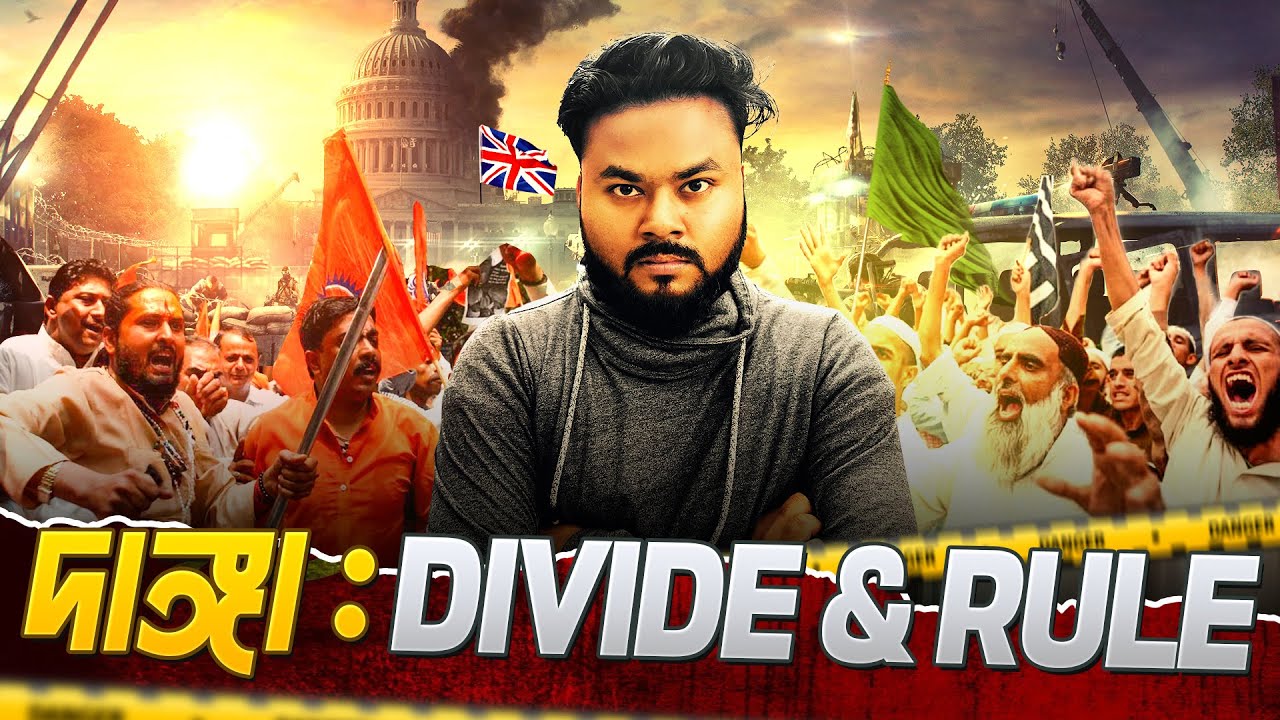


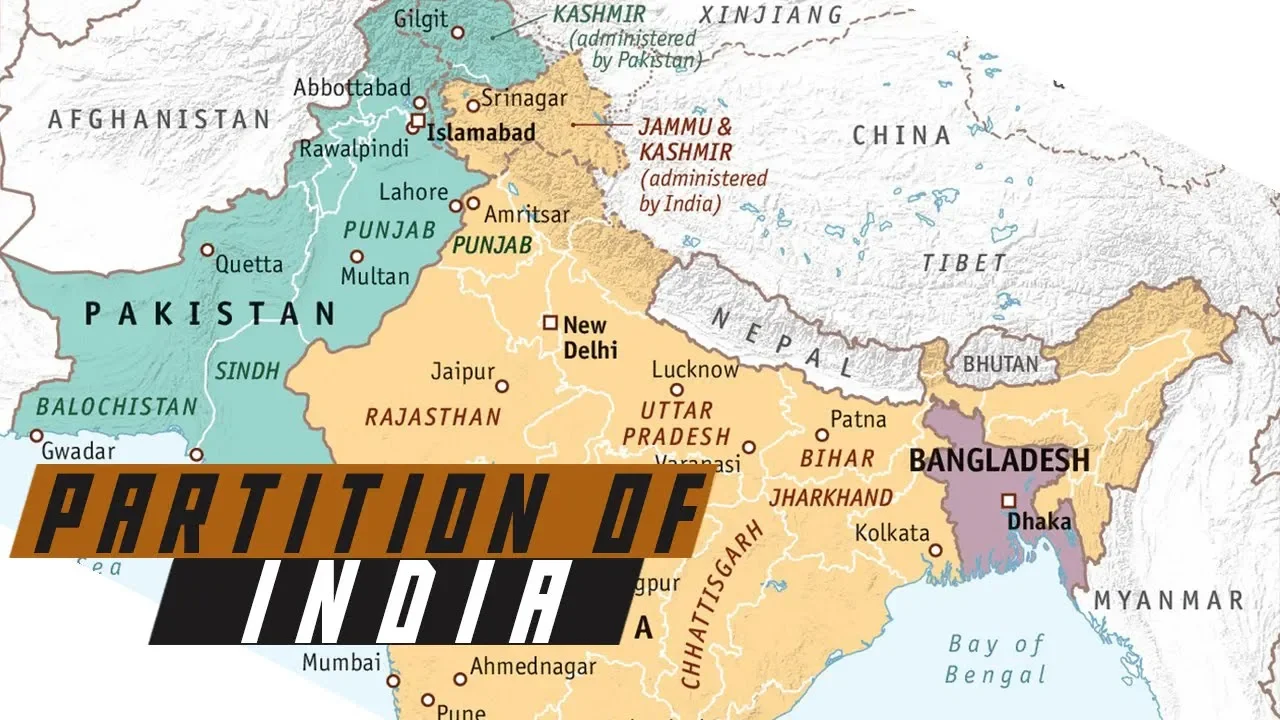


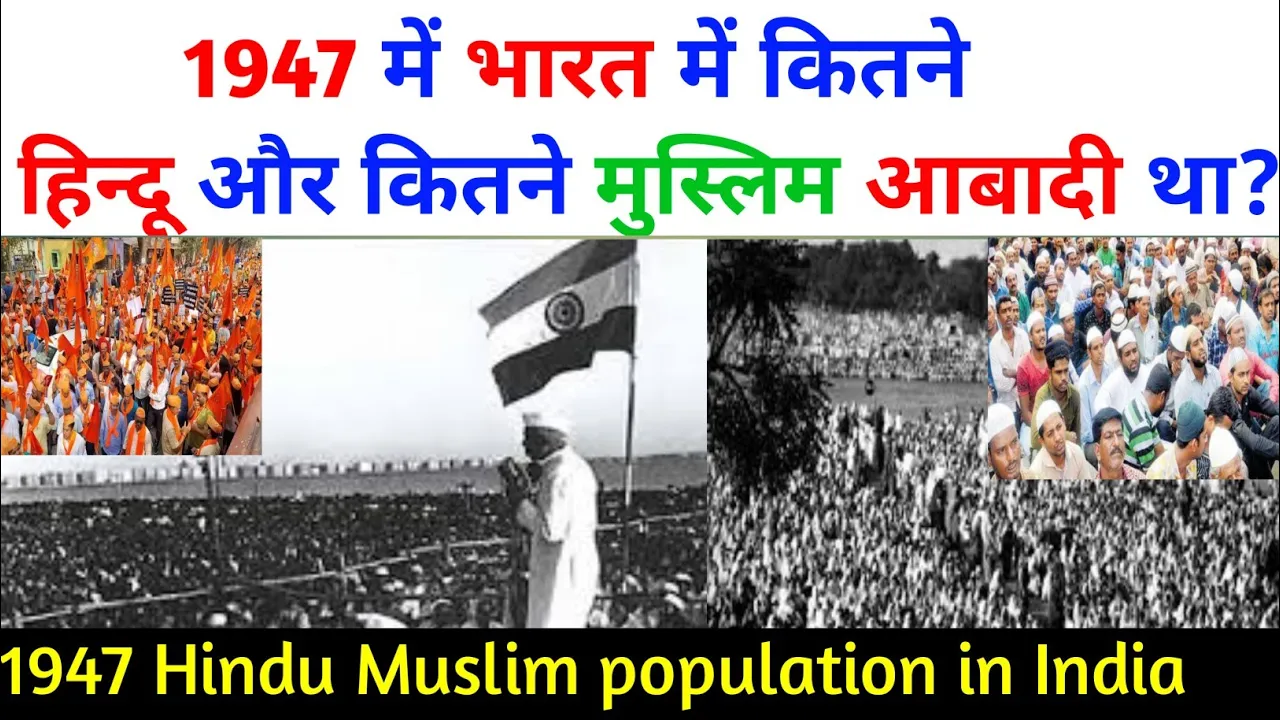









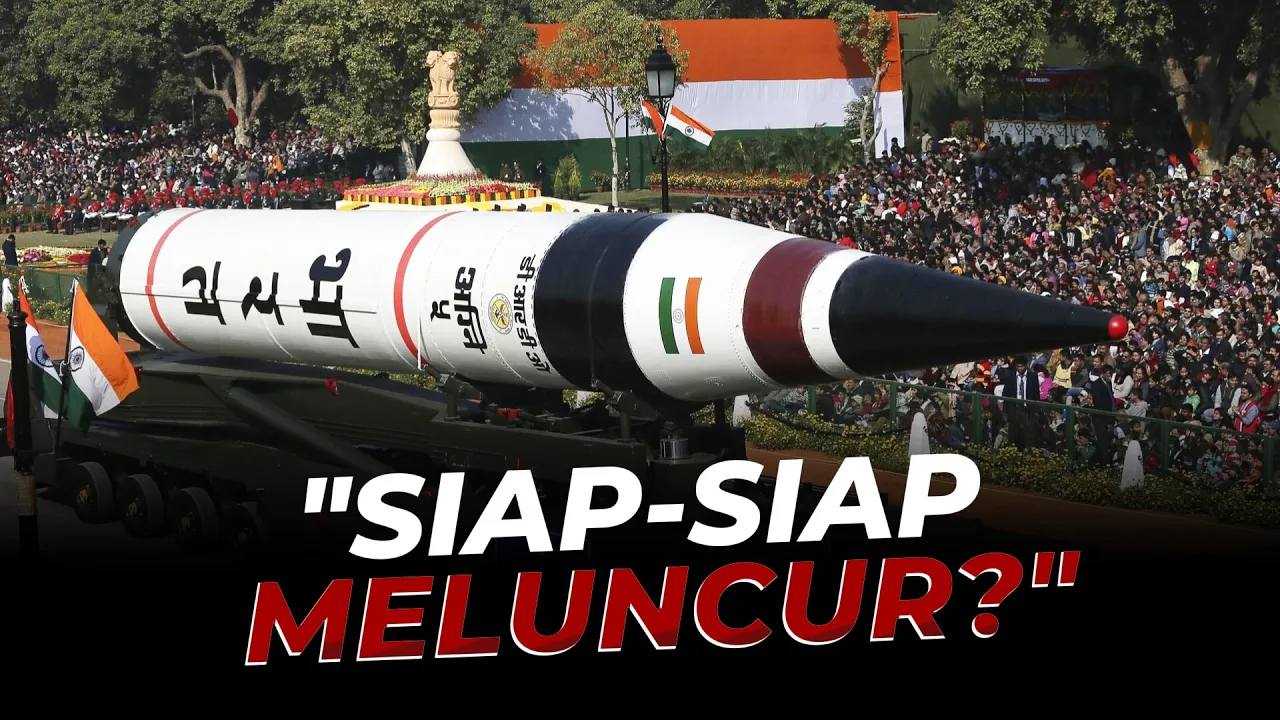
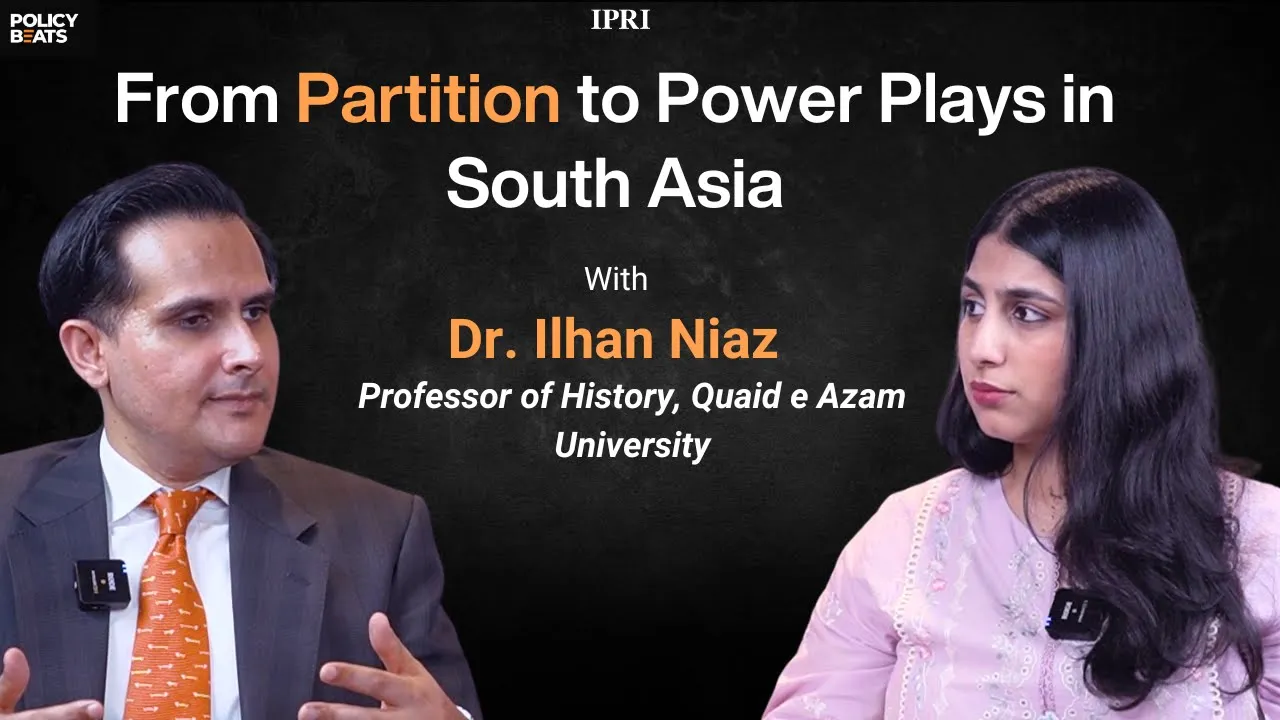


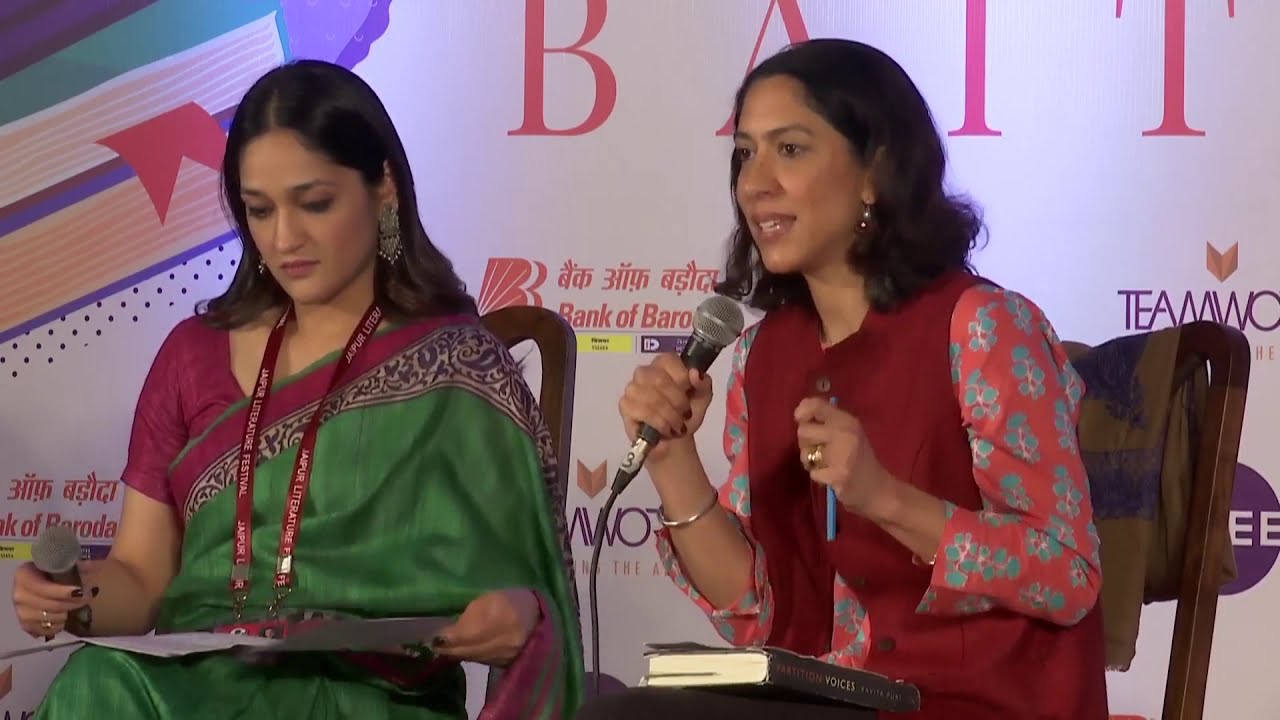


The 1947 Partition of British India was a pivotal historical event where the subcontinent was divided into two independent nations—India and Pakistan—based on religious demographics, primarily driven by the Two-Nation Theory advocated by Muhammad Ali Jinnah of the Muslim League, which argued that Hindus and Muslims constituted distinct nations requiring separate homelands; this division resulted in massive population exchanges, violence, and the establishment of new nation-states on August 15, 1947, with Jawaharlal Nehru becoming India's first Prime Minister and Liaquat Ali Khan serving as Pakistan's first Prime Minister.
The 1947 India-Pakistan Partition: Causes and Aftermath
Added:The history of British colonial rule (the British Raj) in the Indian subcontinent and its administrative strategies, such as 'divide and rule'.
The emergence and conflicting ideologies of key political organizations, specifically the Indian National Congress (INC) and the All-India Muslim League.
The basic religious demographics of pre-1947 India, particularly the geographic distribution of Hindu, Muslim, and Sikh populations.
The concept of the 'Two-Nation Theory' championed by Muhammad Ali Jinnah, which argued that Hindus and Muslims constituted two separate nations.
The origins and ongoing evolution of the Kashmir conflict, including the Indo-Pakistani wars of 1947, 1965, and 1999.
The 1971 Bangladesh Liberation War, which led to the secession of East Pakistan and the creation of Bangladesh.
The geopolitical and nuclear rivalry between India and Pakistan, and its impact on contemporary South Asian security dynamics.
The cultural and psychological legacy of Partition, examined through refugee resettlement policies, oral histories, and Partition literature.
3.3M views10.7Klikes20:27Original Release: 2010-08-15
[Music] other muscle Morocco Pakistan India rata to jihad shrew hoga direct action [Applause] [Music] harlot or Pakistan Guevara Azadi Cassata Akasaka lung discarded chamku people are buying a self-serving Livadia Hindustan or Pakistan yes or by Bonnie hakuna matata gig Roger Casey yeah baton Isabella of course of say Pelham de Kanaka te kaha Parham career hey JJ hey Amrit circa Atari border Jana for Jackie Jo Harper porchetta la coleauxv Pakistan say GU zurka [Music] Pakistan say Parker la ku Hindu or sick yaha Parvati a understand me I see Amritsar Atari border [Music] either say Pakistan curb our attempt re can you say vamos al Mangin quesadilla surgery Hindustani immunity though they shook him part marry me Polly charkha Lulu [Applause] [Music] [Applause] [Music] [Applause] [Music] von Drago's unnecessarily say northern ballet sorrow Salman ooga Katla Amritsar Maccabiah aesthetic Doulton balcony Chavez who necessarily schoo joe higashi coca Cutler Luciana Barroso Jalalabad keep Oscar Yaga una so settle is gay Ava's cappella Xavier moon Cara be some net circus I mean non watch opt her roast agreement so log of need John Baker - cabaret key key Michalka I think Satmar melaka the slacker memory partition taxi or dope aerobic equal do bob hair chapter head full silver government to be Queen someday equality to ache examine what a bitter cry it is a look about as Edition tallies grant a Bella Terra gas unnecessarily scope Lahore say Amritsar sheliak trains Lahore came Mughal poorest nations Italy strain may Amritsar 18 sons in doneghy poacher [Music] tetanus Hindus a cocoa tree in Varanasi felony cardia jour de agosto Lahore station patreon patron SFL ajita Talisa cookie hot air cardigan despot but prob a burned-up jalaja Chico's about the leakage station / Curitiba Pakistan special if my Pakistan Johnny Valley Sarkar yep sir come sorry orange every bar module tape [ __ ] it's not special good delicious Shanda with idk Megan job your twin party opposite of a leave our Casey train for homeless yoga ik mellorak but chicky hotter cardiga Chubby Hubby lahore karachi poachy [Music] Sharon r/t convertible gia Gaeta purana qila me pellet Ricky's Amin native Bell gari Tonga cycle or Pakistan Geneva Limu Salman Parivaar sabi ko at her I got this worked but very geeky but because uno chuka right there was water but America sub save our kid our mama Delhi Jinnah Pakistan Nevada party should be speak with or either he gets up several voltina kata alleged that they hotel to hotel Takayama there are two major nations the Hindus and Muslims Maharaja Gina hard merited Arab Pakistan cos supply difficulty tea ginger garage neat mini hotei - Shia dodge Pakistani Goethe at our shop Vandermeer bombin was dissymmetric passionately but Gina vocalic can delegate it but I'll accompany miss calm Kaneko Sapna Jin aku karate Liga undertook a tourniquet it could be bomba me Rwanda Saint hot generals were karachi cake buddy la compañía malik thing or genuine KR nakri traffic lick engine logic meetin come on grab a seat Harshad ride with even hardened equally resilient but his sorrow Peggy Janice or bigoted and cocky but for her ahead or Arthur car Unni nobody named Billy Tanaka saw Becky no cremilda Tito karate say Mumbai India T a terrorist she and Amy Mumbai dr. Gina Russ trees fungus my shaman who bay window sonamoo Salman okay of ironically saloon in Sochi may Muslim League party Bonnie who cemented in UNAM Eva Kilburn Cecchetti Muslim League Nagina Co party me shaman Hunico caja Lika no no name kar kar diya satsang Kedar Ichabod Oni so Tara made genom assembly caravan Ella gay Vanessa Bacchanalia qiyamah Hindu okay shot I got angry to hindu-majority man Olga can Alexander like the banner like cultural like her ATM cell again so hamari but jae-hoon casalinga or would you be some our society cannot hang get over that tickling his boonie a trooper he wouldn't give me that key actor a gilded teal didn't match up congressman a Georgia Matthew Katie the boonies soap and Rami written say McAllister Carlotti Mohandas Karamchand Gandhi Gandhi chika manutaki Azadi angry Jacques our jungler Donaghy bulky suck the hints or seven Iowa caucus odd button Drita hassle kirisaki when we saw Tara a chaotic congressman Gandhiji karuta Bob burn Elega angry Suki Rossi swastika suffer casita kadai is connected Jinnah or Gandhiji kovitch are the Cronulla game Akeno recipes Medina Puritans des congrès a allegory or Muslim League may Hodgins sumbitch man Java Congress a lihue to calc and Civic Center kangaroo sky whose wisdom yet again technically hilarious or no no Jen ladies gentlemen and mr. Gandhi so madam I suppose your Sawada Mahatma Gandhi ugly the sulk be heard ahem tuna so that each may purchase African Muslim League name hardcover bhajan Caracalla dish Pakistan Cahaba Panama should occur via top Georgian iocated take a massive sapele or a came a party or party Unga who said unit is cobalt Nicky baccala shrew cardi and reduce a bill killer Nicolay Congress legitness a bad penny got your cheek oh sheesh key make in Congress kyoshiro-sama chakalaka the of generally two-nation theory Congress kasam directly into India and muslin engine of must be separated Muhammad Ali Jinnah yo DK Presidente Vargas Orrin Akaka by hum a letter this one angry Joe he only so Charlie scale ahora deviation be Muslim League name parity Azadi Chappelle a Pakistan banana nah it mat relax Ruben Alireza Matt Pagani Jinnah poon key Pakistan gives a true bond equally banana can a Mumbai girl Unni Savalas me IDO Barney hooray cha d'Ivoire Ghana Gina similarity they can janaki's repair bellaire ahead [Music] partition key but we had to ish match suddenly subtlest push me Lahore modulus we have Lahore man who's what the resolution patch were like Pakistan behind when it's Oceanus me Britain say party in nature advocate Atrocitus opening a plan Laker London say cabinet mission para taya Muslim lignin mocha they cut London K cabinet mission ke saamne Pakistan Cola connect in Marathi Congress nice curvy road Kia or Britain c'mon three monthly a done wanaka she was pressed up k proper slot gear but it season our US generally Muslim Rica summit on masuleh others to Lisa she alleys call direct action daga Alan kardia yeah in Kolkata Oscar subsea Caledon sabot wah a Tzadik alpha helices subsequent tango say kolkata la lluvia who lenity ke upar Bonnie Hara [ __ ] for it nip here Gemma hobby is but till that nikki jaga [ __ ] energy direct action Deco pair Calcutta me in Ducati Corse Kabaddi a half damage of retaliatory done gave away to see beta Hemi Samuel Monaco gotta gotta got Noakhali me moose and Winona Hindu Oh Kamara to Bihar me in do ona behalf of muscle monopod nebera me shekhar challa kolkata be perky tango geography bangalore be hard offensive ET britain the party NATO for tomorrow - Luca yaki other up dish covered veranda he was gray hospital mamushka nuga Gandhiji peejoe Murata we will cover split decide the up Cotter key egg parodies of otaku equally discovered ridiculous ACTA liquid Congress Alta key a girl hum of partition Ducati to hit the stop be a turkey ho sakta Civil War was a key a disk images only yet by Buddhist a partitions we got here you sent Alice me parrot ke re was ray Lord Mountbatten a Japan job or Sima pronto Ghidorah kia to Luna British circuit which Attila ki-moon America adopted mecha Putin he grata Mooji is vodka huzzah Sneha he Pat Metheny buried or saegusa raha Punjab caravel finding a gown Kahuna may endure second Godot Hazara Baraka today krotkiy box o TV when a patrol car jihad gasps egg my initial set Alice Mahatma Gandhi Congress High Command Tibet has made in full Hitachi karate bullies after our attack a disc as a disciple a part vara of tallinn he joseph a javelin Larew Maulana Abul Kalam Azad sardar vallabhbhai patel just Anita V asada sapele this forgive Baraka trauma drat Awad excited yes our leader known as a manly ithaki division - who got away they had three cheese Aggie or baka cushioning yoga Chan logo pay Volo vodka eh and low hum na karenge though my own associate Alex Cody leaky airport sale and then Kelly Ravana who a Mountbatten Mountbatten New Britain kisser car ke saamne planned a car park abattoir iike plan may Punta para Kelly ich hoffe naga babu naidu new Java support le cadeau Gojira musalla movie era - case report me para que el gouna he came to croak Atlanta [Music] Hanukkah but Meraki does it leaving a weird Kurama unison telescope Lord Mountbatten length Angelica London sellotape social natural again aerosol Lord Mountbatten gives water I think apparently but America part was subsequently kiss Rita over time para una lucha Vavoom up news report kobbari may subsequently jawaharlal nehru Papa time own associate Alice Mandela my teacher Miss Angela strata Lord Mountbatten a Java Hiroko Shyam lobularia nanogenes report card a cotton Gojira was Susilo movie other UK's report me para que el gouna a kite to croak Atlanta interior partition hoga just made the most inane gay induced on or Pakistan experimental II I hear me a girl Mountbatten get through as a D&E roti through partition plan except Carnegie Berta yogi Hamlet abduch but I guess area options corrosion a cadastre band dojo do necessarily ski super Mountbatten get study room a parody Chinese corrosion tak Assad Brereton in he darted away Congress could have said Nehru Patel or Acharya Kriplani muslim league hitter up sheikh muhammad ali jinnah Liaquat Ali Khan sir Darwin Gator up say Baldev Singh hi Mountbatten K secretin is south on a donkey Sam Nick badami ronke piracy is vile may Park abattoir Akira pre-cutting Mountbatten II saw Tony Danza Adhiratha AB novella Dana kook aha the Hanukkah back to our ahora Howard HK was Roy Martin kubacheck Megan de Shamanov oh yay Katti batti licking Mountbatten is Sabina sake John Ichabod Gandhiji Kabul aha some vodka then Gandhiji came on read cadenza it's Lee Mountbatten a job heart came back very Kiba Gandhiji COBIT ie the monolith Monica very say Gandhiji kuch nahi Bowling Congress said that seemed to nature did you lick and jab [ __ ] escaped around a lobby Nimal T to pneumonia the he can have a congress Nene mana yep you got the Congress Nevada Putnam another severe of hi skirt a Sardar Patel appendage or Lerner condition animal ugly attempt in June missus a telescope for additional radio person II - cave betray a key cover sub develop a idea why Sir I mount Bettany on commercial Chordata escobar Nehru Gina Swanson say a pinky kevo but America is not manly or poverty Chanakya Sharky Pakistan cave and a cocoon keep our Sharman saab chakra he t we want the division of India into Hindustan and Pakistan because that is the only practical solution Sardar Patel is Shakti see Hyderabad Arjuna guru Maharaj mechanically much more Katya [Music] tea in June unnecessarily squelen who gataki bharat kid thought to korean game london geek Vakeel Cyril Radcliffe knee pirate kid daughter Chloe beats America tiger did he [Music] indoor techically understand our muscle man Oh Gilly Pakistan bangle Kapoor he hits a Pakistan coca or Fushimi bangle para Camilla Punjab Quevedo to crave a pastrami Punjab Pakistan Cody Agha or poor Vivendi apart kahe zamana chases Azad arias otoko que Haga kevo Pakistan yappari may say KC a cotton tractor hey oz adequate Eric chahi pondrá August on associate Ali's we made a date with destiny and now the time comes when we shall redeem our pledge at the stroke of the midnight hour when the world sleeps India will awake to life and freedom they can betray a Kakuna kills they had third Impella he should over Takata the slat look but vara Keeble each our guy dear guru log of Nakuru save a hurricane o'clock milan kiss a Tartar who gave her I will not hold over a year while you build Horace he gave me so much donkey don't know German are a congressman by John Huston dignity me Teresa she's cooperate RSS for sunny Jia Jia partition Jota head to local hotel owner para que pasa - capella pradhan mantri Ujjwala laid warGreymon tree Sardar Patel kill his son say buddy - not even gay Heather bazaar Junagadh Kiryas a temporary shaman who Nikita Yamaguchi Deepika shmita Pakistan ki nazar P Sardar Patel nice octahedra bud or juniper come hard mechanically much for Katya Lake in Kashmir but Nezzer got a Pakistani by Socktober illnesses at Jalisco hum Livadia sharpen bad Kashmiri Raja harrassing me heart maybe like a butter pot does the cat-car be here Pakistani well why you need a medium lap here Oh hurry sing kappa salt which are anita key was in the Sangha Sharon may induce Angus odd or wuick Chanakya entities and our portal key para para para washable can take a bath but vara he covered hurry home a lagoon but wearing a subscriber nickimja to Gandhiji nice right this January also our palace Co natural course any Gandhiji coat in volume Rd sir furoshiki tamanna' ab hamara dil may hey dick na haze or catnip buzz away cattle may vote on a day but adding a 2 j oz Mihama busy chaotic a hamara dil mera Azadi kobata des des kaliesha hedonic or boniva t OS - shabbat Moraga - body diliberti or varus at midday kavaja days on yolo nebula [Music] you
Up Next

63:36
The 1947 Partition of India: Causes and Catastrophic Impact
@DarkFrontvideos
449 views•2026-02-26

33:02
The Great Schism of 1054: Causes and Consequences
@SacredCathedrals
113.5K views•2026-02-19
91:57
The Geopolitics of the Ukraine War and the Rise of Global Autocracy
@JordanHarbingerShow
468K views•2025-04-19
17:05
Understanding the Cold War: Superpower Conflicts and the Road to Détente
@OverSimplified
46.1M views•2019-01-24
Related Study Plans & Knowledge Roadmaps
Structured learning paths in History
history
Byzantine Iconoclasm: Theology, Art & Politics
01Foundations of Byzantium and Early Christian Images
02The First Iconoclasm: Leo III and the Crisis of Images
03Empress Irene, Nicaea II, and the Second Iconoclasm
+ 2 more learning modules
9h5 modules
Explore Roadmap
history
Iranian Revolution (Causes, Events & Legacy)
01The Pahlavi Dynasty and the Roots of Discontent
02The Spark of Rebellion and the Rise of Khomeini
031979: The Fall of the Shah and the Climax of the Revolution
+ 2 more learning modules
8h5 modules
Explore Roadmap
history
Mali Empire: Mansa Musa, Trade & Timbuktu
01Foundations of the Mali Empire
02The Trans-Saharan Gold and Salt Trade
03The Reign and Pilgrimage of Mansa Musa
+ 1 more learning modules
6h4 modules
Explore Roadmap
history
1947 Partition: Politics, Borders & Legacies
01Foundations of British India and the Divide
02The Political Negotiations and the Mountbatten Plan
03Drawing the Boundary: The Radcliffe Line
+ 2 more learning modules
8h5 modules
Explore Roadmap