








![[Sách nói] Gương Danh Nhân - C4 | TG: Nguyễn Hiến Lê - DG: NSƯT Hoàng Yến (VOV)](https://i.ytimg.com/vi/-gF69VnG3qI/maxresdefault.jpg)








This documentary traces India's journey from British colonial rule to independence, covering the British East India Company's rise to power through divide-and-rule tactics, the devastating 1857 revolt, and the subsequent transformation of India under direct British administration. It highlights the pivotal role of Swami Vivekananda in inspiring national pride and self-respect, and Mahatma Gandhi's philosophy of satyagraha (nonviolent resistance) which became the cornerstone of India's freedom movement. The narrative culminates in the partition of India in 1947, where religious tensions led to the creation of Pakistan and massive displacement of populations, ultimately resulting in India's emergence as an independent nation despite centuries of economic exploitation that reduced its share of world income from 23% in 1700 to just 3.8% by 1947.
Hindu India History: British Rule & Independence 1850-1947
Added:Namaste, and welcome to Part Four of the documentary "History of Hindu India."
I'm standing at the southernmost tip of India at the Swami Vivekananda Rock Memorial.
This monument to the great 19th century Hindu leader sits on a small island in the Indian Ocean just offshore near the town of Kanya Kumari.
In a few moments we will describe the British colonial rule of India, the campaigns of Mahatma Gandhi and the ultimate birth of independent India.
But first, I would like to tell the story of these two great saints, one ancient and one modern.
Saint Tiruvalluvar Behind me, on a nearby rock, is the amazing stone statue of the ancient Tamil poet Tiruvalluvar.
This 133-foot tall, black granite sculpture was completed on January 1, 2000.
Under the direction of architect V. Ganapati Sthapati, 150 craftsmen worked ten years to carve and assemble 3,681 pieces of stone weighing a total of 14 million pounds.
2,200 years ago, Tiruvalluvar wrote the Tirukural, an inspiring and insightful work of 1,330 two-line poems about religion, friendship, love, vegetarianism, moral living, business, government and even war. Still today his words guide millions to live a wise and good life.
The opening verse of chapter one reads "அகர முதல எழுத்தெல்லாம் ஆதி பகவன் முதற்றே உலகு" In English it means: "A is the first and source of all the letters. Even so is God Primordial the first and source of all the world."
This weaver-poet writes, "Be unremitting in the doing of good deeds; do them with all your might and by every possible means."
And on the blessing of children, "What pleasure it is to human beings everywhere when their children possess knowledge surpassing their own!"
And even political advice, such as this on espionage: "See that spies do not know one another, and accept their findings only when three reports agree."
And this humorous adage on public speaking: "Men who can brave death on the battlefield are common; but rare are they who can face an audience without fear."
The Tirukural is one of the most popular sacred books of the Tamil people, an ethical masterpiece sworn upon today in courts of law.
Swami Vivekananda (1863-1902) The Vivekananda Rock Memorial was opened in 1972 in honor of Swami Vivekananda, a great Hindu monk who was instrumental in raising India’s religious and patriotic spirit at the end of the 19th century.
He was born Narendranath Dutta, son of a prominent Calcutta lawyer, and a gifted student who became familiar with Indian philosophy and numerous Western philosophies and religions.
At the age of 18 he left college after meeting the great saint Sri Ramakrishna, an illiterate priest of the highest spiritual attainment.
Young Narendra accepted Ramakrishna as his guru and was soon given the name Swami Vivekananda.
This huge memorial is dedicated to his life and teachings. He reached this remote spot in 1892 after two and a half years of wandering the length and breadth of India as a penniless monk.
Unable to pay the local boatman, he swam out to this rock through the surging ocean and meditated alone for three days. Sitting here on what he called "the last piece of Indian soil," the swami conceived a plan to lift India out of poverty and once again restore self-respect to the people of this ancient nation which he loved so deeply.
Shortly afterwards, he was sent to Chicago to represent Hinduism at the 1893 Parliament of the World Religions. He was just 30 years old.
When the elegantly dressed and articulate swami rose to address the parliament, saying, "Sisters and brothers of America," the audience rose in a spontaneous two-minute standing ovation. He went on, "I am proud to belong to a religion which has taught the world both tolerance and universal acceptance. I am proud to belong to a nation which has sheltered the persecuted and the refugees of all religions and all nations on the earth." Vivekananda returned to India a hero who kindled in India's youth a powerful patriotic spirit. He stayed in this house in Madras, now Chennai in 1897 where he gave speeches to thousands. He founded the Ramakrishna Mission, with branches here in Chennai and other places in India, England and all the world.
He died in 1902 at age 39. His mission and message, spoken with fearless boldness, would prove crucial in bringing an end to India's subjugation as a British colony, a sad period of its history that began just before his birth.
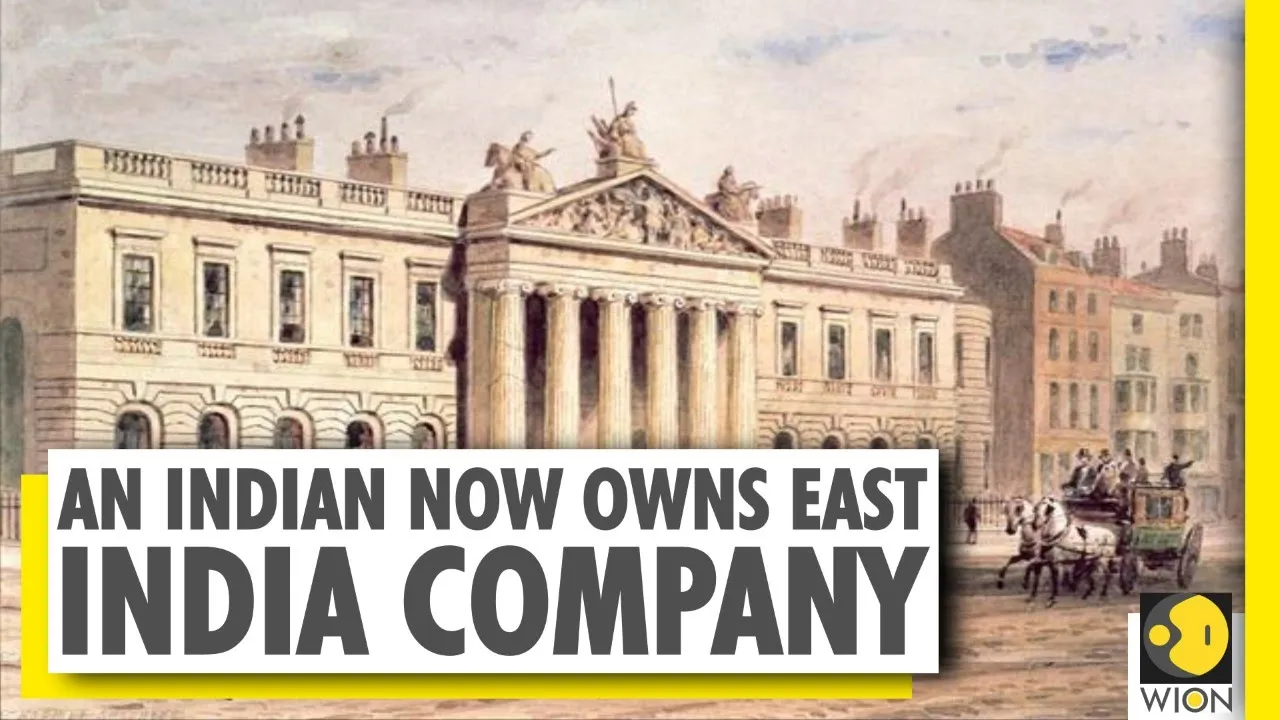
The British Raj: 1850 to 1947 As you learned in part 3 of this documentary series, the British first arrived in the country in the 1600s as traders. They established the British East India Company to sell their British-made products in India.
The company interfered in local politics, established its own armies and grew into a major military force from 1800 onward. It followed a strategy of "divide and rule," pitting one group against another to the company's advantage.
By 1848, after defeating the Marathas and the Sikhs, the British were the paramount power on the subcontinent.
In 1857, a huge revolt by Indian soldiers in the company's army was ruthlessly crushed, resulting in the death of hundreds of thousands—some say millions—of soldiers and civilians.
Just 80 years earlier, Britain had lost control of her American colonies. Determined to not have that happen here, the government seized direct control of the country from the East India Company and took drastic steps to forestall another uprising.
They occupied and ruled some areas directly.
The rest of India was divided into what were called the "princely states"--565 small to large locally-ruled kingdoms who entered into treaties with the British, often under threat of military attack.
The British exacted tribute from the princely states and controlled their external affairs. In India and hundreds of other far-flung colonies, Britain profited immensely, while the populations suffered poverty, famine and disease.
A century of British rule drove a wealthy and vital India into near ruin.
The British did improve India’s roads and created postal and telegraph networks and a vast rail system. But they did so primarily for their own political and economic gain. In some areas, they abandoned functional infrastructure, such as these amazing stepwells of Rajasthan which had provided the community water for centuries. Traditional educational institutions were closed in South India. High land taxes led to frequent famines costing the lives of millions. The British justified their conquests and harsh rule by claiming they were a superior race with a noble mission: to spread Western civilization, Christian religion and English education.
That education, however, had an unintended side effect: Indians learned about the American and French revolutions, and the on-going revolts in Central and South America that were freeing former colonies. They realized that India, too, could be free —a goal that would take nearly a century to achieve.
Mahatma Gandhi (1869-1948) India's most famous freedom fighter was Mohandas K. Gandhi, known as the Mahatma, which means great soul.
Gandhi was born in 1869, only six years after Vivekananda. He was a devout Hindu, a skilled lawyer and a master politician. His strategy to gain India's freedom was satyagraha, literally, "truth force." Satyagraha is a method of nonviolent noncooperation and defiance of unjust laws. In English, Gandhi called it "civil resistance."
His most famous example of satyagraha was the Salt March, begun on March 12, 1930, and immortalized in the 1982 movie titled Gandhi.
"Long live Gandhiji, Long live Gandhiji" The function of a civil resistance is to provoke response. And we will continue to provoke until they respond or they change the law. They are not in control, we are.
In those days, it was illegal for anyone except the British Raj to produce salt, and there was a heavy tax on it as well.
If England does not grant your demands, what course of action will you follow then?
Of course, civil disobedience, and all other phases of satyagrah.
You could be jailed for collecting salt yourself. Gandhi marched to Dandi Beach in Gujarat state.
There, in front of ten of thousands of followers, he collected salt from the seashore in bold defiance of the law. The news spread and soon people all across India were openly producing and selling salt. The British arrested tens of thousands, but failed to stop the unlicensed production. In this and other ways, Gandhi's followers refused to cooperate with the oppressive government. They did not pay taxes, stopped buying English goods and publicly burned such products they owned.
A number of intellectual and religious figures also contributed dramatically to India's growing national pride through teaching, reform movements and massive social service projects.
Among the most prominent were Rabindranath Tagore, Raja Ram Mohan Roy, Keshub Chunder Sen, Swami Dayanand Saraswati, Swami Pranavananda and Sri Aurobindo.
They also included Annie Besant, a political activist in England who became president of the Theosophical Society, a spiritual movement with roots in many religions. In 1907 she moved to the Society's headquarters here in Chennai where she took up the cause of India's freedom. But the most influential of all, even long after his death, was the Hindu monk, Swami Vivekananda, whom the famed freedom fighter Subhas Chandra Bose called "the maker of modern India."
The Rashtriya Swayamsevak Sangh, "National Volunteer Organization," was founded in 1925 by K. B. Hedgewar. The RSS was further expanded and strengthened by M. S. Golwalkar, who was known as "Guruji." The RSS called for a "Hindu nation," but did not participate directly in the independence movement.
It focused instead on promoting Indian culture, national pride, social reform and economic upliftment. With five million members, it is the world's largest NGO and today a major, if controversial, influence in modern India.
On the one hand, it has been praised for its services during natural disasters and national emergencies. But on the other, it has been criticized for its paramilitary style of training, overzealous moral policing and accused of contributing to communal discord.
The Road to Independence With the beginning of World War II in 1939, Britain's hold on India started to weaken, especially when Germany began severe bombing raids on London.
Preceded by a shower of flares, German bombers rained fire and high explosive bombs in their most savage attack on London. Here again is the blood, the sweat and tears Nazi warfare brings to the men, women and children of city, town and village.
The struggle for independence entered its final phase in 1942 with the launch of the Quit India movement. Not all Indians followed Gandhi's peaceful methods. Subhash Chandra Bose, most notably, formed the Indian National Army of 40,000 troops in 1943 which fought the British in Burma.
Bhagat Singh, Chandra Shekhar Azad, Shivaram Rajguru and Sukhdev Thapar also took to armed struggle. Each was hanged or killed in violent encounters with the British. There was an even bigger problem for the British: the Indian soldiers in their own army and navy, who made up the vast majority of combatants.
These soldiers were inspired by Vivekananda and Gandhi, and their loyalty to the British weakened as the demand for freedom swept across the nation.
Finally, a 1946 mutiny by Indian sailors in the Royal Indian Navy convinced the British that it was impractical to continue ruling India.
Indian troops numbered more than two million and were led by just 250,000 British officers.
It was only a matter of time before the mostly Indian army might revolt and the small British command, surrounded by 340 million Indian subjects yearning to be free, would be unable to contain the violence. A major issue, however, seriously complicated the creation of an independent India: Muslim demands for their own country.
Muhammed Ali Jinnah, leader of the All-India Muslim League, did not want Muslims to become a permanent minority in India.
We want the division of Indian in Hindustan and Pakistan because that is the only practical solution. Though Mahatma Gandhi objected, the British agreed to partition the country on the basis of religion, a decision that resulted in terrible tragedy. Partition created lasting animosity between Hindus and Muslims. It was a direct result of the Raj's policy of divide and rule, Also, the British calculated that a divided India would have diminished leverage in global affairs.
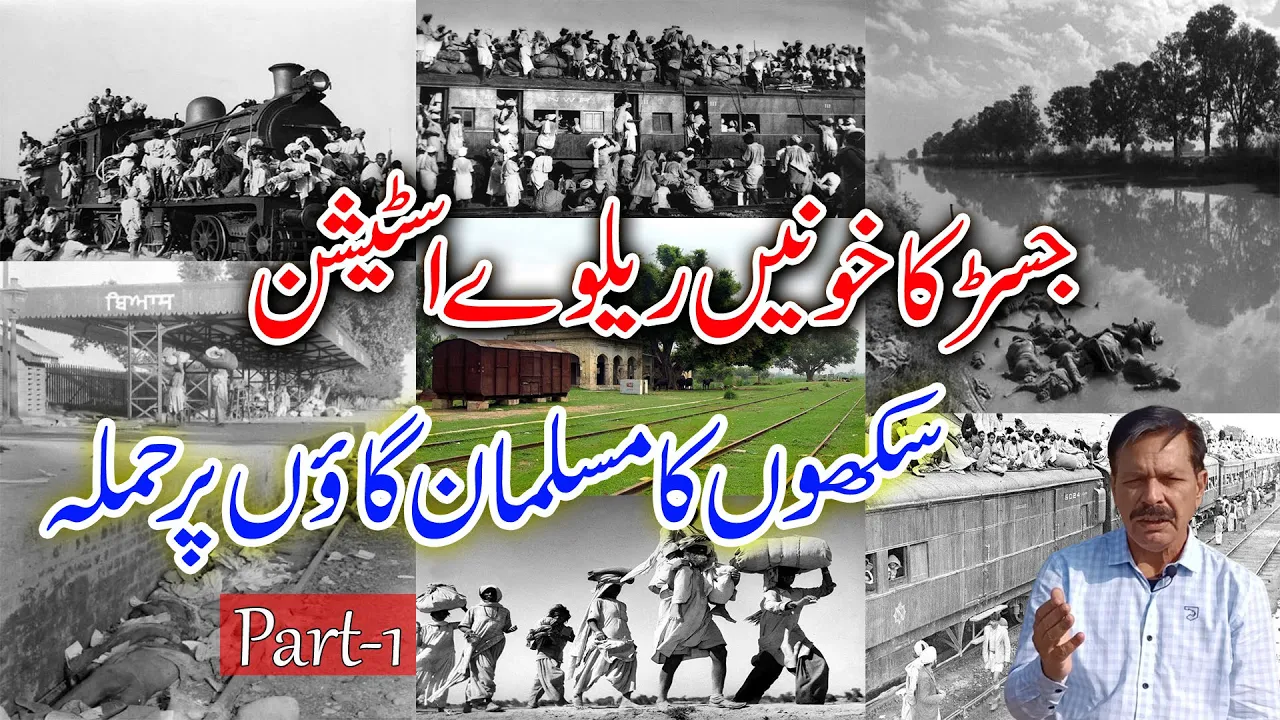
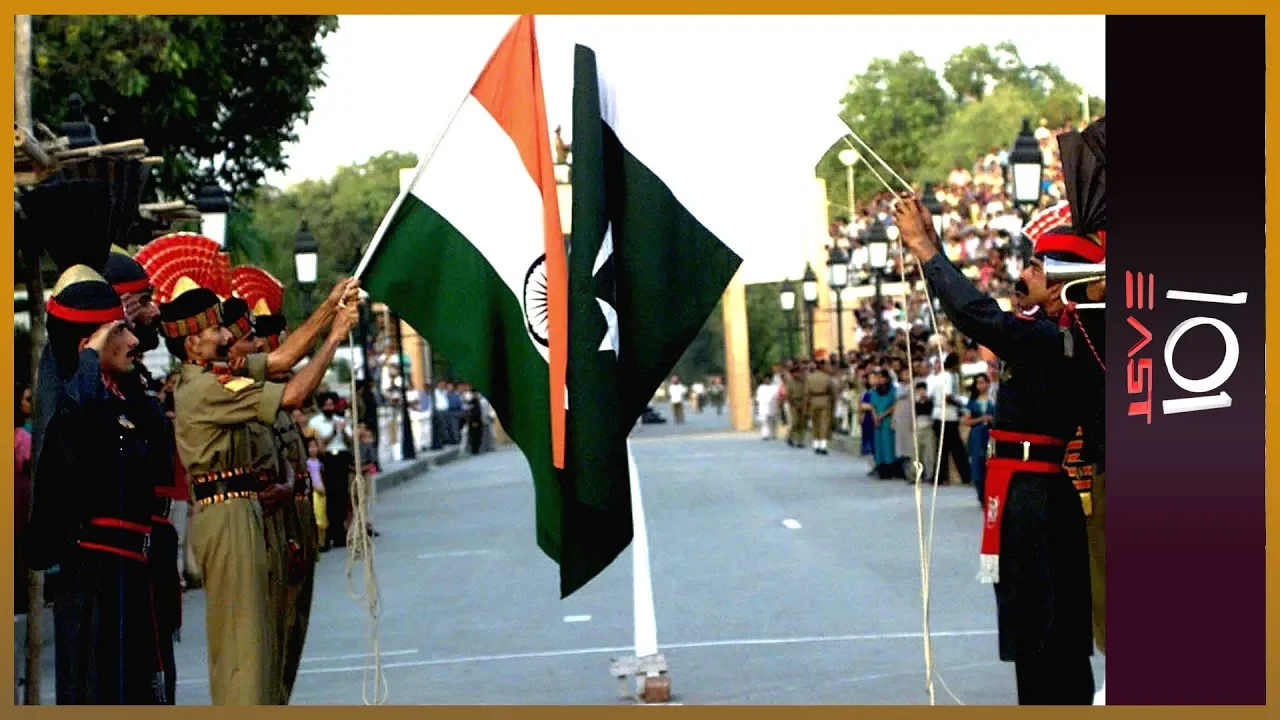
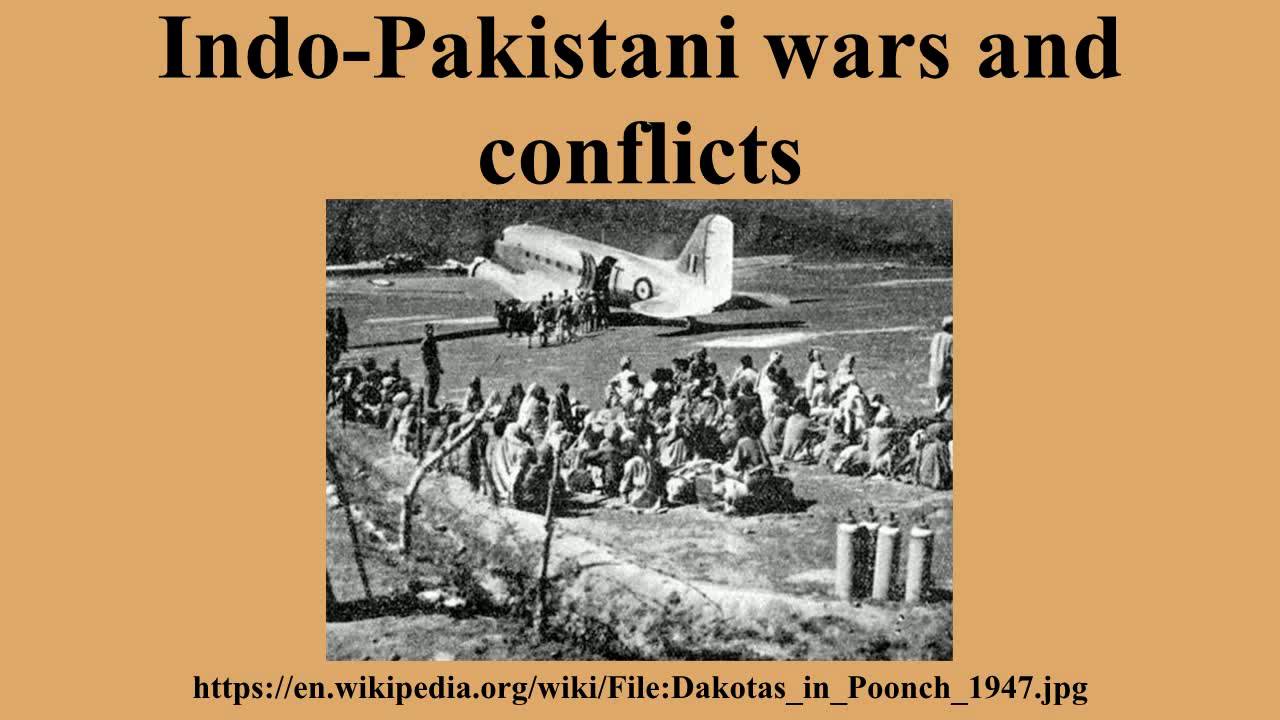
With India's freedom on August 15, 1947, a huge relocation took place. 7.5 million Muslims moved to Pakistan and a like number of Hindus and Sikhs fled to India.
At least a million died from the resulting hardship, attacks and riots.
The tragedy was compounded when on January 30, 1948, a Hindu man, enraged over the partition, publically shot and killed Mahatma Gandhi. Yet finally and despite the bloodshed, after two hundred years of British domination, India was free but left ruined by colonization.
India's percent of world income had dropped from 23% in 1700 to just 3.8% in 1947.
At the time of Independence, life expectancy was just 30 years. Half of the population lived in poverty, and a mere one in eight could read and write.
In the fifth and last part of our series, we will tell the story of how India recovered from this low point and in just a few decades emerged as the world’s largest democracy, with a rapidly developing economy, and a global religious and cultural impact. Namaste.
Up Next

The Radcliffe Line: India's Bloody Partition Legacy Explained
@rammadhvaniequinox
392.2K views•2017-03-18

The Great Schism of 1054: Causes and Consequences
@SacredCathedrals
113.5K views•2026-02-19
The Geopolitics of the Ukraine War and the Rise of Global Autocracy
@JordanHarbingerShow
468K views•2025-04-19
Understanding the Cold War: Superpower Conflicts and the Road to Détente
@OverSimplified
46.1M views•2019-01-24
Related Study Plans & Knowledge Roadmaps
Structured learning paths in History