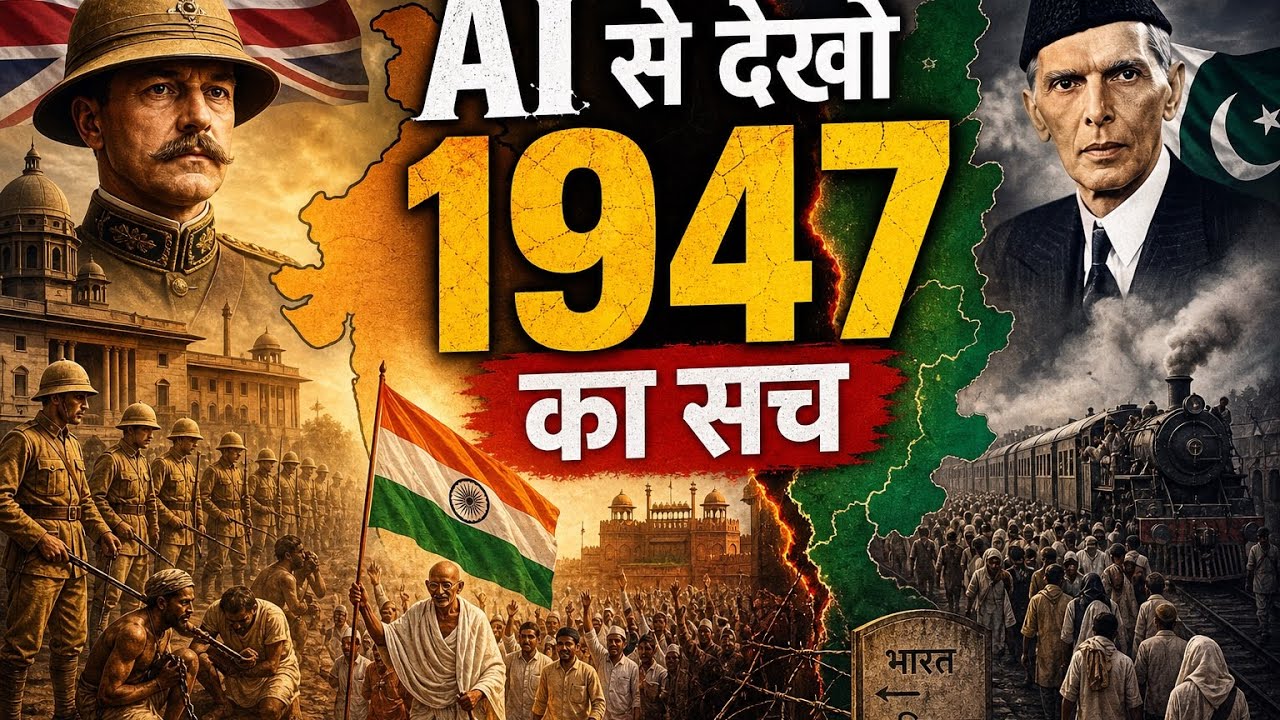


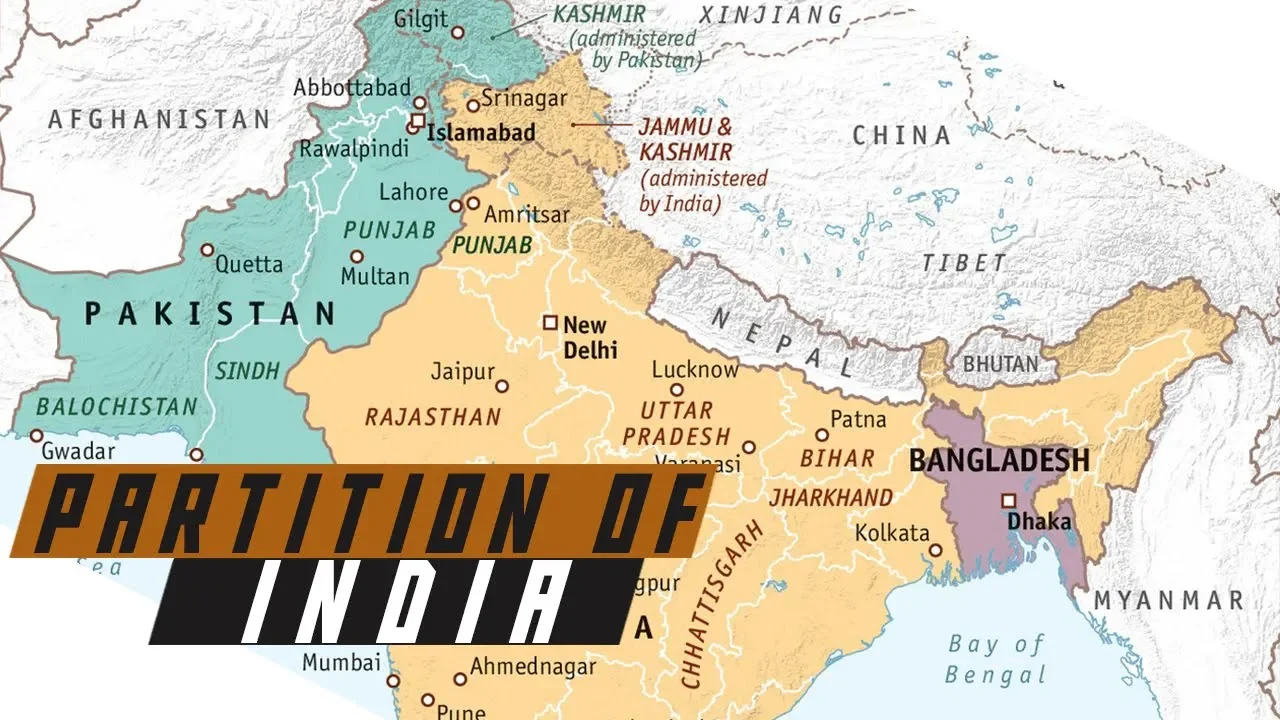




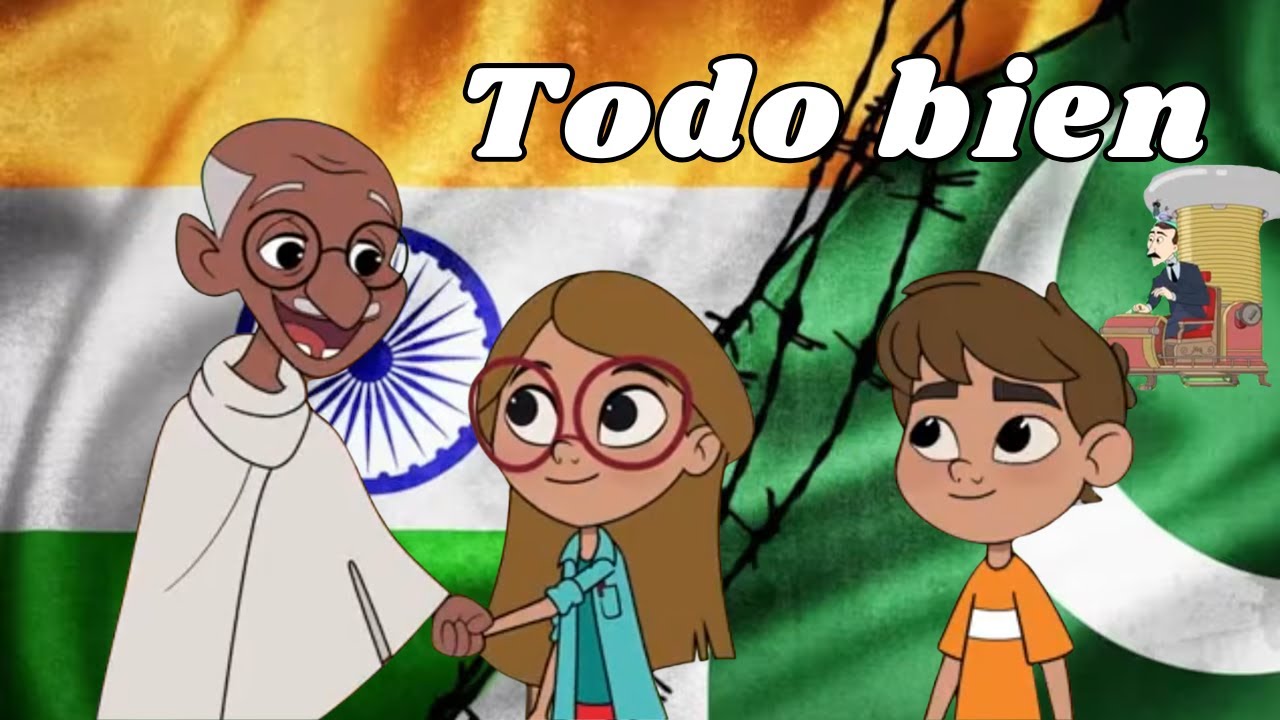


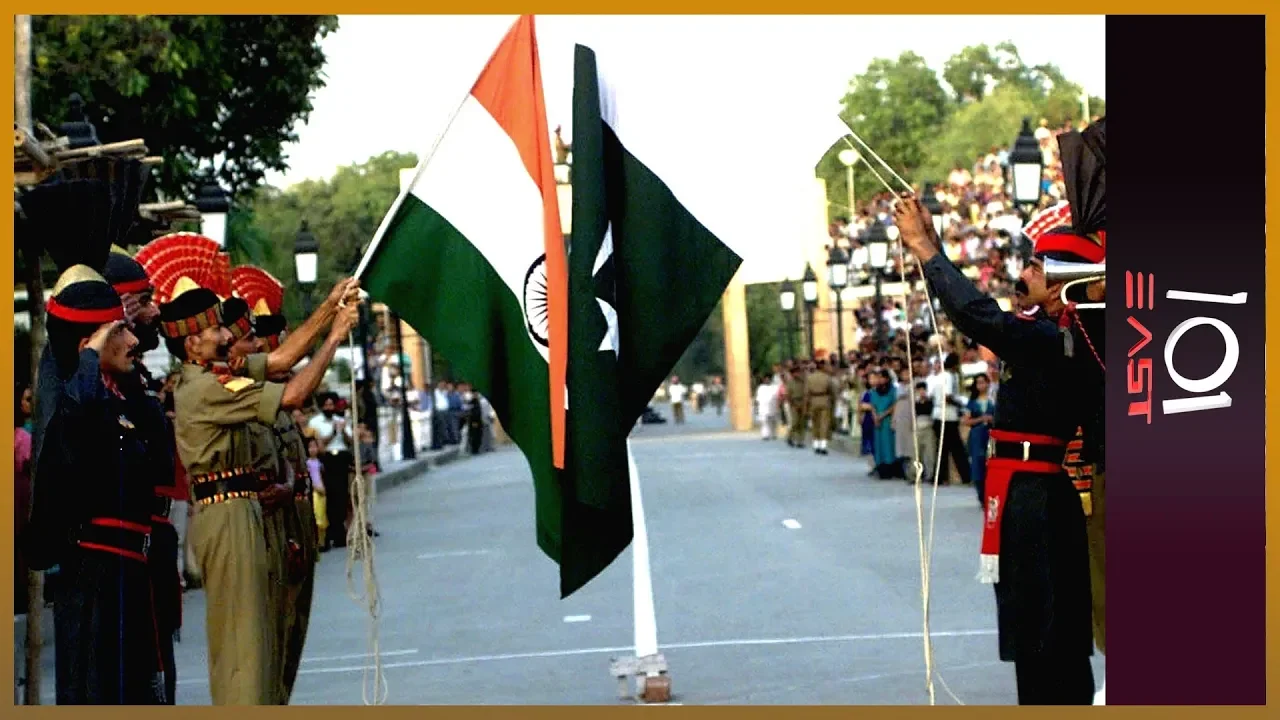
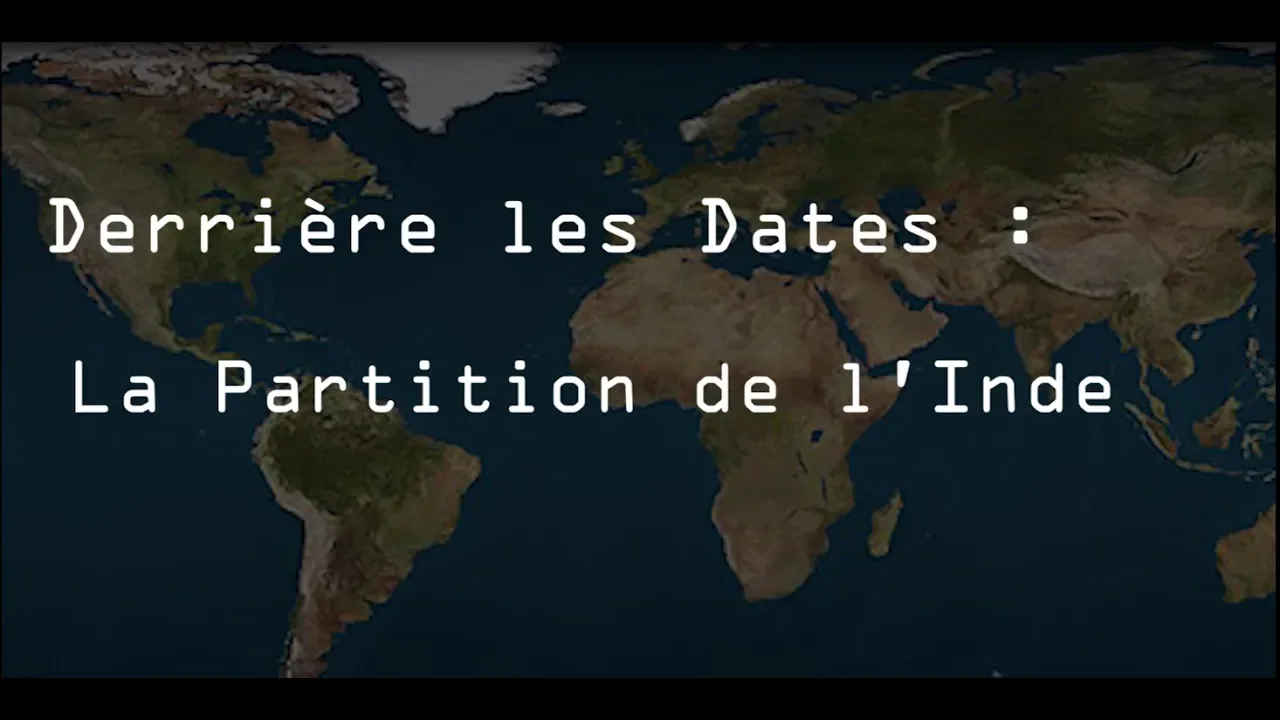








The Radcliffe Line was the boundary drawn by British lawyer Sir Cyril Radcliffe in just 7 weeks to partition British India into two independent nations, India and Pakistan, despite outdated maps, incorrect census data, and warnings from Mahatma Gandhi that the partition would create violence; this artificial division of a unified country into two separate nations based on religious lines resulted in massive human suffering and is remembered as 'this bloody line' that divided a continent.
The Radcliffe Line: India's Bloody Partition Legacy Explained
Added:The history of British colonial rule in India (the British Raj) and the socio-political landscape leading up to 1947.
The 'Two-Nation Theory' and the differing political visions for a post-colonial subcontinent held by the Indian National Congress and the All-India Muslim League.
The geographic and demographic makeup of the Punjab and Bengal provinces, which were highly diverse and integrated before partition.
The global geopolitical context post-World War II, specifically Great Britain's economic exhaustion and rush to decolonize.
The immediate geopolitical fallout of Partition, including the onset of the Kashmir conflict and the Indo-Pakistani War of 1947–1948.
The long-term humanitarian and demographic impacts of the migration crisis, including the assimilation of millions of refugees in both newly formed nations.
The 1971 Bangladesh Liberation War and the creation of Bangladesh, which was originally East Pakistan as designated by the Radcliffe Line.
A comparative study of other hurried, top-down colonial border-drawing processes, such as the Durand Line or the Sykes-Picot Agreement, and their modern-day consequences.
392.2K views4.3Klikes9:43Original Release: 2017-03-18
[Music] long years ago we made a test with Destiny and now the time comes when we shall redeem our pledge not only or in full measure but very substantially at the stroke of the Midnight Hour when the world sleeps India will awake to life and freedom [Music] hello yes this is seral John Radcliffe a poem by wh Warden about me why don't you ring back in a couple of hours goodbye Antonio that was a journalist appar wh Ordon has written a poem about me and it in the paper this is a great honor have you read it darling come and sit down I have read it and it's it's not a nice poem it's not a kind poem oh dear his gads are getting worse I I can't read it the print is just too small would you mind reading it for me unbiased at least he was when he arrived on his mission having never set eyes on the land he was called to partition between two peoples fanatically at odds with their different diets and incompatible Gods time they had briefed him in London is short it's too late for Mutual reconciliation or rational debate the only solution Now lies in separation we can give you four judges two Muslim and two Hindu to consult with but the final decision must rest with you he got down to work to the task of settling the fate of millions the maps at his disposal were out of date the census returns almost certainly incorrect but there was no time to check them no time to inspect contested areas the weather was frightfully hot and about but in but in 7 weeks it was done the Frontiers decided did something not right there did you just skip a line or something the weather was frightfully hot and a bout of dentry kept him constantly on the Trot go on but in 7 weeks it was done the Frontiers decided a continent For Better or Worse divided the next day he sailed for England where he could quickly forget the case as a good lawyer must return he would not afraid as he told his club that he might get shot this is what I'll be remembered for the Radcliffe line Dicky told me to draw the line before the seeks find out to split Punjab before they knew what we were doing yes this was all Dicky's fault Gerald was right about Dicky you remember what he said Lord mount baton you are so crooked if you swallowed a nail you'd [ __ ] a cork screw I said to Dicky this is a ridiculous idea I just don't have the time Naro Jenner Patel well they all told me they wanted Partition by the 15th of August so I drew them aive yes it was a ridiculous idea how could you decide there is East Pakistan then there is West Pakistan and with India between one country with another country in the middle of it I I I said to the Lord Chancellor why me I'm just a lawyer I've never been to India he said do it in the service of your country well I couldn't say no to my country could I of course you couldn't England was bankrupt we had to get out of India fast I had to get the job done this is not my fault well you did refuse the £3,000 you gave it back just when we needed it most you gave it back well no one's going to remember that no mention of that in the poem Antonia I'm almost blind now but I was blind then this was one country one heart cut into two when I met the Mahatma he told me S this partition is going to create a lot of violence and he talked to me about [Music] Aima nonviolence of course there was going to be violence that's why I left the day after I drew the line I left this bloody line yes that's what it is this bloody line and he was right imagine someone drawing a line down the middle of this home this living room you're sitting over there I'm sitting over here and someone draws a line right down the middle the line divides [Music] Us in that case darling I should come to your side shouldn't [Music] I oh [Music] [Music] oh [Music] [Music] a [Music]
Up Next

19:52
Lord Mountbatten: A Life of Service and Tragedy
@HistoryRoadshow
139.4K views•2022-08-19

93:30
Zola, Baudelaire, Maupassant & the Transformation of Paris, 1852-1900
@SylviaSagona
5.6K views•2015-05-31
91:57
The Geopolitics of the Ukraine War and the Rise of Global Autocracy
@JordanHarbingerShow
468K views•2025-04-19
17:05
Understanding the Cold War: Superpower Conflicts and the Road to Détente
@OverSimplified
46.1M views•2019-01-24
Related Study Plans & Knowledge Roadmaps
Structured learning paths in History
history
Byzantine Iconoclasm: Theology, Art & Politics
01Foundations of Byzantium and Early Christian Images
02The First Iconoclasm: Leo III and the Crisis of Images
03Empress Irene, Nicaea II, and the Second Iconoclasm
+ 2 more learning modules
9h5 modules
Explore Roadmap
history
Iranian Revolution (Causes, Events & Legacy)
01The Pahlavi Dynasty and the Roots of Discontent
02The Spark of Rebellion and the Rise of Khomeini
031979: The Fall of the Shah and the Climax of the Revolution
+ 2 more learning modules
8h5 modules
Explore Roadmap
history
Mali Empire: Mansa Musa, Trade & Timbuktu
01Foundations of the Mali Empire
02The Trans-Saharan Gold and Salt Trade
03The Reign and Pilgrimage of Mansa Musa
+ 1 more learning modules
6h4 modules
Explore Roadmap
history
1947 Partition: Politics, Borders & Legacies
01Foundations of British India and the Divide
02The Political Negotiations and the Mountbatten Plan
03Drawing the Boundary: The Radcliffe Line
+ 2 more learning modules
8h5 modules
Explore Roadmap