








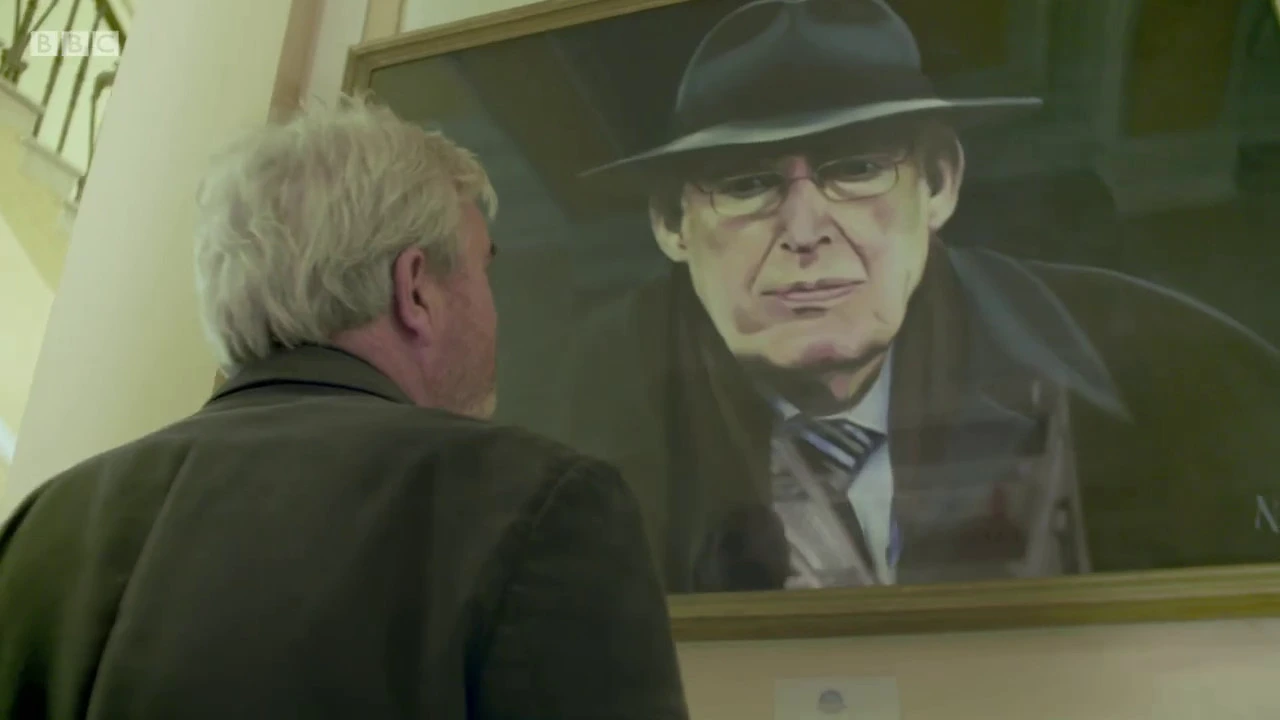







Lord Louis Mountbatten (1900-1979) was a distinguished British naval officer and statesman whose remarkable career spanned over fifty years, including commanding HMS Kelly during WWII, overseeing Japan's surrender in 1945, and serving as Viceroy of India where he oversaw the partition of British India into independent India and Pakistan in 1947; despite his brilliant military career and numerous honors including the Military Order of Merit, his life ended tragically when he was assassinated by the IRA in 1979 along with his twin grandson Nicholas and Nicholas's grandmother Doreen Lady Brabourne.
Lord Mountbatten: A Life of Service and Tragedy
Added:The geopolitical context of World War II, particularly the Allied operations in the South-East Asian theater and the role of the Royal Navy.
The basic lineage, structure, and political influence of the British Royal Family (House of Windsor) during the 20th century.
The historical background of British colonial rule in India and the growing post-war movement toward decolonization.
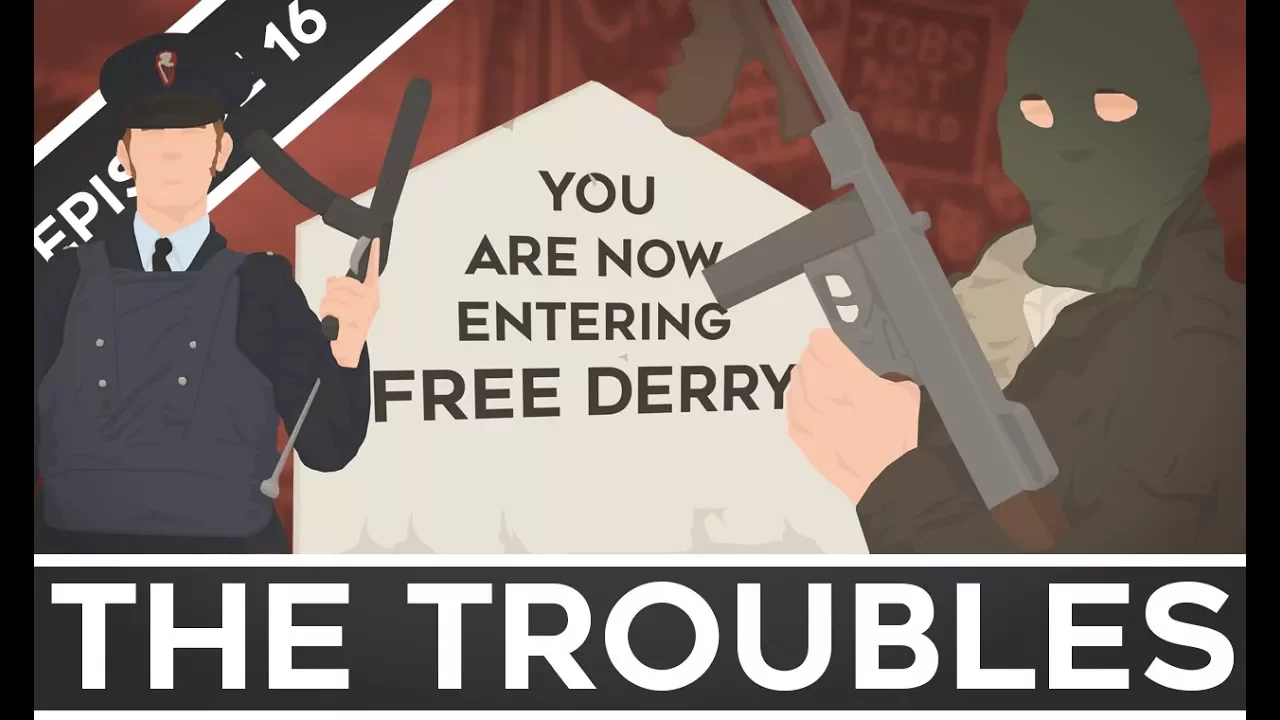
The origins and escalation of the ethno-nationalist conflict in Northern Ireland, commonly referred to as 'The Troubles'.
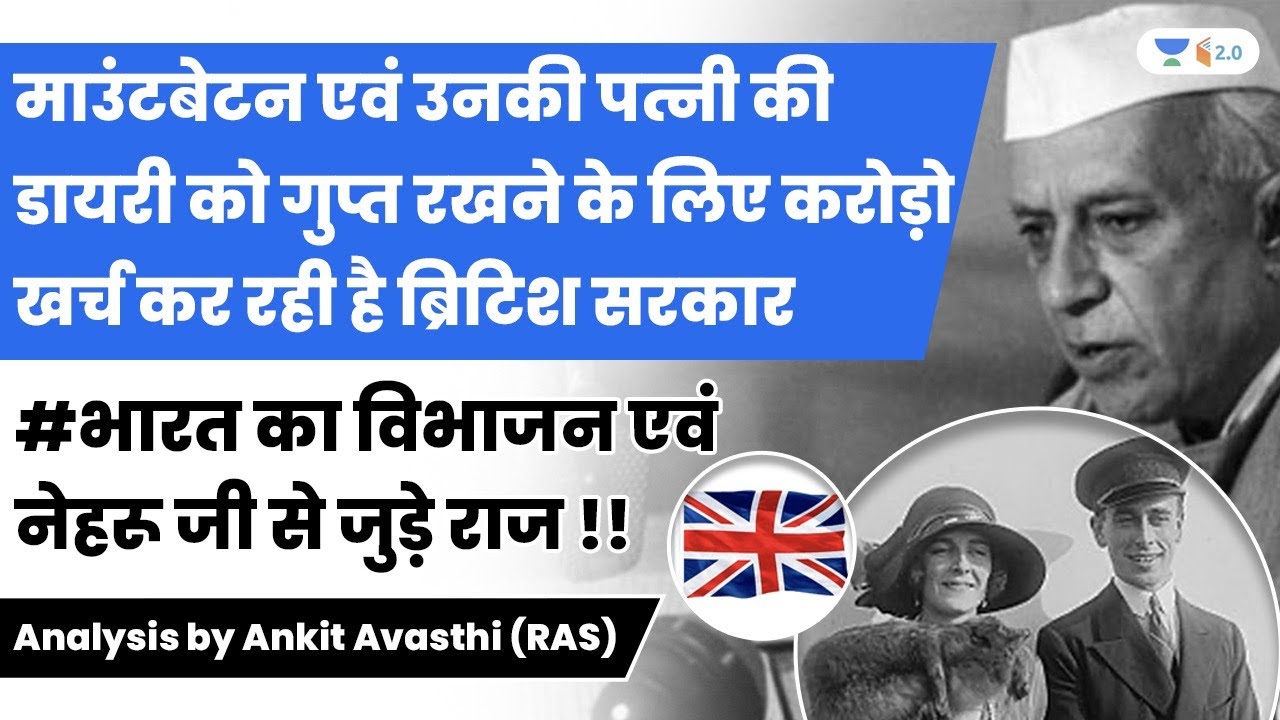
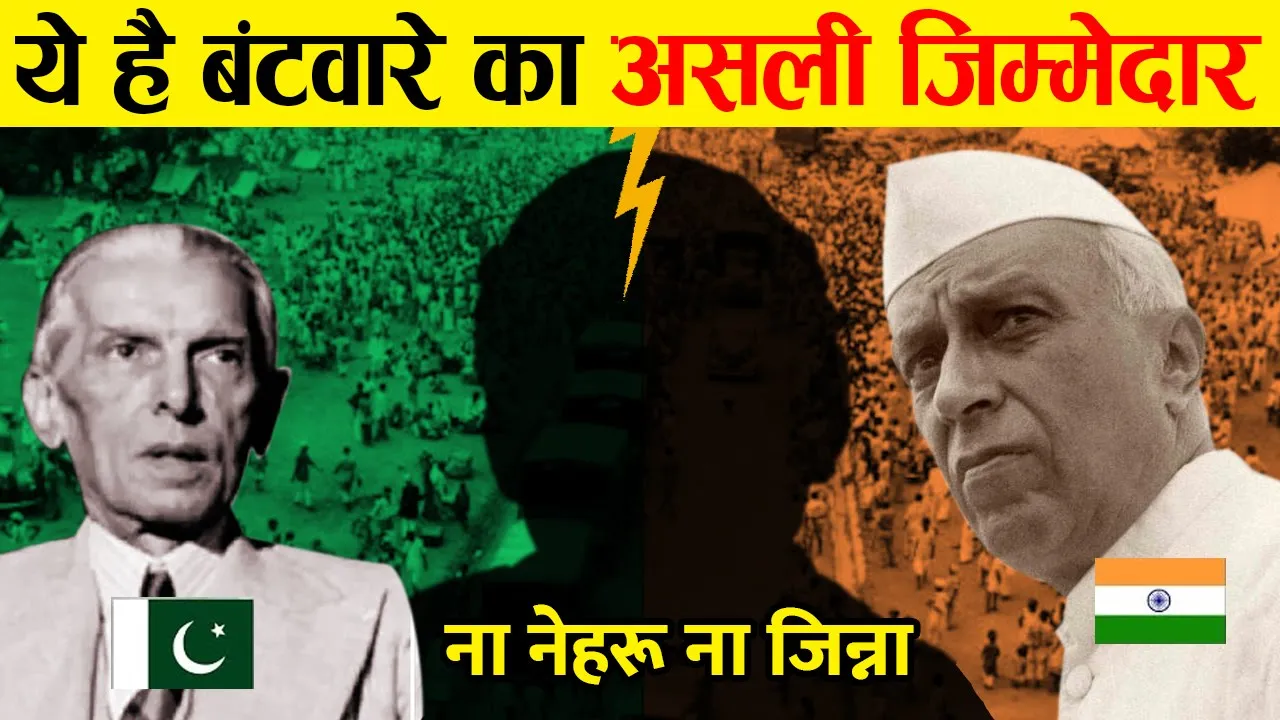
The detailed political history and lasting geopolitical consequences of the 1947 Partition of India and Pakistan, focusing on Mountbatten's actions as the final Viceroy.
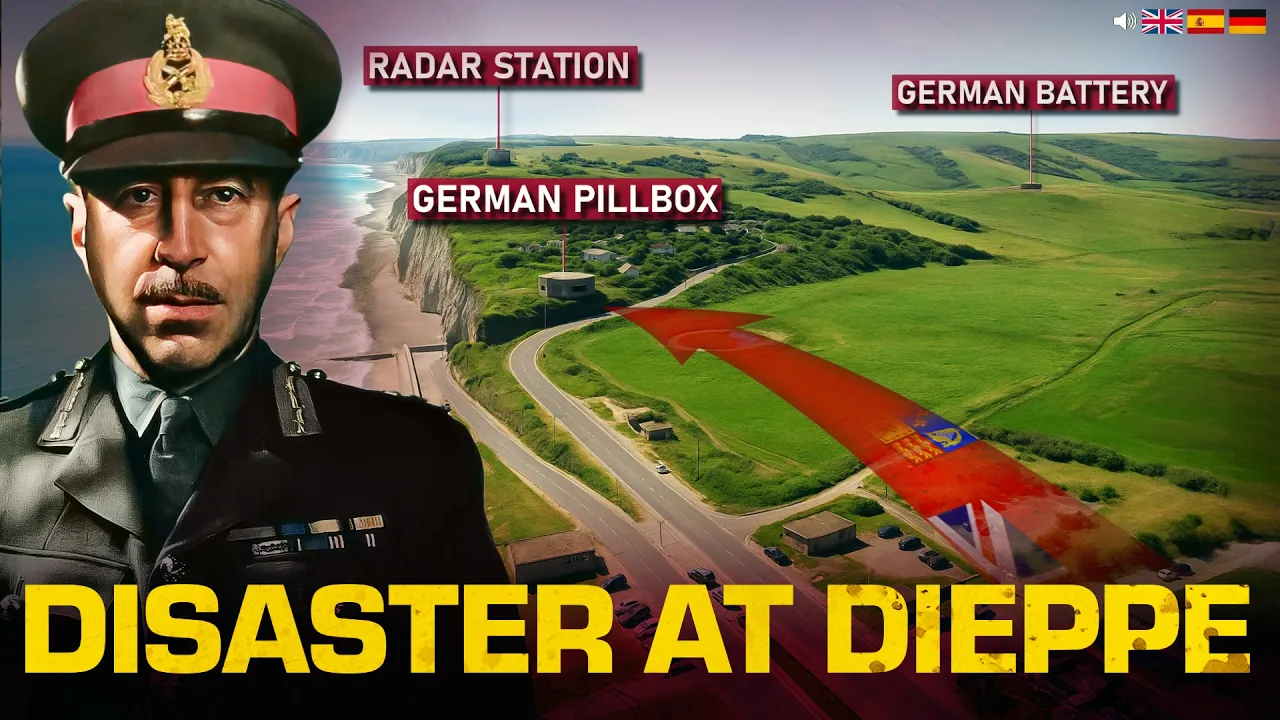
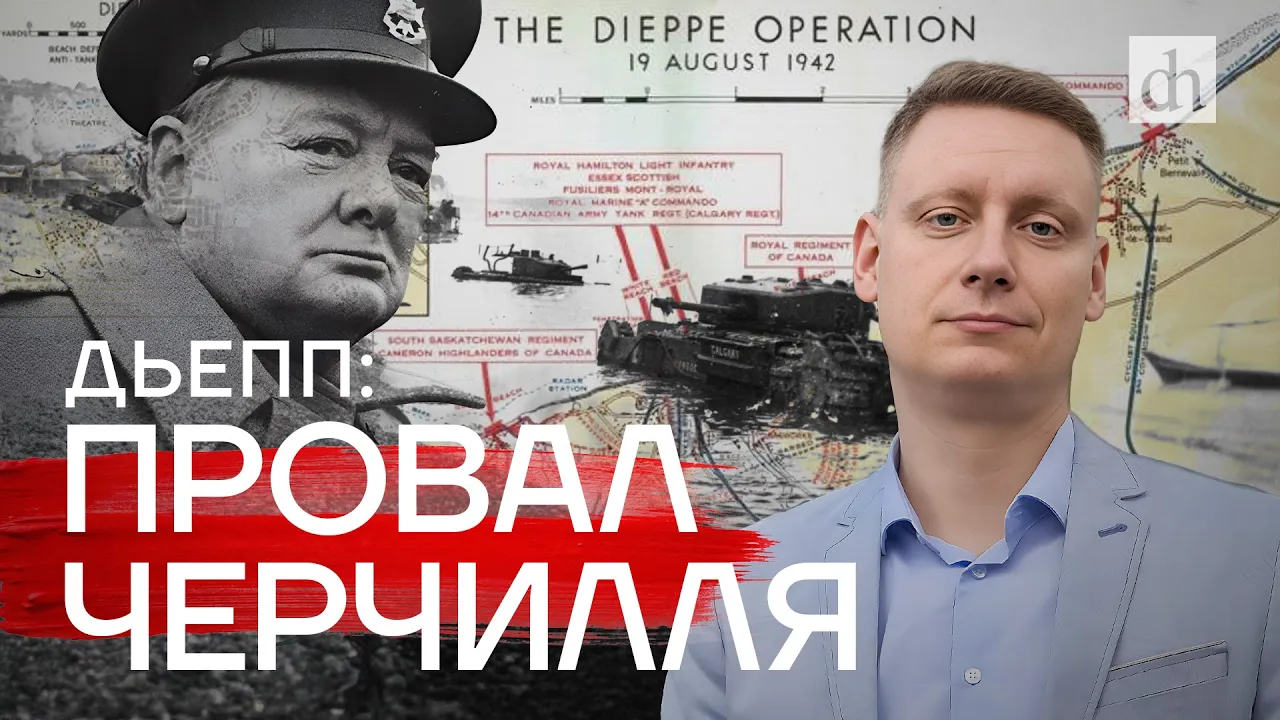
A critical strategic evaluation of Mountbatten's military leadership decisions, specifically regarding the controversial 1942 Dieppe Raid.
The diplomatic and security aftermath of his 1979 assassination on British-Irish relations and the subsequent shift in counter-terrorism policies.
An exploration of the constitutional and personal evolution of the modern British Monarchy's relationship with the Commonwealth of Nations.
139.4K views2.3Klikes19:52Original Release: 2022-08-19
Our man was born on the 25 June 1900 at Frogmore House.
He was given the name Dickie.
Queen Victoria agreed to be his Godmother and, as with all things, basically took over the whole christening event when he was just three weeks old.
As the years rolled by, this man would become one of the royal family's most notable characters.
His brilliance, decisiveness and hard work set him in a formidable light.
We'll now take a look back from his early years towards a unique and extraordinary career.
And ending sadly with an untimed departure when he was assassinated in 1979.
Join me now as we discover the brilliant and resilient story of Louis Mountbatten, and please like the video and consider subscribing for more historical stories.
For the first ten years of Dickie's life, he was educated by his mother; by all accounts, she did an excellent job.
He spent many hours with her while his father was away, and would even go on travels, not really prescribed for such a youngster, but again he excelled and was a very enthusiastic child wanting to learn more.
Dickie would spend time overseas with relations, usually with his mother's sister, Alix, who had married Tsar Nicholas II of Russia, who was also his father's first cousin.
The Tsar was a simple, kind-hearted man who enjoyed nothing more than spending time at home with his children.
The downside was he was a relatively weak and indecisive man who didn't fit his position as the absolute monarch.
Travelling was undoubtedly a large part of Dickie's early life.
Yet by age ten, he was ready to move into proper schooling.
He was set for a boarding school.
He arrived at Lockers Park, Hertfordshire.
Dickie's mother continued to support him, but he would now start to grow and learn; this was his time.
He attended, intending to work, be honest and brave.
All these attributes would surface and test him later in life.
Just three weeks before his 13th birthday Dickie entered the royal naval college as a cadet.
However, this new move wasn't all plain sailing.
In these early years, he was troubled with sickness, bronchitis and whooping cough, but he came through and continued.
By 1914, the world was set to change forever, and Dickie would now see for the first time, the horrors of war.
After passing out of Osborne in 1914, he went to the royal naval college, Dartmouth.
He quickly excelled and climbed the ladder, yet just before his final exams, he broke his leg but still took the papers.
However, he was upset at only being 18th out of a class of 80.
In his final three months, he once again intensified his learning, this time finishing first.
His first posting would be the Lion under the leadership of Sir David Beatty.
Admiral Beatty was Dickies hero, but life for a young midshipman was difficult, with Dickie saying, "he didn't think times had moved on much since the days of Nelson." The work was hard; after all, coal was the primary fuel source for such mighty craft and could take as long as ten to twelve hours to get them sea ready.
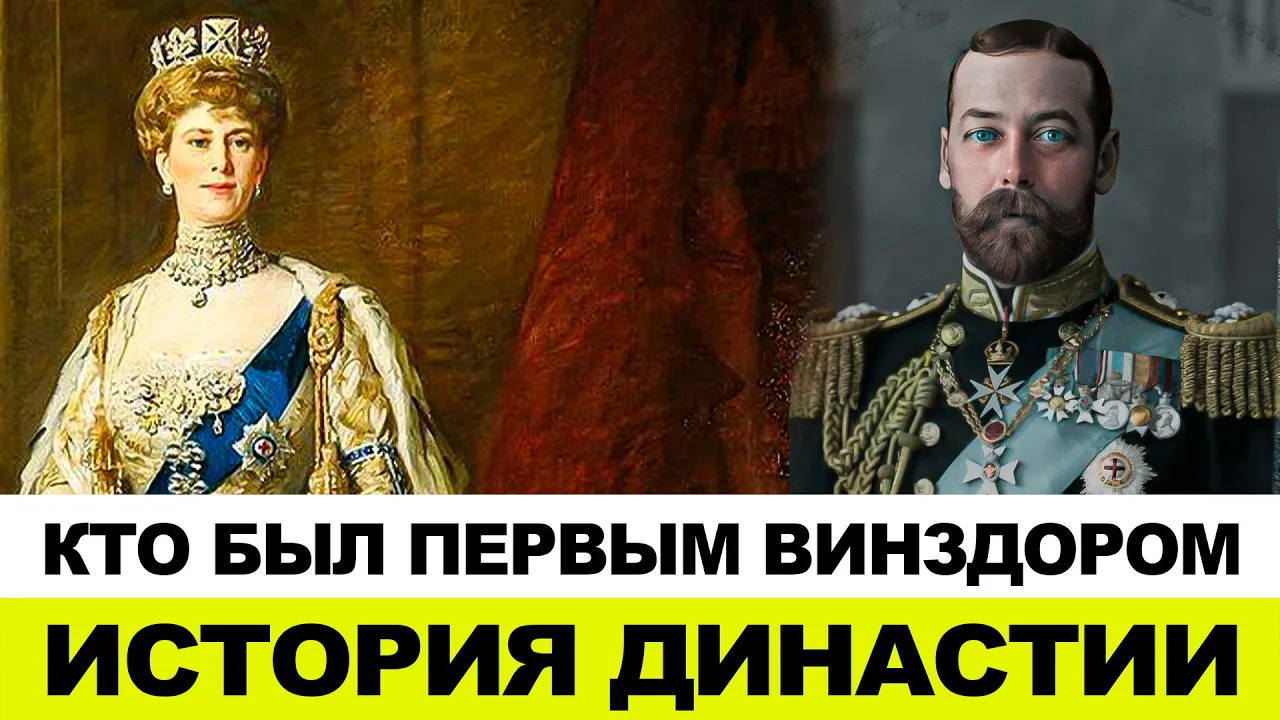
In 1917 the Battenburg lost their family name and their German titles.
Hysteria was reaching new heights, and the government advised George V that members of the royal family should take British names.
The king's family was renamed the Windsor's, and queen Mary changed from Teck to Cambridge.
As for Dickie, his name also changed to the one we know now, Mountbatten.
Throughout the end of 1917 and into 1918, European families, especially the connections with Russia, made desperate attempts to find out what was happening.
A Russian revolution had already taken place.
But by 1918, on 2 September, news came through that revolutionary forces had assassinated the whole of Nicholas II's family.
The young tsarevich, just 14, was shot four times, and Anastasia, the youngest of the girls, had been bayoneted eighteen times.
In November 1918, the war ended, but the world was now a very different place.
Mountbatten, now 18, had served and continued his training over the last five years.
The foundation now laid for a career in the navy.
But first, he needed some time to relax; a change of scenery was the order of the day.
But Dickie was soon back to doing what he now did best.
You see Dickie had always been on excellent terms with Edward, prince of Wales known in the family as David.
So close was this friendship that in 1920 he was invited to go on tour with the prince to Australia, New Zealand and the West Indies.
Dickie looked forward to this, as he could see a way to improve relations and discover these places he had fought hard for and defended.
Dickie kept a diary throughout the tour, and the two men became closer.
Edward would say he sometimes wished they could swap roles as the responsibilities weighed too heavily upon him.
The two men continued their tour, but tragedy struck on 5 July 1920 when onboard a train at 2:45 pm, a series of violent jolts were felt.
The train had derailed.
Mountbatten jumped out and raced to the royal coach that was lying on its side.
Luckily the prince was fine, although shaken up by the event.
He even joked by saying, "well atleast we've done something that was not on the official programme." Yet had the train been travelling any faster, it would have been a certainty that fatalities would have occurred.
After all the tour excitement, he took some leave and travelled to Dunrobin castle to stay with the duke and duchess of Sutherland.
At a large house party, he again bumped into Edwina Ashley, a lady he had met before.
She was beautiful and had intelligent traits that attracted Dickie.
But then Dickie received the heart breaking news that his father had died.
The prince of Wales, who was also present at the party, knew he had to help; it was essential Dickie didn't dwell on this sorrowful moment.
To strengthen his resolve and get him away, the prince took him on a second tour, this time to the far east.
Japan, Burma and others were visited, but India was the real jewel in the British crown.
Although Britain contributed to India, there was a growing demand for independence.
Something Britain gave much thought to, especially after the help from them during the first world war.
When the prince and Mountbatten arrived, demonstrations took place.
Gandhi demanded that a peaceful boycott should take place.
This whole event backfired, the situation worsened, and Gandhi was placed in prison.
But with all the upheaval, Mountbatten fell in love with India.
He had made personal friends and became adept at playing polo.
But his main reason was he had been writing to Edwina Ashley all through the tour, begging her to come out and see the beautiful landscapes.
She did and travelled on a one-way ticket.
On St Valentine's day 1922, the couple danced, then sat out in her sitting room, Dickie proposed, and she said yes.
Edwina Cynthia Ashley was born on 28 November 1901 and named after her godfather, king Edward VII.
After the marriage announcement, Victoria, Dickie's mother, took Edwina to her heart.
These two women were very similar, having strong personalities and an insatiable curiosity.
The young couple keen to be married would seal the deal on 18 July 1922.
It was the social event of the season.
Naval officers formed a guard of honour, and a gun crew of sailors drew the bridal car away from the church to a very extravagant but glittering reception at Brook house.
In the days that followed, the couple would initially travel to Broadlands, the home of Edwina's father.
Then with six months on half pay, Dickie and Edwina left for France and Spain, staying with his cousin queen Ena and king Alfonso.
But the biggest treat for the couple would be a trip to America.
Upon arrival, they made a tremendous impact by meeting president Harding and other notable people.
His first speech at a navy league dinner proved quite an ordeal; he said, "Being just a young lieutenant."
Hollywood beckoned as the film capital of the world.
Some of the greatest names in this movie wonderland were on hand to meet them.
Cecil B de Mille, a prominent director of the day.
And stars including Mary Pickford, Douglas Fairbanks and Charlie Chaplin.
Tours of the Grand Canyon only added to this trip of a lifetime for the newlyweds.
It wasn't just film stars they met when in New York sports fans saw them side by side with the greatest baseball player of the time Babe Ruth.
It was the stuff of dreams.
But by December, it was time to sail home.
In the roaring twenties, the Mountbatten's were in full swing and belonged to society's smartest and most glamorous set.
Dickie was even called a playboy, although it's claimed he was working harder than ever.
By 1923 Dickie now began to once again return to his naval duties.
He was ambitious but had to decide which branch of the navy was the best fit for him and his skills.
By 1934 his perfect fit was his HMS Daring.
He was given command of one of the most modern destroyers in the Mediterranean fleet.
His motto was "daring by name and daring by nature" little did he know then that his motto would be tested to the full in just a few short years.
however, his dream ship didn't last long; he was taken away from it to be part of other craft.
The glamour was fading, but Dickie remained upbeat.
The following year the prince of Wales became king Edward VIII Mountbatten's best friend now enjoyed a life of pompous protocol; although loved by the public, the older generation with noble thoughts made them feel suspect.
Edward's reign began brightly, but in 1936 the prime minister was faced with a dilemma as Edward wanted to marry his mistress Mrs Wallis Simpson.
On 19 December 1936, the king summoned his three brothers and Mountbatten to spend his last afternoon at Fort Belvedere.
It would be on 10 December that he abdicated.
The duke of York now stepped up and became king George VI after being crowned at Westminster Abbey on 12 May 1937.
At the outbreak of the Second World War in 1939 this brought everyone back to the ground with a bump.
A new war unlike any other from before.
New technologies now graced the field.
Gone were the days of attrition and going over the top.
Mountbatten commanded many ships, including HMS Kelly, until a German Uboat torpedoed her.
Luckily it survived but after repairs but was sunk by German bombers in 1941.
On one mission, a man left his post; the penalty was death.
But Mountbatten instead cautioned him.
He told the ship's company, "I propose letting him off with a caution, or rather two cautions one for him and the other for me.
For having failed to impress myself sufficiently on you all over the last three months.
For you know, i would never tolerate such behaviour."
Mountbatten was one of Winston Churchill's favourites.
In 1941 Churchill asked him to become admiral of the fleet replacing lord Keyes.
Dickie responded, "Sir, I would rather be back at sea with my friends." Churchill replied as only he could "have you no sense of glory, what can be achieved by expecting to be sunk in a bigger and more expensive ship."
As the war began to close, Mountbatten took stock of what had been achieved.
His greatest moment was possibly receiving the Japanese surrender on 12 September 1945.
His rewards came thick and fast now; a rear admiral upon his return home, he was made a knight of the garter and by 1947 created the earl Mountbatten of Burma and baron Romsey.
Mountbatten, still only 46, wanted to return to the sea, but his next role was possibly one of the most difficult in his life.
A task that would need patience and every last ounce of his leadership skills.
Prime minister at the time, Mr Atlee, had sent for Mountbatten to succeed lord Wavell as viceroy of India.
His task was to transfer power back to the Indian people.
Mountbatten never wanted this job but knew he would have to tread very carefully to bring about a peaceful solution for all concerned.
There had been much killing and rioting throughout the land in 1946, the year of the great Calcutta killings, suggesting six thousand dead and 15,000 wounded.
It had to stop, but the warring communities would take some convincing on the plans.
Although India had split, the British government's recommendation was to grant their independence quickly so they could sort the matters internally and outside British rule.
But Mountbatten knew this couldn't happen; the factions were split on many items and the only reasonable way was by creating two independent nations, one India and the other Pakistan.
On 4 June 1947, Mountbatten held a press conference, a most memorable one for the people of India.
He stated his solution for two independent countries and insisted that the change would begin on 15 August.
this remark staggered many who thought it would take months rather than weeks.
Still, the date was set, and a complete transfer of powers would now be given to both dominions.
After his Indian tour ended, Mountbatten had made Attlee promise he could return to the navy.
In 1948 he was again rear admiral commanding the 1st cruiser squadron in Malta.
In 1950 the commander in chief said, "ordinary men can climb up with distinction; only extraordinary men can climb down without some loss of distinction; he has achieved the latter." By 1952 Mountbatten returned to the Mediterranean as NATO commander in chief of the allied forces.
He would control six navies, but he again succeeded and raised naval cooperation to a very high standard.
His service would end in 1954.
His six years had been glorious coming from a junior rear admiral to commander in chief.
It was seen as pure devotion, and there was still much to achieve in his eyes.
In June 1953, Princess Elizabeth came to the throne.
She was the daughter of Mountbatten's cousin, king George VI.
His fondness for her grew; he felt much closer than he had to her father or even uncle.
One of Winston Churchill's last acts as prime minister came in 1955 when Mountbatten was appointed the first sea lord.
He had become the first man to have followed his father in the same job.
Mountbatten had always been a reformer, but the defence budget and the new nuclear deterrent took most of the money.
He concluded that personal, uniformed and civilian could be reduced by 30,000, saving 15 million a year, but the loss would not affect losing any ship from the sea-going fleet.
The changes in Britain's status since his father had held the job had been staggering.
From once being the world's greatest naval power, they now depended on new alliances for defence.
The world was changing fast, but in 1959, Mountbatten was made chief of defence staff; it was time for more sweeping changes within the organisation of the armed forces.
The following year on 18 February, Edwina arrived in north Borneo; just two days later, she was far from well but continued her work with the usual exuberance, but this did not go well.
On 21 February 1960, she died in her sleep.
Mountbatten received the news by telephone; he could not believe what he was hearing.
It would be the greatest loss of his life.
Dickie now sought refuge in hard work, his goal to reorganise the military machine of Whitehall and in overseas commands.
Retirement was beckoning in 1962, although prime minister Harold Macmillan persuaded him to stay for one more year.
It would be three more, but in July 1965, on his sixty-fifth birthday, he finally stopped working for the ministry of defence.
Although still on the active list after 52 years of service, he would no longer be considered for duty.
The Queen invested him with the military order of merit, and he joined that select group of men and women whose contributions in life had warranted such an accolade for their outstanding service.
Mountbatten had refused to have any autobiography written about him throughout his life.
as usual, scandals were always muted, but little evidence exists to warrant any further enquiry.
Eventually, he agreed to a tv show in 12 weekly episodes, and it took three years to make with Mountbatten in front of the cameras telling his story.
Amongst the film taken was a return to Churchill's war rooms and a reunion dinner held for members of his HMS Kelly.
Mountbatten was predominantly a man of action, capable of provoking the actions he required as a leader.
His brilliant and analytical mind displayed decisions he would usually get right.
He could drive others and himself very hard.
the need to be the best was apparent as a young man and something of pride he felt for his father.
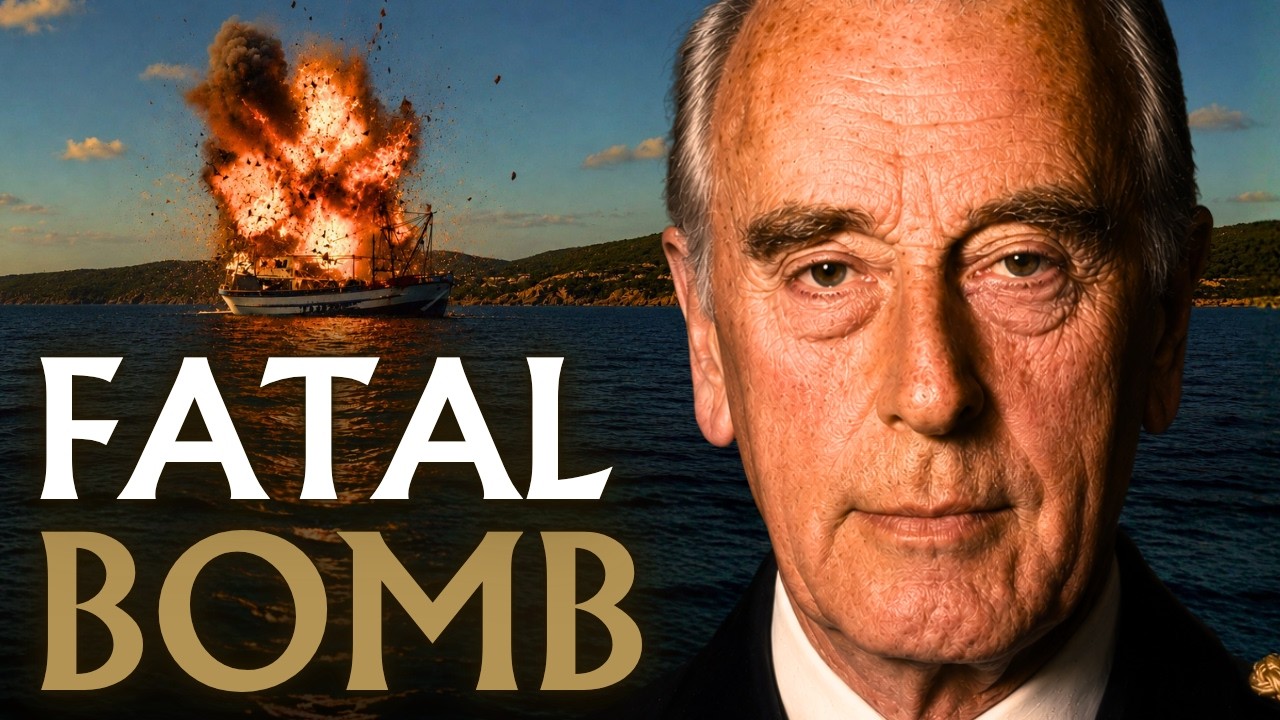
In 1979 lord Mountbatten was assassinated, and with him died two members of his family, his twin grandson Nicholas aged 14 and Nicholas's grandmother Doreen lady Brabourne, aged 83.
Paul Maxwell, a 15-year-old looking after the boat they were in at the time, was also killed.
A very sad end to a towering career of courage and conviction.
One of bravery and insight.
Some may remember him as a scandalous member of the upper classes, but many more will reject that turn of thought and herald him one of the most outstanding leaders Britain has ever had.
Up Next

17:48
The 1947 Indian Partition: A Historical Analysis of Britain's Failed Decolonization
@IntotheShadows
283.5K views•2021-10-14

33:02
The Great Schism of 1054: Causes and Consequences
@SacredCathedrals
113.5K views•2026-02-19
91:57
The Geopolitics of the Ukraine War and the Rise of Global Autocracy
@JordanHarbingerShow
468K views•2025-04-19

17:05
Understanding the Cold War: Superpower Conflicts and the Road to Détente
@OverSimplified
46.1M views•2019-01-24
Related Study Plans & Knowledge Roadmaps
Structured learning paths in History
history
Byzantine Iconoclasm: Theology, Art & Politics
01Foundations of Byzantium and Early Christian Images
02The First Iconoclasm: Leo III and the Crisis of Images
03Empress Irene, Nicaea II, and the Second Iconoclasm
+ 2 more learning modules
9h5 modules
Explore Roadmap
history
Iranian Revolution (Causes, Events & Legacy)
01The Pahlavi Dynasty and the Roots of Discontent
02The Spark of Rebellion and the Rise of Khomeini
031979: The Fall of the Shah and the Climax of the Revolution
+ 2 more learning modules
8h5 modules
Explore Roadmap
history
Mali Empire: Mansa Musa, Trade & Timbuktu
01Foundations of the Mali Empire
02The Trans-Saharan Gold and Salt Trade
03The Reign and Pilgrimage of Mansa Musa
+ 1 more learning modules
6h4 modules
Explore Roadmap
history
1947 Partition: Politics, Borders & Legacies
01Foundations of British India and the Divide
02The Political Negotiations and the Mountbatten Plan
03Drawing the Boundary: The Radcliffe Line
+ 2 more learning modules
8h5 modules
Explore Roadmap