



![Art's Stream Question bank with answer analysis[Sub-History, year-2016] lecture-03]](https://i.ytimg.com/vi/I07pp7JJfX0/maxresdefault.jpg)




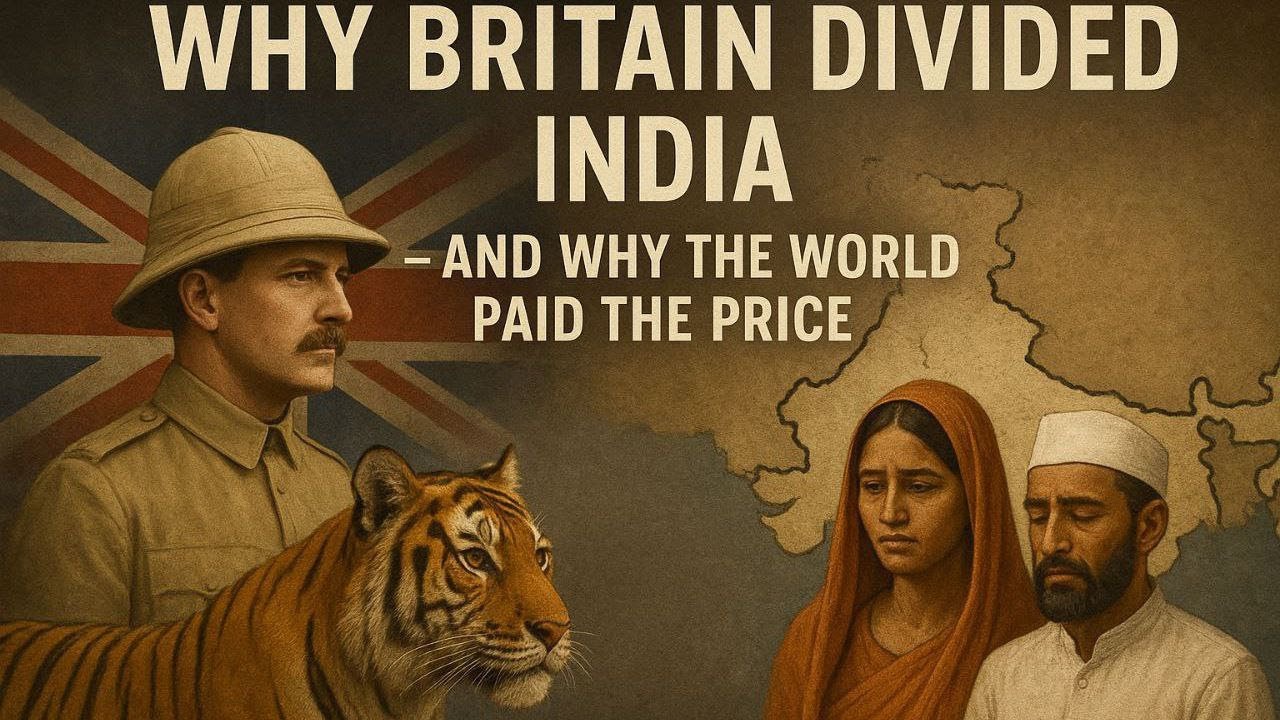









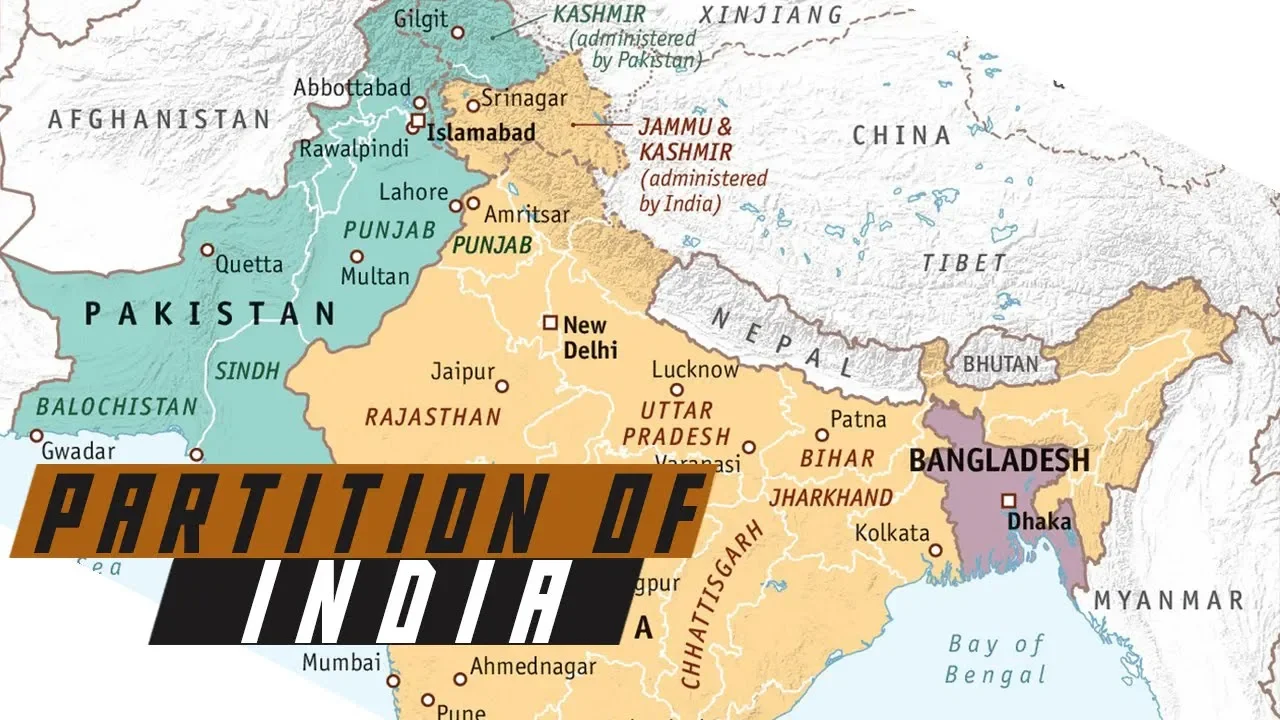
The partition of British India in 1947, intended to create separate nations for Hindus and Muslims, resulted in catastrophic consequences including 200,000-2 million deaths and 10-20 million displacements due to rushed boundary decisions by Cyril Radcliffe, demonstrating how poorly conceived political divisions can trigger massive human suffering and long-term regional instability.
The 1947 Indian Partition: A Historical Analysis of Britain's Failed Decolonization
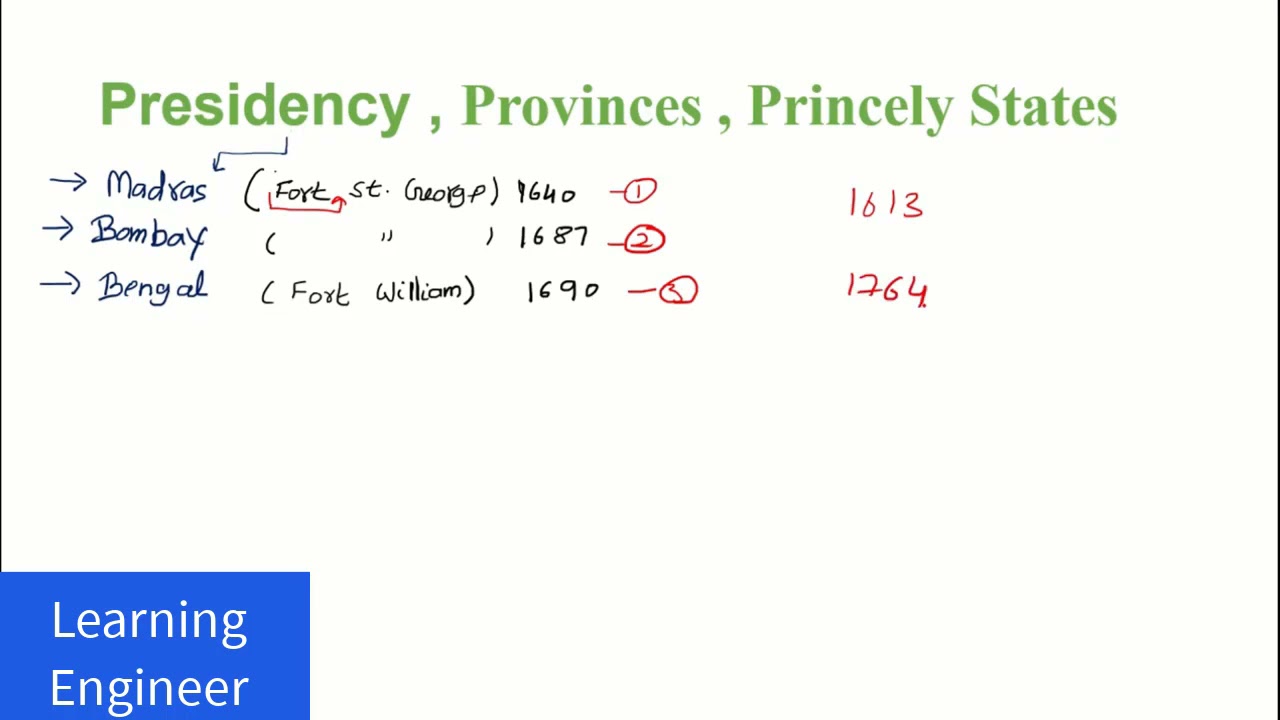
Added:The history and administrative structure of the British Raj, including the division between British provinces and semi-autonomous Princely States.
The origins and development of the Indian Independence Movement, particularly the roles and ideologies of the Indian National Congress and the All-India Muslim League.
The British colonial policy of 'divide and rule' and how it institutionalized religious identities and communal politics in South Asia.
The economic and political exhaustion of Great Britain post-World War II, which pressured the British government into a hasty withdrawal from its colonies.
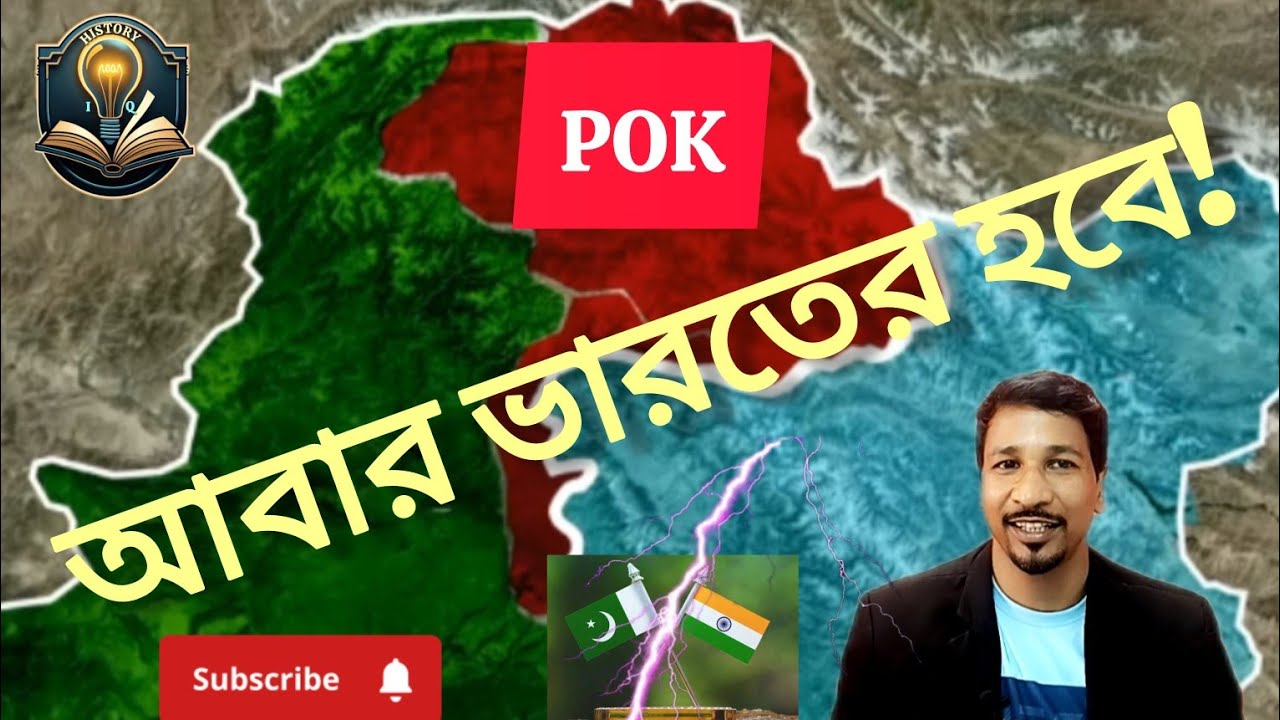
The immediate geopolitical aftermath of partition, specifically the accession disputes of princely states like Kashmir, leading to the first Indo-Pakistani War.
The structural instability of a geographically divided Pakistan, leading to the 1971 Bangladesh Liberation War and the creation of Bangladesh.
The long-term socio-cultural trauma and memory studies of the partition, exploring how the mass displacement shaped national identities in India, Pakistan, and Bangladesh.
A comparative study of other 20th-century partitions and rushed decolonizations, such as the British Mandate of Palestine or the division of the Korean Peninsula.
283.5K views10.1Klikes17:48Original Release: 2021-10-14
as the months turned into mere weeks the question of what come next hung ominously in the air when the british prime minister announced the house of commons on the 20th of february 1947 that britain would formally withdraw from india leaving an independent nation that had never before included so much land and so many people it was broadly met with exaltation across the subcontinent the yoke of british rule that had hung painfully on india's shoulders to some degree or another for over 300 years was finally being flung off as joyce swept across the land a surging optimism rippled through the general public india was ready to take its place on the world stage but this bursting anticipation came crashing down shortly after the british left the hastily planned and enforced partition of the country to create a land for india's muslim minority may have come with good intentions in some twisted roundabout way but what happened next became one of india and pakistan's darkest episodes with between 200 000 and 2 million deaths in anywhere between 10 million and 20 million people displaced the indian partition created chaos on an unimaginable scale with its scars still being raw to this day india's smoldering independence movement stretched as far back as anybody could remember often poorly organized and frequently bludgeoned by the british it never really gained momentum until the 20th century and in particular after britain's hellish experience during world war 1 in which 1.4 million indians fought for the empire and just over 74 000 lost their lives in the years following the war india's confidence grew and a series of reforms took place in particular the 1916 lucknow pack in which the muslim league agreed to join the indian national congress calls for further autonomy for britain in return for assurances that religious minorities would be allowed to operate within the provincial legislatures however despite this the religious divide remained a nagging thorn in their side in the 1920s the two-nation theory first emerged the brainchild of the pakistan movement a political organization pushing for an independent muslim state separate from india during the 1930s the british ceded a series of concessions in india that saw the number of eligible voters rise to 35 million still only a fraction of the real population that was around 300 million people at the time in 1937 provincial elections left the indian national congress able to form governments in 8 out of the 11 provinces but the muslim league had performed much better than expected even if they still paled in comparison to the congress numbers as new regional governments settled in across india a series of investigations by the muslim league into the conditions of muslims living in congress controlled areas painted a damning picture and inflamed a mistrust that was already bubbling away [Music] after the outbreak of world war ii lord linliskau viceroy of india formally declared war on germany on behalf of all of india which i'm sure i don't need to tell you went down like an absolute lead balloon although the muslim league supported it but perhaps simply to spite and stand apart from the indian national congress as the war dragged on the indian army became the largest volunteer army in history with roughly 2.5 million men in uniform with fighting raging in europe and even coming close to the indian border when the japanese troops surged through burma intense discussion over the future of india gathered pace the lahore resolution sometimes considered the declaration of independence of pakistan was a political statement adopted by the all india muslim league on the 24th of march 1940 after a conference in lahore and which formerly called for an independent pakistan state britain was in a sorry state as she lived victoriously from world war one it was clear for all to see that independence was going to be now or never in january 1946 a series of mutinies broke out in india including both british and indian servicemen though they were all subdued relatively quickly the screw was tightening prime minister clement atlet dispatched a cabinet mission to india to organize a peaceful transfer of power whether that would include a unified india as the indian national congress desired or the partition that would create two independent countries as the muslim league craved nobody was quite sure the events of the 16th of august 1946 were an eerie foretelling of the horror that would engulf parts of the country almost exactly a year later what began as a nationwide protest by the indian muslim community called for by the muslim league descended into chaos reportedly after muhammad ali jinnah leader of the muslim league gave a speech in calcutta that either incited violence purposefully or according to some gave the impression that the police had been told to pull back and let events run their course later that evening carnage erupted as rioting and violence spread around the city with hindus being specifically targeted the following day once the news had spread hindu sought revenge and the city exploded once again it's generally thought that at least 4 000 people died over the two days although some claim that figure was closer to ten thousand but the violence was not constrained to the city it gradually spread over the coming months with a particularly horrific episode playing out in the noch hale region in the east of the country between october and november 1946 in which five thousand hindus were murdered and rape became endemic mahatma gandhi arrived in nakhali shortly after and camped in the region for four months trying to restore communal harmony but the damage had already been done and many of the survivors now packed up their belongings and fled now india had experienced religious violence before but what had started in calcutta felt like something entirely different the frenzied bloodshed had spawned something truly ugly and it was the first time the words ethnic cleansing began to be heard when lord louis mountbatten india's last viceroy was appointed he was given the mandate to avoid a partition if at all possible but to facilitate the transfer of power no later than june 1948 but while his boss's interpretation of things back in london was one thing events on the grounds were quite another it now seemed clearer than ever that a partition was the only way forward but how or where do you partition a land with such a richly diverse group of people scattered within it broadly speaking there were several western provinces such as punjab which had a muslim majority while the same could be said for a small section of the east which included bengal everything else more or less included a hindu or sometimes a sikh majority and this was pretty much how things were divided in july 1947 the indian independence act 1947 passed parliament in the uk and stated once and for all that britain would withdraw entirely the following month a year earlier than had initially been planned the job of partitioning a piece of land stretching to 175 000 square miles that's 450 000 square kilometers and including 88 million people fell to cyril radcliffe a british lawyer who had never been east of paris and what's more he was given just five weeks to get it done the now infamous radcliffe line was the boundary demarcation line that split india in two and also the provinces of bengal and punjab it's difficult to formulate how badly thought through rushed and at times just insanely stupid this dividing line was now in fairness to radcliffe he was given an absurdly small amount of time to do it and it's entirely likely that no outcome would have been considered ideal but the radcliffe line has a grim place in history a rough line already existed on government maps which gave a rudimentary idea of religious divides and radcliffe broadly followed the same boundaries even though they were well out of date the line carved through predominantly sikh areas managed to include majority hindu regions in pakistan and vice versa and to top it all off it was kept completely secret until two days after independence then gradually unveiled well after most british citizens had scarpered now if there was ever a single act to define colonial stupidity and short-sightedness it was the radcliffe line [Music] on the 14th of august 1947 pakistan was officially formed with muhammad ali jinnah sworn in as its first governor general this included what we see today as pakistan but also an eastern section completely cut off called east pakistan which is today bangladesh the following day india had its turn with jarrah al-nehru assuming power as the nation's first prime minister with all the celebrations and congratulations flying back and forth you'll be forgiven for thinking that everything had gone well but remember the publication of the radcliffe line wasn't until the 17th of august just days after the glow of independence what came next can almost be described as biblical as human migration began on a scale never seen before or since the numbers are a little difficult to comprehend a census done a few years later concluded that around 14.5 million people crossed the border one way or the other immediately after the partition just a million or so short of the combined populations of new york and london many traveled on foot dragging their meager belongings with them others with bullocks and carts the lucky ones managed to clamber aboard one of the dangerously overloaded trains nowhere was this as pronounced as in punjab where it's thought that 12 million people crossed the new border 6.5 million muslims moved from east punjab to west punjab and 4.7 million hindus and sikhs moved from west punjab to east punjab the population of delhi more than doubled in this period as refugees began flooding in and vast colonies began springing up around india and in pakistan but the most incomprehensible fact about the whole situation was that the large-scale migration had never even been contemplated by the british or new indian and pakistani governments it had always been expected or assumed that those living within the new boundaries would stay put there were no plans drawn up for population displacement no thought of refugee camps and clearly no idea regarding the horror was about to begin the colossal exchange of people was only a part of the story political parties in the media on both sides had stoked tensions for too long and violence began to engulf different areas like the events in calcutta in august 1946 the violence that erupted after the partition had astonishing cruelty to it the traditional view was often of badly educated and easily manipulated peasants embarking on killing sprees that targeted one religious group or the other but the truth was far darker than that especially in punjab here well-organized and well-drilled young men sometimes paid by local landlords or businessmen scoured the region attempting to effectively wipe one religious community from the region these men were often drawn from returning veterans from world war ii and atrocities committed on both sides were some of the darkest you're likely to hear sometimes it was a case of settling old scores as neighbors turned on neighbors or an employee saw the chance to get even with an employer anywhere up to a hundred thousand women were either raped or abducted as a way of hammering home both sides attempt to cleanse the area for future generations both new governments were effectively powerless to stop such a massive surge of migration and violence and the british well they just simply washed their hands of india and its many problems they saw it almost as a wildfire that just had to burn itself out nobody is entirely sure how many people died during the indian partition the lowest figure generally given two hundred thousand but this seems hopelessly low especially as a census done shortly after the partition estimated that 2.2 million people remained unaccounted for in and around punjab alone it's also not clear how many died during the communal violence and how many perished on the arduous journey taken at the height of summer when famished people often walked for 15 to 20 miles per day it took more than a year for the apocalyptical situation to begin dying down but would take many more before any resemblance of normality could resume eventually ethnically unrelated minorities were brought in such as the gurkhas from nepal and the madras regiments from southern india to restore order for many who had lost their entire family and their family home life would simply never be the same again there were now more than 600 refugee camps scattered across the subcontinent and it would take considerable time until people could be re-housed sometimes in distant lands that they'd never visited but that international law now stated that they belong to while things eventually settled down within both india and pakistan the animosity between the two nations didn't take long to erupt the question of the two princely states in the north jam and kashmir vassal states that a regional ruler but under the umbrella of the british raj immediately caused a headache jammu and kashmir was a hefty muslim majority but was ruled by a hindu maharaja had been given the opportunity of joining either india or pakistan or remaining neutral the first kashmir war began in october 1947 when pakistan occupied the area eventually leading to india gaining control of about two-thirds of the state including kashmir valley jammu and ladakh where pakistan gained roughly a third including azad kashmir and gilgit baltistan on three more occasions in 1965 1971 and 1999 pakistan and india once again found themselves a war both the 1965 and 1999 conflicts flared around the region of cashmere while in 1971 the focus was on the other side of india and east pakistan and if you thought this story couldn't get any darker think again in east pakistan bengali calls for independence had been growing for some time and the government's pitiful response to the bola cyclone on the 12th of november 1970 which killed an estimated 500 000 people pushed things over the edge in general elections the following months the east league took full pakist of the region but was prevented from taking power by the pakistani government rioting violence and army reprisal began once and fatal millions hung in the balance in march 1971 the pakistani government launched operation searchlight intending to gain control of all major cities in east pakistan then gradually crush all bengali opposition what came next is widely considered as the bangladesh genocide in which between three hundred thousand and three million bengalis and at least 150 000 binary east pakistan's muslim minority were killed roughly 10 million bengalis poured across the border into india as they fled the violence india soon intervened and another full-scale war quickly erupted in both the east and west regions the fighting lasted just two months with the pakistani armed forces taking a real beating leading to 93 000 soldiers surrendering in east pakistan a humbling experience the nation would take some time to recover from but the result of all this was yet another newly independent country appearing bangladesh while india and pakistan haven't fought a formal war for over 20 years now there have been plenty of awkward standoffs and military incidents over the years but by and large both nations have managed to restrain themselves which could be down to the fact that they both now have nuclear weapons but really who knows we're now nearing 75 years since the chaos of partition that carved into europe and led to the deaths of millions and as i said earlier those wounds are still raw particularly in the areas around kashmir and punjab which have seen sporadic incidents of martial law in response to violence over the years in india religious and ethnic violence once again stoked by politicians and the media still happens much more than you'd think between 80 and 130 people typically die each year in india as a result of communal violence with over 2000 injuries those numbers may seem small when taken in the context of india's 1.3 billion people but it paints a slow burning image of hatred that refuses to die out this isn't simply constrained to just hindus and muslims anti-seik anti-christian and even anti-atheist violence has been seen across india in recent years pakistan too has suffered its fair share of ethnic and religious violence but with the country also struggling to contain an islamic insurgency it's been a difficult few decades for pakistan the country's economy continues to wobble despite enormous investment coming in from china aiming to revitalize the nation's infrastructure the petition of india was badly conceived and tragically carried out though i doubt anybody involved with this idea had the slightest inkling of what would happen after what began as an idealistic hopelessly ambitious idea to create areas free of religious persecution actually did the exact opposite it's important to remember that a nation the size of india had never existed before 1947 when the british arrived it was a fabric of hundreds of small kingdoms and in many ways perhaps it was overly idealistic to assume that you could just lump everybody together especially after hundreds of years of british rule where divide and conquer was often the name of the game but that doesn't detract from the fact that a small minority perhaps five percent of the population according to historians carried out the kind of violence that is almost unimaginable spurred on by hatred revenge personal gains and politicians and business leaders who were willing to use the poorly educated or desperate as cannon fodder the indian partition and the subsequent incidents that followed ripped away a bandage that loosely kept everything together and out of sight what play beneath morphed into one of the bleakest periods in human history and one of the largest human migrations ever seen
Up Next

20:27
The 1947 India-Pakistan Partition: Causes and Aftermath
@indiatv
3.3M views•2010-08-15

33:02
The Great Schism of 1054: Causes and Consequences
@SacredCathedrals
113.5K views•2026-02-19
91:57
The Geopolitics of the Ukraine War and the Rise of Global Autocracy
@JordanHarbingerShow
468K views•2025-04-19
17:05
Understanding the Cold War: Superpower Conflicts and the Road to Détente
@OverSimplified
46.1M views•2019-01-24
Related Study Plans & Knowledge Roadmaps
Structured learning paths in History
history
Byzantine Iconoclasm: Theology, Art & Politics
01Foundations of Byzantium and Early Christian Images
02The First Iconoclasm: Leo III and the Crisis of Images
03Empress Irene, Nicaea II, and the Second Iconoclasm
+ 2 more learning modules
9h5 modules
Explore Roadmap
history
Iranian Revolution (Causes, Events & Legacy)
01The Pahlavi Dynasty and the Roots of Discontent
02The Spark of Rebellion and the Rise of Khomeini
031979: The Fall of the Shah and the Climax of the Revolution
+ 2 more learning modules
8h5 modules
Explore Roadmap
history
Mali Empire: Mansa Musa, Trade & Timbuktu
01Foundations of the Mali Empire
02The Trans-Saharan Gold and Salt Trade
03The Reign and Pilgrimage of Mansa Musa
+ 1 more learning modules
6h4 modules
Explore Roadmap
history
1947 Partition: Politics, Borders & Legacies
01Foundations of British India and the Divide
02The Political Negotiations and the Mountbatten Plan
03Drawing the Boundary: The Radcliffe Line
+ 2 more learning modules
8h5 modules
Explore Roadmap