









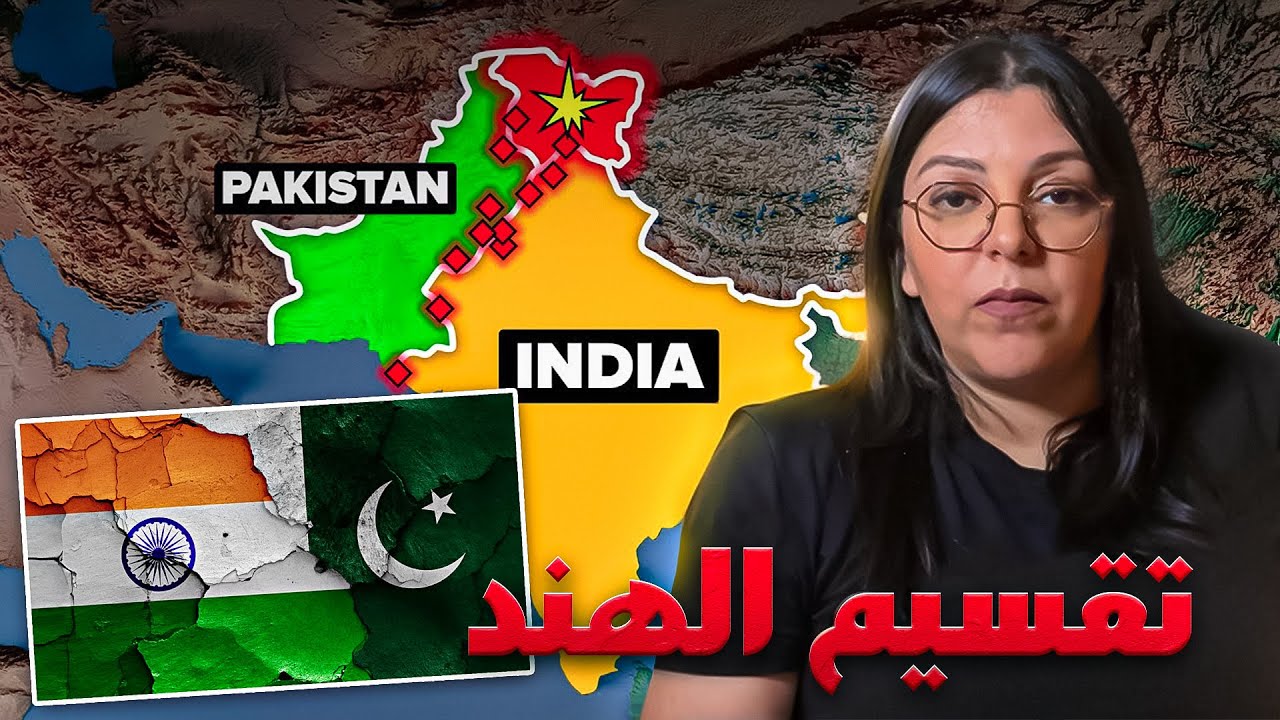


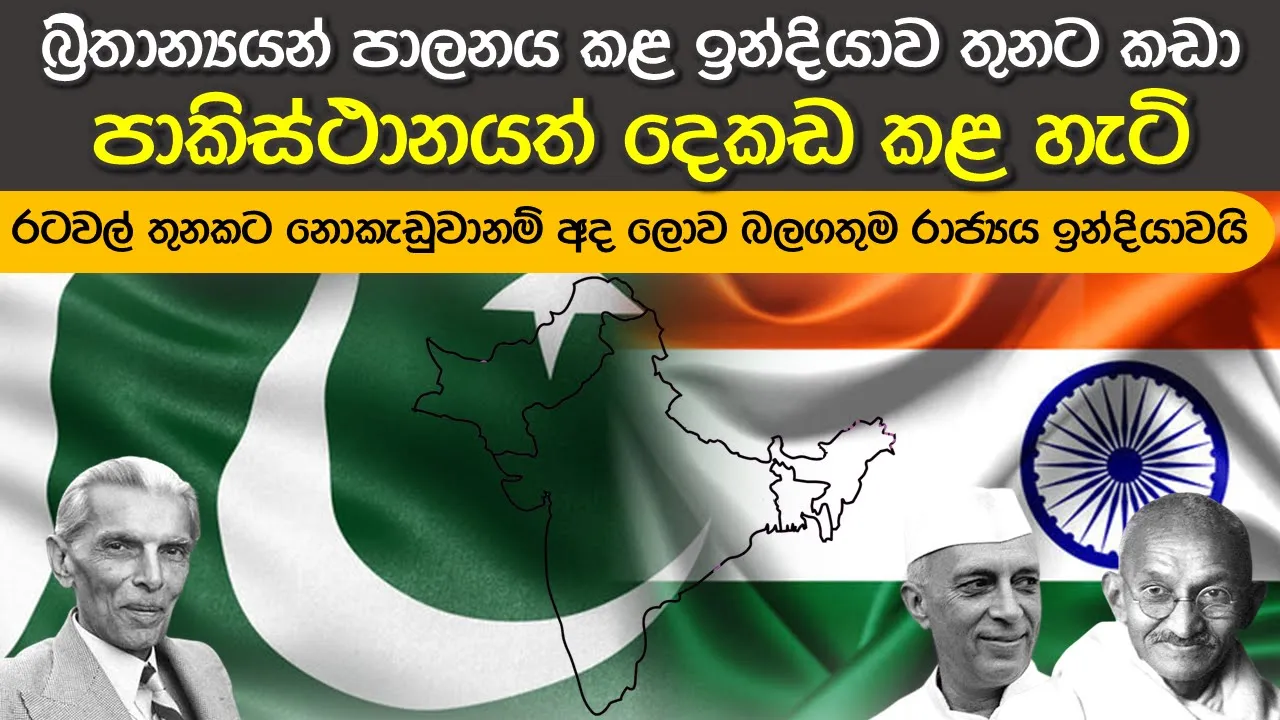
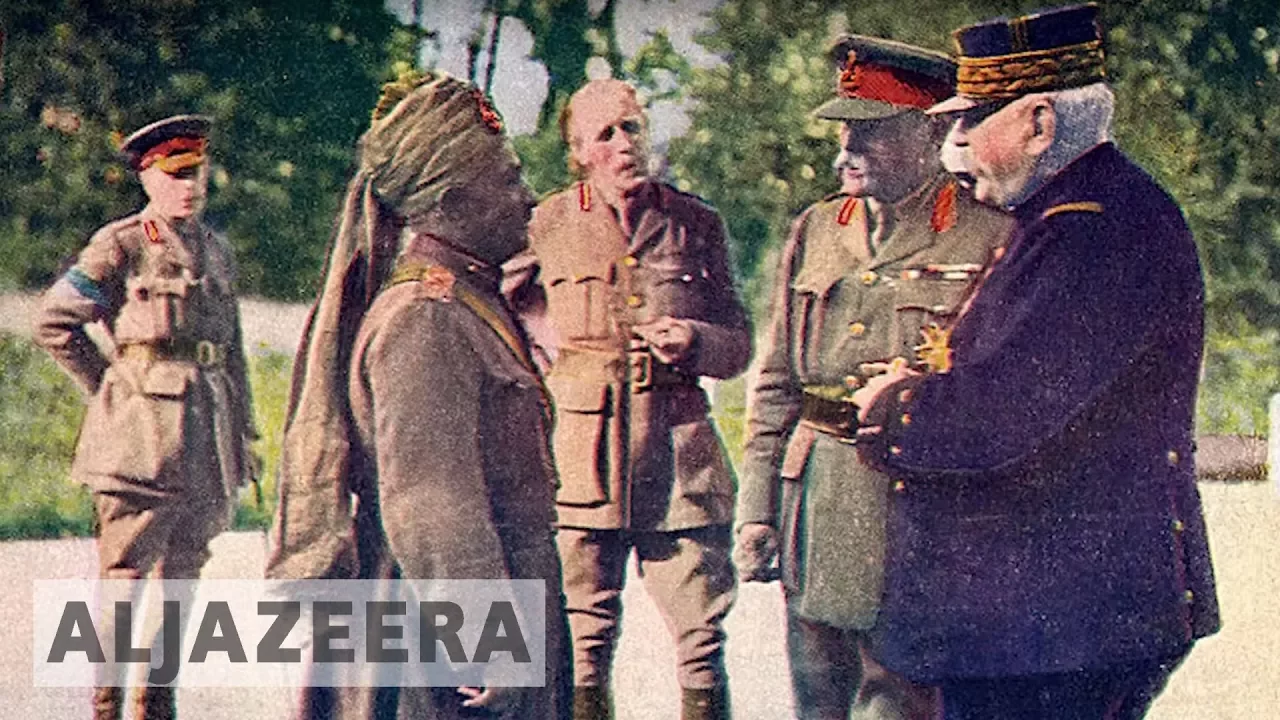


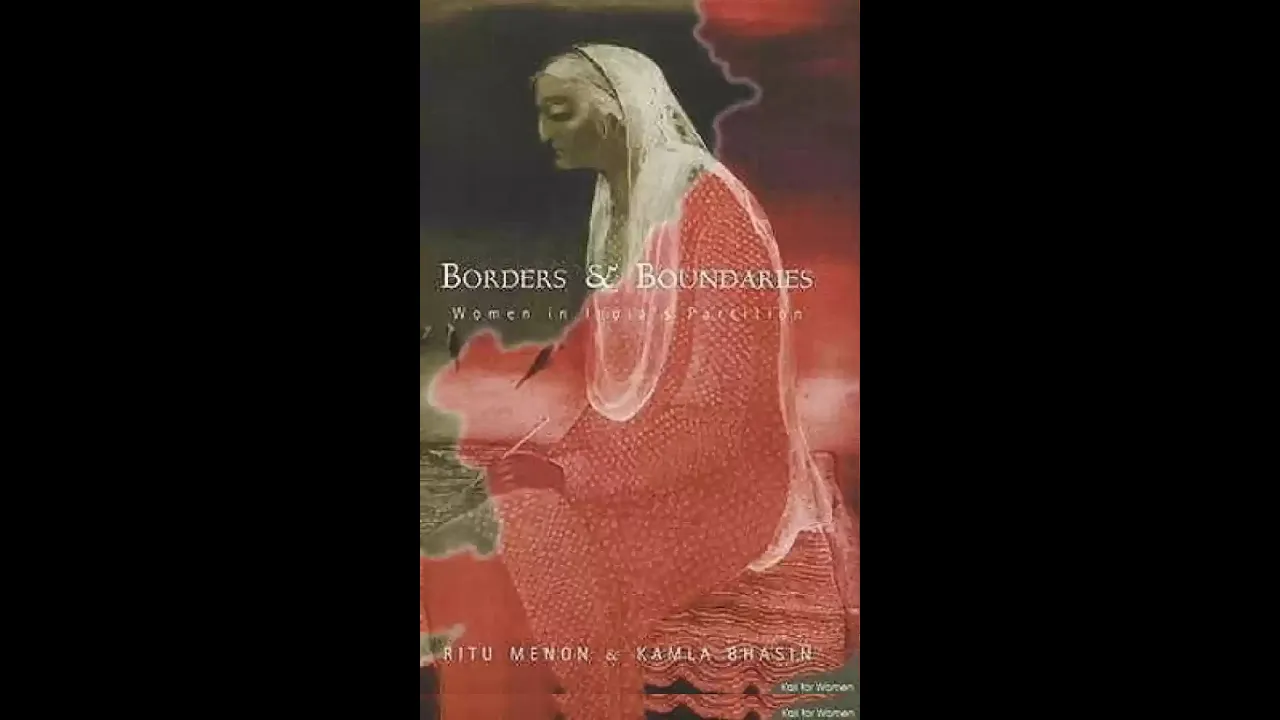
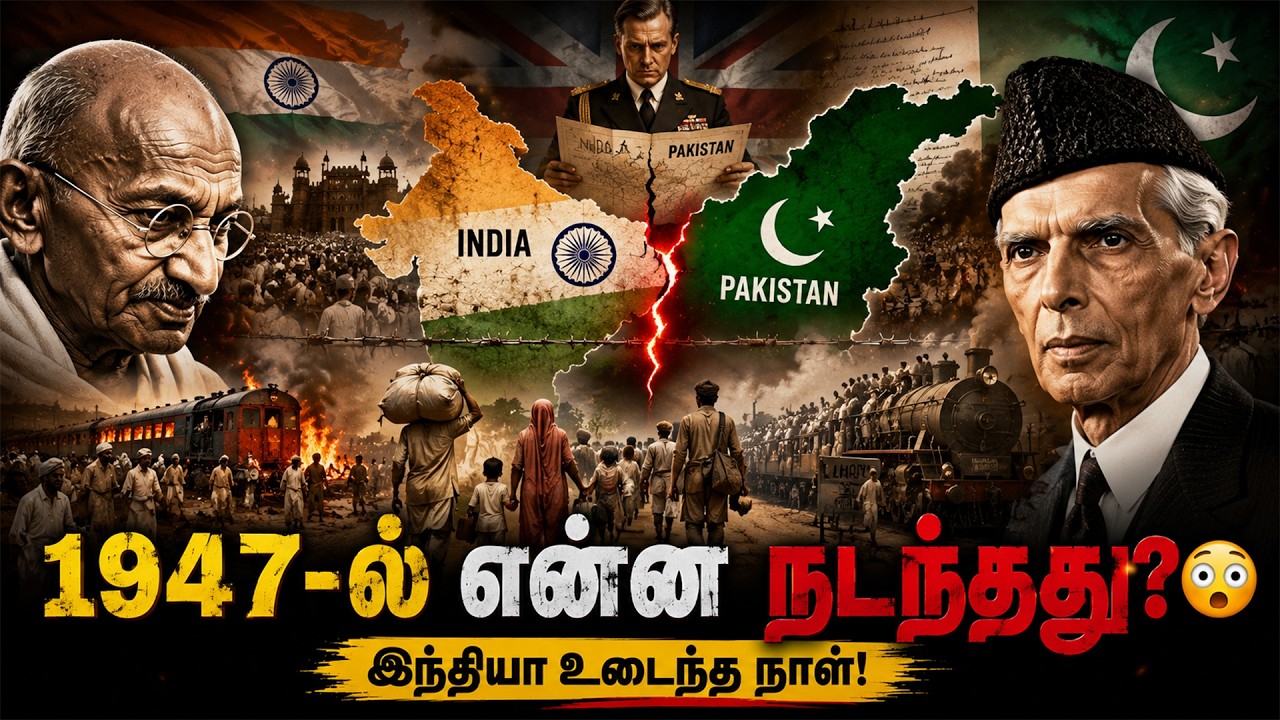


The partition of India in 1947 presents a fundamental paradox: while structural factors like religious differences, majority/minority politics, and democratic voting systems made partition seem inevitable, the actual outcome was highly contingent on individual decisions and personal relationships among key figures like Gandhi, Jinnah, Mountbatten, and Nehru. This moment, which created two nuclear-armed states with ongoing conflicts, demonstrates how historical events can simultaneously appear both predetermined and surprisingly accidental, with the British military's failure to deploy its 600,000 troops in Punjab representing a critical failure that transformed what could have been a manageable transition into a catastrophic humanitarian disaster.
Partition of India: Historians on 1947 and Mountbatten's Role
Added:very good to see you all here and welcome I'm gonna introduce myself first and then briefly the the panelists I'm Sunil kiln Annie I'm the director of the India Institute here at King's College London and I most recently have a book out called incarnations a history of India in 50 lives which is a history of India really from the Buddha to Mukesh Ambani and I'm also at work on a book on Neru we had a very interesting and mixed panel and mixed in the sense of different perspectives that they bring to historical events we have Rhiannon Jenkins Chang who is a novelist who writes historical novels and has written first her first novel was about China set in China in the 20th century and she last year published a novel called the last vice rain which is the story of Edwina mark batten in India told through the eyes of a aide as a special assistant to lady Mountbatten who accompanied her to India we then have Barney white spanner who is a military general who served in the Middle East and in Iraq and who is also a military historian so he brings a very distinctive perspective both as a practitioner and as a historian of military matters and he has most recently published a book last year about partition a about the year in 1947 and all the different events that went into that and then we have Alex Vaughn Tunsil man who is a historian a historian of the 20th century she published her first book about India called Indian summer and it was also set in the mid 1940s particularly in the run-up to partition in August 1947 and she's most recently published a book about the Hungary and Suez Crisis of 1956 she's also a screenwriter so she brings a perspective of film to it so um it's as I say kind of range of different perspectives and the the moment that we're talking about has been in 1947 has been variously described as the transfer of power independence partition and as you can see even in those three terms they're events that can't really be captured in one single description they're there they're sort of they're almost over invested with meaning and and and that's I think one of the things that we will we will be talking about there also I think there's a kind of paradox about partition which again I think we will be addressing that in the sense that looked at from today it looks inevitable somehow unavoidable and yet at the same time in prospect it was seemed entirely contingent and even unnecessary in some ways so if you look at it if you like structurally religious differences which had become politicized as you know deep divisions the emergence of a language of majorities and minorities the language of nationhood and nations combined with the prospect of democracy where numbers could determine the fate of groups and individuals that somehow you put that all together and you think well partition was something bound to happen and yet if you look at it through the extraordinary parade of individuals that were present at this time Gandhi Jinnah narrow the Mountbatten's Patel and many others what you see is the kind of sheer contingency of the moment the sheer contingency of the discussions they had the the decisions that were taken the numbers of ways in which those decisions could have been taken differently and I think that's that's that's something that is is one of the real puzzles of partition that it was something that no one quite wanted yet everyone conspired to make and I think that's really one of what everyone's saying brexit well we'll come to that so and it's also I think you know one of the kind of continuing things that fascinates people about is is it sort of combines this extreme horror in many ways with also the sort of gold dust of glamour the the horror of the kind of large statistics that often get bandied about the numbers of people killed the numbers of people injured and raped and maimed the numbers of people who migrated across borders and then the extraordinary story as I said of the individuals who so those are and and will will come of course then to focus on one of those individuals in particular in the course of the discussion but I wanted to start by just situating the the kind of moment in which those individuals had to live and act and choose and what was partition what what was going on and I wouldn't particularly Bonnie to turn to you as a military historian coming to the subject after all there have been many accounts of what happened but what did you see specifically as a military historian that you you you really wanted to bring out and you think is distinctive thanks well I think come just where background I was actually commanding the Allied forces in the south and south of Iraq when I started wanting to to write this book because I was witnessing there what I thought was a similar in a microcosmic way situation to actually at which maybe even face in 47 in that we had a british american occupation like to go on far too long it wasn't achieving what it meant to achieve but people really couldn't find an exit from it and at the same time i reckoned i was suffering from that thing which the british have always done very badly which is that interface between military and political decision making americans interestingly do it much better I think French get much better it's something which miss country has always done really well the bad it's got better actually since in some of the decisions taken in the 50s so and I had long life on interesting you spent a long time there as a student and I had long fascination with 47 so I wanted to explore why something which was inevitable in terms of independence not partition why happened in the way it did and how the interaction worked between the people like my battles between the Labour government in London between or connect between was enormously powerful Indian army and then the second thing which I've never really understood about it is why once you had the decision to to partition why were events in the Punjab allowed to get in the state that they did because we think of a tragedy of partition Bengal is in a way it's a very sad story but the immediate the catastrophe was it was in the Punjab and I would maintain he leaned have happened as he did there was a very large military force available it was by the anything left over the Raj which actually functioning 47 everything else was Indian civil service the the policing in America slightly formed the bits you saw had nearly 600,000 people under arms and the even the year before 47 thank you 46 said absolutely rehearsed to the last detail a major breakdown of law and order in the Punjab even the extent of how they will protect the railways and yet we come to June 47 we have a decision to to go for the 15th of August we can maybe come back to that that is ample time for a military force I can speak from experience of this to get it so organized to deploy and the plans were there and yet nothing happens and all this nonsense that you hear by day when you couldn't put you know you can put that regiment up in the Punjab because it had a seat squadron seat company it had it been join me Wilson company and we'll see come near and fine we didn't put it but you've gone over all the British troops sitting there who do nothing I mean although Gurkha sitting there who do nothing who were considered to be complete Newton you've got large parts Indian Army which is not class as they call it based and even look about what went wrong in the Punjab and look what sort of come from it that to me is the Nexus of his tragedy but you ended up with two nuclear-armed States you ended up with far too much money being spent on defense we spent on other things and a relationship which could have ended up you may something idealistic much as England and Scotland has ended up is antagonistic comedies any on the globe at the moment so why did that happen was what was my patterns part in that certainly will sure come back to that but actually that that wait died of decision-making that way kind of initiative but allowed the dramas in the Punjab comma folders they did has done enormous damage and again I come back to how it started yeah once all sight parallels about in your world you've written about the sort of persisting significance and kind of resonance at the moment of partition and even in this country in fact perhaps even more in this country what what do you see as that significance why why is it still something that we are drawn to or need to figure out well I mean partly just to pick up on Barney's last point there I mean it it still influences global history to such an enormous extent it's still a major faultline I mean it's a sort of extraordinary eighteen months that Britain has between nineteen forty seven forty eight when there are so three places in the world where lines are drawn on a map and off they go and those are Pakistan India Iraq of course and Israel Palestine and you know today I think we would all agree those are three very problematic areas of the world in terms of security risk in terms of disruption and so on so you know I think it's sort of appropriate to assess well something some of those decisions that would be made something wasn't going very well when that was happening because there's legacy is clearly still with us today we know it is I mean that border the india-pakistan border is as you know as many people here know is still an incredibly sort of fraught border there is you know so one place you can go across which I'm sure some of you have I have and there's this very dramatic kind of display of militarism at the border and you know this results from a kind of really a very short you know kind of period of drawing up a line on a map you know famously by a by a guy who had never been further than Gibraltar before from England and you know who sort of had this other biblical forty days and 14 to do it you're all red they're all red cliff indeed and I think that's you know that's something that um seems quite extraordinary I mean it seems like such a big decision and that really needed more planning to a lot of people and they wonder why there's now such big differences between India and Pakistan two nations that previously you know were integrated to some extent I mean British India was complicated but certainly weren't it didn't have a line going through them which they now do yeah I mean just just to interject there isn't gonna I think a story to be written about sort of Empire and and and and the disastrous use of partitions I mean if you think of the twentieth century we think of the Indian partition but actually it was used right through and it's one of the characteristic features of the 20th century I mean from Ireland to Palestine to to Korea to Vietnam of course Germany and and India and nowhere have they actually turned out very well possibly be a trauma and Germany in the kind of reunification but in general they haven't turned out well we only you wrote a novel about this moment in about a particular figure it being a Mountbatten what did you think writing a novel could reveal specifically that say writing a history didn't it yeah I think people have to be very clear in our own minds when we're reading a history and when we're reading a historical novel or a faction if you want a history and you want to careful analysis with hindsight of what went on with judicious interpretations of the sources then you need to read a history I think what's a historical novelist does is they have to do a double job but they have to read the history and they have to look at primary secondary sources they have to know the sources and they then write a story but I think what historical novelists do that historians perhaps aren't allowed to do is that they are allowed to fill in the gaps they're allowed historical historians are not allowed to speculate about what edweena or pandit nehru might have been feeling at a particular time Oracle novelists are allowed to do that and one of the things that I was very conscious about when I was writing the last my screen is we now know that partition was an absolute disaster but they didn't know that they knew things were not going well and they were firefighting and it was the end of the Second World War and things were in pretty much general chaos but they didn't know what the long-term ramifications of of it were they were living from day to day firefighting so by putting myself in the moment trying to put myself in in the character's head at the moment and not judge them by what we know today I think you get a different perspective on it so you in some ways you you turn the historical record inside out what you have to be very careful of as a historical novelist is not you have to be constantly mindful that you are not putting a contemporary judgments or contemporary knowledge in to people's minds you have to try and really be there in the moment with them and I think that's valuable because I think it opens up things to fresh interrogation so let me ask you mean having as a novelist kind of inhabited the brain of Edwina Mountbatten as you were writing this I mean what what what struck you is being really distinctive about her as a person I think you have to understand her as a product of the time she's not a modern lady she doesn't have a Harvard MBA and a thousand followers on Twitter and whatever she was born a rich heiress she was born to educated to be a socialite and run a great house so you have to understand her in in the context of her time and in what she was trying to do she was she found a resort d'etre in relief work she was pretty much before the wall a socialite who's a kind of lady who you might be said whose reputation preceded her and the war she worked for the Red Cross during the war and thus in Johns Ambulance particular son John Ambulance during the Blitz in London and I think she found a purpose she found a job so when she went to India people she was able to hit the ground running in terms she was a very experienced aid worker and relief worker and I think and it Nehru saw what she was doing and admired her commands to bring you in here one of the things that really strikes me about this really about 20th century Indian history more generally but I think if you look rad Lee you see this elsewhere too is the close relationship between momentous geopolitical decisions and personal friendships and and and and kind of there's a way in which 20 century India makes geopolitics very personal and very intimate and I think actually that's true in general I think that there's a way in which you know biography and international relations and so on have never really talked to one another but actually there's a lot about this that does connect them and I just in your own perhaps even in the mid-50s do you how did you sort of track that relationship between between individuals their connections their friendships there's some sometimes there animus against one another and these very consequential international decisions that get taken I think it's a hugely important point and actually I think it's something that can be neglected quite easily by scholars of international relations because it seems a bit light you know to talk about personal friendships and relationships seems a bit of a sort of slightly fluffy lightweight girly subject shall I say I don't think it is at all actually I think it's a very serious part of the process and I think you know this transfer of power partition independence kind of nexus of events that you've described is one way you can actually see that the influence of the personalities is actually decisive several points I mean you can really trace that that it's incredibly important the personal relationships and are made I mean you know and overall all sorts of things but I mean one particular one which lady Mountbatten was involved in was persuading Nehru to accept a stage of Dominion status for India which previously since 1930 get fully rejected and you know that is sort of that was done through a personal friendship there a personal connection and those you know that was something that several viceroys had failed to do hands of grips so I mean you know these actually become very important these friendships and I think also the as you say the Animus as well it's kind of negative relationships for instance Gina's distrust perhaps of the Mountbatten's I think was very significant and perhaps their distrust of him their prejudice possibly against him from fairly early on their immediate intimacy with Nehru and obviously you know those relationships were all very fractious as well because these you know these kind of this group of men and women who had been the kind of political leadership of the Indian independence movement for decades had very personal relationships with each other as well you know I mean there was an awful loss of kind of you know stages of sort of complicated friendships and enmities and Affairs and all sorts of things that I mean I guess I think people sometimes think that sounds lightweight but I don't think it is actually I think it has tremendous weight Bernie I mean in in you have some very interesting comments about the relationship between the civilian authorities and the military authorities and some of the tensions between this particularly in connection with Wavell and then later with Alcon life we do see the again the sort of personal coming into it and you also talked about how kind of Mount Mountbatten when he comes in brings a very different kind of style and an approach I mean they tie in absolutely getting that fun-loving lived on the fringes of that world it is still it's a huge it's it's an issue which I think historians consistently under play it's absolutely true I think just where you come on to my baton I mean they won the diaries and records I got held up during the book was there's a man called paddy Massey who commanded the bodyguard in in in Delhi and he said that the one thing that rarely seem to infuriate the Muslim contingent in Delhi was when you actually kiss my baton on the cheek and she was leaving Delhi Airport which is perfectly normal thing for westernized man like the arrow to do and then everything to do but actually it's a complete sort of Furies into with many viniq supporters but coming back to the mat in relationships and again I regret to say this happens at the top of the military as it does in any other part of public life there is no doubt that the the bad relationship between or connect and an action between Auchinleck and an arrow and and himself and Patel was I think responsible for a lot of the muddled and the history of my baton being put in a supreme commander and Southeast Asia by Churchill way he was somersaulted over their heads and many more senior experienced commanders and then finds himself actually back in Delhi having to work with one of those very people in all connect it was pretty bruised because he'd been sacked by and I think the again I talked at length to one of walking next aides who or not him sadly his son his diary I was in ministry in Pakistan and who'd work very closely in all connects office and hands his correspondence with my band and it's pretty poisonous some of it and that lack of a good person relationship I think he's part of the reason that there was such a model so I would completely agree I would just also slightly stick my neck out by saying but I think though I I don't think my baton himself was necessarily that influential in 47 I think he was a very good wing master I think he did a difficult job very well trouble slightly to me with my badness he ascribed addicted later in life and perhaps his memory wasn't as good as it might have been more decision-making more power they actually had I mean Mountbatten was a brilliant choreographer of his own history not only in the way he built his own archive but in the television that he did in the kind of selection of his biographer and so on so it's a it's a very highly I mean I'm Alan Campbell Johnson who he took as his PR person he was the first time I mean he I think probably he may picked up a lesson or two from Gandhi about spin and the importance of persuading public opinion but he certainly was as a brilliant choreographer I think there's a flip side to that as well which is that I absolutely agree and I think Mountbatten now is quite often blamed for the whole of the partition disaster and I think that's partly because he's kind of claimed so much responsibility for things like he thought big Tim up now it's used to knock him down and actually I mean there's certainly elements he's responsible for I'm not here to mount the defense of the man but I absolutely agree that he's less important actually in those decisions it's a lesson to us all be careful how important you claim to come to it's clear that you know the best thing that ever happened to that couple was India I mean it's not clear that the best thing that ever happened to India was that he's clearly that way I think strikes me is that um the her her glamour her style her presence has actually overshadowed what I think is her real skill and achievement and extraordinary capacity as a person and as a player you know I think she she you mentioned her you know discovering through st. Johns Ambulance a role and so but I'd say actually that she is a very political figure in the history of this country as well I mean she was a radical anti-establishment figure right from the thirties she kind of as a woman took a very you know independent line in many this continued not just in India but then afterwards into the 1950s she was someone who the the CIA the British government you know really was scared of yeah they're really worried about you know what she was doing or not going to do or you know who she was going to speak to the kind of and so I think that um you know I think also she's plays an important role in this country's struggle to deal with racism I think you know whether it's her engagement with an involvement with black black african-americans in the 1930s her involvement in India her picking up of the cause of Kenya and the African nation colonial nations nation states to be in the 1950s so I think we kind of under play her as a political thinker reputation for promiscuity has has definitely under under played her role that's a reputation that men have given there's a reputation that men have given us a reputation that men are allowed to have without that I think she was a woman of considerable power and influence but behind the scenes and I think her big question to me when I was writing the last by screen is did her a relationship what was the palette were if were there any political implications of the relationship friendship between Edwina and Pandit Nehru did it impact on the outcome did it impact on partition this was something I sort of thought about and I thought doing my research that actually time and time again when you researching Edwina Mountbatten you read about two people in the room two blokes usually who hate each other and don't like each other and they're invited for dinner at Viceroy his house as it then was and Edwina is there and she heroically keeps the whole thing going keeps food people talking keeps keeps things going she tried very very hard with with the Gina's and didn't get anywhere I think her role was in keeping people talking keeping things going and as Alex's mentioned in keeping India in the Commonwealth as well you know so yes and she was a rebel absolute rebel you know and people talk about Lady Diana you know going out and breaking molds and going into hospitals and kissing people and putting her arms around aid fixings and things Audrina went to the Punjab time and time and time again and those pictures of her she has destitute from filthy women in her arms garage grotty children rods and she's down on her knees in the dust she was not a sort of traditional vice rain in that sense I mean I I think I think strongly fierce character and you know very very driven by her commitments which were not the usual commitments if of someone in her position they were also a number of extraordinary Indian women yeah in this room can you sort of touch on some of them and sort of bring bring them into the story as well I think it's very important that's actually and it's something that I notice in a noted in my book trying to remember the statistic now and I'll probably get it wrong because you know 11 years ago memory fades but I think at the time there were more kind of active high-level women in Congress in India than they were in comparable Western parties certainly if you compare it to the Labour Party in Britain or Democrats knew a lady Matt Matt Matt she admired she really admired it really amazing I do a lot of these people became very close friends with Edwina you know she was really impressed by Asian women well she went I mean I do think that that's an important context in which because she's usually located in this kind of male world in which I think she plays a very important role but I think actually this was part of a larger role and and and an impact that women were making at this time absolutely and I mean now I'm record I was probably her closest friend at that time but I you know she did get on very well and people like nan publishers extraordinary you know think we now I think there's a sense in which we sort of forget actually how many powerful women there were mid twentieth century we think feminism's you know sort of 1970s phenomenon but actually you get back they were making world yeah things like she hopes you know she was seeing women in taking office people like emirate court in in in India when she became Minister of Health I think in Neil's covenant you know that this was fantastic this is well ahead of what was going in the West and and you know she was really really seemed to I mean you when she took over she she took over leadership of the basically the refugee committees say there were 25 30 different organizations which come into being and sorry Dilys Arab I was another woman who played an important what is what interests me with that is the how that seemed to happen well it sort of almost naturally didn't seem to be any and even New Jersey Bengali of politician who actually became the first minister for for refugees then became Minister rehabilitation the working relationship but she established with him yeah we so slightly take for granted now because we're quite used to him a thing that well but that I remember thinking at the time go should actually even with the with the tradition of sort of charitable member sarbs which always had a slight element of condescension value but which actually was something I think people understood she sorted into that role and and Rani and again you look at the minutes of some of them the meetings which she had and some of the very practical measures that were bought in as a result of that and some of the relief measures it is it's hugely impressive coming back to the question that in a sense sort of haunts your book which I think also comes from your practical experience in Iraq and in Buster this this point about you know when is the right time to get out and in a sense that's a question that every Empire should actually live under the guillotine offer yeah and of course you know the British had a strong concern you know the right time to get out was when Indians were ready but who determines when Indians were ready well the British would determine when Indians were earlier in the end they were kind of it they couldn't quite time it as they wanted to but how do you see this issue particularly if you like from a military point of view I mean the book that needs to be written is what happened to British collective decision-making after the first world war because we give as a country we go very wrong somewhere after that and we look at all and where I've spent a lot of my life and you look at India there are some pretty disastrous decisions made and yet equally there's some really quite sensible decisions made so what Congress was saying why is it different for Canada Australia why it's different for South Africa is it different to India because we're a different color and the answer is every autumn conservative politicians there probably was actually the answer so you get that very model here and if you look at the 1920s it was so much argued for a proper handover then you had the Indian contribution in the First World War which was enormous not just him in manpower and in it some of the handling about Indian soldiers was not particularly clever particularly in France you had enormous financial contribution you had a real scaling down of any sort of trouble unless was on rest and you have this expectation which have been built up that actually come 1918 come the end of everything else going on in the world fourteen points now you would actually have some form of solution and then you have an wit sir and and and and you have the role attacks and you have had extraordinary returns for which there is no logic for I mean forgive me I'm saying is but the British Army it does not somebody in the audience may disagree but widget army it's not an organization that goes around shooting unarmed demonstrators it has done it agents history where things have gone badly wrong but an wit so it's completely out of character for dena me it is an extraordinary event even Churchill described it as such so there's something sort of missing in our analysis and we do the same thing in Ireland we need same thing in Dublin in 1916 extraordinary events and look what they've actually kicked off now if somebody had reacted rather more sensibly in 1916 Dublin we wouldn't have the know that partition so and then sorry lastly I'll set up with the also maintains any trade advantage any financial advantage from from India had started to dissipate starts becoming you know an expense and the Indian Civil Service starts falling apart there's absolutely no logic for not actually finding an earlier solution and that is a fascinating question what's I think very powerful it comes across in your book is also the the unwillingness to deploy military to provide its powers of protection yes and I think that seems to me one of the great kind of you know one can get away from the question or one can set aside the complex question of responsibility for why partition etc happen but they withdraw of the protective obligation military force I think is one of the great the great kind of blocks on the and as you say I mean you know there was that there was talk about deploying the British military to protect British objects well indeed even in Kashmir you know when the conflict starts there but not for India's Alex you wanted I just I will just come back a bit of a point about Amritsar actually because I think I know that there's a book coming out next year which I'm quite interested in about it might dr. Kinberg know about Amritsar Massacre particularly and he's arguing and I I think he's got a good point although I haven't read the book yet so finished it as far as I understand but actually Amritsar is a less exceptional event I think than we often assumed it was I think the colonial the entire colonial control was about violence and there was actually constant violence in India between people protesting or rejecting the regime and not being hit back and you know there were military campaigns every year in India they were you know also there's also its Street you know it was not a kind of quiet happy time the colonial times and and I think the sort of attempt by somebody like Churchill to present Amritsar as a as a completely exceptional event that bore no relation to anything else the British shooting in India is kind of a justification of empire actually we're saying that the British stayed too long and I wouldn't dispute that but I think the British compared to the French the British actually got out of their colonies fairly quickly after the war it seems to me I don't know you know in comparison the French tried to hang on I think after the war we didn't we didn't hang on we you know we'd learnt lessons from America from the Civil War and once once they think the British Empire was run on a shoestring actually and once it starts to get too difficult we we just we just let it go another question but I want to come back to this question about this issue you know the importance of women in these political kinds of drugs I mean it seems to me you know you could locate someone like Edwina Mountbatten in a genealogy which goes all the way back to Annie Besant really I mean these extraordinary figures who you know take up causes and commitments which are not naturally their own and really go out on a limb I guess interested to hear from from from all of you I mean how could one start to write histories novels whatever they might be they start to kind of bring that back in much more because they have been very these very separate worlds you know the biographies of eccentric women and then the kind of hard subject of global politics and and and and international relations and so on and it seems to me actually the interesting thing is really how we start to connect those strands just to start I mean I think this is part of a very important project which has been going on for many years you know we've kind of subaltern history feminist history women's history and all sorts of different types been trying to bring these stories back and perhaps reframe history in a different way and I mean I think it's something that actually film TV and novels do very well because of course there is a problem with sources and there always is is you know that if you historically written we depend on written sources more than anything else especially when you go back before photography before recording and so on and it is highly like illiteracy tends to be limited to you know you're more likely to be literate if you are male if you're you know upper middle class if you all sorts of other things you know so it's it's sometimes quite hard to retrieve those women's voices obviously when you've got somebody like Audrina mapped by him despite her completely terrible education she could at least read and write Epis you know sort of documents so I do think there's also you know in actually was specific regard to her I think there's something just to pick up on the earlier point about how we reconstruct that very interesting history of her sort of anti colonial politics and so on and her influence in the 50s it's very hard to do so because the families still won't let us look at the letters between Edwina Mountbatten and Javan Neru and I think if we were able to read those I very much doubt they would actually be all that scandalous but I imagine they would be very interesting from the point of view of decision making in 1950s politics and I think maybe a great asset to historians but sadly I'm not in charge of whether I'm allowed to name them or not point of view of military history well I think you've got separate vim biography in history I mean with history you've got to look at the the evidence the the sources that are there relating to historical events and whether you know we like you're not as alex has just said until fairly recently most of is all written about from a male perspective not not in town so I think I'm Ella hand there is a very strong argument to be made for doing more biographical work even sources can be found and sort of coming at it from that point of view but I do think from its talking one's gotta be really careful about preaching history from an angle I think you've got a right history objectively because I think you've used to come at it from too much an angle then it and the historian can do nothing without sorting into the quick comment and then we'll open it up for question I think I think the two things work together I think you have to be like I said you have to be clear what you're doing so I think there's a place there's a place for both but the problem comes when you when you're trying to as a historian get into somebody's head and hypothesize perhaps about the thinking process or the emotional what would the impact be for example on on Alcor Kinloch whose wife had left him what kind of emotional state was here Barney's talked about the decision-making process but or can Lex wife left him for another military man not not long before 1947 so what impact its people's emotional staying that those are interesting and that historians don't really get it get into that it's difficult because you have to source things you have to be you have to be able to back things up I was always very clear that I would when I was writing that I would need to justify what I know I think that's right because a lot of human life and interaction is also about reading what's between the lines I mean we spend all much part of the day doing that so I think there's no reason why historians shouldn't do that too um okay let's let's open that up to two questions we'll go we are in the back there and then there and then there and please keep your questions short not only shortest one you can ever get historical records true reflection of what actually happened on the ground in India excuse me or distorted by civil servants okay okay we'll take a second question together with that so yeah sorry this questions directed at Rihanna I'm I just wanted to ask you know there was obviously a relationship between narrow and Edwina whether in her research or in your research they you came across the effect of that on on Jinnah because obviously you know you've got a relationship there which is more than just a pic you know a peck on the cheek and I just wondered whether you'll relate your research brought up any of that and the effect on there was white civil servants manipulating one of the things you could argue under the few few things that Harold Wilson's government did really well was record record the events of a 1930s 1940s in India the Indian office record isn't particularly for one it is written inevitably from a perspective of British civil servants because a lot of it is British official correspondence but it was edited by a man called pendel moon who perhaps it was one of the more understanding and sympathetic there is the the indian archive of the same period which is fastened in multi-volume which you probably seen and actually what's interesting about that is it combines internal of letters between senior members of Congress and he includes also quite all the press articles relevant press articles and that's the I see a charm with volumes and bother its freedom towards freedom it's a fantastic resource the place where there's a real lack of record is Pakistan and what I would love is for the Virginia archive rarely exists and whether yeah it wasn't destroyed I would really love to to get what's actually happening inside the league and that to me is the great gap in this I really agree yeah yeah I mean this is this is a big question we don't actually know but it's likely that it perhaps increase the sense of alienation it's well known that the gina's and the Mountbatten's didn't get on they tried very hard the Mountbatten's tried very hard with Jinnah and his sister and I think the the fact that Nehru and Edwina were clearly getting on very well perhaps didn't help didn't help matters that Alex might have something I mean there's a story I mean it's whether it's true or not always you know these things kind of come up as gossip and it's unverifiable but that in July 47 so shortly before the transfer of power that Jinnah was passed a package of letters that had gone between Nehru and lady Mountbatten which were apparently quite intimate bit racy some some quite fun details in there and it is said that Jinnah looked at these and he actually said Caesar's wife should be above suspicion and he gave them back and didn't use them which if so is really rather remarkable and definitely a different era than we're living in now or I would say but I think there's I mean there's a difficult relationship there I think it did affect the relationship but it's sort of slightly chicken-and-egg depending on when you think this relationship started whether Jinnah and fatima jinnah is kind of you know coldness towards the Matteson what masters might have been a result of the naree relationship or whether you know which way round that went if you see what I mean I'm not sure about the July 47 date on that but yeah we had a couple of I just wish to set the record straight because when you talked about partition and that they didn't know what to expect about what would happen they were just firefighting day today there was an earlier partition the first partition of Bengal which happened in 1906 and it was such a great disaster it was so terrible that finally the reunified Bengal in 1911 and memories are not that shot that you don't know what's going to happen or how bad is going to get so it wasn't really a fire fighting that they just suddenly realized it's going to be so terrible exactly the same like in the file hi just a quick comment and to add to the lady's comment about getting the history accurate sorry the military gentleman said that the British Army doesn't go around massacring civilians who were peacefully protesting as someone half Irish I just really have to say the 1972 Bloody Sunday 28 civilians shot at during a civil rights protest and the official inquiry declared that it was unjust and unjustified so just want to set the record straight with regards to that [Music] much I've been holding my hand for a long time I'm glad that I've been recognized with reference to the lady who brought up the subject about the 1905 the partition of Bengal by Lord Curzon and there was the man mr. C Arthas under him Bengal was united in 1911 I wonder why you left that out there were two partitions one was in nineteen five only with regard to Bengal and later on the other partition partition was in 1947 and just one can I finish what I'm saying yeah then there was this partition of Bengal and the partition of Punjab lastly I would like to know that you have talked quite at length about the relationships between mr. Nehru and mrs. Edwina curry sorry no battery no matter I beg your pardon yes and of course the reactions of the gina's but you left out the evidence the historical evidence of wrongdoing that the British were engaged in especially with regard to the mesopotamian scandal there's something not wrong with the British people but something definitely wrong with the decision-making process in the Westminster Government thank you sir let's yeah you had yeah just I'd got us gotten into a spat with you when I mentioned Terry Anderson three years ago at the South Bank the thing is that Neru lied and manipulated things I'll tell you from an example my grandma's brother was um the High Court Chief Justice of Allahabad and their house was next door to an endowment and um Feroz Gandhi's father was a Muslim he was a he was a green grocer and a wine cellar no his mom was parsing his mum was Parsi my family my grandma used to talk about this all the time okay is that the truth was manipulated Congress manufactured fake news okay so let's take another round and then see just so we can get as many voices in yeah you and Alex particularly has talked about the importance of relationships I was wondering if that extends to the present day given the enormous power on the current royal family that Lord man Burton's memory seems to exercise and I think absolutely relationships are so important in policy politics today I think the British royal family a particularly important some 12:06 today but it is true that they do seem to have a tremendous lasting affection towards Mountbatten the the new Prince is is called Prince Louie hopefully not to become the king of the swingers the jungle VIP I think it was King Louie and and actually the oldest child as well the older Prince Prince George his middle name is Louie as well so they've got to Louise in one family so that's that's you know a hefty Mountbatten influence as to whether so I mean I think my baton difference on Prince Charles has been written about quite extensively and that both seem to be coming down generations the royal families name although they are the House of Windsor their name as we know from when they sign the marriage register their surname is mountbatten-windsor so he got there okay so we've got one question back down and one yeah this is mainly directed to to Barney regard to his military background and research in these recent programs on partition with the seventh anniversary of the partition there was something about it being a more of a strategic move in that Britain wanted a base in Pakistan because the partition was you know was it was imminent just to counter the threat of Russia you know it's part of the big game is that true which made quite a lot of its also be clear but Churchill the exercise no power in Westminster after July in 1945 and so I'm afraid I just don't hold and again I can assure you the British government isn't that joined up based on a book by mozzarella which was actually itself based on very thin evidence really on that there was a question yeah we'll take two together it's working yeah I've got a question for Barney please um to what extent if at all was the British Army involved with the logistics at the time of partition you know this huge movement of people going the same roads so I'm wondering to what extent and the British were responsible for all the you know totally obvious from my perspective budget but also I would like to briefly endorse what was said about the situation in Ireland my grandfather's second cousin was Michael Collins and so I have a certain amount of family knowledge but definitely you know the atrocities and then the humanity when only has to look at the letters of Maude gone to WB Yeats and look at autobiography to realize that atrocities and inhumanity that was the hallmark of the British and that is how they are remembered think to be fair to me I did say that 1916 was a one of the worst things a British Army did to be fair so that's not but let's talk about India the in the Punjab yeah when the tragedy is that if they had made more use of their enormous military presence that they had six hundred thousand people is in hospital to same factories its own schools its own farms its own transport system if that had been put in place in the Punjab quite apart from the job because of done protecting people then that I think that would have made a major major difference and that is the point I make in the book I do also think that it isn't just sort of alternates my bath and fault neo who didn't trust armies to narrow armies were there to break up Congress he didn't he didn't have any experience of dealing with them any man who came here to it was Patel interesting I think he could have made a major difference just take that two or three quick comments yeah can I quickly all Syrian 1930s Palestine the British Army were not there to keep the peace but perhaps they thought they were keeping the peace by being violent towards protesters nineteen twenties and I think you should comment on that maybe not denial about it to talk about the Palestine white paper a gentleman behind in wasn't there an effort by Lord Mountbatten right at the eleventh hour to become the governor-general of both India and Pakistan which would have undermined the partition and created much greater chaos [Music] I just like to comment on massacres by the British Army if we go back to pre showering nineteen a whole session on okay thank you so we're running out of time let's just take what about 1931 in Bashara when your forces massacred up to 400 unarmed protesters yeah okay let's let's talk about 47 otherwise I think we will just let me just talk about the governor general point with my baton I think that's a key one the more sensible things mandroid to do I think if Jenna hadn't been dying you might relevant green to the but I think he realized that the chaos would result if he'd been Prime Minister and died in Pakistan I think the what we got remember it said in June there was a structure set up there was a joint military command there was a envisage at partition in Indian forcing from work together and they did action some extent in the Punjab in a very minor way there was and that and that joint sort of command structure we like was designed to de las for some time and having a joint governor-general and the point that Alex made about about nearing being coming in as a Dominion it was hugely important and I think actually I'm quite a fan of Genoa I think there was a great man I think one of the biggest mistakes he made was actually not to to go with my baton on that and it did cause I you know a even worse thing about already delicate relationship final comment and I'm about well I would say and people find it very difficult to understand many people in India find it very difficult to understand the relationship between Edwina ma button and Pandit Nehru I don't think it's that difficult to understand at all we could talk in more detail about that but when I was thinking about it I thought you know what Edwina was actually India's first first lady as the wife of the governor-general of India she was in fact and Nehru had no wife of his own so actually she was playing a real leading role at a very difficult time in India it's not politically correct to say that but she she actually if you if you think of her like that then perhaps you can understand how their friendship develops well I don't know whether I should come in on you know governor-general's or Imperial atrocities or personal relationships I mean but I suppose what I can say with all of this is that actually my goodness doesn't this subject cover everything and this is why actually we're still fascinated by it I think this sort of United 4748 is that it brings in so much and I really think you know I'm just gonna make a small plea that British schools need to start teaching it you know thinking about the common real connection there's almost word which this these relationships become a metaphor for what what kind of Britain is trying to negotiate at the moment with India are kind of more open more equal form of relationship which I think you know the is a very interesting symbol of that in many ways so okay well thank you very much we have pretty much covered the entire history of the twenty [Laughter] [Applause] [Music]
Up Next
Legacy of the Indian Subcontinent Partition | Inside Story
@aljazeeraenglish
52.9K views•2017-08-14

The Great Schism of 1054: Causes and Consequences
@SacredCathedrals
113.5K views•2026-02-19
The Geopolitics of the Ukraine War and the Rise of Global Autocracy
@JordanHarbingerShow
468K views•2025-04-19
Understanding the Cold War: Superpower Conflicts and the Road to Détente
@OverSimplified
46.1M views•2019-01-24
Related Study Plans & Knowledge Roadmaps
Structured learning paths in History