

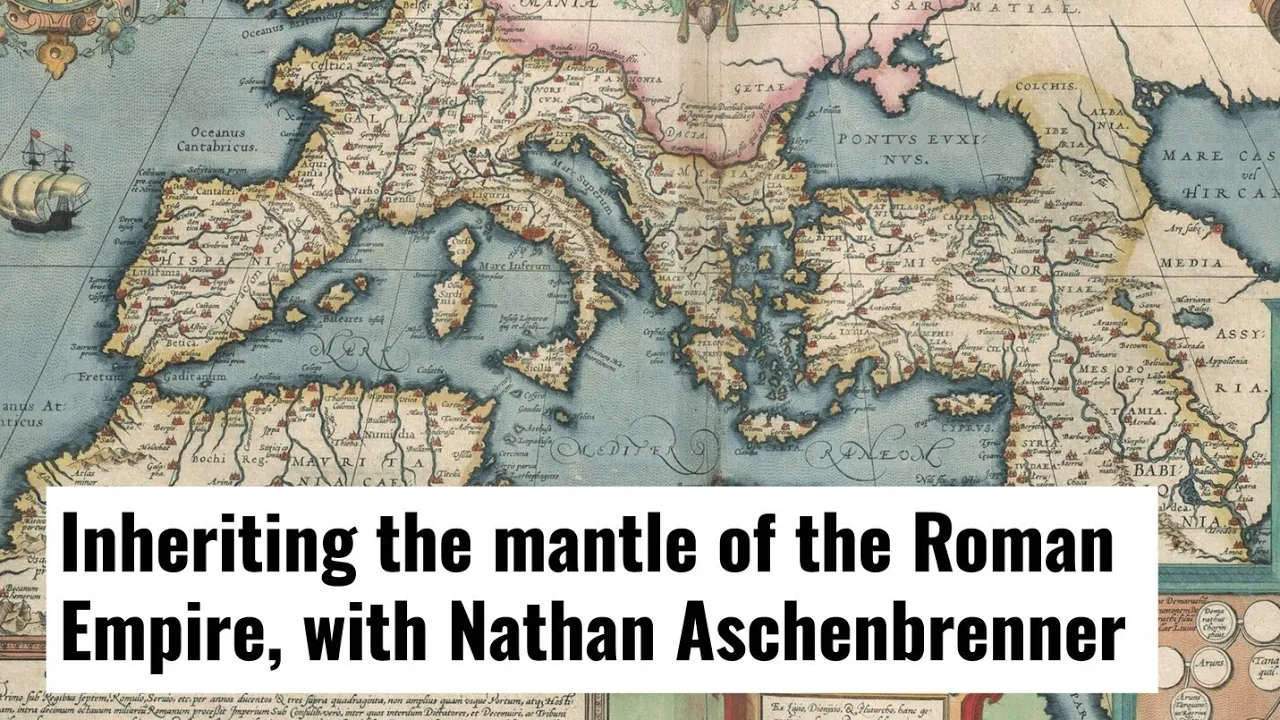












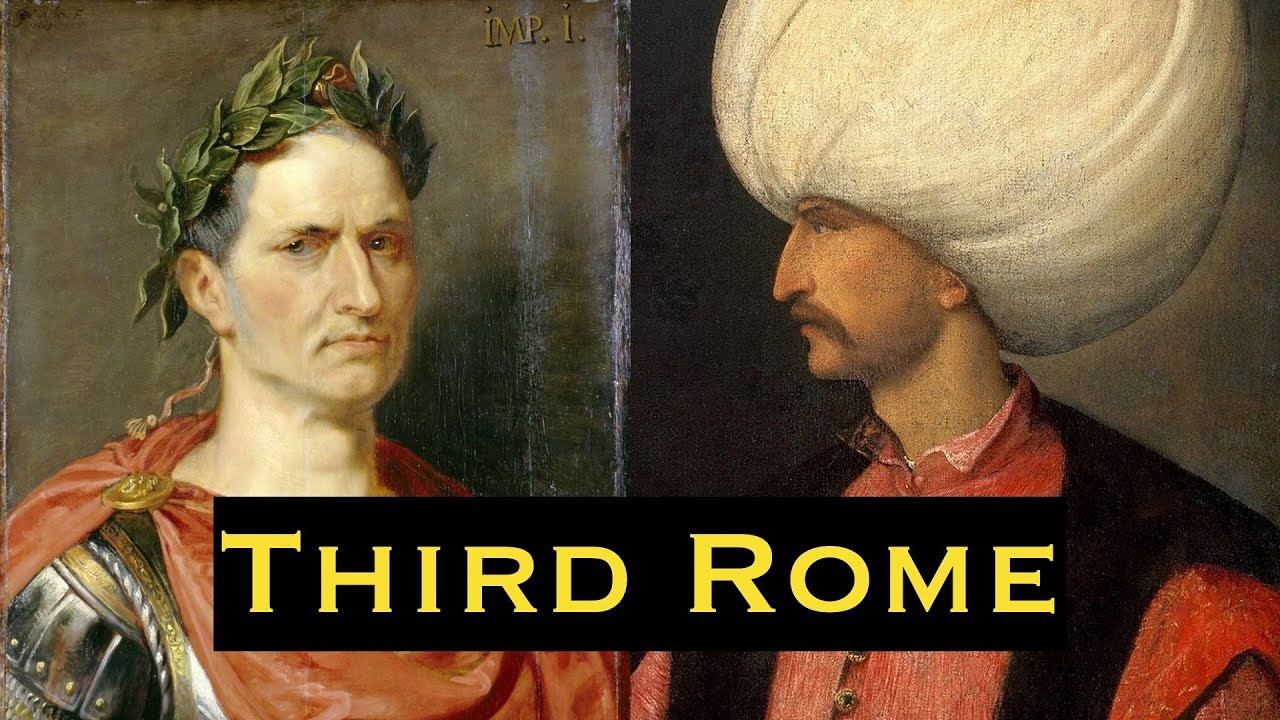





The question of who has the best claim to the title of Roman Emperor in 2019 has no simple answer, but examining five primary claimants reveals different perspectives: the Ottoman dynasty (heir to Sultan Mehmed II who conquered Constantinople in 1453), the Spanish royal family (through the legal will of the last Byzantine Emperor Constantine XI who left his titles to Ferdinand and Isabella), the Russian Romanov family (claiming Moscow as the 'Third Rome'), the Bonaparte family (through Napoleon's papal coronation), and the Habsburg family (who ruled the Holy Roman Empire from 1440-1912); however, a legal argument suggests King Philippe VI of Spain has the strongest claim as the direct heir through the unbroken line of succession from the Byzantine Emperor Andreas Palaiologos to the Spanish monarchy.
5 Legal Successors to the Roman Throne Explained
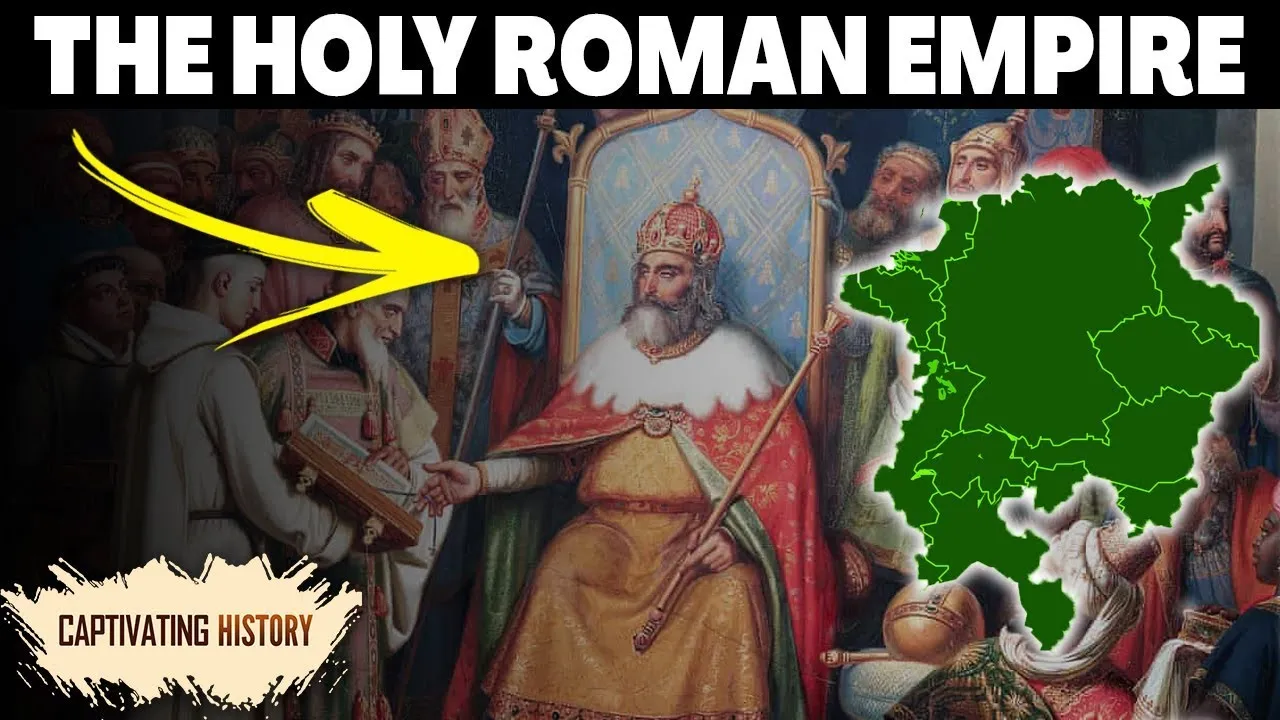
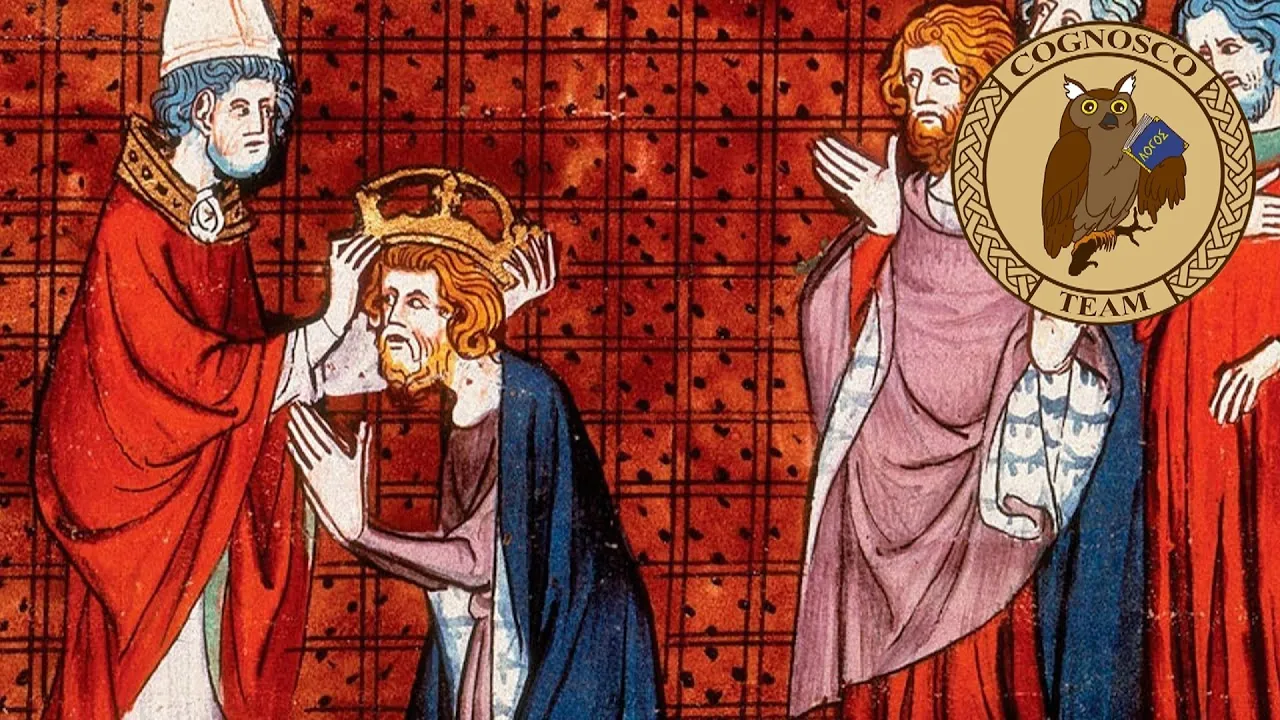
Added:today I'm going to explore the question who in the year 2019 has the best claim to the title of Roman Emperor now I'll tell you upfront that this question has no simple clear-cut answer but hopefully by exploring it we can learn a bit of history and have some fun in the first part of the video I'll be outlining five different ways that the question could be answered then in the second part I'll be letting several other history youtubers give you their opinion on who has the best claim [Music] so let's start off at the beginning of the Roman Empire the first Roman Emperor was Augustus Caesar and he reigned from 27 BCE to 14 C II after that we get a bunch of Emperor's some of whom were ok and some of whom were downright CRAZY then we come to a period in which we get what's called the five good Emperor's this is the period in which Rome reached its peak and for the most part experienced peace throughout the core parts of the Empire after that it was sort of a slow ride downhill soon after the five good emperors we get a period known as the crisis of the third century in which Rome pretty much got a new emperor every other year basically the Roman Empire had grown so big that it had become hard for any one person to hold on to power very long eventually Along Came an emperor named Diocletian and he basically split the Empire in to creating the Tetrarchy he took the title of Emperor or Augustus in the east and let someone else be Emperor in the West each Emperor also had a Junior Emperor working under them called a Caesar so really there were four rulers hence the term Tetrarchy ruled by for this didn't actually work out though because eventually there was a bunch of fighting between the Western Emperor and the eastern Emperor and this culminated in Emperor Constantine defeating his rival and becoming the sole Emperor he shifted the capital east to Constantinople making it a new or second Rome thus the East became as important if not more important than the West after he died there was sometimes two Emperor's and sometimes one then finally the split became permanent shortly after the permanent division several barbarian groups crossed the Rhine River into the western part of the Empire in fact the city of Rome itself was sacked for the first time in eight hundred years and by 476 the Western Roman Empire was finished but in the East things continued historians often refer to the eastern Roman Empire at this point as the Byzantine Empire but at the time they simply saw themselves as the legitimate continuation of the Roman Empire in fact around 552 C II Emperor Justinian was able to recall kuru and although it was no longer the capital they held on to the city until the rise of Charlemagne which brings us to the Year 800 and this is where we have to make our first major decision when it comes to which line we feel is the more legitimate successor to the original Roman Empire basically at this point Charlemagne king of the Franks had conquered most of Western Europe and over in Constantinople the title of Emperor had fallen to a woman for the first time ever Charlemagne used this as an opportunity to declare himself the true Emperor of Rome and in fact the Pope agreed and crowned him as such he is often seen as being the first Holy Roman Emperor although in reality it took some time for that entity to evolve in addition to this there has always been some debate on what exactly the Holy Roman Empire was it was famously said to be neither holy nor Roman nor and empire but leaving all that aside I want you to consider at this point which side do you feel is the true successor to the glory that was once Rome the western Holy Roman Empire or the eastern Byzantine Empire because for the next six hundred and fifty years or so they coexisted and both claimed to be the legitimate successor state now before we go on I should mention that there was actually a suggestion made at the time that these two should marry that certainly would have changed things and made our task a lot easier but alas it was not so which brings us to 1453 that's the year that Constantinople fell to the Ottoman Turks so if you're a supporter of the Byzantine side you have another decision to make at this point obviously as the conquerors of second Rome the Ottoman dynasty certainly has a good claim on being the true successors of the original Roman Empire they held on to power for another 450 years and although Turkey is now a republic and heir to the Ottoman dynasty does still exist that person is done dar Ali Osman and he's the first of the five people I'm putting forward as possible claimants to the title of Roman Emperor now it could be argued that it doesn't matter that the Ottoman Empire was Muslim not Christian because the Roman Empire had already changed its religion once in its history so why not again but this is just one option let's look at the others going back to 1453 I'd like to point out that the last Byzantine Emperor had a legal will and in that will he left all of his titles including the title of Roman Emperor to Ferdinand and Isabella of Spain rumor has it that they paid him for that legacy but also the the king of France had also paid him for the same title a few years earlier but if we want to rely on a strictly legal argument we could say that the current heir of Ferdinand and Isabella is also the legal heir to the title of Roman Emperor so that person would be King Philippe the sixth of Spain he also makes a good candidate because he's the only one of these five that is actually already a monarch today but there's one more candidate for the byzantine supporters out there the last byzantine emperor had a brother who claimed to be emperor after the fall of constantinople that person had a daughter who went on to marry ivan the great of moscow because of this russia later claimed that Moscow was the third Rome and that the Russian Empire was the true successor state to the original Roman Empire they even named their monarchs Tsar after the Roman word caesar to add to their claim there's also the fact that the russian orthodox church for much of the modern period did in fact end up replacing the greek orthodox church as sort of the center of eastern christianity so of course the russian empire no longer exists but if you're convinced by the russian argument you'll want to find out who the current heir to the Russian throne is now that's actually a bit of a complicated question in itself and I actually have a separate video on that topic which I'll link to in the description but perhaps the best Russian candidate is a fellow by the name of Andrew Romanov so he's the third of the five candidates that I'd like to point out so these three options are all linked to the idea that the Byzantine Empire was the true successor state to the original Roman Empire however if one were to support the idea that the Holy Roman Empire was actually the true successor state we get a different set of options on that side I'm going to give you two options as I mentioned earlier the Holy Roman Empire lasted over 1,000 years and actually outlived the Byzantine Empire by over 350 years it finally came to an end in 1806 because of this guy here napoleon bonaparte after conquering most of europe napoleon famously grabbed the imperial crown and crowned himself emperor in the presence of the Pope in a manner comparable to the way that Charlemagne had been crowned over 1,000 years earlier of course Napoleon's Empire was short-lived as was the resurrected version under Napoleon the third but it certainly could be argued that Napoleon was and is the closest thing that Europe has seen to a Roman Emperor since the days of Rome itself so if you're convinced that Napoleon truly was the true successor of everything that we think of when we think of the Roman Empire then you'll want to look at who the current Bonapartist heir is today and that person is Jean Kristoff he's not a direct descendant of Napoleon himself but rather a descendant of Napoleon's brother Jerome finally it must be pointed out that the Holy Roman Empire did sort of continue after 1806 in the form of the Austrian Empire which lasted up until the end of World War one except for a few minor exceptions the title of Holy Roman Emperor and then Austrian Emperor was held all the way from 1440 to 1912 by a single family the House of Habsburg so it certainly could be argued that the current head of the House of Habsburg has the best claim to the title of Roman Emperor and there is no debate about who that head of is it's this man here Karl von habsburg so he's the fifth and final person that I'd like to put forward as having the best claim beyond these five we could come up with others we could argue for the Pope for example or for the heir to the throne of Italy but these five are the five that I think have the best claim I'm now going to let several other history youtubers weigh in with their thoughts then at the end I'll come back with my own top pick for my money it's got to be the Russians the Eastern Empire was the continuation of the Roman Empire so the Bonaparte's hapsburgs you're out they've got a blood connection that beats any will so the Spanish you're out and they're Orthodox Christians which is still the religion of the European half of that Eastern Empire so it's got to be the Romanovs or or Dwayne the rock Johnson that's my wildcard choice first of all the Roman Empire's capital was changed to Constantinople and Constantinople was taken over by the Ottomans ending the Eastern Roman Empire which was an actual part of the Roman Empire at one point none of the other empires ever bridged the East and the West the way that the Ottomans and the Romans did remember the second who conquered Constantinople was actually recognized as a successor to the Romans by the ecumenical patriarch of Constantinople also the Ottoman Sultans probably had some blood claim as well since they married Byzantine nobility including princesses all the time now after the abolition of the Ottoman Empire some of the arman princes moved to Syria and donned Argos man was born there he's the great grandson of Sultan Abdulhamid the second of the Armenian Genocide Fame in 1974 ban was lifted from the Ottomans by Turkey and they could return to Istanbul not Constantinople however the daughter Elias man refused to return even though most of his family did try and tell me that's not the ego of a Roman Emperor okay well for the sake of argument let's look at this logically what makes a kingdom a kingdom what makes an emperor and Emperor sure you can call yourself a king or an emperor but it's has no one else acknowledges it like your subjects or even other countries you're just a crazy person proclaiming something no one will listen to trust me I'm speaking from experience so to look at who is the true claimant to the Roman throne we have to look at who actually has been recognized most by others as de claimant not who claimed it just themselves to start with we have to recognize that no one sensible will argue that the Byzantine Empire isn't a true successor to the Eastern Roman Empire but the Byzantine Empire fell in the 1453 so who is the successor now well Napoleon can be ruled out no one ever thought of him as the claimant to the Roman throne let alone the Holy Roman Emperor and for most of his reign other countries didn't even want to acknowledge him as the King of France let alone anything else next are the romanov which outside of their self claim to the throne that no one took seriously weren't even close to controlling any areas of the former Roman Empire then come the Ottomans and I don't think I have to explain why no one thought of them as the successor to the Romans so who can people agree on being a successor to the Romans well Charlie Maine is the most prominent one being crowned by the Pope to religious successor of the Western Roman Empire as the Holy Roman Emperor effectively creating the basis for the medieval political entity known as the Holy Roman Empire therefore the Holy Roman Empire can be viewed as the successor to the Roman Empire at least the Western Roman Empire and who are in everyone's minds the main monarchs of the Holy Roman Empire yes the Habsburg they are the successors to a state created by chala main a person viewed as the successor of at least the Western Roman Empire if not the whole they have also on many occasions been crowned by the religious successor of the Western Roman Empire the Pope as the emperors of the Holy Roman Empire and lastly the ruling Spanish line which the last Byzantine Empire the successor of the eastern Roman Empire left its titles to and his will died out and was replaced by none other than the hapsburgs so in a way the hapsburgs are the ones who united the eastern and western roman empire yet again hence making them the true motor claimants of the Roman Empire oh who has the title of Roman Emperor today well to answer that question let's refer to our handy-dandy European royal family tree chart available now so first of all anyone who tries to tell you that the Holy Roman Empire was the successor state to Rome is trying to sell you something because Rome kept on chugging along and kept on chugging and it kept on chugging until it falls to the ottomans now does that mean that the ottomans are the new roman emperors i think answer that question with another question when warsaw was given to prussia at the end of the 18th century did william ii become the new king of poland not exactly it just kind of stopped existing so we are then left with two choices we can follow the spanish claim which you might have a point there but honestly they never really did anything with that it's mostly lip service so what we're left with is just to follow the bloodline of the last roman emperors so we go back from Constantine John's already gone back up to his brother Thomas and we followed that line down until we hit the Czar's of Russia I don't think this makes Russia the third Rome as it likes to think it was but certainly if anyone has a claim to being connected to all of this mess it is the czars which brings us all the way down to the Russian Empire to poor dead nicholas ii and then there's a whole mess after that but certainly in here in his bloodline somewhere is your current emperor of rome hello it's Jasmine from a long long time ago the first choice Matt gives us is between Irene and Charlemagne Irene is the legitimate Empress Charlemagne conquered most of Western Europe but the Roman Empire was down in the east and the capital with Constantinople so reality his claim was like if he was living in a semi-detached house and claiming the house number house next door because the whole thing used to be one house it doesn't add up in 1453 the Ottomans took Constantinople and pretty much swallowed up the remains of the Byzantine Empire in other words they'd conquered it when William the Conqueror invaded England in 1066 he took the title of King of England and there's no debate about whether or not King William with the real King of England so in the same light we can see that the Ottomans were the new inheritors of the Roman Empire and thus dun da Ali Osman has the best claim to the title of Roman Emperor Haider this is beerus and of course the house of bonaparte has the best claim to the title of roman emperor who better than a man who was crowned emperor with the blessing of the Pope himself who was coronated with a loyal wrath whose troops proudly carried the Roman ego standard on to battle and if the Holy Roman Empire was the descendant of the Roman Empire then who but the man who destroyed it has the right to call himself the new Roman Emperor and thus his current heir zhanka stuff Napoleon Bonaparte has the best claim to the title of Roman Emperor I agree that the poliana client has the best claim but would argue that a different Prince Napoleon is the current error although the will of Louis Prince Napoleon named as his heir his grandson Jean Christophe the traditional succession rightly belongs to Jean Christo's father Charles Louise choice to maim the only son of Charles is Louise Eyre broke with the traditional father to eldest son rules of succession and the fact that Louis was irritated by the political leanings of Charles is not sufficient reason to deny him his rightful claim on the throne blood must be followed in the matter of such succession or the dynasty loses all credibility otherwise how can we recognize the sanctity of a royal or imperial line of succession at all hey cypher here and I'm gonna have to go with the Romanovs not only because the family used to be called czar as an caesar but also because the byzantine empire kind of had the real lineage of the Roman Empire plus the current head of the family is an American citizen who gets the best claim to the Roman Empire goes all the way back to that initial split between Charlemagne and Irene Irene doesn't get the throne because she's a woman what is that so if we just follow her line then I'm gonna go with dunder Ali Osman Irene by the way it was kind of a searching like figure and like gouge out the eyes of her son but regardless of her badassery I still think that her line of succession has the best claim to the throne so Thunder Ali Osman is my guy hey there Tom Ricci here and thanks for having me on the show Matt I'm going to go with Andrew Romanov because I think that the whole three Rome's story is just a beautiful story and at the end of the day history needs a story in order to happen so that's my take let's hand it to the Russians Hey House of history air and I am also going to have to go with the Romanovs though other people have already explained why the Romanovs would make a good fit as the successor of the Roman Emperor and I'll show you on this fancy chart where exactly friends Romanov would be it is around here though friends Romanov would not probably accept any title during the second world war he did not even want to be promoted to officer in the British Army fighting against the Germans it's a very humble man and if he refused the rank of officer in the British Army and it's pretty not likely that it would be happy being the heir of the Roman Emperor this is tarek from hikmah history and i think the house of osman the house of the ottomans has the best claim to the title of the roman emperor this is because when sultan mehmet ii conquered Constantinople in 1453 and the remainder of the Byzantine Empire afterwards he assumed the title of kayseri room meaning the Ceaser of Rome in addition the second Ottoman leader Orhan the first actually married a Byzantine princess thereby establishing blood relation to the Romans therefore I think donned our Ali Osman the current head of the Ottoman family has the best claim to the title of Roman Emperor if the Empire were to be restored an Eastern Emperor claiming rulership over Western Europe wouldn't go well and vice versa therefore I would like to put forth two options Karl von Habsburg would be the most likely contender to the Western throne in the east the best option would be Andrew Romanov a popular marriage between the children of Karl and Andrew might mend the schism the artist rose to Slav Romanov in the fashion model eleanor von Habsburg would make an incredible couple however Eleanor is happily engaged so we would probably have to wait a few more generations to see a United Roman Empire okay so there you have it over a dozen opinions on who has the best claim at this point if it came down to a vote it looks like the Russian candidate would win with the Ottoman candidate coming in as a close second but as I promised I'm going to finish up by sharing my own opinion and my own opinion is that everyone you have heard so far is wrong you probably know the saying When in Rome do as the Romans would do well let's change that to when thinking about Rome think like the Romans would think and there's one thing that the Romans thought a lot about and that is the law besides the Latin alphabet probably the most significant contribution that ancient Rome has given to the modern world is their legal system in fact most of the legal systems - used in the world today have in some way been strongly influenced by Roman law so I don't think that Romans would be convinced by any argument based on bloodlines religion who looks best wearing a laurel wreath what some other barbarian country would say or even by who controls their capital city what I think they would be convinced by is a good solid legal argument and the only person of the five that has a claim based on a legal argument is the one person that no one so far has chosen to support and that is King Philippe the sixth of Spain here's what I think first of all I'm going to agree with the majority so far and say that the Byzantine Empire was indeed the legitimate continuation of the original Roman Empire from a legal standpoint there was absolutely no break in the line of succession in other words the government of Rome or the state known as Rome kept chugging along even during the few years that the Latin crusaders took over in Constantinople and sure when Constantinople fell for good in 1453 a few frightened religious leaders declared that the Ottoman Sultan was now the new Caesar of Rome but in no way did the state of Rome transfer itself to the control of the Ottomans after all the Ottomans at the time followed a completely different legal system what happened is that the state of Rome existing now in the person of the Emperor went into exile so when constantine xi died in the battle against the ottomans his brother thomas escaped to rome where he was recognized throughout the rest of christian europe as the legitimate emperor of the east a title which was then inherited by his son andreas now before he died andreas made a will in the eyes of roman law a legally binding will and in that will he left the title of roman emperor to King Ferdinand of Aragon and Queen Isabella of Castile their titles of course were then inherited by Charles who became both King of Spain and Holy Roman Emperor during his lifetime Charles controlled more of Western Europe than any other person since the glory days of Rome now when he died he split his titles between his son Philip and his brother Ferdinand but don't get confused although Ferdinand got the fancy title of Holy Roman Emperor it was Philip who was considered to be the more senior heir therefore the old Byzantine title although no longer officially claimed by the Spanish at this point would legally have belonged to him to Philip and even though there has since been a change of house when it comes to the monarchy of Spain there is a direct legal line of succession all the way from philip ii of spain to the current king philip the 6th of spain so if a Roman court were forced to decide today who the legal heir of the title Roman Emperor was I think they would go with Philip the 6th and beyond the legal argument he's got a lot of other great things going for him first of all he's the only one of our 5 candidates that is already a monarch and the kingdom that he reigns over exists within the borders of the original Roman Empire in fact if we look at his full title you'll see that he also already claims to reign over a bunch of other former former Roman territories including some in Italy and even Jerusalem he's also a Roman Catholic and speaks a Romance language and if you're into bloodlines he's got an excellent pedigree he's pretty much related to every other royal person that has ever reigned in Europe in fact we could probably find a connection to a byzantine emperor in fact I know we could or even to one of the original roman emperors if we looked hard enough and finally and this is really really important like me he rocks a pretty good beard and as we all know the best roman emperors were the ones with beards okay I want to thank all the other youtubers who participated in this it's been a lot of fun but before you go be sure to click on the little circle with the letter I in it which should be located on the top right hand corner of the screen if you do that you can vote in a small poll and tell us which of the which of the five candidates you think deserves that title and be sure to comment as well and tell us in more detail what you think of the topic
Up Next
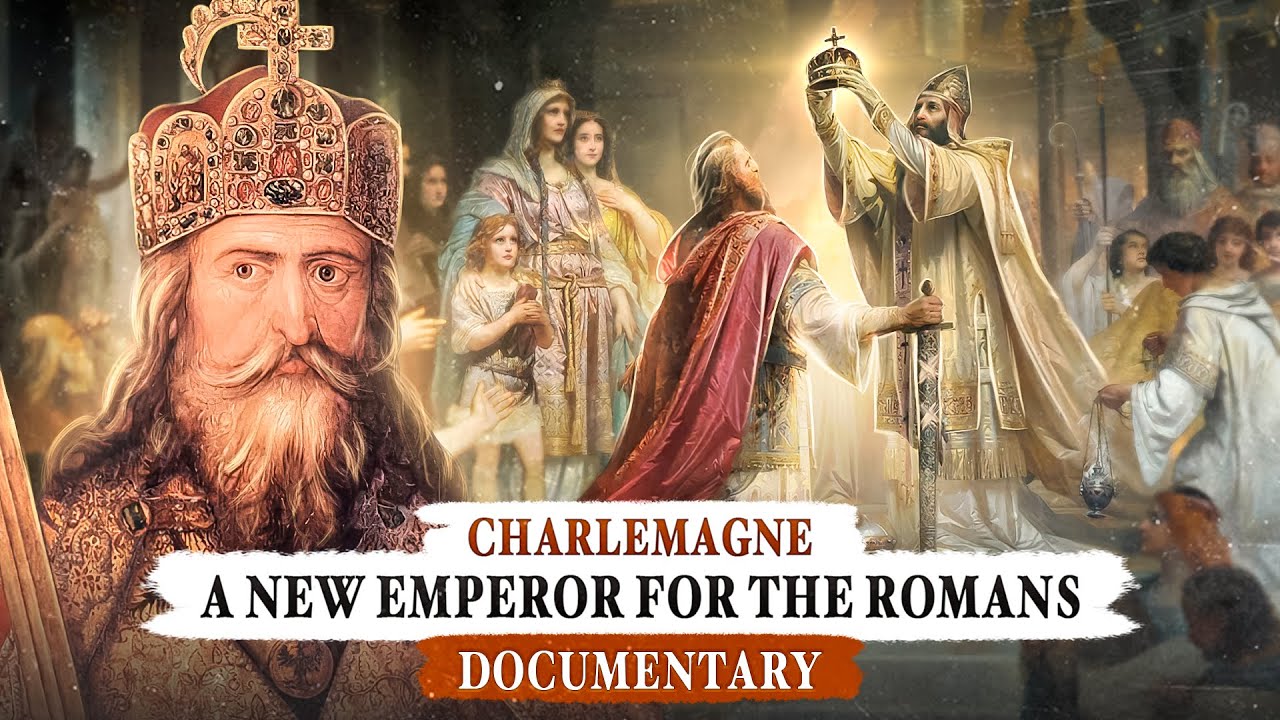
Charlemagne: The Imperial Coronation of Charles the Great
@RealCrusadesHistory
123.5K views•2022-01-05

Zola, Baudelaire, Maupassant & the Transformation of Paris, 1852-1900
@SylviaSagona
5.6K views•2015-05-31
The Geopolitics of the Ukraine War and the Rise of Global Autocracy
@JordanHarbingerShow
468K views•2025-04-19
Understanding the Cold War: Superpower Conflicts and the Road to Détente
@OverSimplified
46.1M views•2019-01-24
Related Study Plans & Knowledge Roadmaps
Structured learning paths in History