





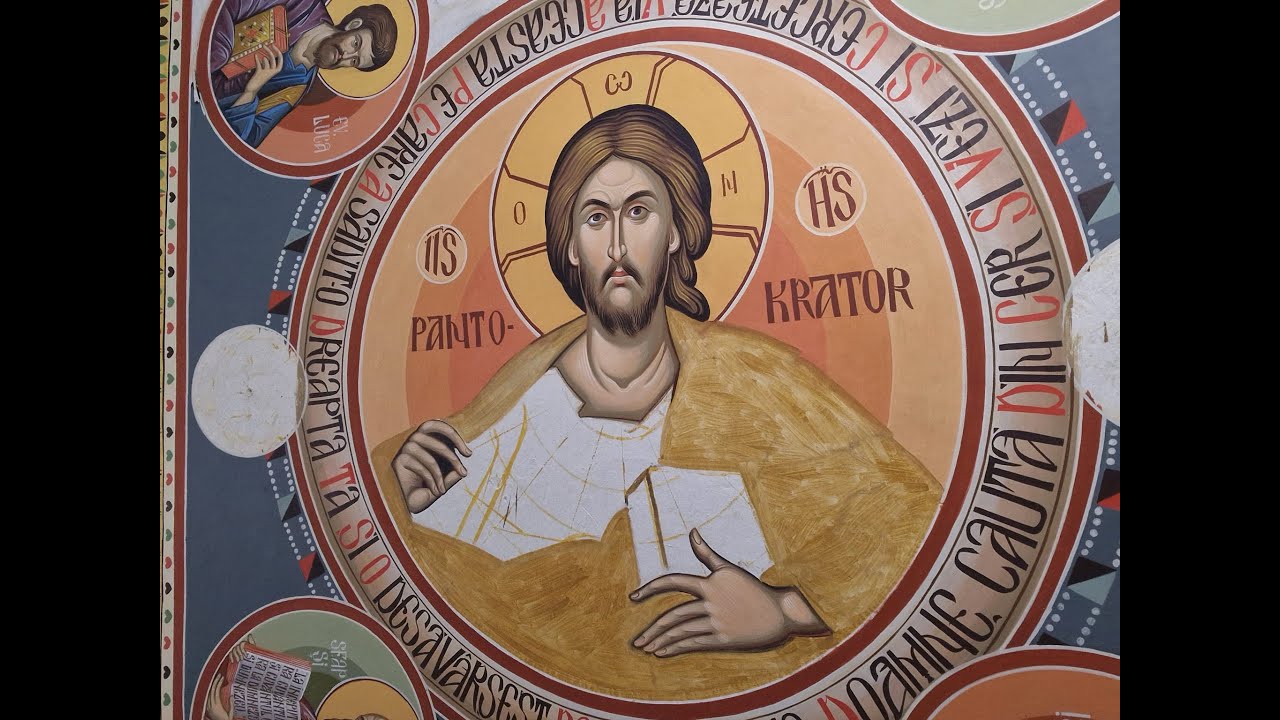










In Byzantine Christianity, icons are sacred images of holy persons (Christ, Mary, and saints) used as foci for veneration (dulia), which differs from worship (latria) reserved exclusively for God; the theological justification for icon veneration rests on the belief that prayers ascend through a Neoplatonic hierarchy of being from the material icon to its immaterial archetype, with the Incarnation argument countering iconoclasts who claimed depicting God limited the divine; this theological debate culminated in the Iconoclastic Controversy (726-843) when Byzantine emperors banned religious images, though icon veneration was ultimately restored in 843.
Icons and Iconoclasm in Byzantine Art History | Explained
Added:Understanding the political and religious rise of the Byzantine Empire (Eastern Roman Empire) and its distinction from the Western Roman Empire.
Basic familiarity with the Old Testament Decalogue (specifically the Second Commandment prohibiting graven images) and the early Christian debate over religious representation.
The fundamental tenets of early Christian Christology, specifically the doctrine of the Incarnation (God becoming human), which served as the core theological justification for depicting the divine.
The geopolitical context of the 8th-century Byzantine Empire, including the rise of neighboring Islamic caliphates and their strict practices of aniconism.
The 'Triumph of Orthodoxy' (843 CE) and the subsequent stylistic developments of Middle and Late Byzantine art, such as the Macedonian Renaissance.
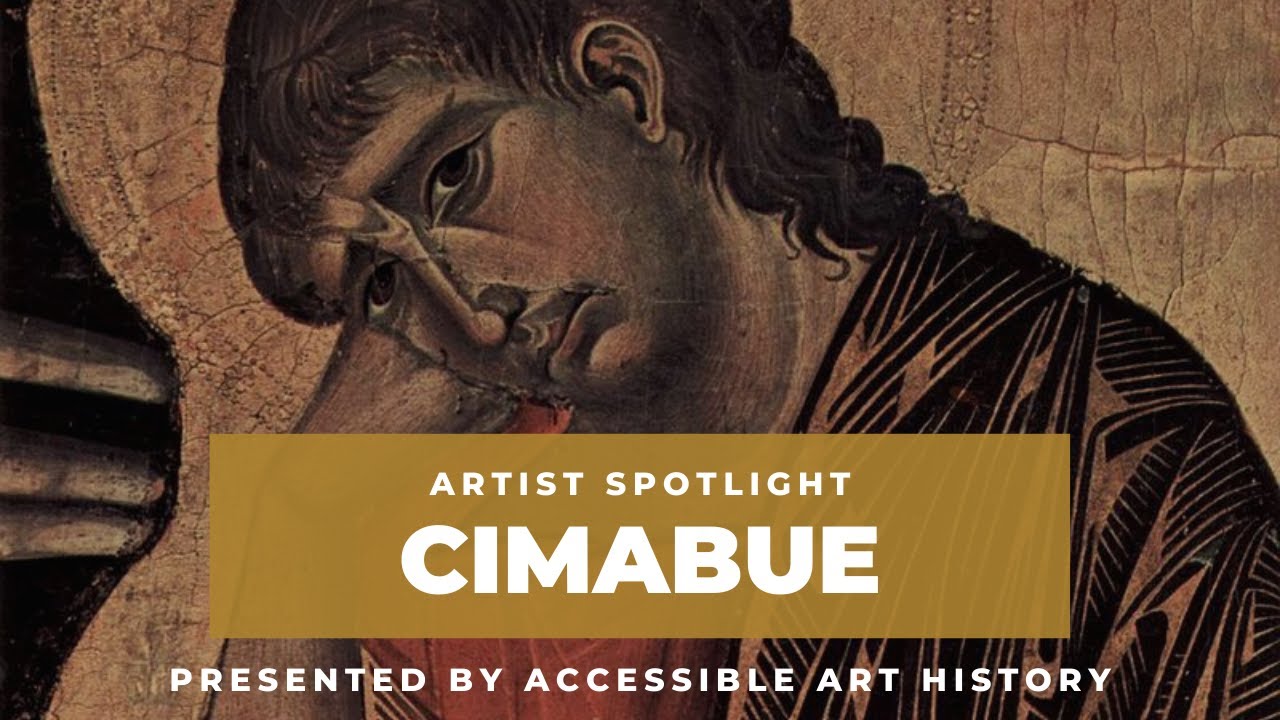
The historical transmission of Byzantine artistic styles to Western Europe, looking at how it influenced proto-Renaissance artists like Cimabue and Giotto.
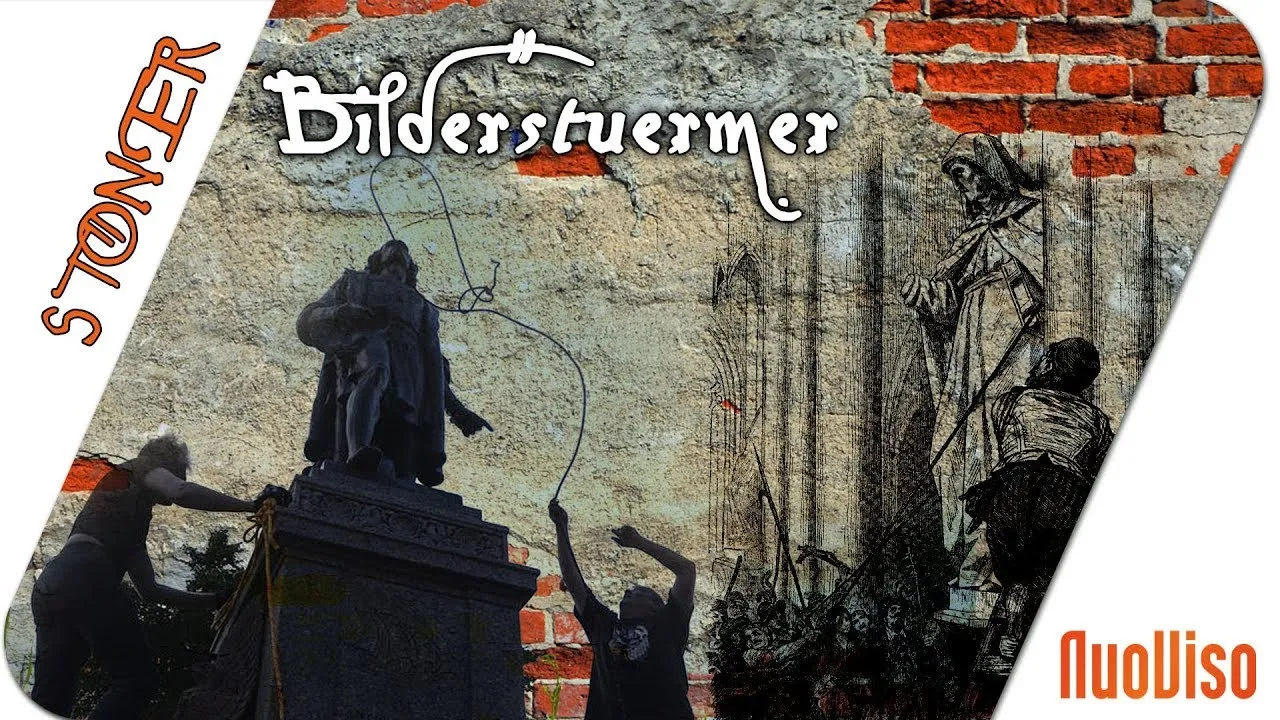
Comparative studies of iconoclasm in other eras, such as the 'Beeldenstorm' during the 16th-century Protestant Reformation or modern political statue toppling.
The theological and technical guidelines (the iconographic canon) still followed by contemporary Eastern Orthodox iconographers today.
15.5K views162likes49:29Original Release: 2014-01-14
we want to talk about icons and iconic clasm and so here we're going to get into some heavy duty theology um the word icon simply means image but the kind of icons we're talking about are images of holy persons which are used as a focus for devotion now there's different kinds of devotion and and uh the theologians who favor the use of I icons are very clear about this you're supposed to venerate an icon and veneration is reverence it's honor paid to the image of the Divine or holy person in other words to Christ or to a saint but it is not worship worship and they have a word for it it's called latria is directed only to God now how are icons used well they were used in communal devotions um you may have remembered that I said that in a Sophia and this would be true of other Orthodox Churches um that you would have an iconostasis a screen between the lay people who would be in the Nave and the side Isles and the galleries uh and incidentally the women would be on one side and the men would be on the other uh they never would mix in church um but uh you would have this screen that would separate the lay people from the sanctuary and the you know priest would go back into the sanctuary and uh perform the consecration uh the transform the mystery that transforms the bread and the wine into the body and blood of Christ and then he would come out with it so people would hear the mass but it was considered so sacred that only those who were ordained you know should be uh close to it um so what do you do when you're listening to The Divide office well they would Place icons on the iconostasis so if you were close enough to see them uh you could be saying prayers and paying veneration to icons of the Sacred figures who are portrayed in the uh icons on the iconostasis however icons were also used for private use uh people would have icons and they would pray before them and they could do this you know in a personal manner now it's very important to realize that you know icons were seen as something extra special uh Miracles were even attributed to icons there are uh uh images uh that are considered to be Miracle working images you pray to Mary who is represented in the image your prayer goes to Mary and she answers it um there are U not only individuals but also in the the history of uh Constantinople um they would PR process with the famous icons they might put them over the gates and enemies would be repelled icons like relics are objects of devotion you show your devotion you show your veneration of the icon um by prostrating yourself in front of the icon something they called PR Kinesis and this is also what you do to the emperor if you were part of The Emperor's court and could approach the emperor uh we'll see examples of that in art later also there are uh a number of Legends of miraculous image is not made by human hands um probably most of you have heard of the story of Veronica's veil the idea uh that while Christ was on his way to be crucified uh a woman pressed a cloth against his face and a miraculous image was created and her name comes from barah icon True Image there's another story like that uh that uh I think it was a king of Ethiopia sent his servant to Christ uh asking him to come and heal his uh the king heal his master of uh a disease and Christ takes a cloth and place it places it against his face and uh an an image of his face appears in the cloth he gives it to the servant and says take that back to your master and of course it cures him now one of the things about icons were that they were believed to duplicate uh in a certain way the Prototype the Prototype is the holy person so these are believed to be faithful copies of the Virgin Mary Christ uh the particular Saints it may not be a copy in the sense that we may think of it we might think of something that's a a likeness in a physical sense uh but this is a spiritual matter and this is also one of the reasons why uh many of the icons share the same uh General appearance that people copy icons in Byzantine art you're copying particular types because you're making the faithful copy and that has power let's look at some icons we're going to talk about the iconoclastic controversy uh which was from 7:26 to 8:43 uh and during that period the Emperors decreed that uh icons should be destroyed and we're going to hear the arguments of the image Breakers or ionic class uh shortly uh but what we want to do right now is just look at some of these icons that were spared the destruction and they were to spared the destruction because they were on Mount cyani in the monastery of St Catherine so they're way off the beaten path um you know if uh uh whoever is uh making sure that people's icons are destroyed they probably aren't going to make it that far uh so we do have some very early icons uh the particular one you're looking at right now a virgin and child enthroned with Saints and Angels um they used to say that this was 6th century and I see your text is now calling it early 7th Century um the material that it's made from is an costic on panel an costic is wax so these are colored waxes uh that have been fixed to a panel and this would have been a an icon for the devotion of the monks at St Catherine's Monastery one of the things you'll notice is that the three uh the four figures uh including the Christ child in the the front row as it were uh all have these very large eyes and they're looking outward uh they're all very very frontal images in other words they're not really turning in Space the Christ child is a little bit he's sitting on Mary's lap uh but Mary and the two Saints blanking her are looking directly at the uh devote and so this idea that the image has these large eyes that can make eye contact with the devote uh the person who is saying their prayers would then look at the image and they would commune with God or the Saints via the image and as I said we're going to talk about the process of this um there's a whole theology behind it stylistically it's really interesting because uh it's combining abstraction and illusionism and sometimes it seems like the figures that you might expect to be more abstract are actually more illusionistic so you're seeing for example as we said the frontal gaze the frontal pose of the figures who uh once were mortal and now are in heaven uh the saint and Mary and of course the gold dis Halo uh sort of stops uh your your view into space it makes everything seem parallel to the picture plane uh to be very flat uh the Saints as you'll see are somewhat elongated they're tall uh slender and their garments are completely covered with a patterns which once again makes them seem to be uh a bit flatter however if you look at the angels behind them they're kind of amazing they are foreshortened uh they look like they're turning to look upward what look up to God uh and we're seeing the uh underside of the nose and the lips and the chin in other words um uh they take on the uh types of things that we expect to see in illusionism uh as though they had a physical body but of course angels are pure Spirit they are created beings uh but they are created with pure Spirit they do not have physical bodies so that's very interesting uh and then when you look at the Saints you see they frontal with a large staring eyes the gold dis Halo we talked about the patterning uh and they seem to be essentially more otherworldly or other spiritual in a sense um so this is a very interesting thing I've told you that one of the themes of my of course uh stylistically is this play between uh the classical illusionism which either continues or is revived at different periods of time um and the abstraction another one of these icons from um the St Katherine Monastery uh and once again they're not sure of the exact date so it's dated either sixth or sth Century uh so we're looking at this uh icon of St Peter and once again it combines illusionistic uh elements with very abstracted elements so when you look at uh Peter you know he seems like his uh head is uh modeled light and dark uh he's uh he seems to be a solid figure uh sort of set into uh this little architectural setting where it looks like you have possibly pilasters or the edge of of uh uh some kind of Niche uh coming toward us and he's standing right in front of that however when you look a little closer you'll notice that the drapery patterns you know there is shading but the drapery patterns are becoming very angular very geometric in form um you're starting to see shading that has the highlights as actual lines so it's becoming more linear which just a characteristic of more abstract uh way of presenting uh a figure or object and then if you look at the top you see uh these um these three roundles and I'm not quite sure obviously the fir the one in the middle is supposed to be Christ um I not sure whether the other ones are um you know a saint uh and a uh and maybe the Virgin Mary or possibly even uh someone who's the a donor although uh you did not have women in the same cathic through at Monastery so I'm not sure who they are uh however uh as you look at it look at the boy uh in the round up in the upper left uh he's a completely abstracted image uh he's outlined he has the large staring eyes he's frontal it's very flat uh there's very little modeling going on there is some uh in the you can see this the little bit of the drapery at the top but it seems to be very linear and then of course uh you just have that flat uh gold background that completely flattens things out and here we have an icon of Christ from about 700 around the early 8th century and of course once again it's from the monastery of St cathine at Mount cyani um the technique it's painted in Tempa paint which is a water-based paint on a panel and of course gold is used for the Halo and for the book one of the interesting things about this that I want you to notice is the iconographic type in other words uh the characteristics of this subject this figure Christ because we're going to see those repeated in Byzantine mosaics and other images uh going on throughout Byzantine art I don't mean they're copied from this the artist would never have seen an icon but there is undoubtedly um an image from which other images are uh copied and adapted and then you know make copies of the copies there's a way of reproducing the same types what are those well we have Christ with his dark hair uh and his large gold disc Halo and those very large uh sort of shadowed eyes looking out at us uh his face is somewhat long and thin uh with high cheek bones and Hollow cheeks and a long narrow nose and you'll note that his mustache and be also sort of hang down and uh quite long uh even the shape of the uh neck of His Garment uh this kind of angular form uh you'll see again uh his hand is raised to bless and his other hand holds a jeweled Bible and sometimes in later images you'll see them open with writing on them and of course sometimes you'll see them closed now once again this is um an interesting combination of illusionism and abstraction this has a lot of shading uh the figure itself does seem to uh project out particularly those foreshortened fingers of the blessing hand and the hand holding the Bible so really do have a sense of a three-dimensional solid figure at the same time you have those large eyes but they are shaded and then you have the gold disc Halo which uh flattens out uh your image it makes you uh realize that it's really just parallel to the picture plane um in this case I'd say there's probably more illusionism than abstraction and uh that's rather interesting uh we'll see much more abstracted images of the same iconographic type uh later on um I want to remind you what we said before about the icons we're going to be talking now about the theory of the icon or the theological arguments that were used to say yes you should be venerating images you should be praying before them uh and also the opposing view uh that this was idolatry and that you should not be doing this now we said icon simply means image but in this case we're talking about images of holy persons uh Christ Mary uh the Saints and these are used as a focus for devotion now I should make it clear that the iconic class the image Breakers those who thought that you should not be using religious icons for veneration they didn't care if you had a picture of say a horse race at the Hippodrome uh because nobody's going to be worshiping the horse race at the Hippodrome or presumably not anyway uh what they're talking about and what they're worried about uh are images of holy persons toward the icon you pay veneration veneration is reverence it's honor paid to the image of the Divine or holy persons it is not worship and the icon of duels uh the image venators were very clear that there was a distinction between veneration which is called dulia and worship which is called latria and worship with to be directed only to God so there's three levels of what reverence uh one is latria latria means worship you direct it only to God these are the three persons of the Christian Trinity God the Father God the son Christ and God the Holy Spirit then there is duula which means veneration you give veneration you give dulia to Saints and two images of the Holy persons and then there's something in between you might think of this extra special veneration uh it's called hyperdulia and it's between lria and duia and it is directed only to Mary uh so she's above the other Saints she gets hyperdulia super dulia if you will because of course she is the mother of God the thoticus or the god-bearer how did this work what is the theory behind the icon with the use of the Byzantine icon uh the devote is supposed to venerate the image however the homage that is paid to the image doesn't stay with the image it ascends to the archetype now by the archetype they mean the actual holy person in heaven so if you have an image of Mary you're paying hyperdulia to Mary but simply duia to her image and your veneration ascends to Mary herself how does this work well it has to do with a neoplatonic uh ideas um and some of these are expressed with what we call the hierarchy of being now there was a book written about sixth Century uh called the celestial hierarchy uh and in fact it told you how uh all of the different types of of uh we call them Angels but they have all different names Thrones dominions and angels are actually the lowest one were arranged um and there was a a neoplatonic idea of how the world was generated and how it was ordered um the celestial hierarchy was written by a person uh claiming to be diones the AR ARA pagent uh however diones the area pagent was a person who was converted by St Paul on the area pagent at Athens uh so he is a person from the first century uh and this book seems to have been written about the sixth Century uh so we now call him the pseudo diones uh you will find that in the Middle Ages there are a lot of pseudo people uh people who are believ to be uh some famous person uh and yet later on they decide that the writing for example is not by St Jerome so you have the pseudo Jerome or the pseudo anom and here of course the very famous pseudo Dianes the area page it uh this was a tremendously influential book in the Middle Ages uh both in the East and in the west okay how does this work the hierarchy of being suggests that some things are higher on the hierarchy such as God uh and how does God create he emanates talk a little bit about that in a minute at the very top there is the immaterial Eternal God God is pure Spirit um he has always been and he always will be and it is from him that all things are created as the Creed says below him are the Angels these are creatures they have been created by God they are Immortal they never die but they're not Eternal because they were created at a certain point by God and they are pure spirit and there is a hierarchy within the angels and I'm not going to try to name them all but I will say that Angels who communicate with human beings and archangels are actually the lowest on that hierarchy um then there's human beings man kind the psalmist says what art thou you know what what is man that thou art mindful of him God you have created him a little lower than the Angels so this has biblical Authority um and human beings are both matter and immaterial spirit so they're both body and spirit they are created they come into being at a certain time and they are mortal at least their body is Mortal but their Spirit of course can live their soul then below you have animals um they are animate they are mobile and know they can move around they are created and they are mortal uh they did not believe that animals had Souls you can argue about that but believe they did not believe that animals had souls and then a little lower are the plants plants are animate in other words they living creatures um but they don't walk around they're immobile and they are mortal and created and then you go to down to you know sort of Base matter uh rocks soil things that are both in adamant uh they not living uh they are created um you know they're they're the bottom of the hierarchy as it were now the idea was that you could go up this hierarchy as well icons are matter they're made out of panel paint and costic or they ivories that have been carved you know they're different material things but they refer to the immaterial and so it was believed that the prayer and homage that was paid to the icon was really paid to the archetype and the way it gets to the archetype is to ascend the hierarchy of being to the immortal immaterial icon now how did God create God created by emanation the idea was that he was so full of being the very uh you know essence of existence that I I I don't want to say overflow that he had to emanate uh and by emanating his being he created everything else how do icons fit into this well icons are also matter uh they might be a piece of wood on which you have applied paint or an costic or maybe either Mosaic or a carved Ivory but they're matter they don't live and breathe but when you pray in front of the icon when you pay homage to the icon that prayer and homage it goes from the matter of the icon it ascends the hierarchy of being to the immortal immaterial archetype so if you're praying to an image of Christ it goes to Christ who is the Eternal uh archetype uh or to Mary or to the Saints uh who are now in heaven I have mentioned the iconoclastic controversy from 7:26 to 8:43 and during those years icons and icon veneration were forbidden in the Byzantine Empire by the order of the emperor now there were a few years when empresses ruled and for some reason empresses seemed to be more uh favorable to Icon so there were a few years during that period uh when those restrictions were lifted uh but they came back in so we just take this whole period and called the period of iconoclasm or the iconoclastic controversy this was a contr y over the use of religious images they weren't concerned about other types of art but of course today um pretty much what we have that survives our religious images this was a controversy between the icon a duels who are the image venators versus the iconic classs or the image destroyers and there was one major question that motivated this are images of Christ and the Saints pleasing to God or are they Blasphemous now today we have this idea of um letting people have their own beliefs whether we share them or not uh this is a very very recent uh concept of Toleration in history um the stakes were high because whichever side you were on you believe that you were on the side of what God wanted you to do and if you did the opposite if you venerated images or if you didn't venerate images uh you might be committing uh horrible sins and so the stakes were high uh as far as they believed what I like to do and when I'm standing in a classroom I actually will sort of jump from one side of the room to the other and try to make it very dramatic uh but I guess I'll have to do this with gestures um but there were certain arguments that both sides used and so I have um sort of simplified them written them out numbered them and I put little asteris next to the ones that I thought were their best arguments given the assumptions of uh the religious beliefs what were the arguments of the Icona class the Icona class said that images uh images of saints and holy persons violated the second commandment God said there shall be no graven image there shall be no image of anything under the sky on on the land or on the sea and that to have these images was nothing more than Pagan idolatry and you can say that's a good argument he have the authority of the Ten Commandments God said no images another argument that they made and um this sounds pretty good they said that images confuse the two Natures of Christ by circumscribing the uncircumscribed and let me put that in more modern languages images confuse the two Natures of Christ by limiting the Limitless godhead so God is is Limitless God cannot be circumscribed you can't draw a circle around him you can't put him in a box as I say and yet you're trying to say that you are showing God Christ by portraying him in matter you're trying to limit the Divine remember Christ has two Natures both human and divine and this of course is an argument about images of Christ you're trying to portray the Divine in matter in paint in Ivory you're trying you today may colloqui I might say you're trying to put God in a box uh you're trying to limit God and that is blasphemy another theological argument is that the Eucharist is the only true image of Christ remember the sacrament of the bread and wine was believed to change to uh transform the bread into the body of Christ the wine into the blood of Christ and this was in some manner the only true image of Christ you have the Eucharist it is it is truly the body and blood of Christ so why do you need a picture and there was another similar argument about the Saints the only true image of the Saints would be to emulate their virtues you know you don't need to have a picture to see what they look like just you know behave like the Saints did they behave like their virtues and that would be U maybe recreating yourself in the true image of saints now the icon duels also had their arguments the first one that I've listed here is a practical argument it says that art can teach the illiterate this was an argument that was also used in the west where they did not have the iconoclastic controversy Pope Gregory was uh has been paraphrased as saying that art is the Bible of the poor uh the actual quotation is a little more complicated than that but what they're saying is most people don't read and write and the Bible would be what in Greek in the west they would have a Latin Bible um most people you know can't read and yet you can see the images and these images can teach the illiterate so it really is saying that you know everybody's soul is is worth teaching um and that art can be that method of of uh of teaching the Gospels they may need explanations I suppose but those are part of teaching there's a second argument and this gets back to the idea of the neoplatonic hierarchy of being they say that icons Aid in religious experience and this is what we've heard before as the devote venerates the image he or she communes with the archetype so you know they might be a devote to the image but they could be a worshipper to Christ and of course you have that idea of the prayers the homage the affection the respect ascends from the matter of the image up the hierarchy of being just as God emanated his being down the prayers can Ascend up to uh Christ himself to the holy person uh there's another argument that I think is very very elegant and this counteracts the argument the iconic class have against circumscribing the uncircumscribed this is what I call the Incarnation argument the icon would say that images confirm the two Natures of Christ Christ because you're showing the image of the Divine expressed in material substance but isn't that analogous to the Incarnation God who is divine takes on human flesh which is matter that's what Christ is supposed to have done Christ is supposed to have been God made man is he has incarnated so wait a minute you iconic class over there you're saying that God cannot be represented in matter but you're denying the Incarnation you you're Blasphemous I can actually see them here uh sort of flinging epithets back and forth I don't know that they ever did that but certainly they did it in writing um so if you reject images you are denying the historiosophy M uh and uh they are you know supposedly both uh think that the other side is very much against God and God's will there were some other arguments that the icones used they pointed out that Miracles came from icons as well as from relics and if God didn't approve of icons he certainly wouldn't have created Miracles associated with those icons and another argument uh and this would be to to counteract uh the biblical argument that God forbid images in the second commandment because the Bible also says that God commanded images he ordered Moses and the Israelites to create the Tabernacle uh to create the Ark of the Covenant and uh of course they had images on them uh but of course the iconic class would reply but those aren't human figures images of uh for example or other uh Spiritual Beings wait a minute that would be putting Spirit say a cherubim in matter so uh you can see that one argument could counteract uh the other however of course uh what the emperor said went and icon duels were not swayed by iconoclastic uh argument and Icona class were not swayed by icon dualist arguments so images were forbidden uh from a from 7:26 to 8:43 with as I said uh some short periods of time in which empresses ruled and allowed icons and now I want to discuss an image that was created after iconic CLM and uh it featured in a sermon and so uh we really do know what uh was being said about this and uh it has to do with the post ionic clastic restoration of images this is the very large Mosaic of the Virgin and child enthroned which was created in the apps of a Sophia in Constantinople so all of the focus if you're standing in the side aises or you're standing in the Nave uh you enter the church you would be looking down and you would see this hovering over uh the altar area we know that this was created sometime between 843 when the last of the iconoclastic Emperors died and when icons were again made legal and sometime before 867 presumably shortly before because a sermon was was preached uh referencing this there is an inscription that accompanies the Mosaic and it translates as the images which the Impostors had cast down Pious Emperors have again set up so they're considering all of the Emperors who uh were uh iconic class as Impostors you know they shouldn't have been ruling the Empire anyway because they weren't doing it the way God wanted them to and here are some excerpts from that sermon uh the patriarch fotus preached a sermon on March 29 867 below this image Christ came down to us in the flesh and was born in the arms of his mother this is seen and confirmed and proclaimed in pictures just as speech is transmitted by hearing so a form through sight is imprinted on the tablets of the Soul giving a representation of knowledge concordant with piety it is the spectators rather than the hearers who are drawn to emulation and so what he's saying is essentially that sight is superior to hearing when you want to emulate um that I we rely perhaps more on site now you could argue with that but that's essentially it is the spectators rather than the hearers who are drawn to emulation testifies to the power of images and he refers to the Mosaic the great icon the large image as we see here the Virgin is holding the Creator in her arms as an infant who is there who would not Marvel more from the of it than the report for surely having somehow through the outpouring and effluence of the optical Rays touched and encompassed the object it too sends the essence of the things seen on the mind letting it be conveyed from there to memory I should explain that um the medieval theory of Optics is not quite what we have today it actually believed that all objects um transmit Optical Rays to the eyes and that we're actually receiving some of the essence of the object that we're seeing so they're talking about this you know that the the image actually um sends forth Optical Rays sort of something actual and the Rays have uh they touch us they touch the object and then they transmit that directly to us uh so it is the essence that is being seen by the mind and conveyed to memory I also want to talk to you a little bit more about the style of the Virgin and child enthroned in the apps of AAS Sophia first remember that this is a mosaic it is made up of colored uh pieces tessi of glass and then of course where the gold is particular that huge gold expanse and also you see uh gold uh in the Garment of Christ uh the gold is a real gold leaf underneath uh a uh clear piece of glass when you look at this image you'll see that it does appear to be three-dimensional um it combines the plasticity of classical art with linear pattern so when I say plasticity I mean uh the solidity the uh appearance of three-dimensionality but we see many things here the U very physical type of the Madonna with the large High eyes and the oval face and the tiny little uh mouth and the long thin nose and then uh her veil comes down deep over her forehead and surrounds her face uh so this is a type of Byzantine image of Mary that you will see repeated over and over again um but you can see that there certainly is shading uh there seem to be drapery folds uh there seems to be some shading on Mary's face and there's also the sense of depth with that um foot rest which as we say this is the a Byzantine way of showing depth it does seem to get larger as it goes back uh we just have to get used to that convention uh and even the throne with the two very poofy pillows uh the throne seems to have a side and go back into space however when we look at the uh drapery folds we see they're very angular and there is uh if you look particularly at the image of Christ uh that is really pattern you have gold and then you have a darker color and there's not a lot of shading uh in the sense that we might think of if you think back to say uh fifth century mosaics where they would have a variety of light to dark uh more than just lines but uh areas of course uh you want to see this from a great distance uh so you have very strong contrast of color the golden Heavenly background uh the deep blue of the Madonna's robes and the tessai does build the form with bold modeling uh you have to remember of course that Mosaic is not conducive to subtlety uh it is um you know they are hard pieces you can't blend them together uh your eye can blend them together if you stand far enough but you can see even with this uh we don't see a blending say of Christ's robes uh they are dark and light so that idea of becoming more patter and more linear is certainly uh continuing what I want to show you is also some um manuscripts that refer to the aniconic clastic controversy from 726 to 8:43 the iconic class are the image Breakers uh and of course that is the period when the Emperors banned the religious im images uh and you have the persecution of the image venerator the icon duels and the destruction of images but when that ended uh works of art were created and also including uh manuscripts um what you're seeing here is a 14th century icon of the Triumph of Orthodoxy what is the Triumph of or Orthodoxy uh it's an actual feast or a holiday uh in the Orthodox church and it takes place on uh March 11th to uh remember the restoration of the veneration of images of March 11th 843 the end of iconic clasm and the beginning of the use of images once more in the um in the Byzantine Empire so it actually is a uh feast day that is celebrated in the Orthodox church called the Feast of Orthodoxy and here we're seeing uh a sulter from the 9th century uh just shortly after the um end of iconic clasm at Le shortly from our point of view since we're looking back um 850 to 875 and you're seeing here uh a at the bottom of the page an iconic class whitewashing an image of Christ and this was conceived as as a attack on the body of Christ um an attack on his image was an attack on Christ and so above you see uh the the crucifixion which was certainly an attack on the body of Christ and so the iconoclast is being likened uh to to uh the the people the Romans uh soldiers who brought about the death of Christ and there's even a little interesting parallel with the uh sort of M for here containing white wash and another one which presumably might contain the blood of Christ perhaps let's look at the detail here um the iconic clast has a long staff so he can reach up high uh and a sponge on the end and he can dip it in the white wash and then just white out uh Christ's image and of course you see then the detail of the crucifixion uh you might not a few notice a few things with this uh Christ is wearing a long garment uh remember the Rula gospels uh he's erect on the cross he's alive on the cross uh steeton is the name given to the soldier who uh raises up the the um the Lance with the vinegar Christ says I thirst and they give him a sponge soaked in vinegar so maybe that U I said that maybe that the uh vessel was for the blood of Christ it probably is the vinegar actually so there's a maybe the two things that are unpalatable to God or something like that um and then uh you have of course the blood coming from the side of Christ as well as dripping down from his hands and feet uh and the other figure with the spear is presumably long ginus who has already pierced the side of Christ perhaps because we see the blood coming from him uh so here is this image of Christ alive triumphant over death and yet Bing uh and uh it's it's I guess the analogy is in a sense that uh the iconic class are are attacking the body of Christ and they're making him bleed again um I might put this in another way too just a kind of a personal thing um if you had uh a picture of your sainted grandmother you just loved her so much and she was so great and you had a photograph of her in the house and somebody came into your house and took that photo and threw it on the floor and stomped on it and spit on it and tore it up you would be outraged you might know into ually that your grandmother whether living or dead was not harmed by their attack on her image but it would seem like an attack and that's just emotional towards someone that we care about so if you increase this and include all sorts of ideas about um uh religion that you are essentially attacking God by attacking these images uh and I think here the analogy is very very clear attacking the image is like attacking the Body of Christ
Up Next

16:34
Earliest Depictions of Jesus in Art: 10 Ancient Images Explained
@UsefulCharts
5.9M views•2022-06-03

114:18
Christian Iconography: History, Theology, and Meaning | Fr. Panayiotis Papageorgiou
@Trisagionfilms
58.8K views•2020-02-21

30:55
Chartres Cathedral Architecture: Gothic Art History Explained
@EastTennesseeState
7.4K views•2013-09-17
30:51
Caravaggio's Life & Artistic Evolution: A National Gallery Guide
@nationalgallery
2.5M views•2016-03-03
Related Study Plans & Knowledge Roadmaps
Structured learning paths in Art History
art-history
Gothic Cathedrals: Engineering, Light & Society
01The Birth of the Gothic: Romanesque to Suger's Vision
02The Structural Triad: Pointed Arches, Ribbed Vaults, and Flying Buttresses
03Theology of Light: Lux Nova and Sacred Geometry
+ 2 more learning modules
14h5 modules
Explore Roadmap
art-history
Pre-Raphaelites: Realism, Symbolism & Critique
01The Victorian Art Establishment and Academic Formula
02The Founding of the PRB and Radical Realism
03Medieval Revivalism and Literary Symbolism
+ 1 more learning modules
8h4 modules
Explore Roadmap
art-history
Street Art: From Subways to Art Market
01Subcultural Origins in Philadelphia and New York (1970s)
02The Subway Era and Style Wars (Late 1970s - 1980s)
03The East Village Scene and Early Gallery Crossover
+ 2 more learning modules
10h5 modules
Explore Roadmap
art-history
Classic Maya Art: Iconography, Glyphs & Ritual
01Foundations of Classic Maya Visual Culture
02Deciphering Maya Hieroglyphs & Text-Image Integration
03Sacred Geography and Cosmological Architecture
+ 2 more learning modules
14h5 modules
Explore Roadmap