



![1283- L'imperatore Stauracio e l'impero romano all'inizio del IX secolo [Pillole di Storia]](https://i.ytimg.com/vi/oWgFQdd7irA/maxresdefault.jpg)

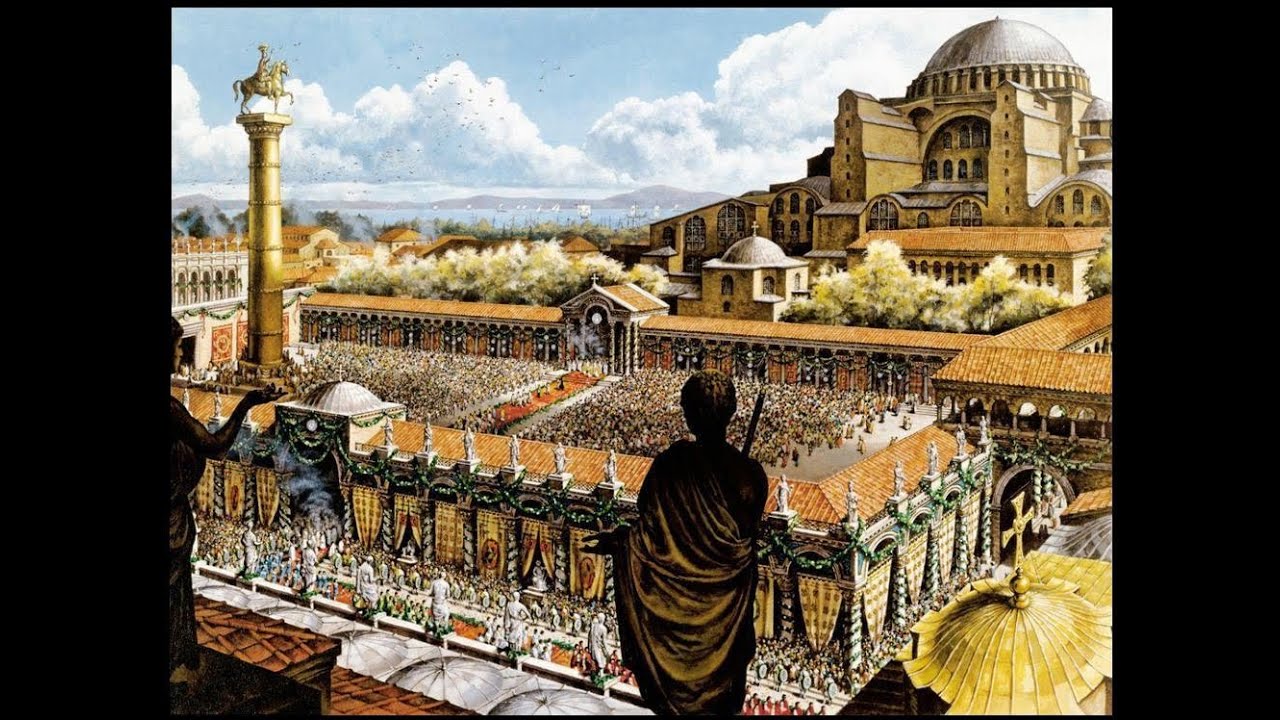
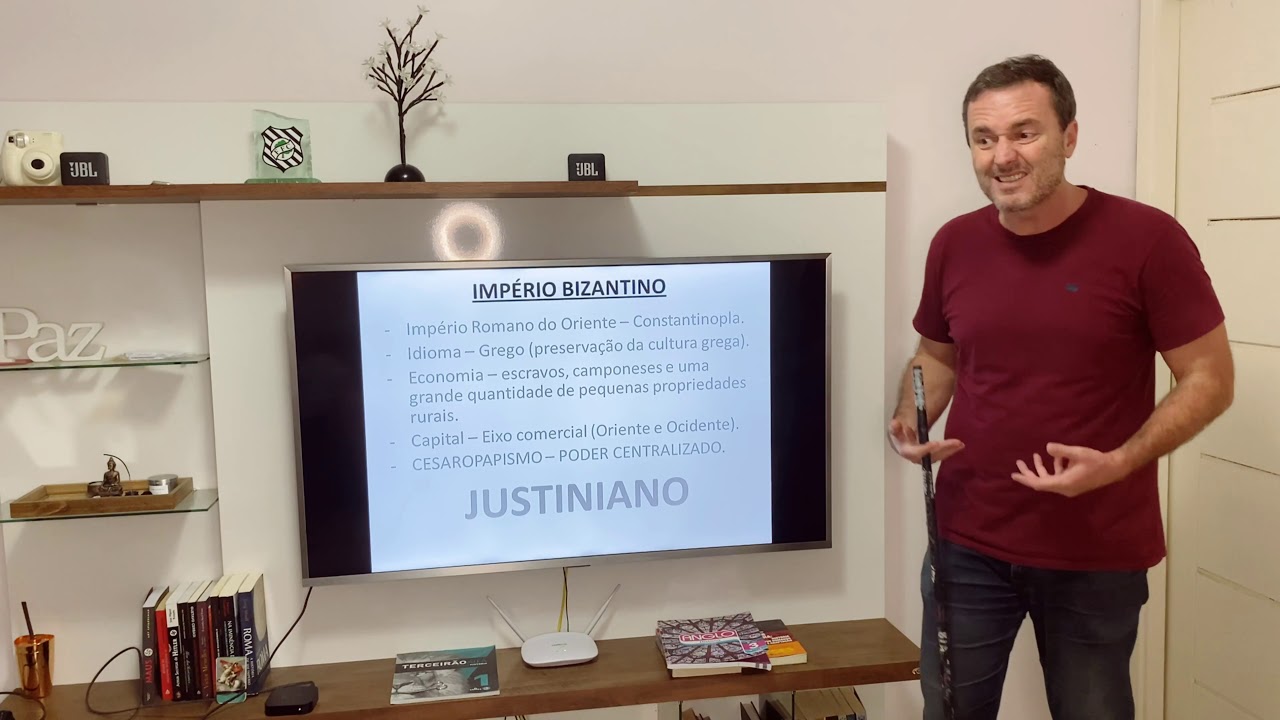





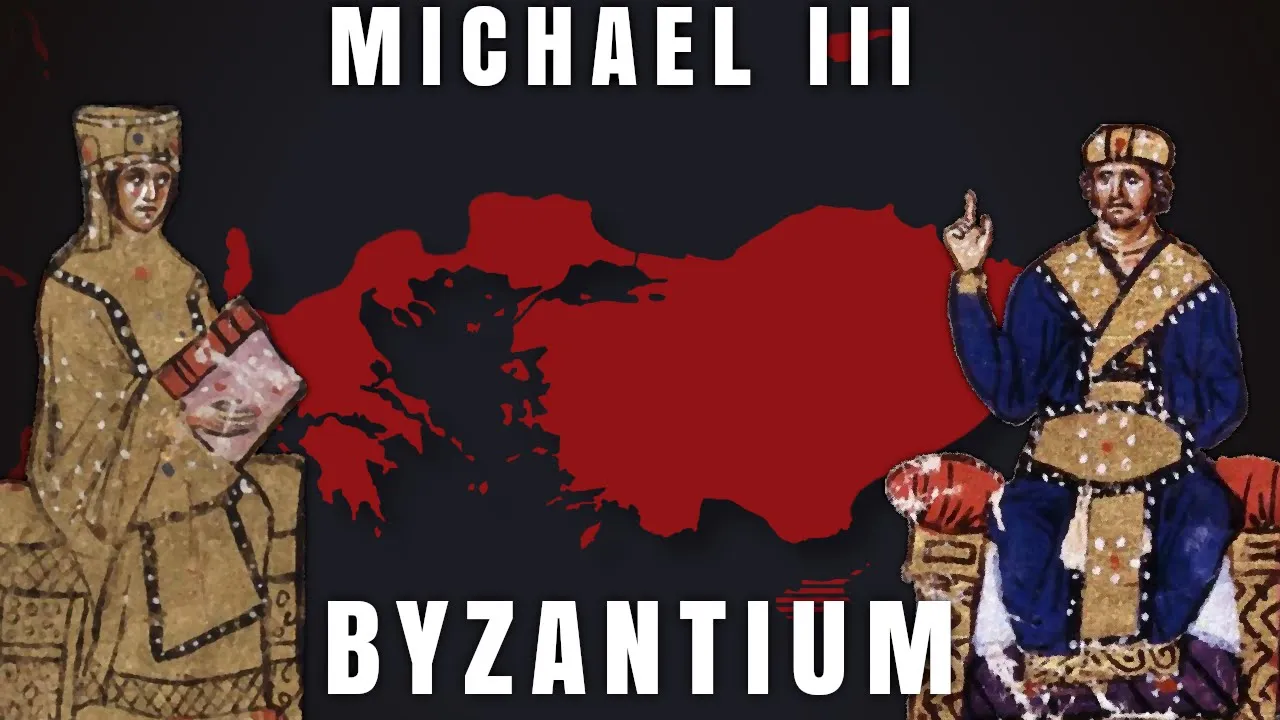




The Second Iconoclasm (815-843) was a revival of the religious doctrine opposing religious images, initiated by Emperor Leo V as a strategic move to legitimize his rule and connect with the successful military victories of the earlier Syrian Dynasty; this period also saw the rise of the Amorian Dynasty through Michael II, who, despite being a provincial with limited education, proved an effective administrator who stabilized the empire after the devastating Great Revolt of Thomas the Slav (821-823), though his reign coincided with the catastrophic losses of Crete and Sicily to Muslim forces, marking the nadir of Byzantine fortunes before the eventual resurgence of the empire.
Byzantine Iconoclasm: Leo V & Michael II's Era
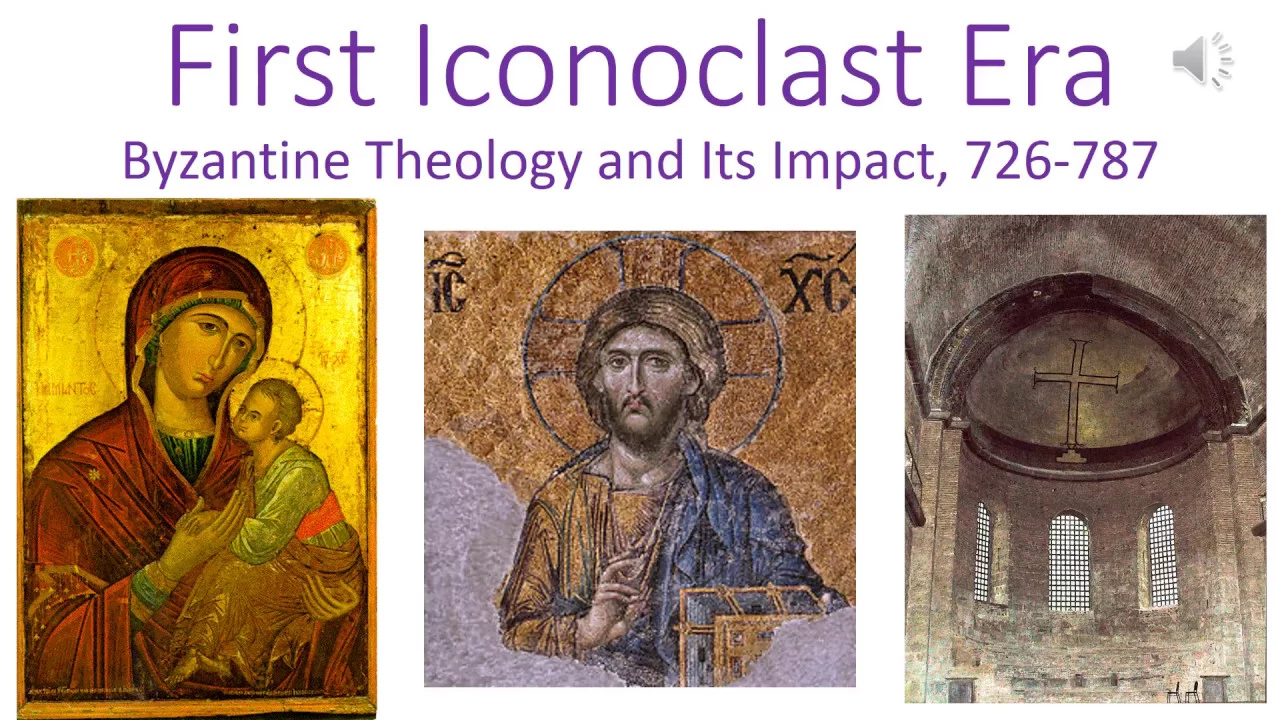
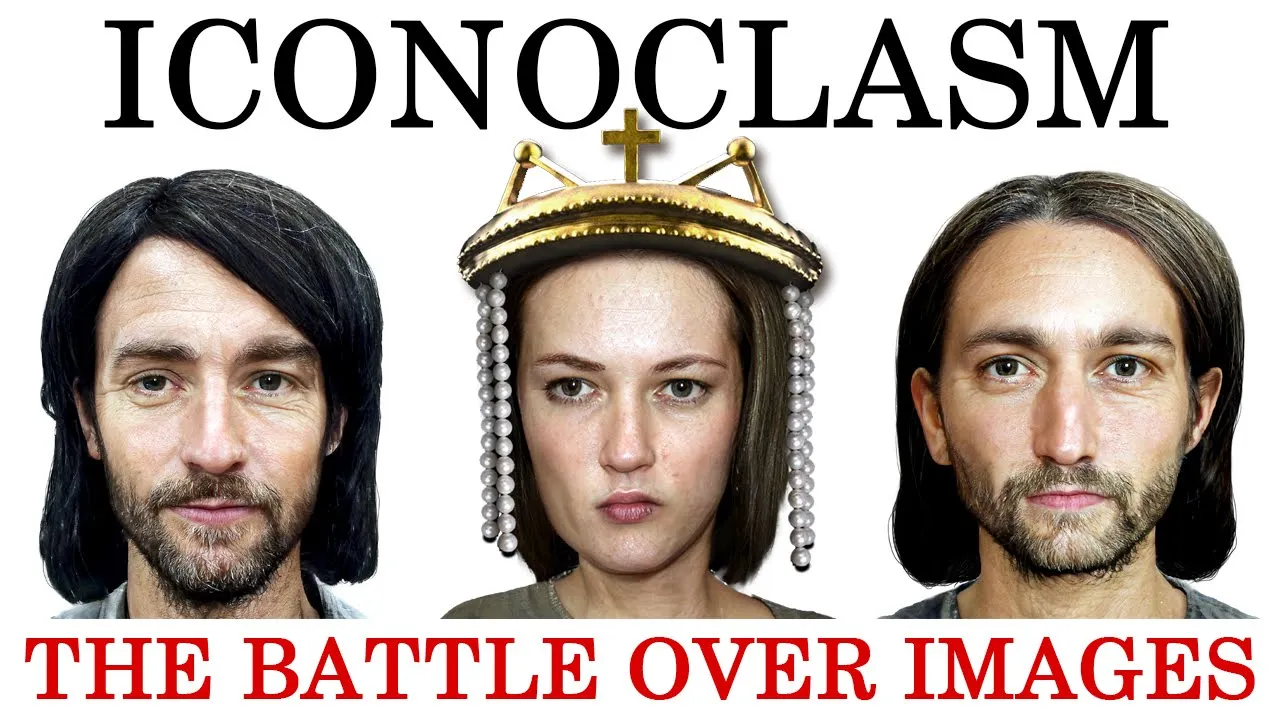
Added:The First Period of Byzantine Iconoclasm (726–787 AD) initiated by Leo III and the theological arguments surrounding the veneration of icons (Iconoclasts vs. Iconophiles).
The decisions of the Seventh Ecumenical Council (Second Council of Nicaea in 787 AD), which temporarily restored the use of icons under Empress Irene.
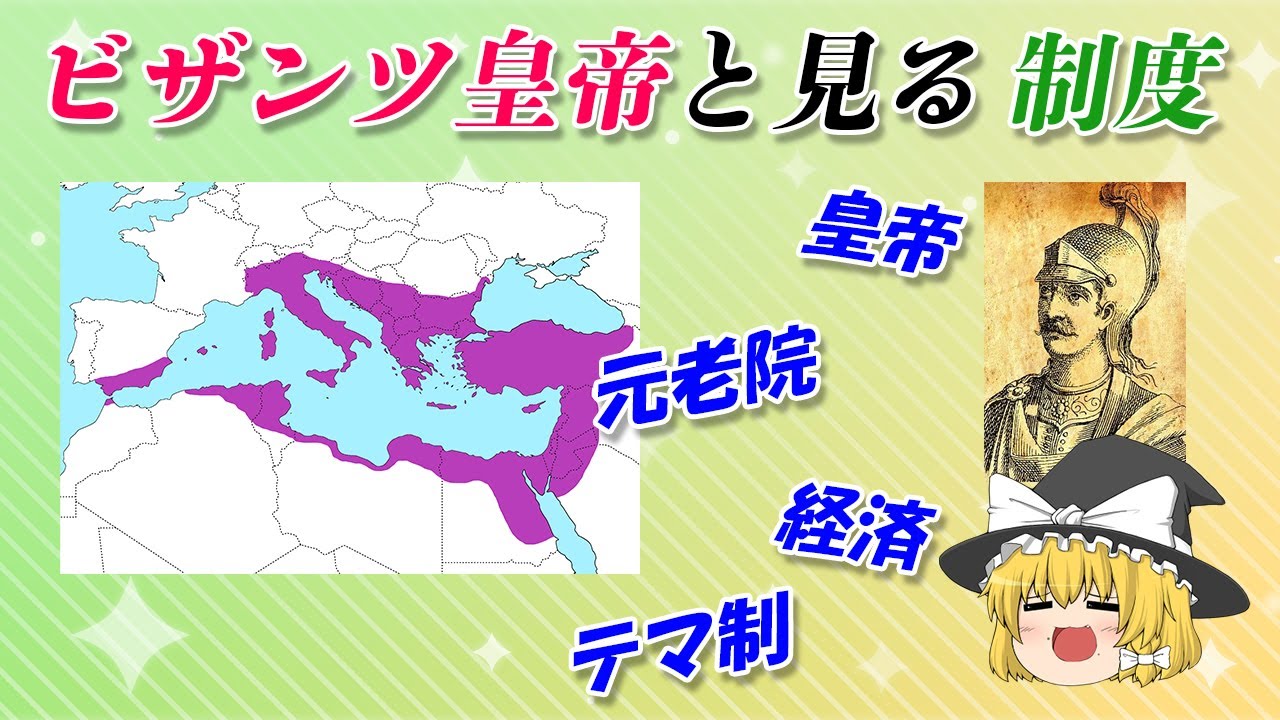
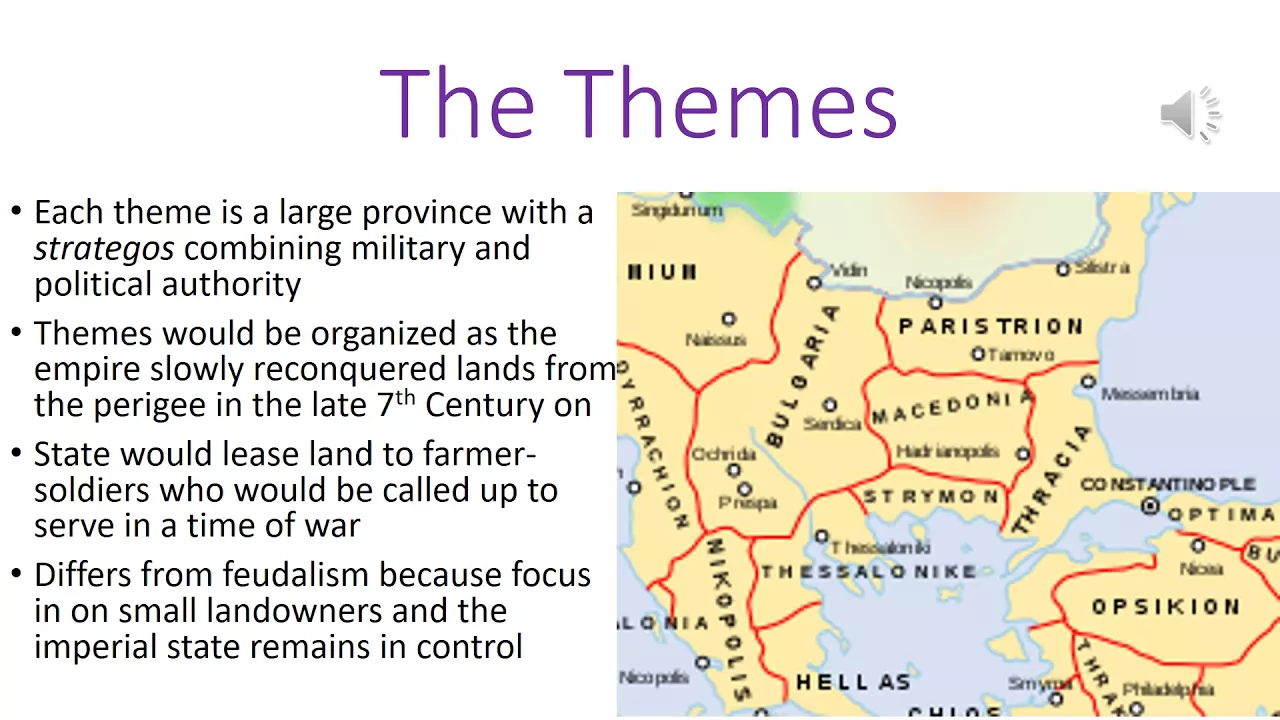
The political and military structure of the Byzantine Empire in the early 9th century, specifically the 'Theme System' and the constant external threats from the Bulgarian Empire and the Abbasid Caliphate.
The concept of Caesaropapism, which defined the Byzantine Emperor's authority over both the state and the Christian Church.
The ultimate end of the Second Iconoclasm and the permanent restoration of icons ('Triumph of Orthodoxy' in 843 AD) under Empress Theodora.
The rise of the Amorian and subsequent Macedonian Dynasties, which led to a political and cultural renaissance in Byzantium.
The long-term geopolitical consequences of the Byzantine loss of Crete and Sicily to Islamic forces, including its impact on Mediterranean naval supremacy.
The evolution of Byzantine art and architecture post-Iconoclasm, characterized by standardized iconographic programs in church decoration.
18.5K views606likes28:38Original Release: 2023-01-15
last time we charted the crisis wooden course of the nicoforian dynasty from 802 to 813.
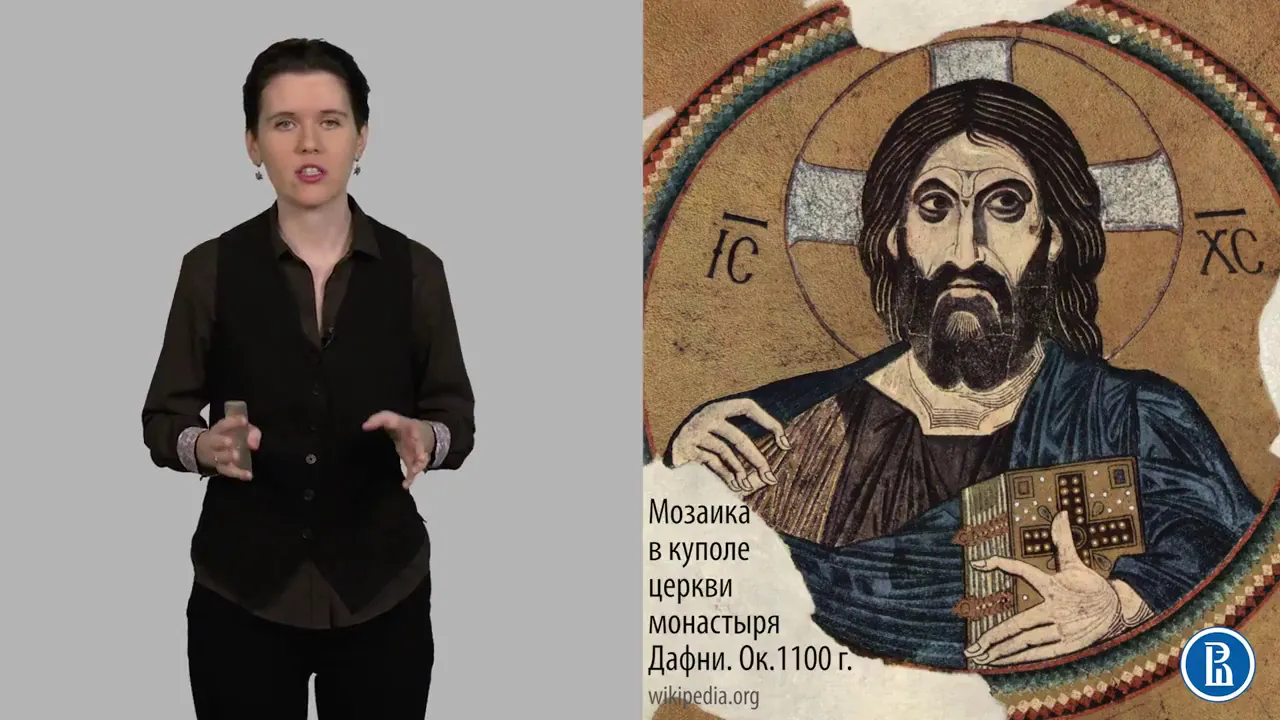
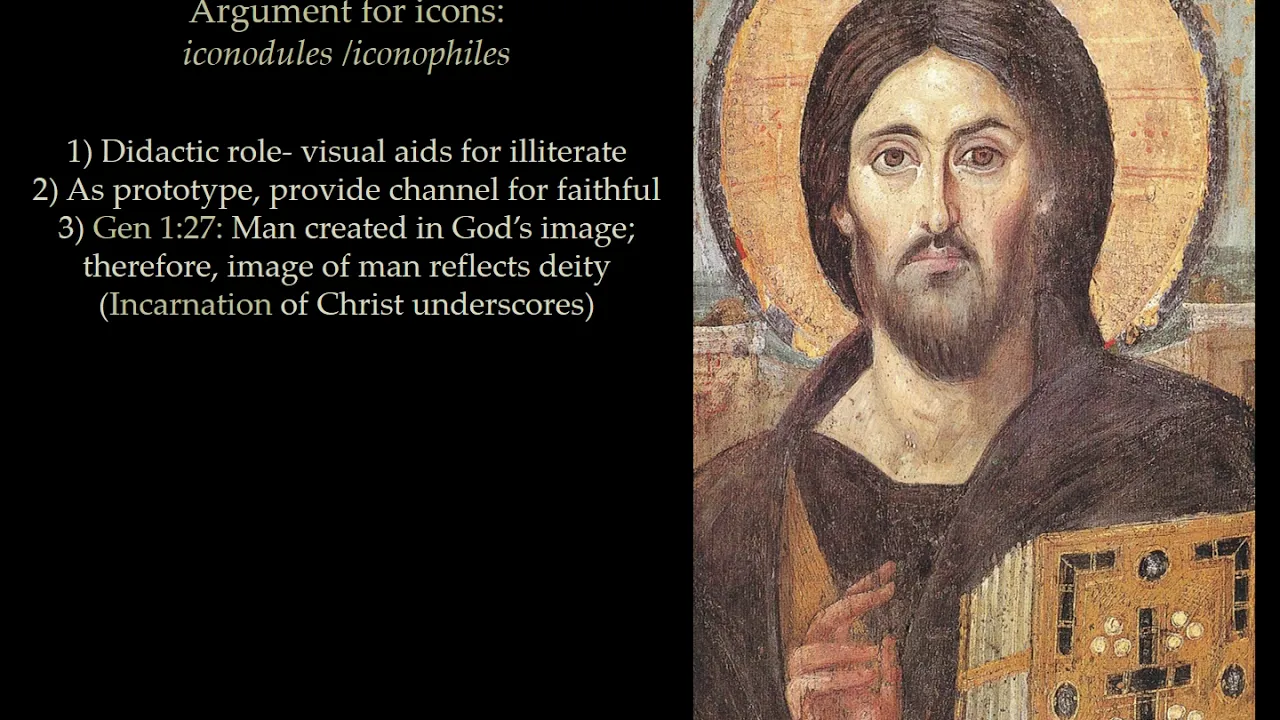
in 811 an emperor was slain by the bulgas while two years later Imperial armies suffered a second great defeat forcing the final nicoforian Emperor to abdicate in favor of a general named Leo the Armenia and so all eyes turned to this new emperor Leo V he was the fourth in two years all three of his immediate predecessors had been done in by the bulgas and now those same bulgas were marching on the capital would Leo avoid his predecessor's Fates only time could tell but first we must break from the action to take a look at his early life our story starts a decade before Leo took the throne back during the early years of Nico Forest the First's reign in ad 803 three senior officers in their General were visiting a monk not far from the city of philomelion in Asia Minor Tales told of how this monk could see the future and these four men all ambitious to the extreme or eager to succeed couldn't resist the temptation of finding out what the future may hold in due course they paid the Mystic Monk a visit and were told their Fates the general would rise in Revolt and be killed for his troubles the monk said yet for the officers he reserved more Rosy predictions two of the three would become emperor while the third would die trying in time all these predictions would come true also the legend said in truth the story of The Mystic Monk and his prophecies was an embellishment built up over the centuries in order to make these early days seem more dramatic than they really were even so the fact remains that under this General a man named bardanis turkos three officers were brought together who would come to dominate the next quarter Century of Byzantine history first was Leo the Armenian second was Michael the amorian and third was Thomas the slav all three were of humble Origins yet all were capable and hungry for power Leo and Thomas as their epithets imply were of Armenian and Slavic descent respectively while Michael's family was apparently part of a judeo-christian sect from the city of omorium though not obvious friends a deep brotherly sentiment developed between Leo and Michael over the years between Michael and Thomas on the other hand there existed little but Mutual Loathing in 803 they were still all the officers of their equally ambitious General bardani's turkos but not for long that same year bardanis Rose and revolt against Nico Forest the first and the officers threw their support behind him almost immediately however it became clear that bardani simply didn't have enough support to win suddenly the officers found themselves on the wrong side of a civil war Leo and Michael thus betrayed bardanis defecting to nicoforus and earning Rich rewards as a result Thomas meanwhile slipped east across the border to the Muslim states with his support rapidly evaporating bardani's Revolt was soon over all in all Leo and Michael had done well for themselves showcasing both a slippery opportunism and a Keen Eye for a bargain that would serve both of them well in later life yet Leo's ambition led him astray in 808 when he got involved in a plot against nicoforus and was exiled as a result luckily for him Leo's time away from home would be brief for in 811 Emperor Nico forest was slain in battle against the bulgas his son and successor was also paralyzed in the battle so the throne passed to nikaforce's son-in-law Michael rangaby Emperor Michael in the wake of such a terrible defeat needed every capable General he could get his hands on so Leo the Armenian was recalled to the capital over the course of his career thus far Leo had proven himself both Brave and talented but worryingly ambitious and totally unscrupulous it probably wasn't a choice the emperor took easily but Leah was immediately put to work and appointed as stratagos or governor general of the anatolicon theme he served with distinction defeating an Arab raid in 812 then the following year he and his soldiers were summoned across to Europe for a major campaign against the bulgas the campaign of 813 was little short of a disaster with Michael's leadership if you can even call it that being basically non-existent in June Michael finally faced off against Trump the bulgar Khan at a place called Versa Nikia Leo the Armenian commanded the left wing of the Byzantine Army but when the time for battle came his troops deserted the emperor dooming the Imperial Army to an ignominious defeat I've covered this in more detail in my previous video covering the nicoforian dynasty so if you haven't watched that then I suggest you do Emperor Michael escaped the battle but his reputation was in tatters and he felt that he could no longer carry on he had never been a strong man and two years of failure had broken his spirit Leo on the other hand was just getting warmed up deeply deceitful and treacherous though his betrayal was he was careful only to flee the field once all of his men had left so he avoided accusations of cowardice and so carried forth by his own ambition he hurried back to the capital and prepared to do away with Emperor Michael the first for the two years Michael had ruled he had been an embarrassment to the Empire everyone was in agreement that a strong new ruler was needed so they turned to Leo upon his return Michael abdicated and Leo entered Constantinople to be acclaimed emperor every succession leads to a certain amount of change in the high command and Leos was no different two old friends in particular received big promotions first was Michael the amorian who he appointed to lead the excubators a crack Regiment of Palace troops second was Thomas the slav who called from Exile in the East who he appointed to lead Elite troops in the anatolicon theme they would stay in these high positions for the rest of Leo's Reign though their risers weren't over yet in betraying Michael the first on the field of battle Leo had been able to claim the throne but in doing so he had gambled with the very future of the Empire Leo became emperor on the 12th of July only five days later the Victorious bulgas arrived before the city their menacing leader Crump standing at their head for a few days the bulgas busied themselves with strange rituals before the city offering up sacrifices both human and animal until negotiations began between Leo and Crum after some abortive negotiations Leo proposed that they should meet face to face they would meet north of the city walls at the shore of the Golden Horn with crumb arriving by land and Leo by sea Chrome agreed initially all went well but while the two leaders were talking but while the two leaders were talking one of Leo's attendants abruptly put his hands over his face thinking quickly Krum interpreted this as a signal and immediately leapt onto his horse his quick thinking saved his life for as crumbs sped away the man standing next to him was cut to Pieces by Byzantine soldiers hiding in a bush it was a typically treacherous act from Leo and crumb was Furious he made his anger known by torching the suburbs of the capital the constantinopolitans themselves remained safe behind their strong walls but other cities were not so lucky Fire and Blood was visited on all of Thrace salimbria was Savaged radastin reduced to rubble and the lands around the Dardanelles left a desert eventually he returned to Adrian opal which had been under siege for the past few weeks the return of the Furious Khan broke their will to fight Adrian Opel was sacked as well its people carried off North Leo tried to sue for peace but Crum was having none of it in all fairness Leo gave as good as he got slaughtering a Bulgarian Army in an ambush he followed this Victory up with a massacre of the local Bulgarian population chillingly we are told that Leo spared the adults while slaughtering the children Crum now decided to go all out the byzantines had proven themselves treacherous slippery and cowardly Bulgaria would never be safe with them on its Southern flank so he decided to destroy the Empire once and for all throughout 8 14 he made preparations for a huge assault on Constantinople building Siege weapons and Gathering supplies when the emperor got wind of these epic preparations he made a few of his own greatly strengthening the land walls of Constantinople the stage was set for a massive confrontation yet it was not to be history has its fair share of anti-climaxes and this was one in April 814 Crum died suddenly and Byzantium was saved crumb's son the young and inexperienced omotag faced a Revolt at home so in 815 a 20-year peace treaty was signed between Byzantium and Bulgaria just like that the war which had been the downfall of three Emperors was at an end and peace always a rare visitor to the Eastern Romans descended over the empire now that the situation abroad was calm the emperor could turn to domestic or more specifically religious matters he began to prepare for the return of iconoclasm put shortly iconoclasm was a religious Doctrine which held that all pictorial depictions of God Jesus or Saints were sinful and Unholy and as such should be destroyed in Byzantium iconoclasm had first become official Doctrine in 726 during the reign of Leo III the first ruler of the Syrian Dynasty Leo III had inherited an empire in chaos but the appearance of iconoclasm happily coincided with the Byzantine recovery for Leo III as well as being a devout Theologian was also a brilliant General Leo the third son Constantine V was also a brilliant iconoclass General so over time iconoclasm gained a reputation as the ideology of military victory yet the time of iconoclasm had been cut short in 787 when Empress Irene denounced the doctrine at the Council of nicaea ever since then the Empire had been rocked by defeat and the wars against Chrome were just the last in a long series of poor performances for many this was no coincidence the byzantines had forsaken iconoclasm seemingly the doctrine of winners and now God had forsaken them every ruler since 787 had ended their reign and failure Food For Thought for Leo V during these troubled times the emperor himself a pragmatist at heart had little in the way of religious fanaticism but he saw this as a possible way to connect himself with the Victorious days of the Syrian Dynasty an era of both Victory and iconoclasm so Leo prepared to pave the way for its return though he made sure to move with caution there were many who would welcome iconoclasm's return but there were many others especially in the church hierarchy who would not he began by secretly bringing together a commission of monks to sift through Christian teachings and texts in search of anything vaguely iconoclast this laborious process took half a year but by December 814 it was done the iconoclasts now had all the ammunition they needed after dropping some unsubtle and diminishing hints to the iconophile patriarch nicophores Leo prepared to remove one of constantinople's biggest icons a huge image of Christ which hung on one of the gates of the palace iconophiles in the capital patriarch Nic Force especially braced themselves for the Gathering storm in 815 the emperor invited many iconoclass churchmen to the capital the patriarch was similarly summoned and nikkaphor was brought with him several high-profile iconophiles to protest against the looming return of iconoclasm predictably this cut little ice with Leo who had them dismissed and banned from meeting then the patriarch himself was placed under house arrest now that everything was in place a synod was summoned in Easter which consisted mostly of iconoclasts in short order nikaforce was deposed In Absentia and replaced and after a brief scuffle iconoclasm finally returned iconoclasm had triumphed but the emperor was moderate in Victory he was still a pragmatist at heart and there were no witch hunts or persecutions against most iconophiles indeed many icon painters were allowed to carry on so long as they were quiet about it and only those who really made a nuisance of themselves were punished however he did see his Rich iconophile monasteries and their lands even so moderate or no the second iconoclasm led to a major loss of Byzantine art that can still be felt today but Leo had achieved his aims aside from iconoclasm the emperor harkened back to the good old days of the Syrian Dynasty in other ways for starters his son sabatios who had been co-empora since 813 had his name changed to Constantine the Emperors of the Syrian Dynasty had alternated between Leo and Constantine until the times of Irene so by renaming his son he was once again Conjuring up memories of this prior golden age just like the syrians had done here was trying to build a dynasty capable of restoring the empire if Constantine sabatius ever had a son doubtless he would have been called Leo but as fate would have it he never had a son and Leo's dynastic Ambitions would not survive long in fact they would not even outlive him for a plot was brewing in the most unlikely of places the Friendship of Leo the Armenian and his brother in arms Michael the amorian went back a long way they had served together of course under bardani's turkos before his revolt but their bond perhaps went back further still Leo eventually became the Godfather to Michael's son a boy named Theophilus Michael meanwhile likely supported Leo when he snatched the crown from Emperor Michael the first and was rewarded with command of the excubators an elite Palace unit this is all to say that Leo and Michael were old friends but for some reason perhaps it was personal perhaps it was just crude ambition that friendship was about to come to an end as 8 20 rolled around Michael the amorian began speaking slanderously of his emperor slanderously but not subtly Leo quickly caught on and sent an official to give his old friend a talking to clearly the emperor didn't grasp quite how fully Michael had soured and this slap on the wrist didn't stop the amorian in the slightest instead Michael carried on his seditious mutterings until a full-blown conspiracy against Leo was revealed in which many top officers were implicated the rank treachery of his old friend jolted Leo into action Michael was arrested and confronted with undeniable evidence and so he fully confessed yet the emperor's Vengeance was not yet slaked and he immediately ordered Michael thrown into a furnace to have the flesh cooked from his bones fortunately for Michael Leo decided to delay the punishment mostly because Michael could be pumped for information about the other conspirators and also because it was Christmas Eve and the empress urged for mercy on the eve of such a holy day it was to prove a terrible mistake Michael was bunged in prison the emperor went to bed Darkness crept over Constantinople and Michael's sprang into action he made contact with his fellow conspirators twisting their arms by saying he would rat on them unless they helped him out so in the dead of night with Christmas Eve giving way to Christmas Day a hasty plot was patched together early in the morning the emperor would officiate over a group of choir monks as they sang it was during the singing that the conspirators would strike so with Michael waiting impatiently in prison the conspirators made their move in true Assassin's Creed style they were all dressed in thick monk robes that hid their swords so they slipped into the monastery where they knew Leo would appear and sat and waited in due course the choir assembled and the emperor arrived the singing began with the emperor himself joining in and the conspirators inched towards their Quarry until when the music peaked they sat upon the emperor with a flurry of Sword strikes by random chance Leo was standing next to a monk who happened to be wearing the exact same hat as him so the attackers mistakenly attacked the wrong guy the poor monk only narrowly escaped an unfortunate end when he threw off his hat Leo meanwhile taken advantage of this brief pause picked up a heavy wooden cross to defend himself with not that it did him much good a swift sword strike severed his right arm and brought him crashing to the floor where a second blow relieved him of his head the emperor was dead his replacement was still in prison the conspirators quickly sprung Michael from jail and brought him to the higher Sofia where this disheveled illiterate upstart was proclaimed emperor Leo's children and wife were packed off to Exile though not before his four Sons were castrated as Christmas day came to an end Michael II could look back on 24 impressive hours he had started the day of prisoner and ended it an emperor not half bad others however weren't so impressed Leo V can be accused of many things cruelty and duplicity among them but not stupidity for the time he ruled he had ruled well and with an even hand even his enemies begrudgingly admitted his diligence and skill and Byzantium would have prospered under his rule they weren't so sure about his successor though Michael II was a lowly provincial who possessed a pronounced stutter and couldn't read or write people laughed at his lack of Education behind his back yet they feared him too his coup was perhaps the most cold-blooded and unjustified in byzantium's history and many wondered what other chilling acts he would be capable of in office the people were certain that Michael just wasn't up to the task this fight had it though they were wrong his lack of education and brutal stutter concealed an otherwise sharp mind furthermore you don't rise from nothing like he did for no reason and Michael was a far safer Pair of Hands than anyone liked to admit like his predecessor he was an iconoclast also like his predecessor he was a pragmatist so the moderate policy of Leo was continued as far as iconoclasm was concerned in fact he was even more tolerant recalling many of those exiled for their iconophile beliefs Michael would prove a far better ruler than anyone could have expected not that this meant his rule would be easy far from it in fact his nine years on the throne would see Imperial power stretch to a limit by three separate crises the first struck immediately and Michael is largely to blame it involved a man we've met before the third of the three officers who served under bardani's turkos a man named Thomas the slav after the failed Revolt of bardanis in 803 Leo the Armenian and Michael had defected to the loyalists but Thomas if you recall had fled to Muslim lands yeah this all changed when Leo V took power in 803 Thomas was invited back and given the elite troops in the anatolicon theme Michael and Thomas had a long-standing rivalry so the slav wasted no time in throwing his hat in the ring and very quickly it became clear that this was no minor Rising every theme in Asia Minor threw its way behind Thomas with the exception of the obsidian and the Armenia con the reasons for this success are several firstly Thomas was a popular charismatic and well-respected military man while Michael was either underrated or Unknown by many in Anatolia furthermore Leah V had enjoyed lots of support from Asia Minor and Thomas was able to act under the pretense of avenging the dead emperor iconoclasm played little part in the revolt and Thomas was very vague in his leanings so as not to alienate iconoclasts or iconophiles we also count on the support of a few Armenian leaders although he never had a massive foreign army like some sources suggest the rebel leader moved quickly to subdue the Armenia economies but before he could move he was attacked by the forces of Khalif al-mamun Thomas reacted swiftly beating them back and counter-attacking so impressively that the Khalif actually agreed to sign an alliance with him in fact Alma Moon even allowed Thomas to enter Syria to be crowned Emperor by the Orthodox patriarch of Antioch the walls were closing in on Michael in December 8 21 Thomas crossed the Dardanelles and prepared to lay Siege to the capital his huge force was probably twice what Michael had at his disposal but the emperor had not been idle and the capital was well prepared for a Siege Constantinople also benefited from repairs undertaken during the reign of Leo V who would greatly strengthen the land walls due to this Thomas found his assaults being turned back time after time in Spring 822 after one such reversal Michael made an appearance Atop The Walls and addressed his attackers during his speech he tried to appear as desperate as possible in order to lull the attackers into a false sense of security the plan went perfectly and the next time the attackers Advanced they did so overconfidently and in poor order as they approached the Defenders sullied out in large numbers and took Thomas's Men by surprise slaughtering many before falling back Michael followed this up with a naval Victory on the same day despite these upsets neither man was able to force a decisive end of The Clash with the skirmishes continuing for many months in the end it would take the Khan of Bulgaria to break the deadlock since krum's death in 814 Bulgaria had been ruled by his son omotag now securely on the throne he was ready to take the fight abroad Michael probably asked for om attack's help appealing to the 20-year treaty signed between the two empires in 815 and omertag agreed so in March 8 23 omo tag met Thomas on the field of battle at a place called caductos it was not an easy battle many fell on both sides and is not entirely clear who won with some saying it was on a tag and others Thomas win or lose though it was devastating for both armies omertag had gotten far more than he bargained for from Thomas and fell back to Bulgaria while Thomas scooped up the bloodied remains of his army and retreated to a place called The abacus the rebels had been broken and the bulgas had been driven off before they did too much damage when Michael got the news he could only purr with satisfaction it was time for him to take the fight to his great rival sometime around the start of May Michael marched out and prepared to face Thomas at diabisis when the time for battle came Thomas tried to use the tactic of feigned Retreat to bait out the omorian's men but the critical moment Thomas has tied and demoralized soldiers refused to fight on turning this feigned Retreat into a real one the rebel Army was shattered Thomas the slav fled to arcadiopolis and hunkered down for a Siege but it was clear to all that his bid for supreme power was over he was done sadly it would take months of grueling Siege Warfare to drive that point home and in October 823 Thomas was handed over by his own men Michael closed the Final Chapter on his great rivalry by having Thomas dismembered and impaled at long last the great Revolt the largest in Byzantine history was over the damage it had brought was terrible straining Imperial resources to the limit in the wake of such a brutal Civil War Michael II took steps to firm up his legitimacy he had already proclaimed his son Theophilus co-empora in 821 and when his wife died in 823 he began eyeing up a possible replacement her name was euphrosity what made her so attractive to a humble usurper like Michael was her lineage she was the sole surviving child of emperor Constantine VI the Emperor who was blinded by his mother Irene and thus the final member of the Syrian Dynasty one problem though euphosity was a nun and second marriages were also deplored in Orthodox Christianity Michael however was not the type of man to get bogged down by these considerations she was quickly sprung from her Monastery and married off to the emperor in a marriage that was both scandalous and childless not that Michael cared the marriage was a happy one and he waged that the legitimacy this marriage provided him far outweighed the scandal of Marrying an ex-nun with his legitimacy enhanced Michael could get to work running the empire unfortunately he was soon forced to contend with the two other crises that defined his Reign the loss of Crete and the beginning of the end of Byzantine Sicily as far as these catastrophes are concerned it's easy to point to the great Revolt as the reason Byzantium was unable to protect its Islands and while it's true that the Revolt did consume nearly all Imperial resources the real reason was Far simpler during the early 9th century Byzantine Navy was just not strong enough in previous centuries the Empire had been forced to contend with the strong Navy of the amayyad caliphate so Byzantium invested in its own sea power when the abbasids took over from the umayat in 750 however they neglected their Navy and so byzantiums similarly dwindled there just weren't enough Noble threats to justify the expense also the byzantines thought it was creep which fell first in 816 Sam Andalusian Muslims were expelled from Spain they settled first in Alexandria before being expelled once more so they turned their eyes to Crete a wretched relatively undefended Island they probably made landfall in 825 or 26. swiftly overrunning the island when the emperor got word of This Disaster he immediately scrambled to retake the island sending Expedition after expedition to Crete yet the Wiley Creek namir Abu hafs defeated them every time and so the Muslims were able to entrench themselves in the Aegean Sea which became the victim of fierce practical raids for decades to come just as the Muslim Blitzkrieg of Crete was ending the Muslim conquest of Sicily got underway in 826 a Byzantine commander in Sicily called euphemius rebelled killing the governor and claiming the throne but loyalist forces soon boxed him in and drove him into exile but euphemia still had moves to make and chose as his place of Exile the aglabid Emirate in Africa where he hoped to gain the support of the ugly bid ruler ziadat Allah for another throw at conquering Sicily the Emir couldn't resist the idea of taking the mediterranean's richest Island and all too happily agreed the task force set sail in June 8 27 the landing of Sicily's western coast euphemius was quickly sidelined and eventually killed by Byzantine soldiers but the Muslims pressed on capturing several cities along the southern coast and laying Siege to Syracuse in 827.
an outbreak of plague in the appearance of the Byzantine Navy broke the siege forcing the Muslims back they were contained to the south west but the byzantines were not able to dislodge them entirely and for the rest of the century the Imperial Province was slowly whittled away so then Michael II's Reign was not one of peace and Tranquility some of the crises he faced like Thomas the sloth's Revolt were really his own fault others like the Falls of Crete and Sicily were symptomatic of a greater Byzantine Naval weakness during this period these crises were the nadir of Byzantine Fortunes in this era and the rest of the century would see the beginnings of a Resurgence that would carry on for 200 years in many ways Michael II helped lay the stable foundations which buttressed this future growth for all his faults he was a remarkably sound administrator and spent the rest of his Reign setting the Empire back on its feet while he was always careful not to waste money and the treasury looked far healthier by the end of his Reign indeed in this regard he was quite lucky because for some unexplained reason Imperial revenues leapt massively towards the end of Michael II's Reign some have suggested the opening of new gold mines but it's not entirely clear perhaps the most lasting benefit Michael conferred on Byzantium was the establishment of a strong and stable Dynasty something lacking ever since the downfall of the Syrian Dynasty in 802 his son the intellectual and energetic Theophilus stood ready to carry the banner forward so when Michael finally briefed his last in 829 he could die knowing that the empire was in safe hands his new amorean Dynasty first through his son Theophilus and then to his grandson Michael III provided Newfound stability that helped Byzantium take advantage of its improved position relative to its neighbors but this is where we leave the story for now foreign [Music]
Up Next
30:32
5 Legal Successors to the Roman Throne Explained
@UsefulCharts
4M views•2019-10-18

33:02
The Great Schism of 1054: Causes and Consequences
@SacredCathedrals
113.5K views•2026-02-19
91:57
The Geopolitics of the Ukraine War and the Rise of Global Autocracy
@JordanHarbingerShow
468K views•2025-04-19
17:05
Understanding the Cold War: Superpower Conflicts and the Road to Détente
@OverSimplified
46.1M views•2019-01-24
Related Study Plans & Knowledge Roadmaps
Structured learning paths in History
history
Byzantine Iconoclasm: Theology, Art & Politics
01Foundations of Byzantium and Early Christian Images
02The First Iconoclasm: Leo III and the Crisis of Images
03Empress Irene, Nicaea II, and the Second Iconoclasm
+ 2 more learning modules
9h5 modules
Explore Roadmap
history
Iranian Revolution (Causes, Events & Legacy)
01The Pahlavi Dynasty and the Roots of Discontent
02The Spark of Rebellion and the Rise of Khomeini
031979: The Fall of the Shah and the Climax of the Revolution
+ 2 more learning modules
8h5 modules
Explore Roadmap
history
Mali Empire: Mansa Musa, Trade & Timbuktu
01Foundations of the Mali Empire
02The Trans-Saharan Gold and Salt Trade
03The Reign and Pilgrimage of Mansa Musa
+ 1 more learning modules
6h4 modules
Explore Roadmap
history
1947 Partition: Politics, Borders & Legacies
01Foundations of British India and the Divide
02The Political Negotiations and the Mountbatten Plan
03Drawing the Boundary: The Radcliffe Line
+ 2 more learning modules
8h5 modules
Explore Roadmap