
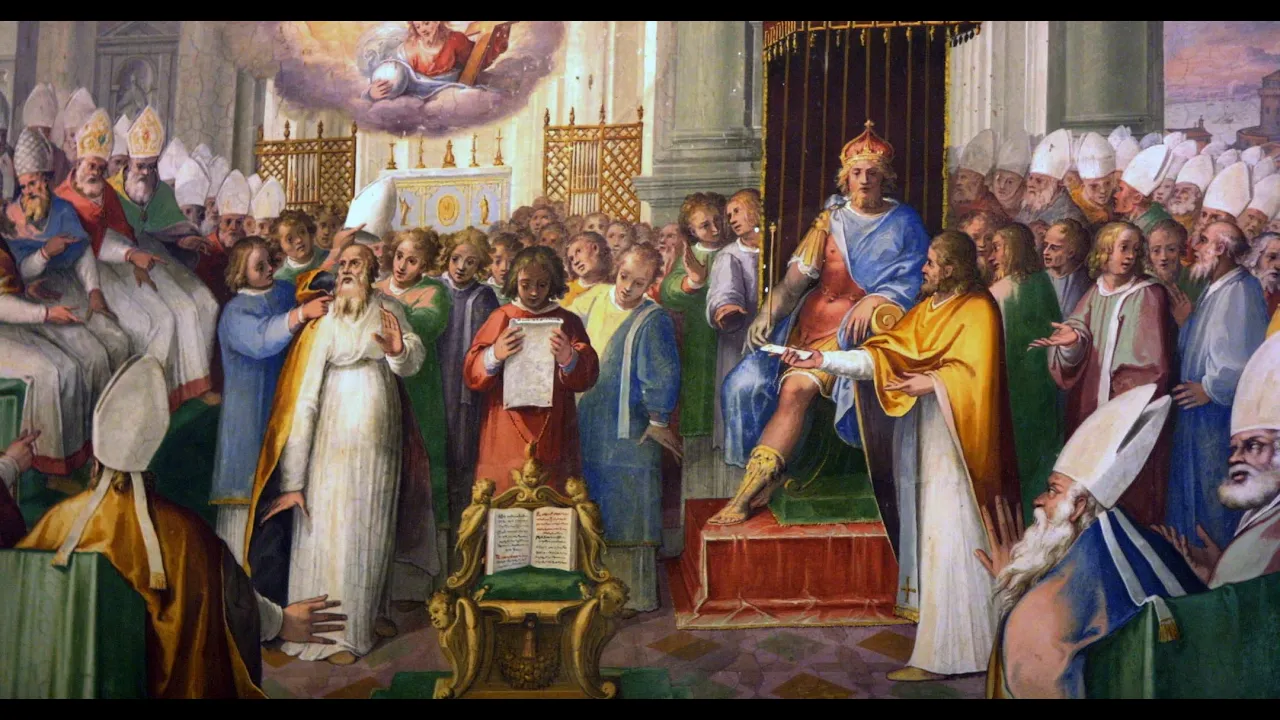



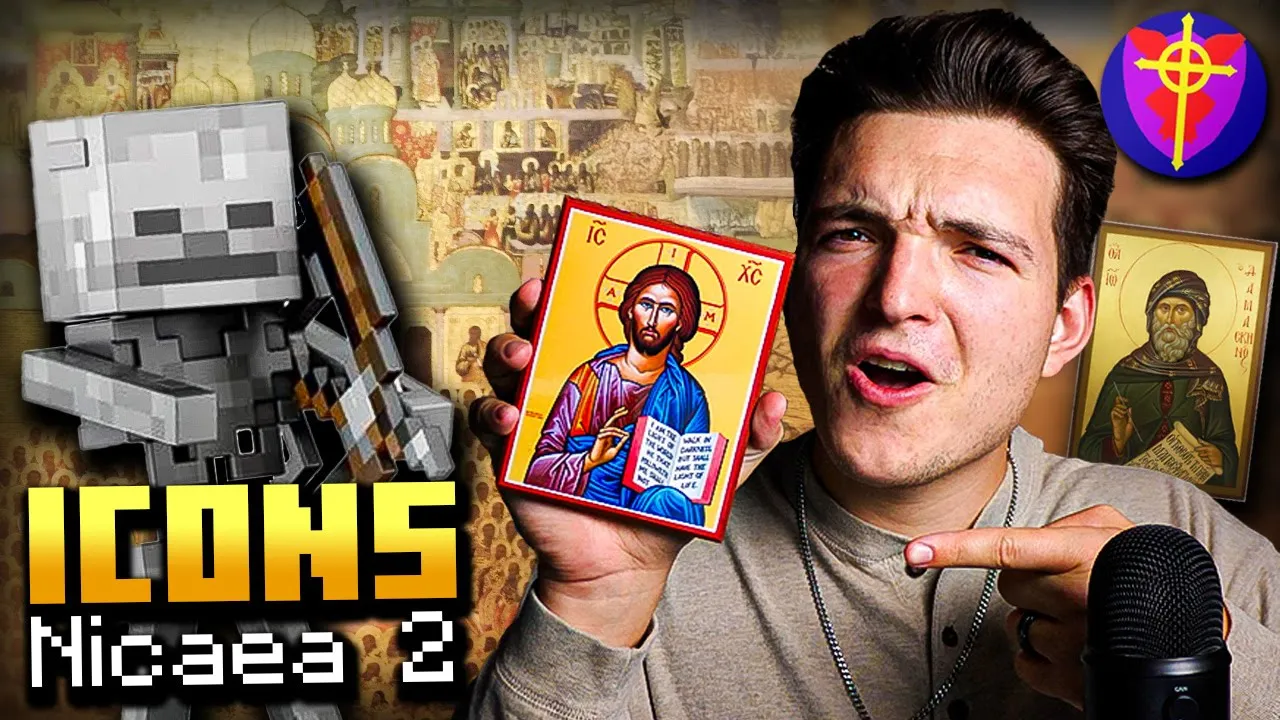

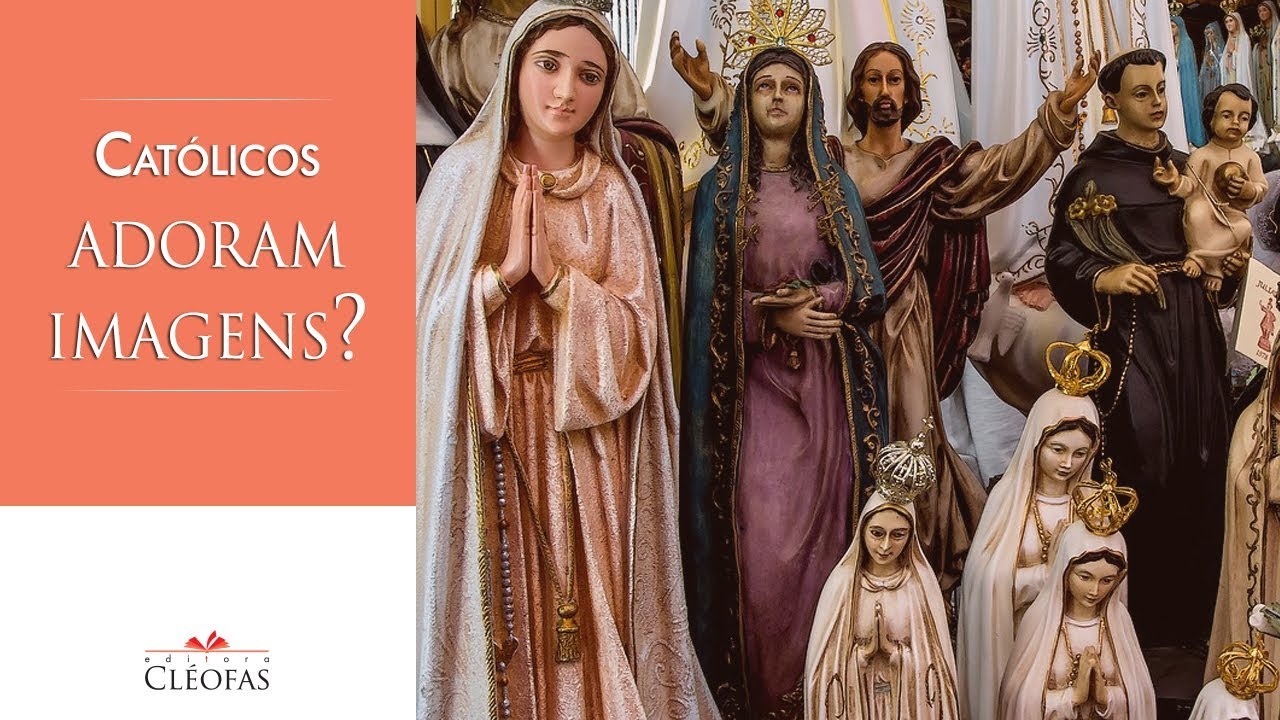



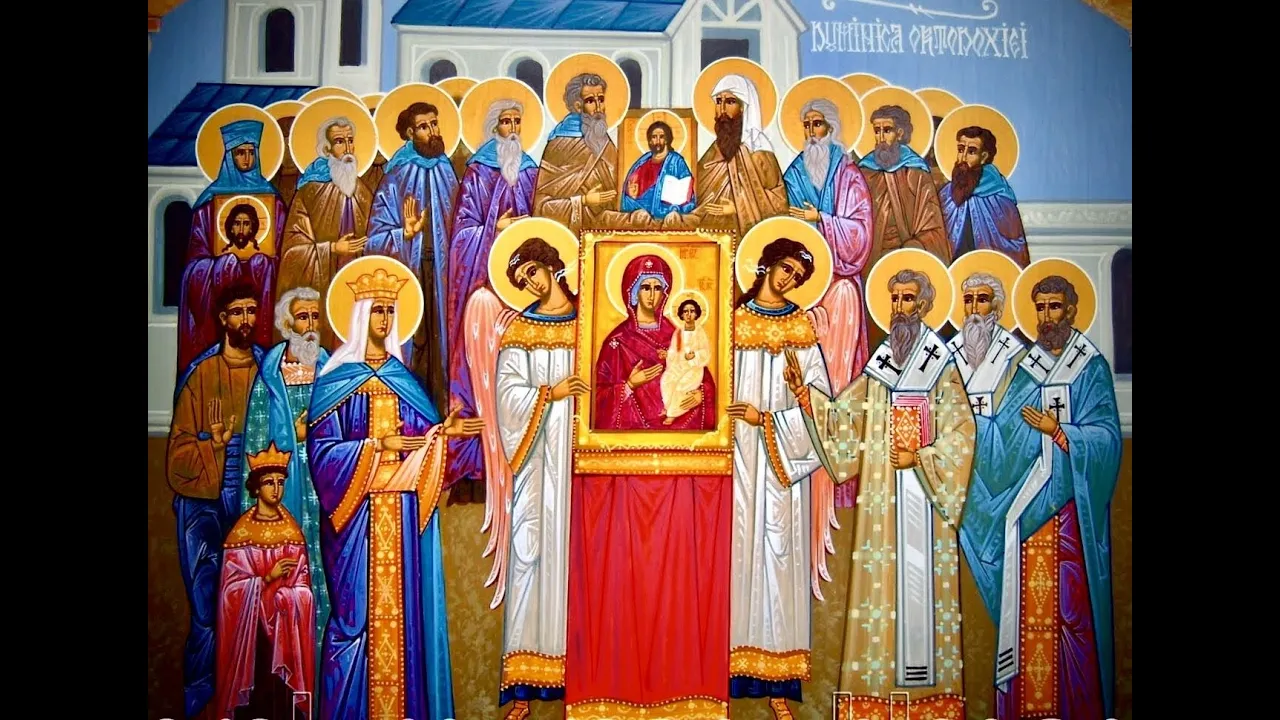





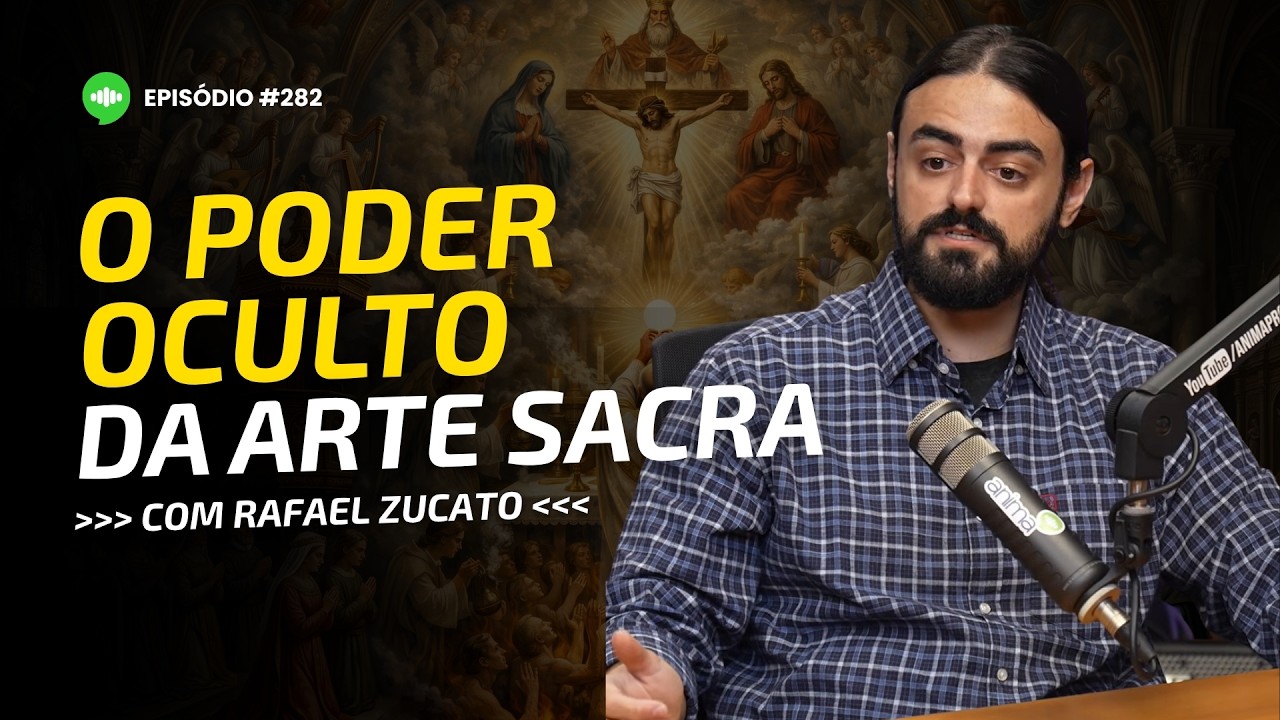


The Second Council of Nicaea (787 AD), recognized as the Seventh Ecumenical Council by both Catholic and Eastern Orthodox Churches, definitively resolved the Iconoclast controversy by establishing that sacred images are not idols but visual testimonies to the Incarnation. The council introduced a crucial theological distinction: latria (worship) belongs only to God, while proskynesis (veneration/honor) may be given to images because the honor passes through the image to the person depicted. This resolution affirmed that since God became man in Jesus Christ, His human face can be depicted, validating the veneration of icons of Christ, the Virgin Mary, angels, and saints. The council overturned the iconoclastic Council of Hieria (754) and issued 22 disciplinary canons, strengthening papal authority and confirming core doctrines about the Incarnation and veneration of saints.
The Second Council of Nicaea 787: Icons, Incarnation, and Doctrine
Added:Okay, so imagine a war that goes on for more than a hundred years, but it's not a war over land or gold. It's a war over pictures. A conflict so bitter it literally tears an entire empire in two.
Today we are diving deep into the story of the great icon wars and the council that finally finally managed to bring peace. This was the question, the one question at the heart of it all. You know, it said emperors against popes, bishops against their own clergy, and neighbors against each other. Are these images of Christ and the saints a sacred window to heaven, or are they just a forbidden form of idolatry? The entire Byzantine Empire was just desperate for an answer. All right, so let's set the stage. This huge conflict, which we now call the econversy, wasn't just some, you know, polite theological debate. Oh no, it was a deep violent tear in the very fabric of their world. I mean, we are talking about a full century of absolute chaos. And this wasn't just an argument happening in monasteries. It became a state sponsored movement.
Emperors were ordering priceless icons to be smashed to bits. Incredible mosaics plastered over. And anyone who dared to defend the art faced serious persecution. It was a crisis that shook the foundations of both the church and the state. So, to really get how they solved this whole mess, we have to understand the other side first. What was the argument being made by the icon breakers or as they were called the iconoclasts?
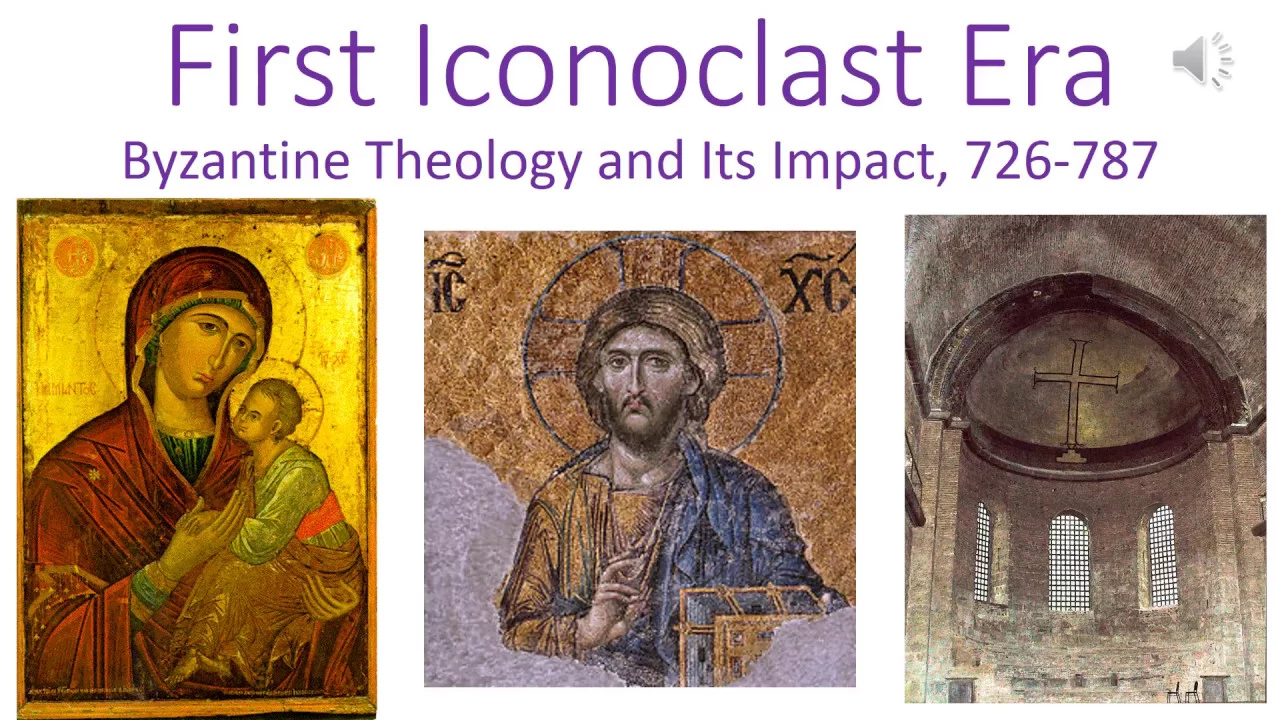
See, the iconicists really believed they were purifying the Christian faith. They were pointing back to the Old Testament, you know, with its strict prohibitions against graven images. And they argued that any depiction of the divine was a flatout violation of God's law. In their minds, bowing in front of an icon was basically the same thing as bowing to a golden calf. And for a while, it looked like they were winning big time. In 754, the emperor called a council at a place called Hearia. And with hundreds of bishops who agreed with him, they formally condemned all icons. They didn't just call them a bad idea. They labeled them as demonic and pagan. This council gave the official theological green light to destroy sacred art all across the empire. But the fight was far from over. After decades of this state enforced destruction and chaos, a new generation of leaders came along and they were determined to fix this. once and for all and bring the icons back.
Now, check out this timeline. For 33 years, the decision from that icon smashing council was the law of the land. It took a major political shift. A new ruler, Empress Irene, working together with Pope Hadrien I to finally create an opportunity to challenge that ruling and settle this thing for good.
And this was no small get together.
We're talking about over 300 bishops from all over the Christian world coming to the city of Nika. And they chose that city on purpose. It was the same place where the very first great church council had happened centuries before.
The sheer scale and the location sent a message. This was going to be the definitive answer. Their mission couldn't have been clearer. They weren't just there to talk. They were there to formally tear down the arguments of the Higeria Council and establish a clear universal teaching on the proper role of sacred images in the church. And the way they did it was well, it was a theological master stroke. They didn't just stand up and say, "Nope, icons are good." They introduced this incredibly important distinction that just solved the whole problem. They drew a bright, clear line between two very different kinds of honor. Okay, so this is the absolute key. The council fathers use two different Greek words. First there's latria that they said is absolute total worship and adoration. It belongs to God and only God. Period. But then there's presus. That's different. It's a respectful honor. Think about how a soldier salutes a flag or how you might kiss a photo of someone you love. You're not worshiping the cloth of the paper, right? You're honoring the country or the person it represents. That they argued is exactly what's happening with an icon. And this quote just nails their whole point. When you show respect to an image of Christ, you aren't worshiping painted wood. The honor passes through the image to the person it depicts to Christ himself. The icon isn't the destination, it's the window. This one distinction changed absolutely everything. The council's decision didn't just end the icon wars. It had this huge lasting impact on Christian theology, art, and worship that we still see today. So yeah, the council brought back sacred images, but it did so much more. It also affirmed that a council isn't really universal without the pope's buyin. It strengthened the core belief in the incarnation. It validated the practice of asking saints for their prayers. And it even mandated that all new churches had to have holy relics.
This was a landmark event that really shaped Christianity for the next thousand years. And here is maybe their most powerful argument. The iconoclass kept pointing to the Old Testament where the invisible God forbade images. But the council father said, "Well, yeah, that was before the incarnation. When God the Son became a man, Jesus Christ, the invisible became visible. He had a human face. So to say you can't make an image of Christ, they argued, is kind of like denying that he was ever truly human to begin with." And they backed this up with scripture. They weren't just making this up. They pointed out that even in the Old Testament, God himself commanded religious images to be made like the statues of angels on the ark of the covenant. And the New Testament itself calls Christ the image and the Greek word there is icon. The very word for icon of the invisible God.
And get this, this victory wasn't just some dusty old historical footnote. To this day, the Eastern Orthodox Church celebrates the restoration of the icons every single year. They call it the triumph of orthodoxy. It's a living legacy, a celebration of the belief that art can be a true window into the divine. The icon wars might be over, but the questions they brought up, they're still very much with us. I mean, we live in the most image saturated culture in human history, right? We're surrounded by symbols, logos, and digital avatars all screaming for our attention. So, it leaves us with a thought. In our own world, what images do we give honor to?
And why? And what does that say about what we truly value?
Up Next

Byzantine Iconoclasm: Leo V & Michael II's Era
@AtlasHistoryYT
18.5K views•2023-01-15

The Great Schism of 1054: Causes and Consequences
@SacredCathedrals
113.5K views•2026-02-19
The Geopolitics of the Ukraine War and the Rise of Global Autocracy
@JordanHarbingerShow
468K views•2025-04-19
Understanding the Cold War: Superpower Conflicts and the Road to Détente
@OverSimplified
46.1M views•2019-01-24
Related Study Plans & Knowledge Roadmaps
Structured learning paths in History