















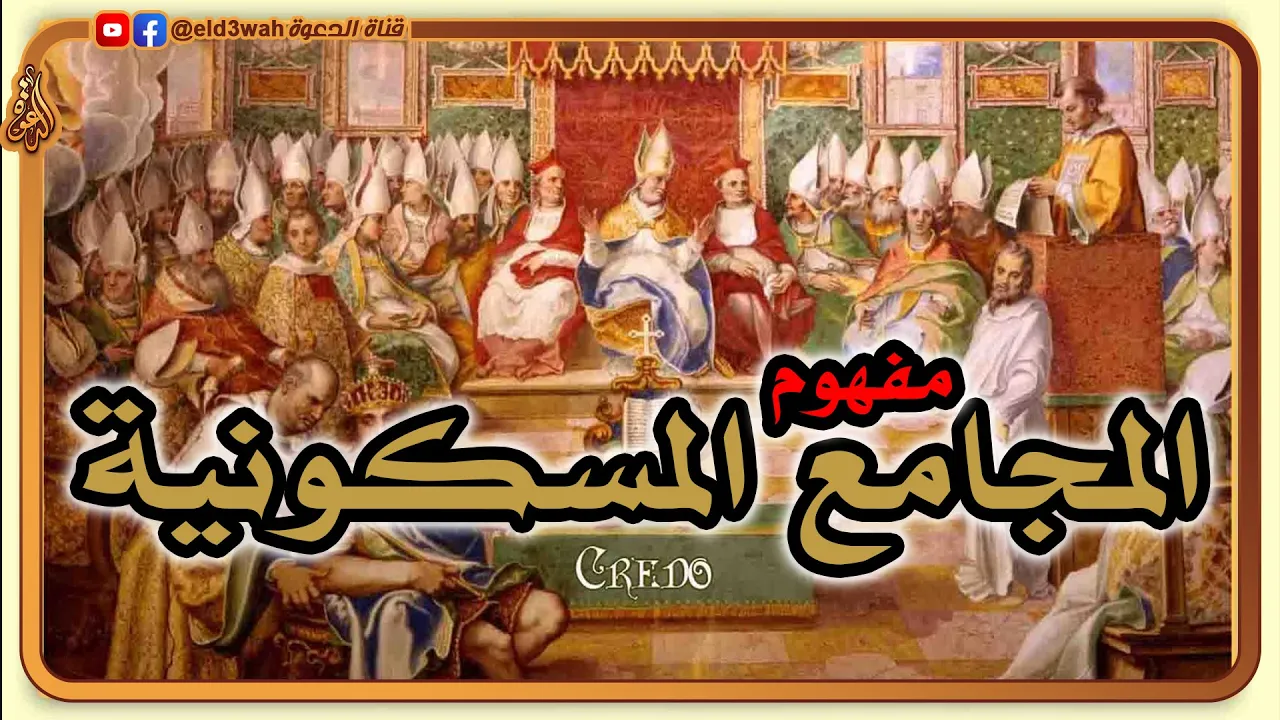



Icon veneration matters because it is the subject matter of the Second Council of Nicaea (787 AD), which both Roman Catholicism and Eastern Orthodoxy regard as an infallible ecumenical council, making it irreformable and obligatory; the council explicitly defines icon veneration as specific practices (bowing, kissing, and lighting candles) grounded in a theology of figural representation where what is given to the image passes through to its prototype, and it claims this practice is Apostolic tradition dating back to the apostles themselves, which Protestants protest because historical evidence shows early Christians uniformly opposed such practices as pagan idolatry.
Why Icon Veneration Matters: Nicaea II Explained
Added:The historical context of the Seventh Ecumenical Council (Nicaea II, 787 AD) and the Byzantine Iconoclastic Controversy.
The theological distinction between worship (latria), reserved for God alone, and veneration (dulia/proskynesis) directed toward saints and icons.
The Protestant doctrine of Sola Scriptura and how it defines church authority, tradition, and the status of ecumenical councils.
The biblical debate surrounding the Second Commandment and the prohibition of 'graven images' in Jewish and early Christian thought.
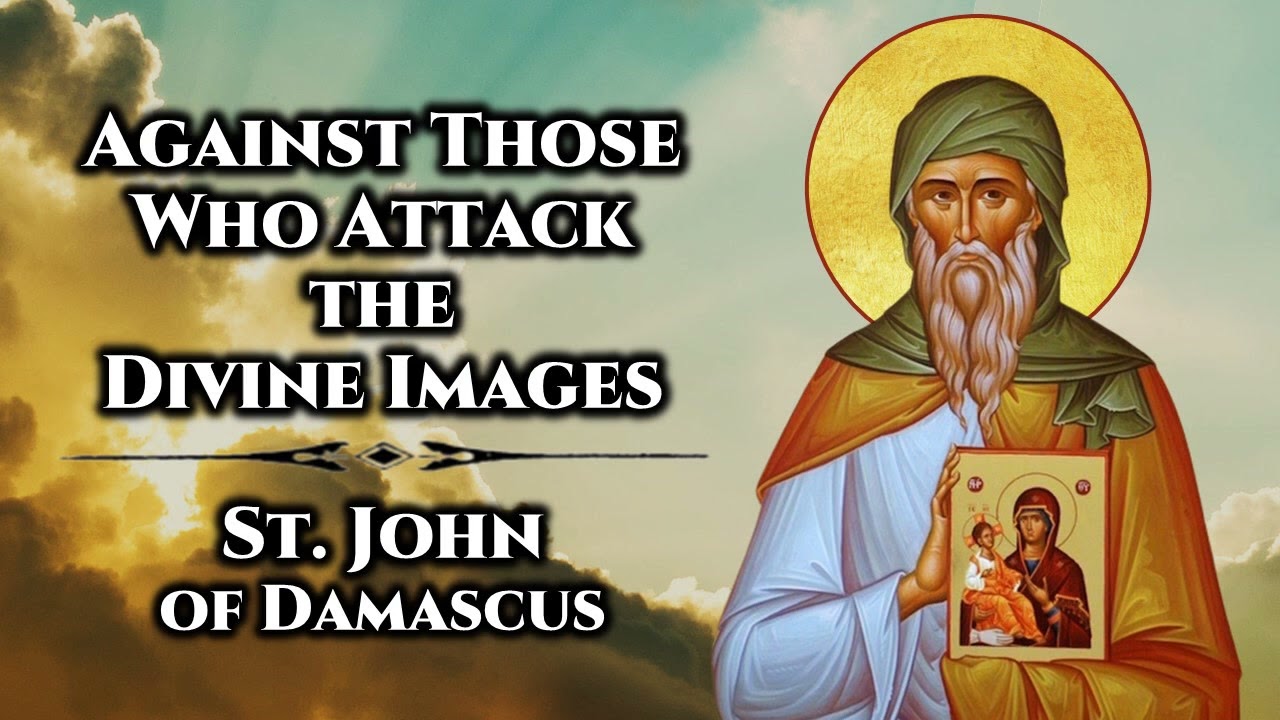
The Christological defense of icons by John of Damascus, specifically how the Incarnation of Jesus Christ justifies material depictions of the divine.
The varying views on images within the Protestant Reformation, contrasting the radical iconoclasm of Zwingli and Carlstadt with the more moderate stances of Luther and Calvin.
Contemporary ecumenical dialogue between Protestants, Roman Catholics, and Eastern Orthodox Christians regarding the authority of the first seven ecumenical councils.
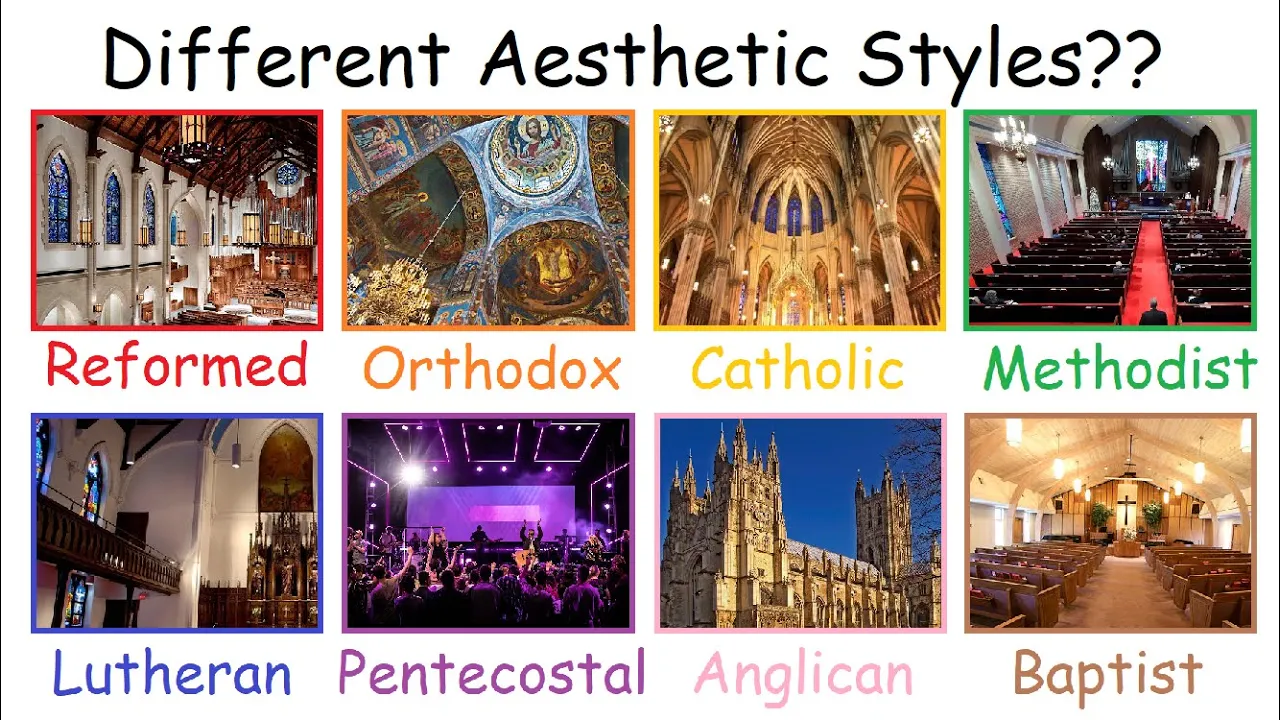
The development of theological aesthetics and how different Christian traditions integrate visual art, liturgy, and physical space into worship today.
64.4K views2.8Klikes28:06Original Release: 2024-11-13
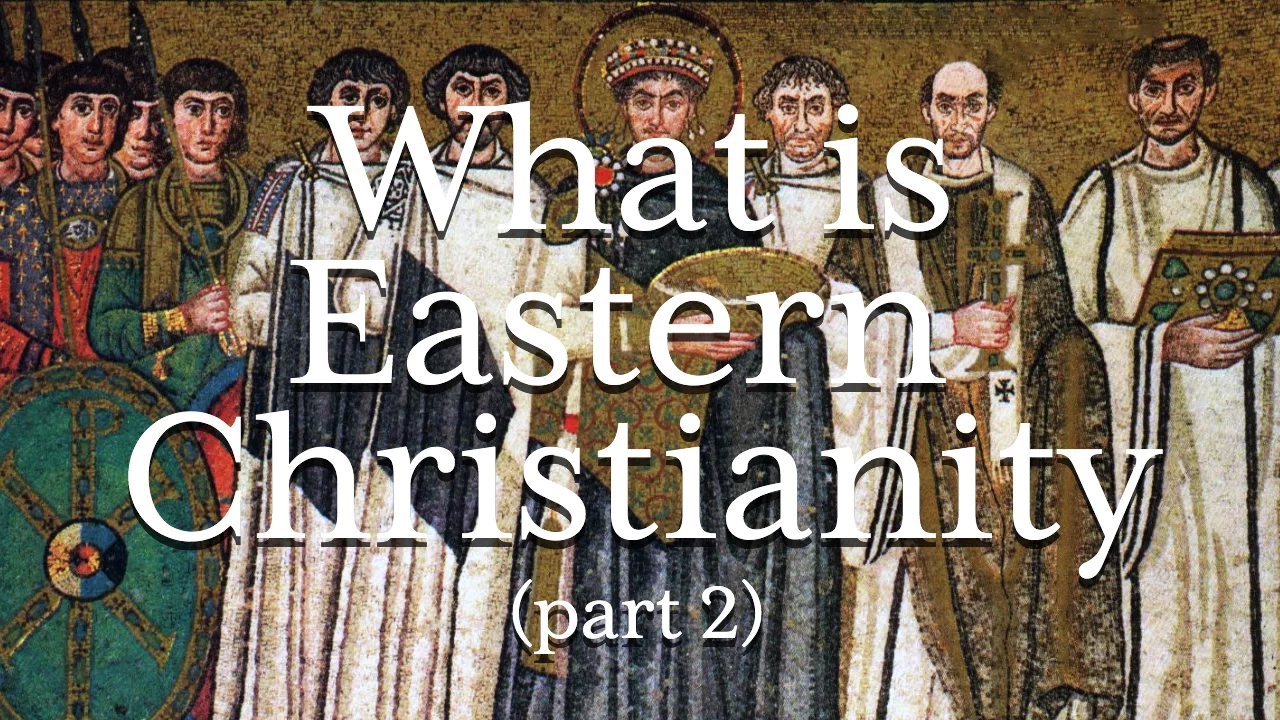
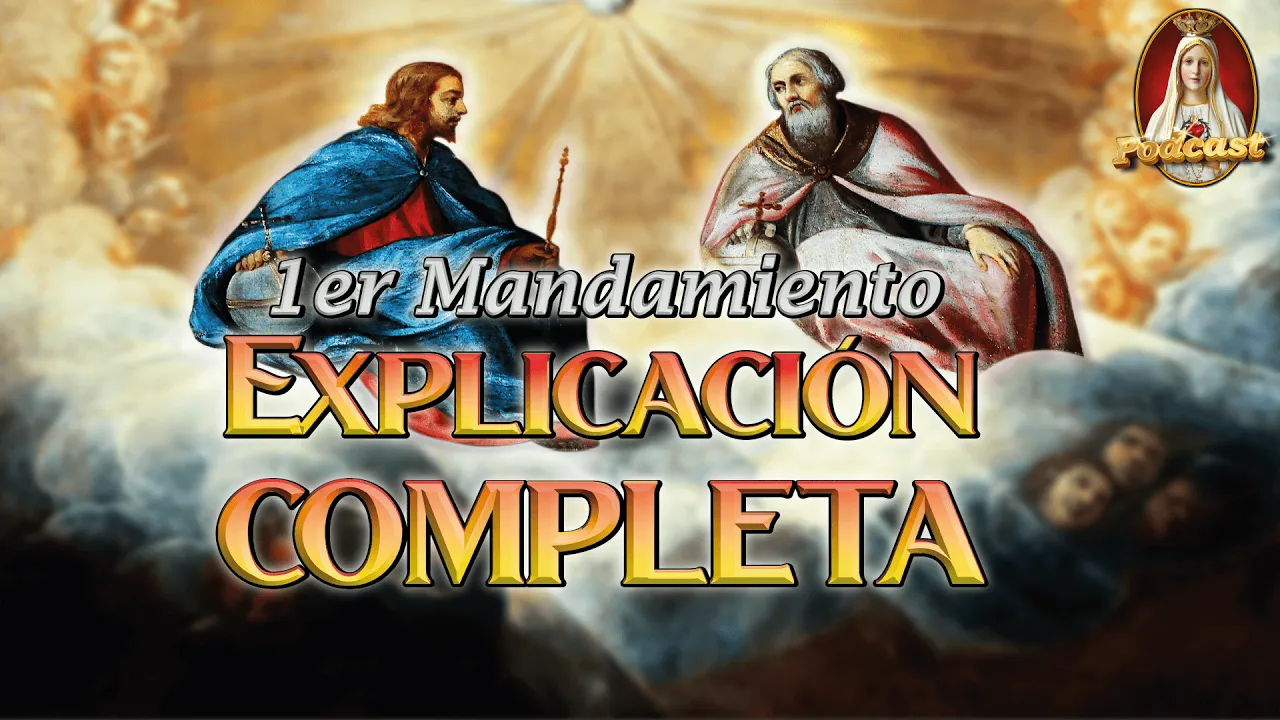
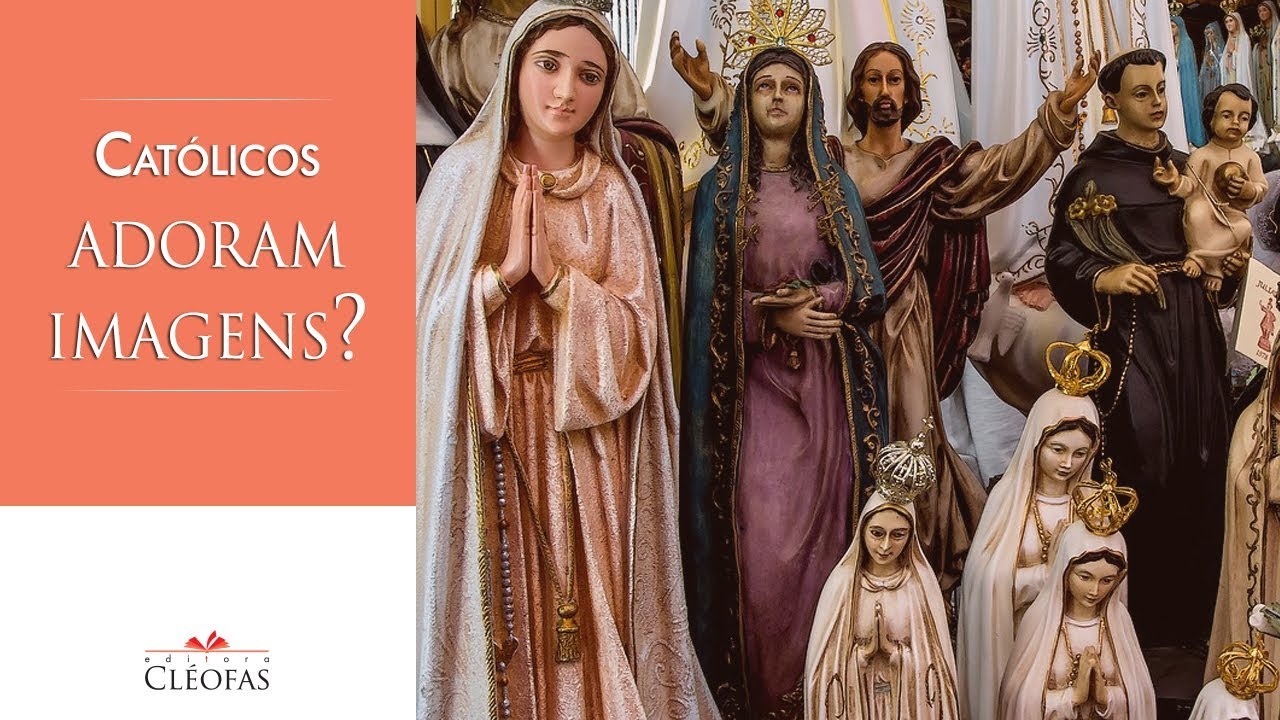
I've done a lot of videos about the issue of Icon veneration sometimes I'll hear people say wow Gavin is really making a lot out of this issue why is he making such a big deal out of this and I would respond by saying Protestants aren't making icon veneration a determinative issue so much as we are protesting how others have made it an issue so let me explain that in three points number one why icon veneration matters number two what icon veneration is and number three when icon veneration began these are points I brought up before four but I think they bear repeating based upon various things that I hear let's go we'll go through each of them number one why why does icon veneration matter icon veneration is the subject matter of an ecumenical council NAA 2 and this council is held to be infallible and therefore it is regarded as irreformable and obligatory by both the Roman Catholic church and the Eastern Orthodox church so it's not just about icon veneration in and of itself although that is an important issue how we understand how prayer works and so forth nonetheless it's this issue functions as a litmus test for larger ecclesial claims okay so I think that's pretty clear hopefully but let's develop this and explain this a little bit in other words again Protestants aren't making this an issue we're responding to NAA too which makes it an issue today I think we've forgotten about how uh big of a fight this was in church history for nearly 200 years this issue was the issue that was ravaging the Eastern Church both sides brutally massacring each other in my book I talk about how this is the story have tongues cut out noses sawed off eyes gouged out skulls turned to drinking balls castration torture and family members betraying one another to death pretty Grizzly stuff and yet that is just flatly historically accurate it this was absolutely just a raging controversy so whichever side is right and wrong what both sides took for granted is this matters you know something's really at stake in this both sides the iconic clast side opposing icon veneration the iconophile side affirming it both sides convoke these massive councils with hundreds of Bishops to attempt an a definitive judgment one way or the other in the East you have the Council of hyera and in the west you have the Council of Frankfort both of which are affirming iconic clasm which by the way iconic clasm as Richard Price points out doesn't necessarily mean destroying images it just means opposing icon veneration uh but the council that W out is NAA 2 in 787 toward the end of the 8th Century ad and this was an iconophile uh Council and NAA 2 though it took some time to be accepted in the west and also had to withstand an a further wave of iconic clasm in the east in the 9th century eventually it came to be regarded as an ecumenical council and therefore it's considered infallible by again Roman Catholicism and Eastern Orthodoxy by the way there's debates about precisely what that means so you'll find debates about well which parts of the council are infallible and so forth but here's the important Point um you can't be a Roman catholic christian or an Eastern Orthodox Christian and say well I just don't agree with na 2 you might be able to try to head you might be able to appeal to a doctrinal development the Catholics will do that more than the Orthodox you might be try to be able to try to say Well only some parts of the council are infallible versus others and there's actually all that is disputed and debated but nobody can come along and just say well I'll accept Roman Catholicism and not accept NAA 2 the fundamental theology at play icon veneration is both irreformable and obligatory um and that is the case whatever you make of the anathemas people often try to kind of argue about the anathemas as though that meant the council as a whole I often just think you know just look at everything else the council says about this issue other than the anathemus and it's still making this a wedge issue um but BEC so that's one thing but because there is confusion that continues about the anathemas let's just try to bring some clarity to this as well this is one way that NAA 2 makes this a determinative issue though not the only way the pactic decree that is yielded by this Council results in a series of anathemas I've learned that people have like ninja Maneuvers to try to get around these so in a second we'll address some of these concerns about what is an anathema and to whom do anathemas apply but first let me just read so you can get a flavor again this is the climactic conclusion in the seventh and final session of the council immediately after all the Bishops signed their names and immediately before the ending quote this is the faith of the Apostles this is the faith of the fathers this is the faith of the orthod Ox this is the faith that has sustained the world believing in in one God to be praised in Trinity We Kiss The Honorable images May those who do not ACC hold accordingly be anathema May those who do not believe accordingly be driven far away from the church we follow the ancient legislation of the Catholic church we observe the decrees of the fathers we anathematize those who either add or remove anything from the church we anathematize the intrusive innovation of the accusers of Christians we accept the sacred Imes we subject those who do not believe accordingly to anathema to those who apply to the sacred images the sayings in Divine scripture against Idols anathema to those who do not kiss the holy and venerable images anathema to those who call the sacred images Idols anathema to those who say that Christians had recourse to the images as gods in athema to those who knowingly communicate with those who insult and dishonor the sacred images anathema after a further series of anathemas against various particular opponents it says they scorned the images of the Lord and his Saints and the Lord has scorned them if anyone defends anyone who belongs to the heresy that accuses Christians or has ended his life in it anathema if anyone does not kiss them as being in the name of the Lord and his Saints anathema now those 10 particular anathemas there that I just underlined are not the only ones but they just give you a flavor remember this is the climactic decree that the entire Council results in now the meaning and usage of the the word anathema has changed in recent times and so this gets disputed but our interest is what those Bishops meant and so let's allow them to define the word anathema so we're not coming along afterwards uh in an anachronistic way importing later ideas back onto what they were trying to say the Bishops of Ana too are very clear on this point and very explicit and emphatic about what is an anathema and what did they think they were doing and it's totally in accordance with what Paul is using the word anathema to do in passages like Galatians 1 after the council the bishop send a letter to the emperor Constantine and his mother Irene and they link iconic clasm with the various heresies condemned in the first six ecumenical councils and then they declare the consequence of the anathemas they've given by their own councel if anyone does not agree and is disputatious and offended by the veneration of the Sacred images he is anathematized by our holy and ecumenical council fortified by the operation of the Divine spirit by the traditions of the church and the fathers and an anathema is nothing other than separation from God so they're saying okay the people who do not agree with this Council they are anathema and here's what we mean by that separation from God and yet you'll continually hear people coming along today and saying well an anathema doesn't really mean separation from God even though the Bishops say here's what we mean by anathema separation from God and so I would just appeal to people if you want to push back on this give us evidence from the time in question question that an anathema doesn't mean what they explicitly say it means because usually all the evidence is way later being imported back and it's not just this one sentence over and over you find this very plainly said prior to the council the patriarch of Constantinople who would preside over the council terius gives a speech that he has and he uses the same kind I'll put this up the same kind of language here and anathema is being expelled from Heaven to the outer Darkness condemned on the day of the Lord so I don't know how more clearly you could say anathema means not just sort of a warning or removal from the church in some way in this life but it means damnation removal from Heaven furthermore an anathema is just one of the ways that this is expressed so you know for example in another letter the Bishops warn about the unbearable wrath that the iconic class will receive God has scorned them they're under Divine judgment and so forth so even if you wanted to try to get away from the word anathema you just have all this other language about Divine judgment Divine wrath Etc so whatever later people might say whatever these Traditions will eventually result in at that time the what these Bishops think is very clear there's there there's not ambiguity about this and how they set the stakes and the other thing people will try to do is try to limit the application of these anathemas and say well they only applied to people who are alive in the 8th Century not to those who were alive maybe in like the 9th or 10th Century or the 21st century or they only apply to those who are actively opposing icon veneration not to those who simply don't know know about it or they abstain from the practice and so forth and there's various other qualifications like this that people try to give let me give three responses to that number one that wouldn't actually disrupt the major Point here even if the anathemas were limited in scope some way the fact that NAA 2 is ecumenically decisive and determinative remains on the table because the council is either infallible or it isn't second I agree that the anathemas are not targeting those outside the church they're targeting people in inside the church being removed but since the reigning Theology of the day is that there's no salvation outside the church this really really doesn't move the needle that much whether you're already out of Salvation or you're being removed and cast out of Salvation either way you end up outside of Salvation third when it comes to limitations of anathema to those inside the church such that they would apply to one kind of iconic class Christian but not another these limitations generally seem anachronistic the burden of proof would need to be supplied here um the the burden of proof is on the person who wants to give a limitation because the anathemas themselves are distinctly unqualified and I find that people just assert this over and over based upon modern statements or far later statements at least about anathema and about how salvation Works rather than from any evidence from the time in question these anathemas themselves and their surrounding in context and the documents that they are in don't limit them to one particular kind of iconic clasm or one particular time or context rather the anathemas are targeting certain beliefs certain behaviors and even certain associations so you see to those who do not kiss the holy and venerable images anathema there it is that's a certain Behavior to those who call the sacred images Idols anathema that's a particular theology to those who knowingly communicate with those who insult and dishonor the sacred images in athema that's targeting a particular Association you see that again a bit later with the condemnation of anyone if I'll just read it if anyone defends anyone who belongs to this heresy that accuses Christians or has ended his life in it anathema if anyone does not kiss them as being in the name of the Lord and his Saints anathema the anathemas are distinctly unqualified so if people want to qualify them the burden of proof Pro is on you to show why that isn't a later revisionist take give us some evidence from the time in question document the limitation from the sources so that we know you're not just imposing later limitations onto what these Bishops couldn't have recognized now I find what people will try to do is take current teaching and just assume that as authoritative and say oh but you don't understand look at this I'm trying to say our interest is in what NAA 2 teaches because that is what we are protesting as as again we Protestants are allowed to protest a council if it's being put forward as infallible and yet if it is uh teaching something that is erroneous so how but again I'll just say even if you take the term anathema completely off the table the issue here is is simple icon veneration is important because of its affirmation in an allegedly infallible context so this this issue matters because it's a potential falsification event for ecclesial claims all right the second reason this issue matters is what icon veneration is and this is something that I find comes up again and again I think I want to keep chipping away at and speaking to to try to bring Clarity to this because if you read through the sessions of NAA 2 and the context that surrounds it you see icon veneration is not about a general appreciation of art this is a claim about what Apostolic worship looks like over and over people will try to frame this as though if you reject NAA 2 you're anti anti art or anti-religious art but as I've said many times from my initial video I keep saying it I'll keep saying it into the future the concern is not with aesthetic didactic or commemorative uses of religious images specifically or other forms of art more generally the concern is with the veneration of images as defined and understood at Nia 2 so let's let's be clear about that what NAA 2 is referencing with what we mean by the the label icon veneration is specific practices especially bowing and kissing and then a specific Theology of those practices let's just document this Richard Price uh references language from the seventh session of NAA 2 the veneration of honor and he cites the Greek terms and says these words refer to something quite concrete kisses and a prostration or deep bow there is also reference at nud to lighting candles before images as an offering in their honor that's the images offering of incensation and lights is to be made in accordance with the pious custom of the men of old we'll talk about who those men of old are in a second so uh here you have specific behaviors this is not like just oh I I I appreciate art in general or we have art around in general it's bowing kissing lighting candles okay those three things then those three things are functioning in a particular theological framework that we can use the label figural representation or figural mediation to describe the recurrent refrain at Nia 2 is what is given to the image passes through to the Prototype so you'll hear language uh later on for example in the Eastern Orthodox tradition and elsewhere of icons as Windows to Heaven a window to Heaven is different from just an image a window is something you see through right and so icons are distinguished from art because of their spiritual function they're more than art it's not just you know some generic form of art it's more than art because of this spiritual role a window is something you see through the theology is we pray through the images and what is given to the image passes through it to its prototype so when I'm bowing before an image and showing reverence to it I'm showing reverence for what it represents there's a particular theology here so the target is set very clearly by what we by what uh icon veneration is at NAA 2 and yet today we'll often hear these appeals when we object to NAA 2 people will say well come on you put your hand over your heart when you recite the Declaration of Independence right it's the same thing or even uh the avoidance of bad treatment of a physical object is cast as functionally the same thing as icon veneration people will say well look if you had a picture of Jesus or if you had a wooden cross you wouldn't throw it in the trash right see that's the same thing but again Nia 2 is talking about bowing kissing lighting candles on a Theology of figural representation what is is given to the image passes through to the Prototype that's the issue so let's put aside this idea that opponents of NAA 2 are anti-art all you have to do to see that is read through the alternative councils like the read the Theology of the Council of Frankfurt these Western Frankish Bishops are very pro-art but they're very anti-ia too okay the third reason icon veneration is so important is the question of when did icon veneration begin begin I should say and again NAA 2 is very clear on this point it affirms this Theology and this practice which it is both as Apostolic tradition some people again having had these conversations a lot I I I realize how people try to respond I'm trying to bring Clarity back to NAA 2 because people will say NAA 2 allows for development of Doctrine no it doesn't no it doesn't it is making very specific historical claims and the histo as well as theological claims and the historical narration that it employs to justify its theology is very clear and very explicit it put it very plainly NAA 2 uh insists that icon veneration is Apostolic tradition here's how I I'll document that first here's how Richard Price summarizes it there was no sense in the 8th Century that the faith and practice of the church had changed or significantly developed between Apostolic and patristic times and in fact a claim that the iconify tradition went back to the apostles themselves becomes explicit in documents issued at the close of the council so for example in the climactic decree that we've already cited the affirmation of Icon veneration is cast as Fidelity to the faith of the Apostles and the ancient legislation of the church the word legislation does not refer to a generic Theology of art but to lurgical practice this is a claim about how worship should be conducted in the church and the whole appeal the whole logic of this appeal is that iconoclasm is an intrusive Innovation we condemn it because we do not add or subtract anything from the church if you had tried to propound a theory of doctrinal development at NAA 2 the Bishops would have run you out of the building and maybe shot arrows at you on your way out the door okay the council is making it very clear this is one aspect of the unchanging tradition of the church that's why earlier the Bishops of NAA 2 claimed that in defending icon veneration we follow Paul who spoke in Christ and the whole Divine company of the Apostles and the sanctity of the fathers holding fast to the traditions we have received some people will try to make a distinction between doctrinal development and the development of cultic practices they might say well Doctrine developing is one thing but devotional practices developing is another NAA 2 has no such distinction the Theology and the practice are all of One Piece for them and both are explicitly identified as handed down from the apostles hence the words we anathematize those who either add anything or remove anything from the church now the problem with this is the historical claims of NAA 2 are manifestly wrong and when we point this out we're simply accepting what is just overwhelming from the evidence we're just trying to follow the truth about the New Testament about the early church Richard Price his book is over there so I won't hold it up I'll put up a picture okay Richard Price is a good scholar he is a Roman Catholic priest he wrote The Definitive translation and commentary on NAA 2 from which I've been quoting he opens the discussion by outlining recent scholarly discussion as to whether the rise of Icon veneration should be dated to the late 7th Century or slightly earlier that's the issue at that people who are in this discussion are debating is it late 7th Century or early 7th Century that icon veneration begins then he comments the fathers of NAA 2 would have found this whole debate bizarre their concern was not to argue that the veneration of images went back to the beginning rather than the end of the 7th Century but that it had the support of the great church fathers of the fourth and fifth centuries it went back through them to the apostles themselves now price finds iconic clasm to be kind of an isolated View today but he's honest about the historical evidence he says quote the iconic clast claim that Reverend short images did not go back to the Golden Age of the fathers still less to the apostles would be judged by impartial historians today to be simply correct the iconophile view of the history of Christian thought and devotion was virtually a denial of History what I am saying in my videos is nothing other than what price says there and yet I'll often find people acting like Gavin orland is making this an issue oh Gavin's view or something it's like it's not my view I'm just regurgitating what everybody thinks who looks into this and publishes on it with credentials in the context of saying that price is discussing how it's either late 7th Century or early 7th century and this is the only debate and he points out in a context of a debate that treated the fathers of the golden age as the primary Authority it was a serious weakness in the iconophile cause that no single passage from any of these fathers gave an explicit stamp of approval to such veneration now the Olden age he's talking about there is the period between NAA 1 in 325 ad and chaldon in 451 ad so this is the time of the cidian fathers the gregories and basil uh John costum athanasius Etc and price is acknowledging that they could not produce a single example of support for Icon veneration from that time not one except the forgeries furthermore what price is saying is entirely representative of just the general colly consensus price is not eccentric in this View and it's based upon overwhelming unanimity of the source material so we just have dozens of testimonies from the early church that this is based on from the apostolic fathers up into the nyine era and Beyond the early Christians are in lockstep agreement that cultic use of images so any Theology of figural representation using a physical object as a point of mediation to the spiritual realm using them as a window to Heaven bowing down to them anything like that is a pagan practice not a Christian one in fact it's one of the Hallmark distinctives between Christian worship and Pagan practice and in so far as the idea of bowing down before images ever comes up anywhere in all Redemptive history among the people of God it is always condemned from the second commandment of the Ten Commandments up through and so when people try to say well those Commandments second commandment is just about idolatry not about the proper use of images or people will say yeah these early church fathers they're just condemning the Pagan use of images not the Christian use of images the problem with that is there is no such distinction anywhere in all of Redemptive history up until like the sixth or 7th Century nobody's saying well that kind of bowing down to images is the problem it's just bowing down to images and this is how all the language works you know you'll find statements like there is no religion wherever there is an image that's a direct quote from lanus I I actually don't think the evidence could be more conclusive I was thinking about this on a bike ride the other day and I was thinking how could it how could the evidence be stronger what would you need and I thought well the only thing I can think of is the thing we already have and that's uus the father of church history saying who has ever heard of such a thing when someone writes him a letter requesting an icon so I'm like I literally don't know how you could make the evidence stronger and I would just say the this practice simply isn't part of our religion from the dawn of time into the late patristic era the people of God never bowed down to non-living objects in an ongoing lurgical practice like this and so those of us who object to NAA 2 are simply what we're trying to do is basically obey God because we have no authority to change Christianity the Council of NAA 2 is just wrong and its claims and something like the Theology of the I would say the Council of Frankfurt even more than hyura is much better and it doesn't mean the church died it just means the church is fallible let me address an objection that I sometimes hear too and that is sometimes people will say you allow Nuance for your own views but not for other views and so something like would something like biblical inherency survive if I gave the same level of scrutiny to something like that that I'm subjecting NAA to and icon veneration to but I think it would survive objections to biblical inherency often have to do with little details icon veneration is the whole point of NAA 2 little details can often be harmonized especially in narrative but if NAIA 2 is wrong in its fundamental thrust then you're just kind of stuck u a lot of the objections to biblical inherency have to do with these narrative passages but narrative ancient narrative often functioned more Loosely than modern historiography so a lot of times the issue the response there is just that the text is not intending to give as exact chronology and so forth but NAA 2 is not a narrative it's an explicit theological decree it's just dactic teaching so if it's wrong it's just sort of wrong you know and I don't think so I don't think the objections to biblical inherency are are insurmountable but Nia too we're in a different category here this isn't a matter of nuance you know just step back and see the big picture it's like you have this massive U-turn where for 500 years Christians are not bowing down before images and praying through them then you have this incredibly bloody political contest and now they are that's not that nuanced and so you know with all that results in is the simple question of just why not recognize that Nia 2 is just not infallible uh or even if you don't grant that at least we can recognize Protestants are not wrong to make this an issue we are responding to the to a council an allegedly infallible Council that makes this an issue however you take the anathemas uh you know leave leave some room for reasonable disagreement about some of the details nonetheless it's not us who make this an issue we're simply trying to be faithful to God and and basically we just want to follow Christianity as God revealed it Christianity is a revealed religion we have no authority to to make a change in what God has said councils are fallible it's not the speech of God the scripture is the speech of God NAA 2 is not the speech of God it can air it's no more infallible than Frankfurt was infallible or hiera so hopefully that explains why now if so so this video the purpose of this video is to kind of reiterate over and against some of the push back I sometimes hear why this is an issue why this matters and the basic point is it's the subject matter of an ecumenical council and it's the specifics of what that Council claimed um if you want a fuller case against the historicity of icon generation you can go back to my original video and uh uh and check that out all right thanks for watching Everybody let me know what you think in the comments and we'll see you next time [Music]
Up Next

12:54
Triumph of Orthodoxy Icon: Byzantine Art & History Explained
@BenCallan
2.1K views•2024-08-06

31:38
JWST Spots Most Distant Hydrogen Glow Ever | Night Sky News April 2025
@DrBecky
145.3K views•2025-04-17

9:49
FastAPI vs Flask vs Django: Choosing the Right Python Web Framework
@TechWithTim
302.5K views•2024-05-26

1:42
Game of Thrones Opening Credits: A Cinematic Analysis
@gameofthrones
46.3M views•2011-04-18
Related Study Plans & Knowledge Roadmaps
Structured learning paths in General & Interdisciplinary Studies
general-studies
Elevator Engineering: History, Physics & Cities
01From Hoists to Safety Brakes: The Dawn of Vertical Lift
02Hydraulic vs. Traction: The Engineering Physics of Elevators
03Modern Speed, Safety, and Algorithms
+ 2 more learning modules
12h5 modules
Explore Roadmap
general-studies
Rubber: Material Science, History & Geopolitics
01Origins of Natural Rubber & Mesoamerican History
02The Chemistry of Natural Rubber & Vulcanization
03The Geopolitics of the Rubber Boom & Colonization
+ 2 more learning modules
12h5 modules
Explore Roadmap
general-studies
Containerization: Evolution, Logistics & Trade
01Ancient Trade & Bulk Cargo: Amphorae to Barrels
02The Industrial Revolution & Cardboard Packaging
03The Containerization Revolution: Malcom McLean
+ 2 more learning modules
12h5 modules
Explore Roadmap
general-studies
Textile Tech: Evolution, Labor & Global Impact
01Pre-Industrial Textiles: Handloom & Cottage Industry
02Mechanization: The Spinning Jenny to the Power Loom
03The Factory System & Global Labor Transformation
+ 2 more learning modules
10h5 modules
Explore Roadmap