


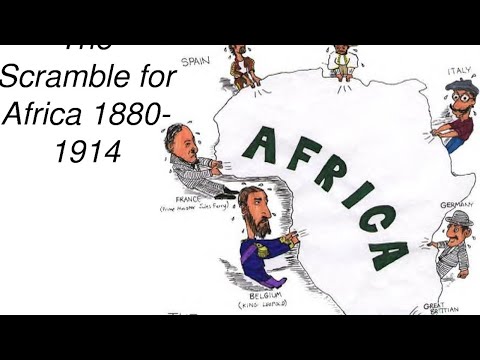













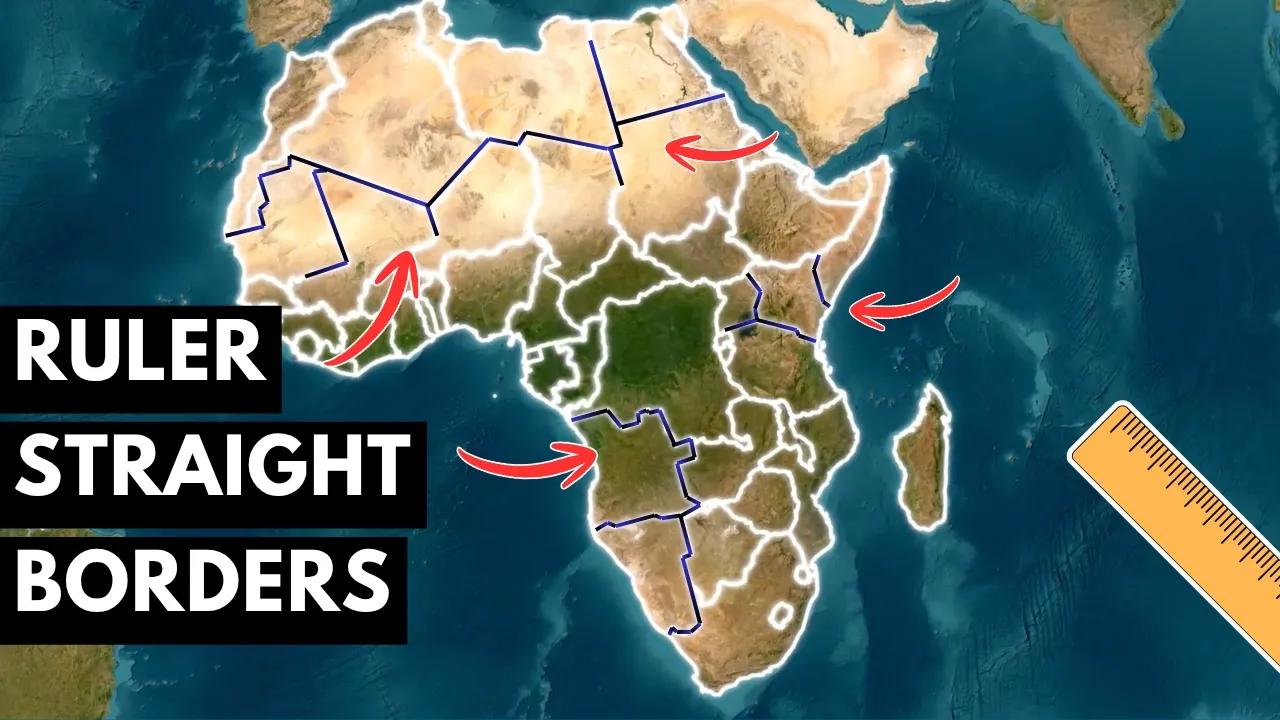




The Berlin Conference of 1884-1885 formalized the Scramble for Africa, where 13 European nations and the United States negotiated the division of unclaimed African territory without African representation, establishing rules that prioritized European economic interests over native welfare and creating artificial political boundaries that continue to affect African nations today.
The Berlin Conference: The Scramble for Africa (1884-1885) | Colonial History
Added:The concept of 'New Imperialism' and the economic, political, and social motivations driving late 19th-century European expansion.
The impact of the Second Industrial Revolution on European demands for raw materials (such as rubber, cotton, and minerals) and new consumer markets.
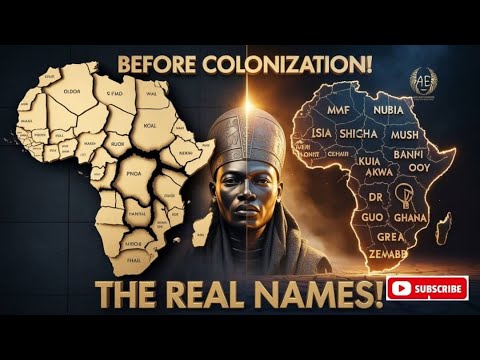
The political landscape of pre-colonial Africa, characterized by diverse kingdoms, empires, and established trade networks rather than a 'blank slate'.
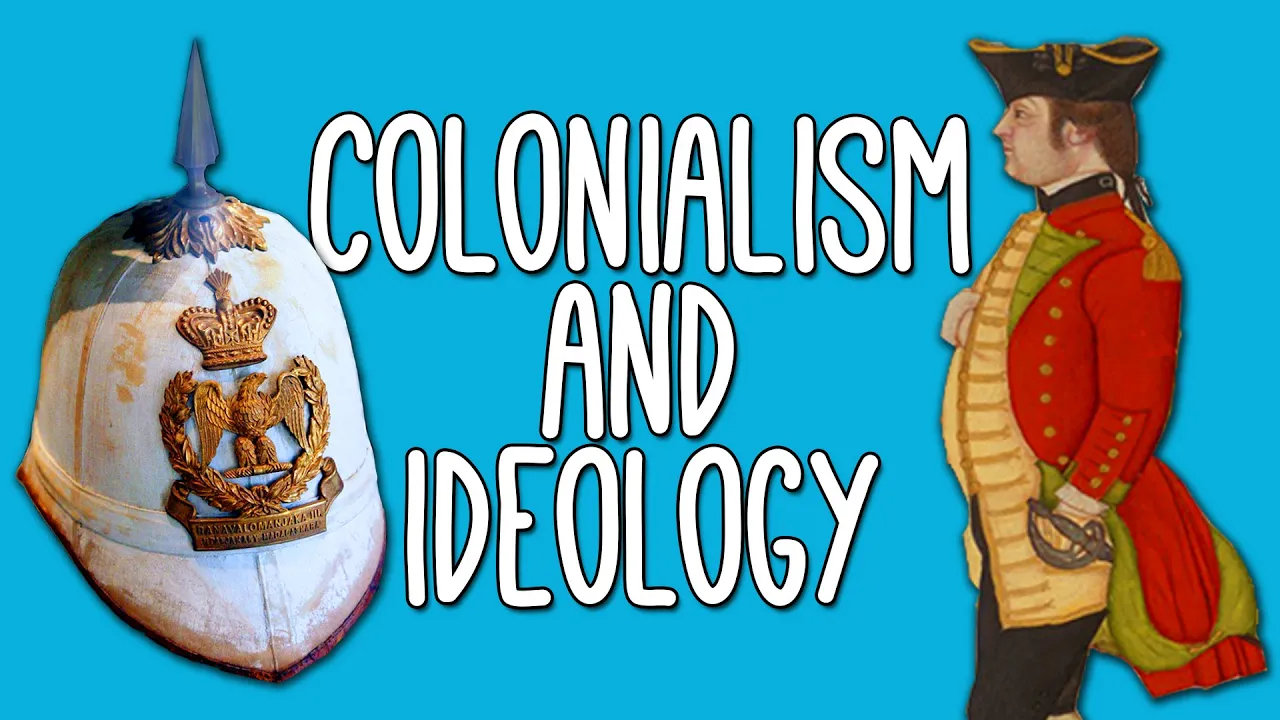
The ideological justifications for colonization, including Social Darwinism, scientific racism, and the concept of the 'White Man's Burden'.
The differing administrative styles of European colonial rule, specifically comparing British indirect rule with French assimilationist policies.
Key instances of African armed and diplomatic resistance to European encroachment, such as the Battle of Adwa in Ethiopia and the Maji Maji Rebellion.
The immediate and long-term consequences of arbitrary colonial borders on ethnic cohesion and post-independence state stability in Africa.
The process of mid-20th-century decolonization, the rise of Pan-Africanism, and the enduring legacy of neocolonial economic dependencies.
165.3K views2.5Klikes13:16Original Release: 2020-04-24
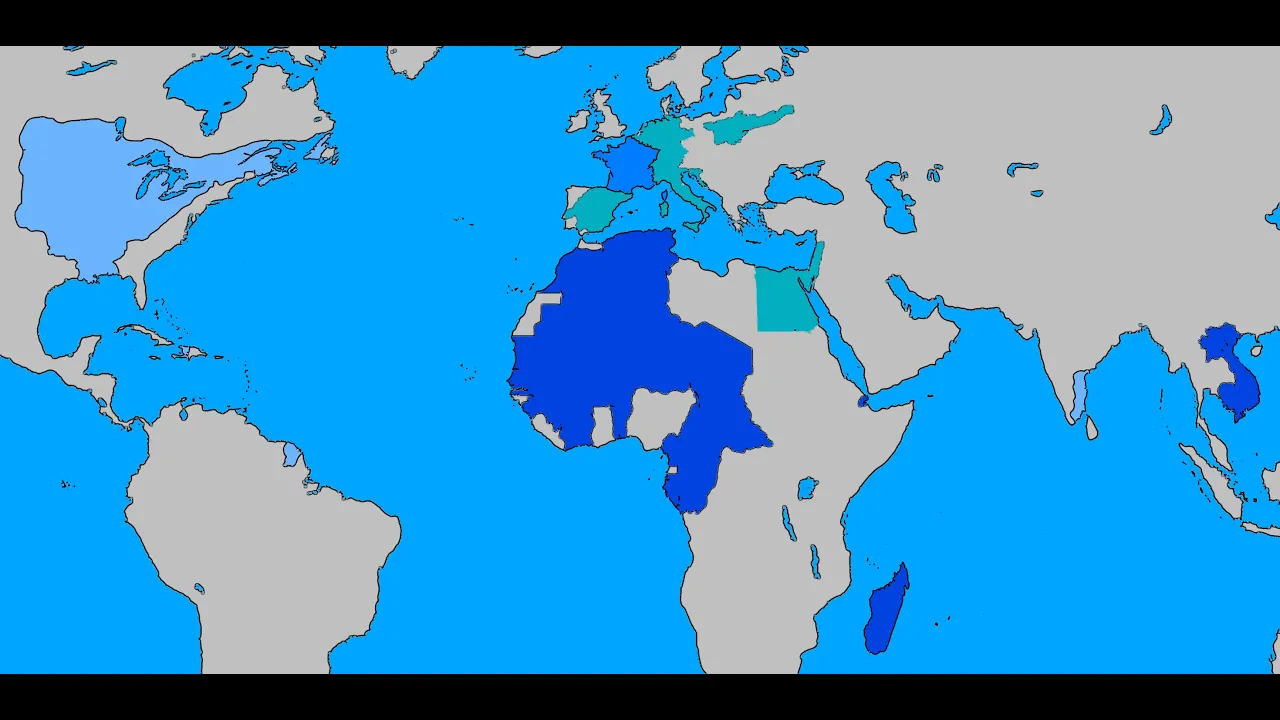
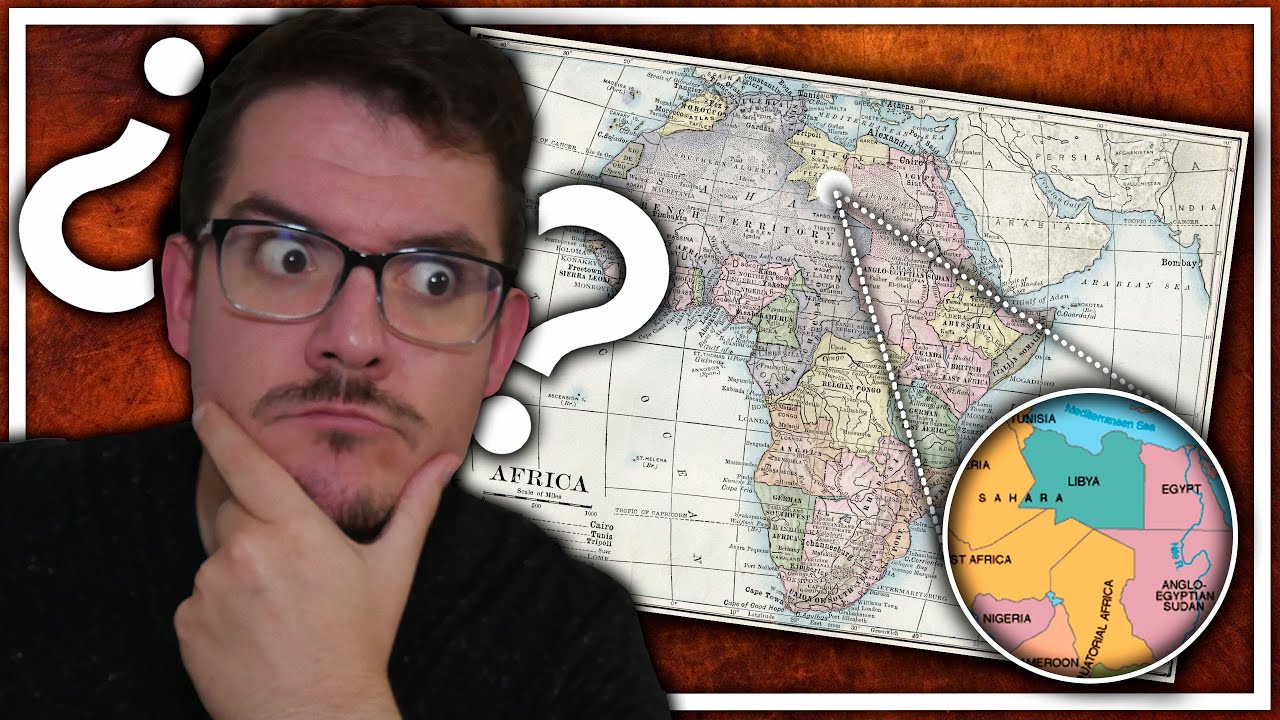
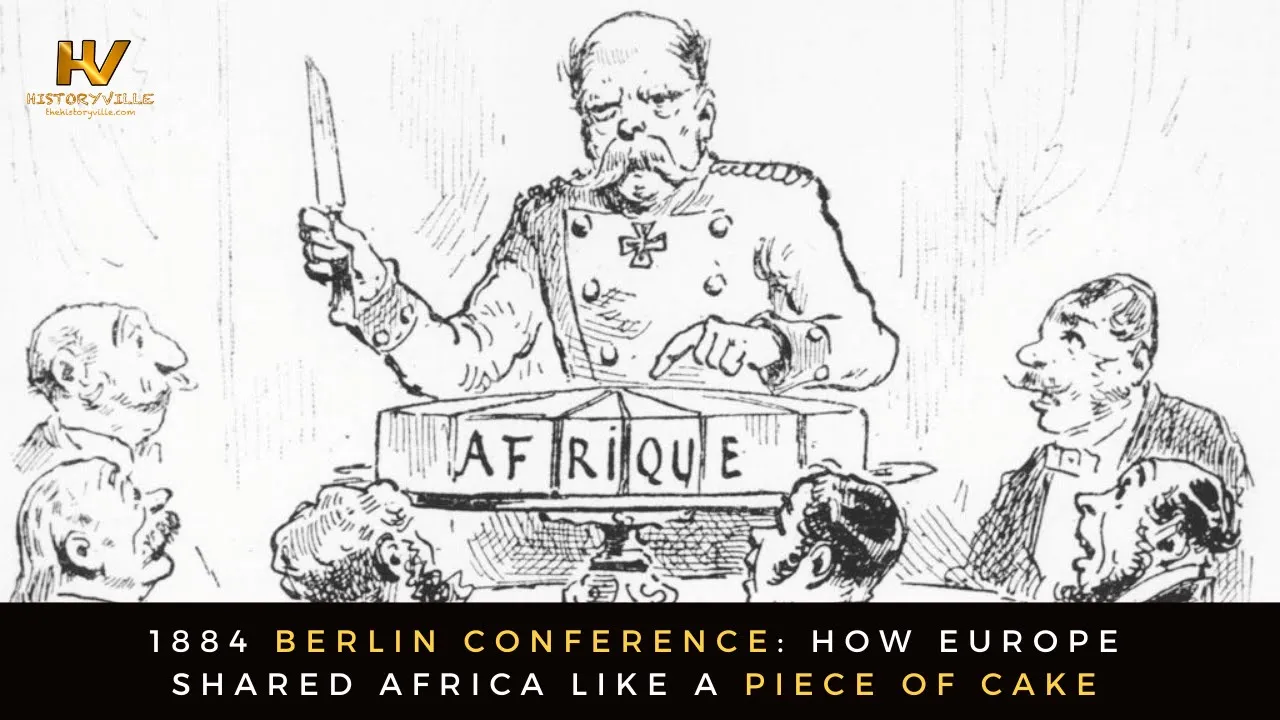
the Berlin conference formalized the Scramble for Africa the Scramble a term coined by the British around 1884 was a period of time in the late 19th and early 20th centuries where several European powers explored divided and conquered the continent of Africa the Berlin conference was a series of negotiations between 13 European nations and the United States where these major forces met to decide how they would pursue the division of unclaimed to African territory this conference spanned over four months from November 15th 1884 to February 26th 1885 by the end of the conference these powers decided how they would divide Africa amongst themselves producing other than the established boundaries between colonies the 1885 general act this act declared the neutrality of the Congo River Basin guaranteed freedom for trade and shipping for all states in the basin forbade the slave trade and rejected Portugal's claims to the Congo River estuary thus making possible the founding of the independent Congo Free State by Belgium this is important because prior to the Scramble Europe had been slow to realize the benefits of claiming African land until the 1870s they were mainly claiming coastal colonies primarily along the Mediterranean and the African deep south before the conference European diplomacy in Africa was practiced in the same manner as in the Americas forming trade relationships with tribe leaders other than trading posts along its coast Africa was largely ignored however this changed as a result of Belgium's King Leopold's ii by the mid 19th century africa was seen as ripe for potential for exploration trade and colonization in 1876 King Leopold's the second to announced his plan to fund an expedition to explore the Congo and followed through in 1879 by sending Sir Henry Morton Stanley there in that same year France began to build a railway located east of Dakar the capital of current day Senegal in the hopes of tapping into potentially large markets in the Sahel region of Africa they also joined Great Britain in seizing financial control over Egypt from 1879 to 1885 Stanley was situated in the Congo as an envoi for king leopold ii who sent Stanley with the secret agenda of creating the Congo Free State a large Belgian commercial endeavor in the Congo France found out Leopold's plans though and proceeded to organize its own colonial expansion French naval officer Pierre de Plaza was dispatched to Central Africa when he traveled to the Congo Basin and claimed territory for friends meanwhile Portugal who already had treaties in place with the Congo Empire joined this race and quickly formed a treaty with its old ally the United Kingdom to block off the Congo free states access to the Atlantic as the results of Stanley's chartering in the Congo Basin the spheres of control between nations such as Britain France Portugal and Belgium were more clearly outlined in the coming years various European powers raced to claim more land and eliminate any minor local rulers with the potential of disrupting European agendas as France expanded its territory in Africa such as what is now the Republic of the Congo as well as Guinea they inadvertently partially convinced Italy to join the Triple Alliance an agreement between Germany austria-hungary ends now Italy in doing so German Chancellor Otto von Bismarck carefully laid plans for Italy were disrupted forcing Germany to get involved into the affair Germany joined the others in the race to claim parts of Africa thus posing a threat to the others especially Britain and France as tensions rose Leopold's was able to convince Britain and France that free trade between the colonies would be in their best interests supported by Britain and with the initiative taken by Portugal Otto von Bismarck organized an international conference in Berlin to work out a common policy regarding colonization trade and the official partitioning of Africa representatives from Austria Hungary Belgium the United Kingdom France Denmark Sweden Norway Italy the Netherlands Portugal Russia Spain the Ottoman Empire and the United States all attended this conference although it did not start the partitioning of Africa the Berlin conference did result in consequences that impacted the continent as a whole even to this day in establishing the rules for conquest and partitioning of Africa it legitimized the concept of Africa being a mere playground for outside forces its abundance of resources was essentially free for foreign powers to seize without a moment of consideration for the native people living on the continent given how the main priorities of this conference were to establish methods of economic advancement for the foreign powers involved it is clear that the welfare of natives was an afterthought from the very start the conference laid out its chief priorities and I quote the powers are in the presence of three interests that of the commercial and industrial nations which a common necessity compels to the research of new outlets that of the states of the powers summoned to exercise over the regions of the Congo an authority which will have burdens corresponding to their rights and lastly that which some generous voices have already commended to your solitude the interests of the native populations despite maintaining the position that they cared about the native populations they resolutely refused to consider the question of sovereignty and the legitimacy of laying claim to someone else's land and resources Bismarck even stated I quote in their opening remarks that delegates had not been assembled to discuss matters of sovereignty either of African states or of the European powers in Africa in addition their lack of respect for the native Africans was also made abundantly clear in how no Africans were included in the conference and how the Sultan of Zanzibar was ridiculed for his attempts to be invited one of the most significant consequences on the short-term scale was how Europeans used their claims as an excuse to exploit the continent taking raw materials and using natives for underpaid menial labor infrastructural improvements were made in order to exploit raw materials as opposed to helping the indigenous people of Africa the principle of effective occupation that was established at the conference meant that European powers had to physically establish control over areas to claim them the Europeans began to use force if necessary in their quests to gain new territories the Congo Free State became the site of terrible crimes as leopold ii deputized forces to seize rubber ivory and other materials by terrorizing and brutalizing the local people additionally in the First World War countries such as France in Britain used natives in order to fill their ranks even though the natives did not have any attachment to Europe on a larger scale the conference had the detrimental effect upon the infrastructure of several African countries despite achieving independence for the most part in the 1950s and 1960s many African countries have continued along the destructive path established in Berlin former Tanzanian President Julius Nyerere a declared and I quote we have artificial nations carved out at the Berlin conference in 1884 and today we are struggling to build these nations into stable units of human society we are in danger of becoming the most vulcanized continent of the world as a result of several colonial powers imposing their own boundaries on the continent entire groups of people conflicting or otherwise were separated or forced together when these countries became independent they ended up having ethnic conflicts further weakening them by the time these countries regained their independence they had accumulated a history of conflict and potential fragmentation that could not be disregarded eliminated or made to operate properly before the conference only 20% of Africa was under European control following the acceleration in colonizing caused by the organization provided by the conference by 1914 90% of Africa was under the thumb of various European countries the only exceptions were Ethiopia named at the time Abyssinia Liberia and the Dervish state which is a small portion of what is now Somalia following the conference Africa was divided between 13 of the powers from the conference however establishing political boundaries was the easy part as a result of their decided strategy of effective occupation they were able to capture geometric portions of African land with boundaries that did not consider native tribes cultures or groups occupying the air these boundaries separated ethnic groups and pushed opposing groups together in order to govern the territory seized they had to surmount a confusing amount of fluid identities cultures traditions and languages in order to handle this the Europeans reorganized the native Africans into groups and units they could understand and easily control Oxford University professor Terrence Ranger stated that this period was marked by I quote systemic inventions of African traditions ethnicity customary law traditional religion before colonialism Africa was characterized by pluralism flexibility multiple identity after an African identities of tribe gender generation were all bound by the rigidities of invented tradition a product of this reorganization is the languages spoken by different countries in Africa countries such as Cameroon the Ivory Coast Senegal and Burkina Faso speak French due to being in the French sphere of influence on the other hand Uganda South Africa and Zimbabwe amongst others speak English because Britain controls those areas considering how the conference accelerated and formalized the actions that would end ancestral life in numerous African countries there was not much that stayed the same amongst them daily life was drastically altered with citizens being separated from their identifying groups and categorized in a Eurocentric manner with blatant disregard for the fluidity of their cultures if you liked this video please check out the description for those like and subscribe buttons and we've also included some further readings down there if you're interested in the topic hope you have a great day bye
Up Next
17:40
The Berlin Conference 1884-1885: The Scramble for Africa Explained
@HistoryVille
114.1K views•2022-05-30

33:02
The Great Schism of 1054: Causes and Consequences
@SacredCathedrals
113.5K views•2026-02-19

91:57
The Geopolitics of the Ukraine War and the Rise of Global Autocracy
@JordanHarbingerShow
468K views•2025-04-19

17:05
Understanding the Cold War: Superpower Conflicts and the Road to Détente
@OverSimplified
46.1M views•2019-01-24
Related Study Plans & Knowledge Roadmaps
Structured learning paths in History
history
Byzantine Iconoclasm: Theology, Art & Politics
01Foundations of Byzantium and Early Christian Images
02The First Iconoclasm: Leo III and the Crisis of Images
03Empress Irene, Nicaea II, and the Second Iconoclasm
+ 2 more learning modules
9h5 modules
Explore Roadmap
history
Iranian Revolution (Causes, Events & Legacy)
01The Pahlavi Dynasty and the Roots of Discontent
02The Spark of Rebellion and the Rise of Khomeini
031979: The Fall of the Shah and the Climax of the Revolution
+ 2 more learning modules
8h5 modules
Explore Roadmap
history
Mali Empire: Mansa Musa, Trade & Timbuktu
01Foundations of the Mali Empire
02The Trans-Saharan Gold and Salt Trade
03The Reign and Pilgrimage of Mansa Musa
+ 1 more learning modules
6h4 modules
Explore Roadmap
history
1947 Partition: Politics, Borders & Legacies
01Foundations of British India and the Divide
02The Political Negotiations and the Mountbatten Plan
03Drawing the Boundary: The Radcliffe Line
+ 2 more learning modules
8h5 modules
Explore Roadmap