









![DARASA ONLINE: S02 EPISODE 51 [FORM IV] HISTORY - DIRECT AND INDIRECT RULE](https://i.ytimg.com/vi/HHP1YMYe9lM/sddefault.jpg)
![| DAY BREAK | Kenya-France: What's next? [Part 1]](https://i.ytimg.com/vi/eTKbku_psow/maxresdefault.jpg)







![L'indipendenza dell'Africa subsahariana [Dentro alla storia, episodio 321]](https://i.ytimg.com/vi_webp/lS0H93PGZjs/maxresdefault.webp)

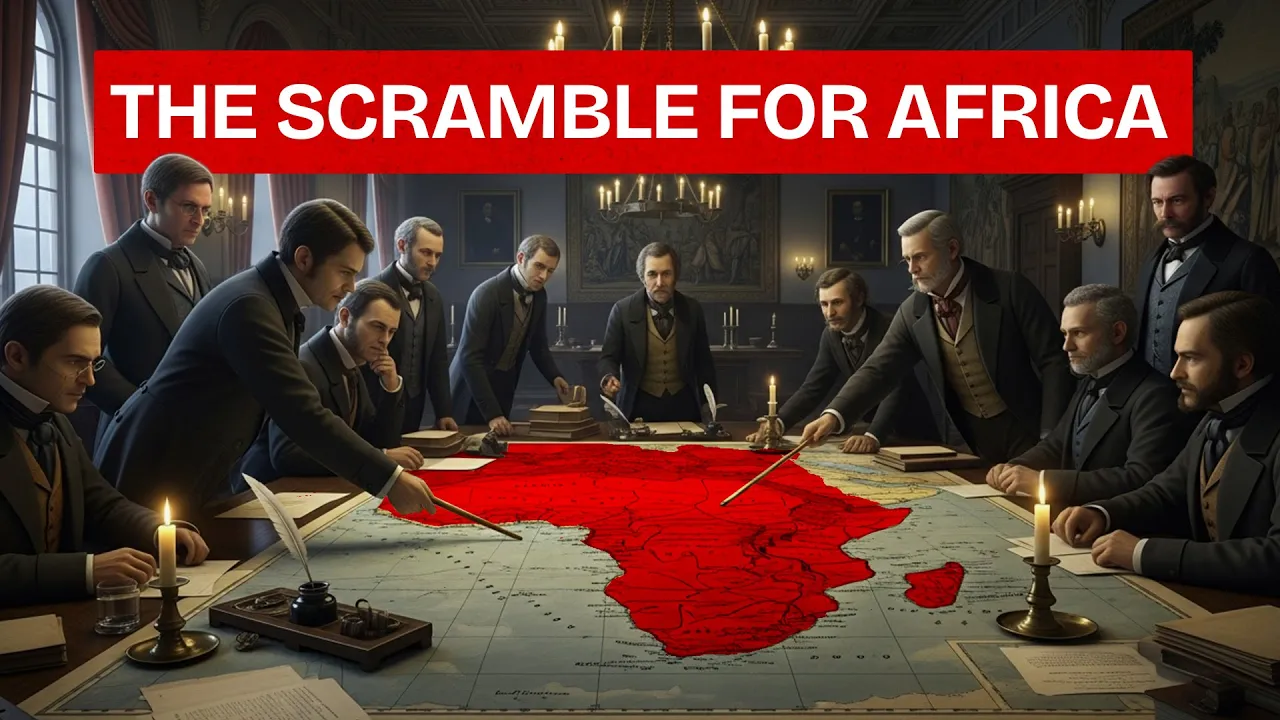
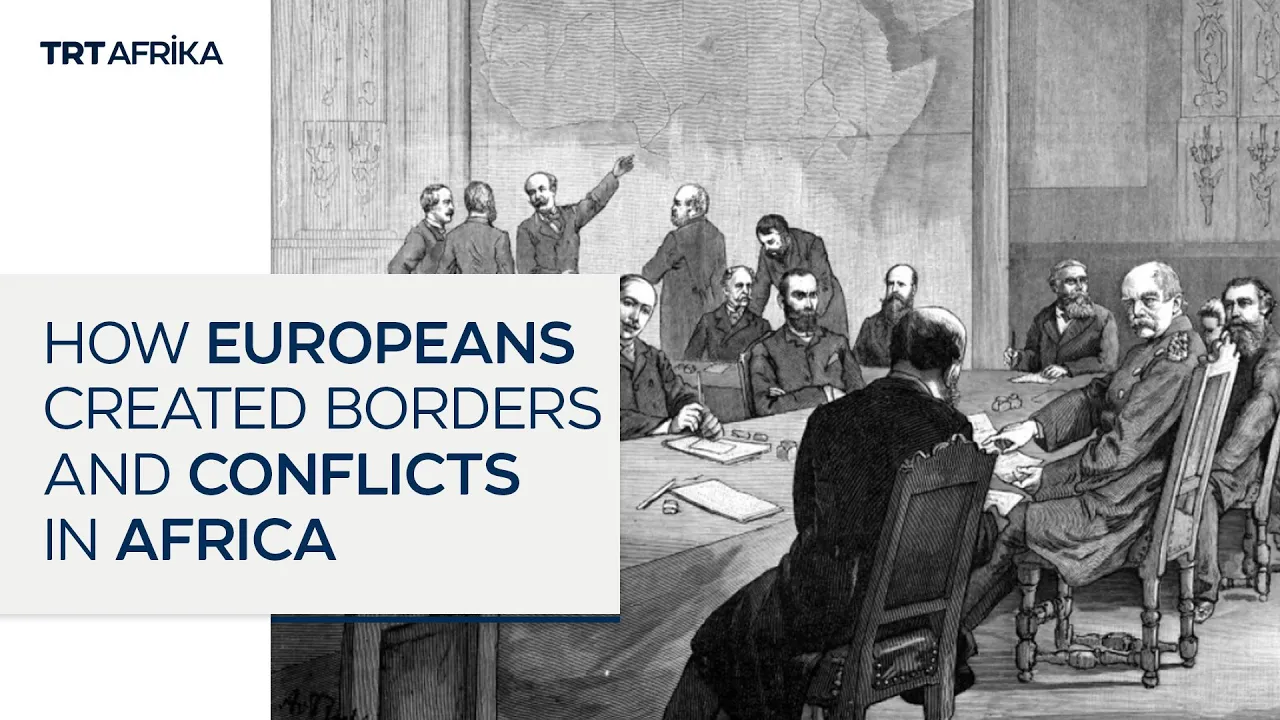
The Berlin Conference of 1884-1885 was a meeting organized by German Chancellor Otto von Bismarck where 14 European nations divided Africa's vast territories among themselves without African representation, establishing the principle of 'effectivity' that required colonial powers to demonstrate actual control over claimed lands; this conference formalized the 'Scramble for Africa,' resulting in the artificial division of the continent into 50 colonies that merged different ethnic groups and created borders that persist today, causing long-lasting political, social, and economic challenges for African nations.
The Berlin Conference 1884-1885: The Scramble for Africa Explained
Added:The definition and core motivations of 19th-century European Imperialism, including the economic drive for raw materials and new consumer markets.
The impact of the Industrial Revolution in providing Western nations with the technological and military superiority (such as steamships, quinine, and maxim guns) to penetrate the African interior.
The political landscape of late 19th-century Europe, particularly the rise of a unified German Empire under Otto von Bismarck and the delicate balance of power among European rivals.
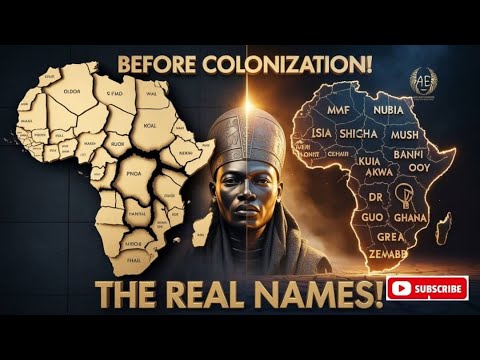
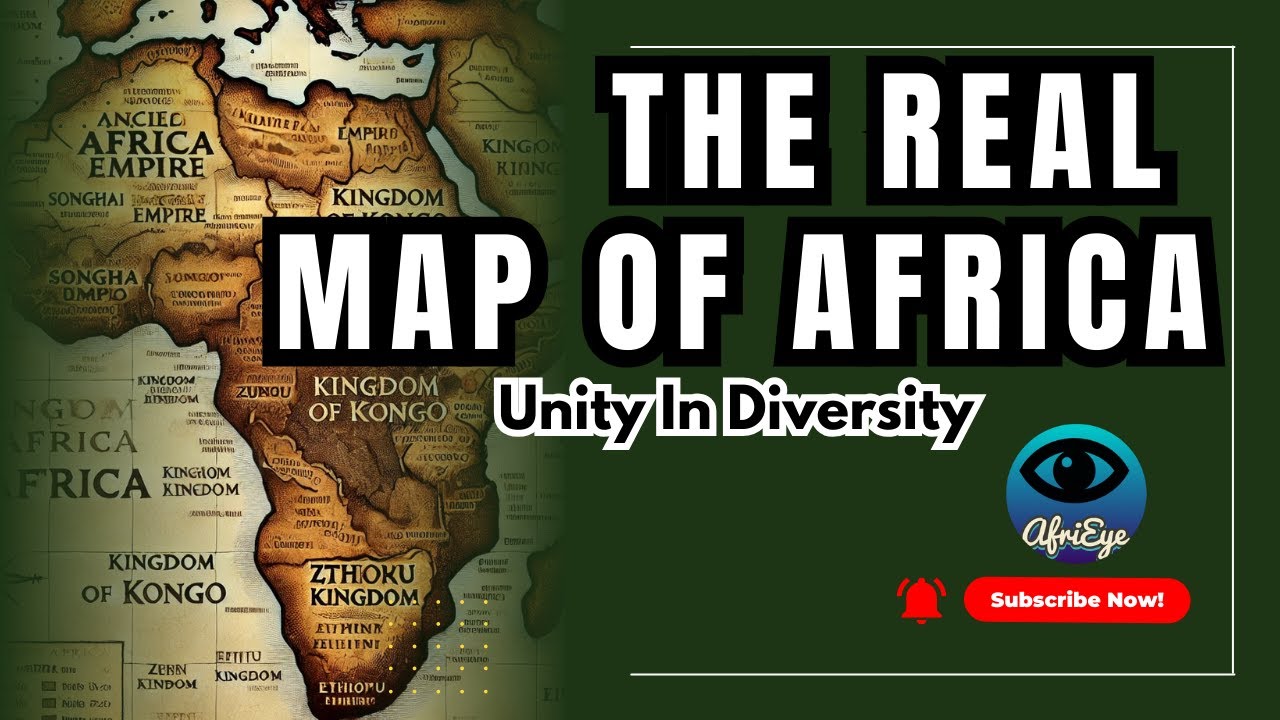
An understanding of pre-colonial African geography, recognizing that the continent was already populated by diverse, sovereign empires, kingdoms, and distinct cultural societies.
The specific methods of colonial governance utilized by different European powers, contrasting British 'indirect rule' with French 'assimilation' policies.
The various forms of African active and passive resistance to European encroachment, such as the Battle of Adwa in Ethiopia and the Maji Maji Rebellion.
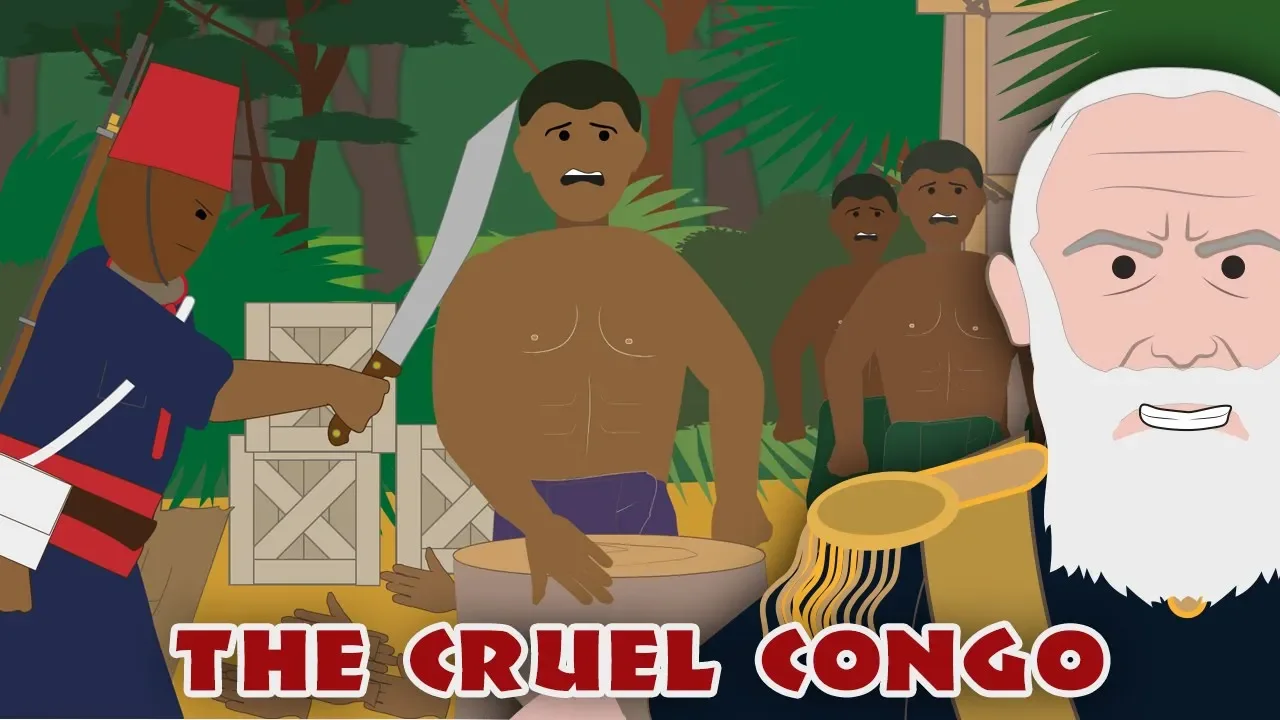
The human and economic exploitation of the Congo Free State under the personal rule of King Leopold II of Belgium.
The long-term legacy of the arbitrary borders drawn during the conference, specifically how they contributed to post-independence ethnic conflicts, political instability, and modern border disputes.
114.1K views2Klikes17:40Original Release: 2022-05-30
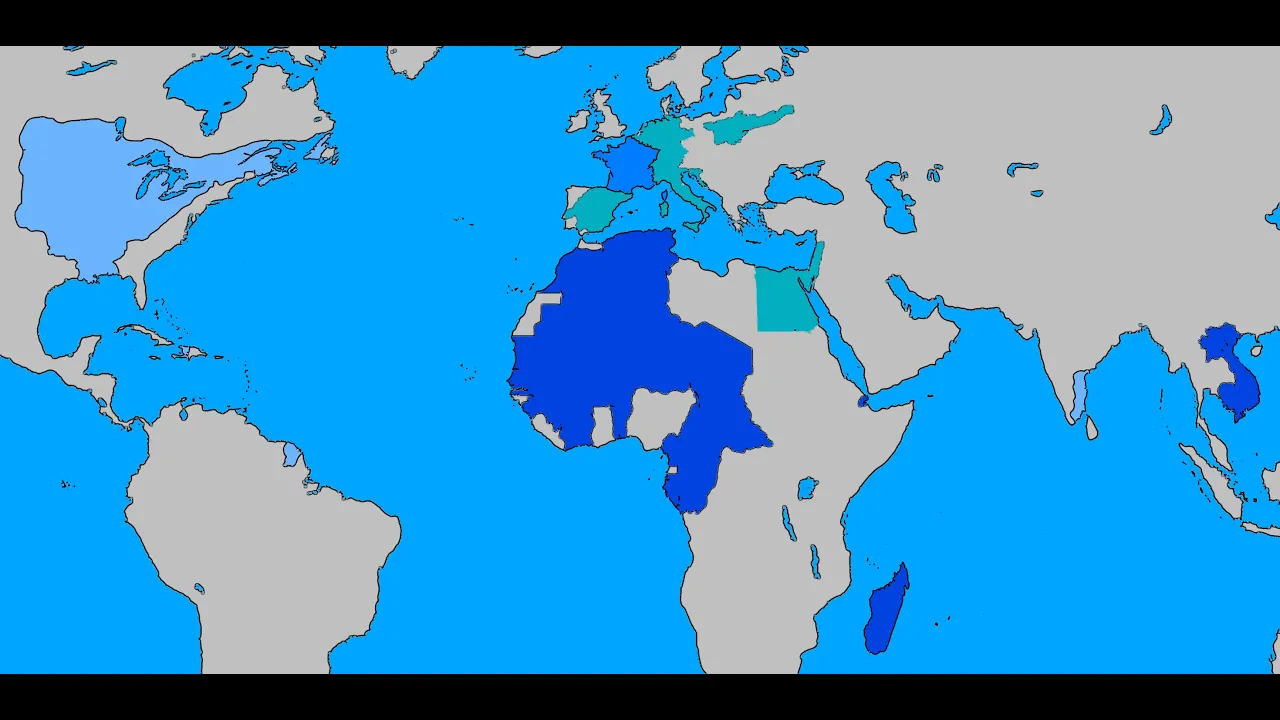
[Music] for 14 weeks and five days between november 15 1884 and february 26 1885 european countries prepared and cooked their plans on how to share africa like a piece of cake they called it the berlin conference it was at this conference in berlin present-day germany that african lands were divided on a map while the africans themselves were exempted from the meeting it was not an omission of invitation or a simple oversight rather it was a large-scale legalized daylight robbery africans were considered irrelevant and incapable of making meaningful decisions on what happened to or on their lands since they were uncivilized according to these european invaders they needed help and the participants of the berlin conference were to be their saviors towns lands and rivers were all portrayed on the map that hung on the wall with just a ruler and pencil borders were formed territories were claimed and trade routes were created or removed while historical background cultural laws sovereignty and traditional institutions of a people dating back thousands of years were completely ignored and just like a piece of cake africa the second largest continent in the world was shed at a conference table [Music] the berlin conference was organized by otto von bismarck the first chancellor of the new german empire who was concerned with securing portions of the continent within which exploration had begun the conference birthed the general act of the berlin conference which had been nicknamed the scramble for africa the conference consisted of top european nations who were invested in exploring the resources that abound within the continent this was justified under the guise of civilizing or developing the countries which they considered barbarian and primitive this paved the way for the colonization of the african states by the western countries and eventually robbed a continent of its rich cultural heritage and linguistic diversity by the time most of these countries would gain independence from their colonial masters during the 20th century great damage had already been done the structures and systems that had been laid down by the colonizing nations made inadequate provision for self-sufficiency and thus had a great dependency on their colonizers for survival so how did the berlin conference come to be and what impact did it have on africa as a whole [Music] there was a general belief by the europeans that africa belonged to no one in particular and had to be claimed and developed when the berlin conference took place no african individual or leader was present ironically africa had experienced a great deal of development before the europeans by the 13th century different empires within africa had attained global prominence drawing the attention and curiosity of the western world some stories about the level of wealth contained within the continent seemed too good to be true but with the discovery of the congo river basin in 1874 by henry morton stanley there was certainty about africa and its rich resources one of the leaders who was very interested in these discoveries was king lopez ii of belgium leopold had previously formed the international african society which had a mission of civilizing africa he teamed up with stanley and eventually created the international congo society this was similar to the former society but had more goals added to be achieved by the society but leopold was far from business in siemens he was a strategic and cunning leader who wanted to advance his personal wealth with africa's resources he began sending explorers who doubled as his representatives in laying claims over a wide expanse of land at the center of the continent and the cause of his civilization agenda for africa he secretly bought off investors in the international congo society stanley went to the area to try to establish the congo free state this was while other european nations were also in the scramble for congo france on discovering leopold's hidden agenda sent their own explorer pierre savagnan the braza who created brazzaville and mounted the french flag while portugal laid claims as well on the congo area which they backed by treaty signed with leaders of the ancient congo kingdom [Music] other european countries began taking interest in a continent of gold they had heard rumors about and this resulted in competition and great conflict between these nations that were claiming different regions of africa great britain and france were both having conflicts over west africa portugal in egypt and britain in east africa leopold and the french also had conflicts in central africa over the congo area the german chancellor otto von bismarck whose country was considered an imperial power also picked up interest in laying claims to african lands he sought to resolve these conflicts by calling for the berlin conference bismarck felt these conflicts arose because there was no equal distribution of access to the economic advantage africa provided and called for the conference to resolve these irregularities this proves that the purpose of the berlin conference was largely economical and not for developing the african states countries such as the austro-hungarian empire belgium denmark france great britain italy the netherlands portugal russia spain sweden norway and the ottoman empire were represented at a conference the conference began on november 15 1884 and went on for 14 weeks and five days ending on february 26 of 1885.
in the berlin conference territories claimed by european countries were to be legalized formalized and then drawn on the map to avoid further conflict trade rules were also agreed upon amidst colonies and a framework for colonizing territories was created explorers were to be sent out to explore the african land then they would proceed to offer protection to the indigenous people of that land by signing treaties with them finally the european explorers or ambassadors would return to their home country with the treaties signed then the government of that country would inform or negotiate with other european countries so that their claim over the african territory would be recognized and uncontested in all of these establishments africans were not included or considered although it was their land that was being divided they were regarded as incapable of ruling themselves it would also be interesting to note that most of the time the indigenous rulers did not even understand what the treaty was about or what they were signing in some scenarios these treaties were signed by makeshift leaders who did not exactly have the authority to do so however one african leader saw through the tricks of the europeans menelik an important leader in ethiopia who would eventually become emperor wrote a letter to the participants of the conference clearly stating that ethiopia would not be needing their protection although his letter was ignored ethiopia and liberia were the only african states that were not colonized in the scramble the sultan of zanzibar begged to be present at the conference but to no avail little did he know that he was to be part of the main topic of discussion [Music] the general act was the outcome of the berlin conference and it made provisions for different trade routes and the framework for colonization it addressed different issues bordering on the colonization of the african states it confirmed the congo free state as the private property of king leopold ii and also confirmed the free trade proposal by making the niger and congo rivers free for ship traffic the general act also included the signing of the international prohibition of the slave trade more importantly it established the principle of effectivity which stated that powers could only possess colonies if they actually possessed them this also meant that any country which wanted possession of any territory in africa would notify other signatory powers for formalization and recognition the berlin conference was a glaring disregard for africans the europeans saw their views opinions and ownership over their lands as irrelevant 14 countries were duly represented at the conference and at its conclusion 8 out of the 14 countries started possessing different parts of the african regions the six other participants such as austria-hungary russia denmark the netherlands sweden norway and the united states did not take any formal possession of any parts of africa however by the end of the 19th century all african states except ethiopia and liberia had been colonized by the europeans after the berlin conference ended in 1885 it led to the creation of african countries by forcefully merging different ethnic groups cultures languages and people this of course overrode the existing groupings boundaries and regions within the continent the conference legalized what was not legal and created a grant for cooperation between the european countries on taking over the african states the european countries claimed to offer protection to the countries they overtook the 1884 and 1885 berlin conference would not only be the birthplace of colonization but also the conflicts within and without countries state and ethnic groups that still exist to this day the robbery did not only end with land and territories but also cultural artifacts treasures and resources yet to be regained by the continent it was obvious that the europeans were wolves in sheep's clothing thrilled by the desire for acquiring africa's natural resources for the betterment of their countries as such there was a need to secure their portions to maintain their industrial sector which was just starting to grow to achieve this they had to secure african territories that would readily provide them with the resources they needed and a market for the goods they produced a total of 50 countries were carved out of the scramble for africa great britain took control of egypt sudan uganda kenya south africa zambia zimbabwe botswana nigeria and ghana france took a better part of western africa from mauritania to chad and also gabon and the republic of congo belgium and king leopold ii controlled the democratic republic of congo while portugal took mozambique in the east and angola in the west italy got hold of somalia then known as italian somaliland and a portion of ethiopia later on germany took cameroon namibia and tanzania while spain got the smallest territory which was equatorial guinea the only spanish-speaking country in africa [Music] the berlin conference which lasted for over three months still evaded serious problems and questions that were left unanswered many of the representatives had not stepped foot on african soil and somehow assumed they could understand and manage the complexities of the african states the sovereignty of the african state was not recognized yet treaties were needed to be signed to legalize the relationship between both parties this in itself was contradictory to the claims of the european states although the general act seemed to prohibit the slave trade it is on record that over 10 million africans in the congo area died under leopold's leadership due to starvation diseases and war the act was used to gain approval and legitimacy in the public eye by the european countries but did not in any way elevate the sufferings and conditions of the locals under their colonial masters the locals were brutalized and used to further his selfish interest the concept of free trade was unrealistic as many of the colonizing countries would not readily allow free trade within countries they had invested heavily in colonizing for instance the congo was operated as a monopoly under leopold's rule the conference we tried to curb the scramble for africa further enhanced it it was presented as a means of creating a platform for peaceful claiming of african states by european states but it also had its hidden agenda germany and britain were interested in africa to promote their ambitions and retain their position as the number one global power over the others and not for peaceful colonization as assumed [Music] the berlin conference holds entirely different consequences for the continent involved for europe it was just a failed enterprise while in africa it created long-lasting damage that is still visible to this day some of the damages done by colonization have been said to be too large to be repaired even after gaining independence most of these colonized african countries are still ill-equipped to be well-run by themselves greed and corruption are the order of the day and conflict still exists within the african borders some african diplomats have called for redrawing the african map and redefining the boundaries laid by the colonial masters but there are also fears that this might aggravate an already politically tense climate these fears have created another group of the opinion that the colonial boundaries be respected nevertheless this does not suffice for the damages that run deeper in the cracks within the continent it has been 137 years since the berlin conference ended and one can only help but wonder if africa would ever recover from the effect of the european invasion and plunder [Music] we always have more stories like this to talk about so do not hesitate to like and share this video with your friends you can subscribe to our channel and turn on the notification bell to receive the latest videos as they drop also if you would like to know more about the difference between french and british colonialism in africa do check out our next video [Music] you
Up Next
44:54
The Scramble for Africa: Independence and Its Aftermath | History Documentary
@aljazeeraenglish
2.2M views•2010-09-02

33:02
The Great Schism of 1054: Causes and Consequences
@SacredCathedrals
113.5K views•2026-02-19
28:07
13 Powerful African Queens and Their Legacies of Leadership
@HistoryVille
1.1M views•2020-05-28
17:05
Understanding the Cold War: Superpower Conflicts and the Road to Détente
@OverSimplified
46.1M views•2019-01-24
Related Study Plans & Knowledge Roadmaps
Structured learning paths in History
history
Byzantine Iconoclasm: Theology, Art & Politics
01Foundations of Byzantium and Early Christian Images
02The First Iconoclasm: Leo III and the Crisis of Images
03Empress Irene, Nicaea II, and the Second Iconoclasm
+ 2 more learning modules
9h5 modules
Explore Roadmap
history
Iranian Revolution (Causes, Events & Legacy)
01The Pahlavi Dynasty and the Roots of Discontent
02The Spark of Rebellion and the Rise of Khomeini
031979: The Fall of the Shah and the Climax of the Revolution
+ 2 more learning modules
8h5 modules
Explore Roadmap
history
Mali Empire: Mansa Musa, Trade & Timbuktu
01Foundations of the Mali Empire
02The Trans-Saharan Gold and Salt Trade
03The Reign and Pilgrimage of Mansa Musa
+ 1 more learning modules
6h4 modules
Explore Roadmap
history
1947 Partition: Politics, Borders & Legacies
01Foundations of British India and the Divide
02The Political Negotiations and the Mountbatten Plan
03Drawing the Boundary: The Radcliffe Line
+ 2 more learning modules
8h5 modules
Explore Roadmap