




![| DAY BREAK | Kenya-France: What's next? [Part 1]](https://i.ytimg.com/vi/eTKbku_psow/maxresdefault.jpg)

















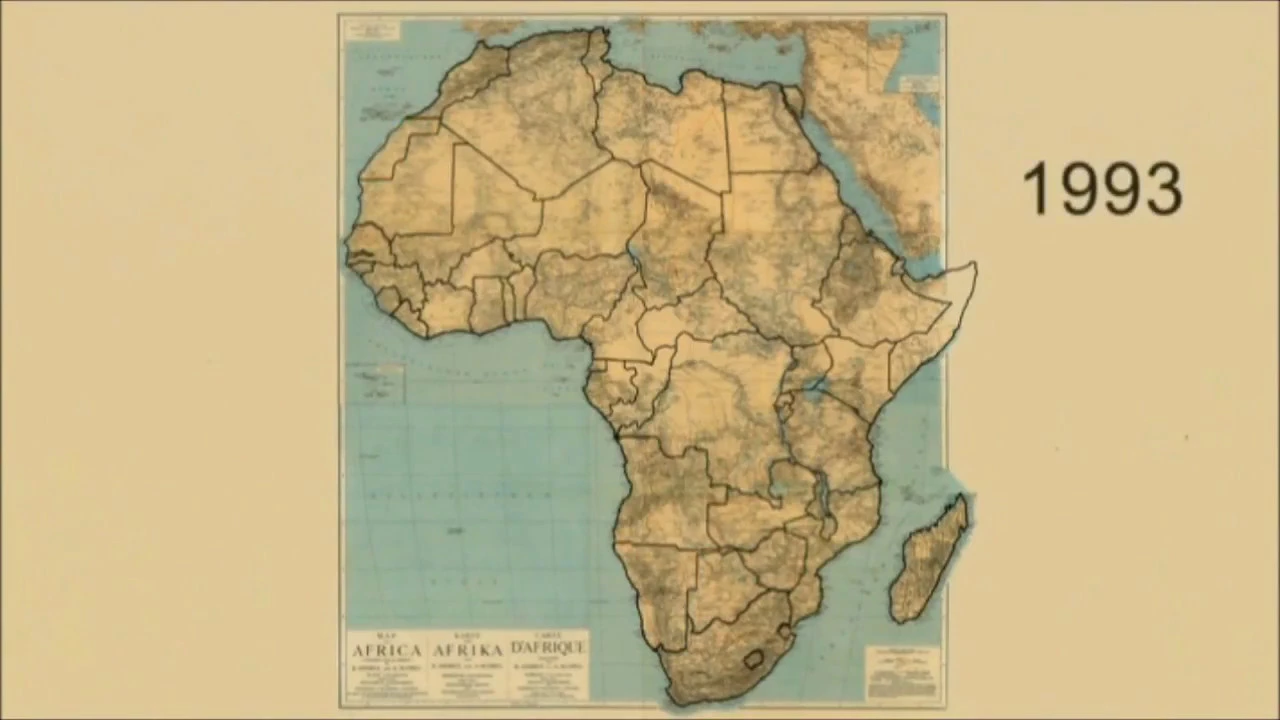
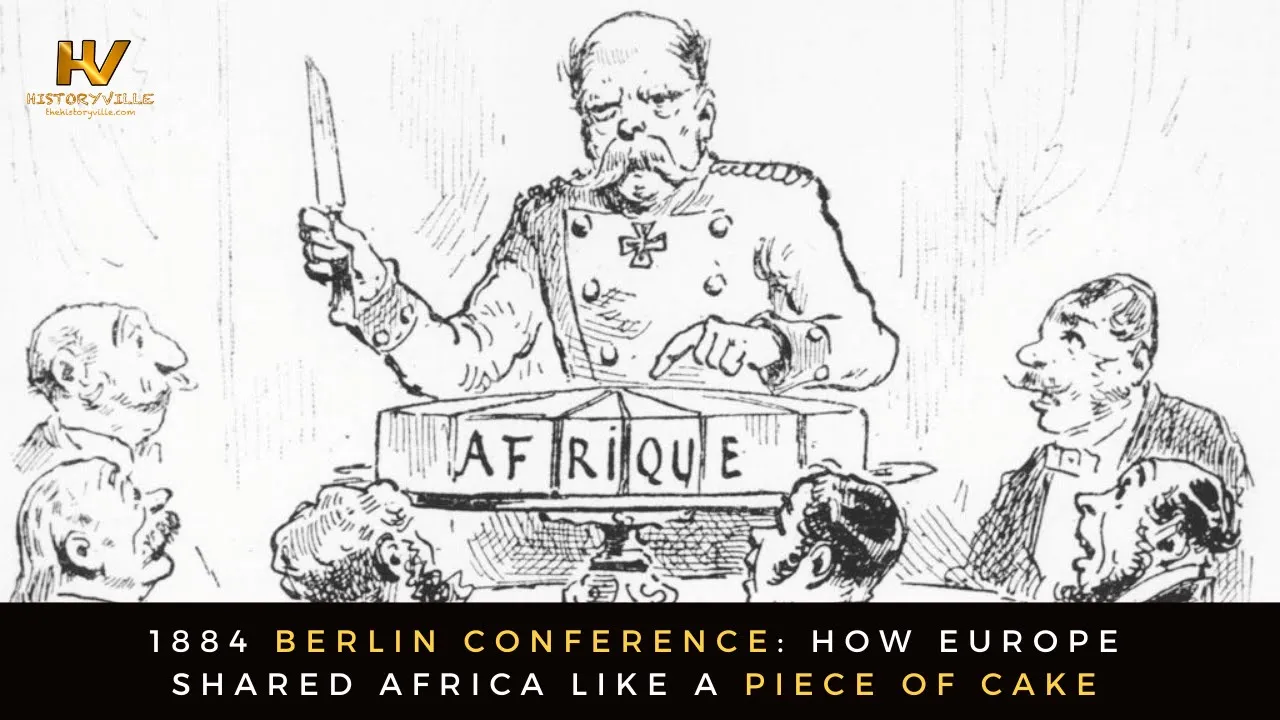
The Scramble for Africa (1880s-1914) saw European powers carve up the continent through the Berlin Conference, establishing arbitrary borders that ignored ethnic and cultural divisions, which later fueled ethnic conflicts and political instability; despite gaining formal independence in the mid-20th century, many African nations continued facing resource exploitation, military coups, and neocolonial economic relationships, demonstrating how colonial structures persisted even after political independence.
The Scramble for Africa: Independence and Its Aftermath | History Documentary
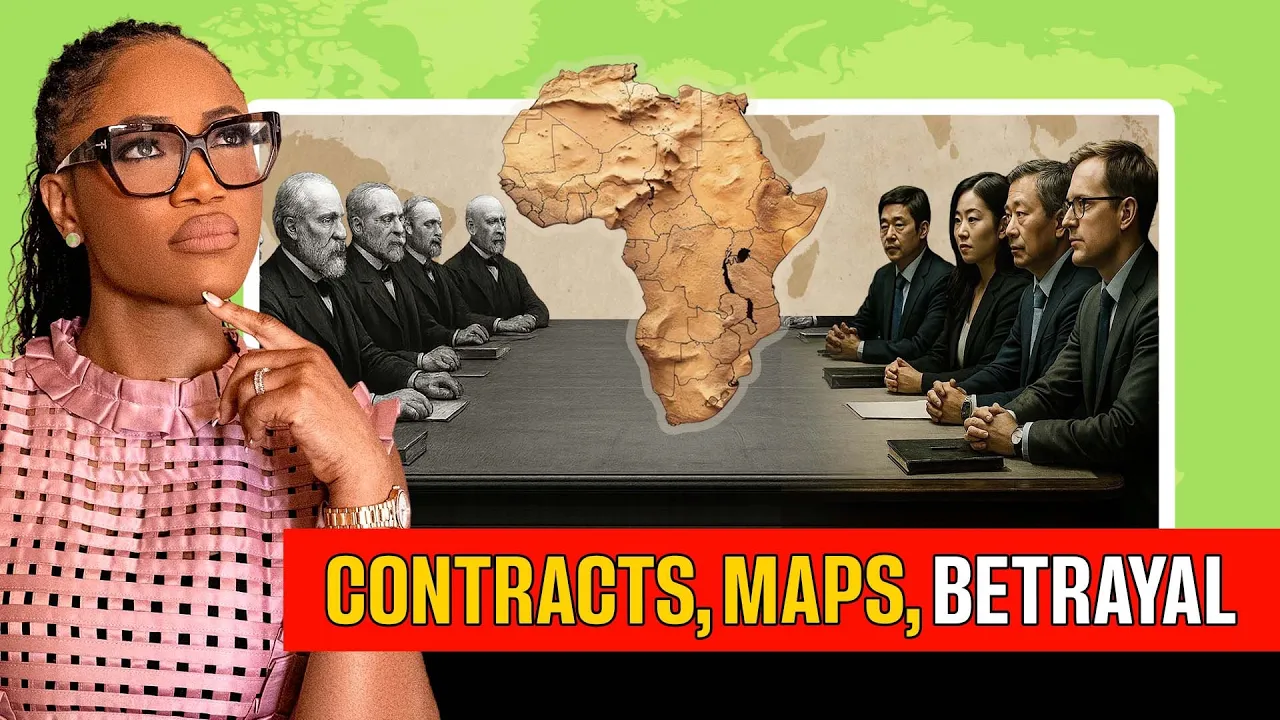
Added:The Berlin Conference (1884-1885) and the initial partition of the African continent by European colonial powers.
The fundamental differences between colonial administration styles, such as British indirect rule versus French assimilation policies.
The global geopolitical climate post-World War II, specifically the economic weakening of European empires and the rise of the United States and the Soviet Union.
Basic economic principles of mercantilism and how colonial economies were structurally designed for raw resource extraction rather than domestic development.
The concept of 'Neocolonialism' and Dependency Theory, examining how foreign economic influence and debt persisted after political independence.
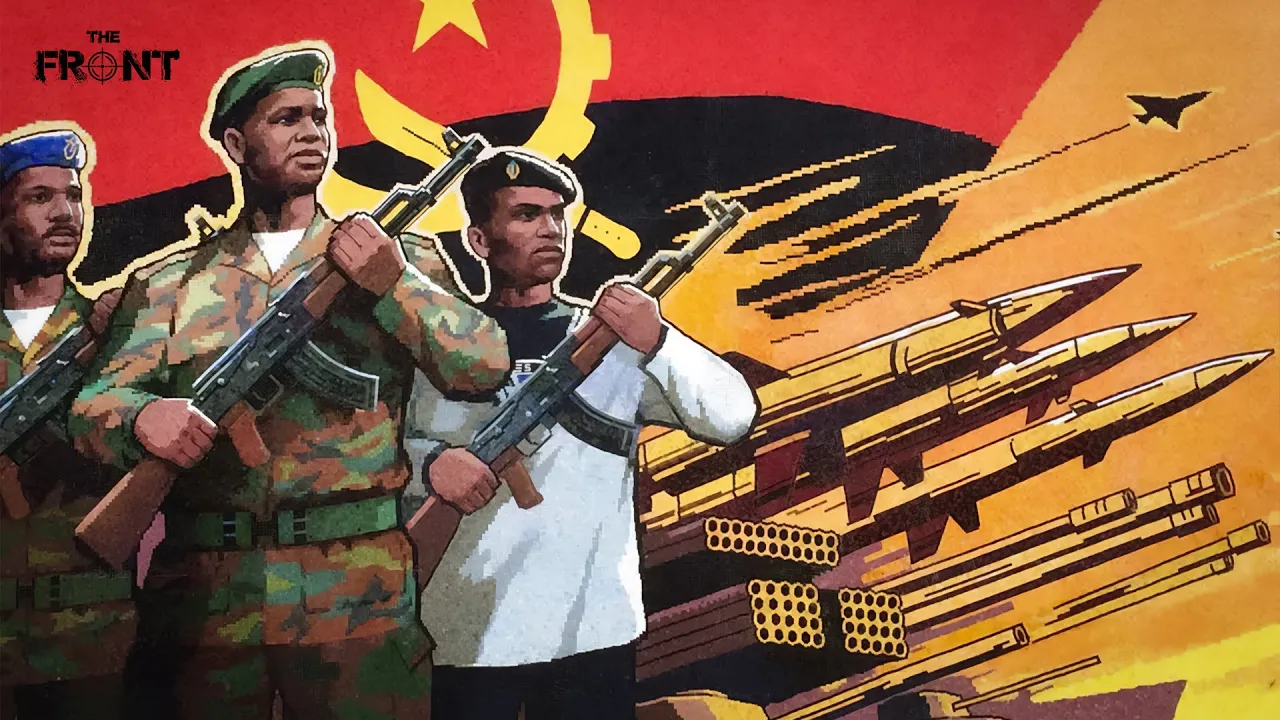
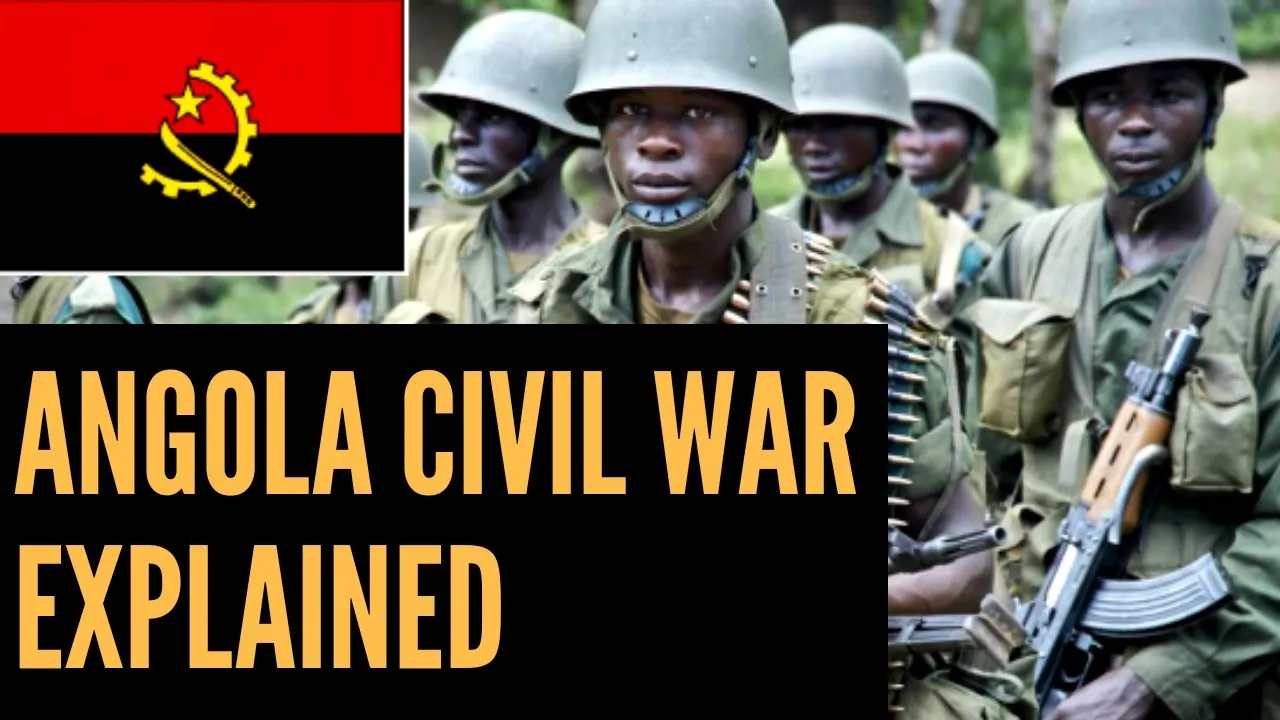
In-depth historical case studies of Cold War proxy conflicts and leadership transitions in Africa, such as the Congo Crisis and the Angolan Civil War.
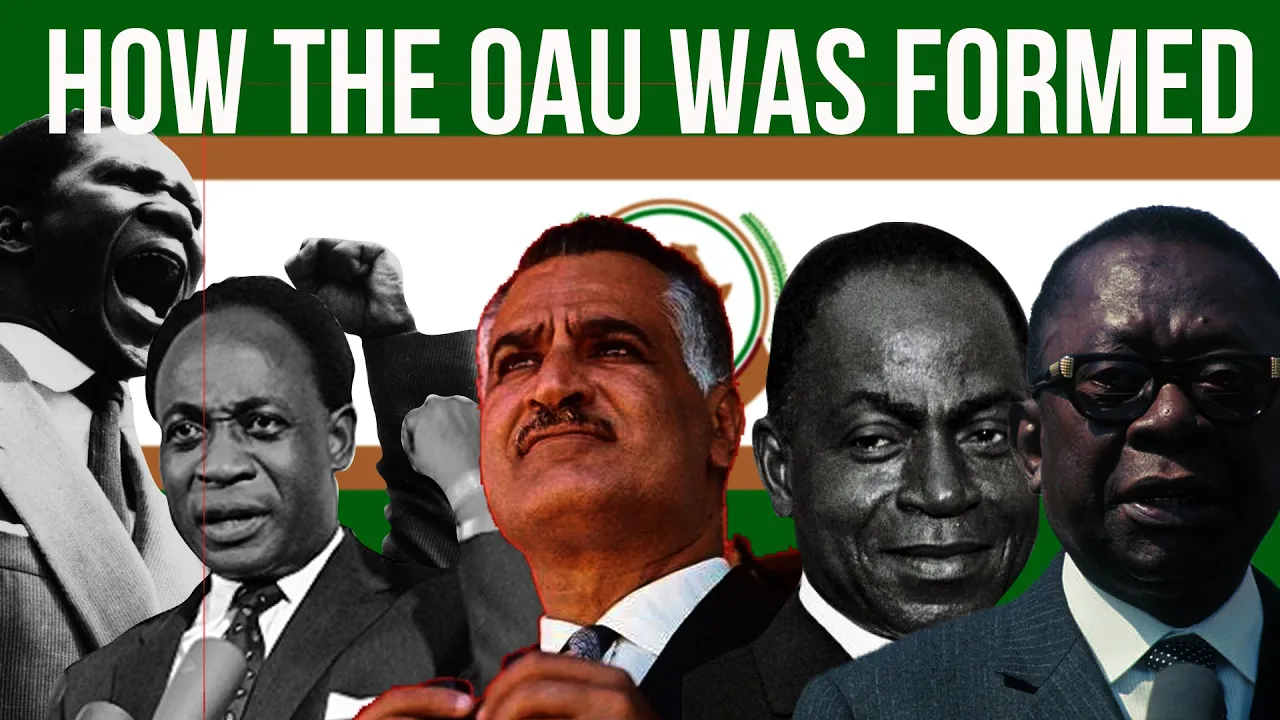
The ideological origins of Pan-Africanism and the creation of regional bodies like the Organisation of African Unity (now the African Union) to foster continental self-determination.
The modern geopolitical 'New Scramble for Africa,' analyzing contemporary infrastructure investments, resource extraction, and soft power dynamics involving China, Russia, and Western nations.
2.2M views11.8Klikes44:54Original Release: 2010-09-02
[Music] big dream big hope it was in a very romantic period this year 17 African nations Mark 50 years of independence from Decades of European colonialism one continent hungry for another's riches European imperialism in Africa uh set up the continent to be raped its resources just sucked out the dream of the independence era were to be shortlived the initial Euphoria disappeared very very quickly within a year maybe two years this is a story of mass exploitation of the Ecstasy of Independence and of how with Liberation a new Scramble for resources was born [Music] [Music] whether in bustling cities or remote Villages the 1880s and '90s were years of terrifying upheaval in Africa people were killed Villages were destroyed political systems were completely destroyed leaders were arrested put in jail Fleet upon Fleet of foreign soldiers armed armed with new weaponry and a sense of entitlement descended as if overnight that was traumatizing this was a face of their European trading partners people had rarely seen United in their cause but divided in their efforts armed resistance failed in the space of just 20 years 90% of Africa was brought under European occupation Europe had captured a continent gun Bo diplomacy in many instances the British did not actually have to go to war uh just a threat of war the fact that there were all this big powerful guns um um was enough to force the local Chiefs to to sign a treaty all this because of massive sea changes not in Africa itself but in Europe which was in the throws of the Industrial Revolution the Advent of the machine was transforming the continent into the workshop of the world a workshop in need of raw materials palm and peanut oil would literally Grease the engines of the Revolution modern Transportation would need rubber for tires and Europe's prosperous middle classes now demanded luxuries from overseas this was the dawn of industrial scale production modern capitalist economies and mass International Trade thanks to a generation of explorers and Traders the great Powers knew what riches lay in Africa Britain and France already controlled most of the continent's ports Africa had um had diamonds it had gold it had cobal it had lots of things it had um Coco they had lots of things that um that Europe needed but in the new industrial era the value of Africa rocketed not only for materials and strategic trade rout but also as a market for the goods it now produced in bulk Africa was an opportunity the Africans wanted to trade right from the word go they wanted to sell their Labor uh they from from Malawi and Northern Ria they used to go down into South Africa you had a movement of people people wanted to learn they wanted to meet each other uh and and and and uh so it was a natural thing that the outside world should get involved with Africa but the Scramble for Africa wasn't just about economics colonialism had become the fast track to political Supremacy in Europe britan may have ruled the waves but Germany was Rising after victory in the Franco prian War meanwhile the defeated French Empire sought to regain its glory and a new unified Italy was also growing in strength Europe was a continent in the ascendancy whose nations were vying for Supremacy and back in Africa their competing Imperial armies were pushing Inland and this looked set to bring them into major confrontation the Rival Powers convened around a conference table in the German capital and in February 1885 signed the act of Berlin an agreement to abolish slavery and allow free trade but the ACT also Drew new borders on the map of Africa awarding territory to each European power and turning trading partners into subjects of Empire it legalized the Scramble for Africa what it did was it carved up what were between what a thought to have been about between 6 and 10,000 political units in Africa and they were then carved up often cutting peoples in half um water tables just sort of cut off from their sources it was just it was complete geographical Madness simply Drew lines on the map places where they had not even been yet they had no idea what was there Africans were not aware that there were conferences being organized in Berlin to determine about them no they did not know about it they only saw the consequences but the governments of Europe were at pains to stress that their foray into Africa weren't just the product of vested interest the beneath train tracks and shipping lanes lay a moral justification which caught the public imagination and they Justified it by saying that they were bringing civilization and Christianity to these bited uh primitive people the white men's buden beautiful language so the European politician and the theoretician of colonialism to explain to their people why should we send our children to tonen the golf of tonen to Vietnam why should we send them to die in the malaria infested part of Algeria or black Africa and so on white men's burden we have to bring them the light a partnership with the church in Africa offered the colonialists an insight into living conditions and the social services that would be expected of a supposedly benevolent Empire but it also delivered a moral pretext Europe had long harbored an image of the Dark Continent wild exotic and in need of Enlightenment for Christian missionaries and for many colonialists their project was a humanitarian one I didn't see the Colonial service um as as racist uh after all I'd come across real racism in southern Ria and and South Africa well when I was at school in South Africa I had no African friends there was no contact between uh white people living in South Africa at that time and U African people on a basis of equality it was all uh master and servant and uh this was these were the days of apartate I just could not accept the idea that every white man was Superior to every black man I knew that this was just nonsense you cannot dominate a people without giving him a sense of inferiority racism is part of a colonial system white supremacy was in exercise was in practice in all the colonies as far as I was concerned um uh uh being able to get into the Colonial service was exactly what I wanted because I I I thought and I knew that the British government had the right idea towards Africa and Africans and I wanted to have a normal relationship because I loved Africa black men and white men were not equal even if they were all citizens there was a limit as Africa was brought under Colonial rule the lines edged on a map at Berlin were now drawn on the ground between them Britain and France had the Lion's Share of territory among Britain's colonies were key ports in Egypt the Gold Coast now Ghana and Nigeria and settler colonies in Zimbabwe and South Africa excluding Libya France controlled the rest of arabic speaking North Africa as well as large federations in West and central Africa Belgium had taken the vast Congo colonies taken by Spain Italy Portugal and Germany were relatively few and only Ethiopia and Liberia remained autonomous was difficult to explain how people who made so much money in the slave trade the BR ports of Bill of England of France and so on for hundred of years they invested in it suddenly found that is what we are doing is Despicable something happened you only can explain that because imperatives have changed they wanted now to have access to the resources the 19th century abolition of slavery in Africa failed to bring freedom instead once colon armies had expelled the slave Traders people began to realize they simply had new Masters to [Music] [Music] serve gold and diamonds cocoa Ivory Rubber and cotton intensive exploitation swept through the continent as Africa delivered on its Promises of Untold riches Bound for the duck yards of of Europe by the end of the 19th century it had helped Crown Britain the PowerHouse of manufacturing with a massive share of world exports half of all cotton goods and 80% of all clothing the French built their business plan on two materials crucial to Industrial Europe groundnut and cotton but in colonizing the Sahara and Staffing an elaborate Administration they struggled to see profits France didn't simply want to rule an area they wanted to assimilate a population African towns were remodeled to replicate Dion or Mar and the more French a person became the better their chances in life it was an attitude to Africans that they were proud of but even the gift of citizenship wasn't quite what it seemed I remember I come from a family in which we don't speak French but when we went to the elementary school we had to learn French so during the first year to be honest with you we just remain quiet we learn how to recite the alphabet and bit by bit we learn some French word because it was forbidden to speak a mother language the French ideal of cultural assimilation proved grossly misjudged the colonies were founded by French military men to the exclusion of existing leaders their heavy-handed rule often created grievances among African subjects but remote communities in places like Chad were able to evade the daily influence of French rule alt together only in Sagal the seat of French West Africa did a privileged few find a political voice if the goal of building France in Africa succeeded in bricks and mortar it largely failed in hearts and Minds the contact was a contact of inequality in other words we were made to believe as if we had no civilization no culture that was very traumatizing indeed while the British rejected the French policy of cultural colonization it still often happened in practice for my father's Generation Um the the relationship um with England was completely on critical uncomplicated um they they went to church they had a British education they loved Shakespeare they listened to uh the BBC World Service and they were just um they spoke English with a clipped actually um English accent and they referred to England as a mother country even though very few of them actually had the opportunity to travel to England aside from the settler States most British colonies saw only a small click of British officials installed main part of the job was to go out on Village to Village touring and you'd uh you'd go with the chief um you'd have meetings at uh villages with a village headman you'd ask them if there were problems you you look at their crops you'd you talk about uh development or a dam or whatever you kept in close touch with the people and incidentally you would speak to them in their own language it was terribly important to learn the local language as quickly as as possible the British mainly took indirect control by appointing local leaders to manage the colonial Mission but ruling by proxy created huge variations in practice and fostered enity between tribes and ultimately African leaders working for the British lacked credibility in the eyes of the people when the white administrator in his Bentley or in rollsroyce with the Union Jack appears there is no question there are no two there are no two sources of authority there is only one Authority it is the authority of the king or the queen one man at the conference of Berlin walked away with his own private colony and showed what colonialism looked like at its very worst King Leopold II of Belgium had originally founded a committee to civilize Africa convincing the Berlin delegates that he merited a territory 2.3 million square m in size the Congo free state but instead of improving the Congo his 23-year Reign was so brutal that the population hared while Leopold and his men amassed huge personal fortunes men women and children were forced to collect huge quotas of rubber for export those considered workshy could face a punishment of hand amputation or Worse dunlop's invention of the pneumatic tire in 1888 increased the price of rubber the profits of Leopold and the misery inflicted by his men when you look at conga under King Leopold you realize the whole Imperial Venture in Africa could have been a great deal worse I mean that was just pure looting um and Africans who didn't um allow themselves to be enslaved were just killed by 1903 reports of atrocities compiled by Christian missionaries and British envoys reached the World Press Leopold was exposed but it took another 5 years for the Belgian government to finally repossess the con from Leopold adits a state cover up the British the French the Germans the before 1918 of course the Belgian use taxation they use Force labor for the Enterprises for it was the same practice almost ever before from the point of view of the African there was a unity in the colonial system the imposition of European rule was at best a Bittersweet encounter in many places rapid development came at the expense of personal freedoms development designed to help the European project as much as to help African society roads were built planned by the European the France or the British or the belgians does not matter roads were built schools were built with a taxation imposed upon the people colonization is always a system of high planning but the planning is not done democratically the planning is imposed by the Masters all the infrastructure that they built the railways and the roads were were traveling from mines or plantations to the port it was about sucking Africa's wealth out of it and you can contrast that with India say um where actually it the the railways and Roads Linked UP towns it India was linked up internally but in Africa it was about getting the resources out the Scramble for Africa may have delayed conflict in Europe but it couldn't prevent it the outbreak of World War I in 1914 called on Africans to make the ultimate sacrifice for their mother country even if they had never set foot on its soil at least 165,000 Africans are thought to have died in the fighting and in the second world war France and Britain's dependency on African troops peaked at around half a million men the plunder of Africa's Human Resources had caught up with the plunder of the earth younger people of my generation were drafted to go to Vietnam they fought in France against the Nazi against the Germans they fought in Algeria in Tunisia Against The Liberation movement there [Music] no there was no choice but to do it tens of thousands indeed of Africans of all confession Christians non-christians Muslims Arabs and blacks who made that Force for deal the leader of free France their show of loyalty would not go unrecognized after war war I there were reforms in the colonial system the French begin to introduce in their constitution of 1945 and 1946 the idea of extension of citizenship to all people regardless of his or level of Education the British began to appoint Africans to the assemblies in their respective colonies and so on but it was too late to buy loyalty to the Empire War had released a powerful Genie from a bottle African nationalism World War II was a turning point in terms of the relationship between all the colonized people of Africa Asia the Middle East and Europe because World War II destroyed systematically the [Music] invincibility of the Europeans they suddenly um found that this white people who back home in Nigeria they had sometimes deied you know they basically lived completely unequal unequal existences um and suddenly they found in in places like Burma that they were just as human as anyone else uh they were Brave they were cowards uh they did everything any human being did and and when they went back to Africa my father's generation quite a few of them became really politicized and um took part in the struggle that ultimately culminated in Independence Africans were about to get a global platform for their struggle with the war's end in 1945 the world powers pledged never again in the form of the United Nations the new UN Charter explicitly promised self sovereignty with a committee dedicated to hear the Grievances of colonized people throughout the 1930s an economic depression had loomed over Europe and the running costs of colonial administrations had soared since the start of the war at the same time Europe's economic crisis devalued the prices of Africa's raw Goods War torn economies now buckled under the burden of running colonies overseas the driver of colonialism once again became a catalyst for change money Britain was bankrupt after the the second world war and it simply couldn't afford to go on running them my grandfather was then working in the Gold Coast and he was sending rice and groundnuts back to his four sons in Britain and they write pathetically grateful letters thank you for sending us this food and I think the irony of that is amazing Africa feeding very hungry Britain but even as late as the 1950s many in Europe allowed themselves to believe the Empire could endure the visit of the Great White Queen that touched the Nigerian imagination instead the colonial Powers were about to discover that exposing their subjects to world events had planted the seeds of their own rapid [Music] downfall the European being in the position of power had one yard stick he didn't use anybody else's yard stick his yard stick was the yard stick but what has happened and most Europeans don't realize it time has changed with this new sense of dignity and this new sense of self-respect a new negro came into being with a new determination to suffer to struggle to sacrifice and even to die if necessary in order to be be free and as the people in Africa and Asia get some power of their own they get a mind of their own the European yard stake Now isn't necessarily the yard stake the Negro came to feel that he was somebody race had emerged as the Touchstone of the postwar World by the 1950s colonial rule had produced an elite of African Nationalist intellectuals and behind them large Urban ized and literate working classes together they witnessed the power of nationalism in Egypt where Gamal Abdel NASA expelled the British and in Algeria where the resistance stood firm in its war of Liberation from France at the same time the presence of the United Nations the rise of the civil rights movement in the United States and the nent anti-apartheid movement focused the lens of world scrutiny on black rights and spurred on colonized Africans in their core for self- sovereignty I'm happy to state that in accordance with your wishes arrangements are now in progress to turn Ghana into a republic Ghana is free in 1957 Ghana became the first subsaharan state to be granted independence by transfer of power to quame and Kuma widely considered the father of African nationalism he was impressed by United States he was a student here the American did some ordinary said the 13 colonies instead of each one becoming independent they came together created a union power is in the union that is explain the American dream and the American realization and so on so he dreamed for something like that in Africa kruma had inspired others with his vision of a United States of Africa men like Leopold seor in Sagal Felix hupet W in kot deoir and Joo kinata in Kenya men who had received Colonial education with the idea of Empire increasingly unpalatable to the voting public European governments had little choice but to work with the nationalists there was an indifference at this stage towards the Empire towards the colonies uh and I found that really rather depressing um you know you'd start try and talk about it in a pub and people say oh shut up have another drink or something there was just this this idea that that colonialism is is wrong and and needs to be got rid of the pressure for for wholesale decolonization had been building ever since the end of the second world war The Tipping Point came on Wednesday the 3rd of February 1960 The Wind of Change is blowing through this continent and whether we like it or not this growth of national Consciousness is a political fact British prime minister Harold McMillan delivered a warning shot to the whites of apartheid South Africa and a death blow to the Colonial Venture across the continent that uh signaled uh to my mind the idea that uh Britain disapproved and the world disapproved of of apartate um and the racism of apartate but it didn't necessarily mean that we were giving up on our role in Africa I didn't think so in fact within 10 months of the Wind of Change speech Britain had surrendered two key African territories France France 14 the rate of decolonization when it arrived was breathtaking many were freed without Bloodshed 1960 was hiled the year of Africa and hurried withdrawals of the colonial Powers continued into the next three decades the transfer power need not indicate that the Europeans suddenly realize that well it's time to give Independence to the native of Africa and Asia no it is in view of the possibility of lar scale War to our subsaharan Africa that the French understood that was better to prepare to negotiate with Nationalist and hence you have the libration movement will you go back to the Congo one day no never do you think that uh it's finished for the Europeans in the Congo yes I think think so but no sooner had African nations escaped the shackles of colonialism than a new battle for the continent was underway the Cold War back when the colonial idea had Europe's politicians Spellbound the Communists had opposed it and throughout their years of struggle African nationalists had found a powerful friend in the Soviet Union these two great Powers America and Russia begin to carve up the world between them independence coincided with the Cold War where uh it mattered whose side the president was in terms of this Global struggle between Russia and America and they both tried to organize coups to get their their people in and this was very destabilizing the Congo Patrice lumba was a Hardline nationalist labeled a communist by America his game of Russian Roulette appeared to have paid off off when in 1960 he oversaw the Handover of sovereignty from Belgium he was to become victim of the opposition between the west and the East between the block Soviet block and the Americans because militia Leaders with control of the mineral Rich katanga Province refused to be swallowed up in a wider Republic led by a Soviet back Lumber fearing their own material losses the US and Belgium supported the rebels and just 3 weeks after bringing the country into Independence lumba was captured by the katanga militian tortured and killed so he became a a legendary figure not for what he did but for what he could represent lumba suffered war in dignities including being forced to eat a speech which he restated his claim to be the Congo's rightful Premier Congo's riches combined with global geopolitics had again proven a disastrous mix and with freedom from overt Colonial exploitation the Scramble for resources was driven underground for a fleeting moment the lumba affair raised the questions of what in Africa would replace the strong arm of colonial rule and whether the national Unity was achievable with hostilities bubbling beneath the surface but in the excitement of Independence this was quickly forgotten I suppose one of the ironies is that the European countries that were Democratic um didn't really introduce much democracy to Africa so when Independence comes and people can vote um many of these countries then politically exploded all sorts of political problems that had been suppressed by Colonial Imperial rule then burst out and many of them like in Congo um practically tore the countries to pieces I think it was a very planned thing frankly and it was only in the last year and a half or so before independence that all of a sudden um with Independence looming um we started to have accelerated programs to to to to to train locals course that that that wasn't enough so in the end we handed over to a country which was not properly prepared for Independence I think that we would have done a afca a lot of good by staying and preparing flat out uh for another five or 6 years but for Africans everywhere decolonization couldn't happen fast enough for that generation of Nigerians it was just um a feeling of complete Euphoria um of Triumph um um of total confidence in the future of Nigeria they really believed that Nigeria was um and and all of Africa I mean they were Pana Africans um they believed very much in the idea that the whole of Africa um was going to rise um from from the shackles of the past dream big dream big hope people thought that Independence will bring about the solution to many problems so it was in very romantic period celebration of Independence dances big projects that Euphoria wouldn't [Music] last I think the' 60s were a very violent decade and so the the the initial Euphoria disappeared very very quickly within a year maybe two years and then from 62 to 1970 it was just um one incident of violence of carage um after another it faded when the military began to seize power and the military are not leaders they are not political figures they only are specialized in what in the use of the weapon and so on they have no political Mission except to maintain the security of the country and so on so you have the coming of new leadership for whom nobody voted that was a terrible fact many newly sovereign states of Africa left with the legacies of occupation and the challenges of State Building were soon consumed by bitter power struggles in many places militia men overran the Nationalist thinkers within the first 20 years of Independence there were 40 successful coups and many more failed ones former British territories were torn apart by ethnic conflict as the Dark Side of ruling by proxy gradually came to light one of the problems with Independence when it came was that the colonial Powers hadn't ruled Nigeria Nigerians as Nigerians they ruled them as Howa people or Yoba people or ebo people they had r Kenyans as Kenyans but as Kyu or luo people and suddenly they all had to be Kenyans Nigerians and um very quickly the politicians naturally look to their own people for their political power base and they and politics became very ethnicized in the 30 years which followed the year of Africa 2 million people are thought to have died in ethnic violence in ex-british colonies alone in the ker basically when the British left in 1960 um they um they they left um a political class that was already even at that point divided against itself they had a system where the Chiefs and the Kings um run things and and and just reported to the district officers in Western Nigeria as a result of this encounter schools were bu churches were built and very quickly an elite an educated Elite um emerged um in the north again with the same system the the the Chiefs and the King said okay we accept you as our colonial power but can you just step you know just stay out of our business of of things and and so they um in most parts of the north they would not allow churches and schools to be built the consequence of that about 100 years later was that there was an imbalance between the North and the South and then ended up in a civil war but elsewhere the problem wasn't the rate of decolonization but the lack of it France redefined its relationship with its African colonies to become the Unseen hand in National Affairs quietly French control was going underground the French never really left when at Independence behind for many years afterwards You' go to a a a Ministry in frankophone Africa there would you would talk to the minister who would be African behind the door there would be a Frenchman um signing the checks doing the accounts reporting to Paris in 2006 president sarosi promised a cleanup of the French foothold in Africa no more secrets real [Music] Independence but B still Day celebrations in Paris this year sent a clear message that they remain as closely interested in the continent's Affairs as they ever were ever since Independence domination of resources has continued to fuel violence in many states with former Belgian Congo still seemingly locked in a vicious cycle of conflict over its mindes African rulers foreign multinationals and governments have continued to strike deals to plunder Commodities and helped National economies already set back by the colonial experience I suppose in the 19th century the Europeans just went in enslaved people forced them to dig and uh and took it all for themselves I think these days there's a complicity between the uh the rulers of Africa and Western companies or middle men mines in whichever country um uh you you're talking about uh needed somebody to bring in the uh the personnel and the equipment to to dig out the minerals um to employ people to continue to dig out the minerals to maintain the place outside investment then as now is terribly important the continuing diversion of minerals isn't the only exploitative practice today Africa is the largest recipient of external Aid in the world a continent where half the population survive on less than a dollar a day but for every a dollar coming in $10 are lost through illegal Capital heading out $437 billion has left Africa between 2000 and 2000 and 2008 left it illicitly secretly illegally um and much of that has flowed into uh tax Havens owned by European countries uh Britain particularly um and so the Ordinary People of Africa haven't benefited from these this last decade which has been um a very good decade for Africa economically but you when you go there you still see people as poor as ever under a shadow Financial system built on the ruins of colonialism foreign Banks and multinationals working in Africa avoid paying tax Anonymous trust accounts fake foundations money laundering tax Havens and trade mispricing all go unchecked since 1970 an estimated 85 $ 54 billion has been lost enough to have wiped out external debt and have left 600 billion more for development the financial rewards can be traced back to those countries proudly bailing out a dependent Africa with Aid a striking parallel to the Colonial story also echoing the past China is entering the scene once monopolized by Europe opening up options for African Commerce the process of decolonization is still unfolding it's quite interesting that China has now come into the scenario vying um for contracts and and for rights um to exploit natural resources with European countries it's China's demand for African resources which has pushed their prices globally that's actually been very good for Africa but whether African governments are are really taking the best advantage of this oneoff opportunity to sell their what's under their soil um is I'm not sure I the jury's out this is the moment to build the infrastructure to educate people bring Health um to their people and I'm not sure that that is being done as effectively as it might be while in Kuma's United States of Africa may never have materialized Africa today does have success stories like batswana where Diamond revenues have financed development under a multiparty government and Sagal where democracy stability and civil liberties have characterized the past 50 years of self-rule I think we can be very confident about the future of Africa Africa espouses education it espouses um U modernity um uh it is also becoming more and more democratic we have not just the natural resources but the the intellectual resources the strength of character I believe a lot in the the the new professional classes these are not the elites who have robbed Africa these are worldclass professionals they've got an uphill struggle but I think Africa may have turned the corner we the days of Empire or or nationhood for over a century now the world's relationship with Africa has been built on disparity Africa's wealth has helped bankroll the giant strides in technology Communications and business made elsewhere but by safeguarding natural riches prioritizing national interests and with trade and development done on equal terms there's a chance the coming 50 years could break the cycles of the past and finally bring real Independence we should not make colonialism responsible of everything but in Africa after all the for 50 years some of this country have been independent now I will agree with you as historian that 50 years are not long enough but 50 years are enough to begin to see clear where to go we have to insist on the responsibility of the African leadership also the natural bounties given by nature and God instead of being EOS May well become a new opportunity for better tomorrows under democracy transparency great respect of the law
Up Next
28:07
13 Powerful African Queens and Their Legacies of Leadership
@HistoryVille
1.1M views•2020-05-28

33:02
The Great Schism of 1054: Causes and Consequences
@SacredCathedrals
113.5K views•2026-02-19
43:41
Iran 1979: Anatomy of a Revolution | History Documentary
@aljazeeraenglish
575.5K views•2019-02-04
17:05
Understanding the Cold War: Superpower Conflicts and the Road to Détente
@OverSimplified
46.1M views•2019-01-24
Related Study Plans & Knowledge Roadmaps
Structured learning paths in History
history
Byzantine Iconoclasm: Theology, Art & Politics
01Foundations of Byzantium and Early Christian Images
02The First Iconoclasm: Leo III and the Crisis of Images
03Empress Irene, Nicaea II, and the Second Iconoclasm
+ 2 more learning modules
9h5 modules
Explore Roadmap
history
Iranian Revolution (Causes, Events & Legacy)
01The Pahlavi Dynasty and the Roots of Discontent
02The Spark of Rebellion and the Rise of Khomeini
031979: The Fall of the Shah and the Climax of the Revolution
+ 2 more learning modules
8h5 modules
Explore Roadmap
history
Mali Empire: Mansa Musa, Trade & Timbuktu
01Foundations of the Mali Empire
02The Trans-Saharan Gold and Salt Trade
03The Reign and Pilgrimage of Mansa Musa
+ 1 more learning modules
6h4 modules
Explore Roadmap
history
1947 Partition: Politics, Borders & Legacies
01Foundations of British India and the Divide
02The Political Negotiations and the Mountbatten Plan
03Drawing the Boundary: The Radcliffe Line
+ 2 more learning modules
8h5 modules
Explore Roadmap