














Vulcanization is a chemical process that improves rubber properties by adding sulfur to create cross-links between polymer chains, resulting in more elastic, heat-resistant, and durable rubber compared to unvulcanized rubber; synthetic rubber, which lacks carbon-carbon double bonds found in natural rubber, requires alternative vulcanization methods like peroxide, radiation, or metal oxide, and offers advantages such as consistent mass production and independence from weather conditions, though natural rubber remains more environmentally friendly due to its biodegradability.
Vulcanised & Synthetic Rubber: Chemistry Form 5 KSSM Guide
Added:Understanding the basic concept of polymers, including monomers, polymerization processes, and the classification of natural versus synthetic polymers.
Familiarity with the chemical structure and physical properties of natural rubber (polyisoprene), specifically its elasticity and the presence of carbon-carbon double bonds.
Basic knowledge of chemical bonding, particularly covalent bonds, intermolecular forces, and how molecular structure influences physical properties like melting point and elasticity.
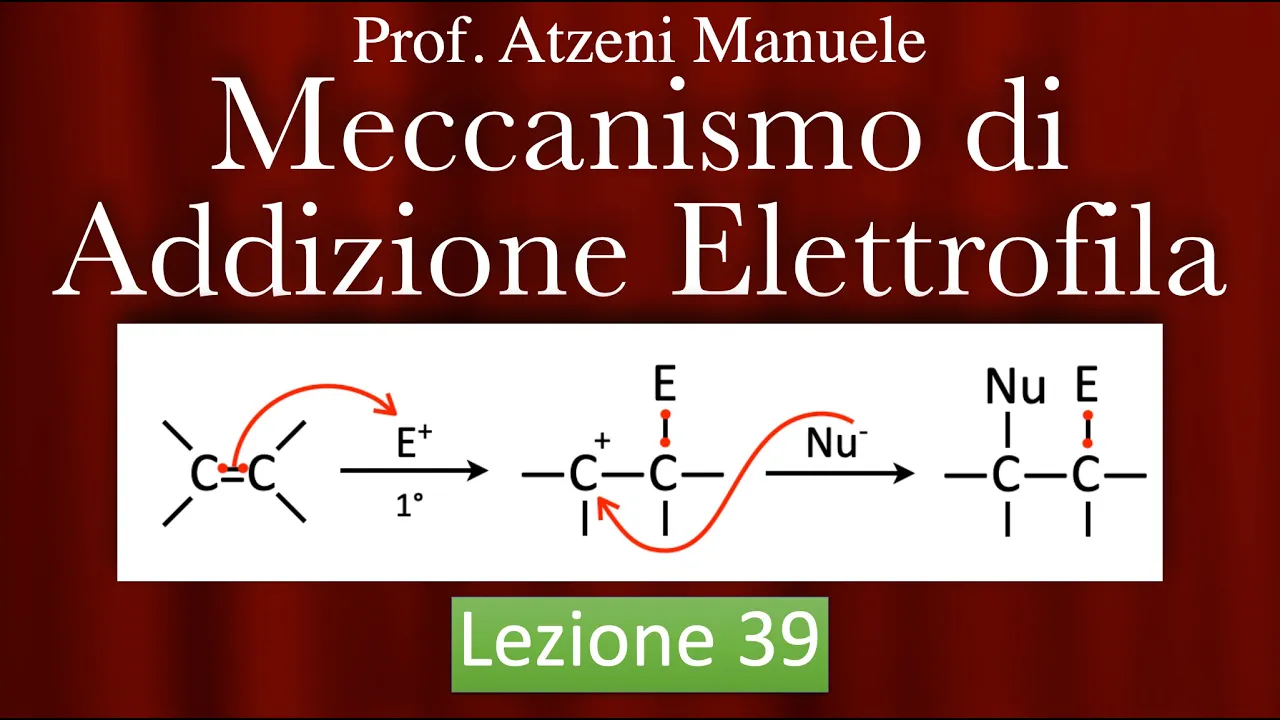
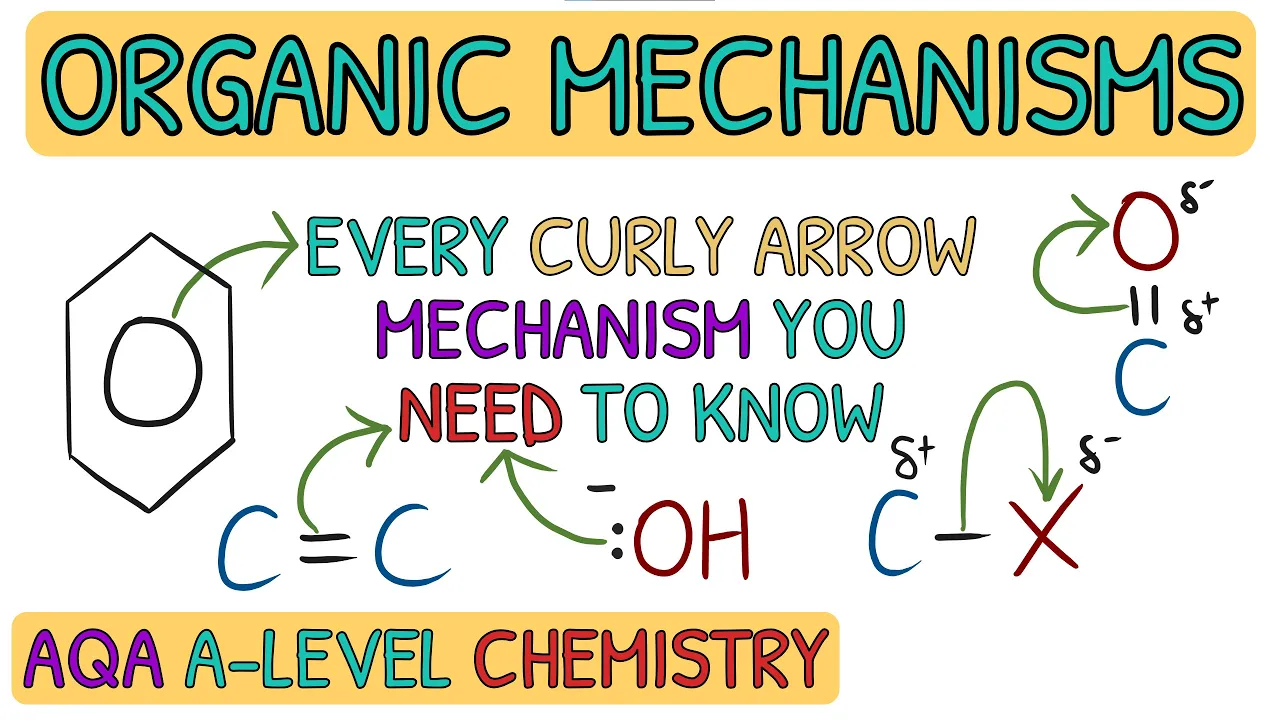
Introduction to organic chemistry reaction mechanisms, specifically how alkenes undergo addition reactions, which is fundamental to understanding sulfur cross-linking.
In-depth study of specific types of synthetic rubber (such as Neoprene, Styrene-Butadiene Rubber (SBR), and Nitrile rubber) and their specialized industrial applications.
Exploring the environmental impacts of polymers, including the non-biodegradability of vulcanised rubber and modern methods for recycling used rubber products like vehicle tires.
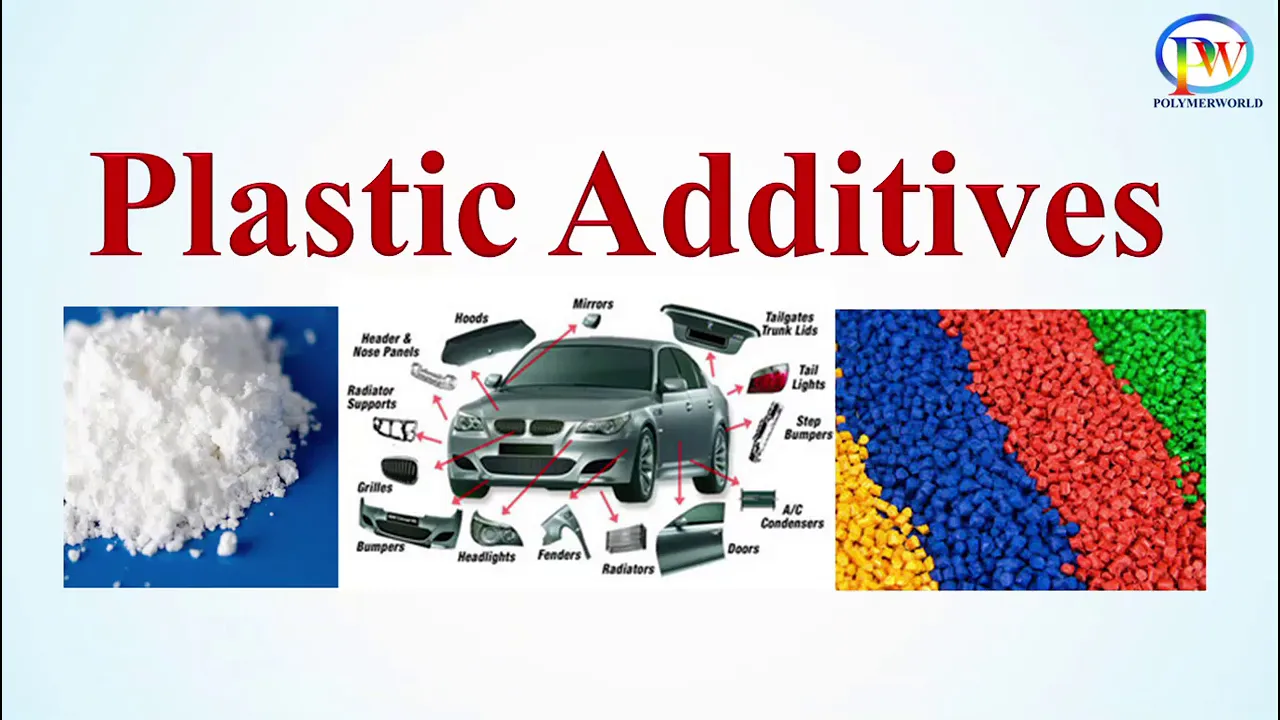
Investigating other polymer enhancement techniques, such as the addition of reinforcing fillers (like carbon black), plasticizers, and chemical stabilizers.
Analyzing the chemical degradation of elastomers due to environmental factors like oxidation and ozone cracking, and how anti-ozonants are used to prevent it.
1.9K views29likes49:39Original Release: 2021-06-14
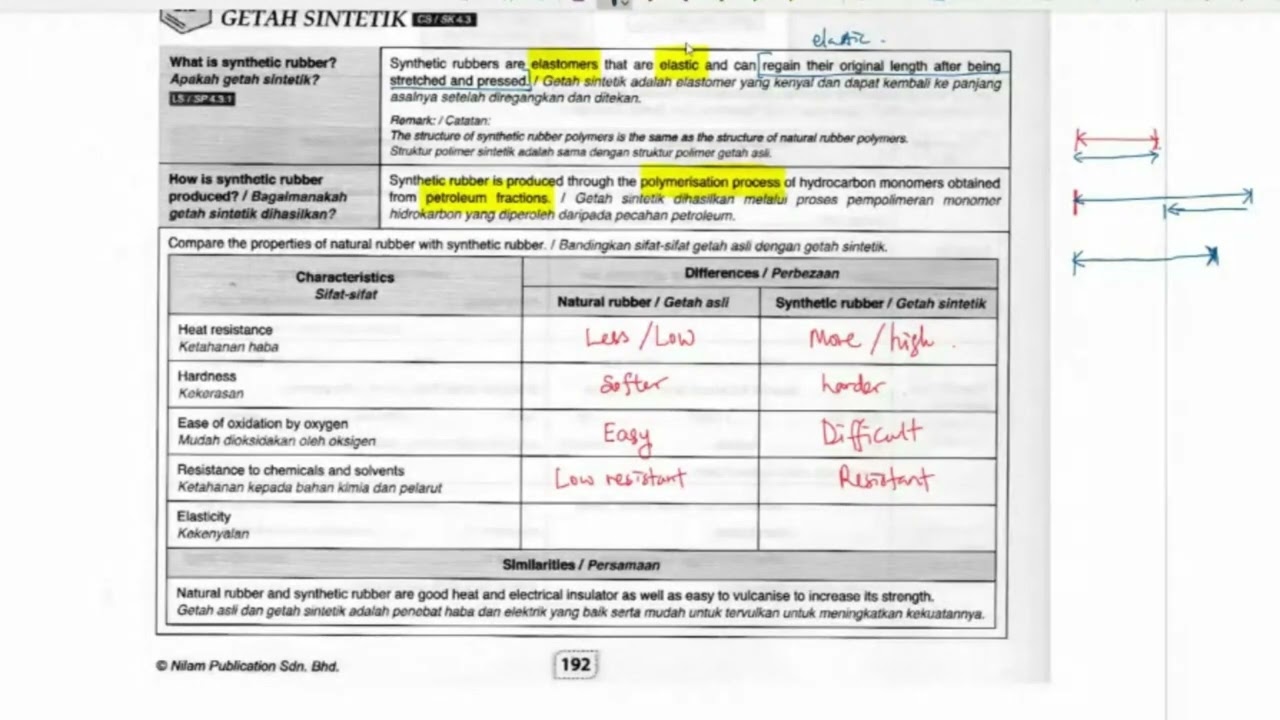
okay all right so i'm gonna start the recording okay bye so for today okay we are going to see the vulcanization of rubber okay we're going to see vulcanization of rubble so what does it mean by vulcanization okay when we are talking about vulcanization first of all oops okay it is a process actually they are a process okay in which we are going to produce a rubber that is more elastic okay it is more elastic the rubber must become more elastic okay with better quality okay then better quality so when we are going to talk about better quality okay system too high heat okay so when we vulcanize the rubber it would be resistant to high heat okay okay so mata manukitana produce a vulcanized rubble okay the production akan mangun can cross linkage okay cross linkage linkage linkage when we added sulfur okay when we added sulfur into uh in between those polymer chain okay in between those polymer chains and also we have another one chain of polymer may i know what is the name of polymer okay kitana form a cross link okay in between these two polymer kitaka form cross linkage okay so crosslinking okay so the one cross link okay we have another two cross link okay foreign okay bye so when we are talking about the cross link okay when we are talking about crosslink first of all machamoni massamaniki can crosslink okay it is formed when the double bond between carbon and rubber molecule will react with sulfur or other substance okay meaning to say that if we have carbon double bond carbon isoprene okay and another one we have carbon double bond carbon as well carbon double bond carbonyl okay eventually they will form a sulfur cross linkage okay okay plus sulfur in that reaction okay chemical formula okay all right so those reaction okay those reaction will produce a cross link okay so yeah okay be oh [Music] okay as you can see over here we have two polymer uh sorry uh yeah we have two polymer uh for polymer chain for the uh poly isoprene okay so guys are two okay and also acidic dual all right so the thing is okay in this polymer the orange bloom like the vulcanized okay they belong like the vulcanized okay so belay did undergo the vulcanization process we added sulfur okay we added sulfur okay all right so this is what we call as okay sulfur cross link okay this is what we call a sulfur cross oh hazy my is okay so it will form uh four sulfur cross link okay in vulcanization all right cetera okay this is how okay the process uh of how you are getting the uh rubber that has been vulcanized okay rubber that has been vulcanized so you need a few materials okay for example what you need is okay you need latex okay you need ethanol acid and also you need the most important solution okay okay uh in which the most important solution is that you need the solution of disulfur dichloride okay all right so this is the most okay important solution that you need in a vulcanization okay so the process involved is that the first of all you need to measure okay 25 cm cube of latex measuring cylinder and then you pour it into the beaker okay and then after that what you need to do allah you need to drop a few drops of ethanol acid because why we need to add some ethanol acid to drive for few days so skyrocket after few days what you get is that you get the latex that has been okay so okay what you need to do next allah you have to strip down this latex okay our must cut into long straight okay and what you need to do next you just have to dip the rubber pieces into disulfur dichloride solution okay what is the purpose deep can you skip the lambda sulfur dichloride solution what is the purple elastic yeah yeah little elastic meaning to say that we are vulcani we are vulcanizing the rubble okay saturday okay and then we are looking into the difference okay between those uh two okay those two rubble okay whether which one is more elastic or not okay okay good all right so so discussion number three how do you know okay how do you know volcano is successfully produced is successfully produced hmm okay the one that has been volcanized successfully too it would become more elastic than the one that has not been vulcanized all right so we proceed okay bye next one is alternative vulcanization method okay we have another kind of method that we can use to vulcanize okay to vulcanize the rubber okay so the method that we can use a la okay we can use peroxide okay we can use radiation or even we can use metal oxide okay all right my question is that why we do not use sulfur okay why we have to have another alternative for vulcanization cannabinoid another alternative dangerous to what of sulfur to 90 okay saline that replied to why we need to use another alternative okay is first of all okay okay natural rubber the most important material that we need is sulfur but it is just for natural rubber only okay for synthetic okay for natural rubber for natural rubber we only need sulfur okay sulfoni is only used for natural rubber okay by adding the natural rubber which is a synthetic rubber why we do not use sulfur okay because the catalan polymer synthetic rubber they do not contain can the reaction happen if there is no carbon double bond carbon no i know white bully because okay reaction with and would only happen okay the reaction will only happen if there is a carbon double bond carbon substance attack molecule to the carbon double bond carbon as compared to carbon single bond carbon okay carbon double bond carbon it is more easily to oxidize okay more easily to oxidize okay they need ex exclusive exclusive okay all right so and the next thing i like the alternative vulcanized rubber produce is free from sulfur and it would be more environmental friendly okay color alternative vulcanization method okay in which oxide by is more elastic to become more elastic then [Music] oh okay these are the website for agency nuclear measure okay in which uh it shows you about the vulcanization okay of rubber but it is using a radiation method okay as you can see over there okay the first one is the formulation okay where in the latex you pour everything inside and then you mix it okay together and this is the most important part which is irradiation okay they will radiate your latex okay with uh combat 60 okay with combat 60 okay and then after few seconds at a point few uh minutes okay you will get the formulated latex okay after it's been radiated so this is one of the type of how the rubber can be nice okay okay number two okay all right so next okay so ah this is the experiment okay this is the experiment in which you are going to investigate uh the elasticity of vulcanize and also unvolcanized rubber okay so what you have over here okay uh on your left hand side and your left hand side is that you have vulcanized rubber okay on your right hand side you have unvolcanized rubber okay under salazar which one you would have uh more leg okay why it is more elastic or why it is uh not too elastic that's bhagavan okay so there are discussion okay you have number one two three and four okay which rubber strip shows the highest elongation of course the vulcanized rubber strip okay which strip is more elastic of course this one okay explain your answer based on the result obtained silver upper the rubber has been vulcanized okay if uh they undergo the process of vulcanization okay and then it would become more elastic okay all right so predict which rubber strip will snap first if the mass of the weight continue to increase the tambour mess of the weight young man unboxing okay good okay what can become you concluded from this experiment uh is more elastic than unvolcanized rubber okay all right so this is the short experiment then experiment okay all right so this is the comparison okay between vulcanized rubber and also unvolcanized rubber okay can you see okay so on uh the top okay on the top you can see that is the particle for vulcanized rubber okay and the bottom knee i love the particle for un vulcanized rubber okay bye so until vulcanized rubber okay before stretching as you can see over there particle this summer before and after stretching okay okay so because of the formation of the sulfur crosslink okay sulfur crosslink during vulcanization process okay vulcanization rubber vulcanized rubber okay has a different characteristic than unvolcanized rubber okay young characteristic next slide okay so kaguna and strong sulphur crosslinking it is used to prevent the rubber polymer from sliding each other when it is stretched okay what to dislike uh that you get and the next important thing the most important thing allah okay because of the sulfur crosslink okay the accompanying above can okay the rubber to return to its original shape okay when it is released okay and because of the sulfur crosslink yoga it costs okay we need more high heat okay uh we need more heat energy okay needed to break the the linkage okay cross linkage [Music] okay all right okay okay right all right this one great thing you lose foreign okay bye when we are talking about vulcanize and also unvolcanized rubber okay first you have to know the characteristic okay these are the characteristic okay and also the properties okay both rubber durang are like elastic okay then heat and also electrical ensue later okay all right then until vulcanized rubber there are the unique characteristic okay in which all various items can be produced okay but you have to understand there is six uh main difference okay between uh vulcanized rubber and also unvolcanized rubber okay first of all is in term of the elasticity second in term of their hardness okay third in terms of their tensile strength okay ten size strength nila young color that the high tensile strength okay they are coming back can the rubber too it is more hard to snap okay all right and the next one is resistant to heat okay kind of vulcanized rubber it is more resistant to high heat upper thermometer high heat energy okay to break the cross link okay resistant to oxidation okay vulcanized rubber it is more resistant to oxidation okay meanwhile vulcanized rubber and unvolcanized rubber it would be easy to oxidize double bond see okay because of the presence of a carbon double bond carbon okay and also effect of the organic solvent okay for volcanized rubber okay it does not become it does not easily to become soft and also stick okay and also sticky all right understand that okay in terms of elasticity hardness and substrate resistant to heat resistant to oxidation and also effect of organic solvent okay right so because of the formation of sulfur cross link okay do you know that it will reduce the double bond between two carbon atom in vulcanized [Music] right so these are your exercises i will give it you later okay this okay all right so enough with uh uh with natural rubber okay now we are entering into synthetic rubber come on huh i okay all right so we have to explain what is synthetic rubber and also you need to justify the use of natural rubber and also synthetic rubber at the end of your lesson okay right when we are talking about synthetic rubber okay of course it is a synthetic polymer okay young miners it is elastic in nature and also it is one of the type of elastomer polymer okay type of polymer tiger okay one of it we have elastomer polymer second okay so on your left hand side is the characteristic of synthetic rubber okay okay characteristic with the volcanized rubber so but the height okay they're resistant to heat it is more elastic they are like heat insulator the resistant oxidation summer and a synthetic rubber sorry synthetic synthetic vulcanized rubber and also it is resistant to chemical [Music] okay so the example of synthetic rubber is neoprene styrene glutathione rubber and also silicon rubber okay all right so synthetic rubber china they go which country produced the largest export of glyph [Music] chinese okay which is the first one is top glyph and also the second one is um okay [Music] okay okay okay having the advantage of mass production capacity okay while not being reliant on the weather and diseases like rubber trees are it would make synthetic rubber the main choice for manufacturing industry so based on this statement okay how is the use of natural rubber different from synthetic rubber basically that you got synthetic rubber in terms of the opening uh substances okay what's the difference so say now i discussed many and also i need you to do it as [Music] so how is the difference okay between the use of natural rubber and also synthetic rubber justification okay all right so the use of rubber and also the environment okay why we up uh natural rubber instead of we opt for uh synthetic rubber okay in terms of environmental pollution okay uh synthetic rubber is unsustainable okay use of rubber material okay in terms of this disposal synthetic rubber would take longer time to decompose okay manukau in terms of the quantities of disposal okay dispose vehicle tire okay all right then you got okay when we are talking about natural rubber okay cannot can you win natural rubber okay because of it is easily to decompose okay it's about yeah they can be short time to decompose biologically okay so it is biodegradable okay [Music] uh the
Up Next
20:23
Vulcanization & Natural Rubber | TN Class 12 Chemistry
@SDChemistry
13.8K views•2019-11-28
83:56
Biocatalysis and Catalysis in Islatravir Synthesis | Merck Webinar
@SCIwheresciencemeetsbusiness
675 views•2020-10-08
10:06
1H NMR: Determining Number of Peaks from Structure
@MSJChem
59.2K views•2017-04-06
17:31
Edible Water Bottles: A DIY Guide to Sodium Alginate Spherification
@ryan
10.5M views•2019-06-21
Related Study Plans & Knowledge Roadmaps
Structured learning paths in Chemistry
chemistry
Nuclear Chemistry: Decay, Meds & Fuel Cycle
01Introduction to Nuclear Structure and Radioactivity
02Decay Dynamics and Kinetics
03Radiation Interaction and Detection
+ 2 more learning modules
24h5 modules
Explore Roadmap
chemistry
Supramolecular Chemistry: Forces & Machines
01Foundations of Chemical Bonding and Intermolecular Forces
02Introduction to Host-Guest Chemistry
03Thermodynamics and Dynamics of Self-Assembly
+ 2 more learning modules
16h5 modules
Explore Roadmap
chemistry
Photochemistry: Excited States & Reactions
01Foundations of Light-Matter Interactions
02Molecular Orbitals and Electronic States
03Photophysical Processes and Jablonski Diagrams
+ 2 more learning modules
18h5 modules
Explore Roadmap
chemistry
Coordination Chemistry: Bonding & Properties
01Introduction to Transition Metals and Ligands
02Crystal Field Theory (CFT) and Geometry
03Magnetic Behavior and Spin States
+ 2 more learning modules
14h5 modules
Explore Roadmap