

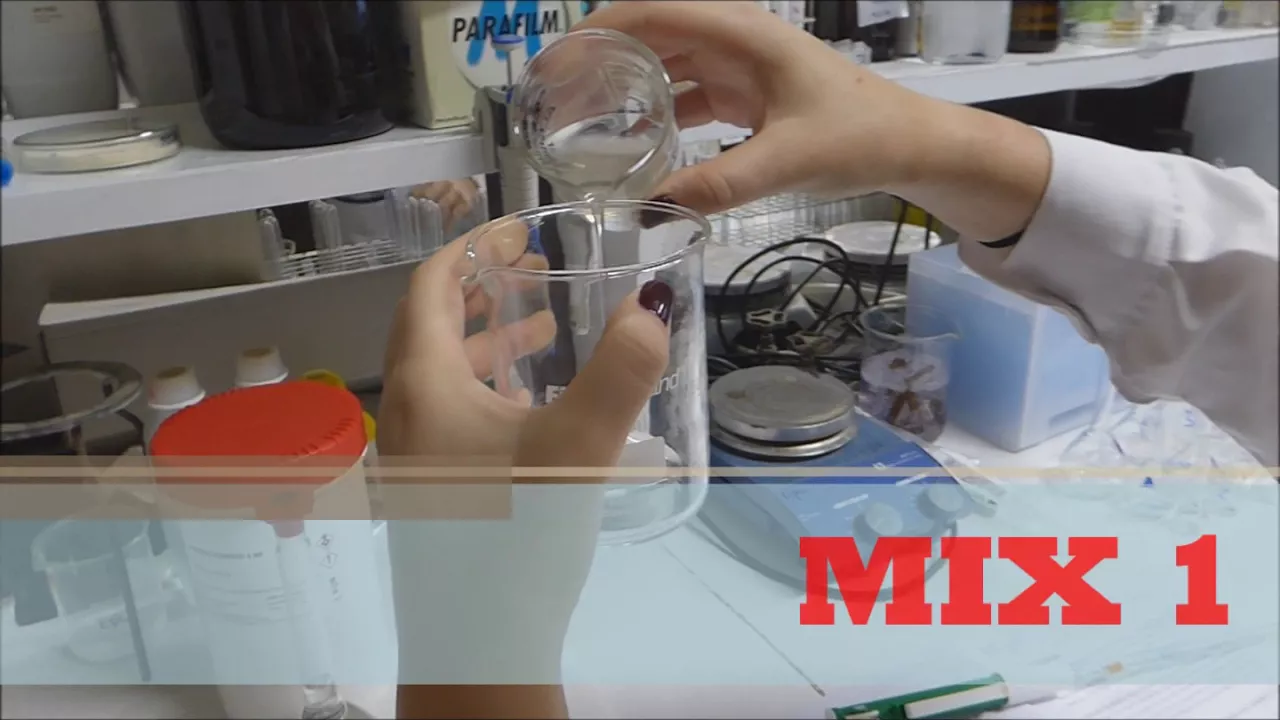




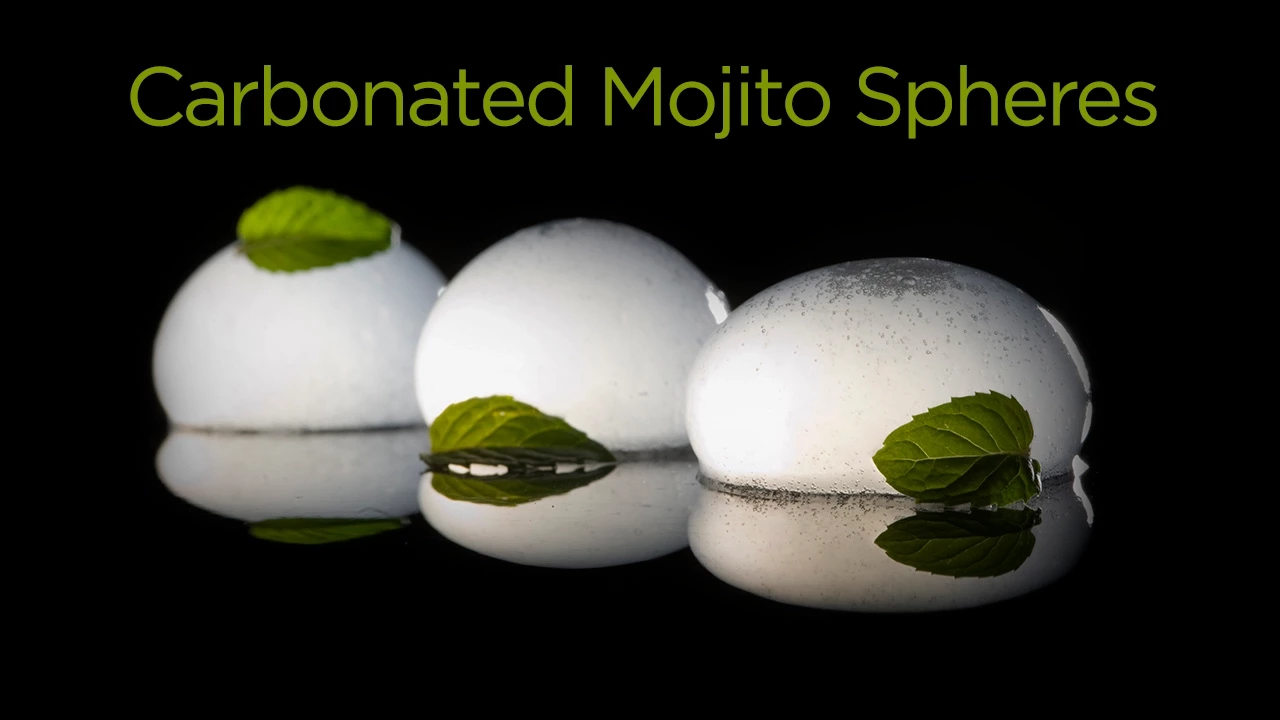
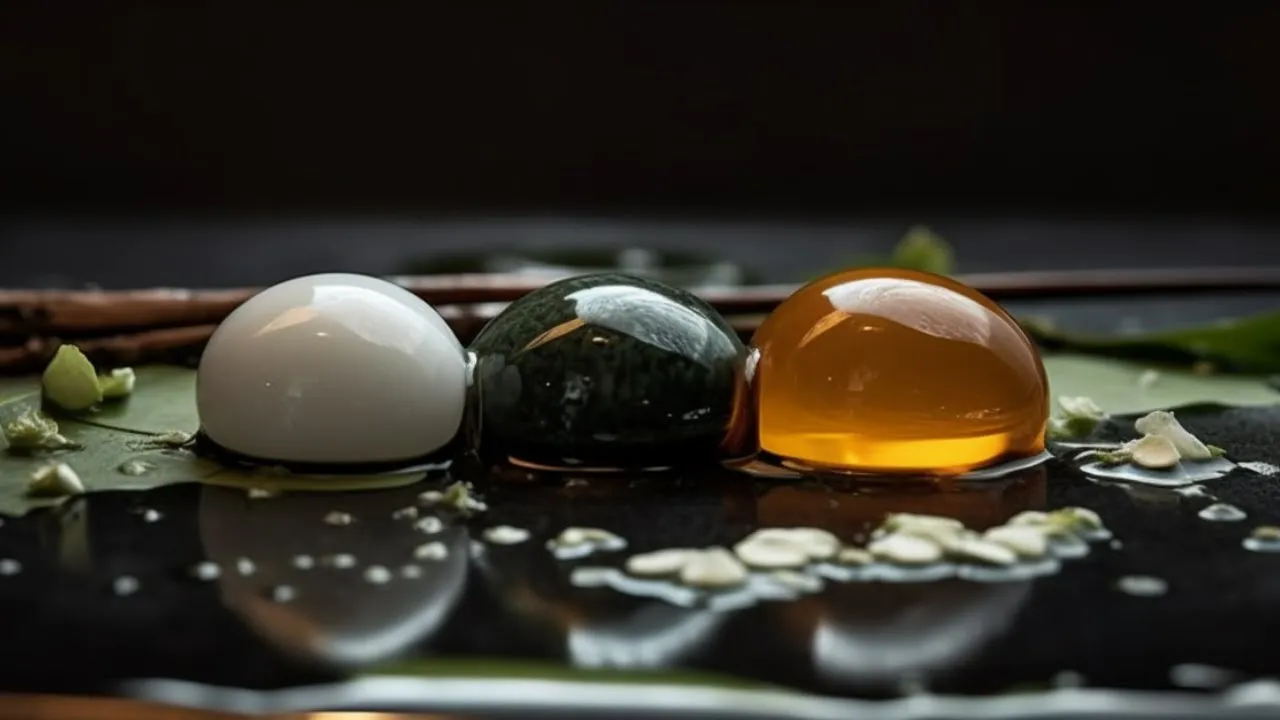



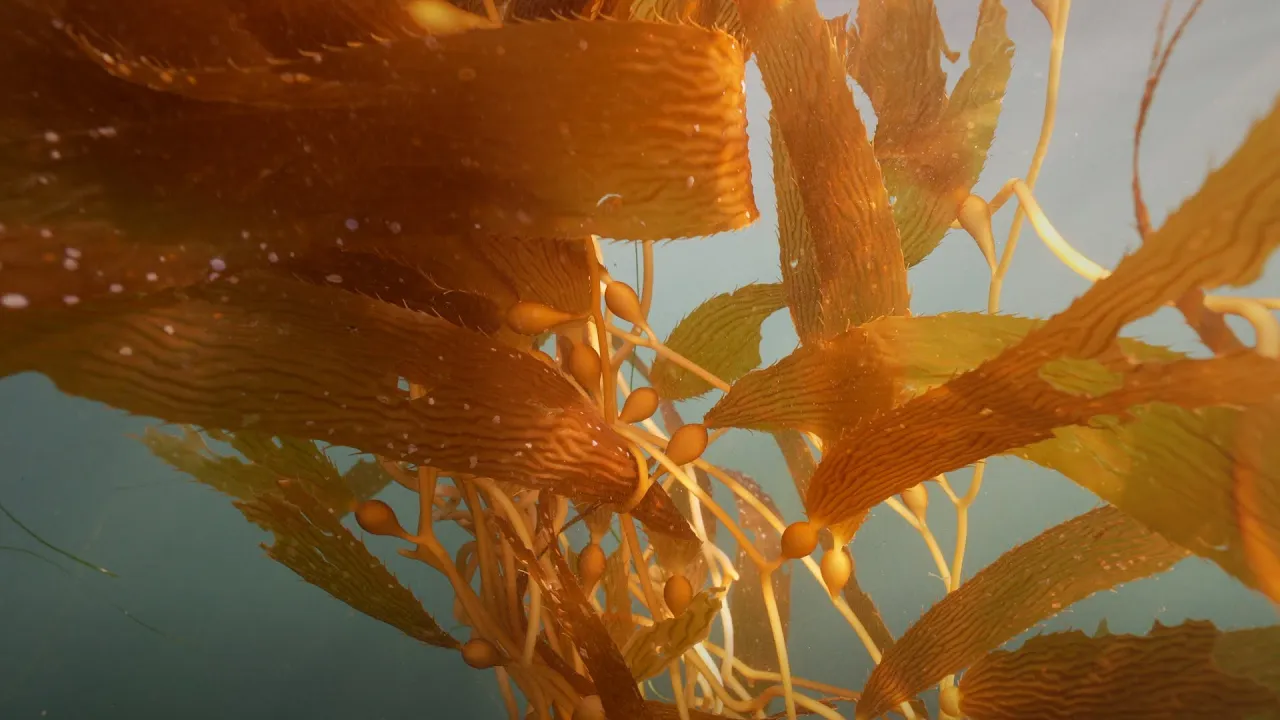



Edible water bottles can be created by combining sodium alginate (a thickener derived from seaweed) with calcium lactate in separate solutions; when the sodium alginate solution is gently dropped into the calcium lactate bath, an immediate chemical reaction forms a solid exterior shell around the water, creating a ball that bursts open when bitten to release the liquid inside.
Edible Water Bottles: A DIY Guide to Sodium Alginate Spherification
Added:The concept of polymers and chemical cross-linking, specifically how long-chain molecules bond to form a network.
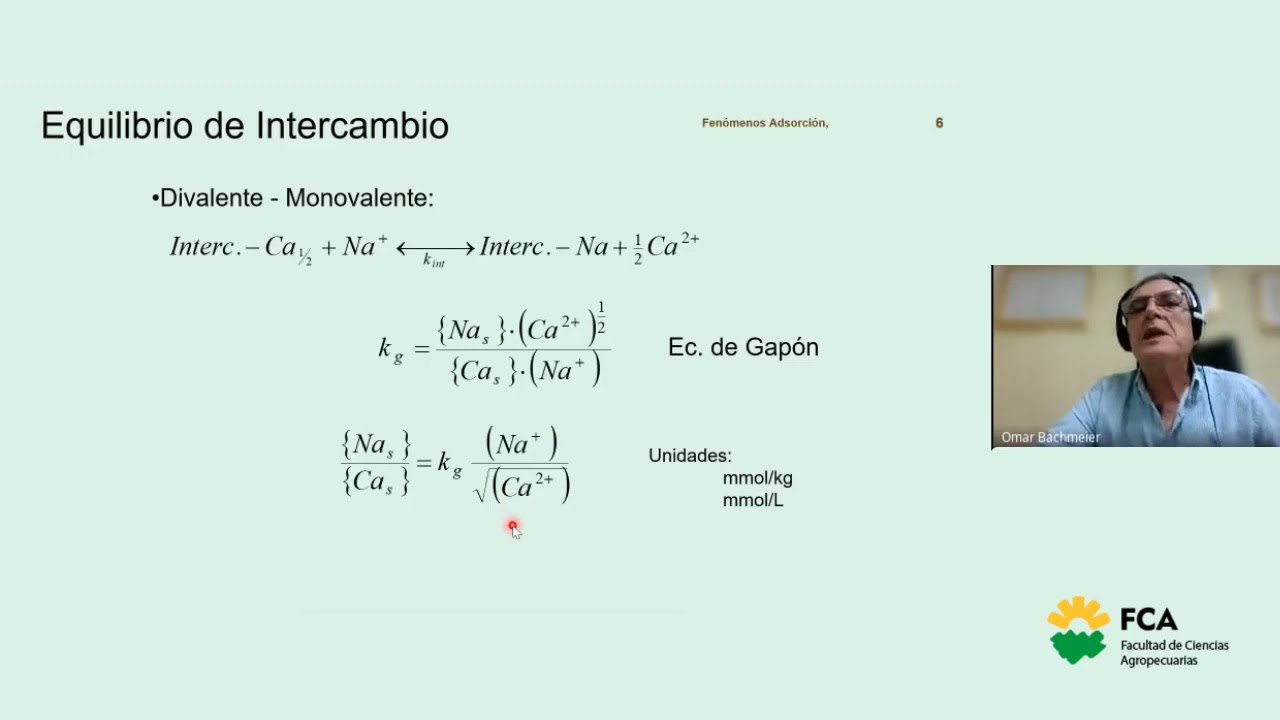
Basic ionic chemistry, including how monovalent ions (like sodium) and divalent ions (like calcium) interact with other molecules.
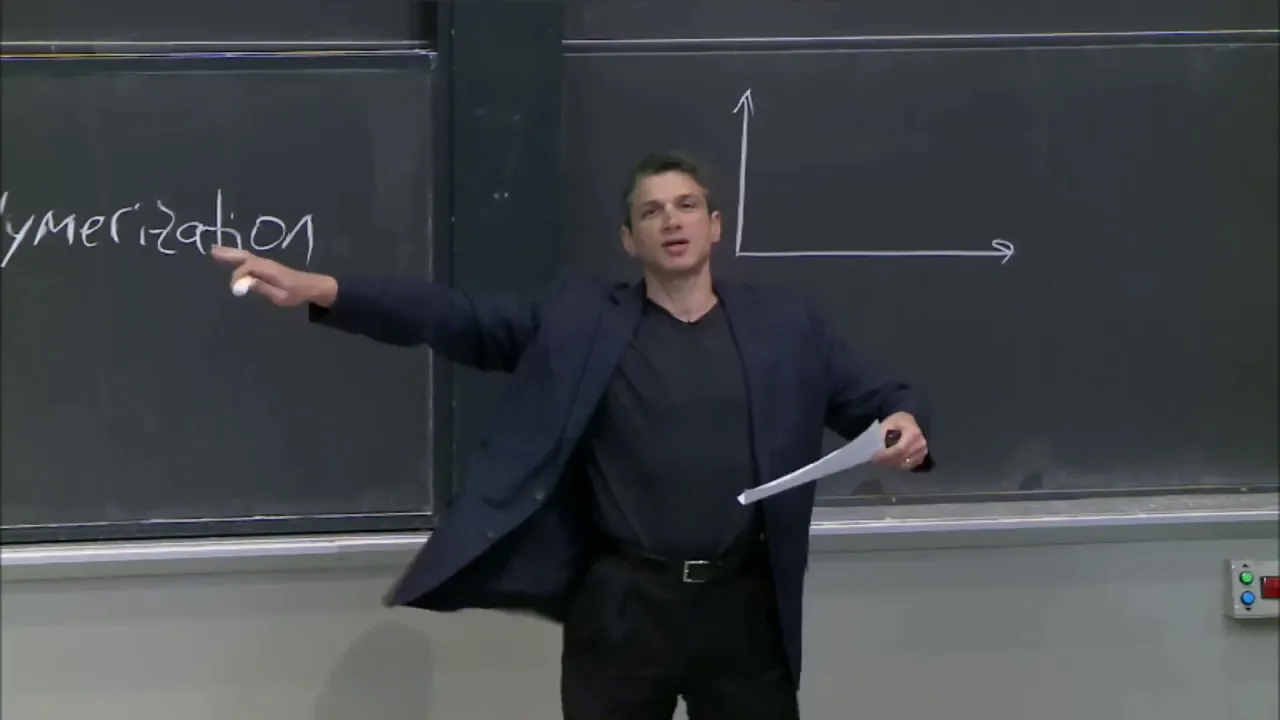
The physical properties of hydrocolloids and how they act as gelling, thickening, or stabilizing agents in aqueous solutions.
An understanding of diffusion and semi-permeable membranes, which dictates how ions move through the gel barrier during the process.
The technique of reverse spherification, which is crucial for encapsulating liquids that are high in calcium or alcohol content.
Advanced molecular gastronomy applications, such as emulsification, foam creation, and transglutaminase (meat glue) reactions.
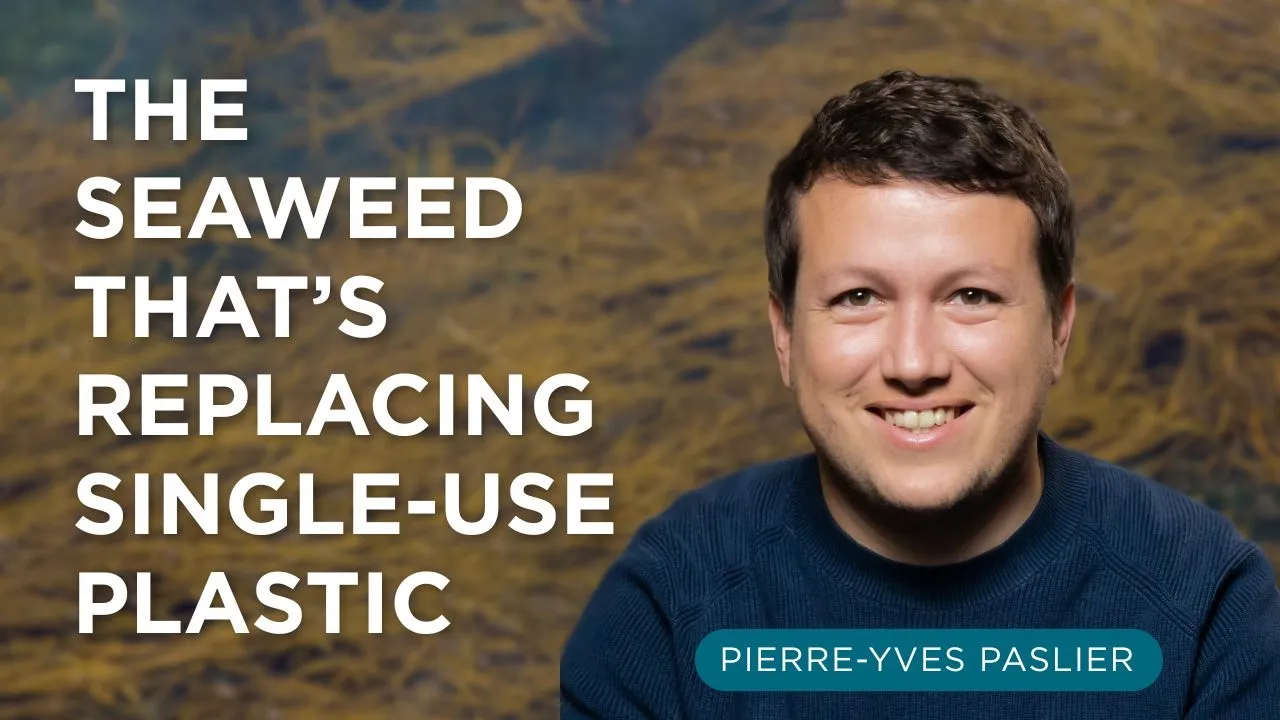
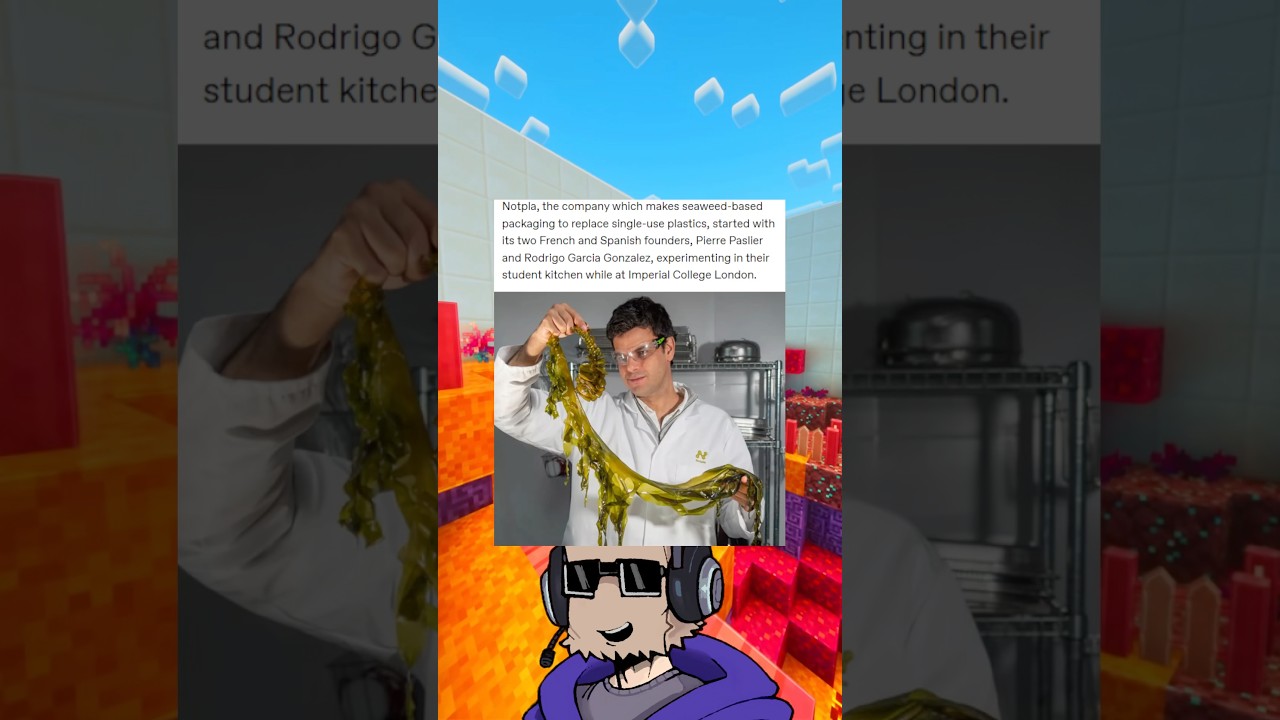
The science of sustainable packaging materials, focusing on how seaweed-derived bioplastics can replace single-use petroleum-based plastics.
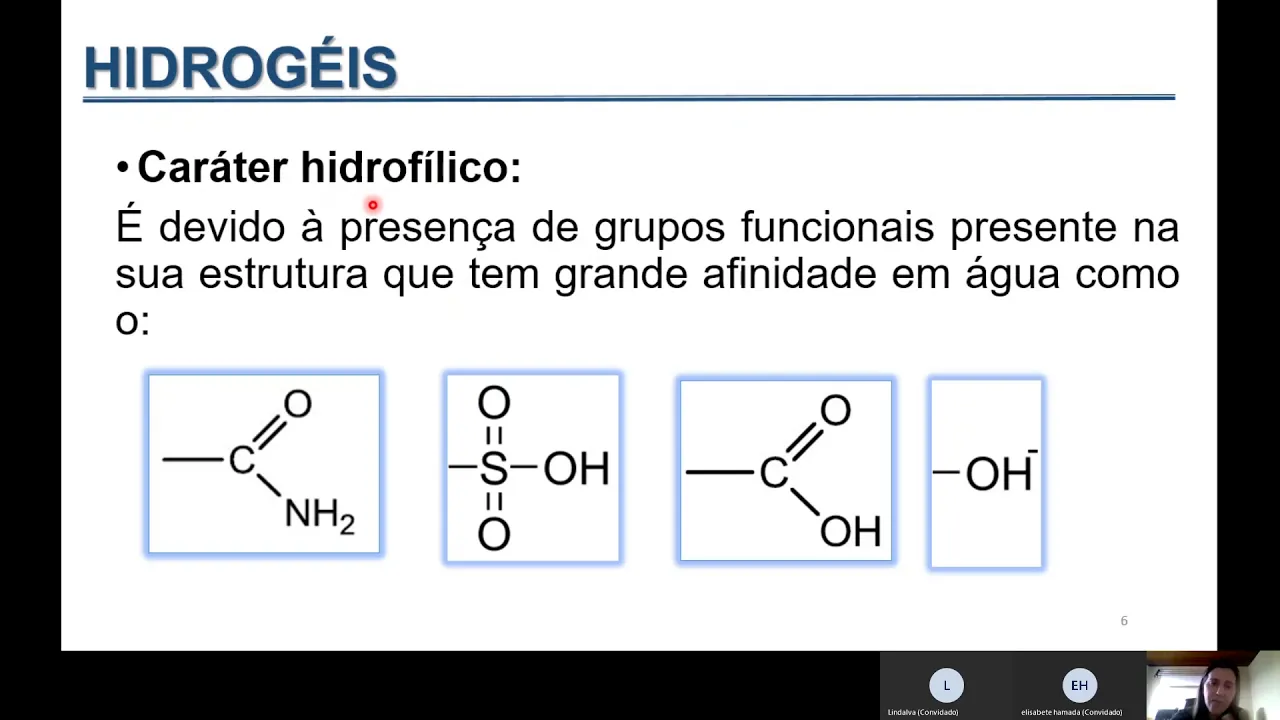
Biomedical uses of alginate hydrogels, including active drug delivery systems, wound dressing materials, and cell encapsulation for tissue engineering.
10.5M views290.9Klikes17:31Original Release: 2019-06-21
this is an edible water bottle it's made of sodium alginate calcium lactate and water obviously you can hold it as you can see you can school oh my god it broke you can suck it slurp it I don't care the moment you bite it however it just bursts open into a liquid that we call water or h2o for short that's actually not even shorter than water two syllables three syllables which is deceiving because h2o is only three characters I learned how to make this stuff in my home I'm gonna try my best all right once we make the balls we're gonna judge them in five categories taste bounciness durability texture and clickbait if you click the video then it worked so what are we waiting for let's do science what it wants the deal what are we waiting for let's do science wait I should actually put them on when I already say let's do science whoa ezel what are we waiting for let's do science disclaimer yours discretion is advised not really I just wanted to say that because it makes what I'm doing sound a little bit cooler than it actually is anyways here's the video hi and welcome back to Bill Nye the Science Guy they´ll could not be here today because he's trying to save the planet or something so I'm feeling it I have no idea what I'm doing by the way today we're making edible water balls balls that you can eat and contrary to the other balls in your life Susie these ones actually nourish your body and quench your thirst I think I haven't actually made them yet let's see so on Twitter I saw an article about these things we I was kind of mind blown right we've got this planet we're trying to save all this plastic we're drowning in plastic well someone discovered that you can make water balls that have no ways to whatsoever the only thing is I couldn't buy them otherwise I probably would have made a different kind of video with him I couldn't purchase them online so I don't know how they how they ship them or if they even do because right now apparently they only use them in like marathons and stuff so guess we just got to make them ourselves so ingredients what do we need to make these things first ingredient we need which should not be that difficult is water thank you okay that's great that's great next we need one gram of sodium alginate whatever that is yeah we got a lot of sodium we have several grams of sodium sodium alginate here there's 280 calories in this it is just salt its thickener gotta give some of this to my wife just kidding next up we need five grams of calcium lactate all right that's crazy I can't tell this is a science except on has chef hats did I get the wrong outfit you'll see in a second what I'm talking about this says kitchen alchemy are we doing a science experiment in May I don't understand this that's some witchcraft we got it and a large bowl a smaller bowl a hand mixer cool and and a spoon a really big spoon so this is everything we need to make water balls I don't know if this is this is definitely safe to eat actually I looked it up I mean there's a whole chef on there so it's not like it's not like it would sell that without yeah this is this is vegan dude without further ado let's get this show on the road in a small bowl add one gram of sodium alginate to 1 cup of water so I need to put a cup salt promo you know what I mean so I'll put 8 fluid ounces trying to get up to 8 got to be very careful here Oh God come on yes okay I can do math my phone is dying I'm not prepared for this wait what am i doing how could I forget oh my god do I look ready for a science experiment do I look ready for a chef show or what I don't know what this is actually I'm not sure if it's consider like check it out wah-wah so yeah this is very uncomfortable and I think I should have gotten a chef outfit instead to be on Bill Nye is gonna be proud because I got water balls to make all right ladies let's get in formation I can't even open a pack I'm sorry I need to take the club off at least one you know what both are coming off you get the idea please smash like for the gloves they're like 12 bucks on Amazon looks like baking soda baking soda so we need to be very careful be sure to put only a gram in there god I don't know how much a gram is oh god it went up to 14 that's still not a gram yo how much does this weigh hit the gym buddy three Frick I need to take some out I'm gonna spoon dude now what's that zero what screw it that looks like a gram to me okay so now we need to we need to mix this thing I've never actually used this and I only bought it for this experiment there goes absolutely nothing Oh God Oh God Oh science is fun no is it mixing hello so we're gonna let this sit for about 15 minutes and apparently something with air bubbles is gonna happen I don't know but guess what you don't have to do any of the work I'm doing all of it stay put keep it right there in the shot so if you want to keep an eye on it for some reason if I'm that ugly now in a large bowl this is a large bowl in my opinion some people would call it a medium-sized Bowl I would call them crazy we're gonna put that there and we're looking for 32 fluid ounces I'm just gonna start throwing it then how we're getting close we're getting real close no it's awesome so next up we need five grams of this alchemy stuff they call it calcium lactate I call it bull alright five grams of calcium lactate it has no odor at all uh-oh and now we mix until what until until it dissolves so this one should actually dissolve here we go okay so it looks like this is still kind of sitting I'm gonna blend it one more time actually oh wait there's stuff on this though I should probably clean it webmin great - they gotta be great we're just gonna wait about five more minutes for this to dissolve and then we'll be right back to make some water balls the final step alright guys so it's been about five minutes the next step is pretty intense it's when the bread meets the butter or what's the expression it's when then we're putting this in that gently drop the sodium alginate solution into the bowl containing the calcium lactate solution it will immediately form a ball of water in the bowl that's nerve-racking you can drop more spoonfuls of sodium alginate solution into the calcium lactate bath this is a bat just be careful the balls don't touch each other because they would stick together [Music] so I mean there's really no more time to waste I'm just gonna use this oh my god I'm taking these off ignore the red lines I'm just gonna use this small spoon for now and if we want to make a really big one later we'll use this I'm nervous I'm not gonna lie you ready oh look at it look at it oh dude there's no way it's gonna work I'm sorry but there's no way alright here goes nothing it's gonna be such an epic fail it claims to turn into a ball immediately which get off oh now they're sticking it was that supposed to work what did I do wrong what did I do you're totally in the shower right now I must have done something wrong something went terribly wrong right oh wait okay hold up I think this might actually work one second I need to figure this out okay we'll see if that one turns into a ball that looks the most promising that one right there we'll give it three minutes we'll see what happens I'm gonna try to get a more of a watery peace I think what I need to do is mix this one a little bit better the sodium thick one it should work because I don't think it's supposed to be like non see-through you know anyways I'm gonna try this one this guy right here dude well that's promising oh god it's busting I'm gonna try it ready that was gross no doubt about it we need to mix that one up so much more I'm gonna blend this up a little bit better and see if we can salvage any of it that's totally the answer that's already better already so much better we're gonna give this solution to try talking in science terms now kind of a big deal this is definitely a tip number one which has already failed but we're just gonna try to put this in the solution and see what happens looks like a galaxy is gonna turn into a ball I wonder not good this one looks like it's gonna be pretty clear though I mean they are forming like into shapes into balls well I wouldn't really call them balls there are like solid you can pick them up you can hold them then throw these away last attempt for number one I'm going to use this big boy right here and just get all of it and see what happens whoo all right we'll see what happens with this big boy I'm gonna be honest the flavor not good it is not taste very good but I think we might have a little bit too much of that or at least it's not blended up well enough we're gonna shut the cameras off for a few minutes all right bill we'll be right back I mean we'll see how these end up like I said we are back I mean here goes nothing we're just gonna try to pick this one up the odd-shaped one dude look how strong it is it's so strong wait what can I hold it by this dude sodium la ville de Leite is insane I mean I can just see the sodium in there and it's oh it bursts that ain't it chief hey oh that is the worst haste here's the last try for attempt number one the Mega Ball it just looks like a big glob of gross Ness I hate how thick it is such a thick coating I'm not gonna try that less of this we're gonna try again here in a bit I don't think it necessarily needs less of this we just need it less concentrated so we're gonna we need to mix it up more as what I'm trying to say see the sec [Music] [Applause] [Music] greetings honestly this is the moment of truth because as you can see it looks much more blended than last time it looks completely different actually so I have a different spoon as well but apparently I wasn't supposed to use this until I until I take it out so here we go oh I'm nervous see it's not really even a solid it's dripping and you're just supposed to place it in there so here we go [Music] I'm putting another one [Music] we have two in there see how those are so clear dude those that one looks like a ball already yes I'm putting one more let's wait a few minutes oh boy okay moment of truth I can hardly see these things yeah I'm just gonna try to pick one up dude there's no way it stays together oh wait I'm supposed to use a slotted spoon dear no way can you see it oh my god all right I don't know if it'll hold like if I try to pick it up though oh I busted I'm gonna try to eat the small one here we go [Music] it's like water if it was dog food water here's another one dude they just keep bursting now they're not strong enough you know let me try it with a slotted spoon again let's pick it up I mean it looks disgusting without a doubt it looks absolutely gross feels gross it's got a slight film around it but you can't really pick it up and they're not balls another failed attempt hey we have one this one looks like it's actually a water ball lately can't get rid of this dude this is actually really good I'm gonna try this one see if it tastes like you know what yeah it still tastes terrible that's disgusting it literally is like the equivalent of dog food for water if that makes any sense it's crazy because you can't even see it but it's in there alright so our last attempt for a tip number two is this ball right here you see it is it appearing we're just gonna get this out oh my god that is gorgeous dude it looks like an egg water bottle more like water egg dude I don't even want to I don't want to touch it cuz I feel like I'm gonna break it I just got to pick it up dude this thing is oh dude we have to take the thumbnail let's go take the thumbnail so after taking the thumbnail it's a little beat up this one right here not doing the best but we're gonna try it this is by far the best one we made because it's actually firm oh God it didn't break all right here we go here's nothing [Music] it tasted incredible let's make some more [Music] final attempt ladies and gents we have so much of this stuff and we are just placing it in to the bowls here we got water balls whoo that one was terrible why am i celebrating anyways these are gonna be our test balls all right so I have Haley in the back I got riding in the back you're gonna say hi and Druce yourself a little bit Spock as well you might even try it we'll see we need to make enough to test them all making another one going in that was good we're gonna give these a few minutes and then we're gonna slaughter them up we're gonna scoop them up with a slotted spoon then we'll do some taste test that's it dude this one's massive all right moment of truth let's see if we can get this big one out oh my god oh it busted I think they need to sit for a little bit longer ooh that one's a bang or no way dude one of them's a ball ball yeah I need to be very careful not to mess this one up because it's so good it broke dude the ball ball broke that's a good size I say we all tried at the same time get in here boys it means you too Haley who's the most germaphobic here me me all right Haley you're gonna grab your own can i slor' quit stray from this pen no Haley you can't you can't grab it like that you have to delicately choose what spa you got no Haley Gabriel you got this one they're not very bali but it's just gonna have to do Oh Haley there's that Haley that's one oh my gosh all right there's Haley's oh my gosh here's bus I think I think Euros should go first all right no right Ryan you go first you have to swallow on a scale of 1-10 after you swallow say how good it tastes how much does the bounciness we have more coming here we go three two one [Music] disgusting okay so what would you rate the texture what is the worst one oh okay okay what about the taste out of what 10 0 to 10 3 wow it's funny cos water is tasteless so I feel like it has anything above 0 or 10 anything in between is like something's wrong see I think the thing is he had a really rough one and I think the tonight from you would be like all right you're next texture and taste go ahead it's in there that was only water are you serious swear to God it was only water you did you okay see what I got it was so good oh my god I'm so jealous be very careful Haley hi Haley little baby one taste taste and texture race zero to ten insane on both oh my god all right oh it's okay taste and texture water bad you the opera's is bad so here's the one I'm trying hopefully was that just water it was just water wasn't it it was just a lot of us it tastes like butthole yeah let's just put it that way I feel sick in my stomach guys do not try to make this guys alright so we're testing bounciness here so far I would say the average taste I would never do it if it's bad guys okay it's a zero in texture zero here's bounciness though three - Wow I'll give that a zero out of ten as well durability if it's about this size that's over ten nude the black panther needs to make his next suit out of this stuff however the big pieces yeah it's zero to them and clickbait well if this video has over a million views I would consider that a ten out of ten if it doesn't then honestly thanks for watching my ultimate conclusion is please do not try this at home that's not even me like trying to avoid a lawsuit that's me telling you advice because this probably destroyed my internals permanently it's disgusting that should not the word kitchen should not be on this package the word alchemy should because I'm gonna need a witch to fix my intestines after this smash like button I have a huge mess to clean up and at least you could do honestly subscribe with post notifications on smash that bell it's probably the most fun thing you can do on YouTube which says a lot follow me on instagram check out my second channel thanks for watching guys let's say screw it I'm done [Music]
Up Next

12:22
QC Validation of Analytical Methods: LOD, LOQ & SD | Absorbance & Concentration
@chemist_isi
64K views•2018-01-21
83:56
Biocatalysis and Catalysis in Islatravir Synthesis | Merck Webinar
@SCIwheresciencemeetsbusiness
675 views•2020-10-08
10:06
1H NMR: Determining Number of Peaks from Structure
@MSJChem
59.2K views•2017-04-06
22:39
Making a Ferrofluid: Magnetite Synthesis & Nanoparticle Coating
@NileRed
5.1M views•2018-10-17
Related Study Plans & Knowledge Roadmaps
Structured learning paths in Chemistry
chemistry
Nuclear Chemistry: Decay, Meds & Fuel Cycle
01Introduction to Nuclear Structure and Radioactivity
02Decay Dynamics and Kinetics
03Radiation Interaction and Detection
+ 2 more learning modules
24h5 modules
Explore Roadmap
chemistry
Supramolecular Chemistry: Forces & Machines
01Foundations of Chemical Bonding and Intermolecular Forces
02Introduction to Host-Guest Chemistry
03Thermodynamics and Dynamics of Self-Assembly
+ 2 more learning modules
16h5 modules
Explore Roadmap
chemistry
Photochemistry: Excited States & Reactions
01Foundations of Light-Matter Interactions
02Molecular Orbitals and Electronic States
03Photophysical Processes and Jablonski Diagrams
+ 2 more learning modules
18h5 modules
Explore Roadmap
chemistry
Coordination Chemistry: Bonding & Properties
01Introduction to Transition Metals and Ligands
02Crystal Field Theory (CFT) and Geometry
03Magnetic Behavior and Spin States
+ 2 more learning modules
14h5 modules
Explore Roadmap