













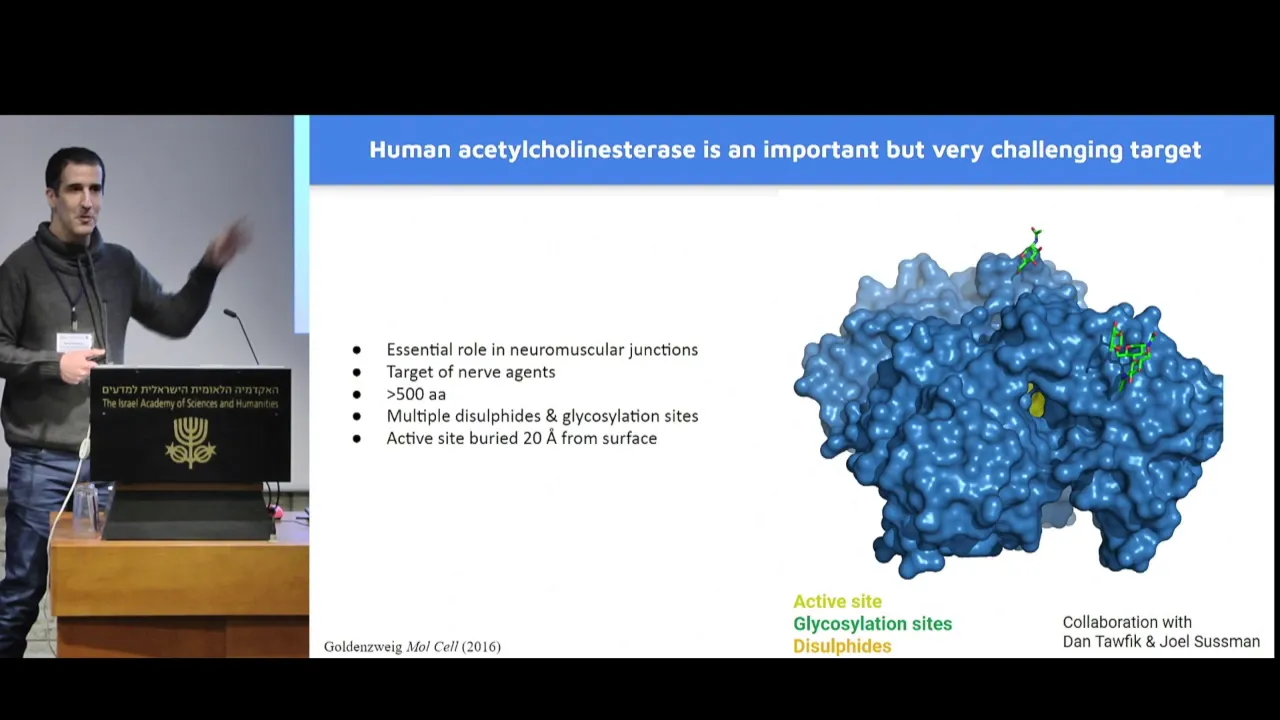
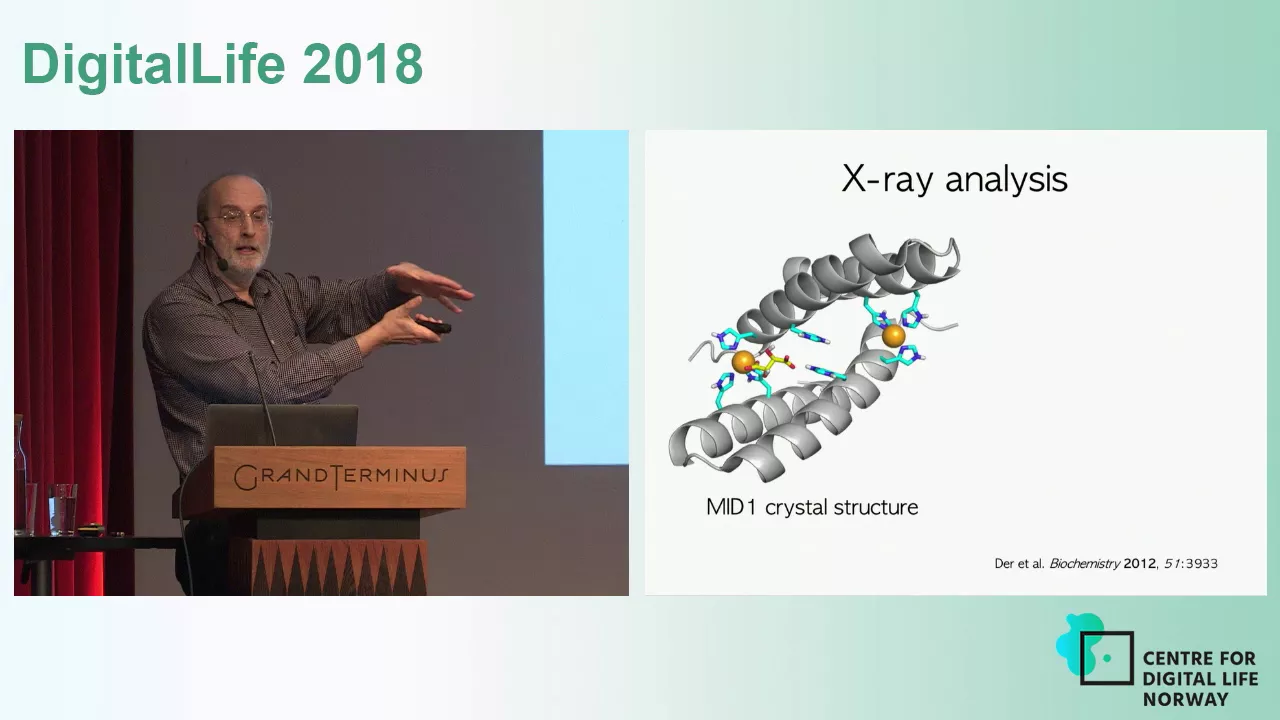
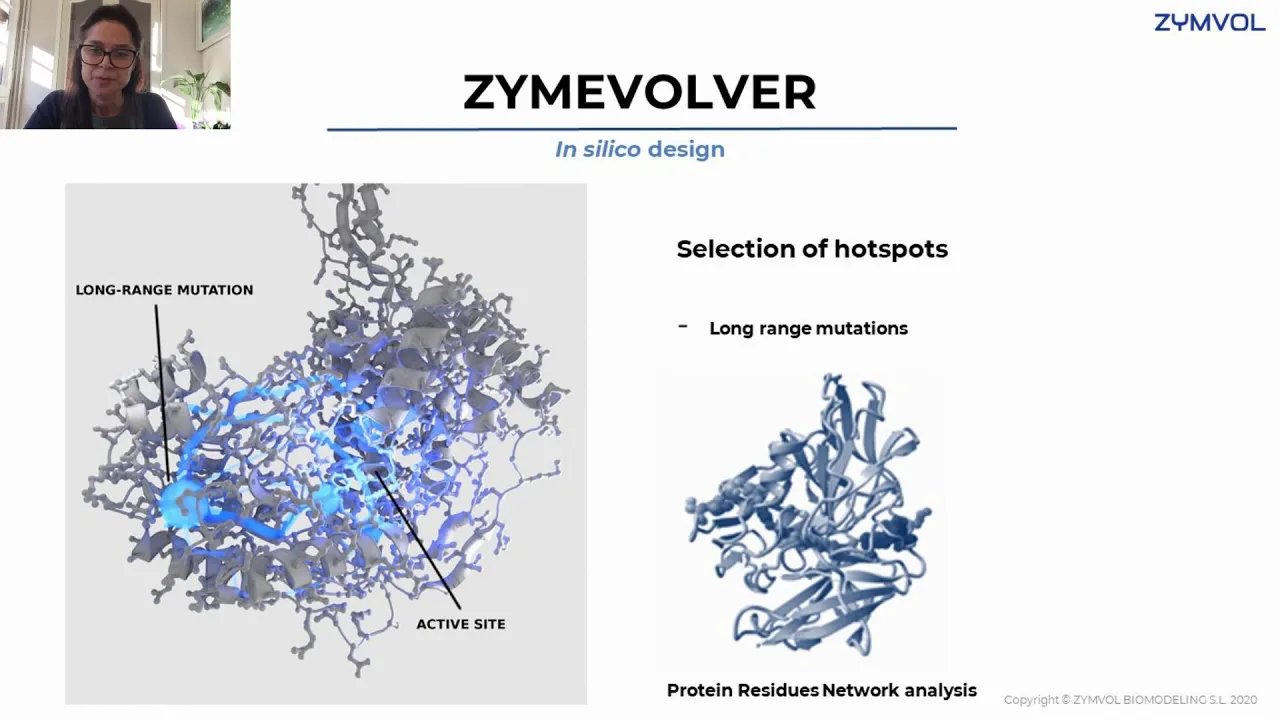




Directed evolution is a powerful technique that uses nature's evolutionary algorithm of mutation and natural selection to engineer new enzymes and proteins for specific purposes, allowing scientists to create bio-catalysts that can perform novel chemical reactions not found in nature, such as carbon-silicon and carbon-boron bond formations, thereby expanding the scope of sustainable chemistry.
Frances H. Arnold Nobel Lecture: Directed Evolution in Chemistry
Added:Basic Principles of Darwinian Evolution: Understanding mutation, natural selection, and genetic diversity.
Protein Structure and Enzymology: Knowing how DNA translates into proteins, and how enzyme structure determines catalytic activity and substrate specificity.
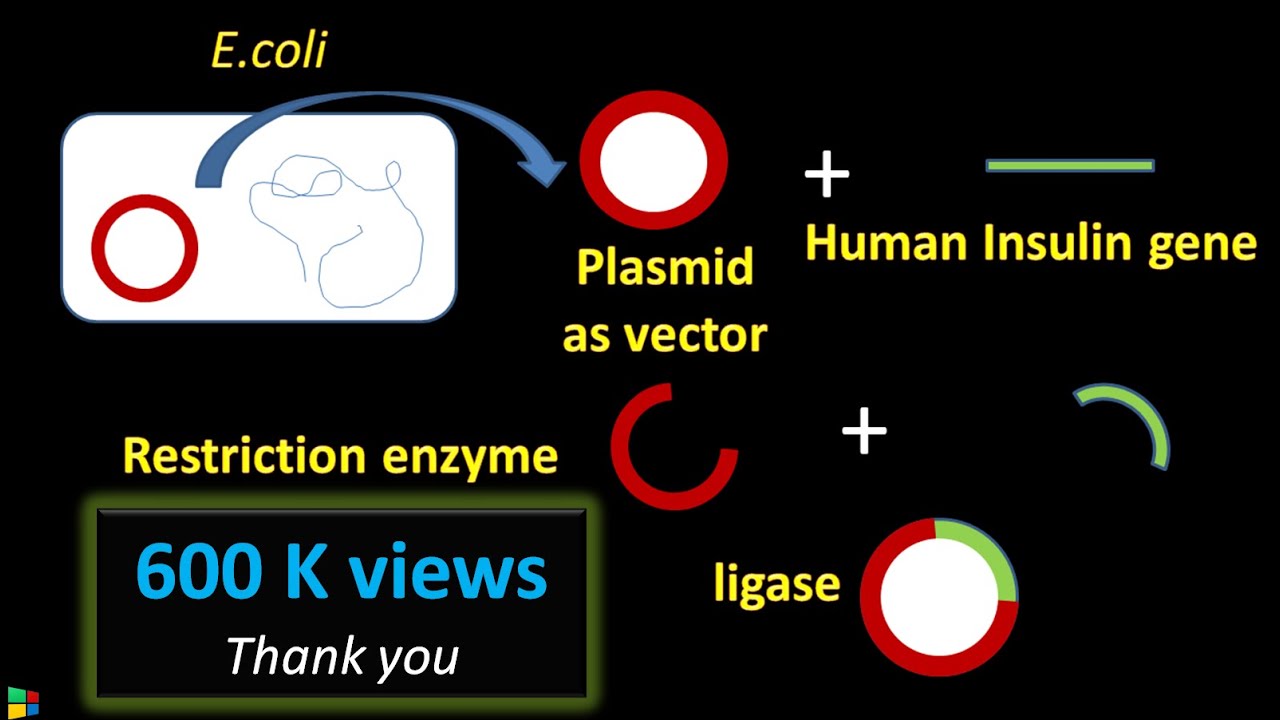
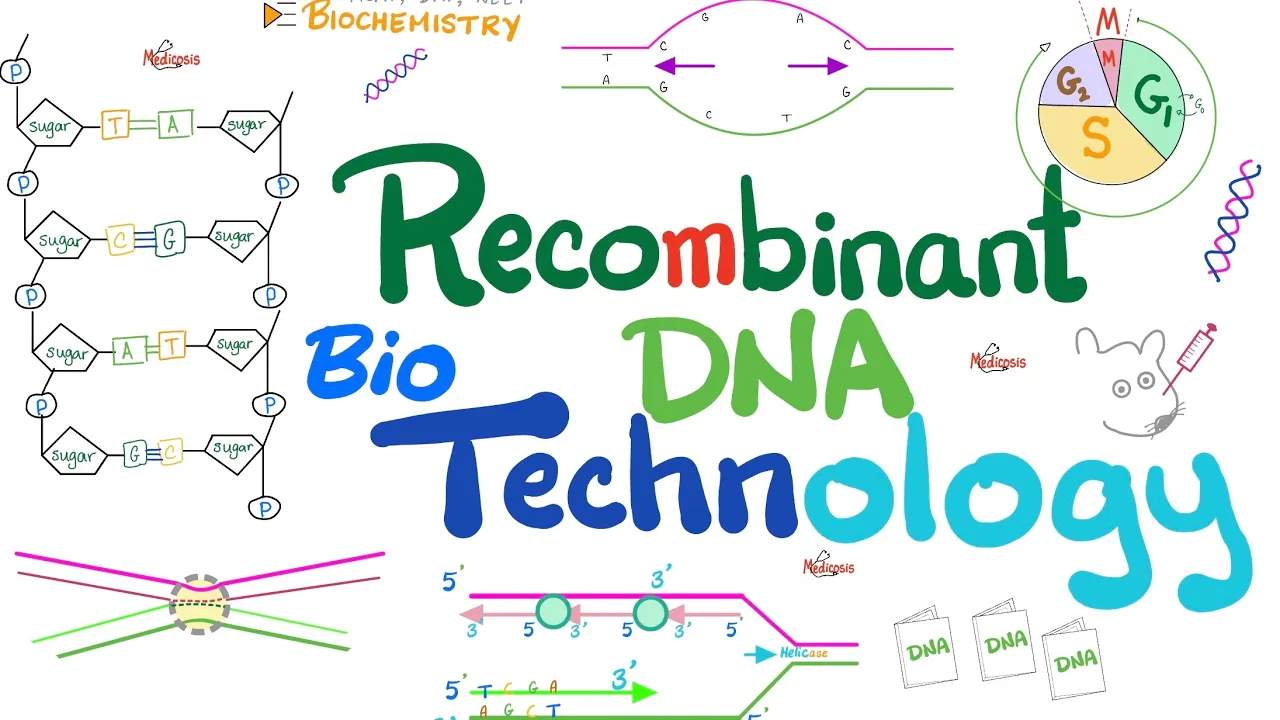
Recombinant DNA Technology: Familiarity with genetic engineering techniques such as PCR, gene cloning, and DNA library generation.
Chemical Kinetics and Thermodynamics: Understanding activation energy, transition states, and how catalysts speed up chemical reactions.
Industrial Green Chemistry: Exploring how engineered biocatalysts are applied in pharmaceuticals, biofuels, and environmental waste management.
Computational Enzyme Design and Machine Learning: Integrating directed evolution with artificial intelligence (e.g., AlphaFold) for predictive protein engineering.
Metabolic Engineering and Synthetic Biology: Designing entire synthetic pathways inside micro-organisms to biosynthesize complex molecules.
Expanding the Chemistry of Life: Investigating how directed evolution can create enzymes that catalyze completely non-natural reactions, such as forming carbon-silicon or carbon-boron bonds.
109.5K views2.1Klikes34:36Original Release: 2018-12-08
Francis Arnold was born in 1956 in Pittsburgh United States she got her PhD in 1985 at the University of California at Berkeley she is now active as a professor at California Institute of Technology in Pasadena also in California Francis Arnold pioneered directed evolution of enzymes she used her engineering skills to make this method a most versatile tool for developing bio catalysts for new environments and for new tasks she has made a strong effort to make this planet a better place the enzyme she develops can be used to speed up chemical reactions in a sustainable way making less waste in a cleaner process we call them fantastic biocatalysts now Francis Arnold I invite you to the stage to deliver your talk okay [Music] thank you I'd like to thank the the Royal Swedish Academy of Sciences the Nobel Prize Committee in Chemistry my family many of whom are here my friends even more of whom are here and especially I'd like to thank my former and current students and I know there's a group of you here because it's really their contributions that I'll be talking about today I'm a engineer I have been in awe and mesmerized by the chemistry of the biological world for some time because it's this incredible diversity of transformations that gives rise to all the beauty and functionality that we see in the natural world the complexity of the products that nature makes and when you think about how she can assemble these products with ease and elegance and remarkable efficiency from simple renewable abundant starting materials to me that's a real inspiration for chemistry of the future now who does this chemistry it's the enzymes these remarkable marvelous molecular machines that catalyze all the reactions in the living world almost all the reactions in the living world and that our DNA encoded now I'm also in awe and inspired by the enzymes but also by the process that nature uses to create them and in fact that nature uses to create everything in the living world evolution it's a remarkable diversity generating machine it's a simple algorithm of mutation and natural selection that gives you a recipe for adaptation for optimization for innovation and has created all the life that we see our the starting from a Universal common ancestor a simple life form more than three billion years ago now I wanted to build new enzymes and protein engineers like I was in the 1980s we struggled mightily with a simple problem and that is we didn't understand and we still don't today enough about how a DNA sequence encodes function in order to be able to reliably design a new enzyme that's why I turn to nature's process so here's the problem even today we can read DNA we can write DNA you can just email a sequence off to your favorite supplier and you'll get it back in the mail we can edit DNA CRISPR casts we have all these tools but what we do not know how to do and this is the problem that I took on thirty years ago is how do you compose it it's like a Beethoven symphony the code of life it's intricate it's beautiful but we don't know how to write like that but nature does you have this process so we can think of all the proteins that exist today in fact all the way back to the Universal common ancestor as this set of proteins that are relevant to biology biologists this is what you study this little green place because that is but an infinitesimal fraction of the possible proteins we can think of this universe of all possible proteins as a playground for the future this is where I want to explore and I want to explore here because I think the solutions to many of humanity's biggest problems lie in this space now this is a challenge of course because this space is vast it's bigger than the universe the number of particles in the universe by many many orders of magnitude this remarkable short story by Jorge Luis Borgess the library of Babel describes for all practical purposes an infinite library of all possible books and the librarians there are in despair how could I if I want to search this universe of sequences which is like all possible proteins but I know that most of those possible books encode nothing at all they're just gibberish these random combinations of letters don't compete with pumping oil out of the ground for example how could I search this library and find something meaningful so this is a tough problem because if you look at this space it's so big and we've heard some very big numbers in these experiments gazillions well I cannot search for gazillions I don't have tend to the gazillion graduate students or even ten to the ninth graduate students and if we look at for a large protein now we've gone from peptides to antibodies which can be quite large but we go to something I can enzyme that space of possibilities is enormous if you make a single mutation to a typical protein you have thousands of ways to do that you start making too and you have millions of ways you make three and it just grows exponentially we cannot search this the space just without thinking a little bit about the process now John Maynard Smith helped me address this problem in a marvelous paper that he wrote published in 1970 my favorite one and a half page paper and he said consider proteins in an ordered space where every sequence is surrounded by its neighbors that differ by one mutation and he argued that if evolution is to occur and he believes it does and I think most of us here believe that evolution happens functional proteins have to be distributed in this space so that any functional protein something you can scrape off your shoe is surrounded by other at least a few other functional proteins forming a network maybe sparse in this space where most sequences are gibberish forming a network where evolution can walk along and that's exactly what proteins have done for the last three and a half billion years they've accumulated mutations one at a time primarily to create what the proteins are today now of course I want to make better proteins I want to make enzymes that will solve human problems so let me add one more dimension to this and that is the fitness the performance how an enzyme performs a new job and that's defined by me in this set of experiments and we can think of this now as an optimization problem on a fitness landscape now in the 1980s we knew very very little about the structure of this landscape it could be rugged and if it's very rugged than most mutations of deleterious and send you into a crevasse of non function and evolution is very hard in that case on the other hand if it's smooth and John Maynard Smith helped argue that it has to be smooth in its dimensions for us to be here to talk about it then you can use simple optimization processes now science like all human endeavors is an evolutionary process right it builds on what is there and riri combine different pits and pieces from different places and a lot of interesting things were happening in the 1980's you've heard about some of those and in the early 1990s for example Manfred eigen was talking about experimental molecular evolution and Jerry Joyce was evolving RNA in the laboratory directing the evolution of RNA jeremy knowles showed us that beneficial mutations and proteins could be accumulated Stuart Kaufmann was talking about the theoretical fitness landscape searches and then for me Dan Dennett a philosopher gave me wonderful words and framework for the ideas that I was trying to work on and all of these came together in a simple process now the difference between my experiments and those that you've heard about is that I don't have an affinity selection that lets me search through a million or ten million or a billion different molecules we have to measure them one by one because you get what you scream for in this business and if you're looking at it enzyme you need to measure what that enzyme does maybe we can test a few thousand things or a few tens of thousands of things most of those mutations are deleterious so this meant that we had to be very careful about how we were going to carry out this optimization making just a few mutations at a time maybe one at a time randomly in the molecule scream carefully to measure the small effects that you would expect to get from a single mutation and then if you wanted something that was very different from what you started with and believe me choosing that starting point is important because you don't get a race horse from a donkey so you choose that that's a very rational thing if you want something quite different from what you start with and you have to iterate you have to accumulate those mutations over multiple generations and this gave us an experimental process that has proven its value so if you start with your donkey and and most enzymes are pretty good Nature has done a good job optimizing them for their job but if you start asking it to do a new job for me they're less enthusiastic let's say and that Fitness drops dramatically but on this smooth Fitness landscape a simple optimization of accumulating mutations over multiple generations can reoptimize it for the new job that worked from the 1980s that we started this culminated in this first paper published in 1993 where Kevin Chen showed that we could adapt an enzyme to what was considered a highly non natural environment fact it was so now not natural that many biochemist told me oh you can't do that it won't work an enzyme will never work and dimethyl formamide in fact they don't like it at all but what we showed is that with a few mutations and doing this process you could convince it to work just as well in 50 or 60 percent DMF as it was did in its natural environment in 1995 I met Tim stemmer shortly after his DNA shuffling paper was published we met at a workshop at the Santa Fe Institute and I was taken with his vision he he introduced this idea of sexual recombination so this is another search strategy for evolution seems to work pretty well there's a lot of diversity you get by recombining your DNA with somebody else's and Pym talked about this is a molecular breeding process and I often use that when I present my work now sadly PIM passed away in 2013 but he started a company that pushed a lot of this technology mine and his out into the world and as a result of their work at maxsa j'en and many many other laboratories this directed evolution process has created enzymes that you will find in your laundry detergents that are used to manufacture pharmaceuticals that are used in all sorts of different industries today I'm very proud of those applications none of which I'm responsible for but that's the nice thing if you provide a basic framework that's simple and this is what engineers like to do make it as simple as possible then the whole world will be able to use it but we learned some very interesting things about enzyme in the process of doing that of course they will adapt rapidly we didn't know this at the time we didn't know how many iterations how many mutations it would take to get a new function out of an enzyme or to make it function in a non natural environment or take a new substrate and those came rapidly we also learned that we are a long ways away from being able to design them because I knew this process would be useful back in the 90s because we knew it was fast but also that the solutions that you got were so surprising mutations happened all over the protein 2030 angstroms away from the active site where no one could explain them much less predict them so here we have this marvelous optimization mechanism and that's what I've told you about you take a a biological enzyme and you can optimize it and change it for different functions so now I'm going to fast forward into today so that I can end with the future I'm interested today not in the optimization so much although that's very important but actually how does evolution create novelty how could you create enzymes to catalyze reactions you cannot even find in the biological world or at least we haven't found them yet you cannot go to a database and find an enzyme that catalyzes your favorite reaction how could we import reactions even invented by human beings a hundred years of creative chemistry how could we import that into the efficiency of the biological world in genetically encode whole new chemistry and at first I thought that would be a really hard problem because we all know enzymes are so beautifully designed they position their functional groups to catalyze a reaction and stabilize a transition state and how do you create a whole new active site it's a very conservative process what I just described to you making one mutation at a time but that's the wrong way to think about it because nature is making new enzymes all the time usually to break down your bill and billion or antibiotic but usually in response to pressures that humans have placed on this planet so here's a great example a potent herbicide that we've been dumping into the environment onto our fields for more than 60 years was first thought to be non biodegradable and all of a sudden some enzyme figured out how to dechlorinate atrazine giving a rich nitrogen source to the organism that invented it and it spread all over the world this is evolution in real time evolution in real time every time you see antibacterial soap we're causing and pushing evolution but it's happening quickly so how does this happen how do you get evolution in real time well it happens that enzymes already have those capabilities they're like graduate students you're selected for working long hours at low pay and you can do that but maybe you could also play the piano or do dishes if you had to if chemistry was no longer a viable field for work you could go and switch into something else what enzymes are just like that any enzyme that exists today has promiscuous capabilities that evolution uses as a fuel for further invention and if you can find those promiscuous capabilities I'm the trainer of molecules I have to see those then you can use this simple turn the crank presto results process of directed evolution so let me give you an example I love the cytochrome C's because here's a family of enzymes that Nature has diversified to carry out all sorts of interesting chemical reactions and many of you are familiar these nature's uses one or a set of closely related highly reactive intermediates to do this and presumably through this process of mutation and selection has diversified this family now we argued in looking at this that wow this looks a little bit a little bit like human invented chemistry if you could convince a cytochrome p450 to create a reactive intermediate that has a carbon these are reactive carbons in the active site make an iron carbonate maybe you could convince it to transfer that and do human chemistry like turn double bonds into cyclopropanes or insert that carbon and into an xh bond this is not known in the biological world was invented by human beings but if we provided the right synthetic environment think atrazine right a new niche for the enzyme and this tool of directed evolution perhaps we could create enzymes for these new human things so it becomes a question can a heme protein create these new reactive intermediates and there was some evidence that that would be possible but then the hard part would it take that instead of using it to chew itself up would it transfer that to a second substrate so now you've got to have two substrates coming together in a enzyme that's never seen these before and if you can see that little bit of activity does it evolve five years ago we asked these questions that I'll just give you one example of much more recent work that we did in fact these do do carbon transfer we've created a whole bunch of carbon transfer aces and one of the ones that I love to talk about is one that does chemistry that even humans have a really hard time doing making highly strained carbon cycles like by cyclo butane which is a transformation not known in the biological world and even in the chemical world the world of human chemistry is very difficult to do and it requires precious metals so iron earth-abundant iron was never known to do this but chi-chan showed that he could make cyclopropanes we have more than 50 kcals per mole of ring strain in these structures and that by providing a carbon precursor to this the enzyme would form the reactive carbon transfer it to that and the furthermore it evolves so he discovered chitin discovered an enzyme sitting in our refrigerator I have a tremendous collection of interesting him and he just said can you do this as a promiscuous activity then he showed he could evolve it over multiple generations to become reasonably efficient catalyst but even more wondrous is that he could further train the enzyme to do it twice so if it hangs on to this reactive cyclopropane in the active site he can now add a second carbon so you blow off nitrogen with this that drives the formation the carbon you can now add a second it might by cyclobutane pure diastereomers you only make one of the four possible diastereomers because the enzyme creates the environment where this remarkable chemistry can take place furthermore the enzymes can make lots of by cyclobutane now as far as I know nobody wants by cyclobutane if anybody wants them please let me know but these are interesting interesting molecules that really have evaded human chemistry but hear an enzyme just learned how to do that in a few generations and they happen inside living cells so you do this chemistry just by providing the substrates to bacteria in a in a culture and they'll see you out enough of these so that we can get we can assign the absolute stereochemistry let me give you another example consider bonds that are unknown in biology here we have silicon an element that is so abundant on our earth's crust and has never been found bonded to carbon in the biological world there are no carbon silicon bonds in biology some people have wondered why that's the case I'm not going to answer that question but now they are found in biology because if you go to my refrigerator you can find proteins for example from this hot salty pool in Iceland from an organism that grew there and that protein if you just search through these that protein will take a carbon precursor and this silane dimethyl phenol silane and insert the carbon into that silicon hydrogen bond and make new organosilicon compounds just a wild type protein no one ever asked if nature could do it of course these are not naturally abundant compounds but nature is capable Nature has the inherent capability to do or igano silicon chemistry for tea turnovers that's as good as the best human-made catalyst just a natural protein 97% of nantou selectivity oh and by the way I just point out this is a cytochrome C and it is so stable so stable you can boil it even a chemist can use it it's so stable it just looks like a powder and it works beautifully for this chemistry the native function of this cytochrome C is electron transfer and in fact if you know anything about cytochrome C you'll be puzzling whoa how does this happen because the active site where this chemistry takes place if you look at the crystal structure of this protein you see that the active site is all filled up with protein it's the iron is fully saturated all the ligands from the porphyrin ring and the axial ligands above and below just fill up the active site so if you roll your little ball over the computer you find a big fat 0 4 active site volume but Nature doesn't care about your calculations because this protein is perfectly happy to do this chemistry and our pictures are simple pictures of proteins don't do justice of what's actually happen not only does it do this chemistry but this protein also evolves so that if you make mutations near the active site over three generations you can evolve the low promiscuous activity of the wild protein into something that now becomes dozens of times better than the best human catalyst just turn the crank give them a little bit of sugar and the proteins will evolve and it works inside of bacterial cells why is that important the bacterial cells will make your catalysts and make millions of versions of your catalysts for the price of sugar so if it's DNA encoded and these are all just you put the gene into the bacteria if it's DNA encoded you can just grow all the catalysts that you want and mutate it a million times for the price of sugar and here I show you an example where for example you can choose between putting that carbon in on silicon or a nitrogen and if you've evolved the catalysts it chooses only the silicon so you get the chemo selectivity enantioselective ax t all done by the bacteria now when this story was published went all over the world because everybody said we're making silicon-based life that wasn't the case I don't have time to go into some of the funny things that came about it but apparently nobody actually read the paper they only read the title of the paper so it went around the world and mutated the story as it went around the world and and it gave my group a lot of fun laughter reading the Twitterverse interpretations of how we were creating silicon-based life but it works in life and you could conceivably build silicon into living systems now that you have genetically encoded chemistry you can also learn how the protein learned how to do this you could get the structure of the protein and in this case we see that the structure has changed dramatically we have a loop over this active iron that has completely flipped out into solvent there were three mutations that were made in this protein has caused this loop to flip out and opens up a volume a pocket here that has sufficient volume now to accommodate a large number of different substrates and do this chemistry extremely efficiently dozens of times better than the best catalyst that was ever published by a human being if you can do it with silicon you can do it with other atoms as well and so for example recently a year later we we just published excuse me the incorporation of carbons into boron h bonds and yes there are no boron carbon bonds found in the biological world and here's a bond that's very much favored by chemists very versatile system organ abhorrent but you can take an enzyme or a protein like cytochrome C and just turn the crank so you're starting to get a little bit of the pattern here you discover a little bit of activity you have this wonderful optimization problem process and we can find by starting with the zero generation wild-type protein and evolving over three generations you now have something that when you use it under optimal conditions is four hundred times better than the best human catalyst for the same reaction does it with earth-abundant iron and you can of course also change the selectivity tuning the catalyst for the chemistry that you're interested in I just point out that in the biological world one criticism we face if we want to do biocatalysis is that oh you can't do what I can do I have great chemists at Caltech who can do and create materials that biological world can't do but I hope that's going to change because I've just shown you even though biology is limited to the bonds that it can make so carbon for example is often found bonded to nitrogen or oxygen or sulfur a little bit to the halogens a few other things lots of lots of hydrogen of course but there's vast portions of the periodic table that it we have never found a biological system to do and I just showed you in the of two years we've added two whole elements to biologies repertoire so you can now build carbon boron and carbon silicon scaffolds in living systems and of course then do further chemistry on that in metabolic pathways so I would like to leave you with this idea for the future because I'm I'm really excited about now but even more so about the future of this science that we have this incredibly powerful design algorithm right it works at all scales from molecules to ecosystems and it not only optimizes but it can innovate and it can do it in real time and in the chemistry world what that does is open this opportunity basically to take down the barrier between the natural chemistry and human invented chemistry and just import all those human inventions into the biological world you just sit there and I sit there and read chemistry papers my students read old Jack's journals and they say wow I bet I could import this reaction in and I haven't shown you many of the other ones that they've been successful in doing but this is an exciting thing I think for the young people people because by marrying these different fields it's it's like you're in a a goldmine of possibilities that you can now genetically encode and make much easier some of your favorite chemistry and I'd also like to leave you with this idea that the biological world is wonderfully diverse there is a bazillion proteins out there just waiting to solve your problem and nature knew this right the Internet of Things now now it's the Internet of living things that's been crowdsourcing problem solving for more than 3 billion years and if we learn how to use this to our benefit we can move into a much more sustainable future and make our fuels and chemicals using biological systems so I'd like to leave you with this idea that we have a universe to explore we have a spaceship for exploring that universe it's called evolution and I want to thank the very large number of people who've worked with me over the years at Caltech a big fraction of them are shown in this picture they came for one of my big birthdays a couple of years ago and once again I thank them and I thank you for your attention [Applause] [Applause] [Music] Frances Arnold George Smith and Gregor winter thank you all for wonderful talks and I now welcome all three of you up on the stage to take all their places [Applause] [Music] [Applause] [Music] [Applause] okay [Music] [Music] [Applause] [Music] [Applause] [Music] [Applause] [Music]
Up Next
10:42
Anodic Stripping Voltammetry: Cadmium & Lead Analysis Lab
@tamiclare1604
51.1K views•2016-01-21
26:38
Graphene Synthesis via Chemical Vapor Deposition (CVD) Techniques
@sethbrodski
3.3K views•2017-12-09

35:22
Nobel Lecture: Molecular Machines & the Mechanical Bond
@NobelPrize
19.1K views•2016-12-11
17:31
Edible Water Bottles: A DIY Guide to Sodium Alginate Spherification
@ryan
10.5M views•2019-06-21
Related Study Plans & Knowledge Roadmaps
Structured learning paths in Chemistry
chemistry
Nanochemistry: Synthesis, Properties & Analysis
01Foundations of the Nanoscale
02Size-Dependent Physical & Optical Properties
03Synthesis Methods: Top-Down vs. Bottom-Up
+ 2 more learning modules
15h5 modules
Explore Roadmap
chemistry
Nuclear Chemistry: Decay, Meds & Fuel Cycle
01Introduction to Nuclear Structure and Radioactivity
02Decay Dynamics and Kinetics
03Radiation Interaction and Detection
+ 2 more learning modules
24h5 modules
Explore Roadmap
chemistry
Supramolecular Chemistry: Forces & Machines
01Foundations of Chemical Bonding and Intermolecular Forces
02Introduction to Host-Guest Chemistry
03Thermodynamics and Dynamics of Self-Assembly
+ 2 more learning modules
16h5 modules
Explore Roadmap
chemistry
Photochemistry: Excited States & Reactions
01Foundations of Light-Matter Interactions
02Molecular Orbitals and Electronic States
03Photophysical Processes and Jablonski Diagrams
+ 2 more learning modules
18h5 modules
Explore Roadmap