

![[유기화학] 최진규교수님의 기초이론 1장_Part.1](https://i.ytimg.com/vi/V9YdNtZajjw/maxresdefault.jpg)









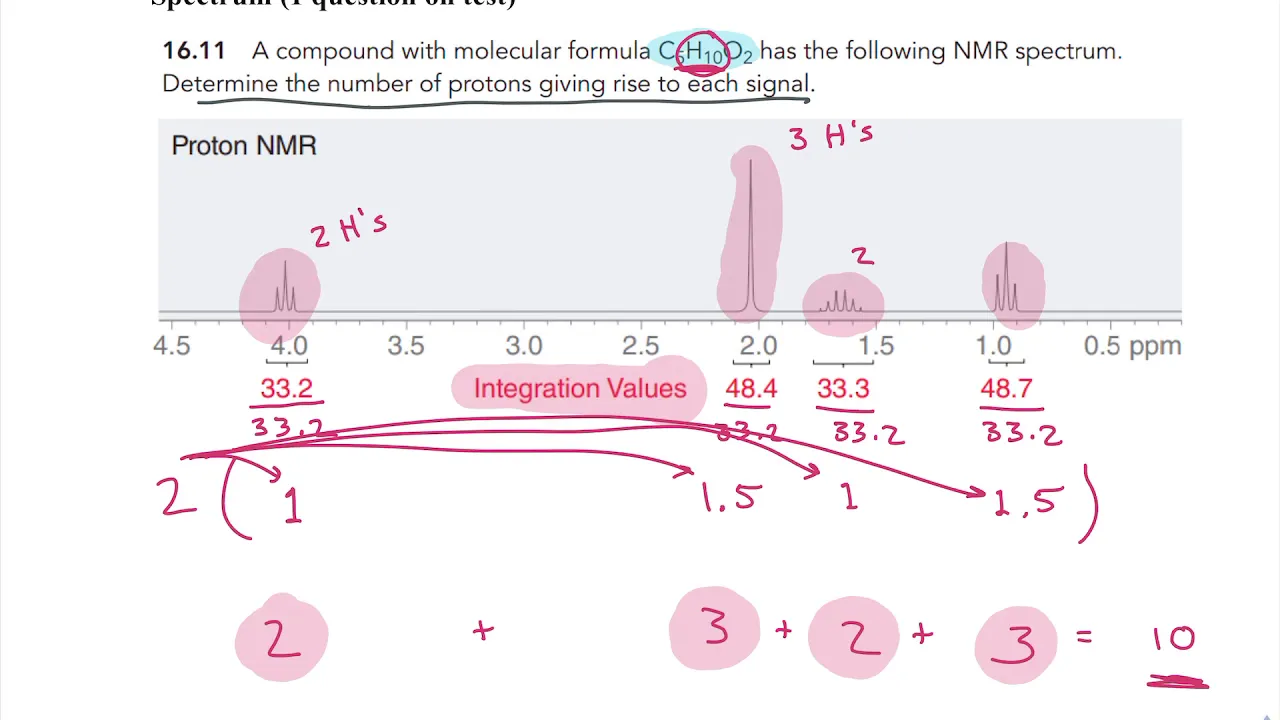


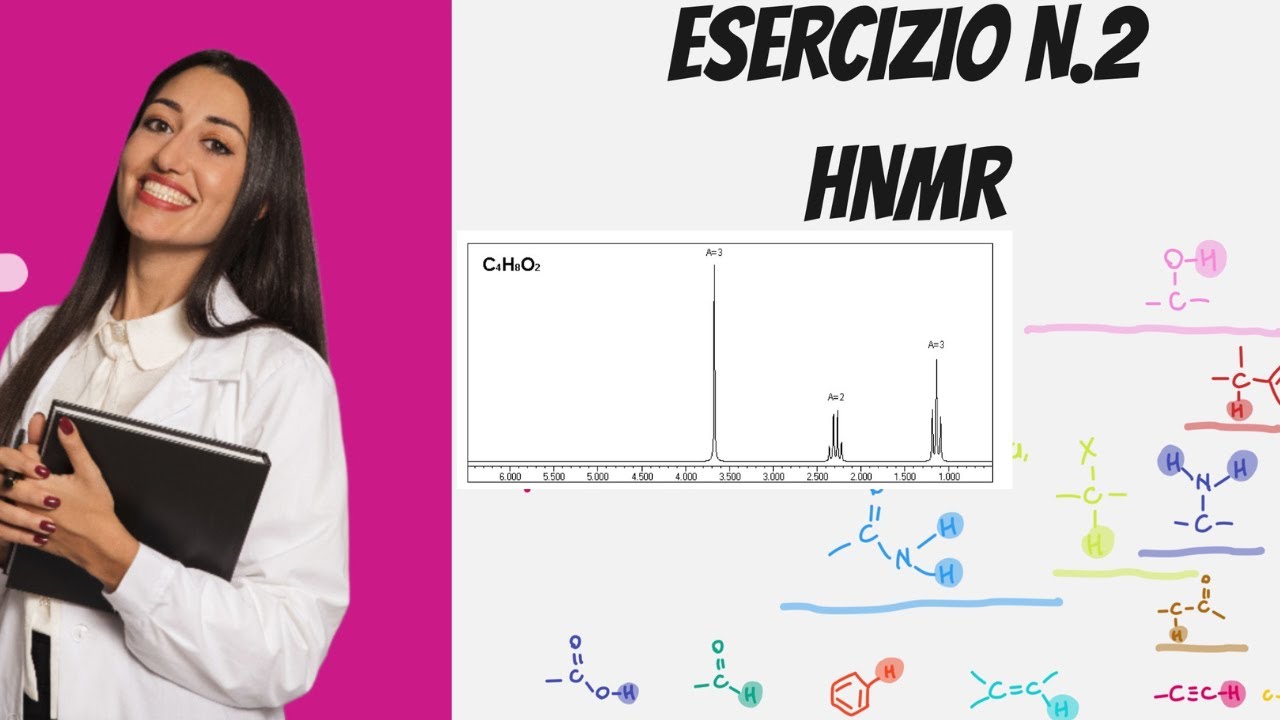

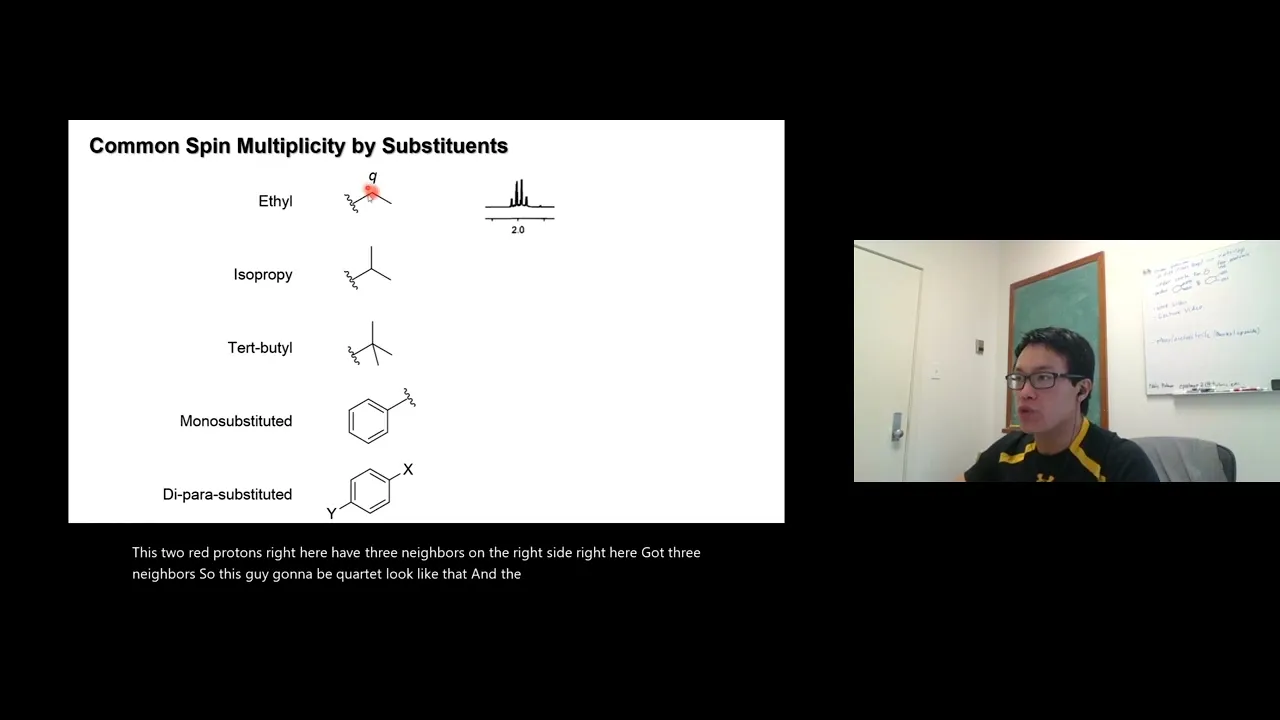


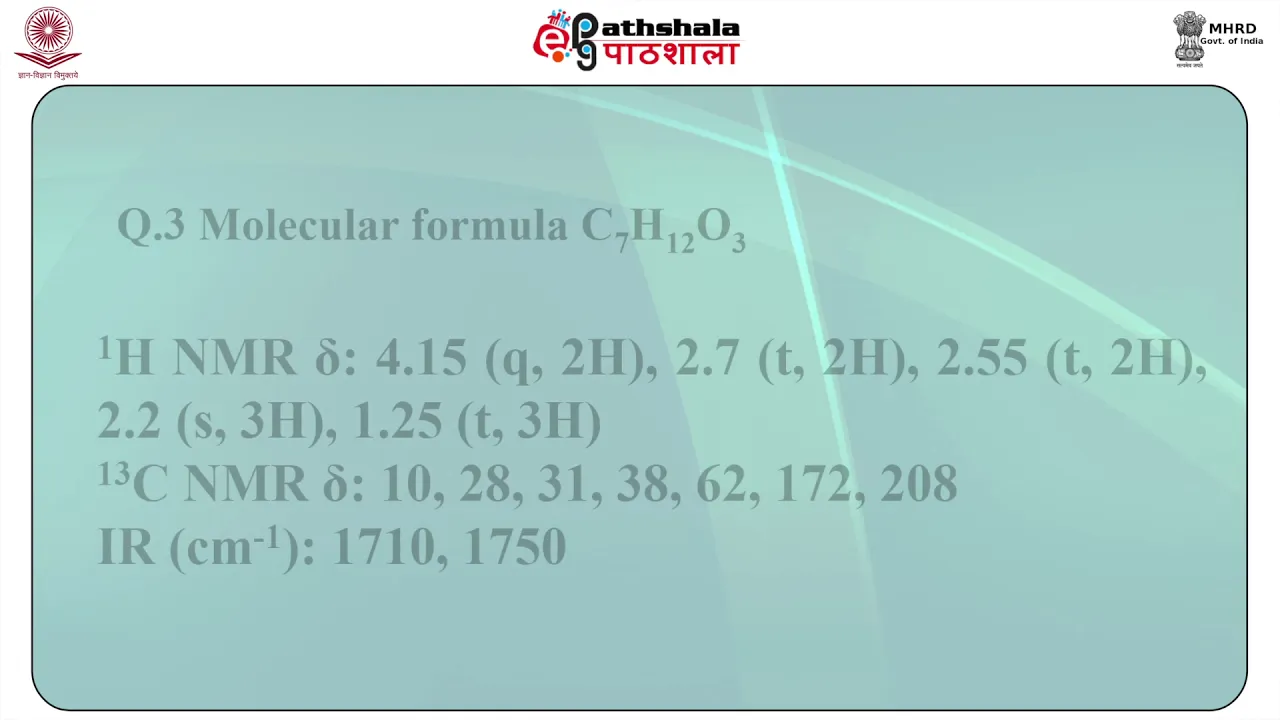

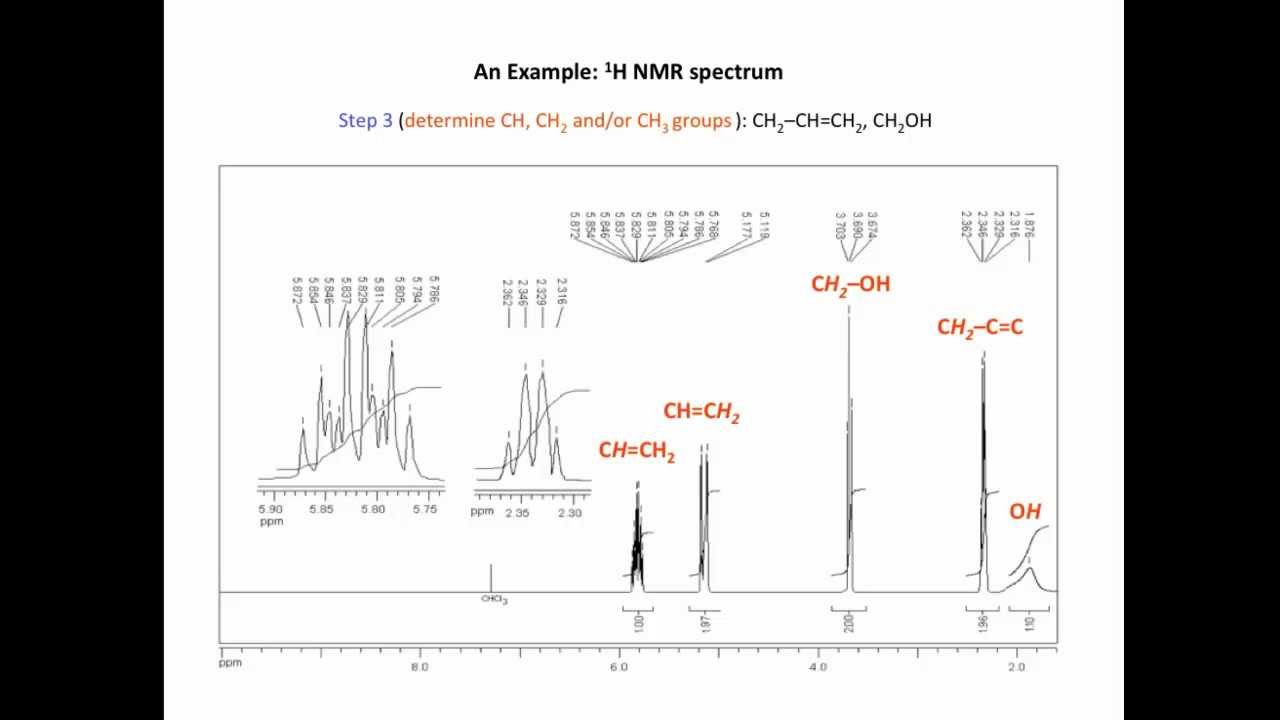
The number of peaks in a 1H NMR spectrum corresponds to the number of different chemical environments in which hydrogen atoms are located within a molecule; hydrogen atoms are in the same chemical environment if they are bonded to identical groups of atoms, while different groups or positions relative to functional groups (such as carbonyls, hydroxyls, or double bonds) result in different chemical environments and thus separate peaks.
1H NMR: Determining Number of Peaks from Structure
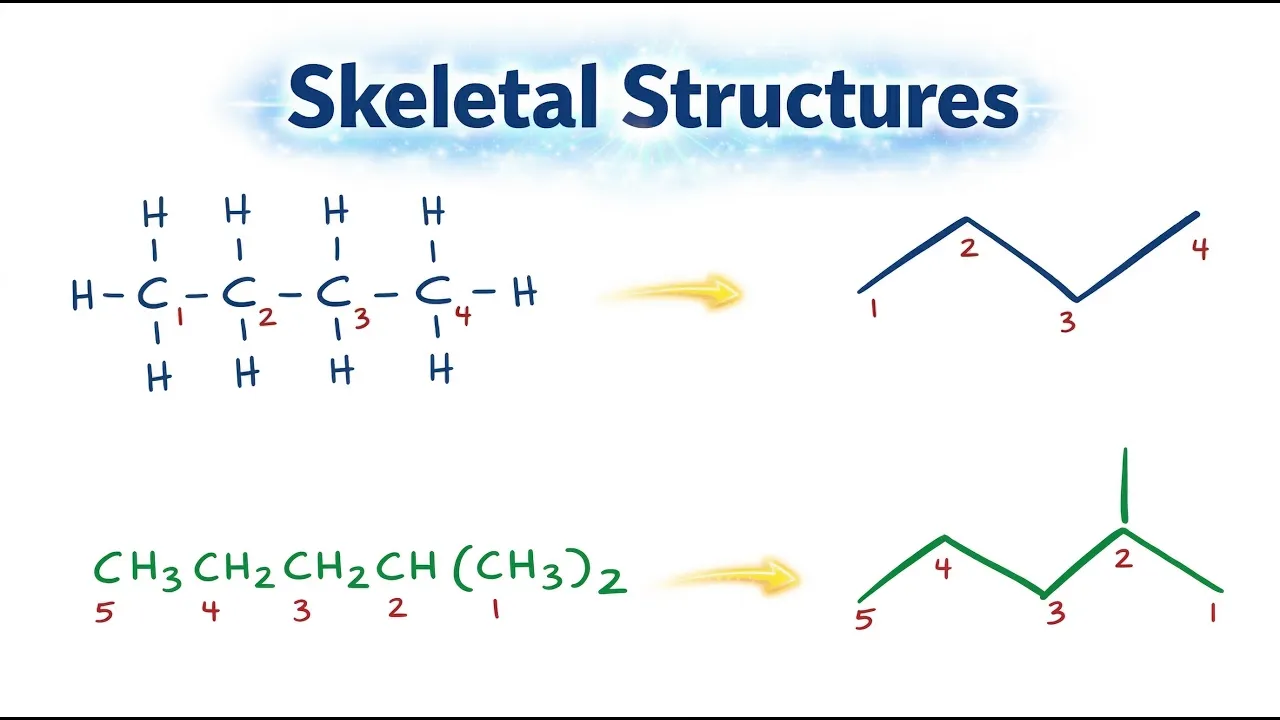
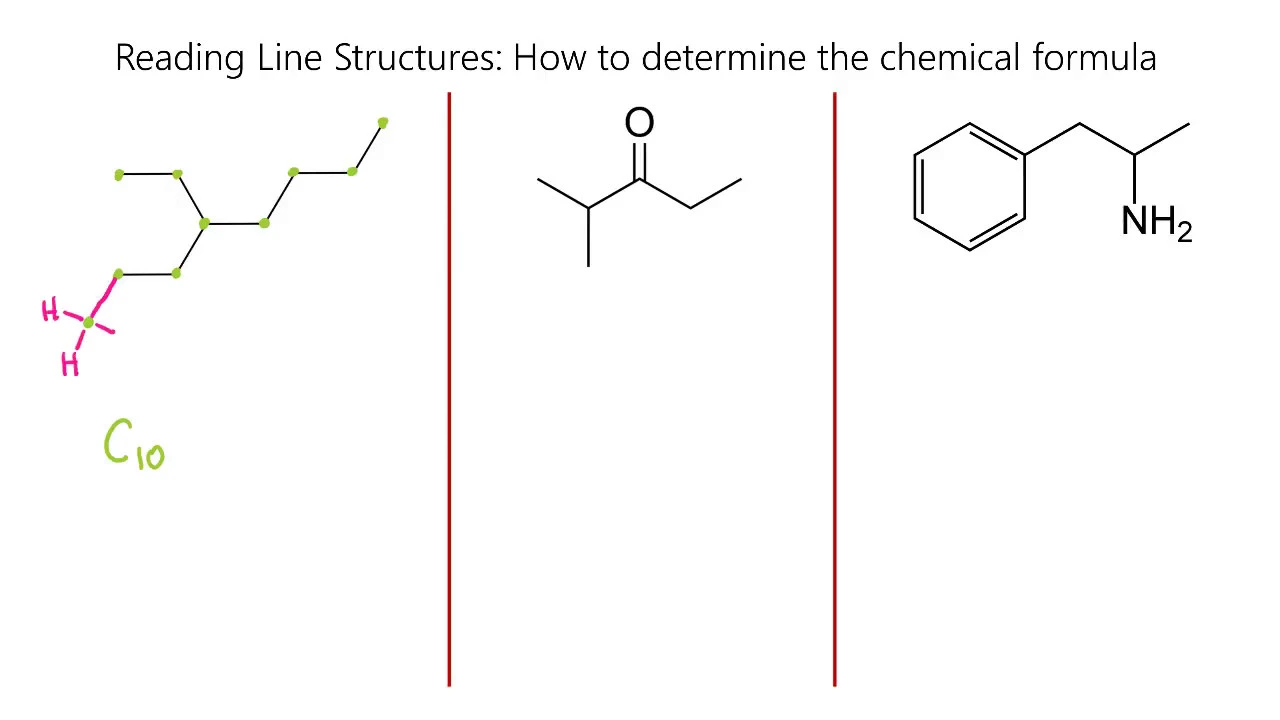
Added:Understanding of organic molecular structures, including skeletal structures and how to identify implicit hydrogen atoms.
Basic concepts of molecular symmetry, such as planes of symmetry and rotational axes, which dictate equivalent atoms.
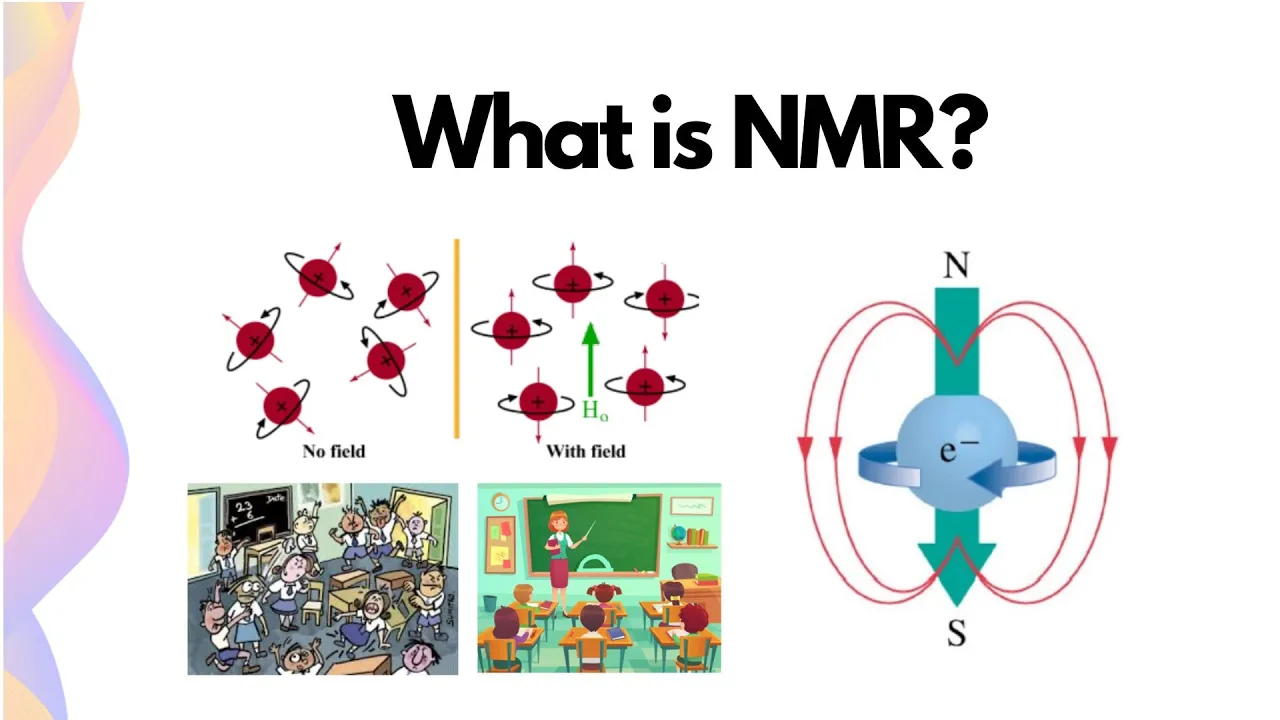
Fundamental principles of Nuclear Magnetic Resonance (NMR) spectroscopy, including nuclear spin and external magnetic fields.
Familiarity with hybridization (sp3, sp2, sp) and the electronic environments of different carbon-hydrogen bonds.
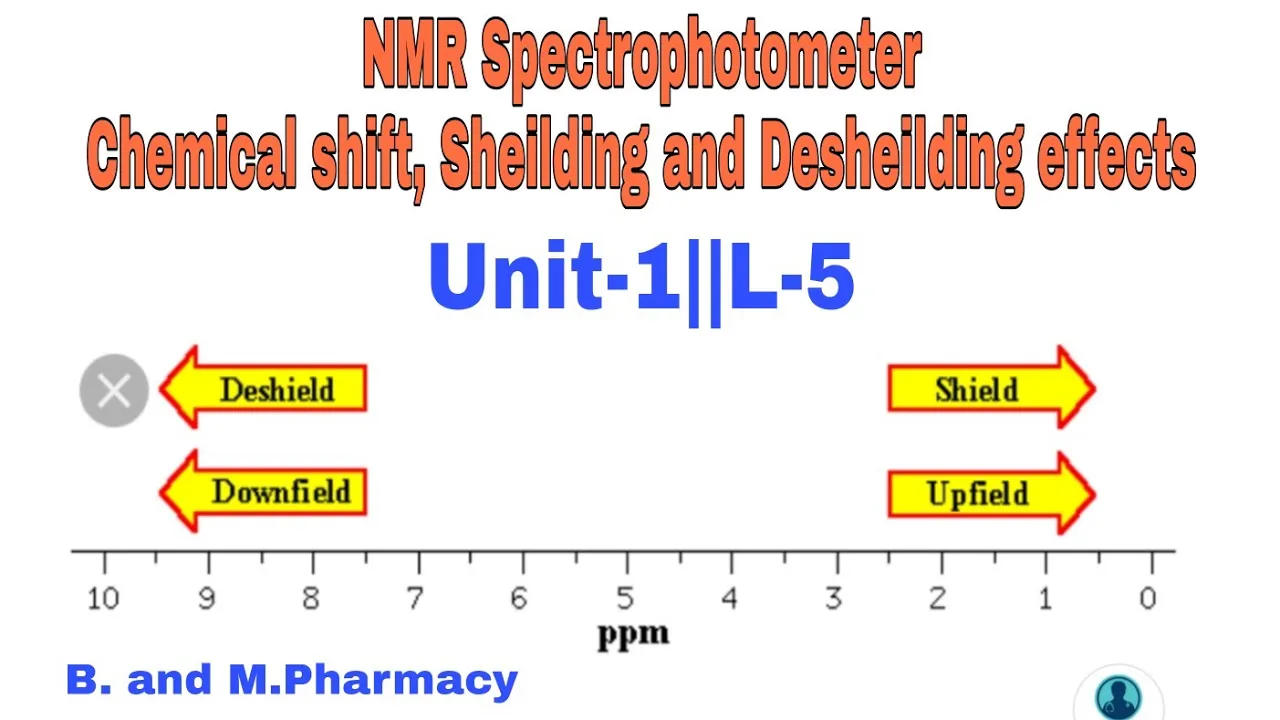
Understanding chemical shifts (ppm values) and how electron-donating or electron-withdrawing groups shield or deshield protons.
Learning peak integration to determine the relative ratio of hydrogen atoms represented by each signal.
Mastering spin-spin splitting (multiplicity) and the n+1 rule to identify neighboring proton environments.
Differentiating between homotopic, enantiotopic, and diastereotopic protons in complex or chiral environments.
Applying combined spectral analysis (1H NMR, 13C NMR, IR, and Mass Spectrometry) to elucidate unknown organic structures.
59.2K views395likes10:06Original Release: 2017-04-06
this is msj Cam in this video I'll be looking at proton nuclear magnetic resonance spectroscopy so we'll start by looking at an NMR Spectrum the number of Peaks on the Spectrum gives the number of different chemical environments in which hydrogen atoms are located so on this Spectrum which is for ethanol we can see we have one Peak at around 9.5 PPM one Peak at around 2 p P pm and one Peak at 0 PPM the Peak at 0 PPM is for TMS which is Tetra methyl selan TMS is assigned a chemical shift of 0 PPM and the chemical shift of all other Peaks are measured relative to this peak so if we ignore the Peak at 0 PPM we can see that we have one Peak at about 2 PPM and one Peak at about 9.5 PPM so in ethanol there are two different chemical environments in which hydrogen atoms are located which means we see two peaks on the NMR Spectrum next we look at more examples of NMR Spectra for different organic compounds our first example is the NMR Spectrum for propanone if we look at the structure of propanone we can see there are two ch3 groups bonded to a carbonal group group the hydrogen atoms or protons in the two ch3 groups are in the same chemical environment therefore there's only one type of chemical environment in which hydrogen atoms are located and we see one Peak on the NMR Spectrum next we look at the NMR Spectrum for cyclobutane by looking at the structure of cyclobutane we can see that there are four carbon atoms bonded in a cyclic structure the hydrogen atoms or protons in each ch2 group are in the same chemical environment so once again we only have one type of chemical environment in which hydrogen atoms are located and we see one Peak on the NMR Spectrum next we look at the NMR Spectrum for two methyl propene the hydrogen atoms in the two ch3 groups are in the same chemical environment the two hydren atoms in the ch2 group are in a different chemical environment so in two methyl propene we have two different chemical environments in which hydrogen atoms are located which gives us two peaks on the NMR Spectrum our next example is the NMR Spectrum for butane the three hydrogen atoms in the two ch3 groups are in the same chemical environment the two hydrogen atoms in the two ch2 groups are also in the same chemical environment so in butane there are two different chemical environments in which hydrogen atoms are located which gives us two peaks on the NMR Spectrum our next example is the NMR Spectrum for propanal in propanal there are three different chemical environments in which hydrogen atoms are located so the one hydrogen atom bonded to this carbon and the two hydrogen atoms bonded to this carbon and the three hydrogen atoms bonded to this carbon are all in different chemical environments so when we look at the NMR Spectrum for propanal we can see there are three Peaks which correspond to the three different chemical environments in which hydrogen atoms are located and finally we have the NMR Spectrum for butanone although we have two ch3 groups the hydrogen atoms in these ch3 groups are in different chemical environments the hydrogen atoms in the ch2 group are also in a different chemical environment so that means we have three different chemical environments in which hydrogen atoms are located and Three Peaks on the NMR Spectrum next we look at how to determine if hydrogen atoms or protons are in different chemical environments we'll start by looking at the hydrogen atoms into methyl propan so in this molecule we have two ch3 groups and one ch2 group so the hydrogen atoms in a ch2 group are in a different chemical environment to the hydrogen atoms in a ch3 group as I mentioned earlier the hydrogen atoms in the two ch3 groups are in the same chemical environment this is because both ch3 groups are bonded to the same group of atoms which in this case is a carbon atom double bonded to a ch2 group next we look at propanone so in propanone we have two ch3 groups and the protons in both ch3 groups are in the same chemical environment if we look at the group of atoms to which both ch3 groups are bonded we can see it's the same group in this case a carbonal group therefore the protons in both these groups are in the same chemical environment our next example is cyclobutane in cyclobutane the protons in each ch2 group are in the same chemical environment this is because each ch2 group in cyclobutane is bonded to two other ch2 groups which means we have four identical chemical environments in which hydrogen atoms are located next we look at butane in butane we have two ch3 groups and two ch2 groups if we look at the two ch3 group groups we can see they are both bonded to a ch2 group which means the protons in both ch3 groups are in the same chemical environment also if we look at both ch2 groups we can also see that both groups are bonded to the same groups of atoms the ch2 group on the left is bonded to a ch3 group and a ch2 group and the ch2 group on the right is also bonded to a ch3 group and a c ch2 Group which means the protons in both ch2 groups are in identical chemical environments our next example is propanal in propanal we have one carbon atom that's bonded to one hydrogen atom another carbon that's bonded to two hydrogen atoms and another carbon that's bonded to three hydrogen atoms because we have different numbers of hydrogen atoms bonded to the carbon atoms that means we have three different chemical envir Ms in which hydrogen atoms are located our final example is butanone in butanone we have two ch3 groups and one ch2 group so the hydrogen atoms in a ch2 group are in a different chemical environment to those in a ch3 group so that leaves us with these two ch3 groups to determine if the protons in these two ch3 groups are in the same or different chemical environments we need to look at the groups of atoms to which they are bonded the ch3 group on the left is bonded to a ch2 group and the ch3 group on the right is bonded to a carbon which is double bonded to an oxygen so we can see that both ch3 groups are bonded to different groups of atoms therefore the protons in each ch3 group are in different chemical environments in our last example we look at the NMR Spectrum for ethanol ethanol has three different chemical environments in which hydrogen atoms are located therefore it shows Three Peaks on its NMR Spectrum ethanol has one ch3 group one ch2 group and an O group the hydrogen atoms in the ch3 group and the ch2 group are in different chemical environments the hydrogen atom bonded to an oxygen in a hydroxy group is also in a different chemical environment so this means that we have three different chemical environments in which hydrogen atoms are located and we see Three Peaks on the NMR Spectrum so let's end with a summary as we saw in the previous examples protons in ch ch2 ch3 and O groups are in different chemical environments so in propanal there are three different chemical environments in which hydrogen atoms are located in two methyl propene there are two different chemical environments in which hydrogen atoms are located and in ethanol there are three different chemical environments in which hydrogen atoms are located next if there are two of the same group for example two ch3 groups then you look at the groups of atoms that those groups are bonded to if they are the same then the protons are in the same chemical environment if not they are in different chemical environments so in two methyl propene the hydrogen atoms in both ch3 groups are in the same chemical environment because both ch3 groups are bonded to the same group of atoms the same can be said for the two ch3 groups in butane and also the two ch2 groups however the protons in the two ch3 groups in butanone are in different chemical environments this is because both ch3 groups are bonded to different groups of atoms
Up Next

10:26
Proton NMR Spectroscopy: Basic Physical Principles Explained
@readysetorgo
599.9K views•2014-07-21
83:56
Biocatalysis and Catalysis in Islatravir Synthesis | Merck Webinar
@SCIwheresciencemeetsbusiness
675 views•2020-10-08
1:23
Host-Guest Chemistry Explained: SL IB Chemistry Revision
@MSJChem
27.2K views•2015-06-15

17:31
Edible Water Bottles: A DIY Guide to Sodium Alginate Spherification
@ryan
10.5M views•2019-06-21
Related Study Plans & Knowledge Roadmaps
Structured learning paths in Chemistry
chemistry
Nuclear Chemistry: Decay, Meds & Fuel Cycle
01Introduction to Nuclear Structure and Radioactivity
02Decay Dynamics and Kinetics
03Radiation Interaction and Detection
+ 2 more learning modules
24h5 modules
Explore Roadmap
chemistry
Supramolecular Chemistry: Forces & Machines
01Foundations of Chemical Bonding and Intermolecular Forces
02Introduction to Host-Guest Chemistry
03Thermodynamics and Dynamics of Self-Assembly
+ 2 more learning modules
16h5 modules
Explore Roadmap
chemistry
Photochemistry: Excited States & Reactions
01Foundations of Light-Matter Interactions
02Molecular Orbitals and Electronic States
03Photophysical Processes and Jablonski Diagrams
+ 2 more learning modules
18h5 modules
Explore Roadmap
chemistry
Coordination Chemistry: Bonding & Properties
01Introduction to Transition Metals and Ligands
02Crystal Field Theory (CFT) and Geometry
03Magnetic Behavior and Spin States
+ 2 more learning modules
14h5 modules
Explore Roadmap