













This webinar presents Merck's innovative approach to synthesizing the HIV drug candidate islatravir using a fully enzymatic cascade reaction that combines phosphorylase, mutase, aldolase, and galactose oxidase enzymes with directed evolution techniques. The cascade converts simple building blocks (glyceraldehyde, acetaldehyde, and base) into the complex deoxyribonucleoside analog through multiple enzymatic steps operating in a single solvent stream without intermediate isolation. This biocatalytic approach dramatically improves efficiency compared to traditional 12-18 step chemical syntheses, reducing process mass intensity by approximately 15-fold and increasing overall yield by nearly four-fold. The presentation also explores complementary strategies including transition metal catalysis and electrochemical approaches for asymmetric oxidation, demonstrating how integrating different catalytic paradigms enables sustainable synthesis of complex pharmaceutical molecules.
Biocatalysis and Catalysis in Islatravir Synthesis | Merck Webinar
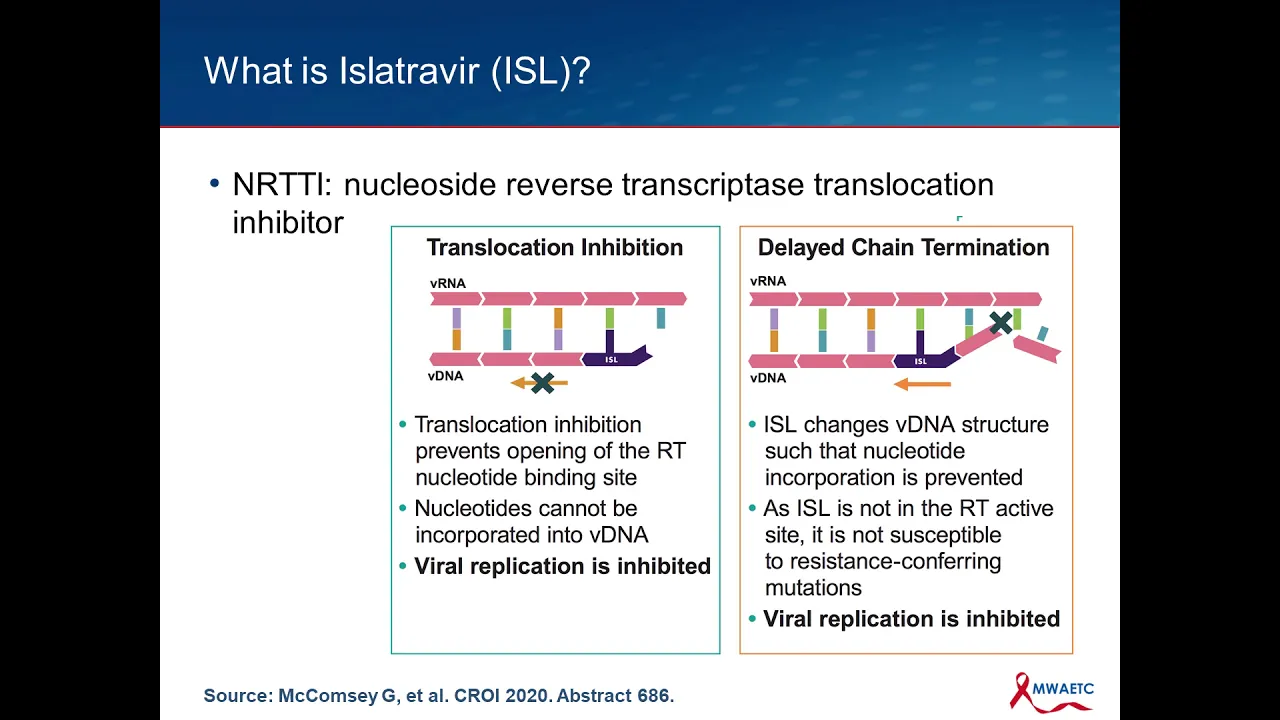
Added:okay uh so welcome to our final session of our society of chemical industry webinar lectures my name is oliver ring i'm a process development chemist at astrazeneca and also remember the young chemist panel and i'm going to be uh hosting today's session i'm also joined by jason tierney and fred hancock who are going to be helping out with the q a session at the end of our two speakers so those of you who aren't aware the society of chemical industry aims to break down the barriers between uh industry and academia and we do this by organizing various uh conferences workshop events uh including today's webinar session so those of you who are new to the series all delegates are put into mute mode throughout the session uh if you have a question throughout either of our two talks for today please do type that into the questions tab we'll aim to prioritize as many of those as possible and also it'll be nice if you could type in uh the institution that you're affiliated with whether that's uh an organization or a university and also where you're dialing in from uh it's really nice for the for the panel to see uh where everyone's uh submitting questions in from i'd just like to thank our corporate partners both or astrazeneca ucb and gsk for um partnering with us for this webinar session um and also i'd like to thank our individual sponsors ike and liverpool kyra kem for helping out um we couldn't have done it without you guys so thank you very much for for sponsoring all of our webinar sessions okay so our first uh presentation for the day so we've got uh anya bushkoska uh so anya started off her career in chemistry with an undergraduate degree and phd at the warsaw university of technology out in poland she then moved to the uk and i took a post-doctoral research fellowship at the university of manchester at this point she then moved to industry taking up a role at dr reddy's and then msd she's an expert in biocatalytic transformations in both discovery and process chemistry and today she's going to be presenting on her work for a commercial manufacturing scale enzyme cascade reaction i think without further ado i'm going to hand over to anya and uh we're all delighted to have you here presenting with us today thank you um okay fantastic thank you so much uh oliver uh and everyone uh for having us it's our great pleasure to be here today uh uh and to be able to share some of our work that we've been doing at uh process chemistry in new jersey us and today neil and i would like you i would like to take you on a journey through different types of catalysts and how we apply them uh in the synthesis of the celatrovir molecule we know that the audience of these webinars is very diverse so we would like to hear from you what what area what is your area of expertise and what mode of catalysis you specialize in and in our two joint presentations we hope to show you that a lot of innovation can happen at the interface of of disciplines and modes of catholicism and we are very lucky and privileged here at uh merck sharp and dome uh that our teams are composed of multidisciplinary scientists who bring different skill sets um and different knowledge to the problems uh we are trying to solve and as a result we think that that gives us a an opportunity to to get a better understanding of the reactions we are developing and ultimately uh come up with a better uh synthetic routes to complex molecules such as uh isla trivia so let me start from uh uh telling you a little bit about the molecule itself and why we are so excited about it so isla reviewer is a merc [Music] drug candidate currently progressing in phase three clinical trials for treatment and prophylaxis of hiv infection as you see on the screen here that this is a deoxy nucleoside analog with two unnatural structural elements this uh ethanol methyl group in a sugar ring and a fluorine group in the base fragments and due to its unnatural structural features it displays a novel mechanism of action where it inhibits reverse transcriptase by um holding the translocation of the growing dna viral dna chain uh and uh here i'm sharing with you the phase one clinical data uh now six months into a covered pandemic we're probably more accustomed to those kind of plots so what this float is showing is the viral rna levels in a blood sample after a single dose of islatrovir showing how this viral rna levels are efficiently suppressed over a long period of time so it's a lot to review this place high potency and long duration of action and that holds the promise of reduced frequency of dosing regimens and and us lead to significant improvement of patients lives as well as uh gives a promise and and enable us enabled us to think about uh pre-exposure prophylaxis approaches such as this implantable form and if you are interested in reading a little bit more about those kind of ideas and approaches i would encourage you to uh to check some of the articles that were published um in the summer last year but for us this chemist uh of course the most interesting uh interesting part is the um how are we going to make this molecule in efficient manner to provide to provide the drug for clinical trials and then during the commercialization several uh several uh routes have been developed to access uh atlas they access this uh nuclear side um a lot of them um with a high number of steps between 12 to 18 and this is a clinical supply route that uh my colleagues developed a few years ago um to provide the material for phase one uh clinical trials and um what you can see here is a typical um synthesis of the oxygen chloride targets and what you can appre appreciate here is a high number of steps which leads to a lot of um a lot of uh um which stems from the need for for protecting groups manipulations and oxidative states readjustments to access this uh chiral sugar the oxy sugar nucleosides the second on inefficiency of this rod is the difficulty in installing this anomeric center which causes a a yield uh hit towards the end of the synthesis so overall uh this uh the 16 million year step synthesis involves six uh three isolations and gives us a product in sixteen percent over your overall yield and uh involves as a generation of uh high amount of waste so therefore when we approach the commercialization stage we the bar for efficiency is set much higher as um the environmental and economical impact of operating a route that is supposed to deliver multi-tone quantities of a drug over many years of operating that route becomes much more important and you can think about it in terms of a parameter that we define as a process of mass intensity so typically to access a kilo of pharmaceutical ingredients for each reaction that is involved in its synthesis uh we need about 200 kilos of different reagents from material solvents and water and this mass in divided by mass out is defined as process mass intensity so as you can imagine for a multi-step synthesis uh this process mass intensity can grow up very quickly leading to high amount of waste where for now a typical six step synthesis this at this mass intensity uh can easily exceed one thousand uh therefore if efficient uh efficient synthesis of pharmaceutical uh chemistry a key um a key challenge of a green chemistry and we think that incremental changes in the synthetic routes um are no longer sufficient and what we really should aspire to is to get as close as possible to zero waste processes and in order to achieve that we need to fundamentally rethink what key building blocks we're going to be using and how we can best put them together uh significantly reducing the number of steps and this is where enzyme catalyst can uh can provide incredible benefits and in the next uh 20 minutes i'll i'll show you how we develop this very unusual enzyme a fully enzymatic cascade um to islatrovia so many of you might be familiar with hallmarks of biocatalysis such as high uh chemo stereo or radio selectivity but for the purpose of the talk today i wanted to highlight two other hallmarks of enzyme catalysis so unlike the traditional multi-step synthesis where a lot of steps are run under conditions which are not compatible with each other in those multi-step synthesis we each of the steps is followed by a number of operations and isolations which adds to time yield and and cost of operating such routes and this is where enzymes and enzyme ketosis really stands out enzymes are uniquely suited to operate uh uh on their uh the same reactions uh reaction conditions um benefiting from the unique chemo and structural activity and enabling us to think about tandem processes with much reduced footprint giving the promise of lower costs and overheads uh as well as the efficiency uh the second uh hallmark of bioketosis that i wanted to highlight here is that in fact enzyme catalysis is programmable and or digital if you will and what do i mean by this similarly like in a modern uh in the modern world where we use digital code to to store our information and software nature stores its information and function in the genetic code and whilst we're still far away from our uh ability to to create this genetic uh uh code and and and function from scratch what we became really proficient in the past two decades is um that we are now able to manipulate the genetic sequence of the existing uh protein molecules and uh alter its protein sequence and therefore function which enables us to uh to to uh screen and select for improvements uh in enzyme or protein molecules and how powerful this technology can be uh was highlighted by the nobel prize awarded to francis arnold uh a couple of years ago and francis arnold in her pioneering research demonstrated that uh we are able to by creating thousands of dna sequences originating from the the the power of the same parent sequence we are able to access thousands of protein with modified amino acid sequence and screen them for for function such as catalysis and therefore uh use it to select uh improved biocatalysts so how did we apply these two principles of cascade catholicism and uh and directed evolution in the synthesis of isla trivia so as i mentioned before islatrovia is uh the oxyadenosine analog so what uh what we begin with was to identify biological pathways that enables nature to make but also break uh the bonds of deoxynucleosides and while the novosynthesis of nucleosides is as complex as our [Music] clinical supply route what drew our attention was another pathway present in bacteria uh it's a in the cloud site salvage pathway which bacteria use to to break the bonds of the nucleosides and and incorporate the frac of the the fragments into their own metabolism so how do bacteria reduce the molecular complexity of nucleosides so in the first step bacteria uses an enzyme called phosphorylase that catalyzes the cleavage of this glycosidic bond in the presence of a phosphate ions leading to formation of a base and one phosphorylated sugar this one phosphorylated sugar then becomes a substrate of the second enzyme called mutates which catalyzes isomerization and uh switch flips the position of the one phosphoryla uh one phosphorylated phosphate group two to the five position and this five phosphorylated deoxyribose then becomes a substrate of the third enzyme an aldolase which cleaves the cc bond leading to formation of um of phosphorylated glyceraldehyde and acid aldehyde so as you can see here this bacteria on the chloride salvage pathway provides an attractive retrosynthetic scheme for deoxy and the calcites so the first question that we ask ourselves can those natural enzymes accept non natural structural elements present in the islatrovia molecule and we began an enzyme discovery program trying to uh to identify the enzymes from the nucleoside salvage pathway and we did so by moving in the reverse direction so we started from searching for an enzyme uh catalyzing um the cleavage of the glycosidic bond and among the nine and among nine enzymes uh that that we tested we identified uh that the phosphorylase from e coli had uh some activity towards uh towards a slot revere molecule and this is where the directed uh evolution comes in by a starting by introducing changes in the amino acid residues in the active site but also in the uh in the across the entire protein molecule we were very quickly able to introduce activity significant activity improvements in the phosphorylase activity towards our isla atrovir molecule and um that in turn enabled us to access this one phosphorylated nucleoside with a variant that had a single point mutation of the methionine 65 in the active site so with this phosphorylated sugar in place now we were in a position to start searching for a mutase and again we screened um this time full t bacterial homologues of the mutase to identify again an enzyme from uh e coli that displayed um some initial activity towards uh towards this reaction and yet again we applied the directed evolution to improve its activity and in two rounds of selection we identified a variant with a sufficient activity to to uh to enable us for further development so with these two enzymes uh in place where they evolve mutates and phosphorylase uh the question that we wanted to ask ourselves is can we use the sequence to actually make the nucleus sides so as you can notice here both of these reactions are reversible and the reaction is in fact equilibrium limited so if we combine the sugar and the base and the two enzymes we only get the islatrovir in about 25 conversion and this is where uh chemistry knowledge uh um helps us to to address the problems of the equilibrium and we know from le chatelier's principle that we can shift the position of a chemical equilibrium are using um well uh established strategies such as higher substrate concentration full by removing uh one of the products from the reaction mixture and uh that's uh the the the second strategy so the removal of a product from the reaction mixture was what worked best in our case when we tested different ways of removing this um a phosphate byproduct of the reaction we discovered that we can in indeed uh shift the reaction equilibrium towards the product formation among different strategies for the phosphate removal what we uh what worked the best for us was yet another enzyme so the enzyme that so what we applied here is another enzyme called sucrose phosphorylase and this was an approach inspired by a report from a french group um from over 10 years ago which uses sucrose phosphorylase uh um to catalyze the cleavage of this uh sucrose molecule and form one phosphorylated glucose and and fructose because the equilibrium of this reaction is heavily on the on a mono sugar side uh by including sucrose phosphorylase in the reaction we were able to shift the reaction equilibrium towards the product formation or isla trivial synthesis and we were able to obtain greater than 85 percent conversion at 50 grams per liter so encouraged by this uh this uh very compelling proof of concept that we can use mutas and phosphorylase to make its latrovir uh we searched for the third enzyme in the sequence for the aldolase and we were able to identify and then evolve an aldolase from a bacteria called chevronella and um and incorporate it in the entire sequence and remember what was remarkable that in that indeed this this three enzyme sequence uh worked um really well in the if the action equilibrium was uh driven by the sucrose phosphorylase so let me redraw this reaction uh a little bit to to clarify the picture so what is happening in this in this tandem process we take three simple building blocks glyceraldehyde acetaldehyde and the base and the four enzymes work in tandem to rapidly construct the molecular complexity of the island of your molecule creating multiple new uh new bonds in a in the manner free of protecting groups with complete stereo selectivity and this is a very powerful example of enzymatic cascades and tandem catalysis and in addition to this extraordinary efficiency of the enzymes what worked particularly well for us was the fact that the isolator beer uh is um not very soluble in water so in this in this four enzyme cascade the product crystallized directly from the reaction solution and we were able to isolate it in greater than 80 percent yield so we were very excited at the stage but what was really stopping us from developing as a manufacturing route with the access to this uh chiral aldehyde building block um although it looks very simple the the this phosphorylated glyceraldehyde is actually quite complex and difficult to obtain using traditional uh chemical methods because it contains a fully substituted um carbon atom it also contains a phosphate group at one end and and and the aldehyde at the other group so there weren't that many uh chemical routes that we could base our synthesis of this molecule on therefore we looked again at the enzymatic ways how we could access this this molecule and our retrosynthetic analysis pointed us towards this uh prochiral trial derivative so what we imagined uh uh that that we could apply a sequence of two reactions uh an oxidation of one of the primary alcohols followed by phosphorylation to access this complex aldehyde in a in a very concise elegant sequence equally we could think of executing the steps in the reverse manner um so introducing the phosphate group and the oxide and oxidizing the remaining primary alcohol in the next step so yet again we started an enzyme discovery program uh trying to identify biocatalysts capable of catalyzing any of these four reactions and what we were able to identify uh in among natural enzymes who were the enzymes from the top pathway so at this point i would like to tell you a little bit about this first uh first step uh desymmetrizing oxidation um so this is a seemingly simple reaction uh yet uh i wanted to pose here to kind of appreciate what the enzyme catalysis is uh enabling us to do so what we identify was an enzyme for called galactose oxidase uh that was capable of uh protecting group free desymmetrization of this uh a simple trial leading to formation of the aldehyde with a minimal over oxidation to the carboxylic acid so this is something uh very difficult to achieve using traditional uh synthetic methods this enzyme is a has a very unique mechanism is a copper dependent uh enzyme and it will become the the hero of the story that neil will be telling you in just a few minutes but what i wanted to highlight here was uh uh was the fact that the enzyme we identified in nature had the wrong stereoselectivity so uh the wild-type galactose oxidase had a strong preference towards the s a pro-s alcohol group and this is where we applied and directed evolution again but this time to enable us the reversal of an anti-selectivity of the natural enzyme and indeed in the number of uh rounds of directed evolution we were able to almost completely uh flip the natural osteoselectivity of the enzyme and evolve galactose oxidase to give us access to the r enantiomer of the aldehyde and we did so by introducing a number of mutations which remodel the active site where the substrate binds but we also introduce a number of mutations across the entire protein molecule which improved its stability activity and expression uh so with this uh with the oxidase uh in place we also were able to identify a kinase and we again evolved it for the activity and that's what we published in our paper uh in december 2019 and what we've been focusing on since was to how to uh develop these two enzymatic reactions into an efficient process and one of the kinase uh was uh giving us the uh the phosphorylated aldehyde in quantitative yield and high conversion the imperfect stereo selectivity of the galactose oxidase uh led to significant yield loss in the step so it's processed chemists we're never satisfied with the with the reaction that we developed and we aim to learn more about the system and how to improve it and what we work uh what we learned working with these two enzymes was that uh during the evolution process the kinase gained another function so what we what we discovered studying this reaction in more detail that the kinase was now able to also catalyze the dysmeterizing phosphorylation of the trial installing this phosphate group with remarkable ster selectivity and activity so this was a compelling reason for us to revisit the sequence of the reactions that that we were trying to access this aldehyde with and uh see if the oxidoreductase that we evolved on the activity on the trial can now also oxidize the phosphorylated trial and indeed it could so over the course of evolution oxidized also gained some function towards this uh the substrate for which we previously were unable to find the activity and what was attractive about this uh this reaction was that we observed a few fewer by-products so at this point although very late in the process development we make this made the decision that it's beneficial for the process for us to swap the uh or the sequence of phosphorylation and oxidation and we also switched the focus of directed evolution and um and what this example is showing you is what francis arnold refers frequently as innovation by evolution so uh by by evolving an enzyme for a different function it sometimes can gain an additional function on the substrate or chemistry that was not present in uh in nature and indeed in case of galactose oxidase we were able to first evolve its activity towards the phosphorylated trial and ultimately also uh improve its activity towards the phosphor-related trial and with additional rounds of evolution we were able to find a variant that could quantitatively oxidize a reaction of the the the substrate and give us 90 yields so this is the final manufacturing route that we have developed uh so uh and and the the full uh three uh three uh sequence consisting of three biocatalytic steps so uh the process that we developed consists of uh first phosphorylation so installing this phosphate group in the desomatorizing fashion followed by its uh the oxidation of the phosphorylated trial and then the entire glycosylation sequence this uh this enzymatic cascades progresses in a single solvent stream with no isolation of intermediates and over the course of process development we engineered seven out of nine enzymes required to execute these three steps last month we finished the demonstration of this chemistry uh in our pilot plan here in rawai new jersey demonstrating this robust chemistry at 12 kilo scale so this route excuse me this route the efficiency of this route exceeds uh the efficiency of any of the previous synthesis significantly lowering the number of steps and increasing the overall yield of the process by um almost four-fold which contributed to uh not only higher efficiency but significantly reduced waste where we reduce the process mass intensity factor but by almost 15 fold so with that i hope uh i managed to convince you that biocatalysis can be a powerful tool in pharmaceutical industry and the enzyme cascades um underpinned by directed evolution can enable us access to the best chemistry lower significantly lower number of steps and costs and and and waste generated in process at the same time providing us access to high quality drug pro drug substance in high yield and our ability to develop this cascade uh is a testament to our strategic investment in biopathologists and protein engineering about five years ago because the access to these capabilities and the expansion is now allowing us to fundamentally change how we make new molecules taking advantage on of all the innovation that is currently happening at the interface of biology chemistry and computation and we envisioned uh a growing adoption of biocatalytic cascades uh as a strategy for sustainable synthesis of complex non-natural molecules as pharmaceuticals across the entire pipeline and we believe that it will uh the rapid expansion of enzymatic chemistries will help us uh to continue simplify our supply chain and develop efficient processes but also will help us uh to accelerate the exploration of a new chemical space in drug discovery and design uh helping to to also at the drug discovery stage so with that uh i wanted to uh uh thank the entire isla trivia team that contributed towards the development of this process um we say that it takes a village to to to develop a drug molecule and this is the uh the islamic reveal village of uh scientists in india chemist engineers and biologists that contributed so the process development and this is a photo of just a few of us that celebrated last year the proof of concept of the route so with that i wanted to finish and i'm happy to take uh any questions thanks sonia that was that was really really cool really cool talk um really exciting chemistry going on there um i've got a quick question before i hand over to uh jason and fred so you mentioned uh the engineered seven was it seven enzymes what's the time frame for actually doing a direct evolution i appreciate the teams are massive so it may depend on the department and stuff like that but just like a rough time frame so on average a round of directed evolution takes from three to four weeks uh different enzymes will of course require a different evolutionary efforts so some of these enzymes only required two rounds of evolution the most challenging was the galactose oxidase which uh required close to 17 rounds of evolution so in some of those cases we've been engineering these enzymes over a period of uh of a year or two cool a really really cool talk um so just a reminder if everyone could um type in uh where they're dialing in from and also the institution they're affiliated with and i'll just hand over to fred and jason jason okay so uh yeah we've got first question we've got from sam stanerland who's from uh johnson matty i believe um and he's asking about the concentrations that were used for the biocatalysis depth see you had three steps in your final route there so sure uh so that's uh as we run as we run these reactions we gradually um uh um we start from about uh 50 gram a per liter of uh the the this prochiral trial so this is close to 500 millimolar concentration and um as we add more and more components this becomes uh more dilute so the final step is around about 300 millimolar concentration so uh so that's about uh 30 grams per liter and although that might not sound impressive from a traditional point of chemist point of view i wanted to highlight here that there is no isolation in the entire process so uh so that translates to to overall um a great efficiency of the synthesis and yeah we have a question from uh chris brown at um evatech asking about the consideration you talked about going to you know multi-ton scale so what are the considerations for enzymes as you scale as you scale the process yeah so we work well really closely with our uh our um um our partners who help us to develop uh fermentations of these enzymes which which are made to our specifications so we also work really closely with the regulatory bodies to to make sure that um that uh we demonstrate the control over our process and we uh and over the the the purity of the material generated in this route uh we uh um we developed a suite of analytical tools that help us to characterize uh the intermediates and the enzymes in such way that uh that we have uh high confidence in their efficiency selectivity and uh that nothing gets uh gets altered uh over the course of evolution um we were able to decrease the enzyme requirement uh for many of these enzymes to level one percent loading or lower so although uh although those rounds are will be operated and multi-tone scale um the enzyme requirements is actually not that high which also helps with a more efficient supply chain for the biocatalyst i hope that answer the question is uh but it's it's a very broad question so feel free to reach out if you have any any specific uh uh concerns or questions about that yeah we've got thank you thank you we've got a question from um i think i'm going to spell it say it right below which is i think he's from ucsb um very interested by the talk thanks for that and basically saying about the obstacles working on biocatalysis i think i think one thing that strikes me is the is there any batch dependence on on the enzyme if you're doing a campaign let's say 12 kilos um how do you go through go about that sure uh so similarly like with a traditional chemical process as you scale up enzyme manufacturer you also want to make sure that uh that you you are able to make a enzyme uh of a high quality or consistent quality and this is where uh where our uh fermentation partners are excellent and help us to achieve that goal uh so we develop a very reliable fermentation processes to to enable us the delivery of of enzymes of consistent quality and of course for those processes we have our assays and quality specifications that help us to to identify that potentially matches that may may have a subpar quality um but uh obviously the more we the more fermentations we run the more we are able to to uh very well control these processes and get consistent material okay if correct do you do you want there's a question a little question should we should we switch to neil and then we'll come back okay so our second speaker is uh neil strotman uh sunil started off his career um at the uh franklin marshall uh college in pennsylvania uh he then did uh his phd at the uh wisconsin mansion university before moving to massachusetts institute of technology to undertake his post-doctoral research fellowship he's worked in various different organizations including bristol myers whib and merck and is currently a director of catalysis uh he's worked in various different um areas of chemistry including both discovery and process chemistry and today he's going to be giving his presentation on uh aerobic oxidations either using metalloenzymes or electrochemistry so i'm gonna pass over to neil i'm looking forward to your talk um yeah thank you to oliver and uh all the organizers for this invitation this is really a great uh opportunity that i'm very excited to be and i'm very excited to be here today um so in the first part anya showed you um this excellent biocatalytic route that was developed to a slot revere um what i'm going to focus on here is specifically the aerobic oxidation step um and how we can combine both biocatalysis with transition metal catalysis or with electro catalysis um to develop even even superior conditions so first i just want to review this is the route that was developed and what i'm going to be focusing on is this oxidation step so in general oxidations are synthetic steps that we try to avoid using whether in process chemistry or or in discovery chemistry and to conduct an asymmetric alcohol oxidation in water um to yield an aldehyde is not currently feasible by chemical means so we were very fortunate to have this biocatalytic process in place and it was really pivotal to the success of the route and it proven to be one of the most complex challenging and poorly understood steps so given these challenges we really needed to understand better what was going on here and our goal was to seek out mechanistic understanding and look for opportunities to further streamline this process and as you can see there are three enzymes involved in this process three enzymes involved in this process as well as air needs to be bubbled through continuously so it is a challenging system for sure okay so let's take a closer look at the galactose oxidation step so as you can see there are three enzymes used in it three metalloenzymes um the first is galactose oxidase the second catalase and the third is horseradish peroxidase which i've abbreviated in some places is hrp and while this process did work well um there were some challenges and limitations associated with it first there was a relatively high protein burden which made purification downstream challenging the yield early on was quite moderate um there were also over oxidation byproducts such as formic acid shown here and additionally the horseradish peroxidase was quite expensive leading us to look for alternatives so first i just want to explain a bit about how goace works and how galactose oxidase works so combined with oxygen galactose oxidase takes the alcohol and selectively oxidizes one end of this desymmetrizing the molecule to make this aldehyde and it generates hydrogen peroxide in the process now hydrogen peroxide if left to his own devices can cause undesired by-products such as this glyceric acid or formic acid or it can also cause decomposition of the enzymes so it's important that this that this uh that this peroxide is converted back to oxygen um and that's what catalyst is used for spitting out water and regenerating half of the oxygen now just to look at the function of goals on a molecular level um if we start with this reduced form of uh goes so copper one species reacts with oxygen to form this copper diaxian species which then goes this copper peroxide this liberates oh and and this is assisted by two tyrosines um this liberates hydrogen peroxide and now generates this oxidized species now this has been oxidized by two electrons it's gone from copper one to copper two but you'll notice this tyrosine derivative has also been oxidized on the aryan ring so now this oxidized form of the catalyst is what's able to oxidize the substrate um it binds to the alcohol um there's a transfer at this step of a uh hydride radical or a hydrogen radical from uh from the alcohol to the tyrosine giving us the aldehyde which is then liberated and then regenerates the the reduced form of the copper catalyst so my group got involved at this point um approaching this from a chemo catalysis perspective so instead of viewing these as enzymes can we even view these metalloenzymes as complexes with metal centers and large ligands on them so first we have galactose oxidase and we know this is required to achieve enantioselectivity and so we're showing it as copper with a chiral ligand here and we were actually very happy with the selectivity that was obtained here and thought this would be difficult by other means so we knew we wanted to keep that enzyme in place and didn't want to make any modifications there well what about catalysts or horseradish peroxidase these are both iron porphyrin species and we wondered for example with catalase can we disproportionate hydrogen peroxide with small molecule alternatives does it really need to be this enormous enzyme um and i'll get into the role of what horseradish peroxidase is in a second but we also wonder can we replace hrp with a small molecule alternative so first focusing on the disproportionation of hydrogen peroxide um as i mentioned this is uh this contains four iron porphyrin groups um and this is actually an incredibly active enzyme it holds the world record as the most active enzyme um carrying out over 6 million turnovers per second so based on that you would expect to never see hydrogen peroxide build up and have any of the problems associated with that but we do and we see over the course of the reaction that it grows um and as i mentioned earlier this leads to the formation of glyceric acid formic acid it also leads to decomposition of the enzyme which can lead to reduced reaction rates and further experiments reveal that the product actually inhibits catalase so of course this raises the question of us to us of can we avoid catalase altogether and go with a small molecule alternative and so this is a small sampling of what we looked at but we evaluated dozens of transition metal species to assess the conversion and the levels of formic acid generated we found that formic acid was actually a great marker to use to look at the effectiveness of removing hydrogen peroxide as it was quite easy to assay for and what we're reporting here is the ratio of formic acid to the product that's formed so you can see if no catalase or or organometallic species is uh is added you have a very high ratio of formic acid to product on the other hand when catalyst was used you can control this to only five percent we're also pleasantly surprised to see that a variety of other metal species could control this to a relatively low level and this was just in preliminary experiments when we saw this particularly patent platinum looked promising and using one weight percent of platinum on carbon were able to control this to a reasonable level manganese acetate also controlled the formic acid formation quite well and and we've we thought this was highly promising um however in the same time frame biocatalysis identified another catalase variant which did not exhibit inhibit inhibition behavior and gave less than one percent of the formic acid byproduct so we were quite excited that we obtained proof of concept on this transition metal catalyzed proportionation strategy in an enzymatic system and it really gave us a lot of confidence that we could apply this type of approach in the future to other systems so now i'll come back to hrp and why this is required um so i showed you before this this cycle um between this low vale and copper and higher veil and copper what i didn't mention is that there's actually a third uh um oxidation state available to this so the semi-reduced form and so what we're so the role of horseradish peroxidase is to initially take this this reduced form and oxidize it to the active form and also throughout the course of the reaction occasionally the catalyst falls off the catalytic cycle and falls to this inactive form and again having horseradish peroxidase there is known to regenerate the active catalyst and just for comparison in a reaction with horseradish peroxidase you get 57 conversion with no peroxidase the reaction stalled at only three percent conversion so it really is critical to the activity of galactose oxidase but there are limitations and problems with horseradish peroxidase um it is a purified enzyme and as such is quite expensive so we're talking about sixty thousand dollars per kilogram um moreover it it introduces an additional protein burn so we wanted to know are there are there other ways that we can activate goals via oxidation so in addition to the enzymatic way with hrp we wondered if we could do this using a chemical activation with a with an oxidant or electrochemical activation which i'll touch on in a second and we felt that discovering new strategies could um enable a wider application in commercial processes all right and so the system that we looked at was using 20 weight percent goes um bubbling oxygen and through in nitrogen through the system and 8 percent catalase the challenges that we expected though um were goes compatibility um so the oxygen that we use would have to not be such a strong accident that it would attack the enzyme and deactivate it moreover we don't want our oxygen to react directly with the triangle and give us um unselective oxidation so we screened over 110 oxidants using high throughput experimentation and what you can see is that without a chemical accident the conversion is very low about three percent with horseradish peroxidase you're here just over sixty percent but we were very excited to find that there were a handful of um simple metal species that gave um very high conversions of this react in this reaction particularly manganese three species were successful as as with sodium per sulfate and what we found further is that we can reduce the manganese acetate to two mole percent relative to substrate indicating that goes only falls off the catalytic cycle less than once in every 50 turnovers and i just want to briefly show the scope of this reaction we looked at a variety of benzylic alcohols and just for comparison you have no activator you have the system with manganese acetate which turned out to be the most promising activator to use an hrp um and as you can see manganese acetate is giving us far more reactivity than with no activator at all and in a lot of cases comparable performance to hrp um i'll just mention here too that goes there are different variants um both from our internal evolution and from what's commercially available and they do tend to have different activities um for example with this m1 variant in this case we see that even with no activator there is some background reaction here presumably because the galaxy has an easier time activating on its own with just dioxygen but again adding in manganese acetate really does accelerate this process and get you to abuse a low level of conversion so it works on these five angelica alcohols um synonymal alcohols also worked well in this case giving us high conversion and moderate yields and one more piece of data that we wanted to add to this is uh spectra spectroscopic evidence for the activation of goes by the chemical oxidant in this case we decided to use sodium per sulfate um this is our third best chemical accident but where manganese acetate was not fully soluble in the reaction mixture and was uv active sodium for sulfate does readily dissolve and doesn't have a chromophore so we're able to easily monitor um conversion of goats here and we can see over the period of an hour how goalies move from this inactive form um to the oxidized form so we're really excited about this um and this seemed like a great option an alternative to hrp at the same time in parallel though we decided to investigate electro catalysis so electrochemistry is a green and sustainable technique it's been applied in bioanalysis energy inversion and you know more reasonable more more recently in organic synthesis and we hope to take advantages of the the benefits of electrochemistry here the way that this could work is that goes would go through this normal catalytic cycle it would oxidize the alcohol and get to the reduced form of goas we would hope that it would then react with oxygen and go around the catalytic cycle as intended but on the occasion that over deactivated to the semi-reduced species we hope to have anodic oxidation of the goas to regenerate the oxidized form and of course that would be accompanied by uh cathodic h plus reduction all right so um so first we have to figure out where we should try to operate for this and the uh redox potential for go ace from the from the semi-oxidized to the fully oxidized has been previously measured at about 0.2 volts and this is what we were able to measure ourselves as well um it's also known for um for h plus reduction that this should be negative 0.6 volts okay so this gave us an approximate um uh redox potential of about 0.8 volts that we thought we would have to put into the system so that was a good starting point at least and our initial attempt we're so excited uh unfortunately gave no results so there's no conversion at all and um it occurred to us that um convert that um electron transfer between goes and the electrode is kinetically slow so could we solve this problem using a redux mediator and this worked wonderfully um you can see on the bottom here that with horseradish peroxidase we can get 55 assay yield of 71 conversion uh with using electricity now and this water soluble ferrocene derivative we can get 50 percent assay yield so very very similar most importantly we're maintaining this high enantio selectivity and that's telling us that oxidation is not occurring directly at the alcohol with with the mediator or with the electrode but rather it is activating goes and go aces asymmetrically carrying out this transformation we were also quite excited about this ferrousing derivative because it seemed quite robust and and it didn't didn't exhibit much degradation and for the five more percent that we put into the system we recover four percent at the end of reaction so here's our proposed mechanism the reduced uh mediator reacts with the electrode to give us the oxidized form then the semi-reduced goes reacts with this mediator going to the oxidized delays it does the intended chemistry and again the majority of the time goes through this working cycle which productively produces the the the product and uh cycles between the reduced and the oxidized oase but in the rare occasion that it does fall off the cycle it goes back to this go a semi which is then re-oxidized through electrochemically so we ran some control experiments to differentiate what the different components of this reaction were actually doing and we start with our base case at the top here 50 yield um and three percent formic acid so if we remove the go ace you see very low conversion only a few percent if you remove the copper uh you do see some activity but still quite low um we suspect that um that part primarily in level exogenous copper that's present in some of our um our reagents is is uh is responsible for this but as you can see it is still much lower than in the normal reaction if we leave out catalase as we discussed before now you build up hydrogen peroxide so not only do your yield and conversion suffer but you also see a much higher level of formic acid if you leave that electricity nothing happens here and then finally if you leave out the mediator there's almost no reaction and then i'll mention also if you don't vigorously bubble air through the system the the the conversion is much lower as well so now we can see which each of these components was responsible for and what each of them contributed to the reaction okay and so our initial experiments had been carried out around 0.8 volts that we that was the backlit envelope calculation that we did to to suggest where we should operate um but we wanted to see what would happen if we could increase the conversion and rate by increasing the uh the voltage and as you can see as we move from 0.75 volts to 0.8 to 0.85 we see the conversion this red dot go up and up we also see the yield the dark green go up and up as we go beyond that though the conversion doesn't continue to increase but the yield really doesn't it stays pretty flat and what we're seeing instead are significant byproducts being formed and so the reaction does proceed at a faster rate and it does proceed further but it's not a productive reaction we're just forming more of my products and on the right hand side here um also mentioned this is just the profile at one volt and again you see the reaction looks pretty good from the start with with uh yield matching conversion quite well but as you start to build up aldehyde that starts to be over oxidized giving us byproducts um and and reduced yields all right and although we've done the initial work on this water soluble ferrocene derivative we wanted to look at what the change in um in mediator would would do to the system and we wondered if going to a media with a higher oxidation potential could give us faster conversion or or higher conversion um but what we see here is that across the board gone from 0.2 up to 0.67 we really have essentially no change in the yield or conversion um and most importantly no change in the enantio selectivity so even at these um even with these very aggressive mediators we're still not seeing any direct oxidation of the alcohol it is all still going through the goes so this did show us that the voltage applied to the electrodes has a much greater influence on conversion than the nature of the mediator right and we looked at the generality of this again a bit again because these enzymes are really engineered for a specific substrate we looked at a few different goasses and found that different ones were optimal for different substrates but again in all these cases we were able to find you know moderate to too high yields um using this using this electrochemical process and just for comparison the numbers in parentheses are what you obtain if no electricity is used all right and so um so high conversion moderate moderate to high yields um for a variety of benzylic alcohols also synonymous alcohol works in this case um these diols also worked quite well and i'll point out one particular case down here where um you can really influence the product distribution by using the f2 goals versus the the round 12 bb one um in one case favoring the mono oxidation to the aldehyde and in another case favoring the the diet on the type formation and i just want to take a mention a moment to to to mention the the proposed mechanism in this case so we decided to study this by cyclic voltometry because you can extract quite a bit of data from this this would tell us the redox properties of the goes and tell us the uh the electron transfer kinetics between goes in the midi and the mediator the dark pink trace here or dark purple trace here is showing just the trial and mediator so there's no catalysis going on here so this is a fully reversible wave but you can see when we now introduce the goes to this we are seeing catalysis occur and the the difference between the light pink and the dark pink and the light green and the dark green is that we've changed the the the rate of um the sweep rate across the uh the voltammogram and what this allows us to do is fit this data and from it extract rates of electron transfer and we can we set up the plot here showing how um the log of this rate um really is linear with the uh with the uh with the energy of this so with the um with the potential of this and you also see um a linear dependence between the log of the um electron transfer rate and the ph so collectively what this tells us right so um so both the so the electron transfer rate is is is dependent both on the ph um as well as the uh the electron potential here um so this tells us that this is a proton called electro transfer both of these components both the ph and the um the current are involved in the rate determining step um it's also interesting to note that goes it looks like can be turned over by mediators without oxygen as is shown here though it occurs at very low rates and um and so this is something we can see on an analytical scale but really is not useful or practical from a synthetic skill all right so i hope i've shown you in this portion of the talk that there's a huge opportunity for combining the fields of biocatalysis with either transition metal catalysis or electrocatalysis or we'll see whatever other areas in the future to really generate the best possible processes and our process research department which co-locates biocatalysis protein engineering and chemo catalysis has really created an environment where we can develop the best processes and implement these independent of the platform that we have and today we showed a promising proof of concept for using substometric small molecule activators for goats as an alternative to an expensive hrp enzyme we also developed a bioelectrocatalytic process that shows not only utility in this system and in oxidation of other alcohols but promise of further applications and we hope to have many future collaborations of this kind with biocatalysis i'd also like to just point out some of the strategic investments that we made in these areas so a 20-year investment in transition metal catalysis continues to pay dividends for our department the range of capabilities and scope will continue to expand based on the needs of the portfolio and the state of the science and more recently we've made a strategic investment in electrochemistry and while we're at an early stage we're already beginning to see some of the benefits of this in parallel we're working to build improved capabilities for small-scale screening for reaction discovery and process development we're also looking to build batch and flow scale up capabilities provide a path from r d to manufacturing okay with that i'd like to thank everyone who worked on this and and uh particularly the the really excellent team that did the bulk of this work so heather johnson and xiaogeng from the catalysis group and as well as serge ricolo from the analytical enabling technologies group um and i'd like to thank all of you for your time and attention and i'm sure anya and i will be happy to take any further questions thank you okay um fantastic talk really really cool chemistry going on there um just got a quick question so um all the metal catalysis stuff how um how do you optimize this stuff for earlier stages knowing that you've then got two telescope stages later on so how how can you optimize this without affecting the downstream chemistry yeah that's that's a good point um we had to work closely with the project team and once we had some promising leads pass some of those solutions off to them to have them tested in downstream chemistry and see how it would behave um but we also looked into other options for filtering off the material doing charcoal treatments and we thought about different ways that we could try to remove these um in general we also felt that if we were using oxidants that weren't too strong and weren't reacting negatively with the goats enzyme hopefully they also wouldn't cause decomposition to other enzymes okay so so in the event that it did affect downstream chemistry you could have purged all of that and then done this in a sort of step-wise fashion instead yes yes i mean definitely the preference was to do this as a as a one-pot reaction and not have to remove anything but we were prepared for that possibility cool really really cool talk you know i have just a question it was it's um it's a complex system with the uh go aways and oxygen and a mediator in an electrochemical um do you do you see any um any any uh influence of uh the the you know the the the mechanics of the electrode system um so you're asking more about the geometry of the electrodes or the choice of electrodes yeah yes the the physical form and the surface structure of the electrode yeah i think that's something we would have had to look into if we had more time we did screen a variety of electrodes before deciding on the platinum electrode or the platinum um cathode and anode um we did not look into the surface structure i you know i think that's that's sort of the next level of development that would be necessary though for sure um i think the mediator fortunately helps alleviate a lot of those concerns um if we were looking for a direct contact with the gowas we'd it would be a much more difficult problem but i think having the mediator there does alleviate some of those concerns yes and what's the transport mechanism between um the the the mediator being oxidized and it's its delivery to the um to the enzyme it's a good question i i unfortunately i can't comment on that yeah right it's it's it's interesting it's just pointing out like how that can get all the way to the active site that's buried inside this um yeah that's right it is remarkable sometimes i thought there was something to do with the structure of the of the enzymes itself they could almost they could almost walk across the surface of the enzyme once they once the mediator attached to it but yeah okay should we should we move on to the some of the attendee questions so we yes we've got a question here um this is good one came it came up earlier i'm gonna struggle to say pronounce it um it's kamanagaru and krishna i really hope i pronounce that correctly um you've got a very good question and i think it goes to both of you really and an opinion on protein contamination uh in respect to regulatory um in regards to wild type or recombinant enzymes so i think it's it's potentially protein contamination on your final api and then wherever it's better to have wild-type or recombinant enzymes for process does that make sense yeah so i don't know which one wants to take it yeah maybe i'll i'll give it a go so with regards to the protein contamination uh and and protein and impurity control strategies you have to implement uh the same strategies you would implement for any other process uh to demonstrate the quality of the material in case of our compound as i mentioned the the nucleus head is not soluble in water so so the removal from the reaction mixture is straightforward but we also have a crystallization steps uh after the the isolation in order to to get high quality api material so that also helps us with removal of any of the the impurities related to to the enzyme and last but not least we obviously have um analytical assays that will uh help us to measure and uh the levels of different uh reaction components including proteins or uh other cellular material and uh and specifications that we need to meet um on delivering the active pharmaceutical material yeah i'll just mention too that you know our company has a lot of experience in this area going back to genevia 10 years ago and really understands not only how to control levels but how to set those specifications and and find something that's going to be the regulators are going to be comfortable with as well yeah fred do you do is another question i've got another another question um um and yeah i i was wondering if you could say something about um you know because we we've talked here about just about wild type and recombinant uh but i was wondering if you do any metagenomic uh studies as well uh so most of our enzymes uh i mean perhaps this question contains how do we discover enzymatic activity in nature and we will apply here any accessible strategies spanning from screening commercial enzymes to metagenomic libraries or enzyme discovery or or just um uh literature reports of an enzyme and and then its recombinant recombinant production so whatever allows us to whatever strategy allows us to to uh identify this initial activity uh this is what we are going to uh employ um as you heard in our talk we use directed evolution a lot so this is probably uh something um intrinsic to the pharmaceutical industry that very rarely natural enzymes have the desired levels of activity selectivity on the substrates that we deal with uh so so um in general we uh we use uh we evolve enzymes and and therefore we prefer use them in a recombinant way when we evolve them in e coli um the enzymes we don't evolve are usually the uh in this process where the auxiliary enzymes such as catalase or hrp which uh also in our system act on the natural substrate so also um there wasn't a strong driver to improve the activity because they're sufficiently active already okay thank you thanks a lot okay i'm gonna move on to one of one of the questions from the delegates so we've got question here from sebastian cosgrove from manchester university all right so i think this is a question for both of you and it's related to the engineered goals um so he's wondering whether you performed any amo measurements um i guess he means km measurements used in the final cascade that got does that question make sense to you i don't know what a amo is i'm sorry yeah yeah we might be it might mean michaelis i think he means chaos yeah he's just said km for oxygen sorry yeah okay um yes so um when we uh run directed evolution in the industrial setting we very rarely have time and opportunity in detail characterization of the variants that we obtaining in evolution we assess the fitness in our reaction of choice without investigating in detail the catalytic um properties such as km okay cuts and ultimately it's a performance in the reaction of choice that we want to improve and and measure um having said that uh for a lot of the work we've been doing on on the galways uh with uh with neil's team uh we we looked at some of those variants in in more detail uh to to study each of the steps of the catalysis uh uh uh um better and and to understand them more uh so so for those in those cases we would purify the enzymes and and and measure the kinetics yeah would you like to add anything here just that this is something i think we want to understand better in the future too and you know taking a rigorous approach to the kinetics and mechanism of a lot of these transformations is going to be critical i've i've got i've got a question and and it's related to a question we've got from susan um susan greyer so in terms of the electrochemistry you've done quite a lot of detail study with the oxidation and the the mediators and that so um i might have not picked up on it appropriately but in terms of the electrodes that you use for that reaction if you look at any other electrodes like platinum et cetera do you sorry do other electrodes work was that looking at the type the different materials for the electrode yeah so they were both platinum in this case um we tried a few others these were kind of what gave us the best results at the start um i i think there are other opportunities there but again we had sort of a limited amount of time to look at this and uh and uh that that's what we came up with but yeah i think this is one of the limitations for us with electrochemistry we've gotten very good at high throughput experimentation for other reaction types um being able to screen more electrodes quickly is something we really want to be able to do and so we're working on developing scaled-down devices where we can do this in a plate format similar to the way that we screen other reaction types yeah yeah it gets be interesting to see what billboard would say about that because he's been quite active in that area um we haven't gotten we haven't gotten this week um there was a question from giao i think his name is so he's talking i think it's related to fred's question um looking at the interface of enzymatic and electrochemical process um so he's curious how you separate and purify the intermediate that you hand over to the next process you highlighted the situation with the um with the antiviral drug which crashes out the solution but in some of the other analogues how did that work the other intermediate set in terms of isolation and purification sure so i mean the hope is that um that after the electrochemical step that you would just be able to cascade this into the rest of the chemistry without removing anything um you have a mediator in there but that should be fairly inert without electric without without electricity going through the system so yeah we were purposely trying to design a system that wouldn't really require isolation along the way or purification yeah fred do you have any any follow-up questions um i had to wrap up surely yeah i i was just curious uh neil and about the um the opportunity to use pressurized reactions with that's phase oxygen yeah did you try yeah yeah that's a really good point um we're always concerned about flammability in any kind of chemical manufacturing um here we do have the benefit of of working in water which helps to some degree but there are still some flammable components um our safety group that did an evaluation of this were comfortable with us bubbling um 10 nitrogen or 10 oxygen and nitrogen through the system but not going any higher than that um you're right though that we could pressurize it and um and instead of bubbling that would be a way to do it um it actually requires us to go to different vessels than we would typically use so vendors for example have fewer high pressure vessels than they do standard ones and so there was a real advantage here to um to just using air okay thank you um yeah i'll just mention you know an aerobic oxidation in general is a tough reaction and you know we've had some conversations with shannon stahl about this that he's generally he's he's creating this really green chemistry on one hand but oxygen may be a green oxidant but it's not the easiest to use and so there are challenges associated here one thing that we considered was adding hydrogen peroxide into the system you can imagine that would be turned over and go right into the cycle but unfortunately because of the early problems with the low activity of catalase we wanted to avoid that option as well okay thanks really really good presentation guys um i think it's been a really nice end to the series uh so just wanted to thank all of our speakers um from the last 13 weeks uh i don't think we um i don't think we uh i just realized my camera i don't think we um thought that we would end up having this many sessions i think when we when we originally planned on setting the uh the webinar series up we we'd put in four sessions with four speakers and it's uh turned into a a big long 13-week uh series uh including the retro teams as well which i've not included on this slide uh but yeah we just wanted to say a massive thanks to all of our speakers um we obviously couldn't have done it without you guys and everyone's put a huge amount of effort in so thanks to everyone um and we'd also like to thank um all the guys at the sci in particular jackie chad theo and chris again we we wouldn't be able to to organize all of this without you um so massive thanks to you guys for for helping out and then finally i just like to say that the um we are planning on continuing the series uh later on in the year so i think we've got some sessions booked in for uh sort of mid-september time but we'll announce those dates uh later on in the year uh and uh we hope to see you guys all of those those sessions as well and then just a final plug for for membership and obviously the the events and the series has really been hit hard by the lockdown period um so please do sign up uh with membership because it really does help us organize events such as this um and uh which is obviously really good for the the chemistry community so i think um yeah finally big thank you to all of our speakers uh neil and anya for presenting a really really good entered series today fantastic talk really really good fun really cool great chemistry in there today and uh thanks for you guys for dialing in and listening and we look forward to seeing you later on the year uh in september time thank you so much feel free to reach out to both of us uh if you have any further uh questions we have yeah thanks fantastic talk guys have a good day for the rest of year take care see you guys later bye bye guys bye you
Up Next
Uranium: The Bogeyman of the Periodic Table | Prof Steve Liddle
@chemreach845
153 views•2021-12-12
Kinetics of Nuclear Decay: Half-Life & Radiocarbon Dating
@ChadsPrep
16.5K views•2022-04-13
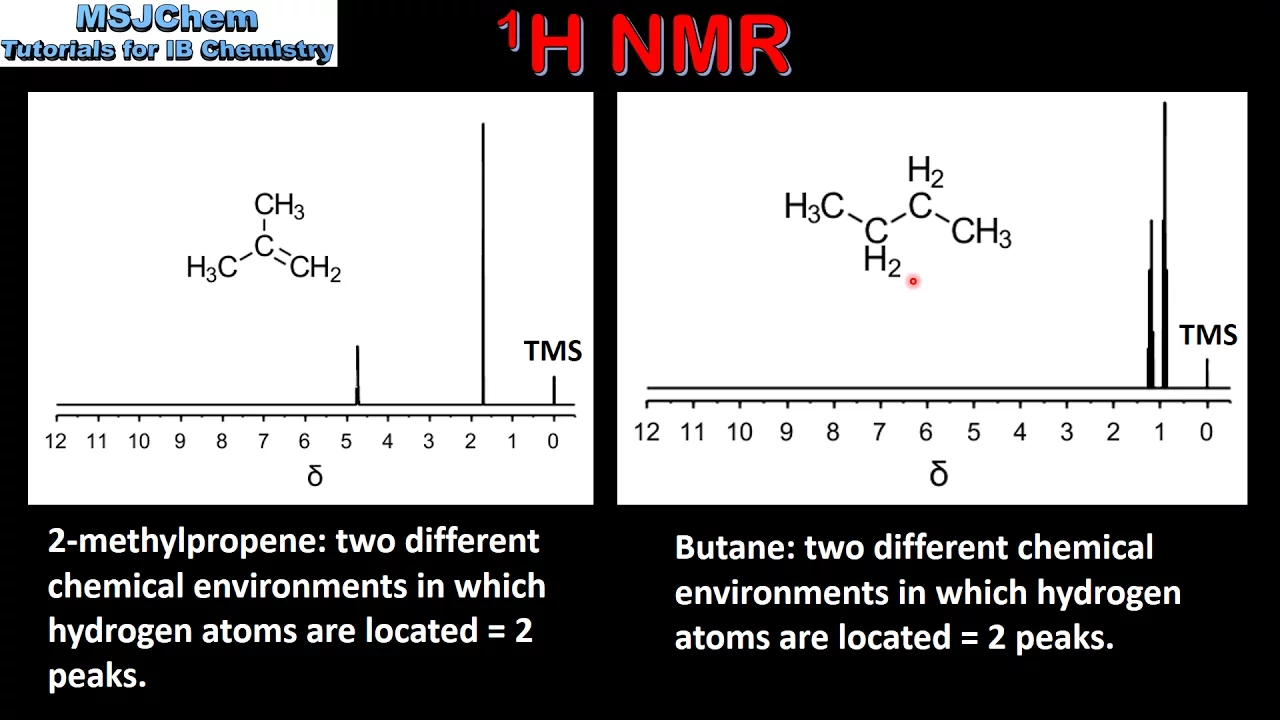
1H NMR: Determining Number of Peaks from Structure
@MSJChem
59.2K views•2017-04-06
Edible Water Bottles: A DIY Guide to Sodium Alginate Spherification
@ryan
10.5M views•2019-06-21
Related Study Plans & Knowledge Roadmaps
Structured learning paths in Chemistry