








![Second Wave IMPERIALISM, Explained [AP Euro Review—Unit 7 Topic 6]](https://i.ytimg.com/vi_webp/yx2YXPvh3VY/maxresdefault.webp)






![Patrice LUMUMBA. [ une Histoire Vraie ]](https://i.ytimg.com/vi/Ea7TgngoePc/maxresdefault.jpg)




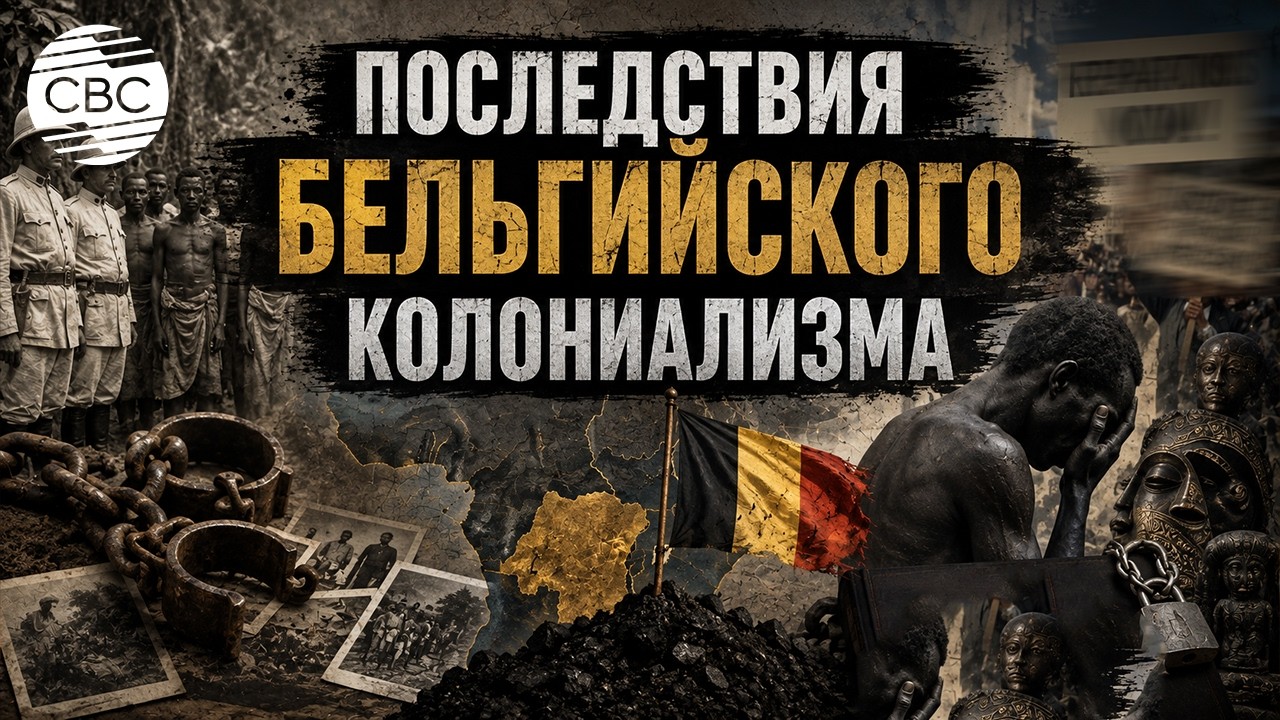
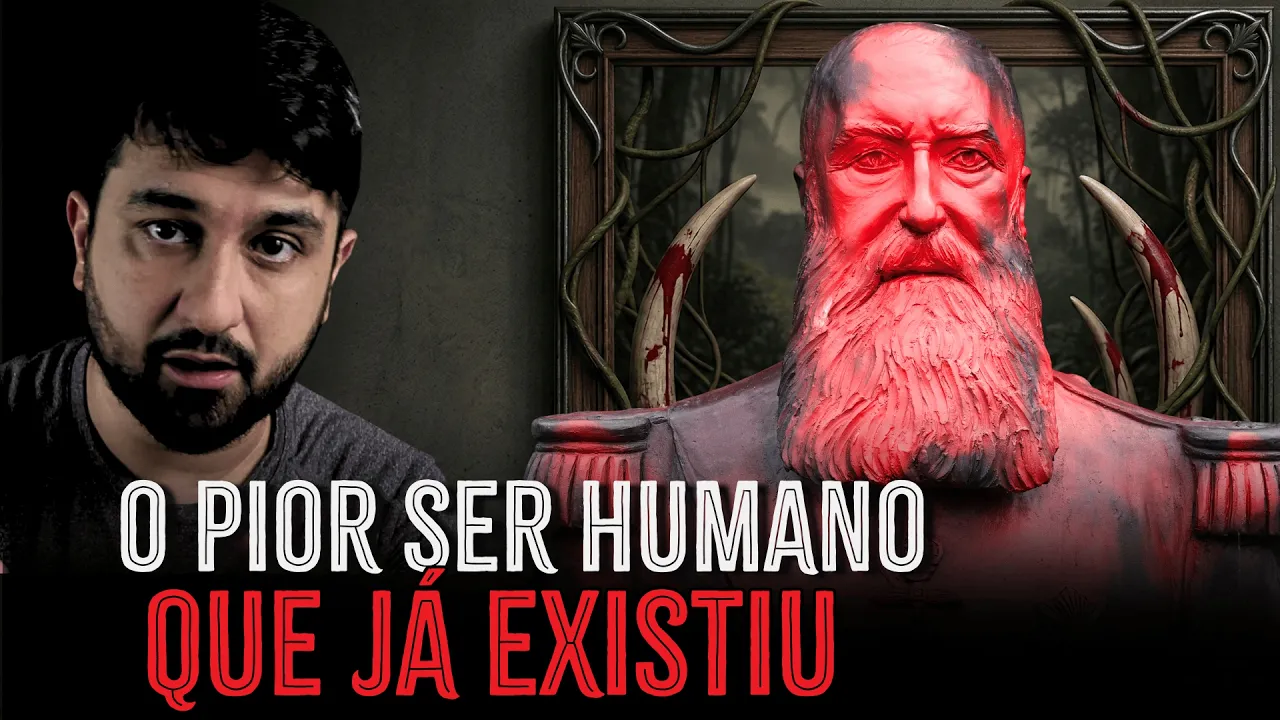
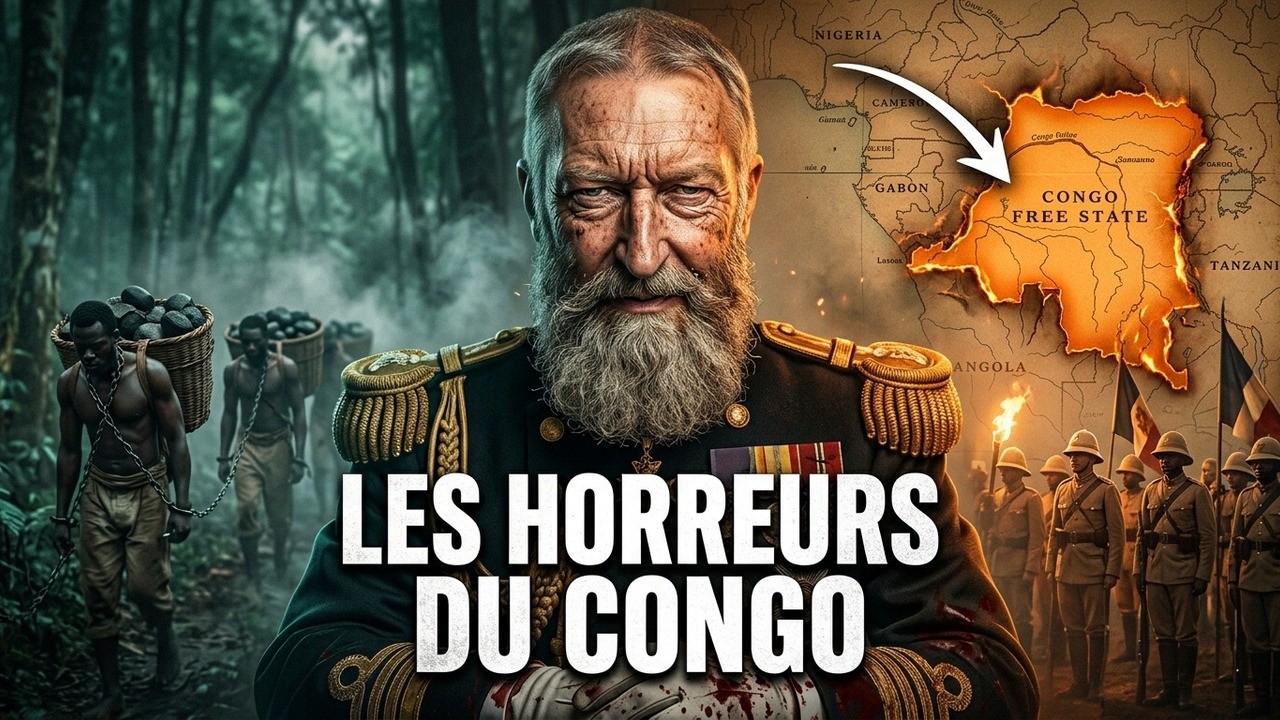
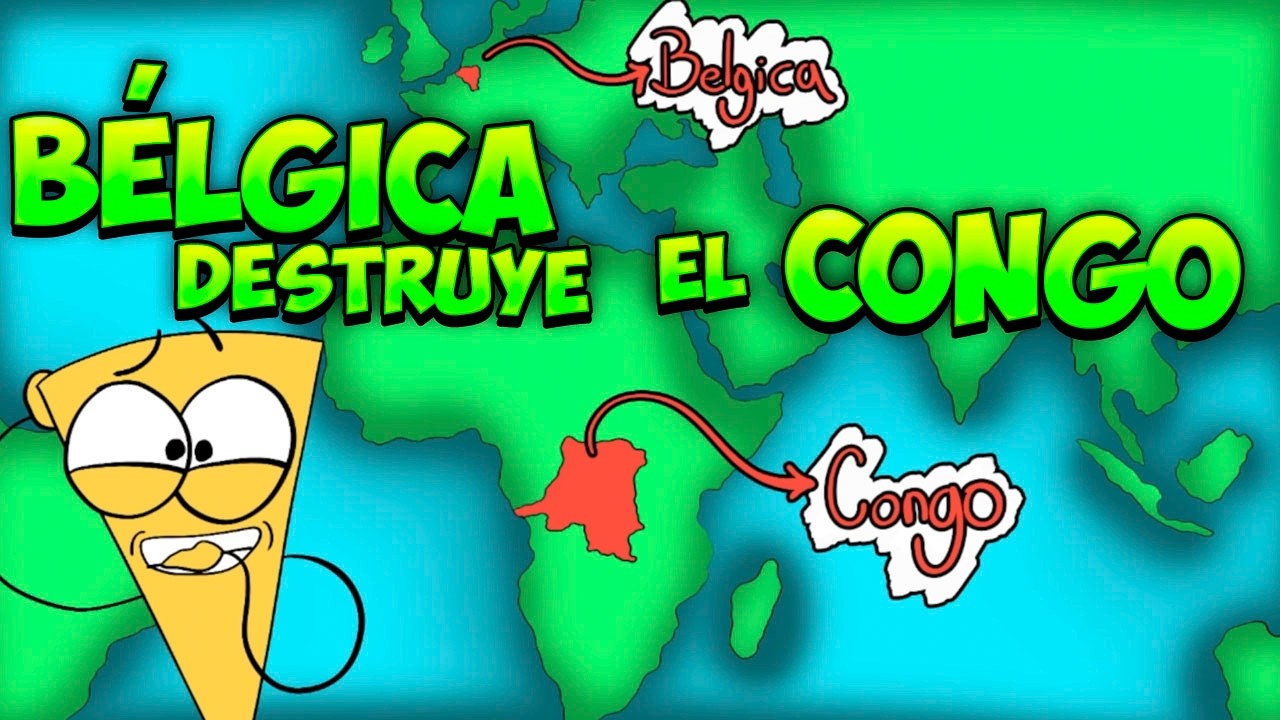
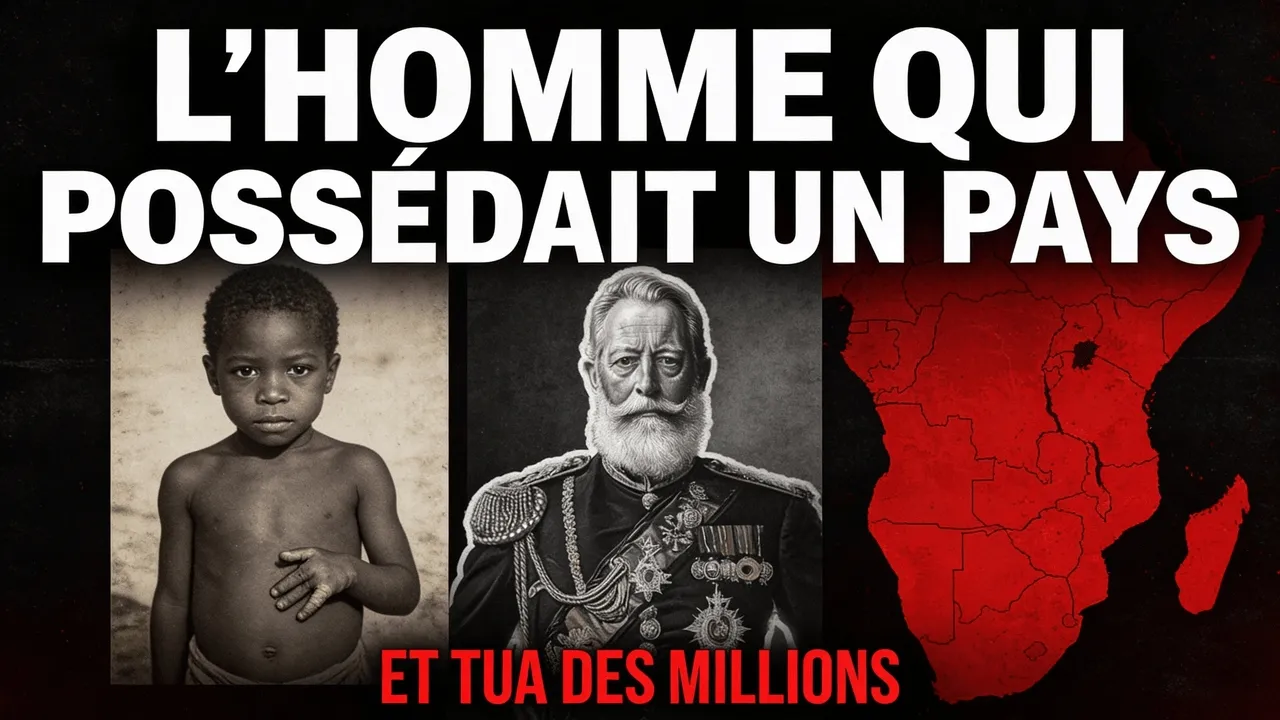
King Leopold II of Belgium (r. 1865-1909) orchestrated one of history's most devastating genocides in the Congo Free State, exploiting the region's rubber resources through forced labor and systematic violence that resulted in the deaths of an estimated 4-10 million Congolese people (70-90% of the population), yet maintained a decades-long cover-up that glorified his reign as humanitarian efforts while suppressing the truth through propaganda, destroyed records, and public denial, with Belgium only officially acknowledging these atrocities in 2018.
Leopold II of Belgium: Colonial Genocide in the Congo
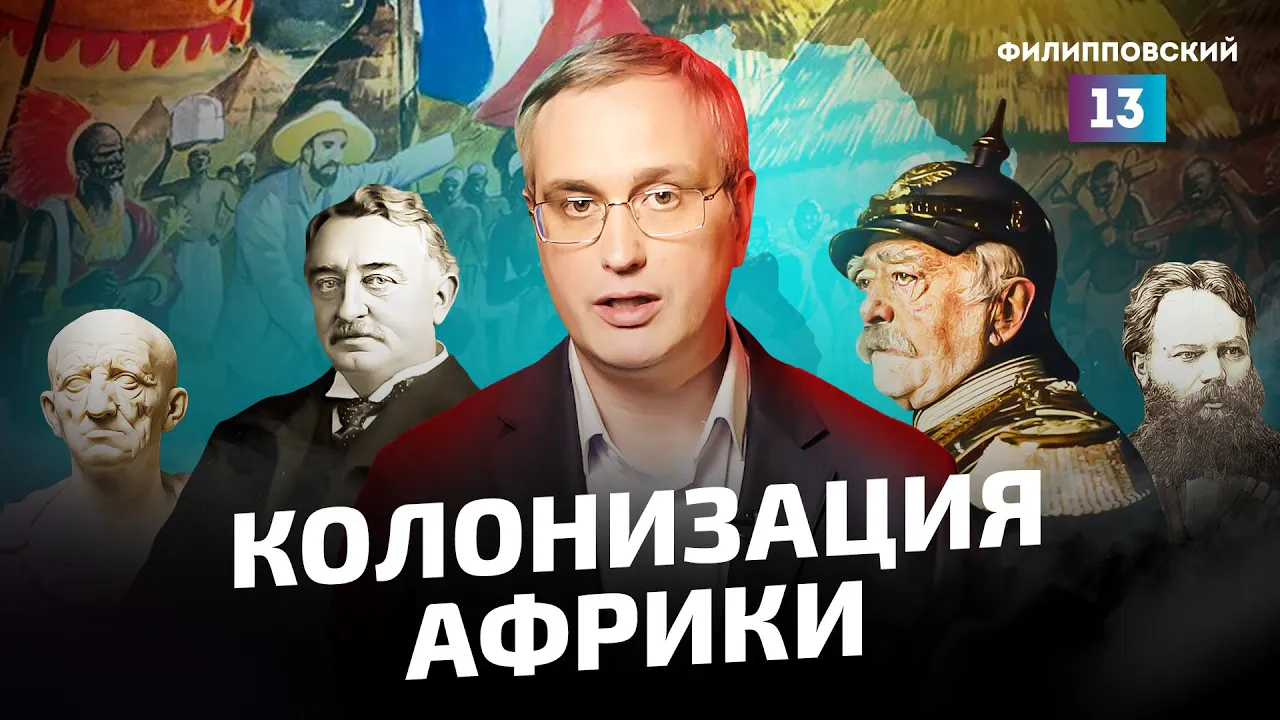
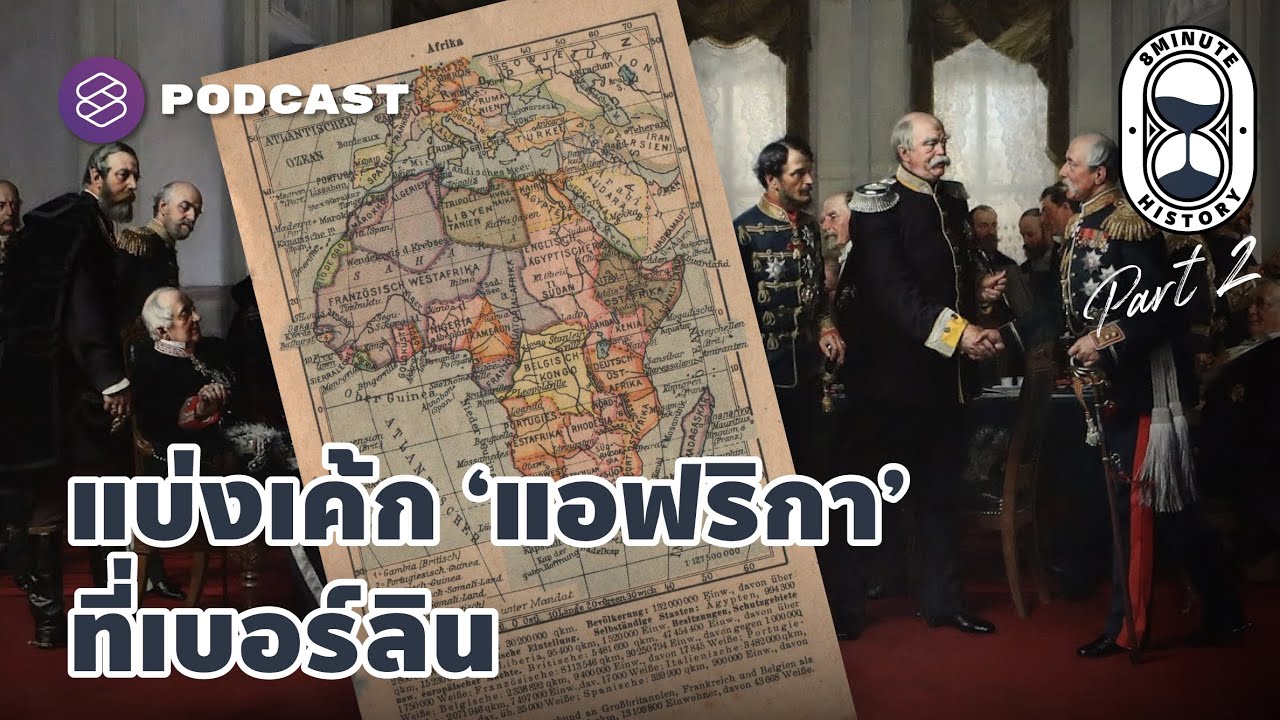
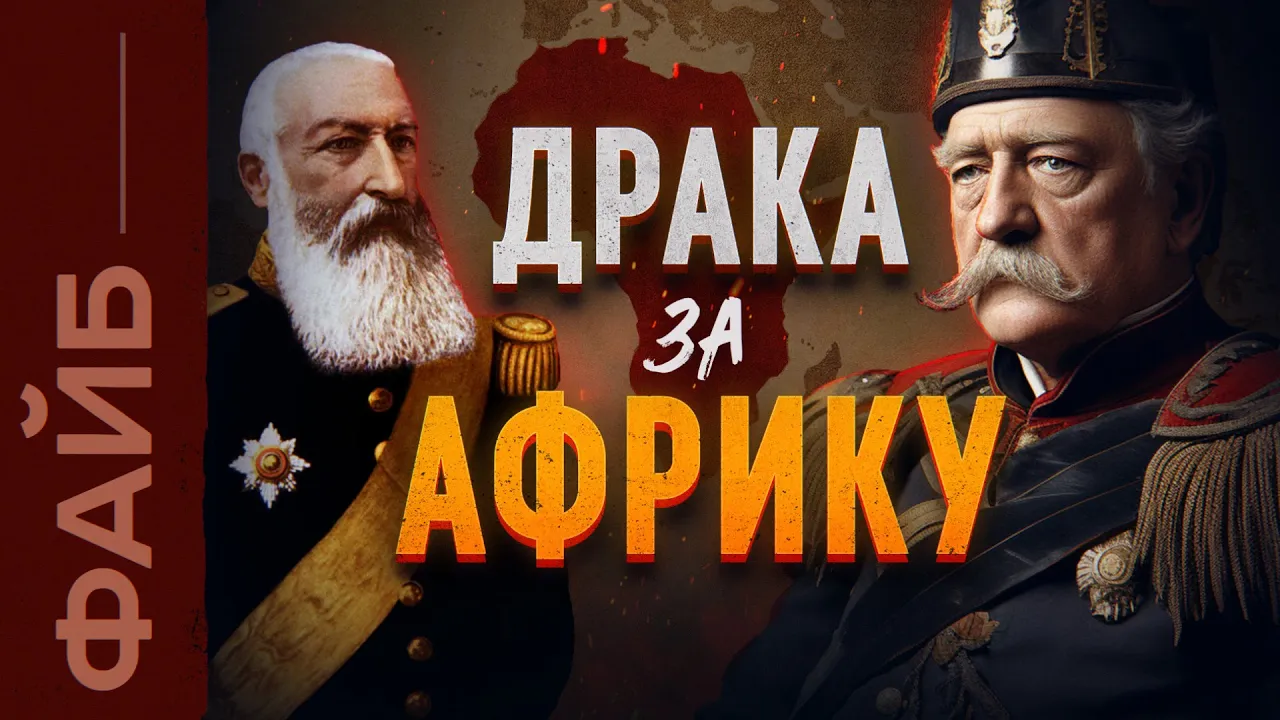
Added:The Scramble for Africa and the Berlin Conference (1884–1885), which established the geopolitical framework for the European colonization and partition of the African continent.
The economic drivers of late 19th-century imperialism, specifically the Second Industrial Revolution's urgent demand for raw materials like wild rubber and ivory.
The ideological justifications of European imperialism, such as the 'civilizing mission' and social Darwinism, which were used to mask economic exploitation.
The political distinction between a sovereign state colony and a private colony owned entirely by an individual monarch, as was initially the case with the Congo Free State.
The formal transition of the Congo Free State to the Belgian Congo in 1908, examining how governance changed after Leopold II was forced to cede his private domain to the Belgian state.
The history of early international human rights advocacy, focusing on how activists like E.D. Morel, Roger Casement, and George Washington Williams exposed Leopold's regime.
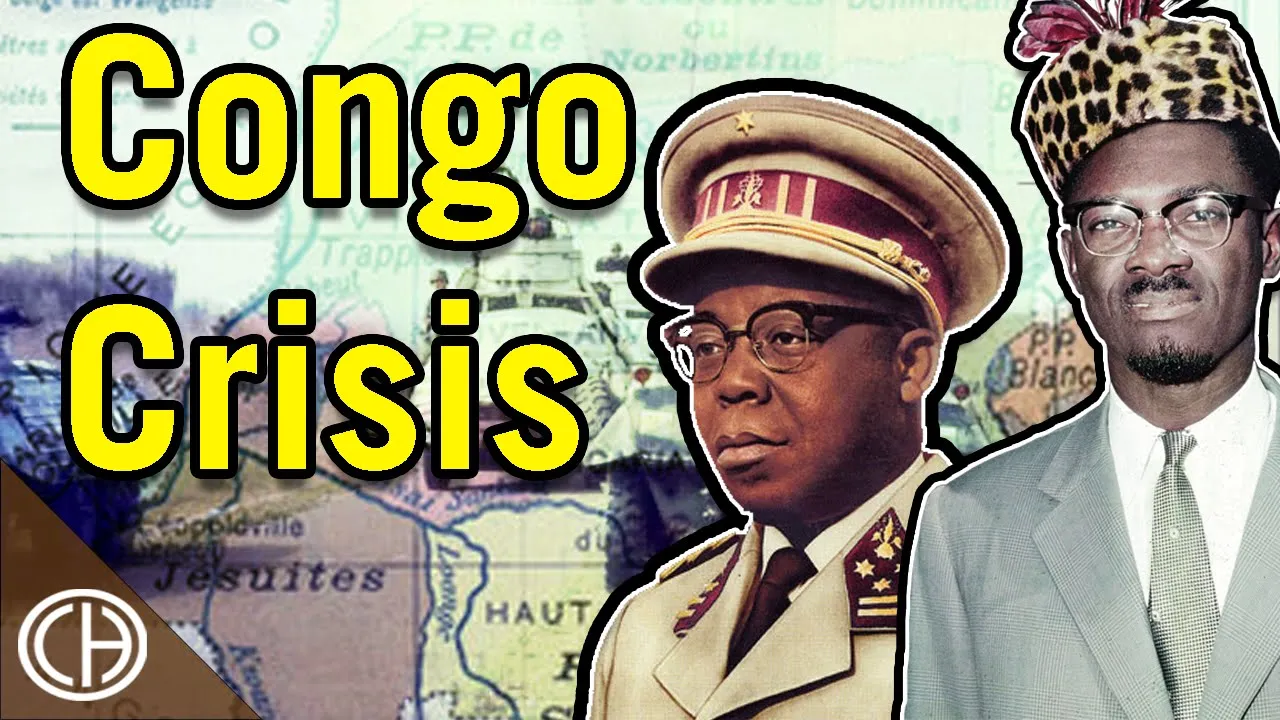
The decolonization of the Democratic Republic of the Congo (DRC) in 1960, the rise and assassination of Patrice Lumumba, and the subsequent decades of geopolitical instability.
Contemporary debates regarding historical memory, systemic post-colonial development issues in Central Africa, and demands for reparations and the repatriation of looted artifacts from Belgium.
1.4M views31.2Klikes18:05Original Release: 2018-09-26
King Leopold II ruled over Belgium from 1865 to 1909.
Today, the memory of his reign still lives on, and he is glorified with golden statues of his likeness in every major city in Belgium.
In history classes, each generation is taught that he was a humanitarian who brought Christianity and the wonders of civilization to The Congo Free State.
However, the truth has been kept away from the Belgian people.
The reality is that King Leopold II is responsible for the murder and mutilation of 10 million Congolese people.
This just may be the biggest cover-up in European history.
Early and Personal Life Leopold II was born in 1835 to King Leopold I and Louise-Marie of Orleans.
They were the very first royal family of Belgium, because the country was just 5 years old.
For thousands of years, that territory had been conquered by nearby Netherlands, France, Germany, and Luxembourg.
They were a newly independent country that had yet to form a unique national identity.
Leopold II had two younger siblings called Phillipe and Charlotte.
Their family life was dysfunctional, to say the least.
Soon after Charlotte’s birth, in 1844, King Leopold I met a 16-year old girl named Arcadie Claret.
He was 54 years old at the time, but that didn’t stop him from having an affair with a teenage girl.
Claret would go on to become a Baroness, and her sons, Georg and Arthur, were made into Barons.
There were rumors that Leopold I had several other affairs, so the exact number of half-siblings Leopold II has out there is actually unknown.
Queen Louise-Marie was understandably miserable in her marriage, and she chose to let out her anger on her children.
She would make fun of young Leopold II’s large nose that he inherited from his father.
She told her son that his face was “disfigured’, and that he had the beak of a bird.
In 1853, when he was 18 years old, Leopold II had an arranged marriage with Marie Henriette of Austria.
Since he had never actually seen what a loving marriage looks like, the teen couple was incredibly awkward around one another.
Someone in the Belgian royal court had commented that seeing them together was like watching a “nun and a stable boy”.
People thought that this was so hilariously accurate, the phrase was repeated amongst everyone who knew them.
Apparently, his parents cared so little about Leopold, that they never even bothered to tell him about the birds and the bees.
Leopold’s aunt, Queen Victoria of England, had a great marriage with her husband Albert, and she apparently gave her nephew a lot of sex advice... Which was probably exactly as awkward as you might imagine.
Leopold II and Marie Henriette eventually figured it out, because they had two daughters together.
When Leopold I died in 1865, Leopold II ascended the throne as the new King of Belgium.
Since his personal life was so dysfunctional, it’s really no surprise that his happiness and satisfaction came from attaining material things.
According to William II, the ruler of Germany, he was together watching a parade with Leopold II in Berlin, when he commented, “There is really nothing left for us kings except money.” Building His Fortune Before he died, King Leopold II’s father made 50 attempts to conquer a colony for Belgium, but he had always failed.
It was clear to him that the power other countries like England, France, Germany, and the United States had was thanks to colonization.
Leopold I believed that without colonizing an African nation, they would never be considered one of the larger world powers.
Leopold II picked up where his father left off, but he did not want to conquer a nation on behalf of Belgium.
He planned to make an entire country his personal property, instead.
This way, he could have complete control, and have direct access to the profits.
He knew that if he was honest about his greedy intentions, none of the other major powers would agree to let him colonize an entire country all for himself.
So, he told everyone that it was his mission to spread Christianity in The Congo.
He wanted to convert and civilize those poor, Godless souls.
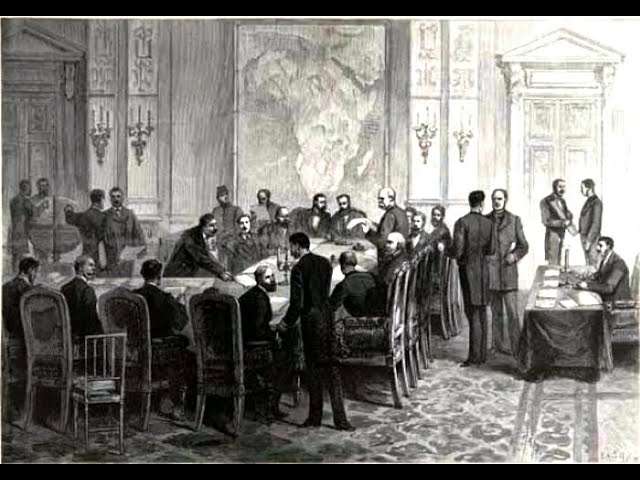
In 1884, he met with 14 other European nations at The Berlin Conference.
He pitched his idea for colonizing the Congo, and claimed that he wanted to spend his own fortune to bring missionaries to Africa out of the goodness of his own heart.
He also promised that the rest of Europe could freely explore and trade from his country as they pleased.
The Congo was known for being incredibly dangerous, and difficult to colonize.
The rainforest and savannah are filled with gorillas, lions, leopards, and wolves.
The Congo River has man-eating crocodiles and hippopotamus, and insects carry deadly diseases.
In general, it was a very wild place, and not many Europeans wanted to live there.
If Leopold II really wanted to take on the challenge, the other world powers didn’t see anything wrong with it.
A Welsh explorer and journalist named Henry Morton Stanley already had years of experience in Africa.
He was sent on projects by several different newspapers in the United Kingdom, and he became an expert on the continent.
Through his writing, he tried to convince Queen Victoria that despite all of the difficulty, he believed it would be worthwhile to colonize the Congo.
His suggestions never made any impact, until King Leopold II found Stanley’s work.
In 1879, the king sent him on a mission to colonize the Congo.
Henry Morton Stanley used parlor tricks to convince the African tribal chiefs that white men were invincible.
He used a battery-powered contraption to make his grip so strong, Congolese men almost collapsed from a mere handshake.
Stanley claimed that white men could rip a tree out of the ground with his bare hands.
He held a magnifying glass in the sunlight and used its reflection to light his cigar, claiming that white men had power over the sun.
Finally, he handed a gun to a native man.
He instructed him to step back several yards, and try to shoot him.
Stanley had taken the gunpowder and bullet out beforehand, of course, and when the young man pulled the trigger, Stanley would double over dramatically, only to take his shoe off and shake the bullet onto the ground.
He claimed that white men were spirits who could not be killed, no matter how hard they tried, and that a bullet would pass right through them.
This was enough to terrify the chiefs into signing his contract that declared King Leopold II as the new owner of The Congo.
Of course, the Congolese people had no idea what the contract actually said, but it served as a legal document in the eyes of European people.
Leopold wanted to keep up the illusion that he was going to do good in the country, so he went as far as to name it “The Congo Free State”.
Henry Morton Stanley published a book about his journey through Africa called Through the Dark Continent.
He was able to go on a lecture tour around London, and he was even knighted in the year 1899.
Colonization and Exploitation Leopold II truly was paying for all of the startup expenses to colonize The Congo out of his own pocket.
He appointed governor generals to manage the various territories of the country.
Leopold’s men eventually discovered that the rainforest had a plentiful supply of rubber trees.
This was like stumbling across a gold mine.
At the time, there was a huge demand for natural rubber in order to make tires, but there was a very small supply.
The only problem, of course, was finding a way to pay for manual labor.
Leopold II ordered his men to enslave the Congolese people.
Each of the governor generals had their own tactic to achieve this.
Usually, they set a village on fire, so that there was nowhere for anyone to hide.
They would shoot and capture the women of the village, and tell the men that if they did not each bring back 15kg of rubber by the end of the day, they would kill their wives and daughters.
The Congo Free State was anything but free.
King Leopold II believed that all of these people were his personal slaves, and he could do whatever he wanted with them.
King Leopold personally handed out bonuses to the commanders if they could produce more rubber, by any means necessary.
Leopold began to grow his own private army in the Congo called The Force Publique.
When his men were destroying a village, they would pick out the tallest and strongest-looking young men to recruit them as soldiers.
These captured soldiers were instructed to systematically kill anyone who disobeyed the orders of the governor generals.
They were told that they were not allowed to waste any ammunition, and that they must kill a man with a single bullet.
They were required to bring back one severed hand for every bullet fired.
If they did not, they would be killed by their general.
This lead to the soldiers cutting the hands off of people that were still alive, whenever they wasted ammunition.
Meanwhile, in Europe, people had no idea what was actually going on.
Word got around that King Leopold II needed more soldiers to help with his “Christian mission” to colonize The Congo.
Hundreds of young men from Belgium, Italy, Norway, Sweden, and Denmark all signed up to join The Force Publique.
They were taught that these black natives were animals, and not fully human like them, so they shouldn’t feel guilty about killing them when necessary.
After a while, these men became desensitized to the killing.
Some of the soldiers would gut people and pull out their entrails, or slice off a group of men’s genitalia only to hang them in a row.
Some of the governor generals wrote letters to King Leopold II about these scenes, because they were actually proud of the brutality.
They believed that the worse they treated the Congolese people, the harder they worked.
Over time, King Leopold’s men managed to enslave the entire population of the Congo.
Even though he had promised that the rest of the world could visit The Congo whenever they wanted, King Leopold II became very nervous when he learned that Arabian merchants were coming to gather some rubber for themselves.
He did not want to lose his monopoly over the industry, so he declared that they needed to go to war with these so-called “Arab slave traders”, in order to “free” his Congolese people.
This sparked the two year Congo-Arab War.
In 1895, an English merchant named Charles Stokes was on a mission for the Germans to travel to the Congo to purchase rubber.
He was hung by The Force Republique without receiving a trial.
Germany and Britain were outraged that he was killed without ever committing any crime.
Leopold was forced to pay substantial fines to both governments for violating the treaty, and the incident was called The Stokes Affair.
However, paying this fine was just a drop in the bucket.
King Leopold II made a profit of 220 million francs, which would be worth more than $1 billion today.
Exposing The Truth of Leopold’s Lies Leopold II hired a team of propaganda writers to publish books and articles about what a great job he was doing.
None of these writers had ever actually traveled to The Congo Free State, but they were happy to glorify their king’s Christian mission.
However, journalists from Great Britain and The United States were beginning to travel to The Congo Free State and report what they saw.
In the year 1890, an American Civil War veteran named George Washington Williams visited The Congo Free State, and he was horrified.
He wrote an open letter to King Leopold II, recounting the horrors he witnessed while visiting the country.
The King never replied.
A man named Edmund Dene Morel worked as a clerk at a shipping firm in Liverpool, England.
Belgian ships would come and go delivering rubber to Liverpool from The Congo.
Murel knew that it wouldn’t be possible for Belgium to produce such a high volume of rubber, unless they were using slave labor.
He began investigating, and when he discovered the horrors about what was actually happening, he wrote several anonymous articles for a British newspaper called The Speaker, exposing the truth about what he saw.
He wrote that this was “the greatest crime that has ever been committed in the history of the world.” In 1901, the shipping company offered Morel a job to manage the shipments of rubber to and from The Congo.
They were willing to pay him a huge salary in exchange for his silence.
He turned it down, and became a full-time journalist instead.
He became so passionate about the cause, that he began publishing his own newspaper called The West African Mail with any new information he found.
In 1906, he published a book called Red Rubber.
Another journalist named Roger Casement was sent to interview people of the Congo to get their testimonies about the human rights abuses in the country.
He realized that it was crucial to convincing the white Christian missionaries to come forward with their stories, because they had been there from the beginning, and they could prove that King Leopold II was aware of the atrocities.
After Roger Casement’s report was published, King Leopold II knew that if he did not respond with his own inquiry, this would be the end of him.
He sent his own International Commission to the Congo, in hopes that he could bribe them.
He thought that he could pay them off to publish whatever he wanted them to say.
This totally backfired.
A Christian missionary named John Harris had been living in The Congo Free State for years.
He and his wife devoted their lives to helping the Congolese people.
When King Leopold’s International Commission showed up, John Harris was ready for him.
He gathered a group of Congolese people who testified to the death, torture, mutilation, rape, and enslavement that they suffered at the hands of King Leopold’s men.
His wife, Alice Harris, was a photographer, and she was able to present them with photographic evidence of the horrors they had seen.
When the International Commission returned to Belgium, they published a 50-page report on all of the human rights abuses they had found in The Congo, and submitted it to King Leopold II.
Once he realized that he could no longer get away with his lies, Leopold ordered all of the Congo Free State records to be burned, so that there would be no evidence of his crimes.
In 1908, The Congo became a Belgian colony, but they didn’t seize it from the King.
Instead, they paid him 50 million francs for the purchase.
He died just one year later, in 1909.
A Shocking Legacy Once the Belgian government visited The Congo, they found far more profitable resources than just rubber.
There were diamonds, gold, and ivory that could be sold for massive profits.
The government ended slavery, and employed the Congolese people to work for wages, instead.
Very soon after, Belgium became extremely wealthy.
The city of Brussels now has some of the most breathtaking architecture in the world, complete with golden statues of King Leopold II, all because of the money he brought in from The Congo.
But the Belgian government had to make a decision- What do they tell the public?
Leopold II had lied to his people for so long, and they looked up to him like a father figure who brought glory to the country.
Not only would the citizens be disappointed, but it would make Belgium look terrible to the outside world.
Their nation was still less than 100 years old at the time.
England and the United States had already outlawed slavery in the 1800’s, so their short history, their king had already managed to take steps backwards in humanitarian progress.
The Belgian government chose to allow their people to continue believing the lie that King Leopold II had built for himself.
They taught their children that there never was any slavery in The Congo Free State, and that everything King Leopold II did was wonderful.
This lie was retold generation after generation, to the point where it became their new truth, and part of their cultural identity.
Before his death, in 1897, Leopold II created a human zoo at his summer estate.
He built a model African village and captured 267 Congolese people to live there.
Belgian people showed up to gawk at them, throwing peanuts and bananas over the fence, as if they were monkeys.
They were forced to stay outdoors in these village in all kinds of weather.
Seven of those people died of influenza and pneumonia.
After he died, the king’s estate became The Royal Museum of Central Africa, and it continued to glorify Leopold II’s achievements in colonization.
Decades after his death, in 1958, the government of Belgium even went so far as to replicate his human zoo at the Brussels World Fair, putting Congolese people on display like animals once again.
Nearly every western nation has some history of slavery and genocide, but in most Belgian classes, they will never hear the truth about King Leopold II.
They will say that slavery never happened in The Congo.
Since the records were destroyed, we will never know just how many people Leopold was responsible for killing.
Some estimate that it is roughly 4 million, while others believe it is as high as 10 million.
Somewhere between 70 to 90% of the total population was wiped out.
In the age of the internet, it has become much more difficult for Belgium to ignore the reality of what happened.
In 2018, the curators of the Royal Museum of Central Africa finally decided to change the exhibits to honor the lives lost by the native Congolese people.
However, Congolese people who visited the exhibit said that it’s still not enough, and that as long as the story is told from the perspective of a white Belgian person, the country will never show the full truth about the monstrous deeds of King Leopold II.
Up Next
31:12
Henry Ford's Failed Amazon Utopia: Fordlandia's Downfall
@Wendigoon
2.3M views•2022-04-15

33:02
The Great Schism of 1054: Causes and Consequences
@SacredCathedrals
113.5K views•2026-02-19

22:42
Simon Bolivar: Hero or Tyrant of South American Independence
@Biographics
718.9K views•2018-08-07
17:05
Understanding the Cold War: Superpower Conflicts and the Road to Détente
@OverSimplified
46.1M views•2019-01-24
Related Study Plans & Knowledge Roadmaps
Structured learning paths in History
history
Byzantine Iconoclasm: Theology, Art & Politics
01Foundations of Byzantium and Early Christian Images
02The First Iconoclasm: Leo III and the Crisis of Images
03Empress Irene, Nicaea II, and the Second Iconoclasm
+ 2 more learning modules
9h5 modules
Explore Roadmap
history
Iranian Revolution (Causes, Events & Legacy)
01The Pahlavi Dynasty and the Roots of Discontent
02The Spark of Rebellion and the Rise of Khomeini
031979: The Fall of the Shah and the Climax of the Revolution
+ 2 more learning modules
8h5 modules
Explore Roadmap
history
Mali Empire: Mansa Musa, Trade & Timbuktu
01Foundations of the Mali Empire
02The Trans-Saharan Gold and Salt Trade
03The Reign and Pilgrimage of Mansa Musa
+ 1 more learning modules
6h4 modules
Explore Roadmap
history
1947 Partition: Politics, Borders & Legacies
01Foundations of British India and the Divide
02The Political Negotiations and the Mountbatten Plan
03Drawing the Boundary: The Radcliffe Line
+ 2 more learning modules
8h5 modules
Explore Roadmap