


![Changing Social Hierarchies 1450-1750 [AP World History] Unit 4 Topic 7](https://i.ytimg.com/vi_webp/mghQQHJIfO8/maxresdefault.webp)





![H.P. ⏳ Repaso San Marcos 2023 I [CICLO FREE] 📚](https://i.ytimg.com/vi/wzsP8POsJuE/maxresdefault.jpg)
![The History of Mexico in 16 Minutes [Old Video]](https://i.ytimg.com/vi/SRKkik4QYkU/maxresdefault.jpg)







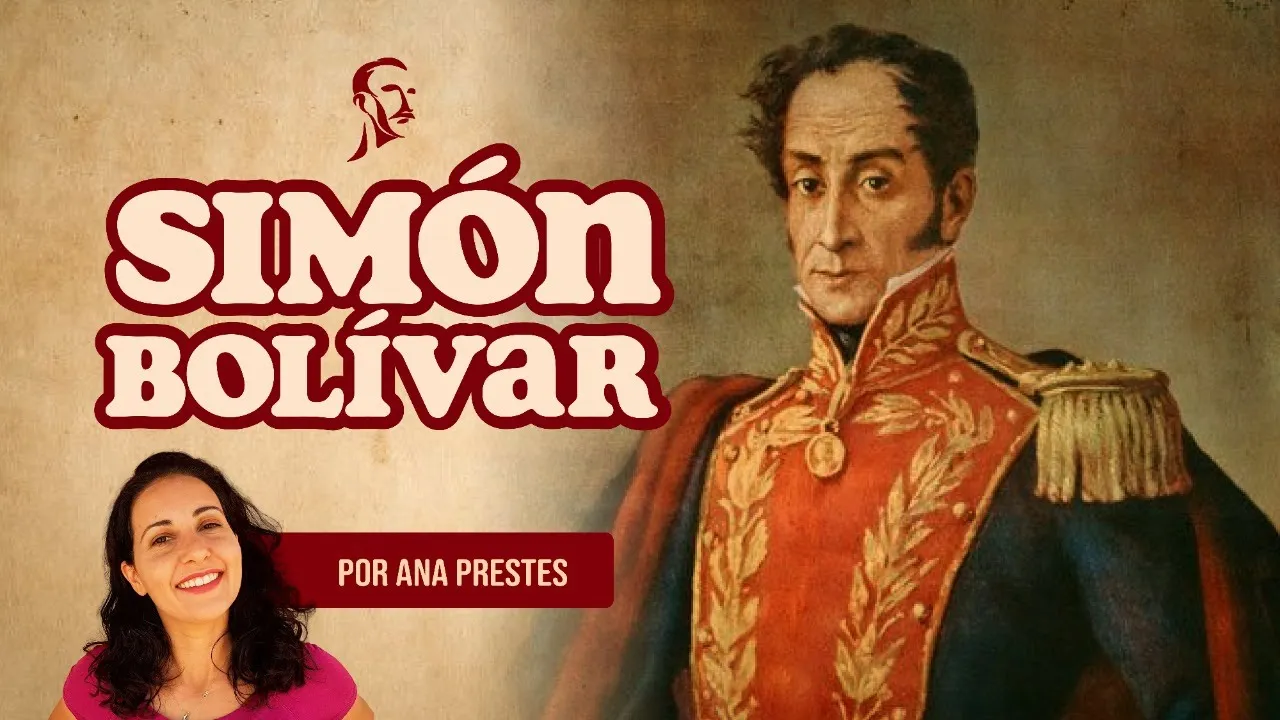



Simón Bolívar, known as 'El Libertador,' was a Venezuelan revolutionary leader who played a pivotal role in liberating much of South America from Spanish colonial rule, uniting modern Colombia, Venezuela, Panama, and Ecuador into Gran Colombia; however, his authoritarian governance, economic mismanagement, and refusal to accept democratic principles ultimately led to the dissolution of his dream state and his own political downfall, illustrating how visionary leaders can become the very despots they once opposed.
Simon Bolivar: Hero or Tyrant of South American Independence
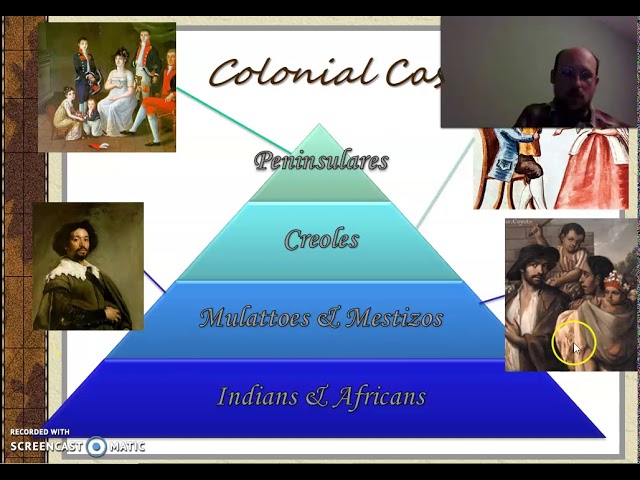
Added:Understanding the structure of Spanish colonial rule in South America, including the casta system and the political dominance of Peninsulares over Criollos.
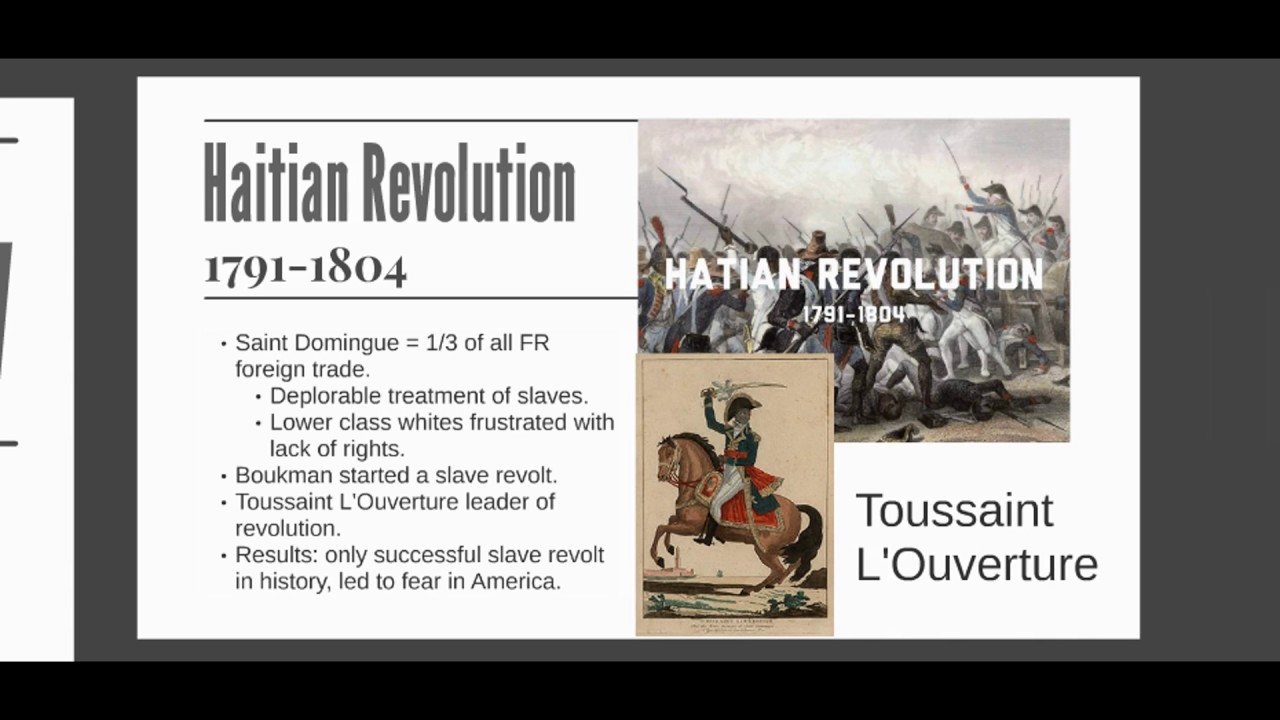
The influence of the Enlightenment philosophy and the Atlantic Revolutions (American, French, and Haitian Revolutions) on Latin American elites.
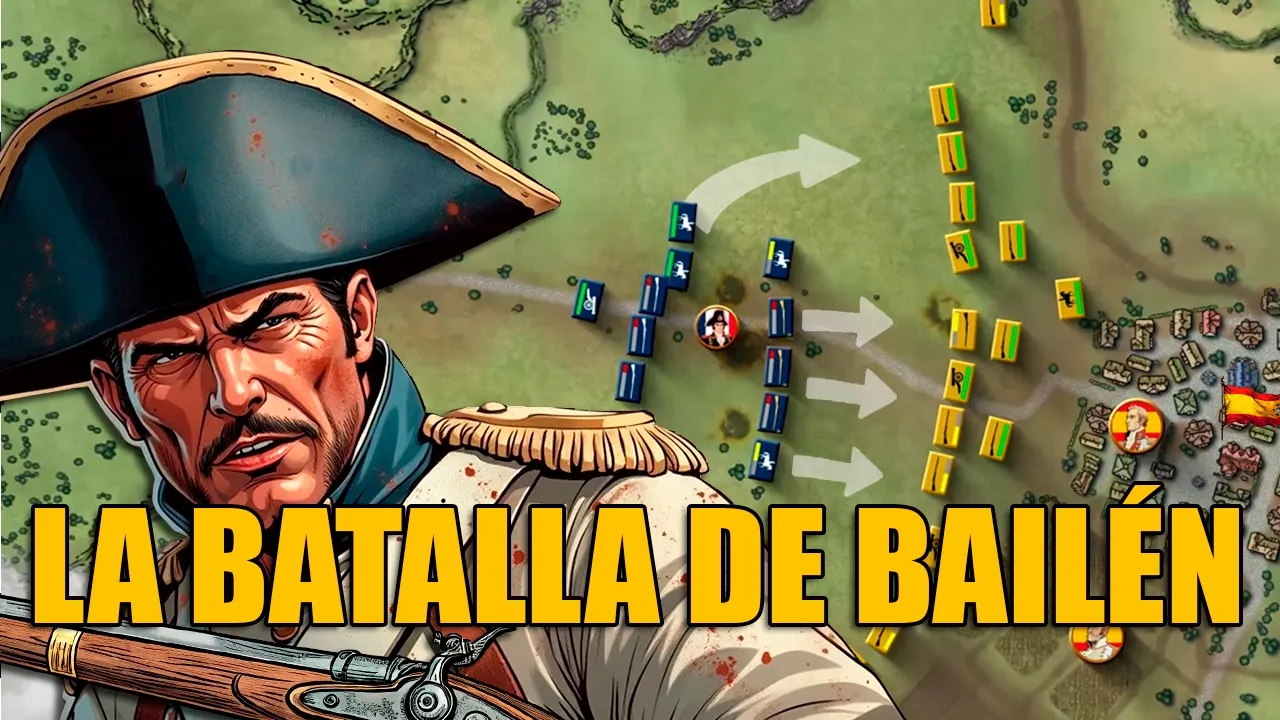
The geopolitical impact of the Peninsular War and Napoleon Bonaparte's invasion of Spain, which destabilized Spanish royal authority in the colonies.
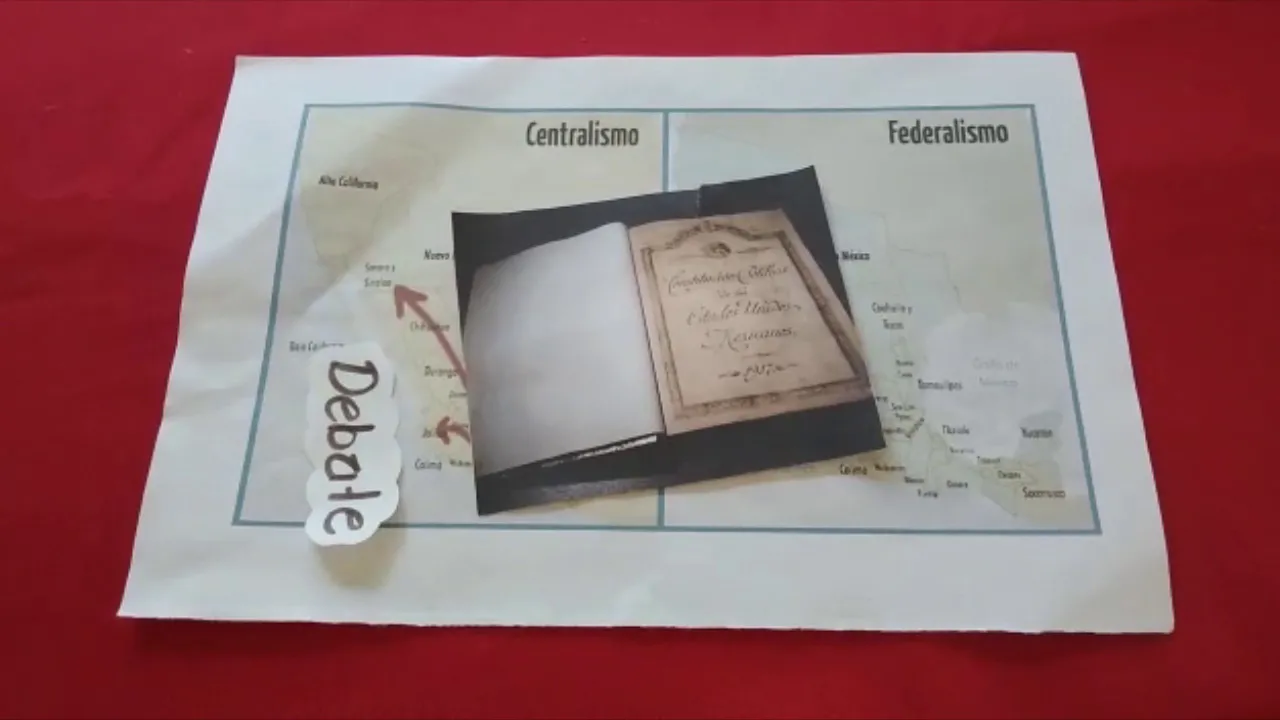
Basic political concepts of republicanism, federalism, and centralism, which were central to the constitutional debates of the era.
The rise and fall of Gran Colombia and the deep-seated political divisions that led to its dissolution into separate nations.
The phenomenon of 'Caudillismo' and how the power vacuums left after independence led to the rise of military strongmen across 19th-century Latin America.
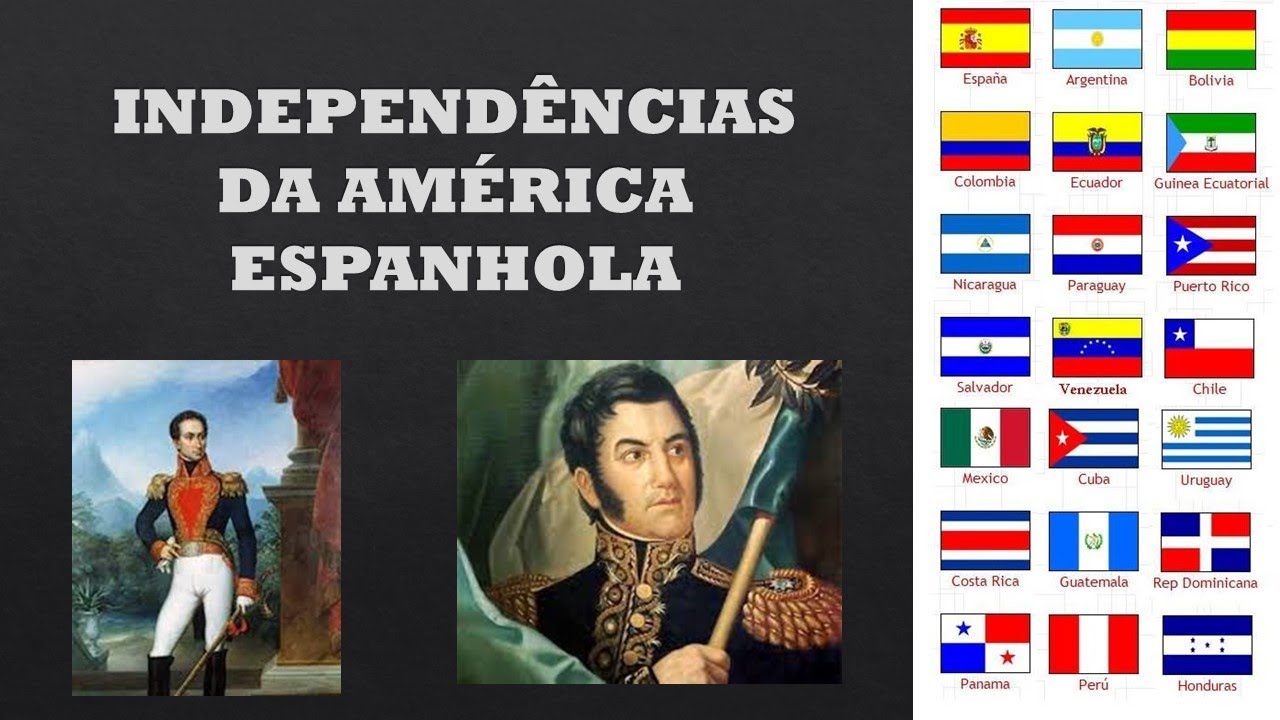
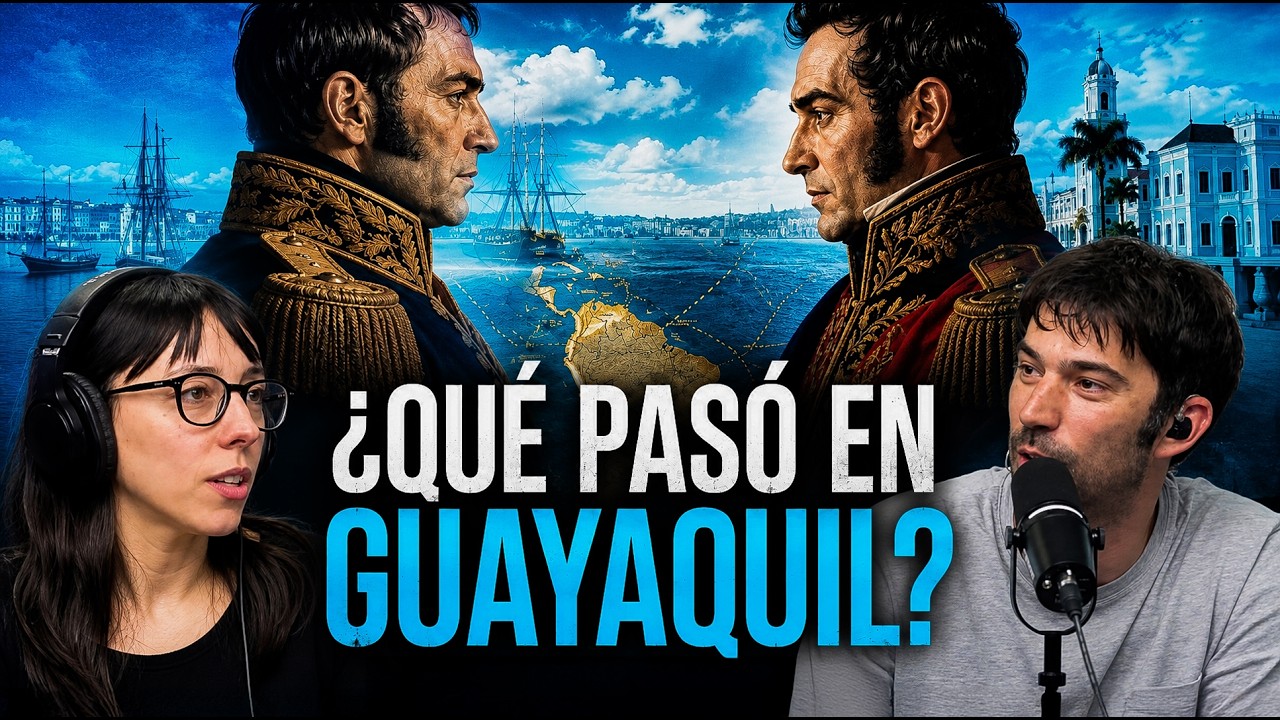
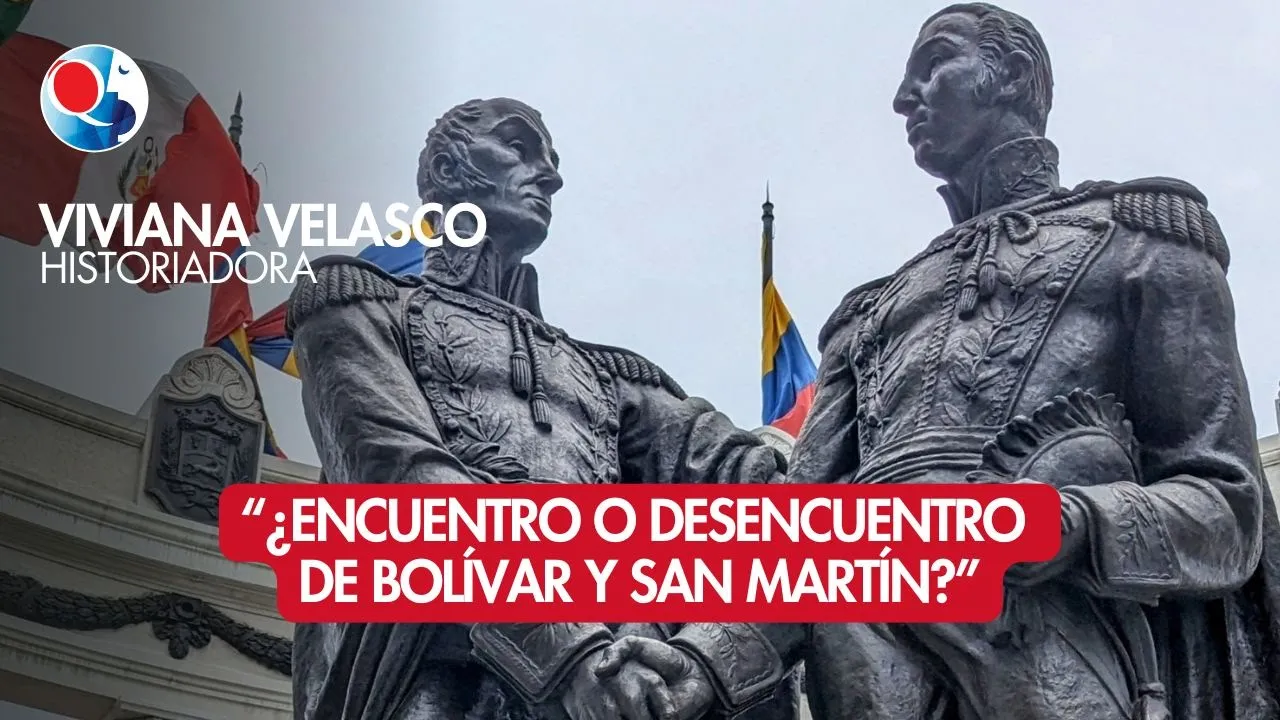
A comparative study of Simon Bolivar and Jose de San Martin, particularly their historic meeting in Guayaquil and their differing visions for the continent.
The modern legacy of Bolivar's ideology, specifically how 'Bolivarianism' has been adapted and utilized by 20th and 21st-century political movements in South America.
718.9K views22Klikes22:42Original Release: 2018-08-07
his nickname is still known across the globe Simon Bolivar el Libertador The Liberator the man who almost single-handedly arrested South America from Spanish control he was without a doubt one of the most important men who ever lived a Latino George Washington a general who could stand shoulder-to-shoulder with Napoleon in his short life he United all of modern Colombia Venezuela Panama and Ecuador into a single super state and then lived long enough to see all his dreams turned to dust in the harsh daylight of Independence soul gem hero X our radical general dictator man of the people Simon Bolivar he was many things yet outside of Latin America knowledge of his life is something most of us are sorely lacking well today we're taking you on a sweeping ride through the epic life of the man known to history as the Liberator [Music] if you were putting bets on which newborn baby might grow up to be a revolutionary in 1783 caracas simon bolivar would have been far down your list born into a wealthy spanish descended family young Bolivar was one of the richest boys in the whole of Venezuela but even in these early days there were signs that the Prince of Caracas didn't lead the easy life his position would suggest why live art was barely 3 when his wealthy father died and not yet 10 when his mother followed her husband into the grave left in the charge of a disinterested uncle vova was soon dumped upon a succession of tutors that he did his best to ignore with one exception Simon Rodriguez shared more than just a first name with Bolivar he shared the works of jean-jacques rousseau and other icons of liberal thought boulevard often feigned disinterest rodriguez must have gone on something right though when he began his revolutionary career it would be these lessons that vallah Farr would use as the raw ingredients of his own political philosophy anything as coherent as a political philosophy was on bolivars mind at the time the 16 year olds rich kid would soon leave heading off to Europe wham like all of Venezuela's aristocracy he would take in the court in Spain choir in education maybe find a bride and return to Caracas ready to join the elite anyway that's kind of what happens Boulevard he arrived in Madrid just as the 18th century was drawing to a close he spent time at court and married his great love this was Maria Teresa rodríguez del Toro II ELISA in the parallel universe the rest of his biography would probably now read and then he returned to Caracas and settle into a life of privilege so I really hope you liked that video but that's not what happens once again what looked like an easy existence for Bolivar quickly gave way to pain less than a year after their marriage he and Maria Teresa returned to Caracas to settle down barely where they off the boat went Maria Teresa contracted yellow fever and died if you're looking for the moment Simon Bolivar the Prince of Caracas became Simon Bolivar the revolutionary this this is it wall of art was so distraught by his wife's death that he made a sworn vow to never marry again a vowel that he kept for the rest of his life although he certainly did his fair share of sleeping around see he threw himself into politics as a means of escaping the heartache it was this decision that really set him on the path to greatness there was one other side effect of maria theresa's death in 1804 Bolivar decided to return to Europe it was while back on the old continents that he would make another solemn vow one which would have repercussions for centuries to come [Music] in 1804 France was in the grip of a national awakening following the extreme bloodshed of the Revolution a new general had risen up to set the nation back on track he was seen by liberal radicals across the world as almost a secular second coming an enlightened man whose destruction of the older order was ushering in a new and greater age as you've probably already guessed that generals name well there was Napoleon Bonaparte and Bolivar was in thrall as to what had achieved with France rather than return to the suffocating order of Madrid Bolivar decided to set sail to France to see this enlightened upheaval firsthand if Bulevar had hopes of being inspired by Napoleon though it was quickly disappointed Boulevard now a young man reached Paris just as Napoleon was crowning himself Emperor and transforming from an enlightened despot into a straight-up despot outraged at this naked power grab Boulevard closed the windows of his Paris apartment in protest on the day of the coronation refusing to join in the revelry disgusted by Spain disappointed by Napoleonic France Bolivar spent the next few years aimlessly drifting around Europe trudging the well-trodden route of the Grand Tour it was while on this trip that he bumped into his old tutor Simon Rodriguez Rodriguez had long since been exiled from Venezuela for his radicalism but they went to Italy together at some point Rodriguez seems to have lit the flame of Independence in bolivars soul because when they reached Rome Bolivar to the top of the aventine hill one of the Seven Hills upon which the great Roman Republic was founded there he swore a solemn vow to never rest until South America was free from Spanish control it was the second great vow that Bolivar would succeed in keeping [Music] around the time that Bulevar was traipsing around italy two major things happens that would make bolivars Val look laughably naive and then just as quickly make it look very prescient the first came in 1806 when a liberal radical known as Francisco de Miranda rationally decided now was the time for South American independence a Venezuelan patriot miranda is today known as the precursor the man who priests aged the Liberator but what our bolivars name would become synonymous with success Miranda's became rather associated with catastrophe in the summer of 1806 Miranda tried to launch a general uprising in Venezuela landing a partially us-funded small force on the country's coast but rather than flocking to his side ordinary Venezuelans kept out of the way as a Spanish forced to send it capturing nearly the entire expedition Miranda he barely escaped with his life at the time it looked like the end of the independent stream Venezuelans had been given a chance to rise up and they're decided to lie low but then the second major thing happens that blew the question open once again in 1808 a Napoleon deposed the king of Spain and installed his brother Joseph on the Spanish throne for Venezuelans already uncomfortable with Spanish rule this Co is just far too much South America it exploded in revolt newly arrived back in his hometown bolivar quickly decided these anti french uprisings were the perfect vehicle for his patriotic dreams initially on the sidelines of the action in caracas voila Vaart soon staged to take over of a group known as the patriotic Society for the development of agriculture and livestock turning it into a hospital ushion reactivity while many of his contemporaries felt he was too radical Bolivar nonetheless made his influence felt it was following a stirring speech of his to Congress that Venezuela declared independence on April the 19th 1810 non the Bolivar was anywhere close to the true levers of power kept on a short leash it was only his personal wealth that got him an official position in the new government as an ambassador to Britain while their boulevard managed to convince the exiled Francisco de Miranda to return to lead Venezuela decision that he would later regret when Miranda brought his flair for catastrophe with him now whole books could be written on why Miranda was the wrong man for the job here he was a poor general who allowed royalist forces to maintain footholds in the young country he was also a poor judge of talents inside lines tactician 'he's like Bolivar in favor of weaker leaders on top all that he was poor in a crisis when an earthquake flattened Caracas in 1812 Miranda failed to control the narrative that God was punishing the upstart Venezuelans for defying the Spanish crown although Bulevar acquitted himself well digging through the rubble of Caracas with his bare hands to rescue survivors public feeling the gams are turning against the Republicans by summer of 1812 Venezuela was in revolt again this time against Miranda Bolivar and their failed Republic Miranda tried to staunch the tide by setting himself up as a dictator but now the writing who was on the wall in August Miranda snapped and bolted but he was coerced by Bolivar and other Republican soldiers trying to board a British ship with the contents of the Venezuelan Treasury and incensed Bolivar handed his erstwhile friends over to the Spaniards before fleeing into exile himself as he sailed away from Venezuela Bulevar left behind the ruins of a republic that had collapsed after only a year burying his dreams just as the great earthquake had buried Caracas just as with the earthquake if Bolivar once it to salvage anything from this catastrophe he was going to have to roll up his sleeves and personally start digging [Music] it was while in exile in Cartagena which is today in Colombia that Boulevard did his metaphorical digging for months he analyzed the failures of the first Venezuelan Republic determined to rescue some lessons from the rubble the result was his el manifesto dick Carter haina the Cartagena manifesto which today reads like a cheat sheet for understanding Bolivarian thought boulevard decided the main thing wrong with Venezuela was its lack of a strong government although he pinpointed the failure of Miranda to root out all royalist forces and the creation of a federalist rather than a centralist Republic he also made vague noises about invading Venezuela and restoring independence but nobody in Cartagena thought he'd really do it how wrong they were in winter of 1812 Bolivar went seriously off script commissioned into the new Grenada Army and given a small garrison he suddenly abandoned his post and took his men on a suicidal charge up the Magdalena River the charge being aimed at the royalist forces that still controlled most of the country it should have been the end of Bolivar but instead it was his making bolivars blitzkrieg annihilated the Spanish royal forces stationed along the river overwhelmed and terrified they simply abandoned town after town as Bolivar came roaring through by the end of January the entire river was in Patriot hands it was a resounding victory for the independence movement yet Bolivar wasn't even close to being done like a man possessed he ended the Magdalena campaign not with a well observed rest but with the invasion of Venezuela the invasion today is known as the admirable campaign but make no mistake the admirable part certainly doesn't refer to bolivars conduct desperate to be the one to liberate Venezuela and restore the Republic Bolivar resorted to some very dirty tricks chief among them was the decree of war to the death which stated that any native Spaniards who did not actively help them liberate Venezuela would be executed on the spot whatever the legalities of bolivars semi genocide or decree it certainly worked as a second uprising gripped Venezuela's East Bolivar rampaged across its West liberating City after City just as he had done on the man in a campaign by July royalist forces were collapsing under the on sort by August resistance had simply melted away on August the 6th 1893 Simon Bolivar marched into Caracas and declared a new republic barely a year before he had fled the city as his dreams collapsed now here he was resurrecting them from the ashes the admirable campaign remains one of the greatest military victories in all of history in about half a year bolivars single-handedly destroyed the royalist upper hand in Gran Colombia and freed Venezuela from Spanish rule it's one of the main reasons his name still carries a significant way today unfortunately it also sowed the seeds of the second Republic's destruction out on the plains of Venezuela news of boulevards war crimes reached the bandits and the Cowboys under the leadership Pro Spanish psychopath Jose Thomas bothers these disparate groups United into a force of anti Bolivar vengeance they were called the legions of hell the ISIS of their day the legions of hell glorified in the rape mutilation torture and massacring of anyone who stood in their way after bolivars victory they swept across Venezuela with such ferocity even The Liberator stood no chance Caracas fell in an orgy of blood in July 18 14 and bolivars LED back to New Granada only to find royalist forces in the ascent although he would launch a successful campaign against separatist Bogota bolivars time was over by maybe 1815 even Carter haina had turned against the hero of Magdalena and Bolivar he was forced to flee to Jamaica once again watching from the ship as the Venezuelan Republican burns and his victories collapsed into dust most men would have given up at this point but most men and not Simon Bolivar [Music] it was while recalibrating in his exile in British Jamaica that The Liberator wrote the second great Bolivarian text the letter from Jamaica a long cry for liberty and freedom the letter is today notable for one very important passage saying American natives lacks the virtue for democracy due to centuries of Spanish oppression Boulevard declared a free South America would need a strong hand at the wheel a president for life there was the first inkling that the world had of the liberators hidden dictatorial tendencies but that letter was only seemed ominous in hindsight for now Bolivar was an outcast watching his country plunge into a vicious Civil War he needed to get back to Venezuela and he needed to do it fast but luckily helped us on a hand from a surprising source a decade earlier Haiti had thrown off its French shackles and declared itself free the only successful slave rebellion in modern history as a plantation owner Bolivar was himself a slaver something that should have put him at odds with Haiti's new governments it might've were it not for Haitian president Alexander petit on in 1815 Bulevar met with petit on to discuss South American independence petit on promised the revolutionary guns money ships and support for freeing Venezuela but there was a condition Bolivar would have to swear to free all of the slaves in South America starting with his own the real is controversial today because while Bulevar did give up his own slaves he never forced any of his fellow rich Venezuelans to follow suit regardless bolivars word was enough and the Haitian president equips the Liberator for war for the third time in a decade Bolivar returned to Venezuela to free it from rileys hands but first there would be a grinding war of attrition for three years Bolivar made as many losses as he did gains while Haitian money kept his army a flow to the Royalists were simply too strong to dislodge in this long period perhaps the only real victory Boulevard was convincing Jose Antonio payors to join him a cowboy in the grasslands payors had raised his own anti royalist army from the remnants of the legions of hell it would be his men that would help ensure bolivars victory but only after Bulevar had proved himself worthy of them the he deferred to the Liberator Paz challenged him to a series of physical feats culminating in a non-stop all-night ride that depends as amazement went on so long he christened Bolivar iron arse in 1819 the war was in stalemate then in spring iron ass had a brain wave with Royalists focused on defending Caracas why not attack the vice-regal capital of Bogota no one had attacked before because it was separated by an impassable line of mountains no one had even bothered to defend these only Bolivar he didn't think that those mountains were as impossible as everyone seemed to think and in May he set out to prove it the going was beyond tough roaring rivers miles of flooded plains and torrential storms had to be braved before bolivars army even reached the Andes then the soldiers had to endure a grueling 13,000 foot climb and a march through the snow and the ice by the time Bolivar reached New Granada two thousands of his men were dead but it had been worth it with the Spanish assuming no army would be insane enough to try and cross the Andes the road to Bogota was wide open the moment Boulevard descended from the mountains it was game over one Spanish general a guy called Barry arrow stood in his way and Bolivar made absolute mincemeat of him at the battle of Oaxaca Bolivar annihilated the Royalists troops in under two hours suffering only 66 casualties to bury arrows nearly 2,000 then he marched straight to vote guitar just four days earlier New Granada had been under Spanish control and now it was in the hands of Bolivar bolivars March across the Andes changed the course of history he installed himself as dictator of New Granada now renamed Gran Colombia and set about rebuilding his army with momentum on bolivars side there was nothing that the remaining Spanish forces could do after an awkward six-month ceasefire Bolivar marched back into Venezuela On June the 24th 1821 the Royalists were annihilated with the revolution in Spain meaning no new troops would be coming to help the remaining Royalists they simply gave up by August Bolivar had done it the thing he'd sworn to do in Rome all those years ago after its third liberation Venezuela would now Regained be under Spanish control as of joyas Bolivar folded his homeland into his new gran Colombian super state he must have thought his story had finally ended unfortunately though history it still had one final depressing chapter [Music] over the next few years the remaining provinces of Spanish South America were liberated in 1822 bolivars protege Antonio Jose de Sucre liberated Ecuador in 1824 Boulevard Sucre together liberated Peru half a year later they liberated Upper Peru which was so grateful that it immediately renamed itself Bolivia Ecuador was folded into Gran Colombia while Peru named Bolivar dictator for life the Spanish were gone and Bolivar ruled half of South America and it was that last part it was about to become a serious problem if Bolivar was a great general he was not such a great dictator he wasted money constantly on military expeditions and every time one of his underlings tried to press through necessary structural reforms Bolivar would Nix them leaving the economy a heaving mess on top of that he kept trying to force all of the countries had liberated to accept being a part of Gran Colombia when it was plainly obvious that New Granada Ecuador Venezuela and Peru all wanted to go their separate ways back in Venezuela Pires was even threatening to secede fearing a civil war Bolivar of and ins Peru and rode back to Bogota only for Peru to invade Ecuador in his absence as Bolivar tried to hold Gran Colombia together he began assuming more and more powers until just like Napoleon he - fully transitioned from enlightened despot to just plain old despot effigies were burns of him in the streets when he tried to have a new constitution written it wound up being so liberal that Bolivar instead ignored it and held on to his powers by 1828 he was so unpopular that he was very nearly assassinated in Bogota and had to spend hours hiding in a ditch in order to evade capture despised in his new home his health beginning to fail in 1829 Bulevar was forced to watch as pyres seceded from Gran Colombia creating the state of Venezuela as he did so he issued a decree that Bulevar should be executed if he ever set foot in the country again now also cut off from his homeland The Liberator fell into a deep depression his caracas estates were confiscated by pyres new government leaving him penniless a revolutionary ghost haunting the streets of Bogota finally Bolivia accepted the inevitable and went into exile as he tracked from Bogota to the coast he received news that Ecuador had seceded and that his protege Sucre had been assassinated broken miserable despised and dying from tuberculosis Bolivar finally wound up in the house of a spanish admirer in the coastal city of santa marta although his host sent for the best doctors in latin america it was useless at the end of 1830 Bolivar boarded his final boat into the long exile of death as he slipped away from the shores of the living it's possible he looked back and felt familiar sadness once again Gran Colombia there in ashes his dreams were ruins only this time there'd be no coming back no more chances as Bolivar sailed away into endless night he did so a sad and a broken man although Boulevard died a hated tyrants today he is regarded as one of the greatest men Latin America ever produced while Venezuela is now a basket case Colombia Ecuador and Peru are functioning democratic states imperfect the liberator may have been but there's no doubting simón bolívar's military genius or the strength of his vision few people can ever be said to have truly changed history but Bolivar is one of them so I really hope you found that video interesting if you did please do hit that thumbs up button below it doesn't really do much but it does make us feel good let us know that you liked in this video also why not use the comments to let us know what you think or drop a suggestion down there for a future bio graphics why not and subscribe if you like these biographies we do them twice a week on Mondays and Thursdays so hit that subscribe button and the little Bell thing if you actually want to hear about these videos because as I say every time subscribe doesn't really do what it used to do so hit the bell and as always thank you for watching
Up Next
17:04
Historian Reacts to Simon Bolivar Part 2: Bolivar's Diplomatic Failure
@VloggingThroughHistory
59.9K views•2021-04-16

33:02
The Great Schism of 1054: Causes and Consequences
@SacredCathedrals
113.5K views•2026-02-19
18:05
Leopold II of Belgium: Colonial Genocide in the Congo
@Biographics
1.4M views•2018-09-26
17:05
Understanding the Cold War: Superpower Conflicts and the Road to Détente
@OverSimplified
46.1M views•2019-01-24
Related Study Plans & Knowledge Roadmaps
Structured learning paths in History
history
Byzantine Iconoclasm: Theology, Art & Politics
01Foundations of Byzantium and Early Christian Images
02The First Iconoclasm: Leo III and the Crisis of Images
03Empress Irene, Nicaea II, and the Second Iconoclasm
+ 2 more learning modules
9h5 modules
Explore Roadmap
history
Iranian Revolution (Causes, Events & Legacy)
01The Pahlavi Dynasty and the Roots of Discontent
02The Spark of Rebellion and the Rise of Khomeini
031979: The Fall of the Shah and the Climax of the Revolution
+ 2 more learning modules
8h5 modules
Explore Roadmap
history
Mali Empire: Mansa Musa, Trade & Timbuktu
01Foundations of the Mali Empire
02The Trans-Saharan Gold and Salt Trade
03The Reign and Pilgrimage of Mansa Musa
+ 1 more learning modules
6h4 modules
Explore Roadmap
history
1947 Partition: Politics, Borders & Legacies
01Foundations of British India and the Divide
02The Political Negotiations and the Mountbatten Plan
03Drawing the Boundary: The Radcliffe Line
+ 2 more learning modules
8h5 modules
Explore Roadmap