





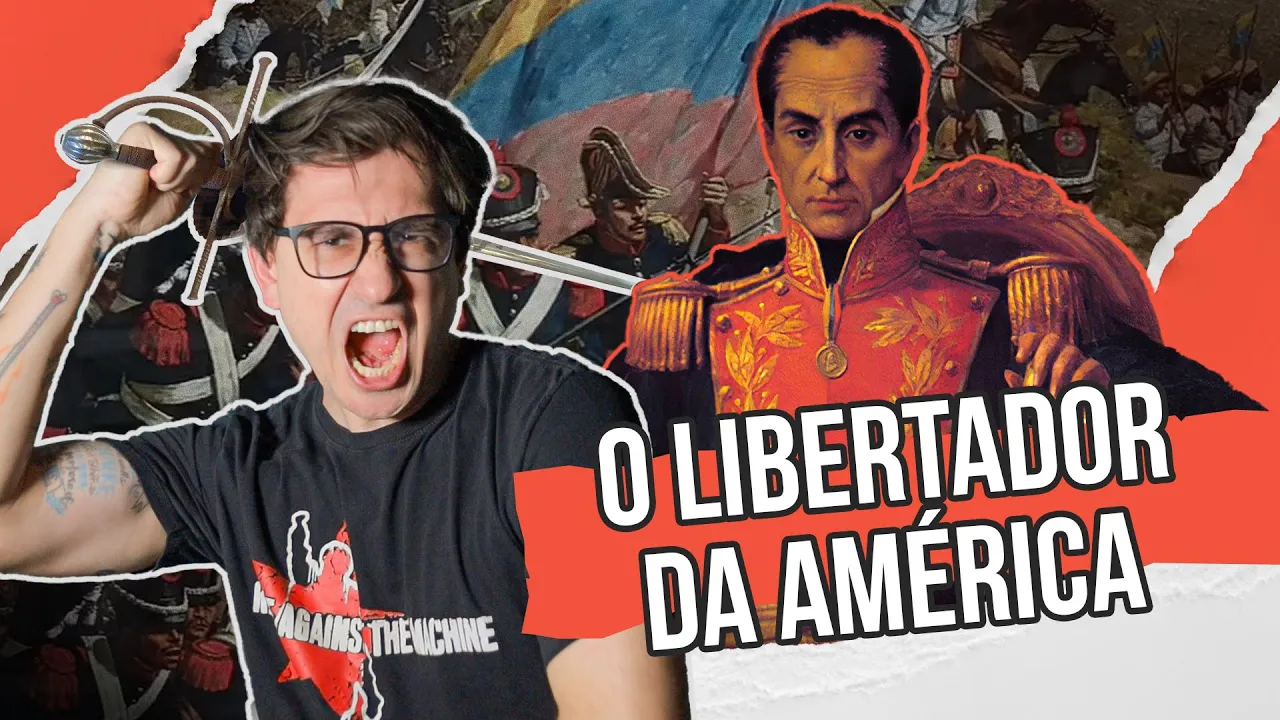

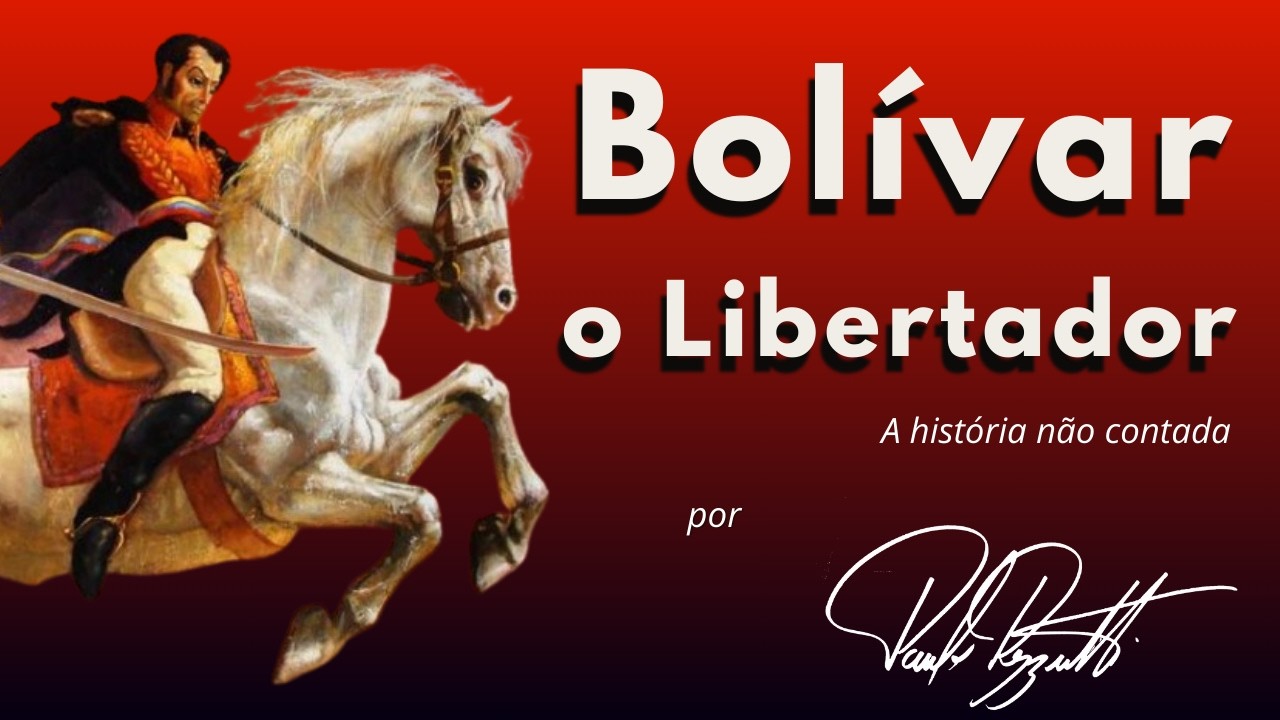
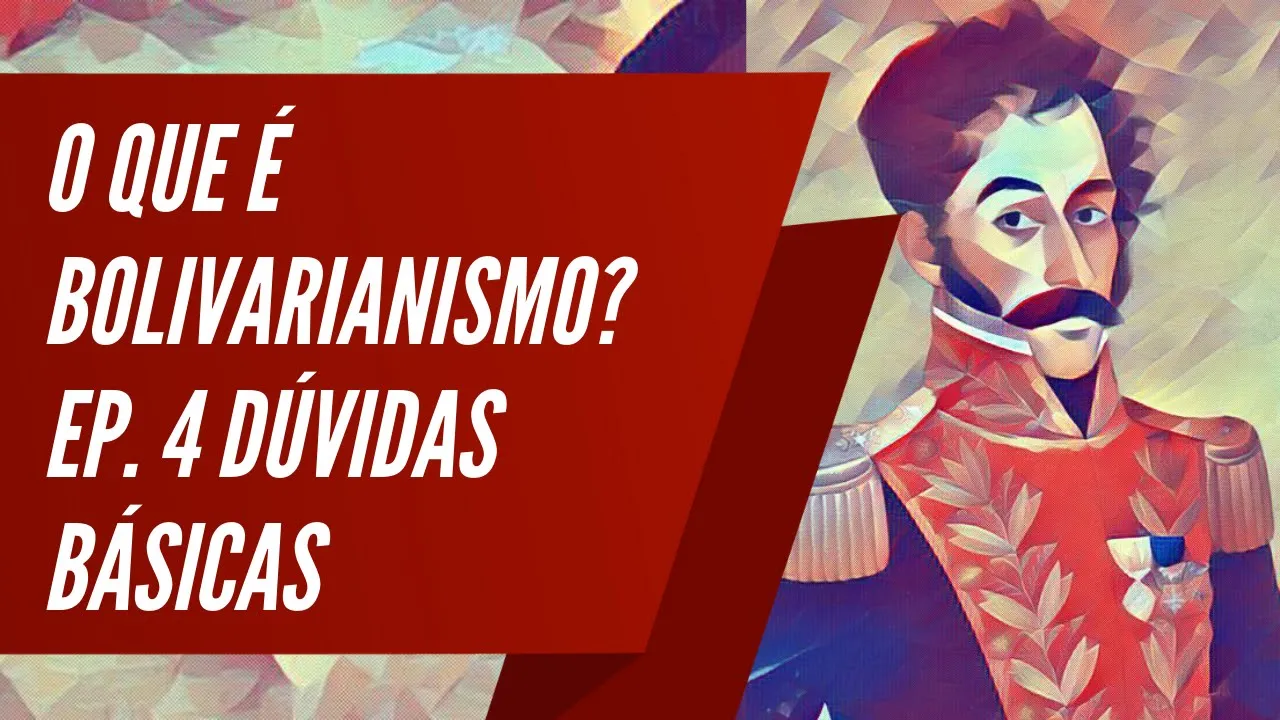


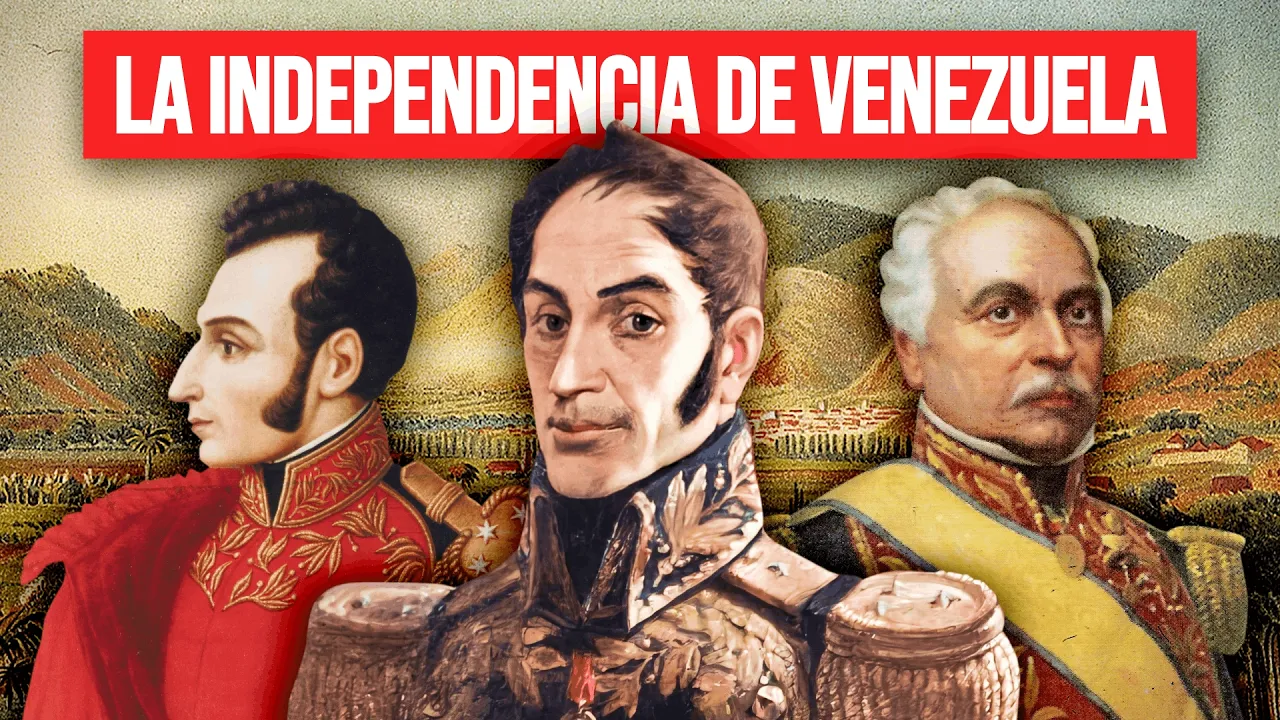




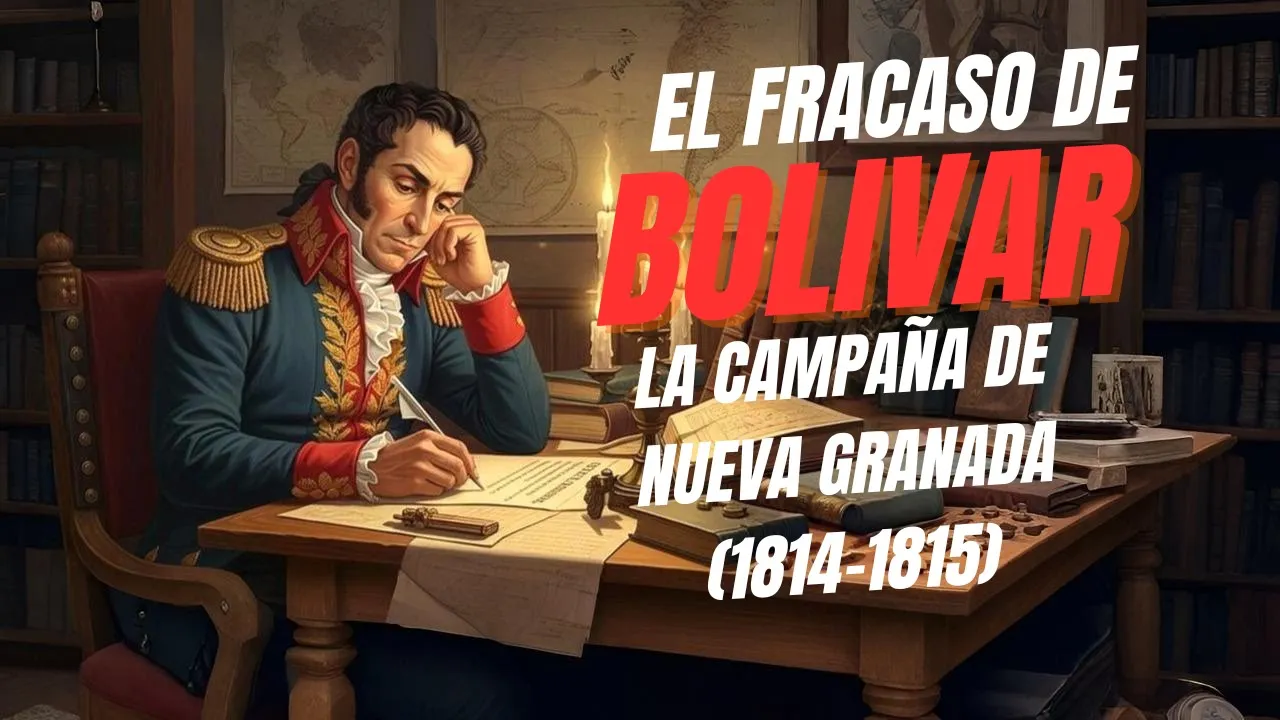





Simon Bolívar's diplomatic mission to England in 1810 failed because he accidentally revealed Venezuela's secret instructions to maintain loyalty to the Spanish king, leading to rejection by the British government; this setback, combined with his rivalry with Francisco de Miranda and the devastating earthquake that struck Caracas, contributed to the collapse of Venezuela's first republic and forced Bolívar into exile, demonstrating how diplomatic failures and internal conflicts can undermine revolutionary movements even when they have passionate leaders.
Historian Reacts to Simon Bolivar Part 2: Bolivar's Diplomatic Failure
Added:The social and political structure of the Spanish Empire in the Americas, particularly the tensions between Peninsulares and Criollos.
The impact of the Napoleonic Wars (specifically the French invasion of Spain) on Spanish colonial authority in Latin America.
Simon Bolívar's early background, his Enlightenment-inspired ideology, and the formation of the First Republic of Venezuela.
The geopolitical position of Great Britain in 1810, specifically its delicate alliance with Spain against Napoleonic France.
The collapse of the First Republic of Venezuela and Bolívar's subsequent military actions, including the 'Admirable Campaign'.
Bolívar's exile in Jamaica and Haiti, and the evolution of his political philosophy as outlined in his famous 'Jamaica Letter' of 1815.
The eventual establishment of 'Gran Colombia' and Bolívar's grand vision for a unified South American federation.
A comparative analysis of Latin American diplomacy, looking at how other revolutionary leaders eventually secured recognition and aid from foreign powers like Great Britain and the United States.
59.9K views2.2Klikes17:04Original Release: 2021-04-16
welcome back everyone to part two of my reaction uh my learning all about simon bolivar and a couple of things i want to say up front first of all thanks for all the great feedback yesterday um several of you pointed out netflix has a series about him and from what i understand it's fairly historically accurate as much as any tv series can be so i'm going to probably check that out when this series uh this reaction series is over also a couple of you pointed out correctly that the way that i pronounce it as an american simon bolivar isn't necessarily how it was pronounced but i'm gonna go with it just because that's how i as an english-speaking american i'm most comfortable with and i don't want to stumble over it trying to get it and do it wrong so um one thing i want to point out before we get into part two and don't forget you can see the original video in the link in the description as well as part one of my reaction uh to the first part um i like to throw in little tidbits of things that i learn along the way uh just uh to give you something else to learn about and uh i found out that back in 2010 uh the then president of venezuela hugo chavez actually had simon bolivar exhumed now i have for quite a long time uh had a morbid curiosity about the exclusions of famous people and there have been a lot of them over time so i found myself curious about this and apparently there's a video that they actually showed them lifting the coffin up and pulling the flags off of it and he's got a um a lead coffin which was very common at that time to put someone in and there's actually apparently somewhere an image of his bones and they actually did like a facial reconstruction from the skull anyway hugo chavez did that because he believed with all his heart that simon bolivar was murdered rather than dying of tuberculosis which is eventually what took his life and so he wanted to do tests and the tests did not show any evidence of murder and so chavez said i don't care i still think he was murdered even if the test couldn't prove it i still think that's what happened but anyway i thought that was interesting that happened in 2010 so let's dive into part two last we left off simon had returned to caracas but even as he returned to his home city burning with a new ardor for revolution and beginning to think about how to make it a reality events were afoot in europe napoleon that great wild card the great overthrower of tradition had invaded spain which didn't go well for napoleon [Music] napoleonic armies once the allies of spain came tearing into the iberian peninsula the king abdicated his son was forced to put aside the crown napoleon declared his own brother the king of spain the court was in confusion the army was in disarray central authority had broken down small juntas began to crop up everywhere claiming rightful authority in spain but even the most legitimate of these contenders was stuck in a besieged city surrounded by seventy thousand of napoleon's men so what were the colonies to do were they now the subjects of napoleon's brother or were they to submit to the will of the walled off genta bottled up in cadiz who knew these questions might not have been the ones foremost in the minds of europe at the time but in caracas they burned through the streets after much debate they found a third option they would create their own junta and declare it in support of ferdinand vii the king who napoleon had deposed but since the king was pretty much out of the picture and they recognized no other continental authority this basically meant they were now independent when that sorted they then sent the representatives of the central junta of spain packing and began self-governance under a council of the leading men of venezuela simone was not to be found among these leading men to them simone was just a youth he was reckless rude a bit dissolute and yeah he had returned recently from europe with a fire in his belly but they all figured it was just a matter of time before that fire burned out he was a liability but they were broke they wanted to send a delegation to england but as a newly established government and with the napoleonic wars wreaking havoc on trade they just didn't have the money to do it and you know as somebody who's found the napoleonic wars fascinating as of late and been studying up on that that's something you don't really think about too much is that you know these countries that napoleon is conquering still have colonies in other parts of the world that suddenly are like what do we do now you know we've been taking over our mother country's been taken over by france uh napoleon's installing all these puppet governments uh among his relatives and uh you know it's not something i ever really thought much about to be honest that that those things happening in europe had a direct impact on what was happening in the northern part of south america but bolivar that kid was rich like really rich and with all the impetuousness and the arrogance that they had come to expect of him bolivar offered to pay for the whole trip if they would let him come along even with this generous offer some of the council were worried about the idea of bolivar being one of their official representatives to england in the end though money won and they figured well he can't put us in too much worse a position than we're in now so why not of course just to be safe they sent him with two other older and more respected members of the community they figured let bolivar spend the money have those guys actually do the work so bolivar departed for england looking to secure recognition and aid for his fledgling nation upon arrival they quickly arranged a private visit with england's foreign minister they gather at his stately mansion on the edge of hyde park and begin the meeting they speak in french because bolivar though he was acting as an emissary to england doesn't know a word of english um so you know another interesting thing i just want to observe here is that this is a time in history when very young people are incredibly influential napoleon was pretty young when he started rising to prominence in france as a general the prime minister in the united kingdom at this time i think it's the uk by this point yeah it would be here i was great britain until the early 1800s but william pitt becomes prime minister at the age of 24 uh in the late 1700s i think it was um you have santa anna coming to power at a young age in mexico um while not directly in power you have very influential people in the united states like alexander hamilton who's like 30 when he becomes secretary of the treasury and for all intents and purposes was running the government on behalf of george washington so um very influential young people making a difference on the world stage and bolivar is going to be one of those the foreign minister takes the lead stating bluntly or at least so he thinks that he needs to know whether venezuela is seeking total independence or if it's still loyal to the deposed king of spain you see he's trying to signal to them that the spanish are fighting napoleon and therefore are now england's allies which is something he can't jeopardize so boldly knowing this to be his moment he will be the one to convince the english to enter in their cause bolivar steps forward before either of the others can respond and speaks at length with elegance and passion about the struggle that has gone into throwing off the mother country's yoke and the desire of the people to be truly free clearly he didn't get the hint so the foreign minister quietly sighs and figures okay i'll try again this time he states in a way that he finds too straightforward to really even be civil that england is spain's ally so they need to tell him wink wink that they aren't planning to totally break from the spanish crown one of the others tried to step in and respond but bolivar was filled with passion he knew this was his moment he had this he doubled down offering his most soaring and powerful rhetoric a cry so passionate that it must move even this stone-faced englishman and then at the height of the performance in a flash of inspiration the type of monumental genius only he was capable of he handed the english minister the letters of introduction and the packet of credentials that he'd been given by the government back home so that the minister may see his people's commitment and passion in their own words he continued in his most stunning gripping rhetoric as the minister leafed through the letters from his people and then he brought it home the ending was perfect there is no way that the minister could not see the righteousness of their cause now i have a feeling this is all being set up to show us that bolivar failed miserably but i could be wrong the minister was quiet clearly he'd been stunned to silence by bolivar's moving words when he'd recovered himself enough to move he slowly lifted a single piece of paper out of the packet and handed it across the table in his passion bolivar had accidentally handed the minister all the letters from his people including the instructions that he'd received from his government and in those instructions was a note that basically read in bold letters absolutely do not mention the idea of venezuelan independence we are not doing that we are loyal to the king we are in no way going to try to break off from the king so whatever you do do not imply that we are before bolivar's jaw could hit the floor or his face could turn tomato red the minister landed the one-two punch sliding simone's passport across the desk tapping it with one finger and saying my spanish is poor but isn't the nation you hail from literally called the supreme junta of caracas dedicated to preserving the rights of king ferdinand vii but then the stone-faced englishman laughed and said that he admired bolivar zeal still needless to say none of the junta's goals were met no concrete deal on trade or formal recognition were forthcoming but there was another man who bolivar met in london a man named francisco de miranda the one man in all of london whom the delegates were instructed to not meet oh boy miranda was perhaps the oldest venezuelan freedom fighter he was now 60 and for decades he'd been agitating for south and central american freedom from spain he even once launched a catastrophically inept attempt to liberate venezuela by force back in 1804 and he had dreams like bolivar had dreams not of some mere republic that paid lip service to a monarch back in spain but true and complete independence for his native land he was now residing in london because after his bungled attempt to take over his country by force he had taken refuge with the english his house had become a meeting place for latin americans in london there bolivar not only met much of the upper echelons of british and ex-pat society but he also became fast friends with miranda himself so i feel like simon bolivar is the kind of guy that if you instruct him whatever you do don't meet with that dude that's basically telling simon bolivar i gotta go meet that dude i just feel like that's the kind of person he would be and what he needs because he's so passionate is he needs an older mentor although it seems like this guy's every bit is kind of off the handle passionate as well but i feel like at this point what simon bolivar needs in his life is a um a force of kind of tempering temperance you know slow him down balance him out a little bit he's fiery he's excited he's got a cause but what he needs is some practicality soon he convinced miranda that he needed to return to venezuela that the people were waiting for him to reignite the fires of revolution but when they did both return to venezuela miranda was not greeted by a cheering crowd waiting to bestow on him the command of a newly formed republic but rather a small group of onlookers who for lack of anything better to do boredly watched him get off the ship slightly miffed but undeterred they soon threw themselves into politics suborning a small political party called the patriotic society and using it as a platform to run the type of political campaigns that had become a staple of london but had never been seen in the southern half of the new world so this is smart uh you know you try the bold do it all at once strategy and occasionally that works but more often than not it doesn't um it's a bad comparison but the first thing that comes to mind is the rise of the nazi party in germany i'm not in any way comparing simon boulevard to hitler or anything like that um but they tried the beer hall push you know try to take over by force in a big moment and a big movement it doesn't work so then they work the political end and they they play the long game and that eventually works for them and then when they get enough political clout then they make the big move uh it seems like that's the direction they're gonna go here they made inroads with the mixed-race peoples who had been largely ignored by the junta of rich whites there was some ego clashing between bolivar and miranda but soon all of that was overshadowed by two great events first a member of the newly formed congress turned out to be a spy for the spanish regency and had fled in the night with important papers of state this incident caused an uproar why defend the spanish government if they were spying on and thieving from venezuela but this incident might have blown over if it weren't for the second piece of news that followed swiftly on its heels wellington had defeated another of napoleon's armies in spain the spanish government would soon truly return this became a pivot point one of those seminal moments in history where a decision has to be made and make it the venezuelans did they finally declared themselves truly and fully independent so they're taking advantage of this because they know their window is going to close when spain gets its own independence back its own power back it's going to become much harder to do this so interesting but this independence was an independence by rich white for rich whites and as soon as word of the inequities in its constitution spread slave rebellions and counter-revolution spread with it before long the inexperienced and inept forces of the republic were routed and they turned to the only experienced soldier among them miranda to lead their forces he did so on one condition that bolivar be stripped of his rank and not allowed to participate wow this was totally unexpected to bolivar and to the ruling council bolivar exploded he could do until a sympathetic general brought him onto his staff as an adjunct here he served with distinction proving his valor and value on the battlefield so much so that miranda allowed him to bring news of their successes back to caracas commending him and recommending that his rank be restored but always in the background in private he said that bolivar fought like a gorilla undisciplined with little of the strictures of military life or command so rather than becoming a mentor to him he's actually an adversary and a rival to what he wants to accomplish so this is interesting i'm curious to see how this is going to play out things soon took a turn for the worse spanish officers arrived on the scene and began raising and training an army of the discontent then an even greater tragedy struck an earthquake of unimagined magnitude struck caracas tens of thousands of people died the financial cultural and political capital of the new nation was reduced to ruins the people thought it was the punishment of god troops began to desert and bolivar who was sent to garrison a stronghold ended up getting fired upon by the very troops that were supposed to be guarding the fort he was to protect and through this miranda waged an anemic campaign always on the retreat until in a shock to everybody he offered a unilateral surrender he did not consult congress he didn't speak to bolivar he made the terms with the spanish as if he were venezuela's king bolivar sensed treason could only think of it as a betrayal it's treason then interesting this is very interesting and betrayal was to be met with betrayal on the night before miranda was to slip away allowing himself passage on a ship while he had locked down the ports to all the other venezuelans bolivar and a group of his friends seized miranda and turned him over to the local constable who soon turned him over to the spanish miranda would die in a prison a few years later tossed into a mass grave like a common criminal but bolivar in the chaos somehow managed to slip away before the arrival of the spanish forces his family connections kept him safe and he plotted his next move in a fight he considered far from finished the fight for venezuelan independence well that was an absolute disaster that's not at all how i thought that was gonna go so now i'm curious to see how he comes back from this you know this is interesting because i don't very often do reactions to stuff i don't know how it turns out i honestly don't and i'm intentionally not finding out because i'm really curious to see how this plays out and how he ends up becoming the great kind of george washington of northern south america that he's remembered as today so let me know your thoughts about all that use the comment section below what can you add to this part of the story uh and we'll be back tomorrow with the next episode thanks for watching
Up Next

47:44
Pacific Northwest Coast Peoples: Evolution of Complex Societies
@AncientAmericas
796.3K views•2023-01-30

93:30
Zola, Baudelaire, Maupassant & the Transformation of Paris, 1852-1900
@SylviaSagona
5.6K views•2015-05-31
25:30
Why Andrew Johnson Was Impeached: Reconstruction Explained
@VloggingThroughHistory
105.9K views•2021-11-03
17:05
Understanding the Cold War: Superpower Conflicts and the Road to Détente
@OverSimplified
46.1M views•2019-01-24
Related Study Plans & Knowledge Roadmaps
Structured learning paths in History
history
Byzantine Iconoclasm: Theology, Art & Politics
01Foundations of Byzantium and Early Christian Images
02The First Iconoclasm: Leo III and the Crisis of Images
03Empress Irene, Nicaea II, and the Second Iconoclasm
+ 2 more learning modules
9h5 modules
Explore Roadmap
history
Iranian Revolution (Causes, Events & Legacy)
01The Pahlavi Dynasty and the Roots of Discontent
02The Spark of Rebellion and the Rise of Khomeini
031979: The Fall of the Shah and the Climax of the Revolution
+ 2 more learning modules
8h5 modules
Explore Roadmap
history
Mali Empire: Mansa Musa, Trade & Timbuktu
01Foundations of the Mali Empire
02The Trans-Saharan Gold and Salt Trade
03The Reign and Pilgrimage of Mansa Musa
+ 1 more learning modules
6h4 modules
Explore Roadmap
history
1947 Partition: Politics, Borders & Legacies
01Foundations of British India and the Divide
02The Political Negotiations and the Mountbatten Plan
03Drawing the Boundary: The Radcliffe Line
+ 2 more learning modules
8h5 modules
Explore Roadmap