














![[Podcast] With the Bark Off: A Conversation About the Cabinet with Dr. Lindsay Chervinsky](https://i.ytimg.com/vi/5S1YJ6mJ58Y/maxresdefault.jpg)
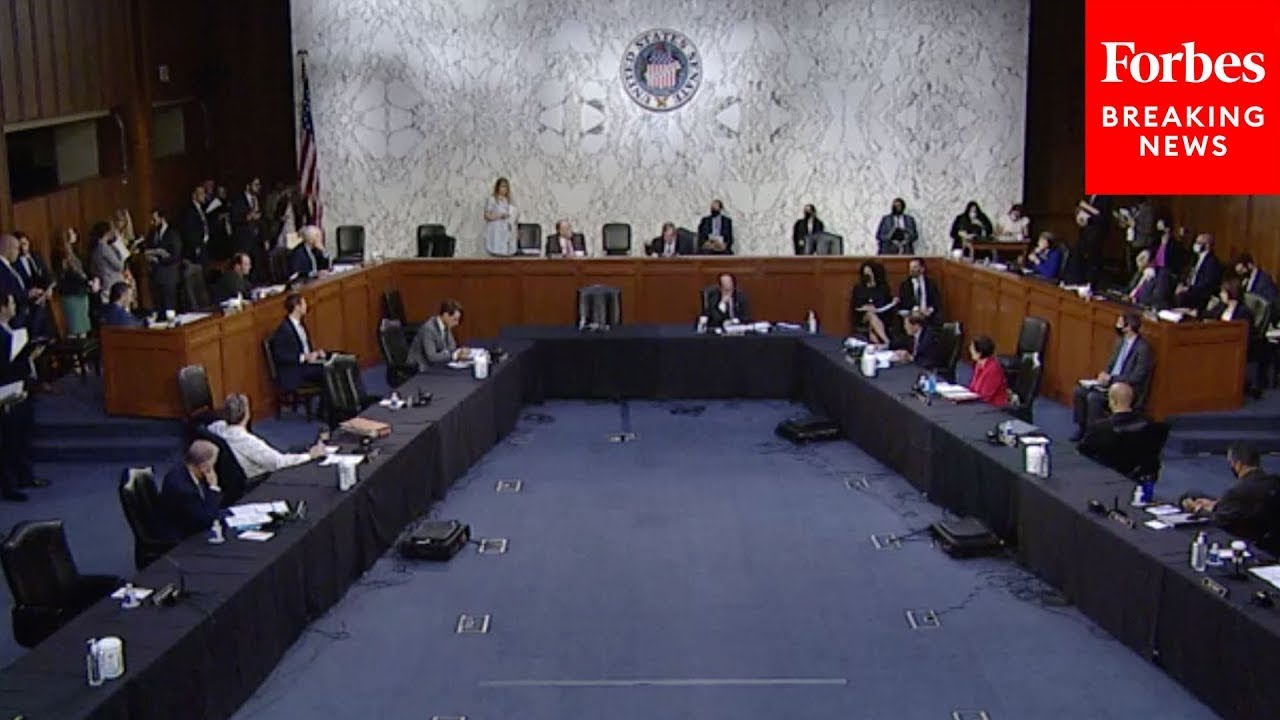

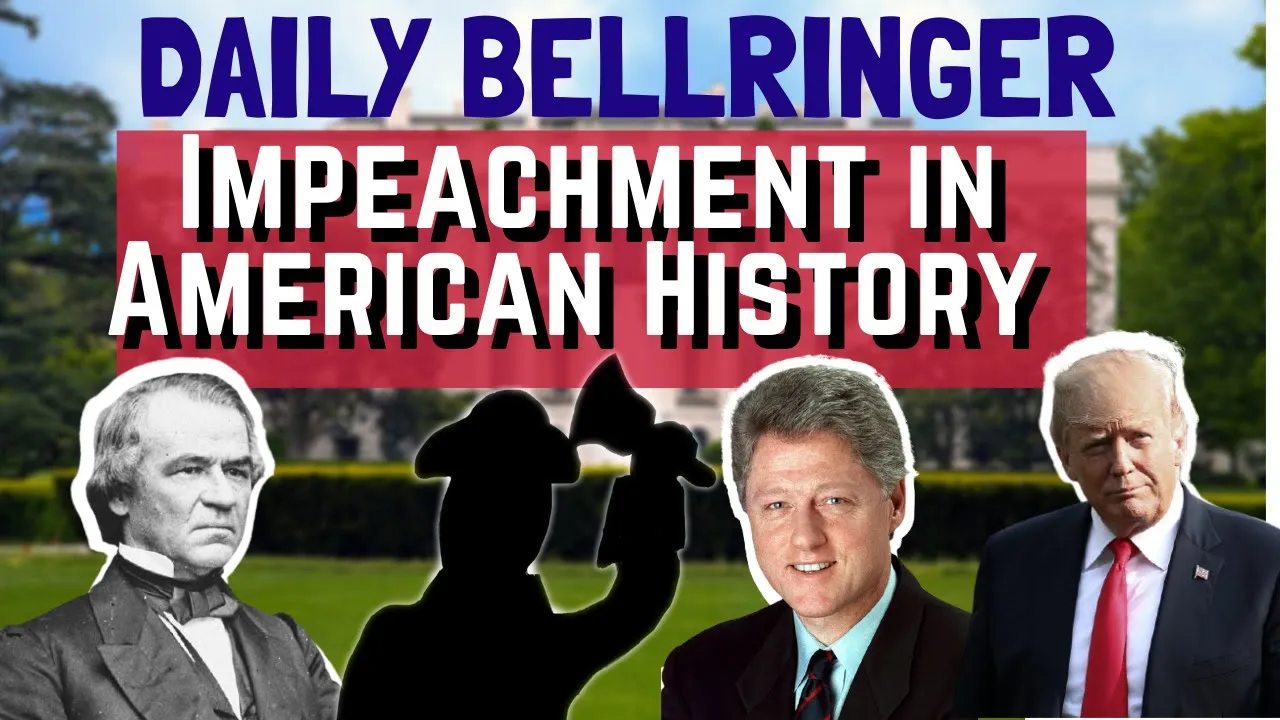
Andrew Johnson, the 17th U.S. president, was the first American president to be impeached by the House of Representatives on February 24, 1868, but was acquitted by the Senate on May 26, 1868, when the vote fell one short of the two-thirds majority needed for removal; this impeachment stemmed from Johnson's violation of the Tenure of Office Act when he removed Edwin Stanton as Secretary of War without Senate approval, highlighting the political tensions between Johnson's lenient Reconstruction policies and the radical Republicans' demands for stricter enforcement of civil rights for freedmen.
Why Andrew Johnson Was Impeached: Reconstruction Explained
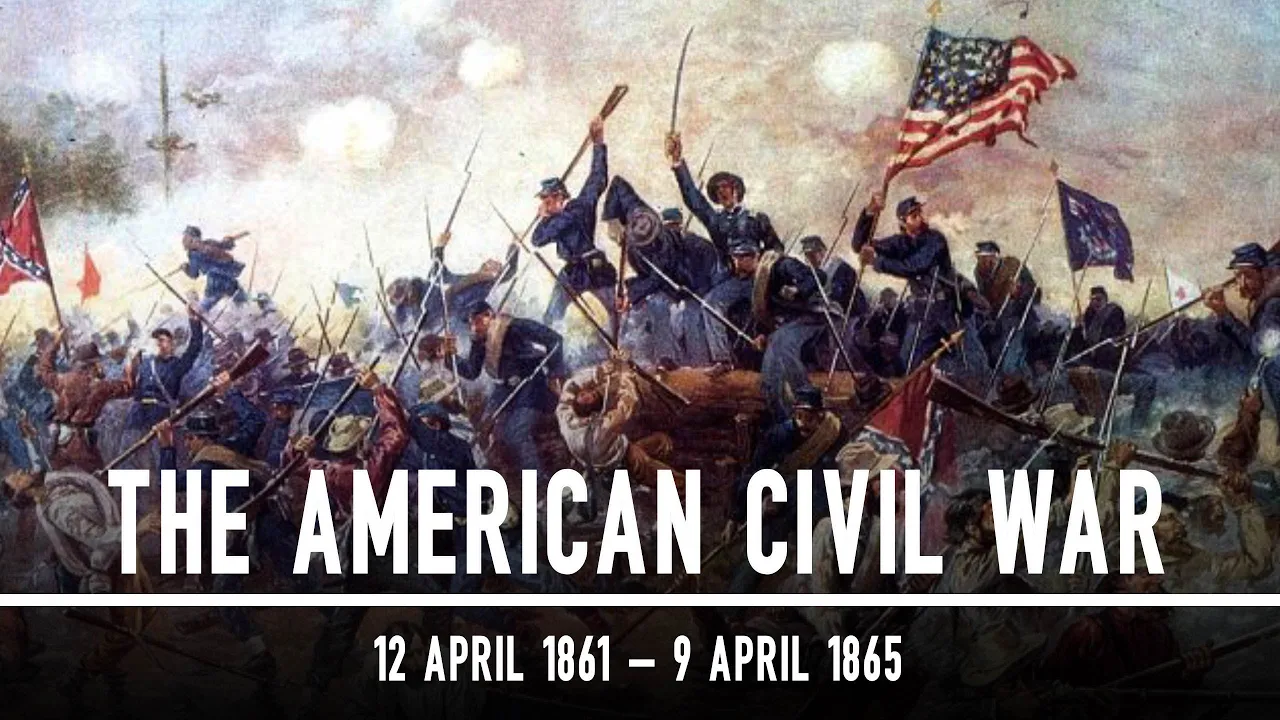
Added:The causes, key events, and outcome of the American Civil War, including the transition of power following the assassination of Abraham Lincoln.
The basic constitutional framework of the U.S. impeachment process, specifically the distinct roles of the House of Representatives and the Senate.
The fundamental ideological divide between Presidential Reconstruction (favored by Johnson) and Radical Reconstruction (led by Congressional Republicans).
The passage and significance of the 13th and 14th Amendments in defining citizenship and civil rights in the post-Civil War era.
The presidency of Ulysses S. Grant and the military enforcement of Reconstruction policies in the South.
The Compromise of 1877, which marked the formal end of Reconstruction, and the subsequent rise of Jim Crow disenfranchisement laws.
A comparative study of future presidential impeachments (such as those of Bill Clinton and Donald Trump) to analyze how the precedents set in 1868 were applied.
The historical evolution of executive privilege and the balance of power between the President and Congress regarding cabinet appointments and administrative control.
105.9K views3.3Klikes25:30Original Release: 2021-11-03
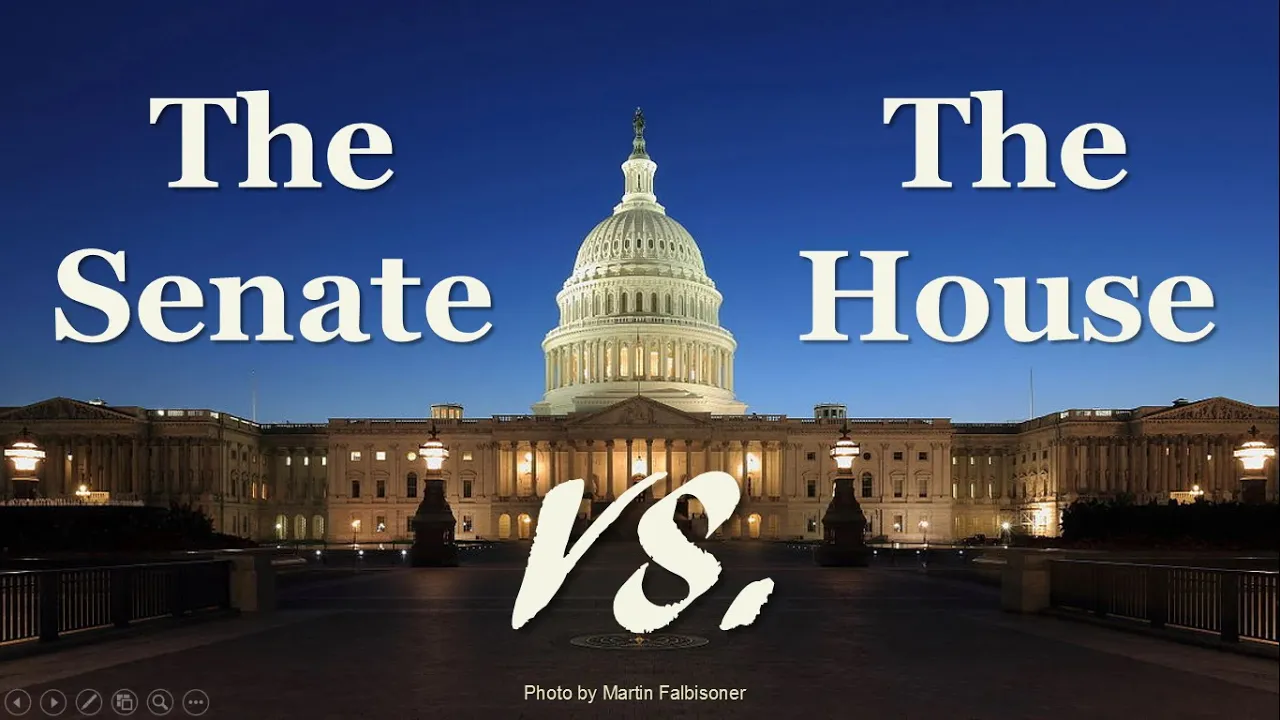
welcome back everyone to another reaction video recording this one early in the week as i'll be out of town most of the week uh so you guys will be getting this one later on uh in a few days from the time that i'm recording but i wanted to go back and revisit uh one of my favorite young historians on youtube that's the armchair historian who i think does a great job in presenting his material uh in a very interesting and educational way so we're going to take a look at his video today which is entitled how did the first u.s impeachment happen it's the story of the impeachment of andrew johnson who was the 17th president of the united states so as always i will kind of be offering my own observations and filling in some of the background information as he goes along uh describing what happened i haven't seen this video yet there's a link in the description that will take you to the original content so go ahead and check that out let's go ahead and dive into this video have you been formally accused of misconduct while serving as a federal officer of the united states and need to prove your innocence yes much like the presidents of the past you should use squarespace whether you're looking to start a business or create an online portfolio squarespace is the right platform for you stay tuned until the end of the video for an exclusive offer from squarespace just for fans of the armchair historian hi i'm griffin johnson the armchair historian today's video is a short and unorthodox one for the channel all about andrew johnson the first american president to be impeached we recently experienced only the third impeachment in the entire country's history so it seems like an opportune time should specify the third impeachment of a president there have been impeachments impeachment is not something that is only reserved for the president supreme court justices can be impeached other federal officers can be impeached as well so it's not unique to the presidency but those tend to be the ones we think the most about time to go back and take a look at the first time this has happened andrew johnson the 17th president of the united states was formerly impeached by the house of representatives on february 24 1868 and faced trial over the next three months and i think i'm sure he'll get into this but it's important to distinguish between impeachment and removal from office the easiest way to describe an impeachment impeachment is basically the indictment it's basically saying uh the house of representatives saying we believe there's sufficient evidence for you to be charged with this offense that could warrant your removal from office and then it's like a grand jury passing down an indictment now there has to be a trial so you can be impeached as we've learned with andrew johnson bill clinton and donald trump you can be impeached that doesn't mean you've been removed from office the entire event was the greatest political spectacle of the early reconstruction era as the country struggled to recover from its brutal civil war now right there it says 620 000 americans died in the civil war uh that is a very common figure that is used but in more recent years there have been a number of prominent historians that have gone back and revisited those numbers and a lot of folks are ramping that estimate up to somewhere closer to about 750 000 americans either way it's about two percent of the population died during the war and overcome the bitter divisions that precipitated it the concept of impeachment in the united states finds its origin in the british legal process whereby all public officials including ministers of the crown were held accountable for misconduct the monarch however could not be impeached since the us didn't exactly begin its existence by quietly disagreeing with king george iii it shouldn't be a surprise to you that the american impeachment process is a bit more inclusive so the monarch couldn't be impeached but in at least one occasion the monarch has been executed for treason against the nation several monarchs have been deposed by others who wanted the crown for themselves or that saw the monarch as doing a very poor job so it's a form of impeachment under the system that was available to them at the time there are a lot of other videos on youtube that'll explain this process in more detail and this is kind of cool here because what you're seeing here is what the us capitol building looked like in the early years it's been expanded this way and of course that prominent dome that everyone knows about that was built in the years right up to the beginning of the civil war was actually completed during the civil war so it doesn't look like that now but that's what it would have looked like say in the 1830s but for our purposes today you just have to know that in order for a president to be impeached and removed from office they must formally be accused by a simple majority in the house of representatives then all the way on the other side of the capitol building convicted by a two-thirds majority in the senate when the house begins the formal process it votes on articles which are specific allegations of impeachable conduct and that difference in how impeachment is passed versus how conviction happens is why you see impeachments happening but you haven't seen a conviction yet a couple of things number one the in the u.s house of representatives the elections are every two years if you're not familiar with our system of government our house of representatives is done by population and so california for example has the most representatives because they have the highest population every state has at least one representative many states only have one that represents the whole state california's got over 50 i think um but they're elected every two years so that's meant much more to represent the current mood of the country so to speak because every two years there's an election so uh whereas u.s senators at least today are elected every six years and there's only two per state that combined with the fact that it's only a majority in the house and it's a two-thirds majority in the senate but at this time the u.s senate was actually chosen by state legislatures so it was a different process they weren't elected directly by the people so what constitutes an impeachable act well that's not super clear the phrase high crimes and misdemeanors is so uselessly vague that it usually just means whatever congress thinks is bad enough in president johnson's case his particular high crime slash misdemeanor was the culmination of years of animosity with the very party that had put him in office absolutely true uh and yeah exactly basically and especially today it really uh it just comes down to do the people that are in power in congress wanna accuse you of something boom we're going to see impeachment become a much more regular thing now i'm afraid but i want to get too much into modern politics but yeah it's really just up to the house to decide whether or not they want it and they pass it without a 20-minute digression into 19th century party politics here's the short version the democratic and republican parties as they existed in the 1860s bore almost no resemblance to the ones that are active today and if you're about to jump to a conclusion based on your modern day preferences it's probably wrong the longer version which will still be way oversimplified is this at the time of the civil war the democratic party broadly supported slavery and represented land-holding white planters in the south while the republican party represented the interests of city-dwelling northerners who tended to be abolitionists and the republican parties brand new at the time of the american civil war their first presidential nominee was in 1856 it was john c fremont and so abraham lincoln's only their second ever presidential nominee and he's their first one that wins it's born out of the aftermath of the collapse of the whig party but a lot of the whigs didn't become republicans the republican party was born basically as an abolitionist party but not everybody in the republican party was abolitionist abraham lincoln was not an abolitionist but the majority of the republican party is made up of abolitionists or of people who simply don't want to see slavery uh spread to new territories and that was abraham lincoln southern democrats who were worried that the election of abraham lincoln would lead to the eventual abolition of slavery spearheaded the secession movement that began in late 1860.
however not every southern slave-holding state left the union to join the confederacy in fact five so-called border states remained part of the union and retained their democratic governments and not only that but large chunks of some of the other states i mean west virginia actually is part of virginia they they secede from virginia and become a state in 1863.
kentucky had separate confederate and union governments and tried to stay neutral until their neutrality was violated a good chunk of east tennessee which is where andrew johnson's from is pro-union there's parts of alabama and mississippi that are pro-union so it's not quite just as simple as saying these borders but especially eastern tennessee that's what's going to come in to play here to shore up electoral support in these states lincoln selected democrat andrew johnson from tennessee the only senator from a confederate state to remain loyal to the union so his first vice president is hannibal hamlin who's from maine uh he's more of a you know you have to think of it this way um the republican party has moderates and they have radicals what are called the radical republicans the radicals are uh the people like thaddeus stevens people like sam and chase these are people who uh are abolitionists who want to punish the south severely in the aftermath of the war abraham lincoln is much more of a moderate and as a moderate he's trying to hold the country together he's trying to keep those border states in the union and as the war is coming to a close he sees an opportunity not only to help win reelection by getting war democrat support because there are a lot of democrats who supported the war um and andrew johnson is one of those and so johnson's a racist he's a slave a pro-slavery guy but he's also he remained in the senate when his state seceded and so really if you're going to choose a southern democrat johnson's about the only choice he had his first choice i believe was actually william rosecrans who was a union general from ohio but through a series of circumstances it didn't work out that way um but the choice of johnson as running mates gonna go down in history as one of those all-time worst decisions ever made in american history as his running mate in 1864.
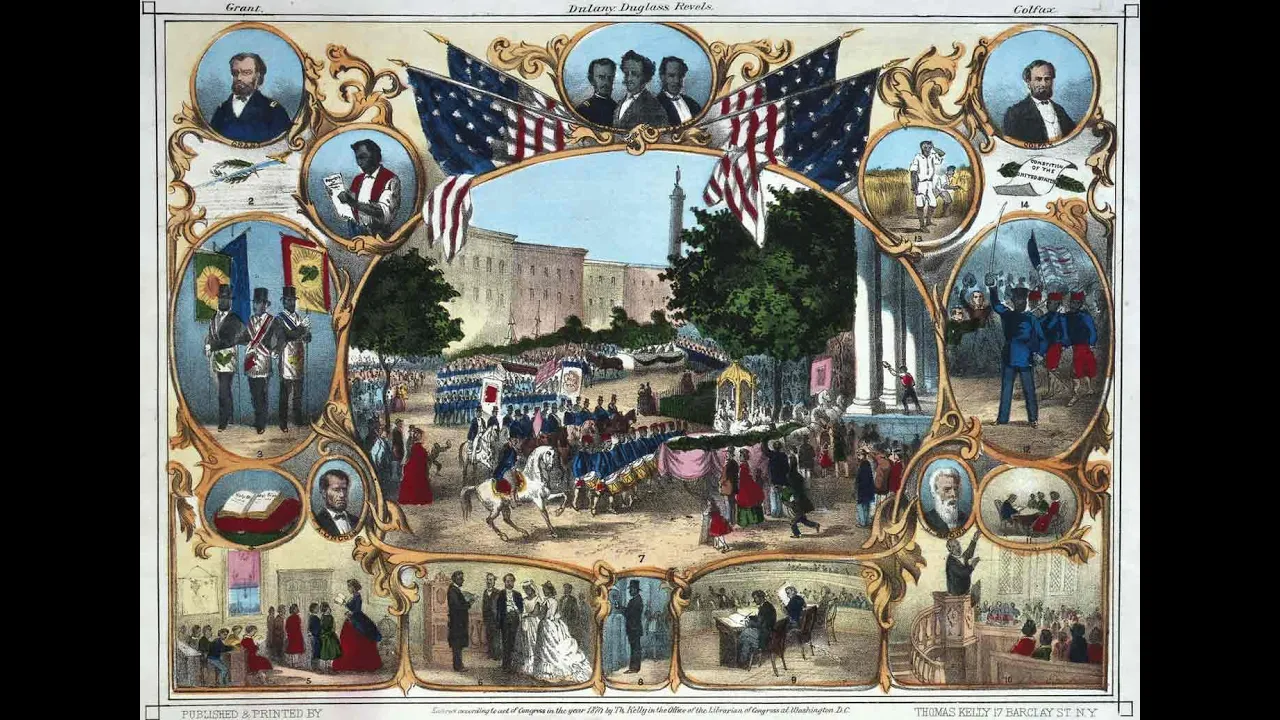
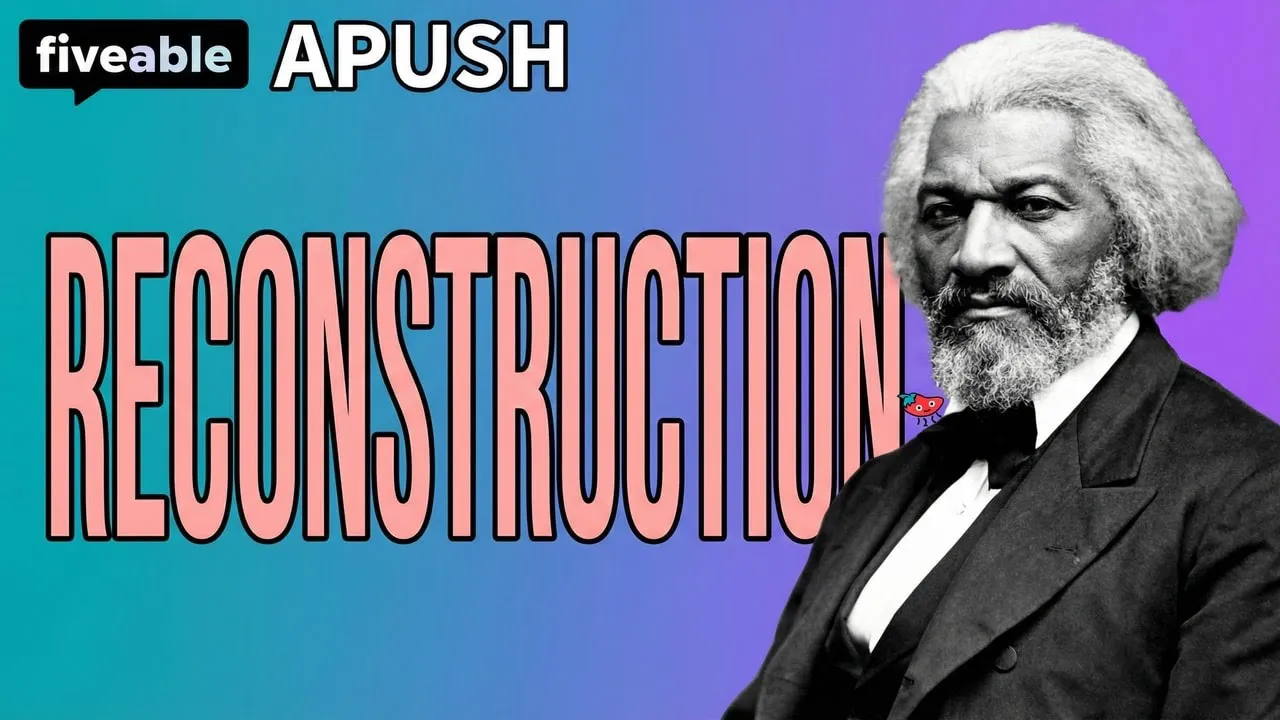
even though he was elected as vice president on the republican ticket the more radical elements of the republican party were suspicious of him from the very beginning some of these men had been fighting slavery for decades and doubted even abraham lincoln's commitment to protecting the rights of newly freedmen at the end of the civil war or holding the confederate leaders accountable for treason and you know much like in world war ii where as the war's winding down you know january february march of 1945 it seems a foregone conclusion for example that nazi germany is going to fall and so even though the war's not over yet you've got folks like churchill and stalin and roosevelt they're already thinking about the post-war world and what that's going to look like and so they have meanings to set all that up same thing's happening here the war is winding down it seems pretty clear the union's about to win the war by the beginning of 1865 and so now you've got lincoln the radical republicans others thinking about what comes next how do we readmit the south into the union what do we do about slavery what do we do about the former confederates in the government so there's a lot of debate lincoln wants to let him up easy he wants to basically allow the south back into the union he wants to deal with slavery once and for all but he also is pretty willing to just kind of turn his back on what happened during the war as long as they can get what they want afterwards but the radicals don't see it that way when an assassin's bullet elevated the tennessean to the presidency they expected even less even so the radical republicans counted a number of cabinet secretaries among their political allies notably secretary of war edwin stanton he had served lincoln as the civilian head of military affairs throughout the civil war and it's interesting that the radical republicans saw an ally in edwin stanton edwin stanton before the war was a democrat he's a democrat from steubenville ohio he was a lawyer that was known to lincoln and uh somebody that lincoln trusted even though stanton didn't think real highly of lincoln at the beginning of the war by the end of the war they were allies they were friends it was stanton who reportedly said at lincoln's death bed now he belongs to the ages and stanton becomes the lightning rod over which this impeachment is going to take place and supported a much harsher vision of reconstruction than either president considering that much of the south was now divided into military occupation districts administered by the war department stanton essentially governed half the country the combative secretary now perhaps the second most powerful man in the country was low-hanging fruit for a new president trying to consolidate his authority and protect his fellow southerners from punitive measures yeah so um i've done a series on reconstruction i still got to finish the final episode of that but i'll put a link in the description to the reconstruction series so you can get a little more background into what's going on with all of this at that time the links in the description for that but yeah um stanton in the aftermath of lincoln's assassination for example basically was running the country he was the one who who organized the the manhunt to go after the conspirators he's kind of running the show and um andrew johnson was one of the targets of the conspirators they were they were intending to kill lincoln kill grant who was supposed to be with lincoln at ford's theater that night but changed his plans at the last minute they were supposed to kill secretary of state uh seward and they were supposed to kill vice president andrew johnson seward got attacked but survived the guy who was supposed to kill johnson chickened out altogether seeing this the radical republicans in congress executed a political maneuver that may actually have been intended to trigger impeachment absolutely passing the tenure of office act on march 2nd 1867 it required the president to seek senate approval to fire appointed officials and it passed despite johnson's veto so this was totally set up to trigger an opportunity to impeach johnson uh the tenure of office act was subsequently ruled unconstitutional i think correctly by the supreme court the the president's got to be able to remove his own appointees if he if he sees fit and if they don't support his vision of the country uh but this was this was done knowing that it would trigger an opportunity for a showdown uh like i said eventually the whole basis for impeachment was thrown out by supreme court eventually anyway in a turn of events that surprised absolutely nobody johnson eventually sought to test the law and wrest control of reconstruction back from congress in august of 1867 without consulting congress as the act required he suspended and replaced edward stanton brendan won he he suspended and replaced edwin stanton and i believe while stanton was suspended and while all of this is going down ulysses s grant becomes the acting secretary of war which is really interesting because he's the general in chief of the army and so you've got this kind of mixing of the lines between military and civilian authority in this case pineapple author of the impeachers the trial of andrew johnson and the dream of a just nation suggests that the defiant president was self-sabotaging by nature [Music] she writes the man had a penchant for martyrdom it allowed him to cling to the belief that he was cruelly beset deeply unappreciated wholly persecuted and denied the respect he rightfully deserved his temperament allowed no other choice he thus welcomed a struggle to the death with the hero himself going down to defeat in a blaze of unforgettable glory interesting way of viewing that and i understand where she's coming from with that but i don't know if i agree with that assessment completely it is equally unsurprising that his enemies immediately reacted to his move now that johnson had openly challenged the tenure of office act the house reinstated stanton in january 1868 and moved forward with impeachment enraged by the audacity of the house johnson fired stanton once again and replaced him with major general lorenzo thomas a longtime foe of stanton not to be outdone stanton had thomas arrested for illegally seizing his office on february 24th the house voted 124 to 17 to impeach johnson and establish a committee to draft the articles of impeachment the 11 articles mostly stemmed from the dismissal of stanton and the subsequent illegal use of war department funds and personnel and the speaker of the house at that time is skyler colfax who is going to go on shortly after this to become the vice president under ulysses s grant in the next election the next week was spent approving rules of procedure for the trial which convened on march 5th with sam p chase the chief of justice of the supreme court presiding salmon chase who was from ohio had been secretary of the treasury under lincoln and then lincoln made him chief justice the process stretched on for two months during which the radical republicans worked to convince their colleagues that andrew johnson had not only violated the tenure of office act but also conspired to keep the planter aristocracy in power over the new friedman of the south johnson i will say this johnson's presidency was an absolute disaster and i you've probably heard me say this before but i believe wholeheartedly that his presidency did more to harm the country particularly the african-americans the freedmen the newly freed slaves than anything else and i believe that the next hundred plus years of race relations in america largely johnson's responsible for that because he botched reconstruction he crippled it from the start and the opportunity that was there to set up former slaves with an opportunity for success in life um and prevent a hundred years plus of jim crow and all that stuff johnson's responsible for a lot of that since defense team argued that the law didn't even apply in this case the u.s senate's official history recounts their argument that since stanton had been appointed by lincoln johnson was not obligated to continue his service that's true even if the senators accepted the act as constitutional the defense team insisted johnson could not be impeached for a mistaken interpretation furthermore they claimed that johnson's intent was to test the constitutionality of the act before the supreme court which he had the right to do and which eventually bore out the fact that it was unconstitutional the president's defense team was a 19th century legal dream team featuring attorney general henry stanberry who had resigned his position to work on the case and former supreme court justice benjamin curtis at the advice of his counsel the bombastic president did not appear relying in part on the prestige of his advocates ironically another asset for the president was the very man positioned to replace him since the vice presidency was still vacant benjamin wade the president pro-tempore of the senate was next in line of secession uh not secession succession uh but here's the thing yeah there this is before um the constitutional amendment was passed in the 20th century that set out the specific line of succession which right now is president vice president speaker of the house then president pro tem at this time basically what would happen in this situation was that with no vice president if johnson's removed from office benjamin wade becomes the acting president until there can be a special election now in this case there was an election coming in 1868 anyway but let's say for example that johnson had been assassinated in 65 when lincoln was assassinated benjamin wade uh i think he was the president pro tem at that point too uh president pro tem would become president but probably in the fall of 1865 then they would have had an election to select a president for the remaining three years of lincoln's term it wouldn't have been like it is today where that person would just become president for the remainder of the term one of the most outspoken radicals he advocated for such harsh reconstruction terms that he angered the party's moderate wing the possibility that wade might be president if johnson was removed may have been a powerful incentive for certain republican senators to vote for acquittal as we mentioned earlier impeachment is a political process not a legal one and though johnson may have violated the law as it was intended removing him was a difficult proposition it would have been yet another destabilizing event for a nation that had barely managed to cling together benjamin wade would have been the third president to take office within three years and the second one for whom nobody had cast a single ballot senator james grimes a republican of iowa perhaps summed up the opinion of many moderates when he said i cannot agree to destroy the harmonious working of the constitution for the sake of getting rid of an unacceptable president on may 16 1868 after two months of arguments and weeks of deliberation the senate voted 35 to 19 to convict johnson on the first charge one vote short of the two-thirds necessary to remove johnson from office think about the power of a single vote right there one vote determined andrew johnson staying in the white house on may 26th the senate voted to impeach johnson on articles 2 and 3 but once again the vote tallies were the same that same day they didn't vote to impeach him they were voting on whether or not to find him guilty of the articles of impeachment the trial was officially adjourned and johnson remained president [Music] in hindsight it is possible that removing the president over such a politically polarized issue would have set a dangerous precedent in an already fragile union it is also difficult to dispute that johnson's lenient version of reconstruction gave rise to new white dominated southern governments that enacted jim crow laws throughout the former confederacy america's first presidential impeachment is one of many events in the country's history that must be examined with nuance to understand its ramifications today i'm really hoping the comment section isn't on fire before we finish i'd like to once again all right so um like i said check out i'll put a link in the description to the original content but also a link to my first two videos about reconstruction i'm i'm hopefully going to record the third one here soon i've been trying to get to it just things keep happening in life they haven't been able to get to it but uh you'll at least be able to hear a little more background into what happened at the beginning part of johnson's administration into the impeachment and then into grant's administration so check that out as well as always thanks for watching we'll see you again soon you
Up Next

48:55
Reconstruction Era: Black Codes, Sharecropping & Freedmen's Bureau
@YaleCourses
41.7K views•2012-12-07

33:02
The Great Schism of 1054: Causes and Consequences
@SacredCathedrals
113.5K views•2026-02-19
17:04
Historian Reacts to Simon Bolivar Part 2: Bolivar's Diplomatic Failure
@VloggingThroughHistory
59.9K views•2021-04-16
17:05
Understanding the Cold War: Superpower Conflicts and the Road to Détente
@OverSimplified
46.1M views•2019-01-24
Related Study Plans & Knowledge Roadmaps
Structured learning paths in History
history
Byzantine Iconoclasm: Theology, Art & Politics
01Foundations of Byzantium and Early Christian Images
02The First Iconoclasm: Leo III and the Crisis of Images
03Empress Irene, Nicaea II, and the Second Iconoclasm
+ 2 more learning modules
9h5 modules
Explore Roadmap
history
Iranian Revolution (Causes, Events & Legacy)
01The Pahlavi Dynasty and the Roots of Discontent
02The Spark of Rebellion and the Rise of Khomeini
031979: The Fall of the Shah and the Climax of the Revolution
+ 2 more learning modules
8h5 modules
Explore Roadmap
history
Mali Empire: Mansa Musa, Trade & Timbuktu
01Foundations of the Mali Empire
02The Trans-Saharan Gold and Salt Trade
03The Reign and Pilgrimage of Mansa Musa
+ 1 more learning modules
6h4 modules
Explore Roadmap
history
1947 Partition: Politics, Borders & Legacies
01Foundations of British India and the Divide
02The Political Negotiations and the Mountbatten Plan
03Drawing the Boundary: The Radcliffe Line
+ 2 more learning modules
8h5 modules
Explore Roadmap