Natural rubber is harvested from the Hevea brasiliensis tree through tapping, processed via coagulation and drying to produce sheets or blocks containing approximately 93% rubber hydrocarbon, while synthetic rubber is entirely chemically synthesized from petroleum byproducts through polymerization of monomers like butadiene or styrene; both undergo vulcanization to enhance strength and elasticity, but natural rubber offers renewable and biodegradable properties while synthetic rubber provides customizable characteristics and consistent quality.
Natural vs Synthetic Rubber: Production and Properties
Added:Deep Dive
Basic polymer chemistry, including the definition of monomers, polymers, and the polymerization process.

Smartsft.lk - BARA AVI 05 (SPECIAL SHORT NOTE CLASS)
209
Polymers are long chains formed by bonding a large number of simple molecules together. The term 'polymer' comes from 'poly' meaning many and 'mer' meaning unit. Monomers are the simple molecules that combine to form polymers, with 'mono' meaning one. Polymerization is the process by which simple molecules bond together to form polymers. The uses of polymers are determined by their physical and chemical properties. Polymers can be classified into crystalline and amorphous types based on molecular arrangement. Key characteristics include being lightweight, flexible, easily synthesized, and having low production costs. The molecular mass of a polymer is much larger than that of a single monomer.
Click to watch →

🔴 LIVE |10th Science 1|9.Carbon Compounds|Board Exam 2025|Most Important Questions|Pradeep Sir
42.2K
Monomers are small units that join together to form polymers. For example, amino acids are monomers that join to form proteins (polymers). Polymerization is the process of joining many monomers together to form a polymer. Homopolymers are formed from one type of monomer repeated many times, while copolymers are formed from two or more different types of monomers. Examples include: proteins (monomer: amino acids), PVC (monomer: vinyl chloride), cellulose, DNA, RNA, and rubber. Understanding these concepts is essential for organic chemistry and materials science.
Click to watch →
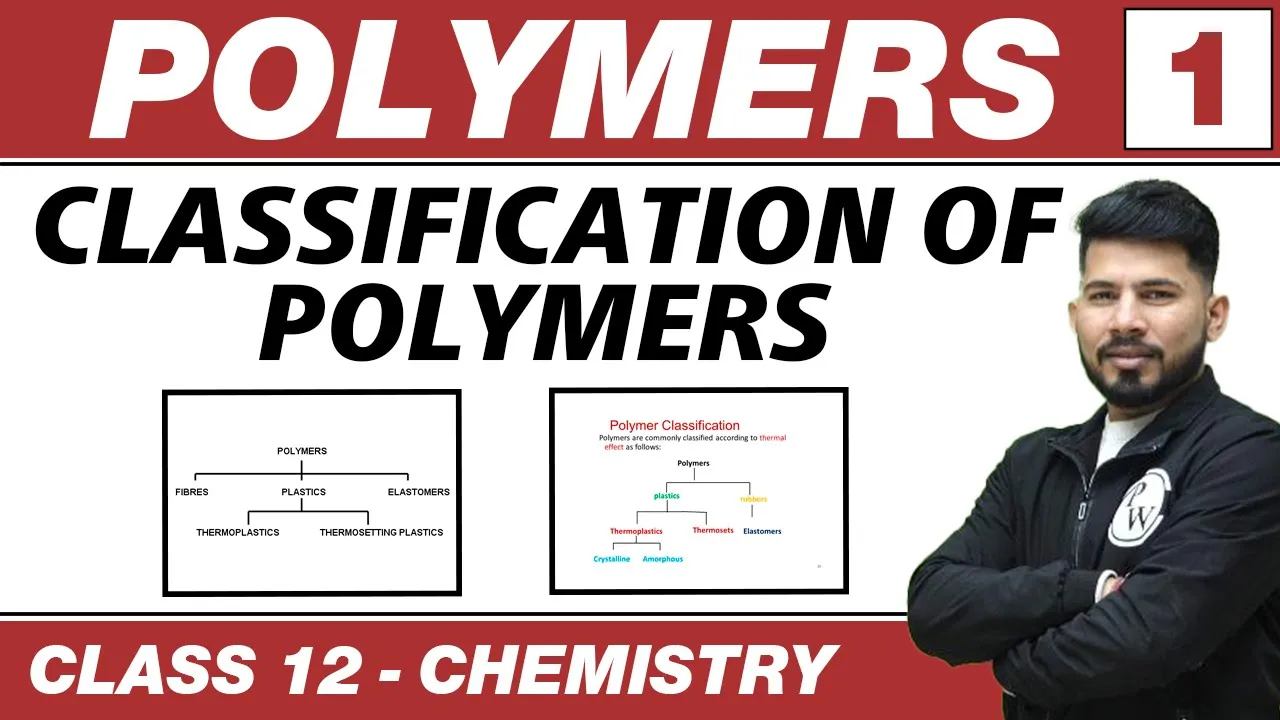
Polymers 01 : Classification of Polymers | Class 12 NCERT
92.2K
Monomer is the basic repeating unit that combines to form a polymer. Polymerization is the process by which monomers join together to form polymers. The process involves the repeated addition of monomer units to create long chains of molecules.
Click to watch →
Polymers by Dr. Likha Chandran
108
Polymers are ubiquitous materials found in everyday objects like water bottles, phone cases, and glasses, as well as natural components of living organisms including proteins, DNA, and carbohydrates. A polymer is a long chain or large molecule formed by the repetition of many small units, derived from Greek 'poly' (many) and 'mer' (unit). A monomer is a small molecule capable of joining with similar molecules to form larger structures. Polymerization is the process by which monomers combine through covalent bonds to form long chains. The degree of polymerization (DP) indicates the number of repeating units, with higher DP indicating stronger, more stable polymers suitable for industrial applications.
Click to watch →

💯💫🎯POLYMERS🎯💫💯
117
Polymers are large molecules formed by combining many smaller units called monomers. The term 'polymer' comes from Greek roots: 'poly-' meaning many and 'meros' meaning parts. Polymerization is the chemical process where multiple monomeric units with low molecular weight combine under specific conditions (temperature, pressure) to form macromolecules with high molecular weight. This process involves breaking pi bonds in monomers and forming new sigma bonds between them. The resulting polymers can be classified as natural (produced by nature like proteins, cellulose, starch), synthetic (man-made like nylon, dacron, orlon, bakelite), or semi-synthetic. Specific cases include dimerization (two units), trimerization (three units), and tetramerization (four units), which are all forms of polymerization with varying numbers of monomer units.
Click to watch →
Deep Dive
The fundamental differences between bio-based materials (derived from agriculture) and petrochemical-derived materials.

BREAKING DOWN BIO BASED FEEDSTOCKS: MOVING AWAY FROM AN OVERELLIANCE ON PETROCHEMICALS
147
A feedstock is any raw material input into manufacturing processes. Bio-based materials derive from biological sources like agricultural waste, sugar cane, and starch, differing fundamentally from fossil-based materials. Evaluating sustainable feedstocks requires balancing multiple criteria: yield efficiency (water, fertilizer, pesticide use), non-food chain sourcing, and global supply chain flexibility. Companies must develop feedstock-agnostic technologies to ensure scalability while maintaining performance standards equivalent to petrochemical alternatives.
Click to watch →

16 February 2026 | The Hindu Newspaper Analysis Today | Editorial Analysis | Current Affairs Today
30.7K
Bio-based chemicals and materials are produced from biomass (sugarcane, corn, agricultural waste) instead of fossil fuels through fermentation and enzymatic processes. These include lactic acid, bio-alcohols, solvents, and surfactants. Bio-based materials like bio-plastics can degrade within 80 days, unlike petrochemical plastics that persist for centuries. India's Bio3 Policy aims to reduce petrochemical dependence, support farmers by creating markets for agricultural waste, and position India as a bioeconomy exporter. The bio-plastics market in India was $500 million in 2024.
Click to watch →

The Hindu Analysis - 9th January | The Hindu Newspaper Today with MCQs | Aasim Sir
30.2K
Bio-materials are materials derived wholly or partly from biological sources and engineered using biological processes. They differ chemically from petroleum-based materials and require new manufacturing systems. Examples include polylactic acid (PLA), a drop-out material where sugar is replaced with natural alternatives. Bio-materials represent an emerging field in sustainable materials science, offering alternatives to traditional petroleum-based plastics and contributing to environmental sustainability.
Click to watch →

STRATÉNERGIE - Témoignage FUTURAMAT
137
Bio-based materials are made from carbon of vegetable origin, which is renewable, whereas petrochemical materials come from fossil carbon. Bio-based materials offer environmental advantages because they are renewable and can be biodegradable or compostable. This distinction is important for understanding sustainable material production and reducing reliance on finite fossil resources.
Click to watch →

Newspaper Analysis for APSC & UPSC | Most Important Current Affairs | 17 Feb 2026
140
Bio-based chemicals are derived from biomass (renewable feedstocks) while petrochemicals are derived from fossil hydrocarbons (crude oil). Bio-based chemicals offer sustainability advantages: lower carbon footprint, lower operating temperatures and pressures, reduced mechanization costs, and biodegradability. They are used in organic acids, bio-alcohols, solvents, pharmaceuticals, food processing, and sustainable plastics.
Click to watch →
Deep Dive
Key mechanical properties of materials, particularly elasticity, tensile strength, and viscoelasticity.
![[Tutorial] TF2204 Mekanika Kontinum | Persiapan Ujian](https://i.ytimg.com/vi/MOhNSHjNGNE/maxresdefault.jpg)
[Tutorial] TF2204 Mekanika Kontinum | Persiapan Ujian
183
Materials are classified by their constitutive behavior: (1) Elastic materials: stress depends only on current strain (e.g., rubber, springs), (2) Viscous materials: stress depends only on strain rate (e.g., honey, oil), (3) Viscoelastic materials: stress depends on both strain and strain rate (e.g., polymers, biological tissues). Elastic materials return to original shape when unloaded. Viscous materials flow continuously under stress. The stress-strain curve shows key regions: linear elastic region (Hooke's Law), yield point (onset of plastic deformation), plastic region (permanent deformation), ultimate tensile strength (maximum stress before necking), and fracture point (material failure).
Click to watch →
![Lec-34 Tensile Strength, Brittleness, Fatigue on Stress Strain Curve[Material Science for ESE]](https://i.ytimg.com/vi_webp/2ezQkVT5xEw/maxresdefault.webp)
Lec-34 Tensile Strength, Brittleness, Fatigue on Stress Strain Curve[Material Science for ESE]
2.1K
Key mechanical properties include: (1) Elasticity - tendency to regain shape after unloading; (2) Plasticity - permanent deformation capability; (3) Tensile strength - corresponds to ultimate stress, higher ultimate stress means higher tensile strength; (4) Ductility - ability to be drawn into wires, directly related to plastic deformation range; (5) Hardness - corresponds to yield strength, higher yield strength means higher hardness; (6) Toughness - allows plastic deformation, higher plastic deformation range means higher toughness; (7) Stiffness - resistance to deflection or deformation; (8) Malleability - ability to convert into sheets; (9) Creep - strain under constant loading.
Click to watch →
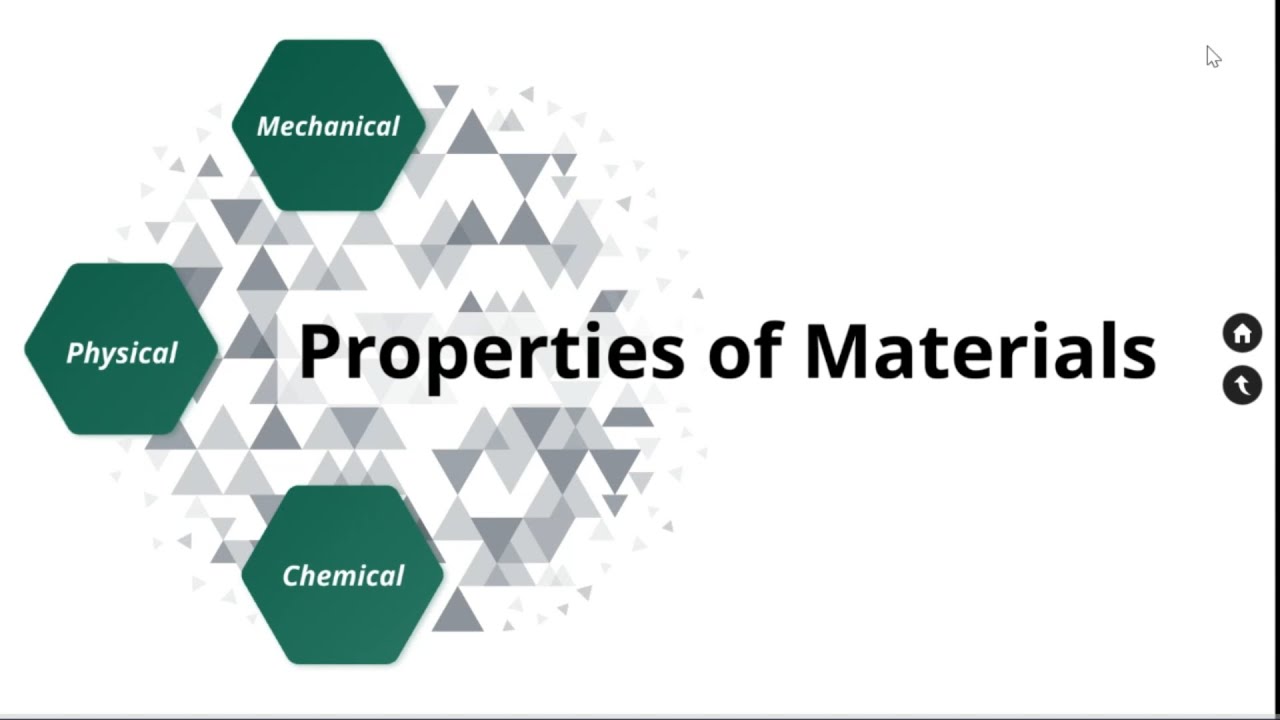
Material properties/ Mechanical properties / Physical properties/ Chemical properties
11.8K
Mechanical properties describe how materials respond to mechanical stresses and loads. Key properties include: (1) Strength - ability to withstand stress without failure, encompassing tensile (resisting stretching), compressive (resisting squeezing), and shear (resisting cutting) strengths; (2) Toughness - ability to withstand sudden impact or hammering loads; (3) Elasticity - ability to deform and return to original shape when load is removed; (4) Plasticity - ability to deform and retain new shape after load removal; (5) Stiffness - resistance to elastic deformation (k=F/δ); (6) Ductility - ability to be stretched into wire without breaking; (7) Malleability - ability to be hammered into thin sheets; (8) Hardness - resistance to scratching, abrasion, and penetration; (9) Creep - slow progressive deformation at constant stress, occurring in three stages; (10) Fatigue - fracture from repeated fluctuating loads causing progressive crack growth; (11) Resilience - capacity to absorb energy elastically, represented by area under elastic region in stress-strain curve.
Click to watch →

Chương 1: Cấu trúc tinh thể của vật liệu_ Vật Liệu Kỹ Thuật - TS Tào Quang Bảng - BKĐN (DUT)
2.5K
Five key mechanical properties define material performance: (1) Elastic modulus (Young's modulus) - measures stiffness from the slope of the elastic region; (2) Yield strength - stress at onset of plastic deformation; (3) Ultimate tensile strength - maximum stress before necking; (4) Ductility - measured as percentage elongation at break; (5) Hardness - resistance to indentation. These properties are determined through standardized testing procedures. Elastic modulus characterizes stiffness, yield strength indicates load-bearing capability before permanent deformation, ultimate tensile strength defines maximum working stress, ductility measures energy absorption before fracture, and hardness predicts wear resistance. Together, these properties provide comprehensive characterization for material selection and engineering design.
Click to watch →
BME Unit-1 One Shot | Materials | 1st Sem Rgpv Exam 2026 |
600
Mechanical properties define material behavior under applied loads, determining strength and failure modes. Key properties: (1) Strength - ability to resist loads without failure; (2) Tensile strength - resistance to pulling forces; (3) Compressive strength - resistance to pressing forces; (4) Shear strength - resistance to sliding forces; (5) Hardness - ability to resist indentation, scratching, or wear (measured by Brinell, Rockwell, Vickers tests); (6) Toughness - ability to absorb energy before breaking (measured by impact tests); (7) Ductility - ability to stretch into wires before fracture (measured by percentage elongation); (8) Brittleness - tendency to break without deformation; (9) Malleability - ability to be hammered or rolled into thin sheets; (10) Elasticity - ability to return to original shape after load removal (follows Hooke's Law σ = E × ε); (11) Plasticity - ability to undergo permanent deformation without breaking.
Click to watch →
Deep Dive
The concept of chemical cross-linking and how molecular structures influence physical behavior.
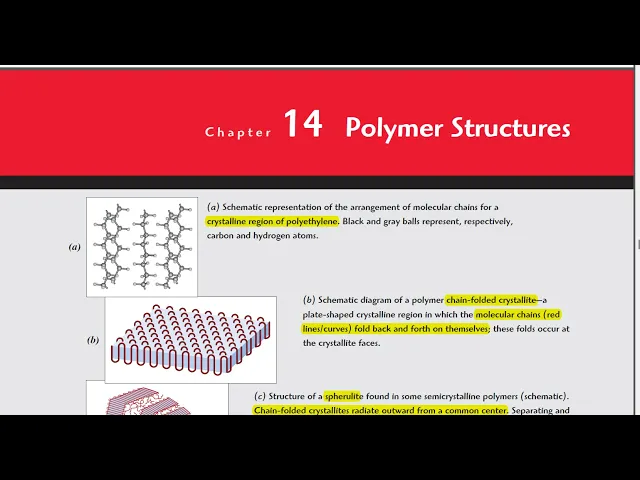
Materials Science & Engineering | Polymer Structures | Chapter 14 Part 1 | WD Callister
698
Physical properties depend on molecular weight, shape, and structural differences. Synthesis techniques provide control over structural properties. Molecular structures include linear (single definite shape), branched (side chains connected to main chain), and cross-linked (chains joined by covalent bonds at various positions). Cross-linking can occur during synthesis or through non-reversible chemical reactions. Vulcanization is a cross-linking process for rubber materials. Multifunctional monomers forming three or more covalent bonds create 3D network polymers with distinctive mechanical and thermal properties.
Click to watch →
33. Polymers II (Intro to Solid-State Chemistry)
26.9K
Polymers' properties are controlled through five key factors: (1) monomer chemistry, (2) molecular weight/degree of polymerization, (3) crystallinity and density, (4) physical chain structure (branching and tacticity), and (5) cross-linking. Cross-linking, where polymer chains are chemically bonded together, is particularly powerful for engineering properties—natural rubber becomes useful only after vulcanization with sulfur creates covalent cross-links, transforming a sticky, moldable material into a durable elastomer. This cross-linking can be covalent (as in vulcanized rubber), hydrogen-bonded (as in slime), or ionic, and determines whether a polymer is a thermoset (permanent, non-recyclable) or thermoplastic (moldable, recyclable). The same polymer chemistry can produce vastly different materials like garbage bags (low-density polyethylene) versus Tupperware (high-density polyethylene with controlled crystallinity).
Click to watch →
The Whole of AQA - BONDING, STRUCTURE AND PROPERTIES. GCSE Chemistry or Combined Science Revision.
166.3K
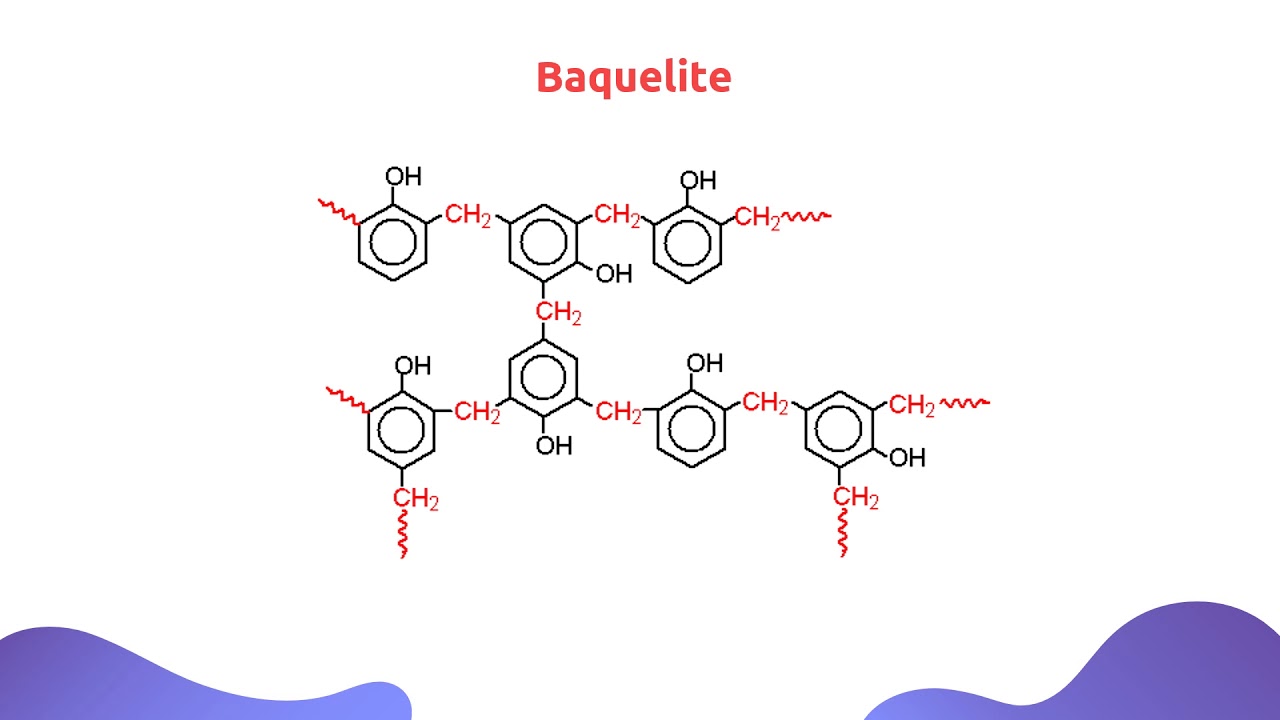
Polymers without cross-links can slide past each other and melt when heated. Polymers with cross-links have fixed positions and burn rather than melt when heated. Cross-linking significantly affects polymer properties, determining whether they behave as thermoplastics (melt on heating) or thermosets (burn on heating).
Click to watch →
09 macromleculas
160
Polymer properties depend on molecular structure. The degree of polymerization (n) indicates chain length, with longer chains providing greater strength. Crystallinity refers to ordered molecular regions—higher crystallinity increases rigidity and opacity, while amorphous regions are more transparent. Cross-linking (reticulation) creates bonds between chains, making materials more rigid; polyvinyl alcohol with borax forms the 'slime' children play with. Chain rigidity affects flexibility: polystyrene (with benzene rings) is more rigid than polyethylene due to reduced rotational freedom around bonds.
Click to watch →
#35 Physical / Chemical Crosslinking | Polymers Concepts, Properties, Uses & Sustainability
7.8K
Covalent crosslinking reactions, such as epoxide-amine coupling, progressively build molecular networks through step-growth polymerization. The gel point marks the critical transition where a continuous percolating network spans the entire sample, transforming liquid-like behavior to solid-like properties. Monitoring viscosity and modulus progression reveals reaction kinetics, with modulus becoming measurable only after gelation. This understanding is essential for controlling processing windows in thermoset manufacturing.
Click to watch →
Prerequisite Knowledge
- Concept 01Basic polymer chemistry, including the definition of monomers, polymers, and the polymerization process.
- Concept 02The fundamental differences between bio-based materials (derived from agriculture) and petrochemical-derived materials.
- Concept 03Key mechanical properties of materials, particularly elasticity, tensile strength, and viscoelasticity.
- Concept 04The concept of chemical cross-linking and how molecular structures influence physical behavior.
Subsequent Learning
- Step 01The chemistry of vulcanization and how curing agents like sulfur transform raw rubber into durable elastomers.
- Step 02Specialized synthetic elastomers, such as Neoprene, Nitrile, and Silicone, and their selection for extreme engineering environments.
- Step 03Sustainability challenges in the rubber industry, including tire recycling, devulcanization, and the development of biodegradable elastomers.
- Step 04Advanced applications of smart rubbers in soft robotics, flexible electronics, and self-healing materials.
Rubber Sources
Manufacturing Impact
Rubber Sources
0:08Playing Section
- 1
Natural rubber comes from tree sap, processed by coagulation.
- 2
Synthetic rubber is chemically made from petroleum byproducts.
The Sustainability Dichotomy Myth: Monoculture Impacts vs. Bio-Synthetic Advances
While natural rubber is often marketed as the inherently eco-friendly choice compared to fossil-fuel-based synthetics, this binary overlooks significant ecological trade-offs. The expansion of natural rubber plantations is a major driver of tropical deforestation, biodiversity loss, and soil erosion, particularly in Southeast Asia, where monoculture farming disrupts local ecosystems. Conversely, the synthetic rubber industry is shifting away from petroleum dependence through the development of bio-sourced synthetics (using plant-derived monomers) and advanced chemical recycling. This challenges the traditional dichotomy, suggesting that natural rubber is not automatically sustainable, nor is synthetic rubber permanently bound to fossil fuels. Evaluating their impact requires a complex life-cycle assessment of land use versus carbon footprint.
Deep Dive
The chemistry of vulcanization and how curing agents like sulfur transform raw rubber into durable elastomers.

Esto Es El Desastre Natural Por El Que Hay Que Preocuparse
1.9M
Vulcanization dramatically transforms rubber properties. Raw rubber breaks at approximately 393 kilopascals after stretching to nearly 900% of its original length. Vulcanized rubber, under the same pressure, only stretches about 5% before breaking, but withstands 14.1 megapascals after stretching nearly 600%. Chemically, sulfur powder forms rings of eight sulfur atoms. When heated, these rings break into smaller pieces, creating sulfur atoms or chains with free bonding sites. These sites attach to carbon atoms in rubber chains, breaking their double bonds and connecting the chains. This creates flexible bridges of one, two, or more sulfur atoms. Instead of chains sliding freely like spaghetti, they become connected in a flexible but linked network. The number and properties of cross-links can be modified: more cross-links make it harder and more rigid (good for shoe soles and tires), shorter cross-links make it more heat-resistant (good for seals and insulators), and longer cross-links allow more stretching before breaking (good for medical applications).
Click to watch →

유황오리, 유황온천, 고무에 필요한 원소 황(S) 이야기
39.6K
Charles Goodyear discovered that adding sulfur to rubber and heating it (a process called vulcanization) creates cross-links between rubber polymer chains. This process transforms raw rubber, which becomes sticky and deforms with temperature changes, into a durable material that maintains its shape and elasticity. The sulfur atoms form bridges between polymer chains, similar to how sulfur enables protein folding. This breakthrough enabled the widespread use of rubber in tires, gloves, hoses, and countless other products, fundamentally transforming modern industry and transportation.
Click to watch →

Вулканит: Как превратить мягкую резину в твердый камень? Секрет экстремальной химии.
189
Vulcanization is a chemical process where sulfur atoms form cross-links between polymer chains of natural rubber, creating a rigid three-dimensional network that prevents the material from melting, conducting electricity, or reacting with acids. This transformation, discovered accidentally by Charles Goodyear in 1839 when he dropped a rubber-sulfur mixture onto a hot stove, converts soft, temperature-sensitive rubber into a hard, durable material called ebonite (vulkane), which became essential for electrical insulation, medical instruments, and various industrial applications throughout the 19th and 20th centuries.
Click to watch →

CH 15 || Polymers in hindi || Polymers one shot || Class 12th chemistry
28.9K
Elastomers are polymers that can be stretched and return to their original shape when the stretching force is removed. They have low cross-linking and are highly elastic. Natural rubber is a natural elastomer. Vulcanization is the process of adding sulfur to natural rubber to improve its properties. When sulfur is added, cross-links form between polymer chains, increasing the rubber's tensile strength, elasticity, and resistance to heat and chemicals. This process, discovered by Charles Goodyear, transforms soft, sticky natural rubber into a durable material suitable for tires and other applications.
Click to watch →

Lecture- 953Topic- SULPHUR AND NON SULPHUR VULCANIZATION OF RUBBER
776
Vulcanization is a chemical process that transforms raw rubber into a useful material by creating cross-links between polymer chains; in sulfur vulcanization, sulfur bridges form between isoprene units (C5H8) through a free radical chain reaction, with the degree of cross-linking controlled by sulfur percentage (3-5% for elastic soft rubber used in tires, 40-45% for rigid ebonite used in battery cases), while non-sulfur vulcanization uses alternative cross-linking agents to achieve similar property improvements.
Click to watch →
Deep Dive
Specialized synthetic elastomers, such as Neoprene, Nitrile, and Silicone, and their selection for extreme engineering environments.

Rubber products
137
Synthetic rubbers address natural rubber shortages and provide specialized properties. Styrene butadiene rubber (SBR) is synthesized via hot (50°C) or cold (55-60°C) processes producing different microstructures affecting processing and vulcanized properties. Special purpose rubbers include nitrile rubber (oil resistance for petroleum hoses), chloroprene rubber (high-temperature sealing), silicone rubber (heat resistance), fluoroelastomers (extreme environments), polyurethane rubbers, ethylene acrylic rubber, ethylene vinyl acetate rubber, and polysulfide rubbers. These materials enable applications impossible with natural rubber alone.
Click to watch →

2.3.2 Anéis O ou O Ring : Materiais mais Usados | Curso VEDAÇÃO INDUSTRIAL DE EQUIPAMENTOS ROTATIVOS
2.1K
EPDM (Ethylene Propylene Diene Monomer) offers excellent temperature resistance from -50°C to 150°C and excellent resistance to polar solvents without ozone aging, but has poor resistance to petroleum-based solvents. Neoprene (polychloroprene) works from -40°C to 80°C and offers moderate petroleum oil resistance with excellent refrigerant resistance (Freon, ammonia), but poor ketone and acid resistance. Silicone rubber (VMQ) has an exceptional temperature range of -55°C to 270°C with excellent flexibility and low permanent deformation, but is unsuitable for dynamic applications due to surface sticking and has poor ketone and acid resistance. Each material has specific hardness ranges (40-90 Shore A for EPDM and Neoprene, 25-80 Shore A for silicone) and is selected based on specific application requirements.
Click to watch →
Chapter 12 - Polymer and Plastic - Engineering Materials คณะวิศวกรรมศาสตร์ ม.บูรพา
9.9K
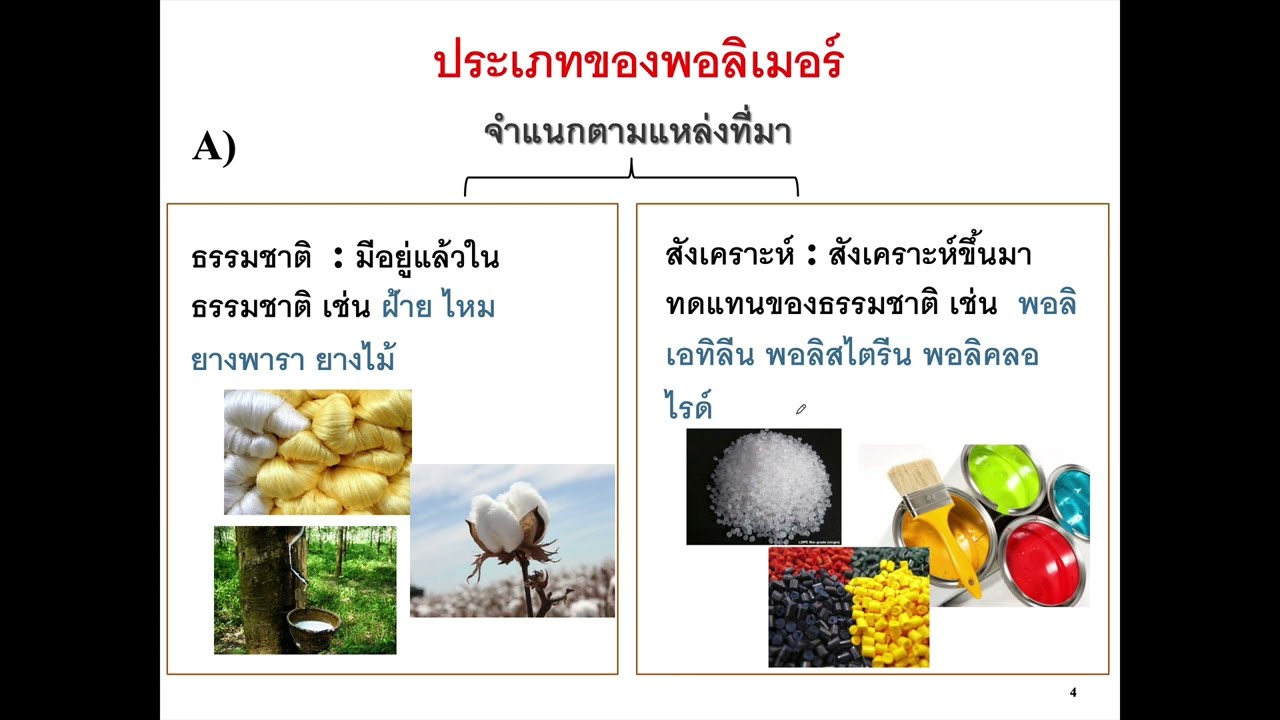
Synthetic rubbers address NR limitations: NBR (Nitrile Rubber) has excellent oil resistance for seals and hoses. Butyl Rubber (IIR) has excellent air impermeability for tire inner liners. Silicone Rubber (Q) has excellent temperature resistance, weather resistance, and biological compatibility for medical devices and cookware. Each synthetic rubber offers specific advantages: SBR for tire abrasion resistance, NBR for oil resistance, Butyl for air impermeability, and Silicone for temperature and chemical resistance. The choice depends on application requirements.
Click to watch →

Mod-08 Lec-04 Elastomers: Styrene butadiene Rubber(SBR), Poly butadiene, Nitrile rubber
14.9K
This comprehensive section examines advanced elastomer technologies. Nitrile rubber (acrylonitrile-butadiene copolymer with 18-50% AN) provides increasing oil/fuel/abrasion/heat resistance with higher AN content, though reducing low-temperature resilience, serving fuel hoses, containers, and reinforced parts. Polyisoprene (synthetic equivalent of natural rubber) polymerizes isoprene recovered from C5 streams, offering consistent quality without disease risks. Polychloroprene (neoprene) uses emulsion polymerization at 40°C with sulfur, available via acetylene or butadiene routes, serving adhesives, wire cable, construction, automotive gaskets, V-belts, and aviation components. Chlorobutyl rubber introduces chlorine gas into butyl rubber solution, enhancing vulcanization for tubeless tire construction, serving tyre sidewalls, inner tubes, hose pipes, gaskets, and conveyor belts. Silicone rubber (polysiloxanes) uses ring-opening reactions, offering exceptional mechanical/electrical performance across extreme temperatures with low-temperature flexibility and heat resistance, though poorly resisting aromatic hydrocarbons. Polyurethane rubber reacts polyisocyanates with polyhydroxyl groups, providing abrasion, oil/solvent, and ozone resistance. EPDM polymerizes ethylene, propylene, and diene with Ziegler catalysts, offering outstanding heat, ozone, and weather resistance due to saturated backbones.
Click to watch →

Amines & Polymers Class 12 | One Shot | Marathon | JEE Main | JEE Advanced |Harsh Sir| VJEE
34.9K
Natural rubber (polyisoprene) has poor mechanical properties and is improved through vulcanization with sulfur, which forms cross-links between polymer chains. Synthetic rubbers include: (1) Buna-S (Styrene-Butadiene Rubber) - made from styrene and butadiene, used in tires and hoses; (2) Buna-N (Nitrile Rubber) - made from acrylonitrile and butadiene, used in fuel-resistant applications; (3) Neoprene (polychloroprene) - made from chloroprene, used in wetsuits and adhesives; (4) Butyl rubber - made from isobutylene and isoprene, used in inner tubes and seals. Each synthetic rubber is designed to overcome specific limitations of natural rubber.
Click to watch →
Deep Dive
Sustainability challenges in the rubber industry, including tire recycling, devulcanization, and the development of biodegradable elastomers.
Why Rubber Recycling Is Still So Hard
233
Vulcanization creates permanent cross-links that define rubber's shape and properties, making recycling extremely difficult. Only 10% of rubber applications (thermoplastic rubbers) can be recycled, while 90% (particularly tires) cannot. During WWII, devulcanization was practiced when natural rubber was scarce, but became obsolete when supplies returned. EPDM succeeded in devulcanization because its strong carbon-carbon main chains survive while weaker sulfur bonds break. Passenger car tires using SBR/BR face greater challenges because their butadiene components spontaneously rebond after breaking. The recycling hierarchy prioritizes approaches from least to most sustainable: landfill/incineration, pyrolysis, mechanical recycling, chemical recycling, and finally devulcanization at the top. Tires contain 12-20 different components with varying compounds, making separation nearly impossible. The ideal solution would separate tires back into original building blocks before processing, but this remains technically challenging.
Click to watch →

Sustainable rubber recycling, a global story | Gopi Sekhar | TEDxKL
2.3K
Vulcanization, the chemical process that makes rubber durable by creating cross-links between molecules, has historically made rubber recycling impossible because the material cannot return to its original state; however, recent technological advances have successfully devulcanized scrap tires, allowing them to be reincorporated into new tire manufacturing without compromising performance, thereby providing a sustainable solution to the global challenge of tire waste accumulation.
Click to watch →

Sustainable and Smart Materials for Rubber Products (Dr. Amit Das, Leibniz Inst. for Polymer Res)
393
The rubber industry faces three major challenges: sustainability, environmental protection, and integration of smart properties. For sustainability, raw materials must shift from petrochemical sources (SBR, BR) to bio-based alternatives like natural rubber, lignin, and cellulose. Lignin, a paper industry byproduct, can replace carbon black as a filler. Vegetable oils serve as plasticizers, and cysteine acts as a sulfur donor. Environmental concerns include microplastic pollution from tire wear, requiring new network systems beyond traditional vulcanization. Recycling remains challenging, but liquid gallium-indium alloys can break sulfur linkages in vulcanized rubber, enabling material recovery.
Click to watch →
New Rubber Technology Video Tour
13.5K
Vulcanization is the curing process that gives rubber its characteristic strength and flexibility; without this process, rubber lacks everyday utility. This same vulcanization makes rubber waste difficult to recycle as a virgin rubber replacement, leading to half of all end-of-life tires in North America and Europe being burned annually, with most post-industrial rubber waste landfilled or incinerated. NRT's patented devulcanization process reverses this chemical reaction, transforming vulcanized rubber crumb into chemically reactive polymer capable of reincorporation into new rubber compounds. The process uses FDA-approved chemical catalysts in a dry chemical mechanical operation conducted at moderate temperatures, producing devulcanized rubber particulate (DRP) that is less dense than conventional rubber crumb and serves as a core ingredient for both rubber and thermoplastic elastomer compounds.
Click to watch →
Rubber Industry NewsHour (Episode 7)
158
The rubber industry faces three major macroeconomic trends: (1) Consolidation within the tire industry, particularly in Asia, driven by competition, quality needs, and government guidance. (2) Materials trends including new ultra-high silica compounds that may impact productivity. (3) Rising costs, with materials now comprising 80% of tire costs (up from 50% two decades ago). Key technology trends include: (1) Non-pneumatic tires remaining niche for 10-20 years. (2) Electric vehicle tires requiring improved load capacity, reliability, and energy efficiency (tire rolling resistance accounts for 35% of EV energy vs 7% for ICE vehicles). (3) Increased emphasis on modeling for better decision-making. (4) Sustainability challenges including pollution, climate change, and waste management requiring conversion from rhetoric to hard engineering science. The industry must address recovered carbon black quality challenges and tire particulate matter environmental concerns.
Click to watch →
Deep Dive
Advanced applications of smart rubbers in soft robotics, flexible electronics, and self-healing materials.

Bram Vanderborght- "Self healing materials for sustainable soft robots"
144
Self-healing materials enable revolutionary advances in soft robotics design, sustainable manufacturing, and commercial applications. Traditional multi-material integration relies on mechanical fasteners creating stress concentrations and failure points; self-healing polymers overcome this by enabling different mechanical properties within single structures through tuned network parameters. Sustainability is achieved through bio-based feedstocks replacing fossil oils, complete recycling back to original monomers, and biodegradation research. Processing innovations include reactive filament printing creating isotropic structures with uniform strength, and functional integration enabling conductive materials for flexible electronics including strain sensors, capacitive pressure sensors, and electrical impedance tomography systems. Liquid metal sensors demonstrate advanced capabilities where oxidation layers prevent leakage while self-healing restores integrity. Commercialization pathways include spin-off companies developing platform technologies for diverse markets. Key applications include self-closing suction cups reducing energy consumption and enabling gripping of porous objects, and self-healing tire coatings immediately restoring pressure after puncture. These innovations address critical environmental challenges while enabling new robot designs impossible with conventional approaches.
Click to watch →

Rubbery Electronics Toward a Seamless Integration with Humans (Seminar)
178
Rubber electronic materials enable revolutionary sensor technologies with expanded operational ranges. Pressure sensors achieve gauge factors of ~30 over 50% strain, far exceeding commercial silicon gauges (~2-5, 1% limit) or brittle piezoresistive materials (~200, 1% limit). High-density tactile arrays integrate pressure-sensitive rubber elements with active-matrix transistors—all rubber-based—for spatial-temporal touch mapping. Synaptic transistors emulate neural behavior by generating postsynaptic currents from presynaptic pulses, creating memory effects through accumulated ion transfer. These technologies enable robotic skins, neural interfaces, and advanced human-machine interaction systems including thought-controlled robotics and gesture translation for communication.
Click to watch →
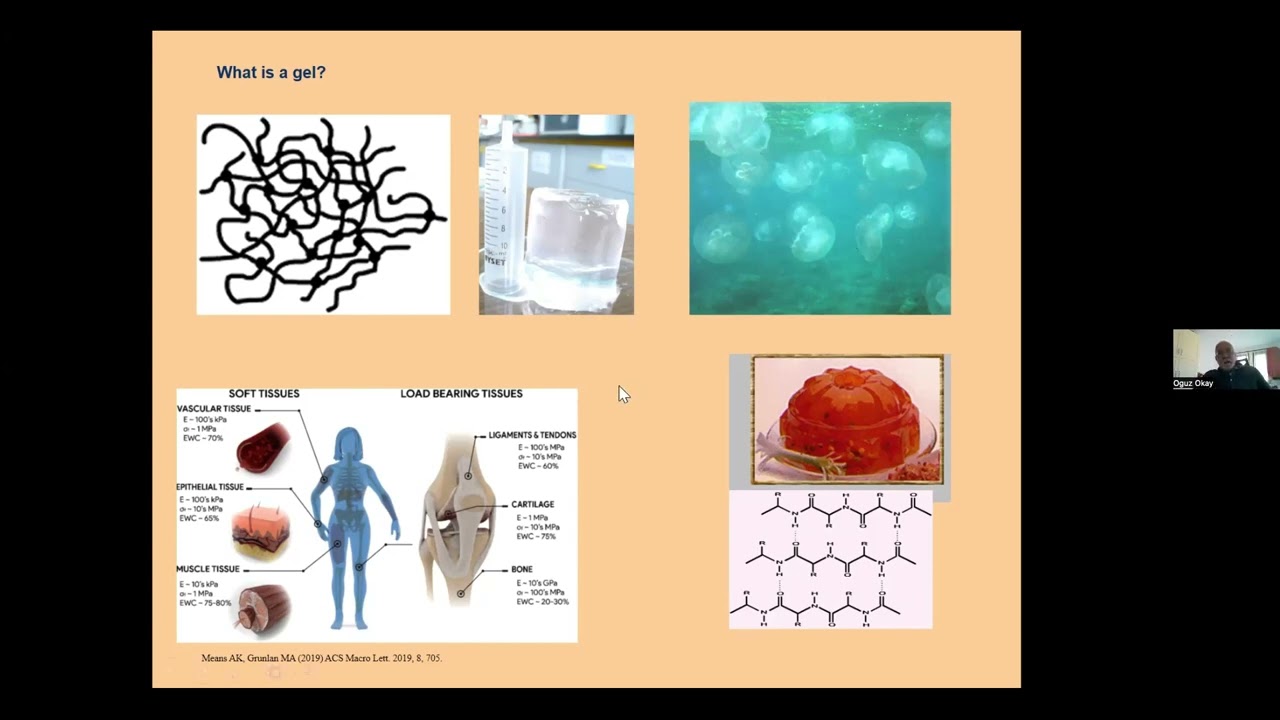
Nano Open: Kendi Kendini Onaran ve Şekil-Hafızalı Akıllı Malzemeler
427
This section demonstrates self-healing and shape memory in rubber materials. Self-healing can be directly observed using confocal microscopy, where a 20-micrometer hole created in a self-healing material fills completely within 5 minutes upon heating. The depth profile shows complete healing. Shape memory materials can be used for robotic applications, where a material with a permanent shape (open hand) can be deformed to a temporary shape (closed hand) by heating, then cooled to hold objects in place. Rubber with crystalline domains shows remarkable properties where the crystalline domains act as physical cross-links providing mechanical strength while enabling self-healing and shape memory behavior. A significant advantage is that vulcanization can be performed at room temperature by simply mixing rubber with crystalline-forming monomers and exposing to UV light, eliminating high-temperature processing requirements.
Click to watch →
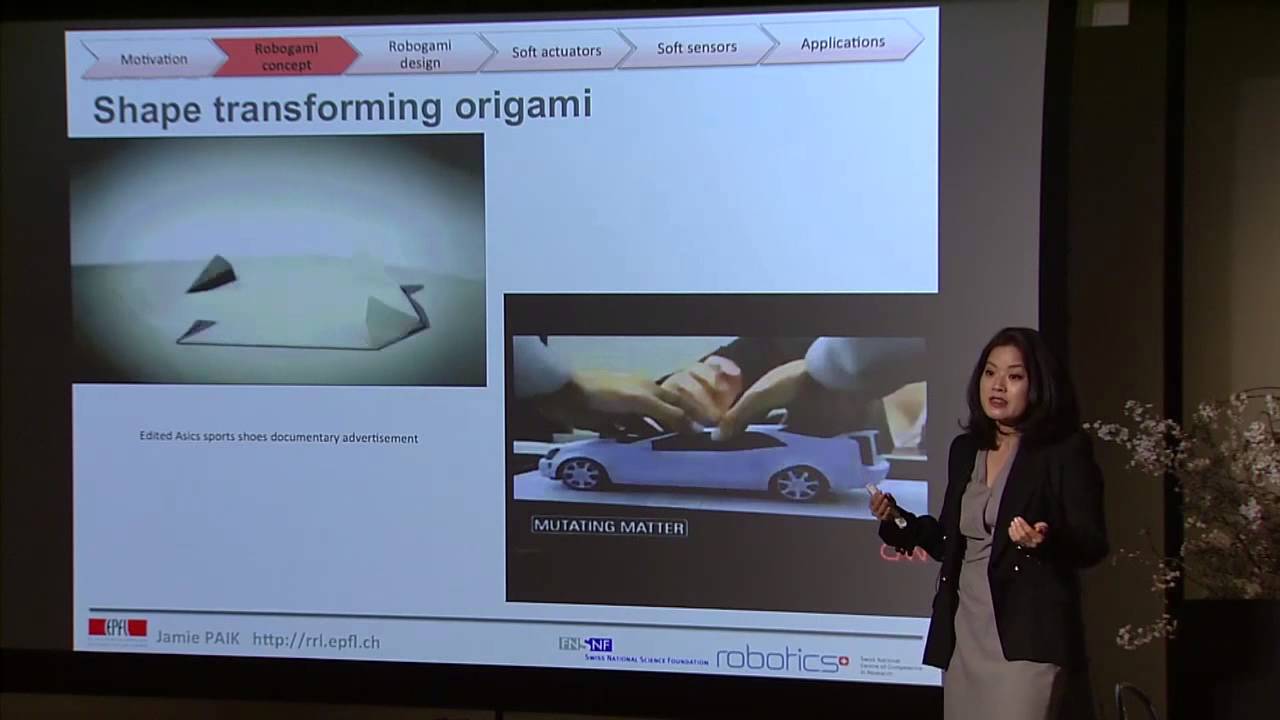
Women Inspire Innovation: Jamie Paik, EPFL
1.9K
This concluding section presents cutting-edge applications of soft robotics technology. Elastic circuits using liquid metal-filled rubbery materials enable stretchable electronics that maintain conductivity during deformation. Mesh-patterned copper traces provide alternative flexible electronic pathways. Medical applications include facial prosthetics with embedded sensors measuring minute muscle movements for patients with facial paralysis, providing quantitative data for treatment assessment. Perhaps most significantly, soft robots address spinal cord injury rehabilitation by conforming around fragile rat legs during treadmill exercises, potentially reducing the labor-intensive manual therapy currently required for animal research models.
Click to watch →

Zhenan Bao on Self-Healing Materials, Soft Robotics, Bell Labs, and the Schön Scandal
207
Zhenan Bao, a Stanford professor and former Bell Labs researcher, explains how her team developed self-healing electronic materials by strategically combining self-healing polymers with semiconductor nanomaterials, enabling stretchable, self-repairing electronics for soft robotics applications; she emphasizes that disruptive technologies like foldable phones take 10-20 years to commercialize due to the long validation and refinement process required for hardware and materials development.
Click to watch →
Rubber Sources
Manufacturing Impact
Rubber Sources
0:08- 1
Natural rubber comes from tree sap, processed by coagulation.
- 2
Synthetic rubber is chemically made from petroleum byproducts.
The Sustainability Dichotomy Myth: Monoculture Impacts vs. Bio-Synthetic Advances
While natural rubber is often marketed as the inherently eco-friendly choice compared to fossil-fuel-based synthetics, this binary overlooks significant ecological trade-offs. The expansion of natural rubber plantations is a major driver of tropical deforestation, biodiversity loss, and soil erosion, particularly in Southeast Asia, where monoculture farming disrupts local ecosystems. Conversely, the synthetic rubber industry is shifting away from petroleum dependence through the development of bio-sourced synthetics (using plant-derived monomers) and advanced chemical recycling. This challenges the traditional dichotomy, suggesting that natural rubber is not automatically sustainable, nor is synthetic rubber permanently bound to fossil fuels. Evaluating their impact requires a complex life-cycle assessment of land use versus carbon footprint.
Basic polymer chemistry, including the definition of monomers, polymers, and the polymerization process.
The fundamental differences between bio-based materials (derived from agriculture) and petrochemical-derived materials.
Key mechanical properties of materials, particularly elasticity, tensile strength, and viscoelasticity.
The concept of chemical cross-linking and how molecular structures influence physical behavior.
The chemistry of vulcanization and how curing agents like sulfur transform raw rubber into durable elastomers.
Specialized synthetic elastomers, such as Neoprene, Nitrile, and Silicone, and their selection for extreme engineering environments.
Sustainability challenges in the rubber industry, including tire recycling, devulcanization, and the development of biodegradable elastomers.
Advanced applications of smart rubbers in soft robotics, flexible electronics, and self-healing materials.
118 views0likes3:31@HowItComesTogetherOriginal Release: 2025-08-29
What's the difference between natural and synthetic rubber? Have you ever wondered what sets natural rubber apart from its synthetic counterpart? Let's break it down in a simple way. Natural rubber comes from the latex sap of the heia Braziliansis tree. This process starts with tapping where the bark is carefully cut to collect the flowing sap. The latex contains about 30 to 35% rubber particles mixed with water and other organic materials.
After collection, the latex is processed by adding acid to coagulate it, separating the rubber from the liquid.
The solid rubber is then washed and dried, often in smokeous, resulting in sheets or blocks of rubber.
This natural rubber typically consists of around 93% rubber hydrocarbon along with small amounts of moisture and proteins. To make it strong and durable, it underos further processing. This includes mixing with chemicals and fillers like carbon black followed by a process called vulcanization.
Vulcanization uses heat to create cross links between the polymer chains enhancing strength and elasticity.
On the other hand, synthetic rubber is produced entirely through chemical processes. It is made by polymerizing monomers derived mainly from petroleum byproducts such as butadine or styrene.
This involves linking small molecules into long chains in controlled industrial reactors. The beauty of synthetic rubber is that it can be customized to have specific properties by adjusting the types of monomers used and the conditions of polymerization.
Like natural rubber, synthetic rubber also goes through several processing steps. These include mastication, which is a mechanical process to soften the rubber, mixing with additives, shaping, and vulcanization.
From a manufacturing perspective, the main difference lies in how each type is sourced and produced. Natural rubber is a biological product that requires harvesting and processing while synthetic rubber is chemically synthesized from petroleum based materials. Both types need similar processing to become functional materials used in various industries.
When it comes to sustainable manufacturing practices, natural rubber is often seen as a renewable and biodegradable option since it comes from plants. However, it takes several years for rubber trees to mature before they can be tapped, and its production is influenced by agricultural conditions.
Synthetic rubber, while versatile and consistent, relies on non-renewable fossil resources and involves energyintensive chemical processes.
Choosing between natural and synthetic rubber in manufacturing means balancing performance needs with environmental impact. Natural rubber is harvested from trees and processed through coagulation and drying. While synthetic rubber is chemically created from petroleum derivatives and processed afterward.
Both undergo vulcanization to achieve the durability and elasticity required for various applications.
Up Next

12:23
Polydimethylsiloxane (PDMS): Properties, Structure & Applications
@audiopedia5493
9.3K views•2014-08-08
83:56
Biocatalysis and Catalysis in Islatravir Synthesis | Merck Webinar
@SCIwheresciencemeetsbusiness
675 views•2020-10-08
10:06
1H NMR: Determining Number of Peaks from Structure
@MSJChem
59.2K views•2017-04-06

17:31
Edible Water Bottles: A DIY Guide to Sodium Alginate Spherification
@ryan
10.5M views•2019-06-21
Related Study Plans & Knowledge Roadmaps
Structured learning paths in Chemistry
chemistry
Nuclear Chemistry: Decay, Meds & Fuel Cycle
01Introduction to Nuclear Structure and Radioactivity
02Decay Dynamics and Kinetics
03Radiation Interaction and Detection
+ 2 more learning modules
24h5 modules
Explore Roadmap
chemistry
Supramolecular Chemistry: Forces & Machines
01Foundations of Chemical Bonding and Intermolecular Forces
02Introduction to Host-Guest Chemistry
03Thermodynamics and Dynamics of Self-Assembly
+ 2 more learning modules
16h5 modules
Explore Roadmap
chemistry
Photochemistry: Excited States & Reactions
01Foundations of Light-Matter Interactions
02Molecular Orbitals and Electronic States
03Photophysical Processes and Jablonski Diagrams
+ 2 more learning modules
18h5 modules
Explore Roadmap
chemistry
Coordination Chemistry: Bonding & Properties
01Introduction to Transition Metals and Ligands
02Crystal Field Theory (CFT) and Geometry
03Magnetic Behavior and Spin States
+ 2 more learning modules
14h5 modules
Explore Roadmap