





![Silicone Explained: The Most Misunderstood Material on Earth [ID0808]](https://i.ytimg.com/vi_webp/dvZgwkZdp0Y/maxresdefault.webp)


















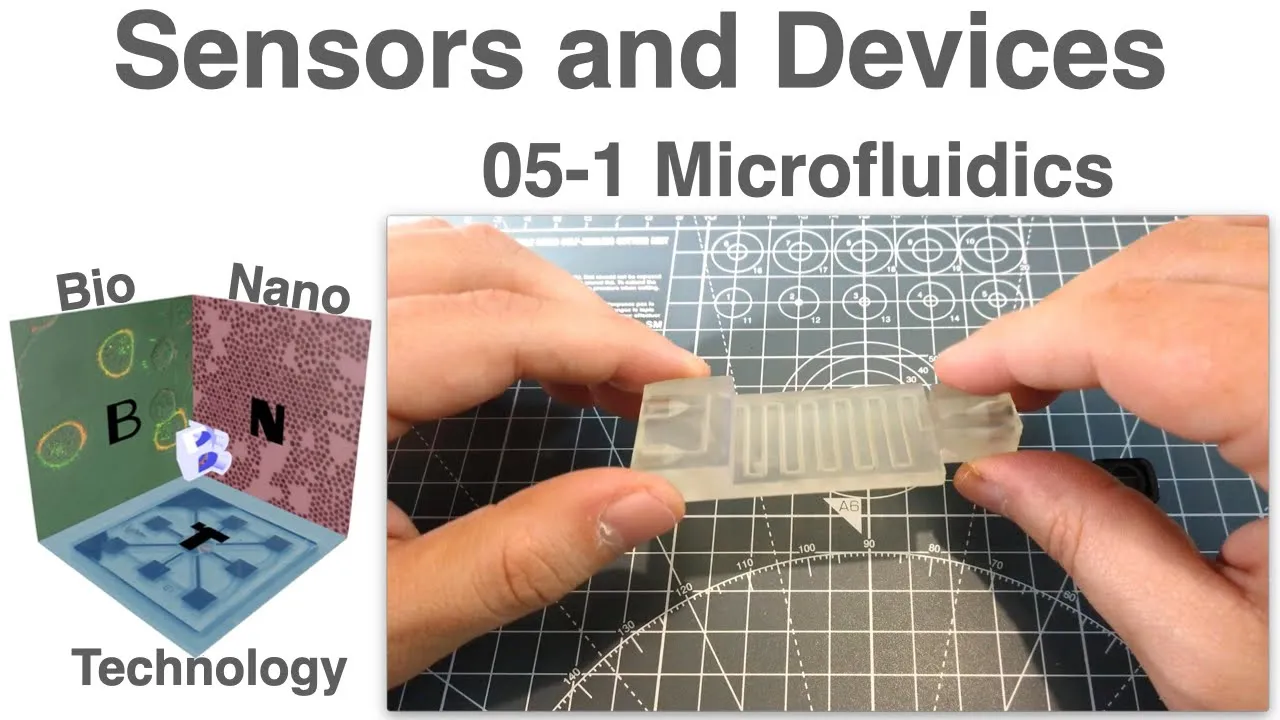

Polydimethylsiloxane (PDMS), also known as dimethicone, is a widely-used silicone polymer with the chemical formula CH3[Si(CH3)2O]nSi(CH3)3, synthesized from dimethyldichlorosilane and water; it exhibits unique viscoelastic properties, acting as a viscous liquid at long flow times and an elastic solid at short times, making it suitable for diverse applications including contact lenses, microfluidic devices, cosmetics, and industrial lubricants, while its hydrophobic surface can be modified through plasma oxidation to become hydrophilic.
Polydimethylsiloxane (PDMS): Properties, Structure & Applications
Added:Basic polymer chemistry, including the definition of monomers, repeating units, and polymerization processes.
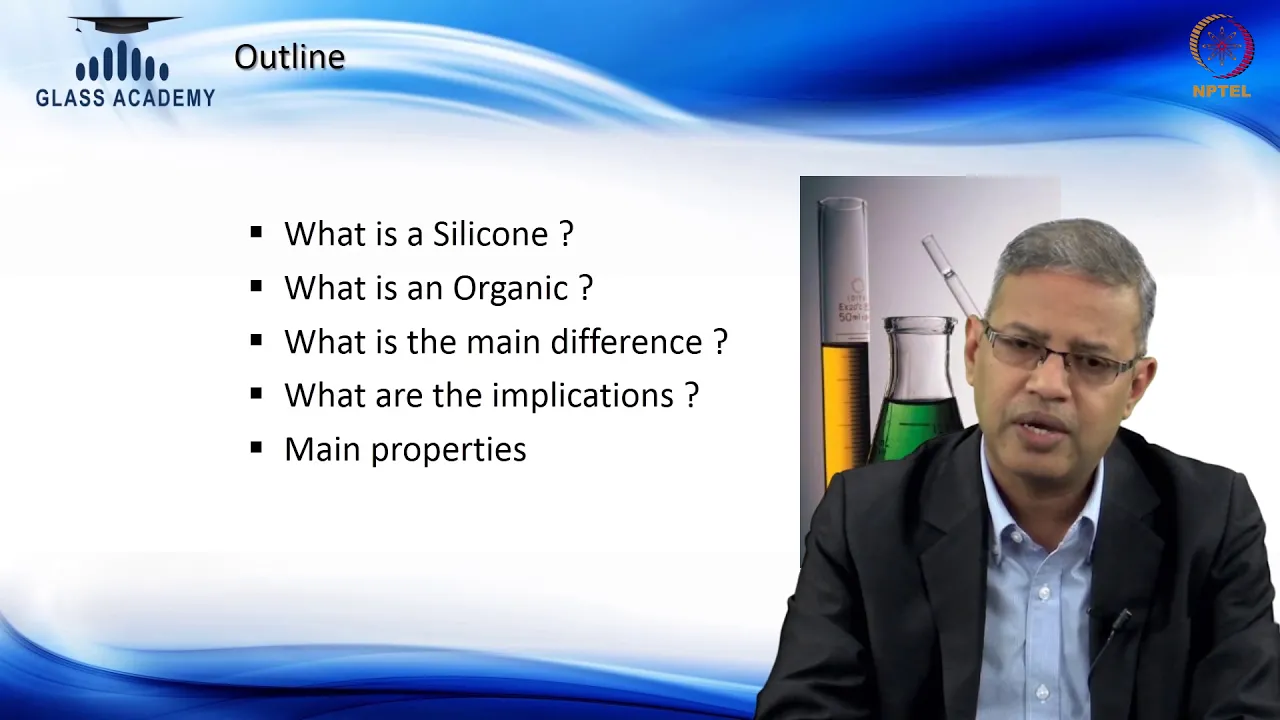
Fundamental silicon chemistry, specifically the differences between carbon-based organic polymers and silicon-oxygen (siloxane) backbones.
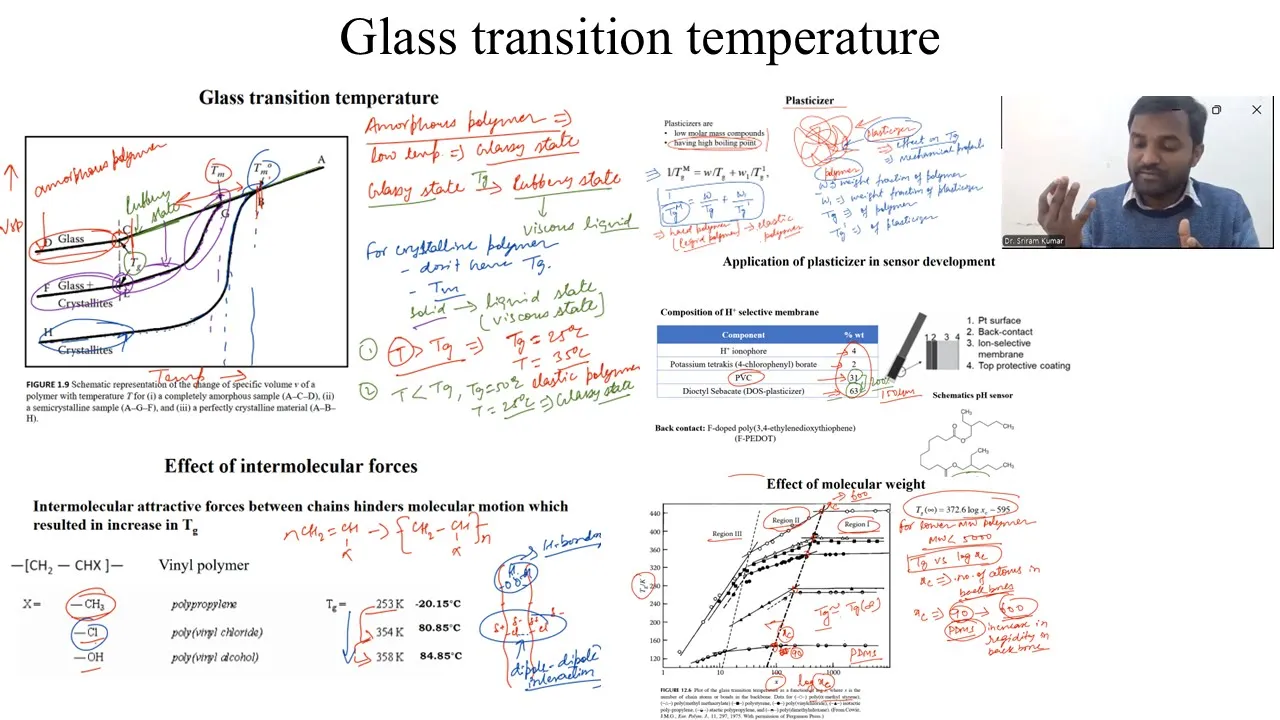
The concepts of viscoelasticity, glass transition temperature (Tg), and how molecular weight affects polymer flexibility.
Introduction to surface chemistry, particularly the definitions of hydrophobicity, hydrophilicity, and surface tension.
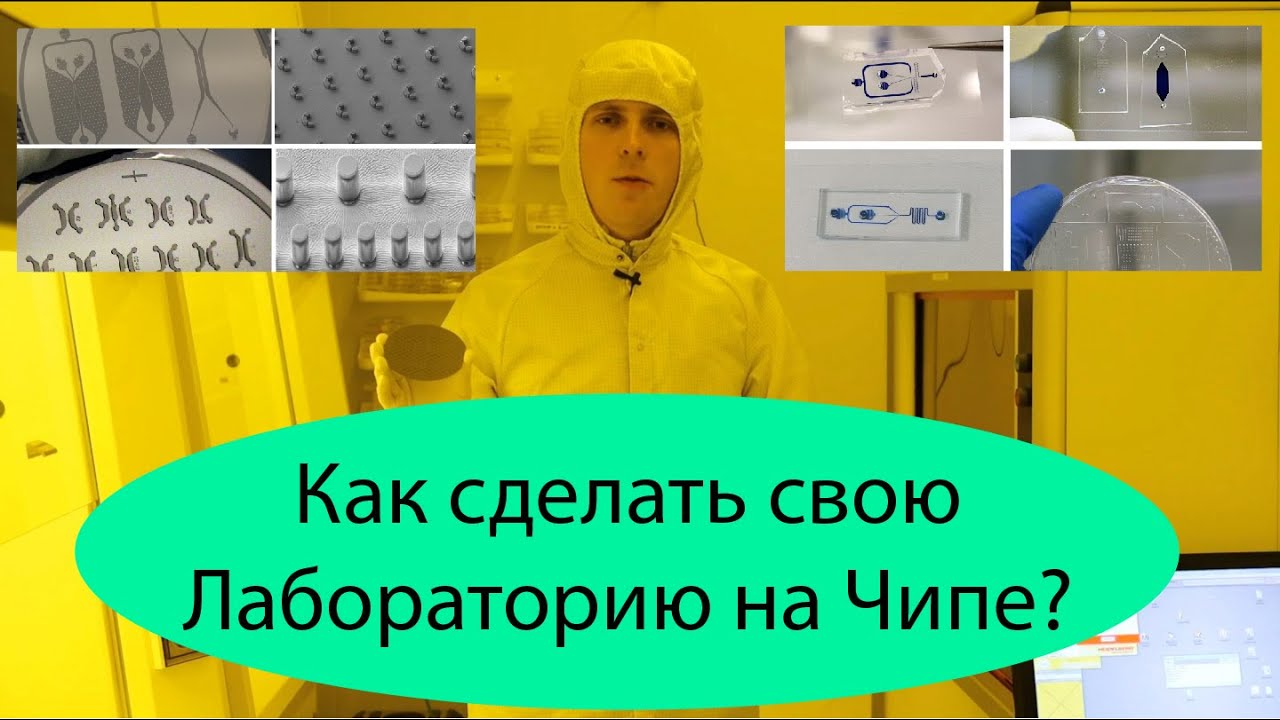
Soft lithography and the detailed step-by-step fabrication process of PDMS-based microfluidic devices (Lab-on-a-Chip).
Methods for surface modification of PDMS, such as oxygen plasma treatment, to alter its wetting characteristics and enable bonding to glass.
Biocompatibility profiles of silicones and the challenges of PDMS in biological assays, such as the absorption of small hydrophobic molecules.
Advanced materials engineering, including the development of conductive PDMS composites for flexible electronics and soft robotics.
9.3K views40likes12:23Original Release: 2014-08-08
Polydimethylsiloxane belongs to a group of polymeric organosilicon compounds that are commonly referred to as silicones. PDMS is the most widely used silicon-based organic polymer, and is particularly known for its unusual rheological properties. PDMS is optically clear, and, in general, inert, non-toxic, and non-flammable. It is also called dimethicone and is one of several types of silicone oil. Its applications range from contact lenses and medical devices to elastomers; it is also present in shampoos, food, caulking, lubricating oils, and heat-resistant tiles.
Structure The chemical formula for PDMS is CH3[Si(CH3)2O]nSi(CH3)3, where n is the number of repeating monomer [SiO(CH3)2] units. Industrial synthesis can begin from dimethyldichlorosilane and water by the following net reaction: n Si(CH3)2Cl2 + n+1 H2O → HO[-Si(CH3)2O-]n H + 2n HCl The polymerization reaction evolves hydrogen chloride. For medical and domestic applications, a process was developed in which the chlorine atoms in the silane precursor were replaced with acetate groups. In this case, the polymerization produces acetic acid, which is less chemically aggressive than HCl. As a side-effect, the curing process is also much slower in this case. The acetate is used in consumer applications, such as silicone caulk and adhesives.
Branching and capping Hydrolysis of Si(CH3)2Cl2 generates a polymer that is terminated with two silanol groups2OH]). These reactive centers are typically "capped" by reaction with trimethylsilyl chloride: 2 Si(CH3)3Cl + [Si(CH3)2O]n-2[Si(CH3)2OH]2 → [Si(CH3)2O]n-2[Si(CH3)2O Si(CH3)3]2 + 2 HCl Silane precursors with more acid-forming groups and fewer methyl groups, such as methyltrichlorosilane, can be used to introduce branches or cross-links in the polymer chain. Under ideal conditions, each molecule of such a compound becomes a branch point. This can be used to produce hard silicone resins. In a similar manner, precursors with three methyl groups can be used to limit molecular weight, since each such molecule has only one reactive site and so forms the end of a siloxane chain. Well-defined PDMS with a low polydispersity index and high homogeneity is produced by controlled anionic ring-opening polymerization of hexamethylcyclotrisiloxane. Using this methodology it is possible to synthesize linear block copolymers, heteroarm star-shaped block copolymers and many other macromolecular architectures.
http:pubs.acs.orgabsma000635i The polymer is manufactured in multiple viscosities, ranging from a thin pourable liquid, to a thick rubbery semi-solid. PDMS molecules have quite flexible polymer backbones due to their siloxane linkages, which are analogous to the ether linkages used to impart rubberiness to polyurethanes. Such flexible chains become loosely entangled when molecular weight is high, which results in PDMS' unusually high level of viscoelasticity. Mechanical properties PDMS is viscoelastic, meaning that at long flow times, it acts like a viscous liquid, similar to honey. However, at short flow times, it acts like an elastic solid, similar to rubber. In other words, if some PDMS is left on a surface overnight, it will flow to cover the surface and mold to any surface imperfections. However, if the same PDMS is rolled into a sphere and thrown onto the same surface, it will bounce like a rubber ball.
Although the viscoelastic properties of PDMS can be intuitively observed using the simple experiment described above, they can be more accurately measured using dynamic mechanical analysis. This involves using a specialized instrument to determine the material's flow characteristics over a wide range of temperatures, flow rates, and deformations. Because of PDMS's chemical stability, it is often used as a calibration fluid for this type of experiment.
The shear modulus of PDMS varies with preparation conditions, but is typically in the range of 100 kPa to 3 MPa. The loss tangent is very low.
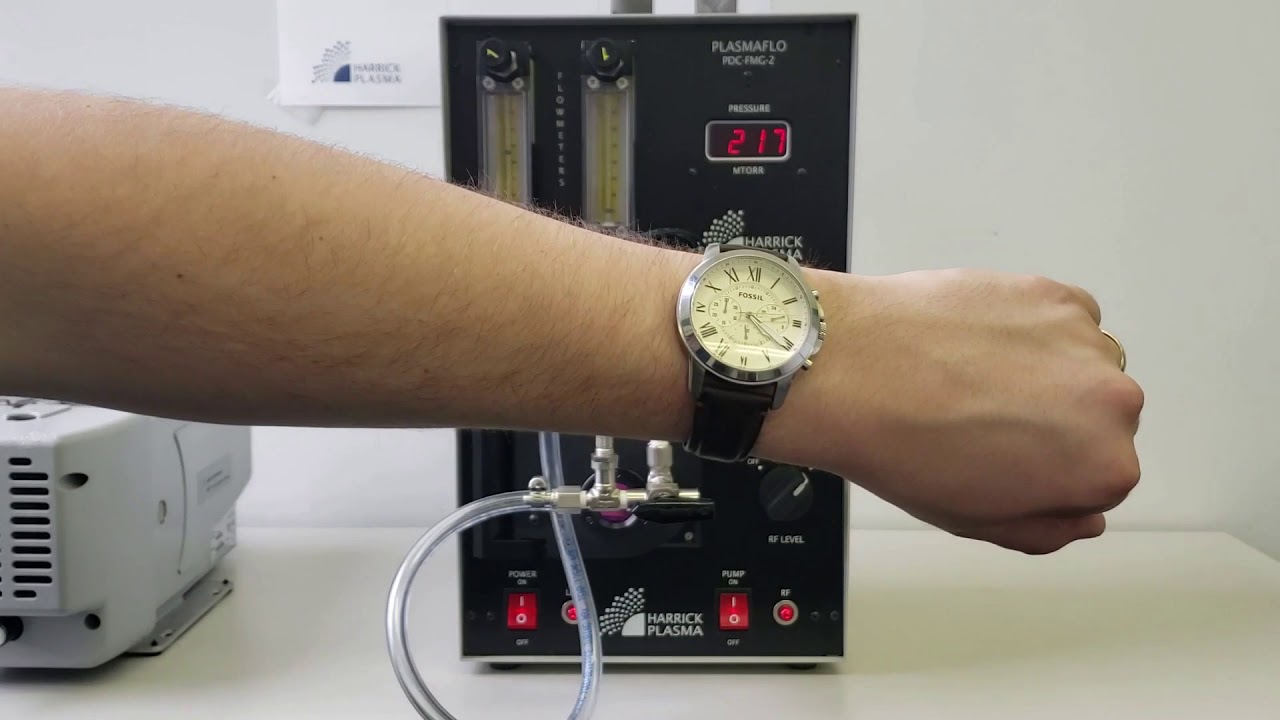
Chemical compatibility After polymerization and cross-linking, solid PDMS samples will present an external hydrophobic surface. This surface will appear metallic and shiny, although the substrate is clear. This surface chemistry makes it difficult for polar solvents to wet the PDMS surface, and may lead to adsorption of hydrophobic contaminants. Plasma oxidation can be used to alter the surface chemistry, adding silanol groups to the surface. Atmospheric air plasma & argon plasma will work for this application.
This treatment renders the PDMS surface hydrophilic, allowing water to wet. The oxidized surface resists adsorption of hydrophobic and negatively charged species. The oxidized surface can be further functionalized by reaction with trichlorosilanes. Oxidized surfaces are stable for ~30 minutes in air, after a certain time hydrophobic recovery of the surface is inevitable independently of the surrounding medium whether it is vacuum, air, or water.
Solid PDMS samples will not allow aqueous solvents to infiltrate and swell the material.
Thus PDMS structures can be used in combination with water and alcohol solvents without material deformation. However most organic solvents will diffuse into the material and cause it to swell, making them incompatible with PDMS devices. Despite this, some organic solvents lead to sufficiently small swelling that they can be used with PDMS, for instance within the channels of PDMS microfluidic devices. The swelling ratio is roughly inversely related to the solubility parameter of the solvent. Diisopropylamine swells PDMS to the greatest extent; solvents such as chloroform, ether, and THF swell the material to a large extent.
Solvents such as acetone, 1-propanol, and pyridine swell the material to a small extent.
Alcohols and polar solvents such as methanol, glycerol and water do not swell the material appreciably. Applications Surfactants and antifoaming agents PDMS is a common surfactant and is a component of defoamers, which are used to suppress the formation of foams. PDMS in a modified form is used as an herbicidal penetrant and is a critical ingredient in water-repelling coatings, such as Rain-X. Hydraulic fluids and related applications Dimethicone is also the active silicone fluid in automotive viscous limited slip differentials and couplings. This is usually a non-serviceable OEM component but can be replaced with mixed performance results due to variances in effectiveness caused by refill weights or non-standard pressurizations.
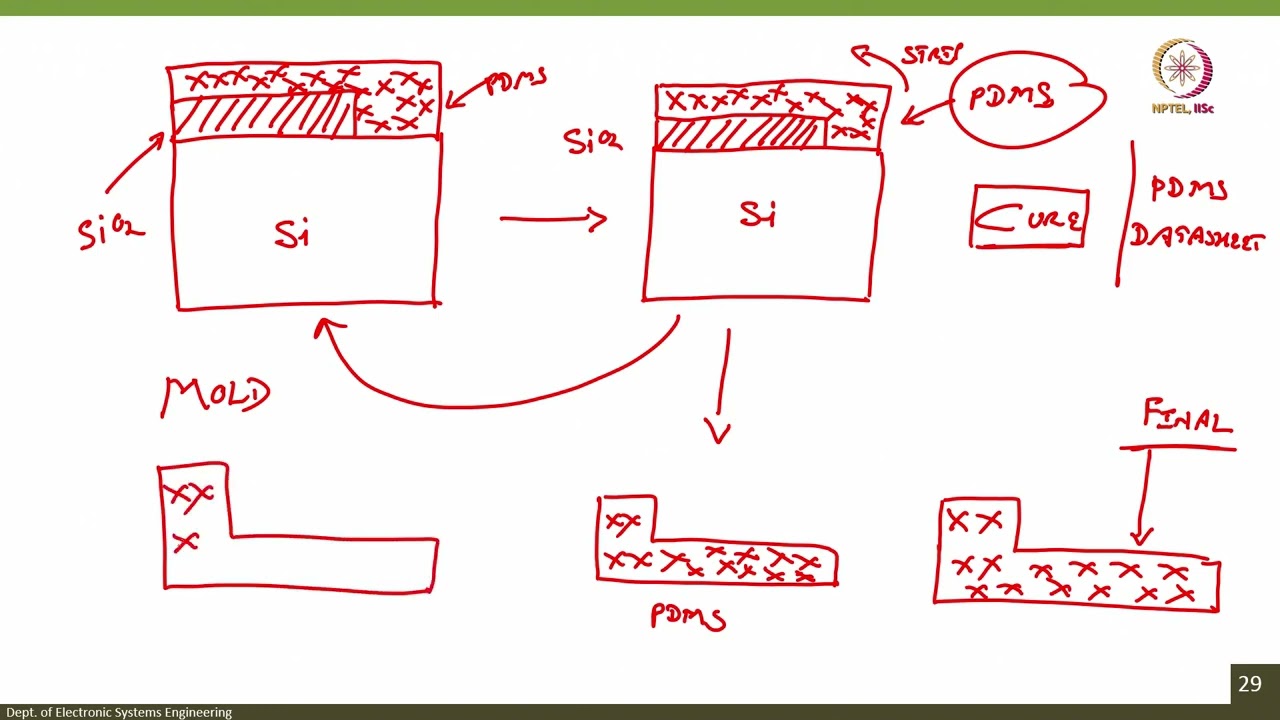
Soft lithography PDMS is commonly used as a stamp resin in the procedure of soft lithography, making it one of the most common materials used for flow delivery in microfluidics chips. The process of soft lithography consists of creating an elastic stamp, which enables the transfer of patterns of only a few nanometers in size onto glass, silicon or polymer surfaces. With this type of technique, it is possible to produce devices that can be used in the areas of optic telecommunications or biomedical research. The stamp is produced from the normal techniques of photolithography or electron-beam lithography. The resolution depends on the mask used and can reach 6 nm.
In biomedical microelectromechanical systems, soft lithography is used extensively for microfluidics in both organic and inorganic contexts. Silicon wafers are used to design channels, and PDMS is then poured over these wafers and left to harden. When removed, even the smallest of details is left imprinted in the PDMS. With this particular PDMS block, hydrophilic surface modification is conducted using plasma etching techniques. Once surface bonds are disrupted, usually a piece of glass slide is placed on the activated side of the PDMS.
Once the bonds relax to their normal state, the glass is permanently sealed to the PDMS, thus creating a waterproof channel. With these devices, researchers can utilize various surface chemistry techniques for different functions creating unique lab-on-a-chip devices for rapid parallel testing. PDMS can be cross-linked into networks and is a commonly used system for studying the elasticity of polymer networks. PDMS can be directly patterned by surface-charge lithography. PDMS is being used in the making of synthetic Gecko adhesion dry adhesive materials, to date only in laboratory test quantities.
Some flexible electronics researchers use PDMS because of its low cost, easy fabrication, flexibility, and optical transparency. Medicine and cosmetics Activated dimethicone, a mixture of polydimethylsiloxanes and silicon dioxide, is often used in over-the-counter drugs as an antifoaming agent and carminative. PDMS is used variously in the cosmetic and consumer product industry as well. For example, PDMS can be used in the treatment of head lice and dimethicone is used widely in skin-moisturizing lotions where it is listed as an active ingredient whose purpose is "skin protection." Some cosmetic formulations use dimethicone and related siloxane polymers in concentrations of use up to 15%. The Cosmetic Ingredient Review's Expert Panel, has concluded that dimethicone and related polymers are "safe as used in cosmetic formulations."
Foods PDMS can be found in many cooking oils and processed foods and fast food items such as McDonald's Chicken McNuggets and French fries, and Wendy's French fries. Domestic and niche uses Many people are indirectly familiar with PDMS because it is an important component in Silly Putty, to which PDMS imparts its characteristic viscoelastic properties. The rubbery, vinegary-smelling silicone caulks, adhesives, and aquarium sealants are also well-known. PDMS is also used as a component in silicone grease and other silicone based lubricants, as well as in defoaming agents, mold release agents, damping fluids, heat transfer fluids, polishes, cosmetics, hair conditioners and other applications. PDMS has also been used as a filler fluid in breast implants. Safety and environmental considerations According to Ullmann's Encyclopedia, no "marked harmful effects on organisms in the environment" have been noted for siloxanes. PDMS is nonbiodegradable, but is absorbed in waste water treatment facilities.
Its degradation is catalyzed by various clays. See also Silicone Siloxanes and other organosilicon compounds Polymethylhydrosiloxane Silicone rubber References External links Amodimethicone Amodimethicone structure and properties
Up Next

9:57
Nuclear Chemistry: Radioactive Decay & Half-Life Explained
@crashcourse
2.1M views•2013-11-11
83:56
Biocatalysis and Catalysis in Islatravir Synthesis | Merck Webinar
@SCIwheresciencemeetsbusiness
675 views•2020-10-08

8:09
Contact Angle: Wettability, Hysteresis & Measurement Methods
@audiopedia5493
3.8K views•2014-10-11

17:31
Edible Water Bottles: A DIY Guide to Sodium Alginate Spherification
@ryan
10.5M views•2019-06-21
Related Study Plans & Knowledge Roadmaps
Structured learning paths in Chemistry
chemistry
Nuclear Chemistry: Decay, Meds & Fuel Cycle
01Introduction to Nuclear Structure and Radioactivity
02Decay Dynamics and Kinetics
03Radiation Interaction and Detection
+ 2 more learning modules
24h5 modules
Explore Roadmap
chemistry
Supramolecular Chemistry: Forces & Machines
01Foundations of Chemical Bonding and Intermolecular Forces
02Introduction to Host-Guest Chemistry
03Thermodynamics and Dynamics of Self-Assembly
+ 2 more learning modules
16h5 modules
Explore Roadmap
chemistry
Photochemistry: Excited States & Reactions
01Foundations of Light-Matter Interactions
02Molecular Orbitals and Electronic States
03Photophysical Processes and Jablonski Diagrams
+ 2 more learning modules
18h5 modules
Explore Roadmap
chemistry
Coordination Chemistry: Bonding & Properties
01Introduction to Transition Metals and Ligands
02Crystal Field Theory (CFT) and Geometry
03Magnetic Behavior and Spin States
+ 2 more learning modules
14h5 modules
Explore Roadmap