










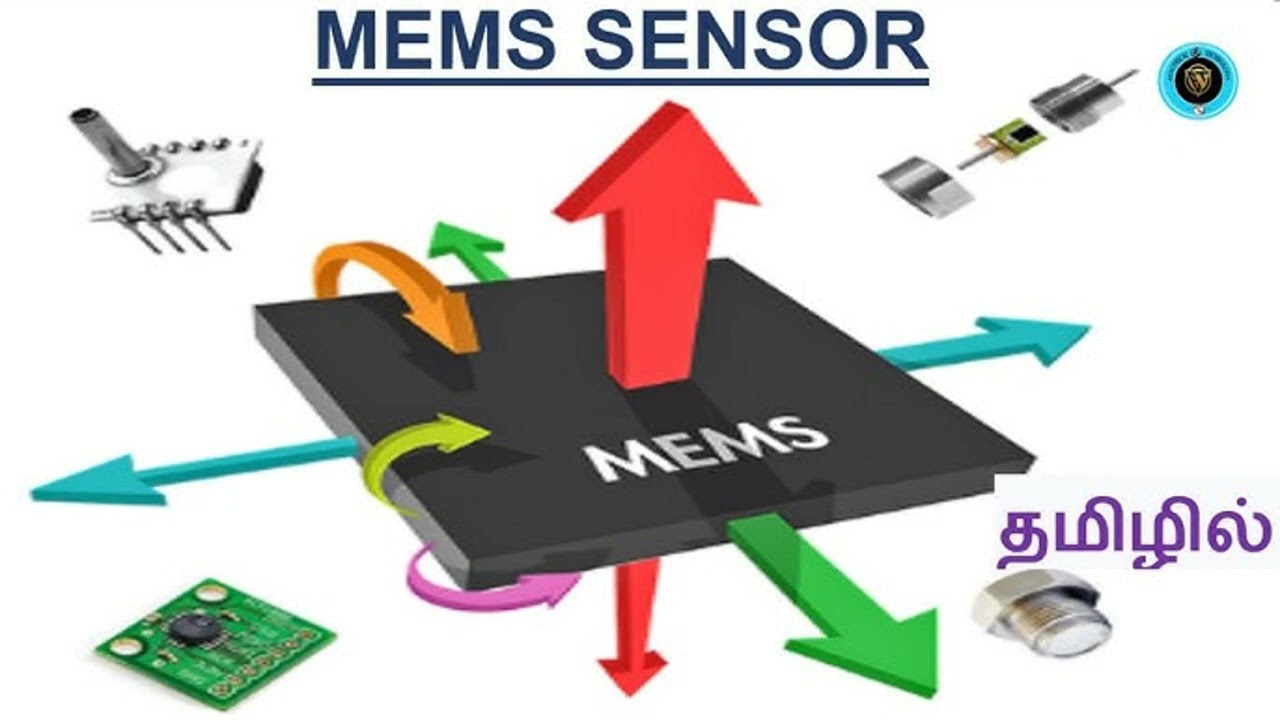

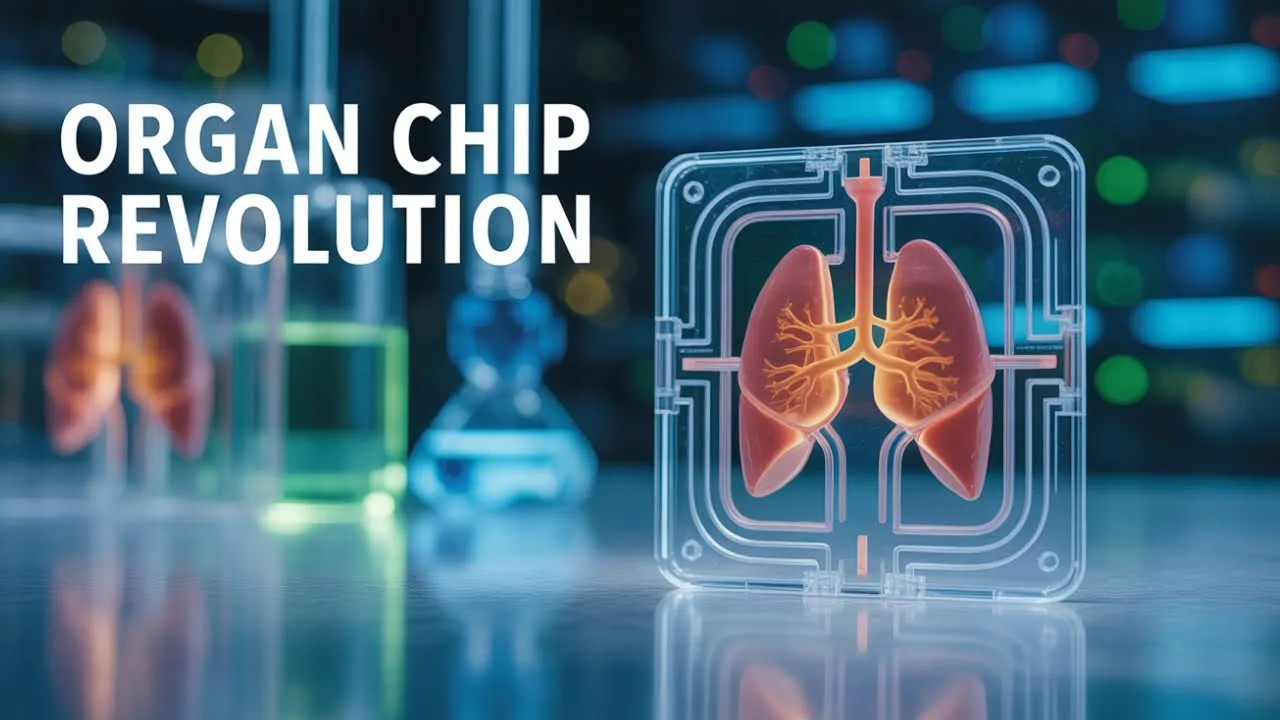







Organ-on-chip technology integrates microelectromechanical systems (MEMS) with biological applications to recreate physiologically relevant microenvironments for tissues outside the body, enabling precise control of mechanical and electrical stimuli that cells naturally experience; this integration allows for engineered tissue structures, 3D neural recording arrays, and electrochemical sensing platforms that can be standardized into multi-well plate formats with embedded microfluidics and electronics for high-throughput drug screening and disease modeling.
Organs-on-Chip: Electromechanical Design & MEMS Integration
Added:Fundamental principles of Microfluidics, including laminar flow, shear stress, and fluid behavior at the micro-scale.
Basics of Micro-Electro-Mechanical Systems (MEMS) fabrication, such as photolithography, soft lithography (PDMS), and etching techniques.
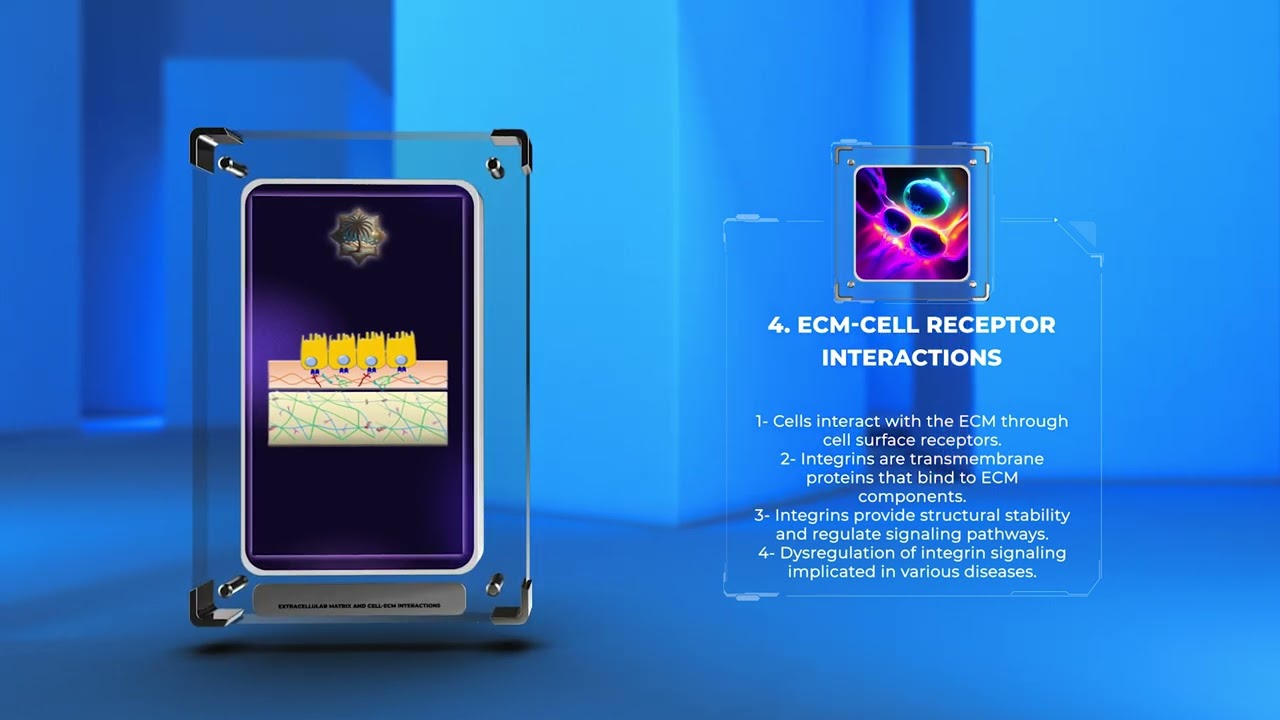
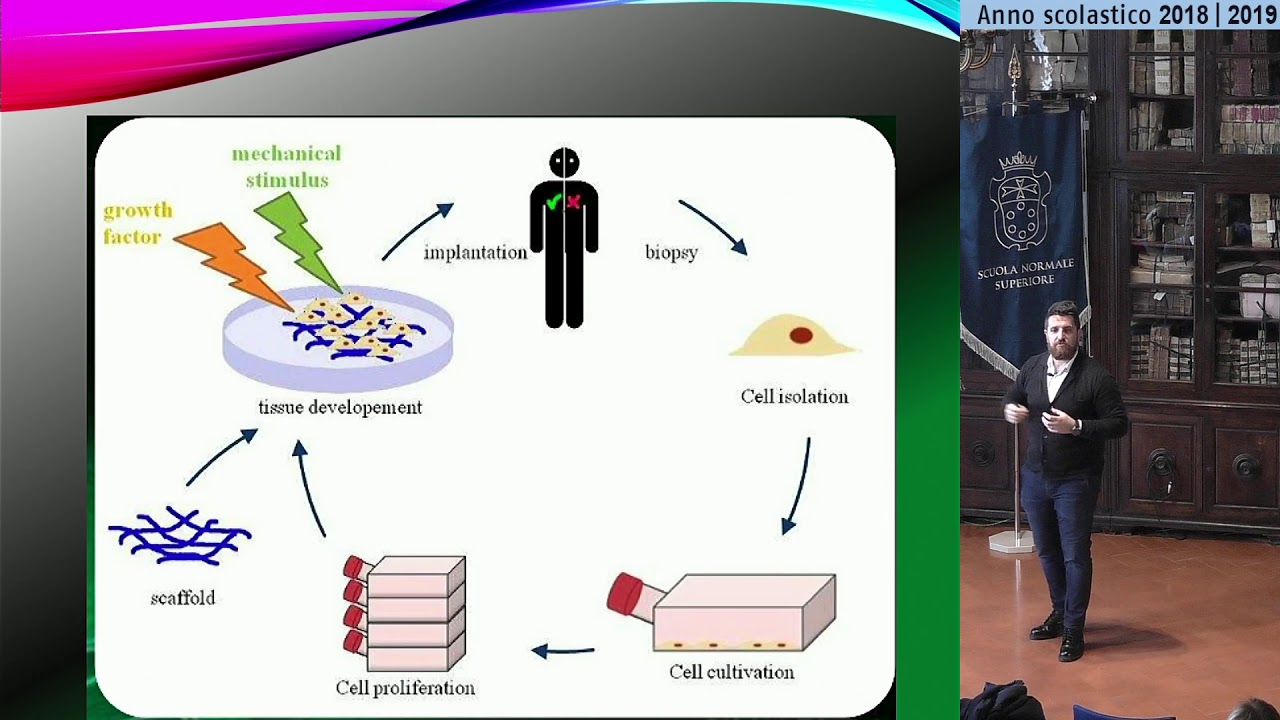
Introductory cell biology and tissue engineering, specifically how cells interact with the extracellular matrix (ECM) and respond to mechanical stimuli.
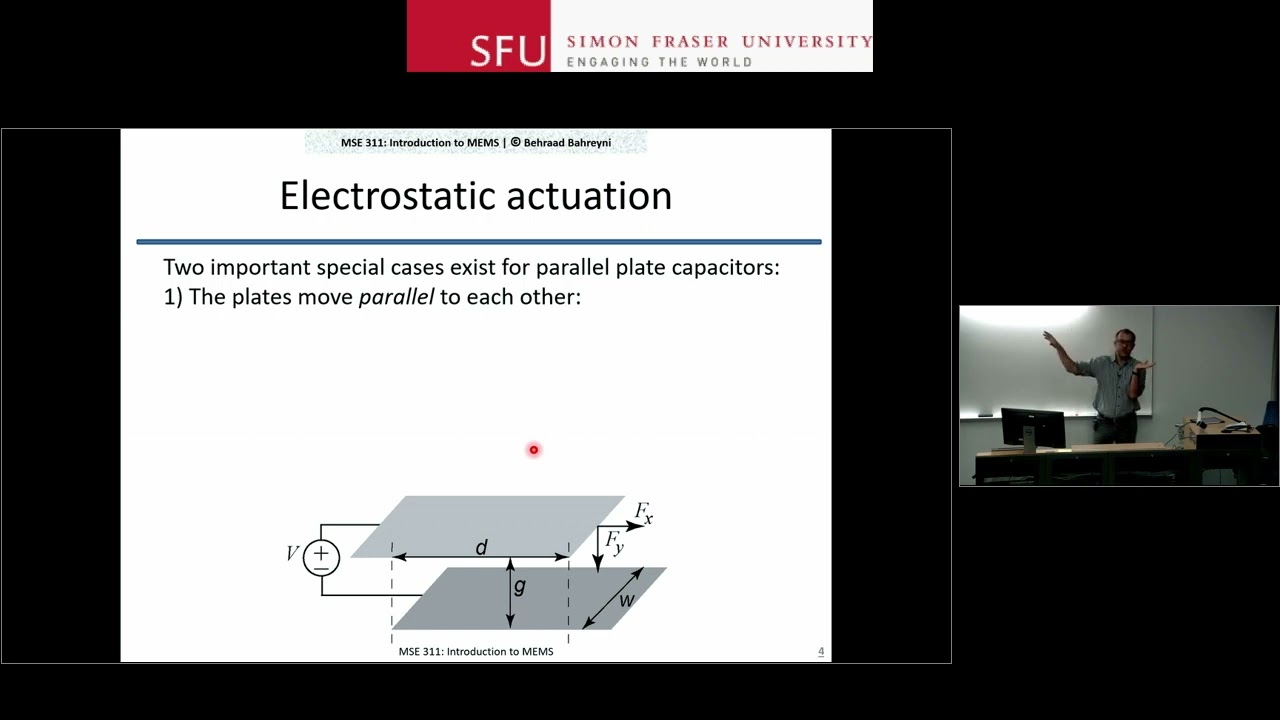
Basic electromechanical transduction mechanisms, including electrostatic, piezoelectric, and electromagnetic actuation.
Multi-Organ-on-Chip (Body-on-a-Chip) systems, focusing on how interconnected physiological systems model systemic drug pharmacokinetics (PK) and pharmacodynamics (PD).
Integration of real-time, non-invasive biosensors (optical, electrochemical, and impedance) for continuous monitoring of cellular health and barrier integrity.
High-throughput screening (HTS) automation and the scaling of microfluidic platforms for industrial drug discovery pipelines.
Regulatory pathways, validation standards, and the ethical/translational challenges of replacing animal testing with microphysiological systems (MPS).
180 views2likes1:08:44Original Release: 2024-04-19
e [Music] University of Technology thank you Paulo very much for the floor and it's a pleasure to me to be to have here Professor MIM manger and opening this new series of the Tuesday seminars of our institution I have the pleasure to know uh marimo at the University of Pisa where he has his Bachelor and master degree and at the moment he is an Associated professor of the Department of microelectronics of the death University of Technology and his currently research is focused on design and Fabrication of innovative silicon polymer based micro electrochemical electromechanical sorry Organo chip devices and alternative processes for ultra high put assembly of micro components uh now I don't want to take up too much of the speaker time and so I give you the floor mimo and thank you again for your availability thank you very much lucanos it's really a pleasure uh to be here to had the opportunity to talk to you and to all the audience I'd like also to thank Dr rasani for the kind words kind introduction and indeed as you mentioned lucanus for me uh everything started in Piza indeed and for this I uh I'm certainly very thankful and if you allow me today I try to give you back a little bit on what I received in the Years there in fact with lucanos we met almost exactly 20 years ago in the break I was thinking of that lucanos when I was uh inquiring for a master thesis that ended I then developed between 20045 in the department um today I would like to uh show you in a nutshell um the work that we are conducting we have been conducting in the past a few years on organs and ship and uh uh particularly a perspective that we are shaping with my group here in in Del uh to use micro mechanical systems to develop this type of research uh again everything uh that I will show may be uh uh quite familiar and as as far as the topic some of you but if you allow me I also will start with a rather more General justification of why organd ship technology is timely is possible first of all and uh uh where it may lead also maybe partly thanks to our contributions um I would also like to add that indeed um the journey from say Pisa or more personal note to here was not straight and uh uh during the journey I had to work on other aspect of electronics and gradually moved a bit further into materials into even a bit of Soft Robotics and then once I joined the Del it's about six years ago I could uh put everything together in a way and use it to develop such a uh very fascinating uh research in a natural what I like to uh tell you about in a few uh minutes is uh first of all as I mentioned uh the origin of organon ship technology and what it can achieve why it's timely to develop such technology I will then focus on our approach on organsm ship um where we believe Ms technology is really uh pefully uh dedicated to provide actuation and sensing for uh tisses and generally for invitro cultures as I will explain and conclude with a perspective that uh encompasses the combination of Oran devices in into what we call platforms also and particularly to provide also a direction for standardizing S technology of course standardization and research may seem a bit of uh at opposite side of the spectrum but I hope that I will give you also an idea how they can conveniently coexist and uh I'm certainly open for questions meanwhile and I guess that at the end anyway we will have time to eventually discuss directly to give a context um I've I've always tend to start with um reminding of what the drug development process is uh nowadays the procedure of the development and eventual acceptance of drugs from the initial uh solution space till adoption uh passes through several stages and uh uh from the very large large initial library of biochemical compounds that are supposed candidates for a certain application and gradually is uh the space of solution is being refined to different stages first preclinical and then clinical until eventually at least one candidate makes to the approval through the regulators and eventually entest the market it's a sort of seve it's a filter for Solutions um and it's has proved to work to a fair extent um but it's probably not the best that we can develop at the time and even if it works there are many aspects that can be eventually made more efficient and Powerful uh and this may have uh some significant societal consequences in particular the cost and the time that that that the process takes are sort of an issue and to give you more of insight um I take this picture from the work of laa uh that gives you an idea of the efforts and the time that it takes to go through the process on average for what the sour that we have available the process takes about 10 years with a compound cost including also particular the failures in the developments of about two billions dollars or is say Euros or or less uh per compound so uh certainly I don't think we are here advocating such cost or particularly speaking for the Pharma but it's certainly a load and imagine this is very only for a single eventually compound now along the trajectory of the development of uh drugs and and uh therapies uh several test cases or test benches so to say are used uh we know that in the pical phase inv Vell cultures and also animals are used animals are being bed out and particularly for Cosmetics they already banned at least in the European Union uh and as then the uh candidates enter the clinics larger and larger cours of volunteers are are used um the process indeed is faced because also of particular requirements on the quality control on on the drugs and partly this also the reason why the true put of the entire process is uh is not great here in fact uh uh data recent data uh highlights the decreasing throughput uh of basically the number of drugs that makes to the market per cost of of development uh across the recent decades you see that the trend is not impressive and it's uh negative particularly look also at the logarithm scale on the vertical axis um you see there was a certain Rebound in the recent years butn is not uh it's not for the technological reasons mainly um and so since we are I guess largely into a uh electronic audience this may look for your eyes uh for some of you as the inverse of something that you are more accustomed to uh which is as we know the more low for the exponential growth of uh throughput in in terms of computational power generally speaking for electronic components so this kind of this part in this has given the reason for some people to call this reduced TR in drug development the inverse more low so-called arum low and even if suppose that the drugs makes to the market uh does it work how effective it is but if you want to look in the literature and the available data the situation is good but not great the efficacy is in fact not as high as one could expect probably we thought about in a good case one to three successful transfer from the preclinic to the clinical eventually to the uh final adoption case and this largely depends on the type of pathologies and the particular cases so the situation generally is not flid is good and indeed quality controls particular is in imposing a larger larg quality of the results but certainly there is ample margin of uh Improvement so what can be done of course I tried to raise also some drama so that I can show you some some solution um in a way the approach that organ and Chip proposes is to recreate a micro environment similar to the one that tissues and organs find in the in the in the human body in in Vivo outside of the body itself in the words of lward a home for cells or tissues um away from home and this is an natural what ideally one would imagine as a having a sort of sorry uh recapitulation of in view of physiology but in inv VOR condition and this is also the aim of organ chip technology and there is a very beautiful and Powerful convergence that can lead to this type of um achievement it's a very beautiful convergence because it entails the capacity of technology that we Master sorry one second excuse me for this one side the convergence of of mcrr mechanical systems and technology and the other side just the constitution of basically uh a vast majority of our organs let's start for the first it's interesting to note that for revolutionary reasons the physiology of a large part of our organs and tissues is largely redundant U many of our organs are composed by U multiple hundreds of replicas of the same fundamental unit that we can call organoid or physiological organoid for instance here I show you some of the examples for instance the lever is composed by multiple lobuli or um in the in the the lung that are the Ali as as the organoids and so on this is interesting it means that if one wants to replicate in a small scale the physiology or pysiology of an organ it doesn't need to take the entire organ it can take one at least one of such units and it's interesting that the dimension of such units is this in the millimetric OR sub millimetric scale range it's very interesting uh because as we know in parallel to the recent development in tissue engineering we have been developing we as the human species let's say theyve been developing mems micr mechanical systems as as you may well know uh use to a large extent the same technology that was developed to uh first fabricate integrated circuits to fabricate three-dimensional micro mechanical structure generally and generally uh sensors and actuators here I show uh famous example and I'm also fond of this example because it reminds me again of the times that I was following the course of mems for the first time there in Pisa and uh um at the time it was still advertised as the most uh complicated machine that uh was made by by men and uh uh it's the DLP the light Digital Light projector chip made by originally by Texas Instruments and uh uh again here it's uh I propose it to emphasize that uh this is an actuator eventually and modulating the direction of Lights with Ms on top of a simos substrate and the size at which the uh operations happens and the size of each pixel each micr mirror is indeed also in the order of tens or hundreds of microns so there is an iner convergent of scale between the organoids and what Ms can do and there is also functional convergence because in fact to make a realistic cell culture environment outside of the body the cells and the tissues still need to receive the same or very similar stimuli that they receive in the invivo condition and this amount to largely mechanical and electrical stimulation and so this justifies what I tend to like to call the biotechnological conversion that underlies organ chip one side again uh and tissue engineering B supported by revolutionary achievements in genetics and on the other side inde the technological component starting with the uh mems and then adding to the the flavors of microfluidic here in the center I show you by the way an example of what our interpretation of workr ship looks like this is a is a chip uh as you see composed by a microfic triart channel on top of a transparent wind though inside the Silicon frame and this is the product of a spin-off of of our group called Beyond here based still in dep uh so I hope this offers you an introduction to the role and the timeliness of our chip technology and uh uh I will try now to uh give you some examples of opportunities and uh the the implementation of such techology based on our research and uh since I indeed started being directly invol involved in organ ship research um I tried to organize the four main directions of of research I will uh uh talk about three of them given the the time and again to highlight uh the opportunities the different uh scenarios that one can face and where a micr mechanical system micro mechanical system can play a role uh I will start with a engineer art tissue structures that emphasize the geometrical topographical aspect uh here I show you the concept of what we have been developing in in this respect U imagine uh a situation a geometry that allows to uh develop uh cardiac tissues this is what you see in this picture the such is actually very simple it's composed by an elomatic substrate composed by polyan pm short and at the center uh if you see and particularly if I can uh use um the pointer here you see the uh two vertical pillars that are extruding from the substrate and are uh surrounded by u a microw well an elliptical well that will confine the medium and and the cells seeded into the plate and all of this is contained into a larger well now the the reason of using the pillars is that uh they will provide anchors for the bundles of of cardiomyocytes and fiberblast to self organize and and form indeed an organized structure that will uh show the phenotypes the functionality of the CC tissues uh fabrication wise the structure is basic and in fact is an example of the most common approach so far in microfluidics and particularly in Labon chip and Inon chip which is essentially soft liography uh fabrication is we work always at when we can at V scale so we produce batches of nominal identical devices and the fabrication is here lighted very simply we use a silicon as a substrate we uh Edge by Deep practicing trenches to create the mold the negative of the final structure we cast pdms into the mold and then peel it off but very simply uh a one step fabrication if you like and it's important for us then to know the mechanical properties of the pillars in particular and we do that by non indentation and is an example of what we mean by W scale fabrication uh this is the work by uh my ex pH student now turn pooc milanich she Fabrica the structure and then manually moving them at the bottom of an an6 S plate that you see here in the top right and uh uh then uh these devices were transferred to our biological laborator by now Melissa she can can do the culture cell cultures herself a combination of uh cardom sites fiberblast and medium was seeded into the uh into the wells and uh as you can see here in the in the time lapse in a matter of a few hours and a few days uh the aggregate self-organized into a bundle that hangs on the pillars and since we are talking about cardyes so cells that are spontaneously producing uh voltage in in their ectr electromechanical indeed motion this structure eventually starts to beat in in the best case of course and uh and now we can use the deflection that the beating of the of the tissues imposes on the pillar to reconstruct the Dynamics of the motion of the the contract tile dynamics of the tissues this is typically done by optically tracking the motion of the theer and by the way this is why also is important for us to know the mechanical properties of the material itself and technically the elastic constant of the can lers because uh this information get uh together with the deflection of the tips allows us to calculate uh the force that also the tissues apply with a certain margin of uncertainty that I will mention in a second if uh the tracking works well this is the typical data that one can extract from such device it looks like a sort of ECG of the heart modification in fact Ms and collaborators have also developed an open software to automatize to an extent uh the extraction of such data I mentioned that we have certain uncertainty still in the estimation of the force that it is should apply and this is due to the uncertainty in the vertical localization of the tissue around the pillar uh assuming that the pillar is fully straight which was the original condition that we were asked to uh work um with um by our biologist later on we were able to convince them that with a simple modification of the geometry of the pillars this problem could be uh largely addressed what we did inde we U fabricated a mold in Silicon um that uh imposes a a taper geometry to the pillar you can see here on the top right again uh the the Kink the tapering at the center in this case of the pillars is enough to localize during their their growth and the assembly the vertical position of the bundle and knowing this to a much better accuracy allows us to reduce largely the uh dispersion of the force measurements so much that we believe by now and I think by now milit has get many more supporting evidence uh the variety that the dispersion of the data is largely the one inherent in the biology of the tissue themselves now this is still about the basic structure with some mechanical variation geometrical variation being uh Engineers electronic engineers in particularly we could not refrain to integrate additional functionality and in fact we did two types of additions one uh was to integrate uh beside the elastic pillars uh electrodes in this case inum nitride to provide pacing to the to the tissues just like pacemaker supports the enforces the U activity of the heart in Vivo similarly in initro cultures for cite is known by now that forcing the uh contraction of the of the tissues helps their maturation also want to mention in this case that um most of the biology provided by our colleagues that I will show in these slides is based on um human inducer po poent stem cells this is particularly the case for the C cardiomyocytes used in this study uh so forcing the contraction helps the maturation particularly of the stem cells which in in other words is also something that fundamentally is beneficial from organs on chip uh since you may know that the development of a mature phenotype in the cardom generally in in sem cells is still something of an issue in in that in that field and Melissa then was able also to turn this system into a multi-well plate format to increase the throughput of the sa conversely we also wanted to at least conceive or way to measure the deformation of the pillars and indirectly the uh dynamics of the tissue electrically and uh what we uh found out we wanted to try at least was a capacitive read readout the idea that we implemented was to have a CO planner capacitive sensor embedded inside the substrate in correspondence of the intersection with the pillars themselves so just just beneath the the pillars themselves if you see my cursor basically around this area here the reason being that since we mold the entire uh structure of the pillars and the substrate de formation of the pillars is also uh introduced into the substrate and the we place a sensor in the region that is mostly deformed by such uh pillar bending and uh the deformation will also deform the distance between the arms of the capacitor and from that we derive a changing capacitance which we correlate with the force applied on the on the tissues U we are still not the stage of testing uh this sensor with the actual biology but we did test them mechanically by working with a nanoindentor on a single pillar and measuring in real time the change in base capacitance that we induce and the results that you see here which are the work of two Master students um seem encouraging now hopefully in the next available occasion I may be able also to tell you what happens with the actual issues but I hope this also provides already a a nice Pro concept so much for the engineer art issues or for art on chip in general I want to show you now another Direction uh of research that deals with the brain or brain on ship so to say um the brain is admittedly probably the most complex organ we have and is certainly uh the one that relies onion oranization particularly and so when recording electrical activity just like uh pites brain the neurons as we know are electrogenic that generate field potential uh recording the activity is typically done by using uh by now well established systems that we call multi- electr or microelectr arrays just like the one that I show you uh in in this slide uh this a very well established system that record tens or if by now thousands of uh signals from electrod typically distributed on a plane a two dimensional array however as I mentioned the brain is not two dimensional really so there is a lot of interest in to go to the third dimension and uh the first approach to go 3D is to have in determination uh not confined to the plane but exuding from it and as you see in the top left image three-dimensional electros have the shape of such uh uh F such termination to eventually protrude inside the surface of the of the of the tissues however talking to biologist at least our bi our colleagues it turns out that it may be even more interesting to really record from a matrix of electrod distributed in space so to be able to track the uh electrical activity in the Nar networks in full three-dimensional space and so we try to uh go along this idea and again working at least starting with silicon the basic IDE starting idea we had was to fabricate by an isotropic etching silicon micropyramids and very boldly pattern by liography electrodes on top of the pyramids right that's something easy to say challenging to do uh but we had the the pleasure to have a great uh PhD students that took up the challenge and here I show you the U results that were achieved by n uh you see here essentially the result of the of the the process uh again an isotropic catching of the Silicon using tmah uh using a n mask of silicon nitride and then indeed uh lithography on the slopes of uh such micropyramids which were by Design 100 Micron tall um for w patterning is set then we have to use a spray coating uh here is how the uh wafer looks like upon completion of uh most of the steps and as I mentioned this is an example of batch processing in this case realiz 12 chips per VF but ER as you can imagine if I only give you uh silicon you may be impressed you may look at it it's very shiny but you cannot do much so we still have to package it into a form that is convenient for our colleagues uh and here is the process that we follow uh on the left on the right you see um uh a closing picture of three electrodes in distin electrodes a different height and position along a single micr pyramid the array is composed by 20 of these micropyramids and so for a total of 60 electrodes and 60 is a magic number because it's a the number of electrod in a standard format for a multi array single well and so we finalize the chip by wire bonding to a PCB and protecting the wire bonds and forming a sort of well in the center for hosting the cell culture so that's the Outlook is really similar to as I mentioned a commercial Mia and uh it was our intention to just give this to biologist just just by the look of the outline of such ship will be already primed would be already uh knowing what to do what to use it this chip for and this this is another view of the chip that we packaged and uh we also were able to test uh preliminary the performance of such ship using uh monol layers of cortical neurons uh which seem to be uh uh promising as you see here the readout from the entire array of pyramids and also U zoom in into an example of firing of a of an elron and we are still interested in testing them further particularly as for the purpose with thick thicker tissues that can really make use of the entire array and eventually show that the the the pyramids may eventually enter beyond the surface of the of the tissues the last device that I want to show you is perhaps the most complex that we have fabricated and it's on the other hand uh uh the purpose of the device is sensing particularly electrochemical sensing uh the electrochemical or mainly the chemical properties of the culture environment are critical of course for the well-being for the health and for the long-term viability of cell cultures and on top of the list there are typical pH oxygen and the concentration of various other species so to start in this Direction with the H we uh wanted to introduce a charge sensor that later we tuned into a p sensor um based on uh Field Effect transistors uh this reminds May remind most of VI of the Ion Sensitive in the field def transistors that are 54 years old and they by the way I discover recently were discover in the University of tent still in the Netherlands um what we wanted to uh do specifically in this version was to combine the Silicon based fat indeed um with a transparent and soft curing area and so we ended up conceiving the device composed by a frame of silicon whereby the filter F transistors are fabricated uh with a central area that is composed by a suspended layer a membrane of pdms uh which embeds the extension electrodes connected to the gate of the feds so in other words the culture area uh is suspended onto the uh electrodes and the charge in proximity of the tip of the electrod is transferred to the gate of the feds and so this modulates the drain current since it modulates the voltage prior to the gate and so by monitoring the change in the drain current we could uh monitor the change relative change in the concentration of charge in proximity of the extension elrods this is how the the chip looks like you can recognize in the center the transparent window in pdms and the in this case eight electrodes each connected to a separate that there are actually four nmos and four posos on the Silicon frame the chip is 1x one square cm in size and again in this case we we were able to fabricate up to 52 chips uh per wafer we work still on 4in wers by the way uh the process is rather uh uh long it formally I think contains 155 steps if one includes also the cleaning steps and uh well it proceeds anyway along ways that you can anticipate there is a full BOS five mask process to define the Field Effect transistors and the Exotic part is indeed the way in which we are able to integrate into the process p S as a structural layer in the in the last part of the processing and particularly ensure that the electrodes in this case either in titanium I tried again or also in in aluminum are still adherent sufficiently to the pdms which uh you may know uh is typically an issue uh we are we have the knowledge if that I can detail later if you if you want uh on how this can be achieved at least we have a solution for that and finally we packaged the system in a similar way as I shown before we still connect to a common um architecture for the readout for the output TS and uh testing shows that indeed the devices do work as uh they should as you can see from the output current of the ID versus VDS and uh we tested the device with labeled Solutions of non pH and you can see that indeed um uh we can discriminate between in this case large differences in PH but we also I don't show the data here we are we can resolve up to 0.1 pH values for for label Solutions we also tested the biocompatibility of devices here you see some beautiful pictures that were taken by our colleagues from the brainer chip group The Leen University Medical Center here close by and again we are now eager to test them uh to combine uh the uh cultures with realtime pH measurements uh in in culture now I would like in the reminding perhaps 10 minutes to uh address another topic as I mentioned the beginning which gives perhaps also a longer term perspective uh of the of the research by the way in our group we are also in the process of developing additional devices and eventually uh we can talk about that later on or in other occasions uh but but here I think uh it's the the opportunity to mention um what in the field we feel as a sort of dilemma it has to do um as I hinted at the beginning with the dialectic between on one side exploration of the space of solutions so the architectures that the devices can have and the functionality uh and at the other side the will to put order in such space in the in the variety of devices that have been uh reported in literature and even become commercial so far in the last roughly two decades uh so the two things are a bit at to on one side in other words uh you have what we call the the fit for purpose um uh so taking care of the functionality of CH device specific typically for an organ in fact by now we it's kind of uh U wisdom in in the field that uh there is no such device that can fit the entire variety of the entire diversity of tissues and organs in this sense we call the devices fit for purpose in by the way also for validation or qualification and regulation of devices the purpose of each device has to be declared up front uh on the other hand indeed we uh are aware that some sort of alignments and synchronization other the words standardization is probably still beneficial uh there have been cases many cases in fact uh in in the past of technology that were uh advertised and eventually hyped that missed perhaps uh particular early stage uh such synchronization s standardization and I'm thinking for instance of microix itself which still lacks to a good extent important standards and uh so in the process uh there have been uh recommendations uh even at European level to introduce in some important aspects some aspect of standardization uh in particular um there is since a few years uh has been established as a society the EUR European oron chip society that coordinates the activity of organs and chip in Europe and also supervises the implementation of the European organ chip road map for for development and in the road map uh there um the recommendation to have orgon chip platforms has been introduced the concept of a plasma platform is actually inspired by um examples in electronics and uh in fact um what I'm going to tell you is part of a project that concluded last September that was called move for medical whose me mission was really to bring into the electronic uh medical uh device uh domain the uh success stories or the approach that was taken in in electronics and it allows us to interface devices so beautifully because of indeed the introduction of Standards uh the M medical project indeed contains several tracks and one of them was dedicated to organs and ship and had the honor and uh responsibility of Le in that track and here I would like to uh simplify what I've been saying about standardization of device in or chip by introducing the concept of the smart multi plate uh the idea behind this approach is to use one of the few existing standards in microf physics and particularly in say tisue engineering which is the multi- plate and Infuse it with the power of organ chip technology so here you see uh with credits to sand Mei from micronit the uh concept behind uh the plate you can recognize probably four layers and the top the tier plate which gives the multiwell aspect to the device and beneath we uh introduce a microf distribution layer a layer for the organ chip devices proper and electric distribution layer in other words we embed behind or beneath the T plate or devices which are perfusable and uh uh uh who per Fusion is achieved through Connection by means of a microfic distribution layer so a set of cross Loop ftic circuits and where the perfusion so the the fluid flow uh is driven by integrated micropumps and the uh uh driving of the pumps and as well as other artical fun alties of devices is taken care by the electri electric distribution layer which has the form of a printer C board which is the very uh bottommost layer you can also notice on the left side another block and that's in the current implementation uh corresponds to a metal shielding of a stack of pcbs that are part of the electronic uh rooting and and the infrastructure of the of the plate and that part is by the way reusable so it's only the rest of the plate that is disposable disposability is indeed inherent in multi plates at this point and the electronics which is also the most expensive part of the plates uh can be reused uh I mentioned uh several features of this plate and you see here on the top right the implementation in fact that we achieved across three years of project and let me go a bit more into the details as I mentioned um there are closed Loops uh in the uh beneath the ther plate at this point there are 16 of them and each of them is dedicated to support one or chip device and in each Loop a micro pump is included the micro pump is a p electric microp pump silicon based and driven by a p Electric membrane uh so unfortunately it requires high voltage and that's also a reason for having such embedded Electronics into the plate and um I show you some other uh aspects this is the um injection molded distribution layer for the flu side and you see the locations where the uh devices and the pumps can be attached to and here is the picture of the microp pump the microp pump at this point is fabricated by frontof emft which is based in Munich Germany uh it's a beautiful extremely compact device uh with two electrical contacts and uh as far as org chip requirements for perfusion of tissues is beautiful it covers a very big range of uh uh flow rates from uh very low ones to up to hundreds of microliters per minute so it serves most of the requirements and uh unfortunately it also requires high voltage driving um but something that perhaps can be ameliorated in the future and here is a schematic of how that's supposed to work the membrane uh moves around the fluid and the um from a cocal motion of the membrane the ratification of the flow is achieved by having uh check valves that uh open and close respectively during Alpha the cycles and we tested by the way also the uh Power that is generated by such device and we in fact uh noted that the power developed doesn't rise the temperature of the fluid dramatically uh it should be noted that the actual use of cell cultures happens in fact inside dedicated environments called um incubators that preserve conditions that are indeed similar to the human physiology so have very high humidity Almost 100% humidity and uh controlled the um CO2 concentration and 37° uh temperatures the temperature increase due to the use of the pump is only minor a fraction decrease so it should be well compatible with the uh exist of C cultures and here I would like to stress the importance of Standards if if you allow me uh the way in which we try to propos this device as a prototype for including standardization is by prescribing only beside the footprint and the pitch of the wells in the multi-well plate format it's prescribing the size and the location of the interconnects for each organ chip device in other words any producer of organ chip devices just like us or multi Channel systems or any other company interested in having a multi-well plate uh tailored to their application can well do it as long as the device themselves comply with very simple geometrical rules here schematized again is the pitch and the distance with respect to the edges of the interconnects particularly the 3 ones for the electrical interconnect uh discussion is still ongoing as well as the size in the current implementation the devices are 1 by 1 square cm in the next implementation they will be uh 075 by 075 mm squares the reason being that this will allow integration of more than one org chip device into the same uh fic Loop and so open the perspective of multiorgan chip on board to test this functionality and the prove that um standardization is benefit in the project we had three three uh companies multi Channel systems Beyond chip and Beyond multi Chanel system from Germany Beyond chip from Spain and Beyond from uh Netherlands to uh optimize their existing devices to the multi plate uh multi system developed a multi retro as we can expect beon chip developed a transwell type full polymeric full transparent device Beyond developed an Aton chip device similar to the one that I showed you at the beginning with the vertical pillars and a combination of polymer and silicon uh to be implemented into the plate a look at the electrical distribution layer the PCB uh gives such intricate pattern it was the the the work of our lab manager Philip shin jamalski and uh in particular we had to uh develop a four layer PCB you see here the cutouts to uh allow the integration of the micro pump the small one and the orgon chip devices the reason for this is that that Optical access so the ability of for biologist to look optically at the devices particularly at the core devices needs to be preserved it's suspected that although we are developing electrical sensors as we do uh the optical inspection we remain primary or at least very important for biologists so all these devices are born with the requirement of having ensuring full Optical transparency across and this is the reason additional reason for having the cutouts in the the pcbs here is the back side of the plate and here is the conjunction of the PCB with the electrical with the fling distribution layer this is the top view of the version of the plate that was developed for the devices by multi Channel system if you look indeed um at this row where my pointer is you will recognize the big reference cell that were part of the uh devices from multi Channel systems you didn't miss to notice that this device doesn't have any tubings even if it's a microlitic device doesn't have tubes for input and output of fluids this is because we have uh micropumps embedded as I mentioned and it's really something we are proud of however we still need some power to be delivered to the plates and the way we do that is by using a So-Cal docky station that you see here represented docky station itself is allows four of the place to be connected at the same time and as you see it contains additional Electronics uh to uh connect via an inductive coupling to each of the plates and uh B provides input and extract readout of the signals that can be then displayed onto a uh a PC for instance you see here how the duck station can be stucked and eventually it uh put into the incubator and by the way the reason of The Shield that you see here um on the electronics is exctly to prevent the electronics from being disrupted by the incubator environment and once you see an example the examply you are going to H it on the one of the slots on the on the on the plate and on the station and you are ready to enter the incubator uh in the course of the project we develop pick and place approaches to automate the Assembly of the devices particularly developed by micronet in the ear nland uh which is particularly important for fragile devices just like the micropumps and finally uh the test of the functionality of the devices was uh accomplished both by but all the three Partners particularly I show the results for the chips of Beyond uh initalization of a channel and the cultivation of cardio sites in their main well as well as cultivation of uh skin tissues in the device by bu chip with this I hope that I have been uh faithful to the timing I would like to conclude just by uh mentioning that uh I hope I give you an example of and a good idea of what uh the electrical side or electromechanical technology uh that we have been developing the last decades can be very useful for G chip devices that is smart multi plate uh and generally these approaches that we call platforms can combine uh freedom of research and fit for purpose with uh interfacing and ease of use and the organization of the landscape and finally let me add another interesting aspect it's certainly obvious for anybody that conducts similar research that uh success is particularly ensured or actually may require necessarily interaction between Academia and Industry and even more fundamentally the very good understanding and communication between let's say engineers and technologist on one side and biologist or biotechnologist on the other side which passes largely through the establishment and compon understanding of a Common Language there there will be follow-up projects on uh the works that I've been showing you and you know maybe next in next occasion I will be able to tell you more about those with that I would like I need to set and acknowledge the beautiful work of many of the collaborators in the M for medical project across Europe as well my more direct uh collaborators here in the Netherlands and we would like to thank you for your attention today thank you very much mimo for very very very nice and impressive presentation talk and uh okay so we have now few minutes 10 to up more minutes for for question and curiosity if you have someone I I saw Macio do you have some some question for for Maximo okay you you have you have the the floor okay uh uh MIM nice to meet you I am Macio I have two quick two quick question the first one is about uh the first example with the micro pillars in pdms for cardosa right um I was wondering um do you use or everybody uses pdms um for historical reason or because for example is it possible to do the same with the 3D printing with by resing for example or there are some for example mechanical issue about the the the flexibility of the pillar this is the first one and the second one I tell you immediately then I can I can repeat um about the integrated ion sensor how much is the fabrication cost for that and how much is the scalability yeah than you maito nice to meet you as well and the very interesting question both of them are very relevant for the first one very interesting point pdms is the probably the biggest reason why micro freix has become popular it's is to process value available so there is certainly a lot long Legacy in the reason why we tend to use still um pdms in spite of the fact that for instance its scalability meaning its integration in production pilot lines is certainly not visible not convenient so for that you would like to go for injection molding or other type of convenient process whereby pdms for what we have seen is not convenient on the other hand pdms is also it's a beautiful material for many aspects for instance oxygen transparent so you don't need to perfuse your system for gases is kind of automatic transparent B compatible not too expensive it has a big defect it's not unique to pdms is for most uh hydrophobic polymers its hydrophobicity is makes it as sponge for molecules particular for drugs if they hydrophobic and this is not selective so this is a knowledge that an issue some people some groups are able to model this type of absorption of molecule generally that's not easy and and it's not convenient because uh when you are eventually going to use the your model to expose to drugs you want to know exactly what is the dose you inject in the tissue and if you don't know what goes around it's not good but to answer to the your point 3D printing is a very good approach especially I would say of course you need to take care of the resolution but particular if you can also use it to implement additional materials or different materials that are they in PRP need to have similar properties the good properties and avoid uh this absorption issue so certainly that's very interesting and perhaps it can be uh to an extent SC scaled up for the scaling up uh to the other question the process that we do as I showed is done on uh 10 cm 4 inch Vapors and uh um we didn't even try to scale up larger um however we have the Imp impression that this could be probably easily done uh we cannot easily estimate the cost I probably if I did I would be scared uh and but the the approach we have is that again uh we don't use any specific if you like technology or tool and exotic the Exotic part is the use of pdms as a structural layer if you if you think for instance consider only the fat part there's no reason why this could not be scaled to larger uh sub for 8 in as it more or less becoming the norm uh and this will then make obviously the chips much much cheaper yeah and sorry the the last one not polit not politically correct uh question you mention in the first slid soraa and emulate I would like to have your honest opinion on that company uh if you can if you can maximum yeah maybe we do it no I'm kidding we can stop the record no no no it's um so indeed you recognize emulate LNA was before that as you may also know in astrena and I actually got in contact with there when I was conducting interviews to uh have a snapshot of the landscape and organs and Chip and then she moved to emulate emulate is the first company I think that well certainly the most famous uh company as far as or chip a spin-off from the VC Institute is Boston Massachusetts and still probably the most visible company which is was actually very good because they probably were the first to rise really attention visibility to the field generally and were also able to raise a lot of money uh they had good uh trials and connections with uh the FDA and NIH and other institutes on the other hand now this is take it with a pinch of salt as we say and that's certainly a part of the experience I had maybe not correct uh the approach is uh not very compatible with standardization for instance uh because uh as far as I understand from collaborators it's not easy to use their devices in fact they are most they are selling the devices and all the suite of incubators and and uh devic that you need to run them but particularly they are focusing on service so in a way it seems to me they are more uh asking customers to use to let them use in house the devices to develop models admittedly probably their models are very good they do have great publication with some physiological relevant however their approach is a a bit at Tod and uh beside the devices which are well I didn't have a slide on them this big probably and F in pdms and the fabricated manually they're very expensive yes thank you thank you very much I hope this what that you fantastic great thank you m now I know LNA will call me now and [Laughter] said Okay okay so we can move to the the second person from uh yeah okay you have the I'm I'm using yeah I know I know I see I read another name but okay great talk just a short question so it's um pretty intuitive the great importance of elect electric stimulation when you have electri electrically active cells like cardiomyocytes and brain related cells as you mentioned um can you comment um from your experience the about the importance of these electric um stimulations and inputs or output even when you use cells that are not electrically active very interesting point nice to meet you as well Sylvia not Sarah um sure indeed uh only a set um of organs seems to be electrogenic or at least responsive to uh directly let's say responsive to Leal stimulation heart and the Brain most known uh this as far as simulation it's probably true that some um electrical background or electrical simulation May uh induce development of of cells what is certainly true is that you can we we use actually uh electrical input not directly to stimulate but to sense uh I didn't show it here but for instance when one deals with the tissue barriers the bloodb brain barrier the gut the skin and others uh a typical way to measure or quantify to an extent the performance is by brutally said passing current through the tissue and recording how much it comes out as a function of the frequency of the simul this at DC this is called trans Endo electrical resistance theer and in terms of frequency you can call it um impedance spectoscopy it gives an idea of how tight for instance are the Junctions between the cells and instead if there is a gaps in between uh as well as uh we are now talking about electrical certain if you can then also induce a transduction so say still provide analytical input but then locally transduc into for instance an acoustic field there is even much more for instance with ultrasound use uh you can stimulate or induce reaction in basically all tissues but particularly for instance you can activate ion channels um in vasculature and also in the brain and this is also very active topic uh of research we do have collaborations in that sense as well than thanks thank you thank you very much siia and Mimo we have another question from Zara are you if you you are the possibility to to have your question thank you very much hi sorry I'm outside wow sorry I didn't want to have my camera on it's com back from work I actually had the same question as Sarah so thank you very much for um responding question that was also my question but I want to ask if actually there is any justification to explore the effect of um uh electrical simulation in cells that are not known to be electrically active for example um I know immune cells have shown to be electrically active but for example I don't know another type of cell heatid for example in liver I don't know if your answer would be the same as um uh the answer that you gave to Sarah but I just wanted to know if there is for example if you were about to write a research proposal what would be your justification when you want to say I am going to use electrical stimulation for liver cells is there like a strong base uh why it can be very important to also explore uh yeah that aspect I I turn off my camera to say thank you very much nice to meet you as well Zara have a good walk uh I have to say I don't know uh I I think I cannot answer that I may imagine that maybe as I mentioned even low amplitude field across the Spectrum May induce some changes but i' better ask a experts and maybe also collaborators it would be interesting to try thank you very much thank you very much okay thank you very much again Maximo I have only a last question and curiosity about this this very interesting work and what have you tried in your test in your stud test some in with respect to the micr fluidic layer the possibility to to use the capillarity for example to avoid the use of mechanical electric electric mechanical pump and other kind of in order to have any any mechanical part moving in the the this platform and the structure at first and then the last one the possibility to perform this with this approach also some kind of emulator of three-dimensional structure to where to grow for example CS of part of the human body in order for example to test the efficiency and efficacy of of some drugs for example during the the the trial this is the two short question uh with respect to the first question both of them are very interesting uh we didn't do that the our our cells but certainly that's an option and particularly um uh may require for long-term cells to have uh a base reservoir of uh fluid and certainly the capillary suction has been tested uh even in paper devices and generally in the as you know microfic devices it's set in a nice option uh it would simplify uh the geometry it may be uh uh particularly relevant for um uh low rates of perfusion I would say uh another thing that we always first of all we have to combat against bubbles but is always the elephant in the room uh but in particularly in incubator environments the evaporation is also uh something to keep an eye on and so again I didn't try it directly I'm generally interested in capillarity I would wonder what this the uh like Precision in which one can uh put prision in time of the of the flow rates certain an interesting point for the three dimensional aspect inherently I did mention SP entry uh we know there is now ample evidence that only if you indeed develop generally threedimensional structures uh ample evidence is that those are going to replicate the phenotype of the tissues uh better than Tod for sure and in general oron Chip is going in that direction so when we talk about cell cultures are indeed even Legacy by far still well placed are the Workhorse for large part of the preclinical tests for large light trle screening the idea is still anyway wherever possible to go 3D and in this sense the combination of uh let's call it small uh Chambers with mro frics and even stacking of channels and having pillars goes exactly in that direction okay okay thank you very much so I will thank you again for your contribution to this seminars and and for your time also for the the question and answer section so been a pleasure thank you very much again and everybody from invitation okay so I I thank you again speaker and I I remember to everyone that the next seminars will take place at 6 of May and so uh we we are waiting everyone for the the other seminars and had interesting collaboration with mimo and everyone are interested in our activity research activity so thank you again and have a nice a nice afternoon bye to everyone thanks again see you soon bye thanks a lot byebye
Up Next

64:18
California Mountain Lions: Ecology and Conservation Challenges
@OneHealthInstitute
2.5M views•2020-04-25
50:12
Bacterial Communication: Quorum Sensing and Biofilm Formation Explained
@JHUAAP
12.6K views•2011-06-28

5:35
Enteric Nervous System Explained: The Gut's Brain | Neurobiology Lecture
@alumniu6029
438 views•2018-09-12

7:08
Bacteriophages: Earth's Deadliest Killers and Future Antibiotics
@kurzgesagt
34.6M views•2018-05-13
Related Study Plans & Knowledge Roadmaps
Structured learning paths in Biology
biology
RNAi: Biogenesis, RISC & Gene Silencing
01Molecular Biology Foundations: DNA to Protein
02Introduction to RNA Interference (RNAi)
03Molecular Biogenesis of miRNA and siRNA
+ 2 more learning modules
10h5 modules
Explore Roadmap
biology
Mycorrhizae: Signaling, Biophysics & Ecology
01Foundations of Mycorrhizal Symbiosis
02Molecular Signaling and Root Colonization
03Biophysics and Bioenergetics of Nutrient Exchange
+ 1 more learning modules
11h4 modules
Explore Roadmap
biology
Circadian Clocks: TTFL, SCN & Periphery
01Foundations of Molecular Biology & Gene Expression
02Introduction to Chronobiology and Actograms
03The Core TTFL: Molecular Architecture of the Clock
+ 3 more learning modules
14h6 modules
Explore Roadmap
biology
Population Genetics: Math, Drift & Selection
01Genetic & Probability Foundations
02The Hardy-Weinberg Principle and Baseline Models
03Mathematical Modeling of Natural Selection
+ 3 more learning modules
18h6 modules
Explore Roadmap