



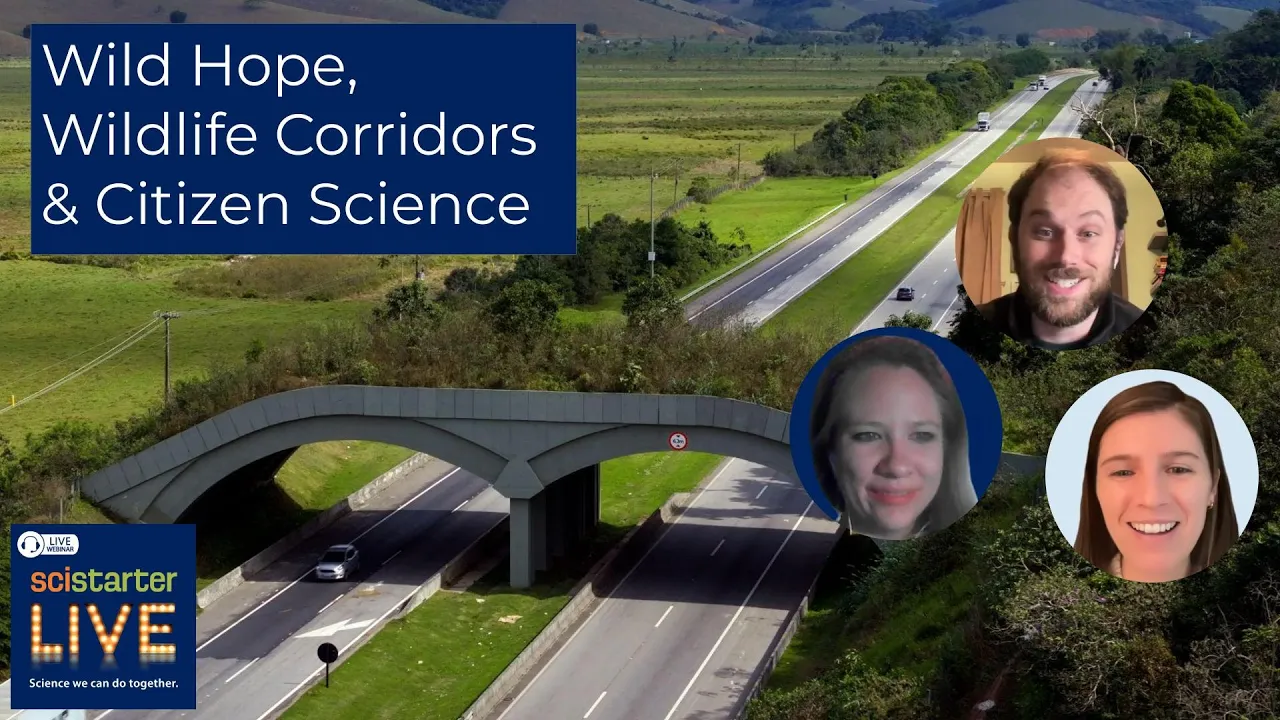















Mountain lions (Puma concolor) are apex predators essential to California's ecosystem balance, regulating prey populations and serving as indicators of environmental health; however, habitat fragmentation from highways and urban development threatens their survival by creating genetically isolated subpopulations that face increased risks of inbreeding depression, reduced genetic diversity, and local extinction, making wildlife connectivity corridors critical for their long-term conservation.
California Mountain Lions: Ecology and Conservation Challenges
Added:Understanding the role of apex predators in regulating ecosystems and maintaining trophic cascades.
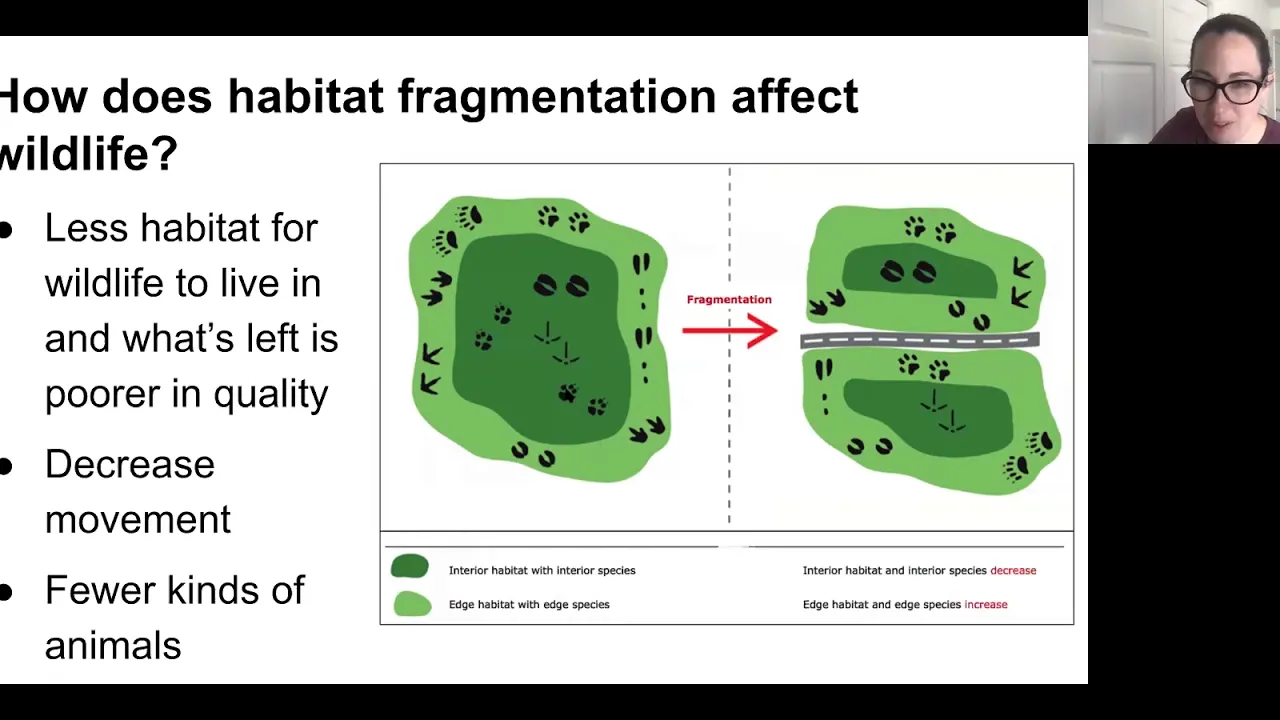
Basic concepts of habitat fragmentation and how physical or human-made barriers isolate wildlife populations.
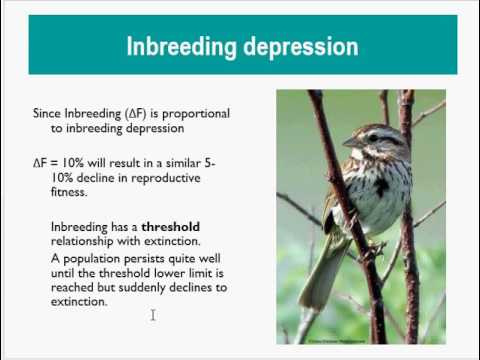
Fundamental principles of conservation genetics, specifically how isolation leads to a reduced gene pool and inbreeding depression.
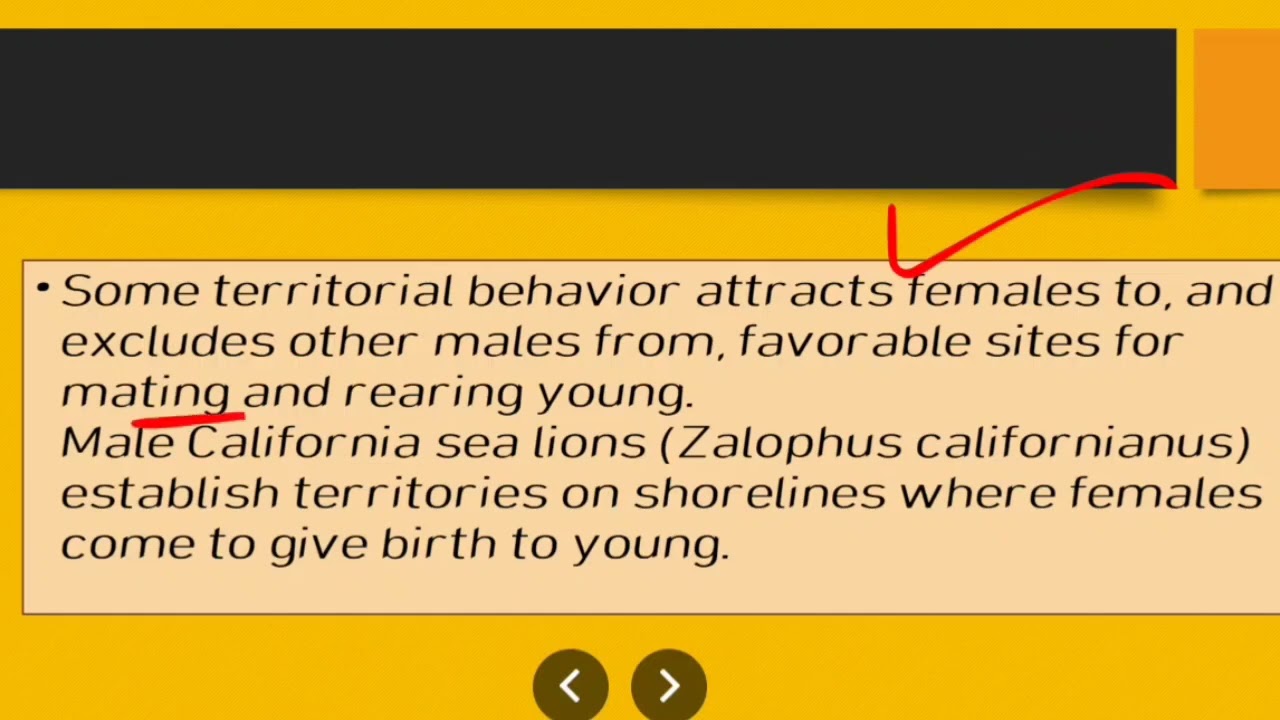
An introduction to mammalian home range and territorial behaviors, particularly for solitary large carnivores.
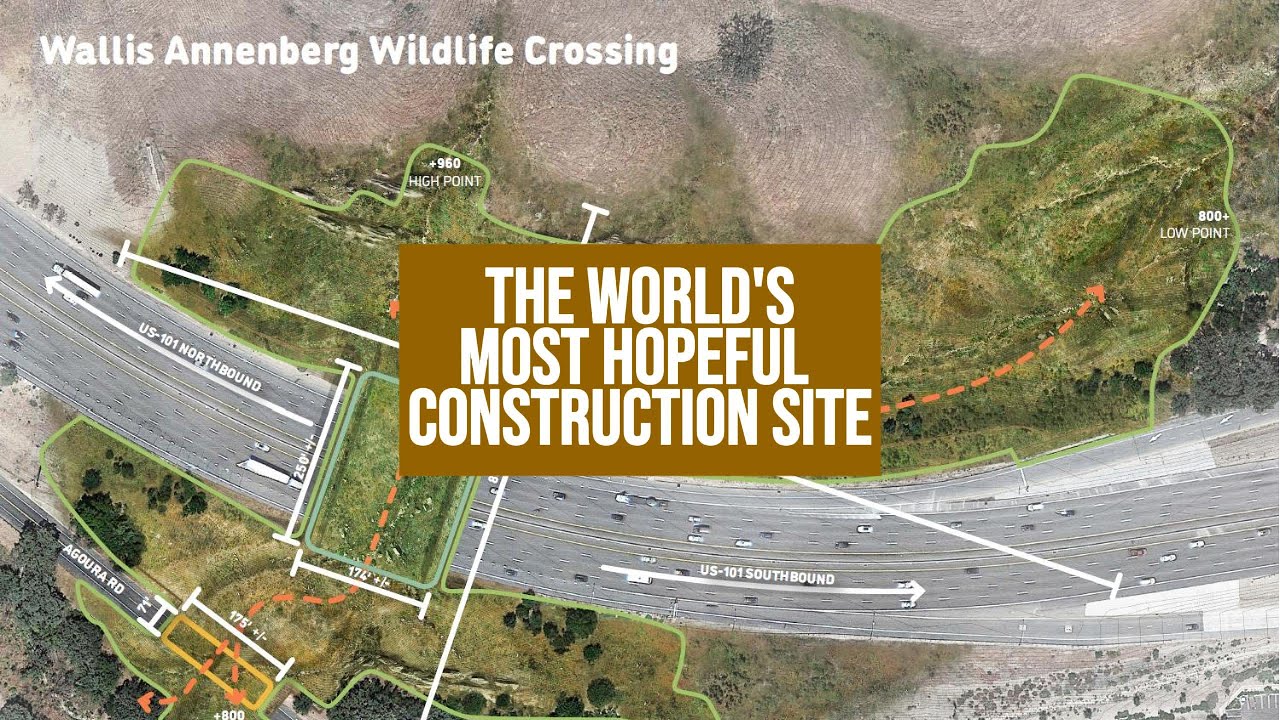
Advanced study of wildlife corridor engineering, including the design and ecological impact of major crossings like the Wallis Annenberg Wildlife Crossing.
Analysis of public policy, urban planning, and agricultural management practices aimed at mitigating human-wildlife conflict.
The application of GIS (Geographic Information Systems) and GPS telemetry data to map and model carnivore movement corridors.
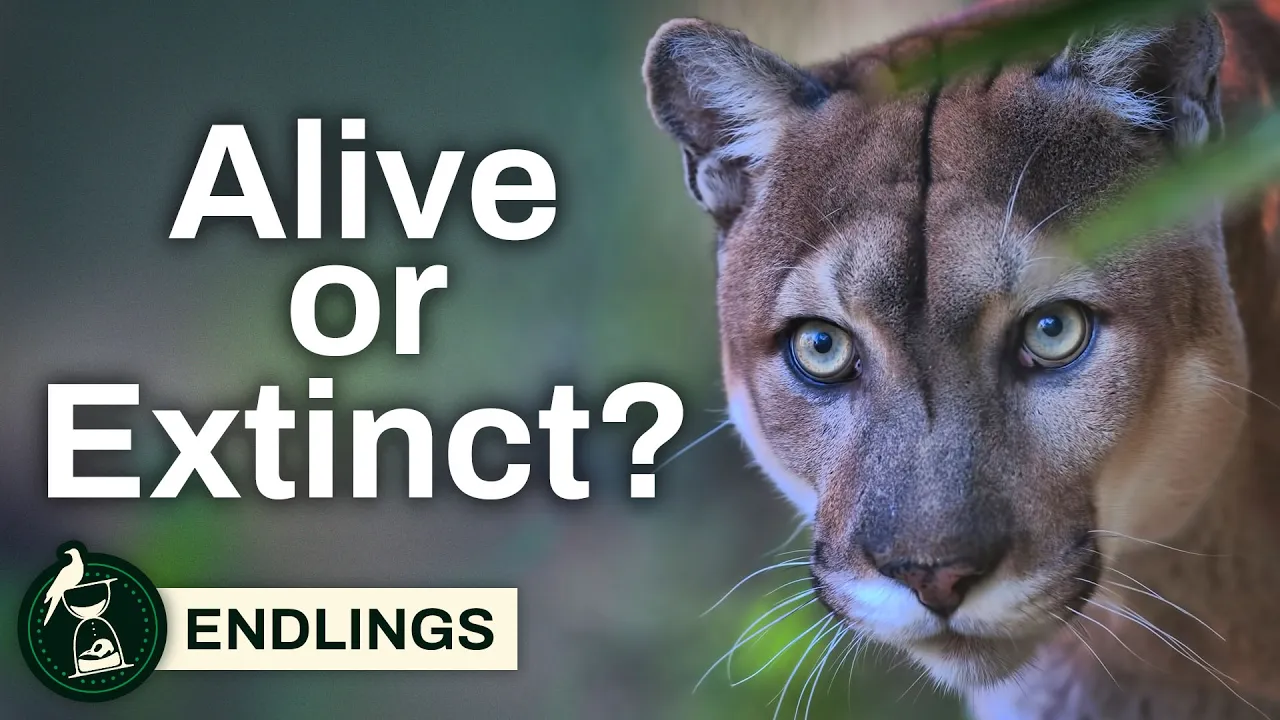
Comparative analysis of genetic rescue efforts in isolated populations, such as lessons learned from the Florida panther recovery program.
2.5M views14.6Klikes1:04:18Original Release: 2020-04-25
in California the mountain line is something of a local celebrity elusive and mysterious it's like a secret neighbor that's often talked about but seldom seen unfortunately scientists have discovered that some populations are threatened in this series we will learn the keys to understanding these beautiful and essential animals and how we can coexist with this legend of California [Music] mountain lions are a vital part of California's ecosystem and exist in every part of the state from the coasts and the Sierras [Music] to the southern deserts and the northern redwoods [Music] by using motion capture cameras and GPS collars we can take a closer look into the lives of these lands [Music] the mountain lion is a legend with many names cougar Puma and Panther just to name a few in fact mountain lions have more names than any other species in the world which only adds to their storied presence [Music] there are three major threats to California mountain lions car accidents genetic isolation and depredation permits even though California is the only state where Pumas are protected from sport hunting depredation permits allow them to be shot if they've killed livestock or pets car accidents happen when Lions try to cross a major highway they try to cross in order to maintain their large territory or to discover a new home [Music] mountain lions are considered apex predators and reign supreme at the top of the food chain the adult male is a powerful animal often measuring over eight feet long and weighing up to 200 pounds their front paws are equipped with five retractable claws ready to strike in an instant they can kill their prey with a single bite to the back of the neck mountain lions feed primarily on deer although females will eat smaller prey anything from coyotes to wood rats their leftovers are an important food source for birds and smaller animals in order to survive a lion must remain fierce in the face of confrontation but also know when to strategically retreat with full bellies Pumas will then bury their meals an instinct called cashing they will then return to feed for up to a week getting the most they can out of the animal in spite of popular belief mountain lions do not raw instead they have many different ways of communicating a mother makes chirping sounds to collect her wandering offspring whistles growls purrs and chirps are some of the few sounds Cougars can make a female will give birth to a litter of two to four kittens who will stay with her for one to two years after the kittens are strong enough to walk on their own mum will teach them how to hunt even as they become more confident in their survival skills kittens are still vulnerable to threats which can be anything from coyotes and bears to an encounter with an adult male of their own kind the abundant presence of humans means that California lions live with high risk crossing freeways being the targets of depredation permits or experiencing a slow decline from habitat loss isolation and inbreeding [Music] mountain lion attacks on humans are extremely rare as naturally solitary creatures they prefer to avoid humans at all costs [Music] in this series we eradicate harmful myths about lions and hope to ensure the survival of their species it's important to learn as much as we can about these legendary creatures [Music] California's ecosystem exists in a delicate equilibrium it's crucial to understand how each species participates in our local circle of life as a top predator mountain lions play a huge role so it's critical to collect as much data as we can to ensure their survival for future generations so much of science kind of D individualizes whatever it is we're studying and one thing I love about studying lions is that we get to know them as individuals and we get to know them as a population so how do we get to know them as individuals well one is that we actually capture them and put these collars on that allow us to track them and see where they're going there is a careful process to capturing wild lions the first step is locating them scientists will go into an area to look for tracks and set up trail cameras these cameras help determine how frequently the Lions are present once their presence is confirmed a trap is prepared which can be walk through cages the use of hounds or bait so we use roadkill deer that we are able to get from from the state and have permission to be able to use those and we'll go into that area where we found the tracks and wire that deer to a tree and then we put a camera on it a trail camera so we can get some indication of what lion it is that comes in we also attach a transmitter to it and so that way when the lion comes in and starts tugging away on that deer to try to eat it he's moving it around he pulls a little trip on the transmitter and we get a signal knowing that we have a lion there we go back in with a big cage trap they're about five feet long and about two or three feet wide and high and we put the cage trap right where we had the carcass was feeding on and then we take that deer carcass that it's already been eating we dice it up into sections and wire that to the back of the trap when the trap door closes an alert notifies the scientists that a lion has been caught it usually happens at night when the lion is most active and searching for food the scientists then begin a workup which is similar to a procedure at the hospital however dealing with these patients is not as simple [Music] well the first thing we have to do of course is the mountain line is not going to be real happy with us just fiddling with it so we have to anesthetize it first the sedated line is then carried to the predetermined work up area and special care is taken to ensure the lion's safety patient monitor so we can hook it up the same as you would have an animal in a in a hospital or a human in a hospital it is during the workup that scientists are able to gather important data about the Lions health body measurements are taken to determine the lions age a good estimate comes from measuring the wear and tear on its teeth ear tag in them and a tattoo their ear in that way you know when their collar drops off either because we command it to fall off or it's reached it's at the end of its life then if that animal has ever caught in the future we can either see the tattoo in its ear or the ear tag and know who it is by collecting data on things like the blood that gives us the genetics we can look at how the mountain lion populations are interacting the health information will let us know what diseases are these animals exposed to and in some cases if they don't show any exposure to certain diseases that's actually more of a risk because that that disease comes in there they have no no antibodies to be able to fight it off so we genotype these lines and we know every individual by its DNA and then by studying their DNA we understand how this line is related to this line and we've been doing this work long enough now that we know for generations of lions these lines all have told me stories as they've gone through their life and I followed their movements maybe remotely through a computer or maybe in the field but also through molecular biology and we can see who was successful who did you mate with oh so that time those two dots came close together on a map this may own this female this youngster was a result DNA has given us the ability to understand families prior to starting to study Mount Lyons I'd seen 3 in my entire life and it was always a glimpse as they moved across a road at dusk or at night in some backcountry area so if that's your only view of Lyons what can you say from that well there a lion was here and it was going that way or it was going this way but what we really need to know is how many lions are there are they established here as residents are they passing through scientists are unsure of the exact number of lines in California however in certain areas studies have shown that their populations are at risk everybody has to have the same information so to me that that's my role that's our role with this project is to provide information and make it available to everyone it's the common currency that allows you to then make decisions based on your own values are your own perspective only with access to accurate information can we ensure that mountain lions continue to live and thrive as California's feline royalty [Music] for the California mountain lion when it comes to love romance can be fleeting they have the same needs as any other animal and to reproduce they can't do it alone continuing the species can be a challenge with many obstacles however it's an essential part of the circle of life [Music] when the female is ready to mate she has her own special siren song to lure in potential suitors when she wants to attract a male when she comes into heat then she vocalizes and there vocalizing can be quite loud sometimes many people have equated the vocalizing with a female mat line and heat to a woman screaming sometimes you have to be loud to get attention looks like someone's had a coal it's time to get down to business when they go through the breeding process they usually are together up to a week and they breed multiple times during that period when the female then breeds and has the kittens there with her for a year and a half of proximately on average and so that means that the the breeding opportunities for the male and the female may occur every couple of years she goes through a pregnancy period of 90 days and then has between two and four kittens on average when the kittens are born mom will nurse them for about 12 weeks but to keep her energy high she occasionally has to leave them and search for food looks like these curious kittens are hungry after they're weaned mom will either bring small prey to her young or will lead them to a kill site she will repeat this process until the babies are old enough to accompany her on a hunt they will learn all of their survival skills from mum and pass those skills down to kittens of their own well the mother and the kittens have a very close relationship because the female takes care of those kittens for essentially a year and a half which is a long time for offspring to be dependent on or circulate with a mother among animals among wild animals so the mothers are very good mothers father however rarely plays a part in the kittens upbringing except when they mate they stay apart from each other and actually a female will do everything she can to avoid a male intraspecific conflict is a big deal on lions male lions were killed other male lions and male lions will even kill female lions so females basically avoid a male unless she wants to mate with him in a few rare instances father will join mother and kittens for a family meal unfortunately adult males are far from being the only threat to young kittens on average fewer than half of all kittens survived to adulthood well as real young kittens they're susceptible to predation from a number of other animals environmental threats include hypothermia from sudden snowstorms they can be threatened by fire wildfire of course is a threat throughout California and they may not be able to move away from it this period of susceptibility is quite a long time for a mother to protect her kittens but she stays determined however mom will only give her kittens a free ride for so long before they must learn to fend for themselves they are completely dependent on her for that first year and a half of life and then they get booted out more or less she's going to have another litter and it's time for them to go establish their own territory and they don't have GPS they don't have maps and this is when they end up in places where they shouldn't they don't have a clock or a compass to tell them when or where to go they just go in random directions setting out on their own is a big life adjustment for the young lions one which males and females handled differently for both their first priority is finding a new and sustaining territory males have a larger territory typically than females they tend to have territories that butt up against each other but they mark their territories with urine or feces females on the other hand set up their territories closer to their mothers this can negatively affect the diversity of the local gene pool the females because they can come in to eat sooner they may even breed back to their father in some cases especially in cases where the territories are limited by geography in our study area and others in California oftentimes the populations are squeezed by development and roads the male's end up overlapping a lot with their offspring because the offspring cannot go very far to set up their own territory the female offspring for some California mountain lions it's difficult to find territory where potential mates are not close relatives if they can't find a mate outside of the family they'll settle for one within when they have the reproductive issues it's called inbreeding depression and if that sets in our models of population trajectory tend to suggest that population has a high risk of extinction with liens facing multiple threats it's more important than ever to keep habitats connected and accessible in spite of urban development mountain lions like humans need to reproduce and ensure living heirs for the future in the words of one famous lion we are all connected in the great circle of life [Music] the mountain lions of California are an incredibly adaptable species they can live in almost all parts of the state as long as there are adequate resources available the mountain lions elusive nature has shrouded them in mystery fortunately many have made their secret homes in the Golden State [Music] even though lions can live anywhere food is available a number of additional challenges arise with each unique California landscape in the low desert there's relatively low levels of price so they have to circulate over much larger physical areas to acquire enough food up in the High Sierras they have to deal with snow they have to deal with other restrictions they may do more scavenging of winter kill deer for instance in the coastal regions they have to deal with humans have much higher densities so they have to be much more versatile in their use of what habitat remains what challenges Mount lands in Southern California faced as far as the road structures and areas being built out or new housing and all of that that to keep chipping away at places where they can exist they have to cross roads to find their own place to live and lions get killed in unacceptably high numbers on our highways crossing busy highways is a huge risk for the wildlife and some areas proved to be more problematic than others the Santa Ana Mountains are bordered on all sides by Los Angeles the San Diego Temecula area and these animals are just surrounded by human influence and Criss crossing this little bit of habitat they have left are these large freeways and that really is starting to divide them they are becoming more and more genetically isolated more inbred and thereby that may change physical characteristics such as hair patterns or tails and things like that this artificial separation by roads and development is starting to create different genetic subgroups of mountain lions this image reflects the genetically distinct populations in California while these subgroups benefit from being specially adapted to their local environment a complete lack of mixing within the species can be genetically dangerous due to inbreeding complications broadly speaking it's important that there be this mixing across California and our studies suggest with the geneticists that we worked with Holly earnest and Kyle Gustafson that the population the total population amount lines within California is divided into some distinct groups these groups are already showing low survival rates and as they become more isolated they could disappear completely in order to try to combat this isolation by roads and development we are working with civil engineers and Caltrans and other highway agencies to develop plans to enhance the ability of animals to move across roads a healthy flourish in California depends upon wildlife and their habitats remaining connected as dominant species ourselves humans can respect and preserve the fragile ecosystem shared with other apex predators join us as we dive deeper into the subpopulation conversation on the next episode of California mountain lands [Music] mountain lions are territorial animals by nature once they reach adolescence their instinct is to find a territory to call their own dispersal helps maintain a healthy and diverse gene pool but as human populations increase available habitat declines and for some mountain lions this could mean the collapse of their population [Music] one of the greatest threats to mountain lions in Southern California is the car if these animals can't cross the freeway and maintain their populations they're gonna suffer in terms of decrease in population size decreasing genetic diversity increased risk of disease and all of these things have the potential to wipe out a species at least in a local area in the last decade the subpopulations in Southern California have struggled to keep a healthy population researchers determined that every one to two years at least one male must migrate in from another population and reproduce with the local lions based on combined survival rates and genetic studies only a small percentage of migrating males have succeeded over the last 15 years in the Santa Ana Mountains just one documented male has made it migrating define another territory enables these animals to breed with new lions however when habitats are hard to reach and movement is restricted inbreeding can occur so when you have inbreeding in populations you have mating between more genetically similar animals and what this leads to is a reduction of the overall genetic diversity in that population and when you have reductions in genetic diversity you lose that raw material on which natural selection can act upon so we care about not only keeping these important members of the ecosystem in place in Southern California but also using lessons from Southern California and these more threatened populations to inform conservation of other populations across the state of California so we can use the genetics of the animals themselves by looking at the genetic information from their DNA which provides sort of a fingerprint of that individual animal and using this we can determine animals that have migrated between different populations and look at movement across the landscape that way mountain lions are naturally wide-ranging and can survive in most areas there's a lot of concern about what we call corridors and maintaining connectivity between these large patches of habitat and that's important we definitely need those big areas of federal land or private or state land where lions can survive a major focus of the Nature Conservancy's efforts in the Santa Ana palomar linkage has actually been in ensuring that we have protected lands on either side of the highway making sure that our protected lands are connected is vitally important to the insurance of safe wildlife connectivity over the long term there are very few crossing points across I 15 one of the corridors lies within the Santa Margherita ecological reserve located in Temecula California we're kind of this last little bit that's undeveloped that is is there for the animals to move back and forth between these two habitats and the biggest problems were having especially in the last you know ten years as the cities of myriad and Temecula exploded is literally having so many people so close to this corridor and wanting to interact with in the corridor this underpass designed to help wildlife across the freeway is not being used as expected with people living underneath the freeway and we have people tagging and setting fires the humans use that at the time that the animals want to use it they use it you know late at night it acts as an impediment for the animals the animals don't want to interface with the the humans and the humans are there when they're trying to get through they can you know cut off that that linkage in Southern California we have a limited time because the development pressures are so intense to conserve the habitats we need and to construct the wildlife crossings that are needed across these major highways to secure connectivity over the long term in recent years UC Davis wildlife health center has partnered with highway agencies to improve safe migration for all wildlife on the 2:41 toll road which passes through the Santa Ana mountain range a 12-foot fence was built along a six mile stretch of highway this fencing is designed to keep wildlife off the highway and there's also jump out points and gaps in the fence so that if an animal does get on the highway they can find their way off of it again but the idea is that we're trying to use this fencing to funnel animals to safe crossing areas humans can also benefit from these wildlife safety corridors the more animals that use them the fewer vehicle collisions and potential injuries despite decades of conservation efforts from government agencies development poses an increasing threat to wildlife into connection only by respecting legally protected corridors can we sustain California's natural ecosystem life as we know it is a balancing act comprised of thousands of organisms from the smallest microbe to the tallest redwood each contributes in its own special way and in California the mountain line helps to maintain this balance at the top of the food chain [Music] mountain lions are considered local legends due to their mysterious and elusive nature but they're also considered legendary for their massive contribution to the ecosystem the reason that people should care about mountain lion populations is primarily because they are a top regulator of the ecosystem they are the top predator and in our ecosystems in most of California in any food chain apex predators have the ability to affect the entire ecosystem creating a trickle-down effect by consuming a variety of prey and in turn providing food sources for many scavenging creatures the mountain lions influence is substantial and their loss would be detrimental by removing the pressure on prey animals whatever they may be then they can increase in numbers and then that can have effects on the system oftentimes negative because these systems evolved over millions and hundreds of thousands of years and disrupting them has consequences just as mountain lions impact the species below them on the food chain they too can be affected by the prey they eat they also are sentinels for exposure to rodenticides to poisons that are put out with a target of rodents but we have found that those poisons move up the food chain from the rodents to the smaller predators to the larger predators and since mount lines medium-sized predators like coyotes and things like that they are accumulating these poisons so they're an animal that helps tell us that these poisons are more widespread in the environment than we think they are we were probably surprised at finding so many mountain lions that were positive and finding such a variety of and acquaintance introduces so the real question was where were they being exposed and it wasn't really obvious both in bobcats and mountain lions we find the greatest variety of different antiquated or panetta sites in the same animal so we've actually had some animals where we found five different and acquitted or identified which we don't find in other species when we have mortalities and animals that gives us the opportunity to actually open up the animal and see with our eyes the the tissues and any abnormalities in the tissues maybe some damaged tissue and then in addition we take tissues for diagnostic testing as well as small tissues representing all the organ systems in an animal and look at the slides microscopically for any kind of abnormality or change that points me in the direction of the cause of death besides poisons pathogens are another threat that can reach mountain lions through the food chain epidemiology is a huge part of this study and our work with mountain lions in general so disease is a huge threat for all wildlife populations it's a very natural source of mortality epidemiology is the study of disease transmission through populations interestingly a lot of the viruses that we're finding a mountain lions may have started in cats and so in areas where mountain lions and domestic cats are in close contact there's a high risk for them to consume the cats come into contact with domestic cats and then acquire their infections in another situation we found that a Bobcat virus that's similar to human immunodeficiency virus or HIV that occurs and Bobcats can be spread to mountain lions so we're finding really interesting information about the historical nature of viral infection in these populations and that actually the mountain lion being a top predator is at risk for viral infections from the prey species that it's eating and if that changes from the typical deer in elk which is their normal prey base to more domestic animals like domestic cats that may have implications for their future survival infectious diseases can have an impact on wildlife but all so infectious to our domestic animals livestock as well as humans as humans encroach upon wild habitats mountain lions are attracted to livestock or domestic animals and are more likely to catch and spread disease when wildlife and domestic animals and humans all converge together it's a hotspot for disease transmission and this is a big concern in epidemiology and wildlife health in general we can be changing the habitats for example of deer and they may be more concentrated and more highly populated and that increases the chances of infection and transmitting infectious diseases so there are a number of different possibilities of something that we are doing that could increase the impact of an infectious disease and wildlife population ecosystem is like a house of cards take out any species and the entire system can collapse we definitely don't want to be conducting natural experiments by removing this top predator and seeing what happens we would much rather retain the top predator make sure the system stays stable you know as humans we really like to think of ourselves as outside a lot of the rules of nature so we live in our cities we go to the store to get our food we go inside when it rains or it's cold but we're really at the mercy of Mother Nature just as much as any other animal [Music] what's going on in the mind of a lion it's a question that I ask myself all the time what I love to do when I'm out in the field is get down on all fours and look through the grass and see the world from what a lion sees one of the first things you see is that people have affected the landscape all around us so how can we live with lions from a science perspective that's one things our research tells us is those lions are out there in that environment in this ever-changing world it's easy to forget that we're not alone on earth as we continue to fragment our natural habitat we affect the native species including mountain lions sometimes this leads to wildlife encounters other times it results in species extinction human encroachment is forcing mountain lions to adapt to our presence we too must adapt and recognize their point of view mountain lions in California commonly see humans so they they see us regularly they perceive us as something different they don't normally perceive us as a prey animal because attacks are so rare anatomically that eye is a perfectly suited for hunting in little to no light even the slightest motion will catch their attention and in the eyes of mountain lions humans are trespassing in their territory they do not see us as food that does not mean they don't occasionally attack a person under one odd circumstance or another but statistically speaking in the the study that was done by Ken Logan and Dave Manson and documented looked at at a hundred years of attacks by mountain lions and the numbers were small even over the course of a hundred years they did find that risk factors included small stature erratic or rapid movement and potentially defending a domestic animal that is being attacked by the mountain lion the challenge is recognizing that the Lions were there first it comes down to a value judgment if you want Lions to be part of our system then you're gonna have to accept them as part of the system and accept yourself and your domestic animals this part of the system for unprotected domestic animals in California that system can be unforgiving what humans view as pets mountain lions often view as prey when these animals are pushed up against a human environment they have a lot more opportunity to come across unprotected domestic animals so that could be a small herd of goats in somebody's backyard it could be a cat that is wandering the neighborhood it could be a dog in a backyard they're not these aren't natural prey sources for the mountain lions they're not what the mountain lion is out looking for but because the mountain lion habitat is so tightly now in a woven with these human modified landscapes they're coming into contact with these unprotected domestic animals more and more often and that provides opportunity I decided when I was doing a presentation with the 4-h club here locally that I would do a little test with them and see if they got it by bringing pizza to the meeting and I sat out a couple of pizzas on a table and didn't say anything else about it then I asked did you help yourself to some pizza but then I asked did anyone tell you that that pizza was for you that's what they're doing to their lions except when they're Lions help themselves to what's accessible at their house for their dinner they get killed for it to go get a chicken that's the easy way out there their main diet is obviously the deer so you don't present them with an option and once you do you don't go kill the animal because it's doing what it does I equate lions with like teenage boys they're gonna get in trouble you give them enough opportunity they're gonna do something that someone won't like it's it's just their nature they're predators when Lions prey on unprotected livestock it can cost them their lives under current California state law if a mountain lion kills either livestock or a domestic pet the owner of that animal can apply for a depredation permit and that permit will allow them to go out and trap and kill that particular lion that killed their property the top causes of mountain lion deaths in California our vehicles and depredation permits if you have outdoor animals like outdoor dogs or outdoor cats the best thing is to bring them in from dusk till dawn either into your home or a barn something that is fully enclosed only by taking precautions and building the necessary structures cannot domestic animals exist peacefully in the presence of wildlife you got a deal with your responsibilities your animals whether that's goats weather sheep chickens whatever you got if you live in lion country you got to protect you and you can't go kill the lion just because they do what Lions do [Music] if we don't want lions to kill domestic animals and we don't want Lions killed because they kill domestic animals we have to take responsibility and ownership for that it comes first and foremost by valuing our place and the wild animals place in the system and recognizing that we can change that they can't and in talking to ranchers and rural people most of them want Lions to be part of the landscape but they don't want to kill every lion they would actually very much like opportunities to have Lions coexist with them and their animals so let's find a way to make that happen [Music] you [Music] I guess I wouldn't really want to be living in a state or in a world where I didn't know there are mountain lands out there I mean to me they're just such a majestic and important component to the ecosystem that I want to be in places where reliance [Music] throughout the course of this series we've had a first-hand look into the unique world of California mountain lions each episode is elaborated on many parts of Puma biology social structure and even how this data is collected all culminating in the final and most important question what next there is no doubt that apex predators are valuable to the ecosystem those aware of this value are less likely to act out of fear therefore education is key and in California there are many organizations working toward the conservation and understanding of mountain lions including the Southern California Puma project based out of UC Davis one of the most important things that we discovered studying the mountain lion populations down in Southern California around Los Angeles in San Diego was that they had a significantly higher mortality rate than we expect given that sport hunting is not allowed in California what we found is that most of the animals in our study area were either being killed from collisions with vehicles on highways or being shot under depredation permits for killing livestock or pets California Fish and Wildlife the mountain lion foundation living with lands and many others are trying to provide alternatives to depredation permits by speaking with those who've encountered a loss there's a real challenge to bringing information to a community and creating a way for a community or a neighborhood to have a long-term solution to potential conflicts with mountain lions there's no question that it requires effort to live in lion country since protecting domestic animals inevitably results in protecting mountain lions it's a win-win situation living with lions it's this need for us to learn to coexist with not only just mountain lions but other wildlife because mountain lions are kind of this umbrella species in this area and in a way I suppose the living with lines or the coexistence ideas can be a metaphor for us all to even you know coexisting with your neighbors in rapidly developing areas such as Southern California mountain lion populations are separated by major highways and human development the Nature Conservancy and National Park Service are helping to connect these fragmented habitats in the last 30 years or so the Nature Conservancy's efforts in the Santa Ana palomar linkage have focused on conserving key parcels in the linkage to ensure that wildlife can safely move over the long term we've been working with California Department of Transportation and many other partners in the area to build a wildlife crossing across the 101 freeway which would connect the Santa Monica Mountains to the Simi Hills to the north we've identified the location based on over two decades a research of carnivores in the area and it's something that's greatly needed for a local bottlers the research may be clearer but the real question is can we coexist with mountain lions humans can live with mountain lions in a number of different ways that help to minimize conflict and especially minimize the likelihood of the animals going extinct in certain regions number one is to protect their animals just as they would protect their animals from disease with vaccinations they should protect their domestic animals from predators with proper housing and proper husbandry number two is to be alert and aware during dawn and dusk recreation when lions are also active so the next living with Lions tip is to know what to do if you encounter a mountain lion and so if the mountain lion doesn't immediately exit the area just from seeing a human which is their natural thing to do then humans should make themselves as big as possible as loud as possible make sure the mountain lion knows that they are not prey they're not a deer throw things though be careful not to crouch down and most importantly do not run if children are present pick them up and back away slowly mount Lions aren't looking to harm people they just usually stay away from people because we're just too weird you know always they see us and just like I don't know what that is but I'm not gonna get close to it while lions have a lot of support from dozens of organizations what about the public what can an individual do to help do I value lions as part of my landscape as part of my neighborhood and for a lot of people it's a resounding yes but if you just ask and answer that question and you stop there that's not gonna guarantee that it's going to happen because there has to be some proactive steps taken if lions are going to persist to be proactive and Puma conservation learn what you can do at home in your community and in local politics at home avoid using anticoagulant rodenticides which can work their way up the food chain there are some things you can do that might make your house less attractive for example don't leave domestic animals outside at night in your community talk to your neighbors and encourage action toward conservation just because you want lions to exist in your area if your neighbor doesn't then it's probably not going to work so you need to approach this from a community level and finally take political action many policies related to mountain lands such as development decisions are determined at the local level so go out and vote let's make policy and implement policy that represents the values that people have and the promote line conservation even though mountain lions are elusive and rarely seen most Californians want them to remain part of the ecosystem [Music] but solving these kinds of problems is hard while finding common ground is even harder the next step is to take action and find a balance between ourselves and the legend of California [Music] connection a word with many meanings as human beings we connect to our friends our family our community instinctively we nurture these connections to build happy and meaningful lives [Music] in California several mountain lion populations are separated by a force greater than themselves lacking connection and genetic diversity they face not only isolation but also extinction [Music] because they require huge amounts of space they occur at relatively low densities and they're one of the first species to really be affected by urbanization and urban sprawl because they require so much space the biggest threat of the human population growth in California to the mountain lion and other wildlife is loss of habitat and loss of connectivity between habitat patches in other words it's really hard to get across our roads and freeways occasionally a large natural structure such as a river or valley will limit gene flow among populations but not to the extent we are observing in California the absence of connectivity between certain habitats has led to 10 genetically distinct subpopulations of lions in California when you look at the genetics of animals throughout the state as you see which populations are sort of more threatened than others and how populations are clustered according to geographic features and highways scientists are now predicting local extinctions of some of these genetically inbred populations within the next 50 years if humans don't do anything to facilitate gene flow [Music] specifically these six populations are surrounded by highways and human development making migration nearly impossible and ultimately leading to inbreeding depression this is when the genetics of a population becomes so limited that rare genetic mutations come together in a homozygous state and produce abnormal physical characteristics when this occurs at the population level the populations can no longer sustain themselves the mountain lion populations in and around Los Angeles San Diego and Santa Cruz appear to be at the highest risk in our study area in Southern California the Santa Ana Mountains population is very squeezed by interstate 15 and really between interstate 15 and the ocean and development on the north and the south specifically looking at Southern California the Santa Monica Mountains are isolated from the Santa Ana Mountains which are isolated from the peninsular mountains by freeways further east lie the San Bernadino in Eastern Peninsula populations which are separated by the i-10 freeway development and the desert our main study area is in the Santa Monica Mountains adjacent to LA it's roughly 300 square miles you can think of it as this island of habitats bordered on the south by the Pacific Ocean to the east by LA to the north by major freeways and development the West has agricultural fields so it's this island of habitats completely surrounded by development in freeways what the 101 did in development in the area is for the first time cut the Santa Monica Mountains off from the rest of the world and ten lanes a freeway is an impenetrable barrier so what you have is the population of mountains Sulphur the 101 can't get out most of them died trying both of our populations have recorded some of the lowest genetic diversity ever recorded outside that of the Florida panther that went nearly extinct this habitat fragmentation is all over the state interstate 5 is a huge barrier between the Central Coast population and those in the Sierra Nevadas our study area is the Santa Cruz Mountains basically the mountain range is bounded by San Francisco to the north the Silicon Valley to the east and highway 17 bisects the Santa Cruz Mountains and highway 101 sort of forms a ring around it it may look like these lands are doomed but there is hope several organizations are working towards reconnecting these wild places one of their key challenges is acquiring the land on either side of the highway the Reserve established in 1962 and the mission of the reserve is conservation preservation of biodiversity and habitat connectivity and so we pay we play an important role as a linkage between the Santa Ana Mountains and the Palomar Mountains we're not set up to do recreation or not a park of any kind or set aside as conservation set aside as habitat connection now that we've secured key parcels right at the i-15 we're working with UC Davis who is doing more direct studies to evaluate what types of crossing structures can be installed along the highway to allow safe passage for mountain lions deer and other wildlife UC Davis is working with engineering faculty and students from Cal Poly Pomona to design crossing structures along i-15 so it's got benefit all the way around and we feel like it's well worth it especially since those structures can last for many decades so we're very excited about working with engineers and students at engineering schools to provide them with the exposure and the opportunity to work on these kinds of projects that benefit wildlife and not just cars additionally specially designed fencing along highways helps direct wildlife to safe crossing points and away from the roads this has already shown positive results on route 241 wildlife casualties have dropped by 98% making the roads safer for both humans and animals in the Santa Monica Mountains efforts to reconnect the natural habitat involve multiple partnerships working on this campaign now to build a vegetated wildlife bridge over the 101 the vicinity of Liberty Canyon which is one of our last remaining spots in the mountains of natural protected habitat on both ends building the largest wildlife crossing in the world and also trying to save this population of outlines it is all about partnerships and collaboration and you know one of things I love about this campaign as well and in the quest to do this is everybody's a partner including the public the public support for this is unprecedented I've never seen anything like it in the Santa Cruz Mountains researchers are also looking for ways to link lion populations there's plans now for two tunnels to go across highway 17 I'm sort of on the southern in Santa Cruz County side and the other on the santa clara side of the mountains these are two places where our data has shown are important for mountain lions crossing and now we're working on what is arguably the bigger problem and that is isolation from the Santa Cruz Mountains and neighboring ranges if linking local populations is the first step the next step is connecting lions statewide not only are these wildlife crossing structures of these highways going to make it sure that wildlife can safely cross these highways but it'll also ensure that there are less human wildlife collisions on the highways it really behooves all of us to focus on solving the problem of wildlife being killed as part of our transportation infrastructure we really want to live in an environment where all the pieces are in place and they're all doing their job and so we don't want you know the connectivity between these populations isn't just about mountain lions about it's about all the animals that are going to use these under passes these overpasses these ways around a deadly freeway I think we need to remember that as humans were not exempt from changes in our environment [Music] connection truly is a word with many meanings and to humans and mountain lions alike it is an essential aspect of survival as I begin to understand the importance of connectivity we can take strides to reconnect isolated spaces so thank you for watching this series and bringing awareness to this conflict by connecting and collaborating with others we all can ensure the survival of California mountain lions [Music] you
Up Next

53:40
Mountain Goat Conservation & Restoration in Washington Cascades | Ecology Talk
@WWUCollegeoftheEnvironment
143 views•2016-04-29

50:12
Bacterial Communication: Quorum Sensing and Biofilm Formation Explained
@JHUAAP
12.6K views•2011-06-28

5:35
Enteric Nervous System Explained: The Gut's Brain | Neurobiology Lecture
@alumniu6029
438 views•2018-09-12
7:08
Bacteriophages: Earth's Deadliest Killers and Future Antibiotics
@kurzgesagt
34.6M views•2018-05-13
Related Study Plans & Knowledge Roadmaps
Structured learning paths in Biology
biology
RNAi: Biogenesis, RISC & Gene Silencing
01Molecular Biology Foundations: DNA to Protein
02Introduction to RNA Interference (RNAi)
03Molecular Biogenesis of miRNA and siRNA
+ 2 more learning modules
10h5 modules
Explore Roadmap
biology
Mycorrhizae: Signaling, Biophysics & Ecology
01Foundations of Mycorrhizal Symbiosis
02Molecular Signaling and Root Colonization
03Biophysics and Bioenergetics of Nutrient Exchange
+ 1 more learning modules
11h4 modules
Explore Roadmap
biology
Circadian Clocks: TTFL, SCN & Periphery
01Foundations of Molecular Biology & Gene Expression
02Introduction to Chronobiology and Actograms
03The Core TTFL: Molecular Architecture of the Clock
+ 3 more learning modules
14h6 modules
Explore Roadmap
biology
Population Genetics: Math, Drift & Selection
01Genetic & Probability Foundations
02The Hardy-Weinberg Principle and Baseline Models
03Mathematical Modeling of Natural Selection
+ 3 more learning modules
18h6 modules
Explore Roadmap