



![[2027 수능특강 독서] 주제통합3 찻주전자 효과와 젖음성](https://i.ytimg.com/vi/AOD-X2ozOww/maxresdefault.jpg)
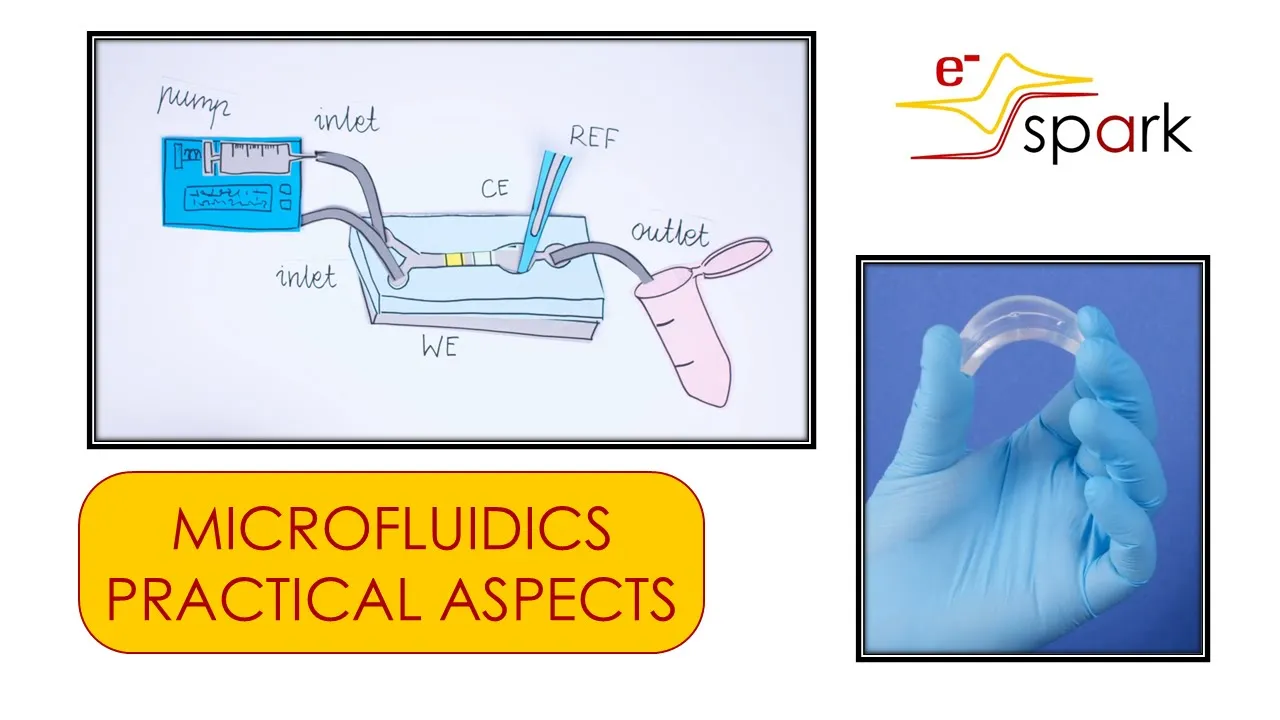















Plasma treatment activates PDMS surfaces by introducing reactive silanol groups, enabling covalent bonding between PDMS components or PDMS-glass interfaces; the process involves evacuating the chamber, introducing controlled gas flow (air or oxygen), applying RF power to generate plasma, treating for approximately 50 seconds, and immediately pressing surfaces together for 30 seconds, with optimal bonding occurring within 15-60 minutes post-treatment and optional thermal annealing at 80-100°C for enhanced bond strength.
PDMS Bonding for Microfluidic Devices with Plasma Treatment
Added:Understanding the chemical structure and physical properties of Polydimethylsiloxane (PDMS) as a flexible silicone elastomer.
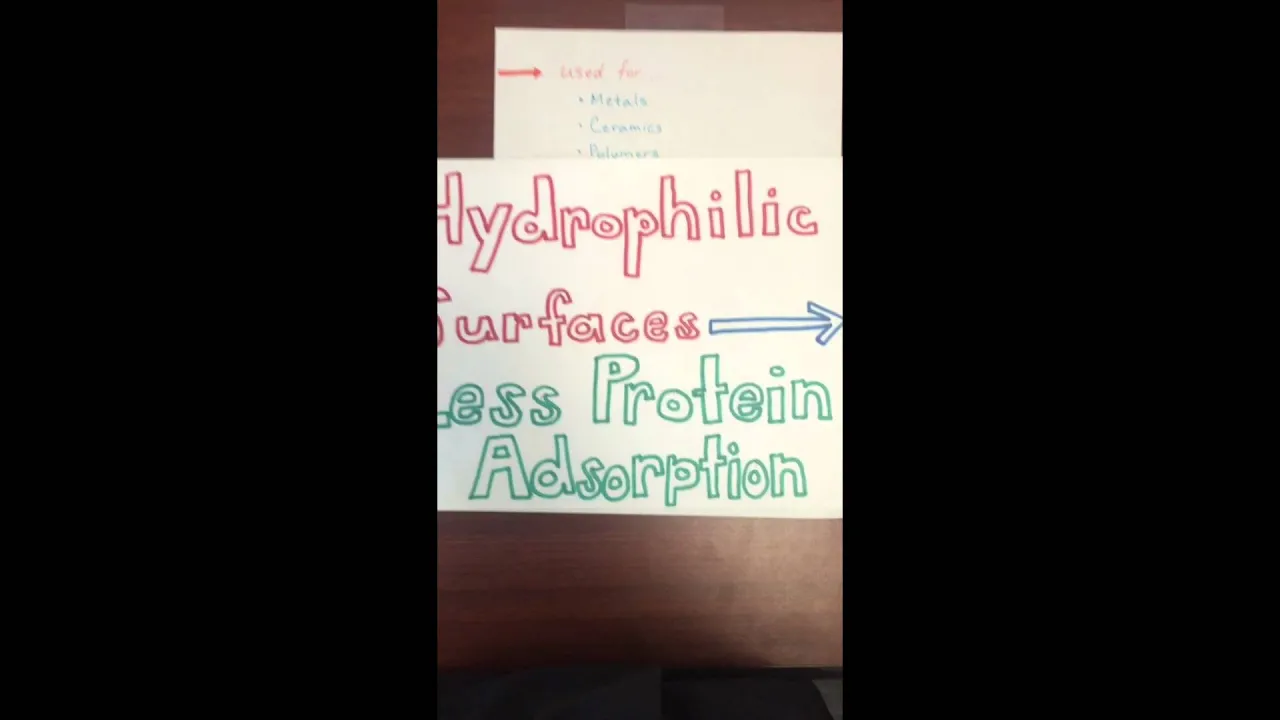
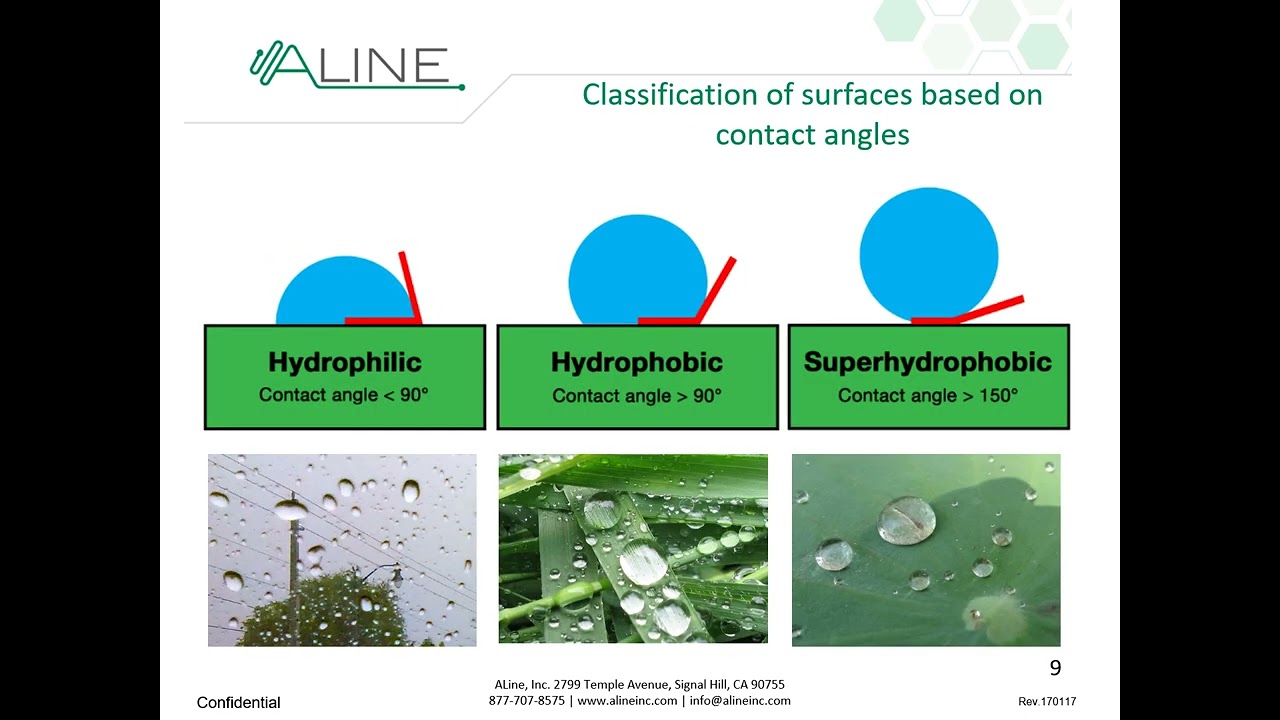
Fundamentals of surface chemistry, specifically the concepts of surface energy, hydrophobicity, and hydrophilicity.
Basic principles of microfluidics, including the necessity of leak-proof, high-pressure seals in microchannels.
The concept of plasma as a state of matter and how low-pressure plasma treatment alters material surfaces at the molecular level.
Methods for evaluating bond quality and seal strength, such as burst pressure testing and contact angle measurements.
The phenomenon of PDMS hydrophobic recovery (surface aging) and strategies to maintain stable hydrophilic surfaces over time.
Techniques for bonding PDMS to alternative substrates, including other polymers (such as PMMA or COC) and PDMS-to-PDMS bonding.
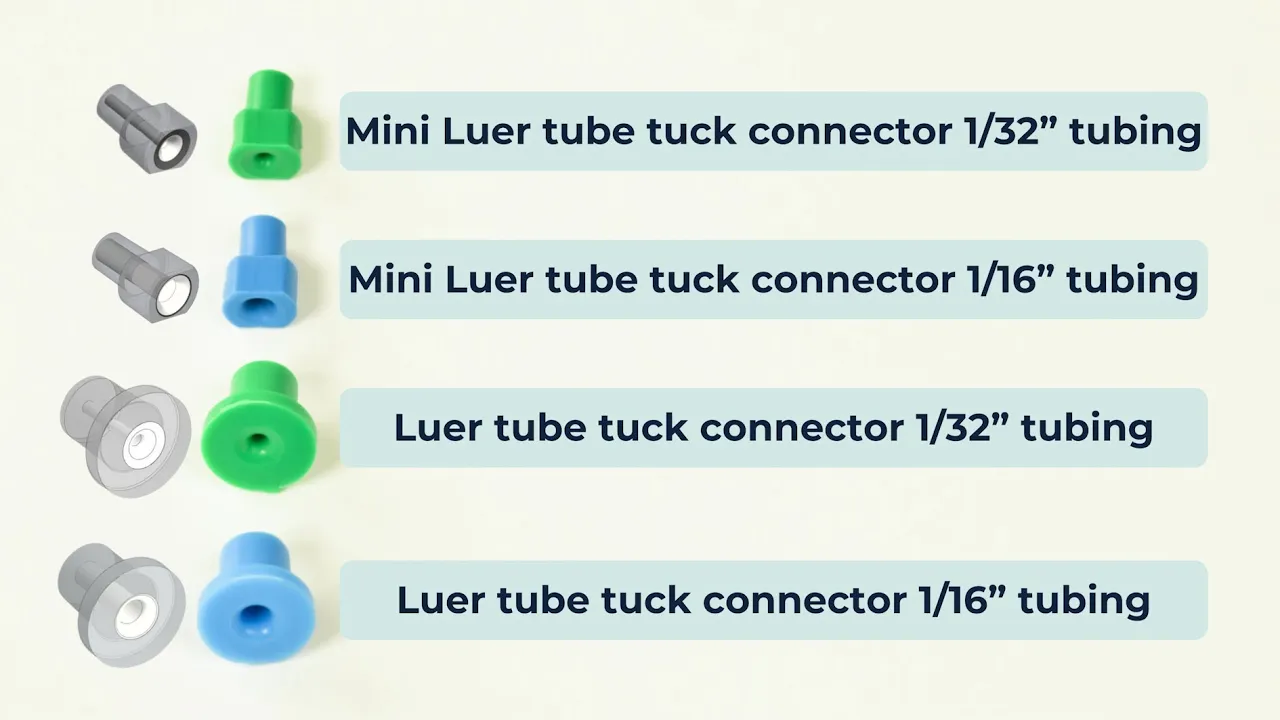
Practical integration steps, including world-to-chip fluidic connections (tubing and ports) and conducting microfluidic assays (e.g., cell culture, droplet generation).
6.6K views61likes5:09Original Release: 2021-02-22
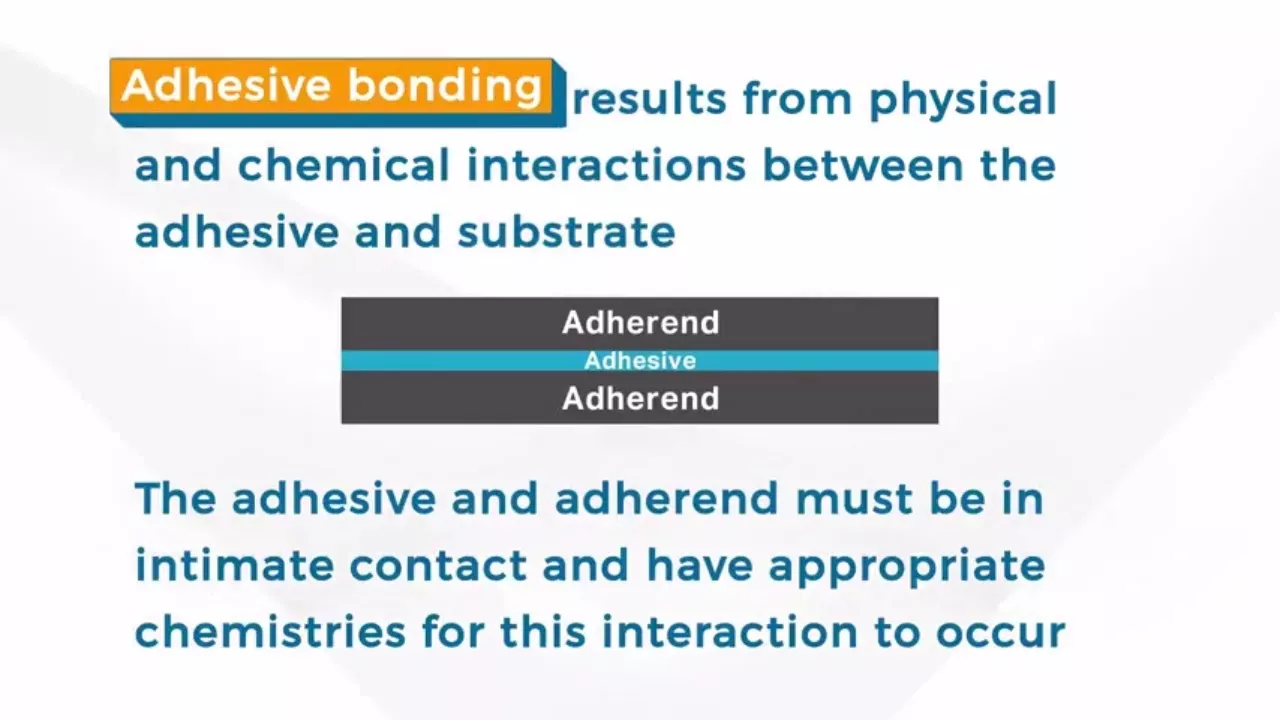
pdms bonding using plasma treatment is an essential step in the development of microfluidic devices due to its low cost and high versatility pdms is used throughout professional and academic laboratories plasma treatment activates pdms adding reactive sylenol groups on the surface when placed in contact xylenol groups react and form watertight covalent bonds [Music] we will be using the basic plasma cleaner plasma flow accessory and economy oxygen service pump if you plan to use oxygen from a cylinder please ensure that your vacuum pump is compatible we will use air plasma but oxygen from a cylinder could be easily added to this system we will treat a pdms microfluidic component in a glass slide at 200 militor in air plasma for 50 seconds to begin you will need a pdms microfluidic device and you will need a glass slide the goal of plasma treatment is to form watertight covalent bonds between the pdms microfluidic device in the glass slide place the glass slide in the chamber [Music] place the pdms component in the chamber turn on the plasmaflow device and the plasmacleaner main power make sure the three-way valve is pointing down to isolate the chamber close the metering valve in the future the metering valve can be kept at the same position to achieve the same vacuum pressure consistently hold the door closed and turn on the vacuum pump to pump down the chamber in some models you may need to turn the vacuum pump on manually open the three-way valve to the metering valve the vacuum pressure will rise momentarily as the ambient air in between these valves is pulled through the chamber [Music] slowly open the metering valve about one quarter of a turn to allow airflow into the chamber switch the rf power to high you should quickly observe plasma ignition in your chamber [Music] start timing your plasma treatment when you see the purple glow while air plasma is a visually intense purple or pink oxygen plasma is a much less intense blue or white color we highly recommend using a vacuum gauge during plasma treatment to ensure process consistency in some cases oxygen has been found to be more effective for bonding due to a higher concentration of reactive oxygen species while air plasma is often sufficient for bonding pdms to glass oxygen plasma is recommended if you plan to bond pdms to pdms or if you plan to use alternative materials if you are located in an environment prone to daily fluctuations of relative humidity or particulates in your ambient air you may want to consider dry compressed air or oxygen after about 50 seconds turn the rf power off turn off the vacuum pump and the main power [Music] turn the three-way valve to seal the chamber and then slowly vent venting too quickly can cause lighter objects such as the glass slide to move and break when removing the pdms from the plasma cleaner do not touch the surfaces to be bonded this can transfer particulates or oil that can block covalent bond from forming immediately following plasma treatment press and hold the pdms and glass components together for 30 seconds be careful not to pull the components apart to adjust the alignment as this will disrupt bond formation the increased surface energy produced by plasma treatment tends to reconfigure to a more energetically favorable lower energy state over time in hydrophobic materials like pdms we recommend bonding and any subsequent processes be performed within 15 minutes to an hour of plasma treatment time in some cases immersion in a polar fluid can preserve surface hydrophilicity additionally many labs heat the assembled device at around 80 to 100 degrees celsius for 60 seconds this can be done with a hot plate or an oven the high temperature provides activation energy for additional bond formation thank you for watching if you have any questions please feel free to contact us our email address is info herrickplasma.com
Up Next
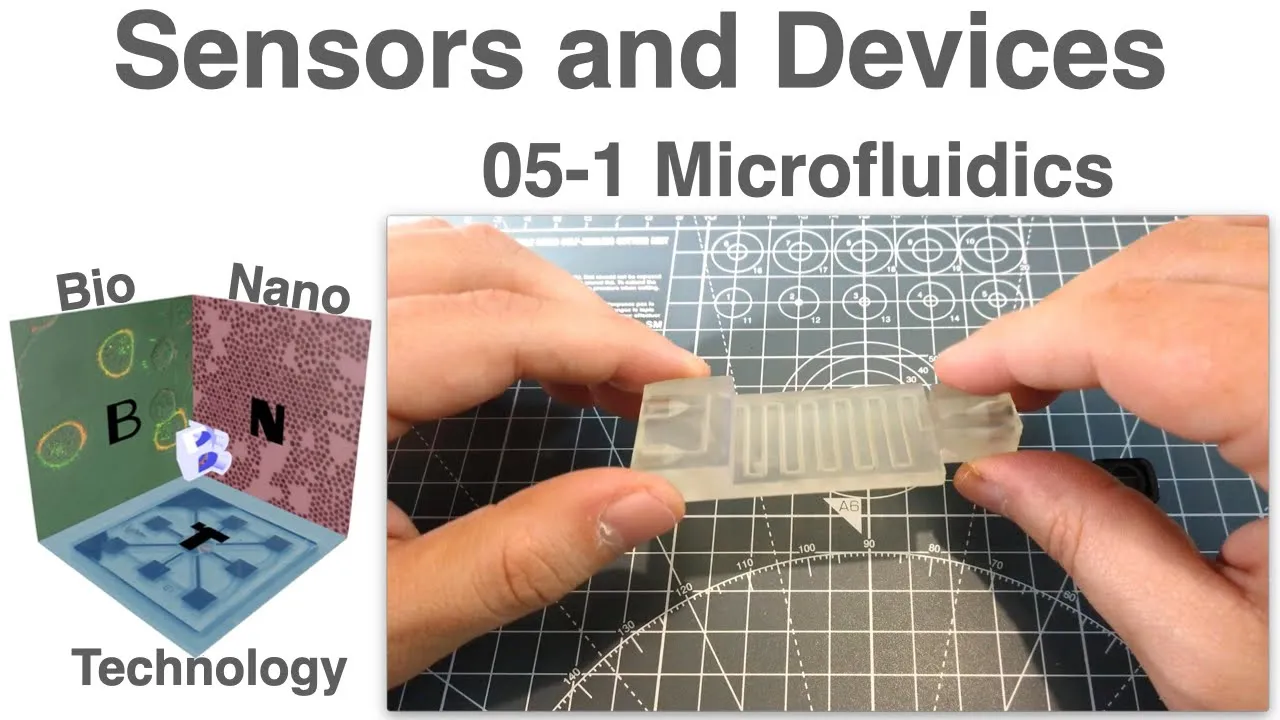
25:41
Microfluidics Fabrication Methods: Sensors & Devices Lecture
@v_saggiomo
29.3K views•2020-10-25
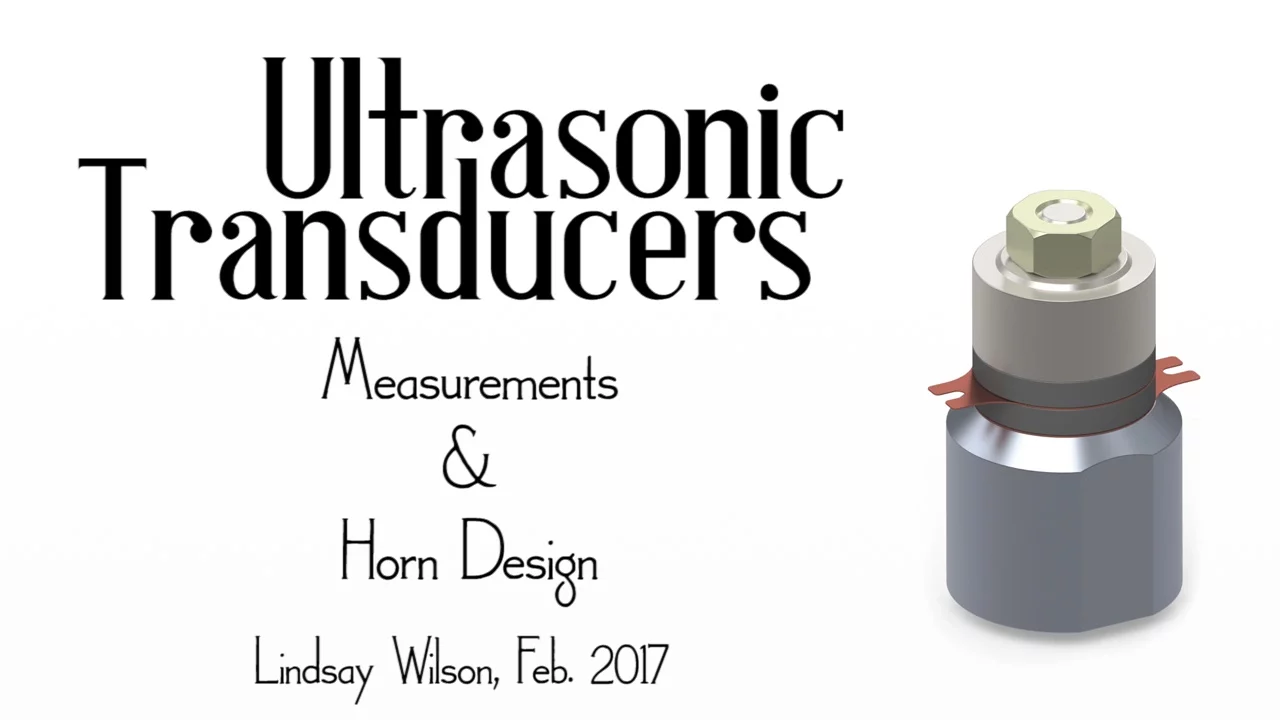
30:32
Ultrasonic Transducers: Resonant Frequency Measurement and Horn Design
@imajeenyus42
229.9K views•2017-02-22
54:16
Polymer Environmental Degradation: Mechanisms & Stabilization
@iit
1.8K views•2012-07-10

33:39
How a Student's Question Saved a NYC Skyscraper from Collapse
@veritasium
22.8M views•2025-04-26
Related Study Plans & Knowledge Roadmaps
Structured learning paths in Engineering
engineering
Building Acoustic Levitators: Physics & Arduino
01The Physics of Sound and Standing Waves
02Piezoelectric Transducers and H-Bridge Drivers
03Arduino Programming: Generating 40 kHz Signals
+ 2 more learning modules
14h5 modules
Explore Roadmap
engineering
Building Peltier Cloud Chambers: Particle Tracks
01Cosmic Rays & Cloud Chamber Physics
02Thermoelectric Cooling (TEC) Fundamentals
03Custom Liquid-Cooling Loop Design
+ 2 more learning modules
18h5 modules
Explore Roadmap
engineering
Yagi-Uda Antennas: Modeling, Build & VNA Test
01Introduction to RF and Antenna Fundamentals
02Yagi-Uda Antenna Design Principles
03Antenna Modeling and Simulation in 4NEC2
+ 2 more learning modules
18h5 modules
Explore Roadmap
engineering
ECG Monitor Design: Op-Amps, Filters & Noise
01Electronics & Breadboard Basics
02Op-Amps and Instrumentation Amplifiers
03Bioelectricity and ECG Fundamentals
+ 2 more learning modules
18h5 modules
Explore Roadmap