












![Chapter 5- Wood [DAC 11603 Civil Engineering Materials]](https://i.ytimg.com/vi/CtKc8HmdhHE/sddefault.jpg)



![[FULL] Majalah 3 (2024) | 15 Jan - Susu Kuba Masam](https://i.ytimg.com/vi/EfokahC8kDw/maxresdefault.jpg)



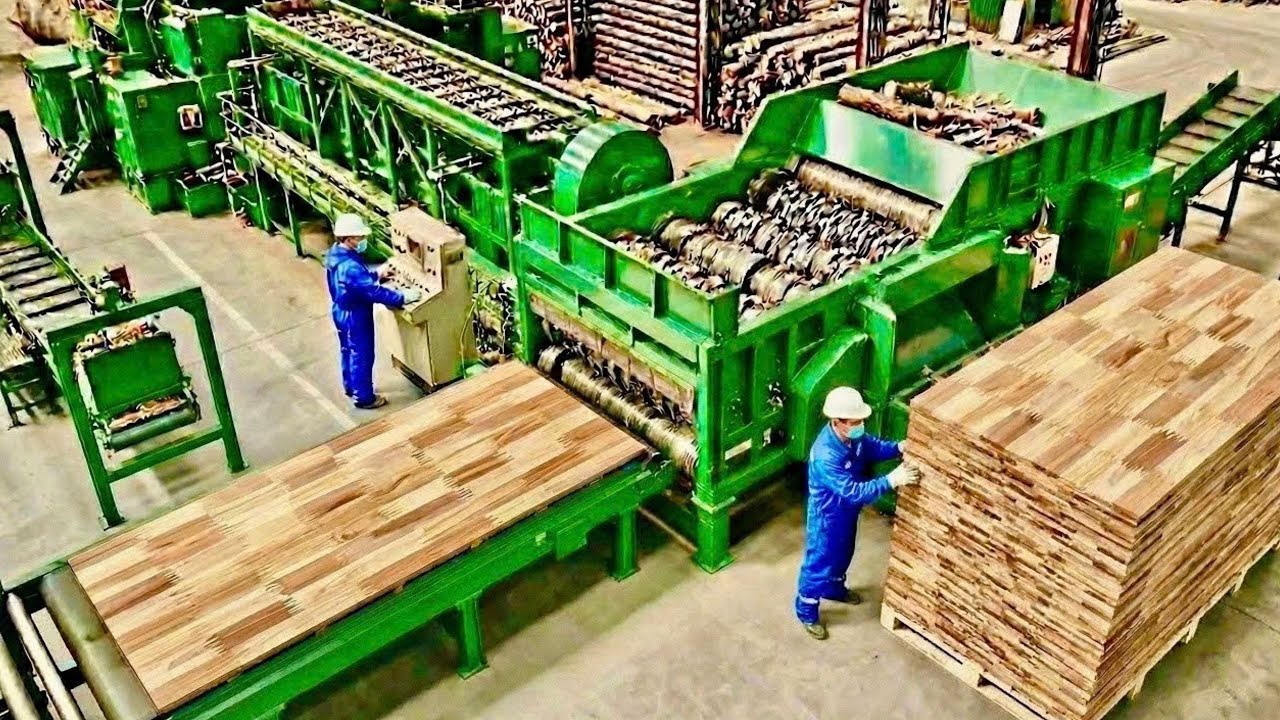



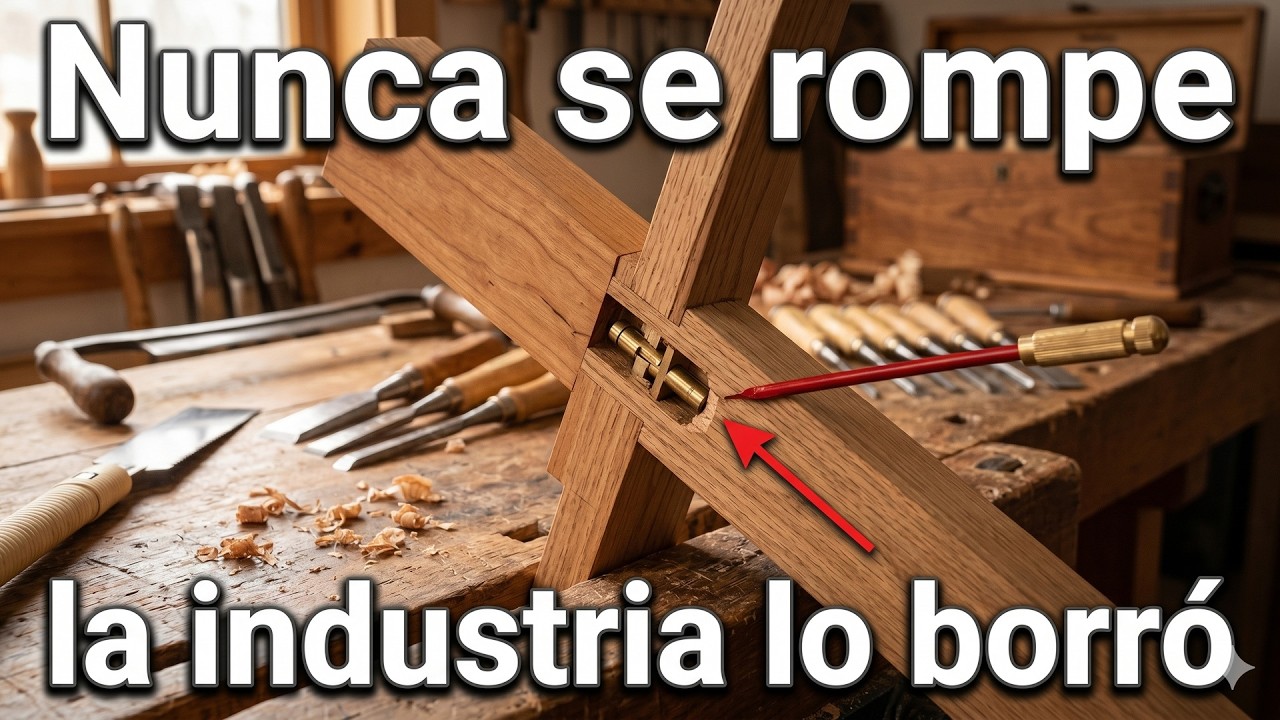
Rubberwood, originally considered nearly unusable due to its susceptibility to fungal attack, rapid decay, and processing difficulties, was transformed into a major furniture industry material through scientific innovation and changing market demands; this transformation occurred when Malaysian researchers developed chemical treatments and specialized drying techniques in the 1970s, coinciding with the rise of modernist furniture design that favored pale woods, allowing the previously wasted mature rubber trees to become a sustainable and cost-effective alternative to traditional hardwoods like ash and beech.
Rubberwood: The Secret Wood in Your Home | Woodworking History
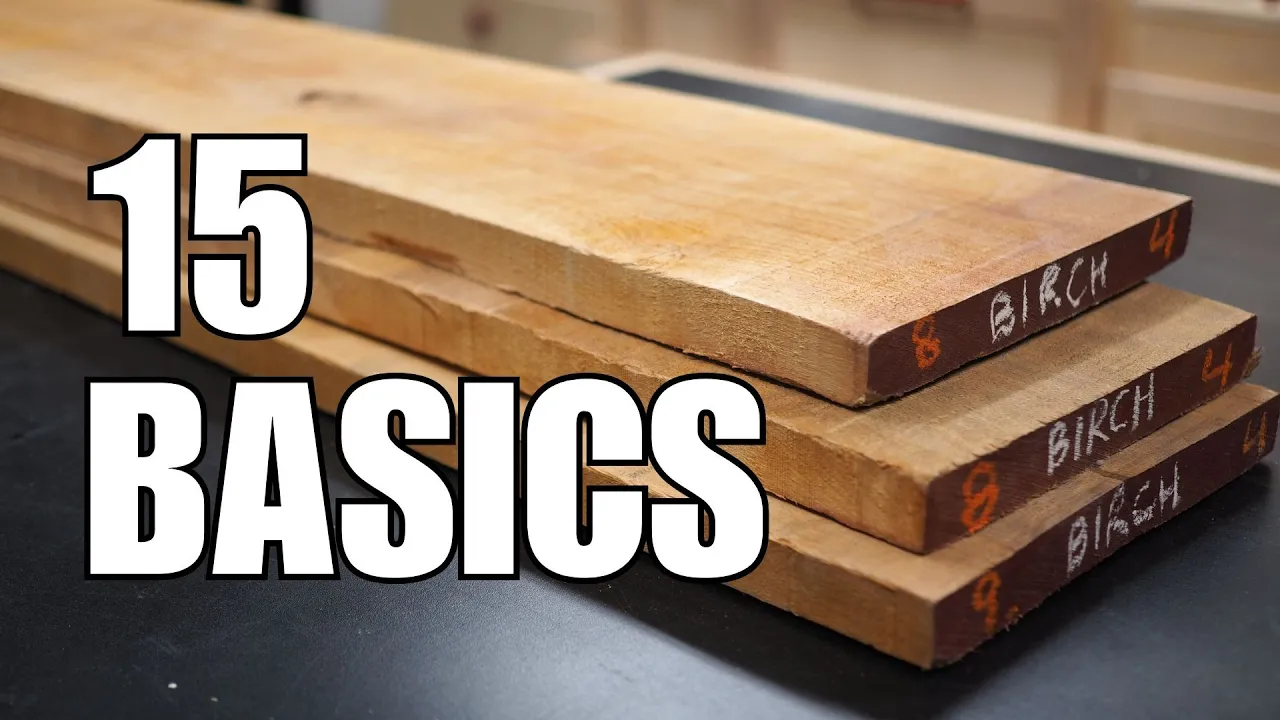
Added:Distinction between hardwoods and softwoods, including their structural differences and typical uses.
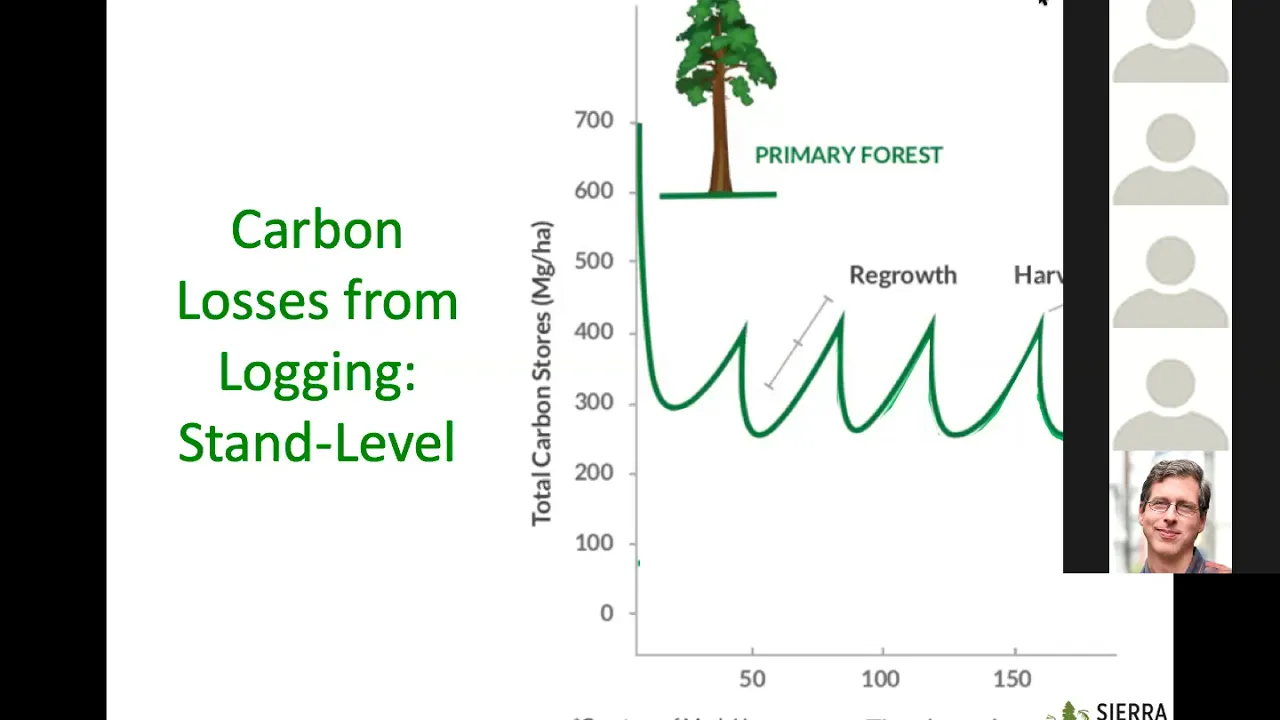
The concept of sustainability in forestry, specifically crop rotation, renewable resources, and carbon sequestration.
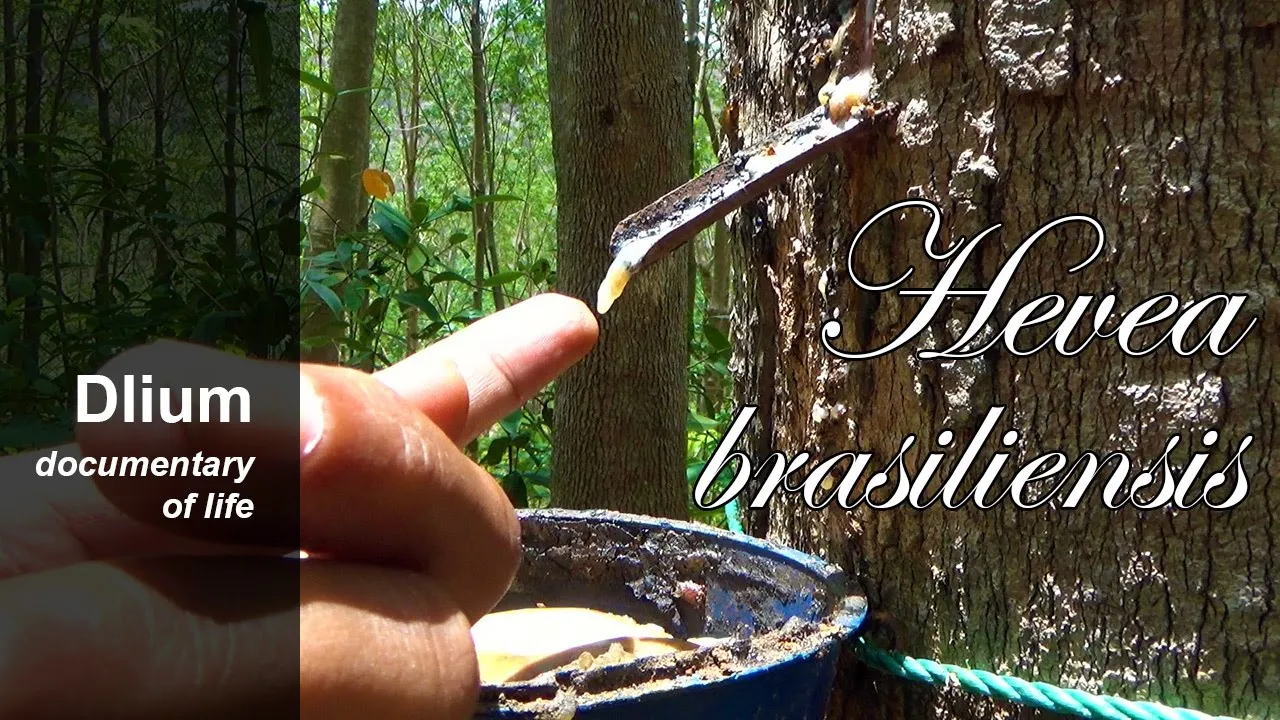
The historical and biological context of the Hevea brasiliensis (Para rubber tree) and the latex harvesting process.
Basic properties of timber, such as moisture content, density, and how seasoning (drying) affects wood stability.
Advanced preservation and chemical treatment methods used to protect non-durable timbers from fungal and insect attack.
Comparative Lifecycle Assessment (LCA) of plantation-grown timber versus natural forest-harvested hardwoods.
The economics and supply chain of the global rubberwood industry, focusing on Southeast Asian manufacturing hubs.
Design and engineering techniques for plantation woods, such as finger-jointing and laminating to create stable furniture panels.
423.9K views19.4Klikes12:19Original Release: 2025-11-12
I've been woodworking for a long time, so usually I can just look at a scrap of wood and instantly know what species it is. Oak, pine, [snorts] black walnut. But there were a few things in my own house that I couldn't quite identify. Stuff like my TV tray, this old bar stool, and the handle on our tea kettle. They were all made out of some mystery wood that looked like ash, pine, something something. And I ignored it for a long time, but it really started to nag at me because I even know the usual Asian imports like acacia and mango wood. And it wasn't those either.
So, what the hell is this stuff?
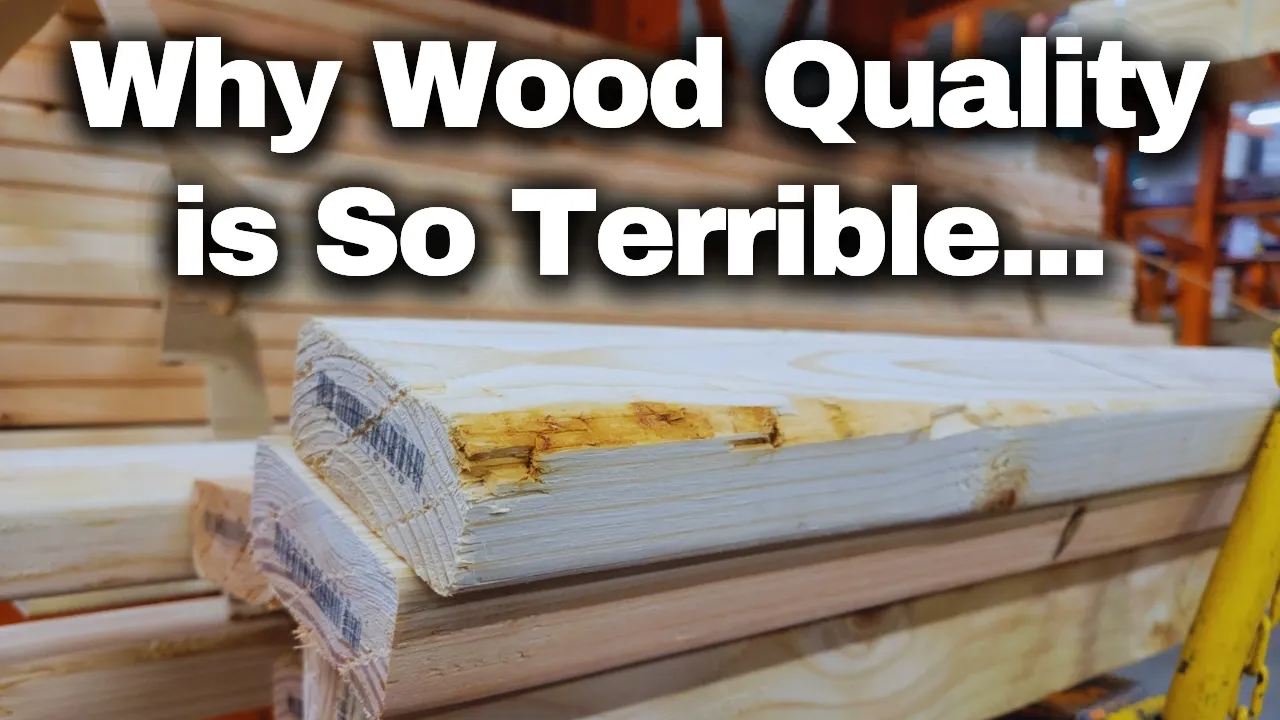
Rubberwood, really. And you might be wondering, how did the plant that makes rubber become the timber of choice for inexpensive homegoods? And it's a bigger, weirder story than you would ever expect. My name's Rex. This is the secret history of wood. And let's start with the obvious question. Is rubber wood, you know, good? Nope. It's terrible. Rubber trees are almost impossible to farm. And once you do cut one down, it instantly gets attacked by fungus. The wood turns blue and starts to rot within hours. And once you have cut it down, you've got lumber that's literally full of rubber sap. So drying it is a nightmare. The wood shrinks, twists, and cracks much more than other hardwoods. In short, it's a massive pain in the ass. But today, rubber wood is a multibillion dollar industry, and it's even competing with luxury hardwoods like teik. And to understand why, we're going to have to go all the way back to Columbus. When he landed in Costa Rica, Columbus found indigenous people playing games with balls that bounced and using rubber tree sap to make waterproof clothing. Native people even had chemical processes that made this natural latex harder and more durable, but only in the warm South American climate. Take that same latex back to Europe and the colder weather made latex sticky and useless. In fact, it took another 300 years for an English scientist to notice that little balls of latex sap were perfect for rubbing away pencil lead. which is why all these years later, we still call it rubber.
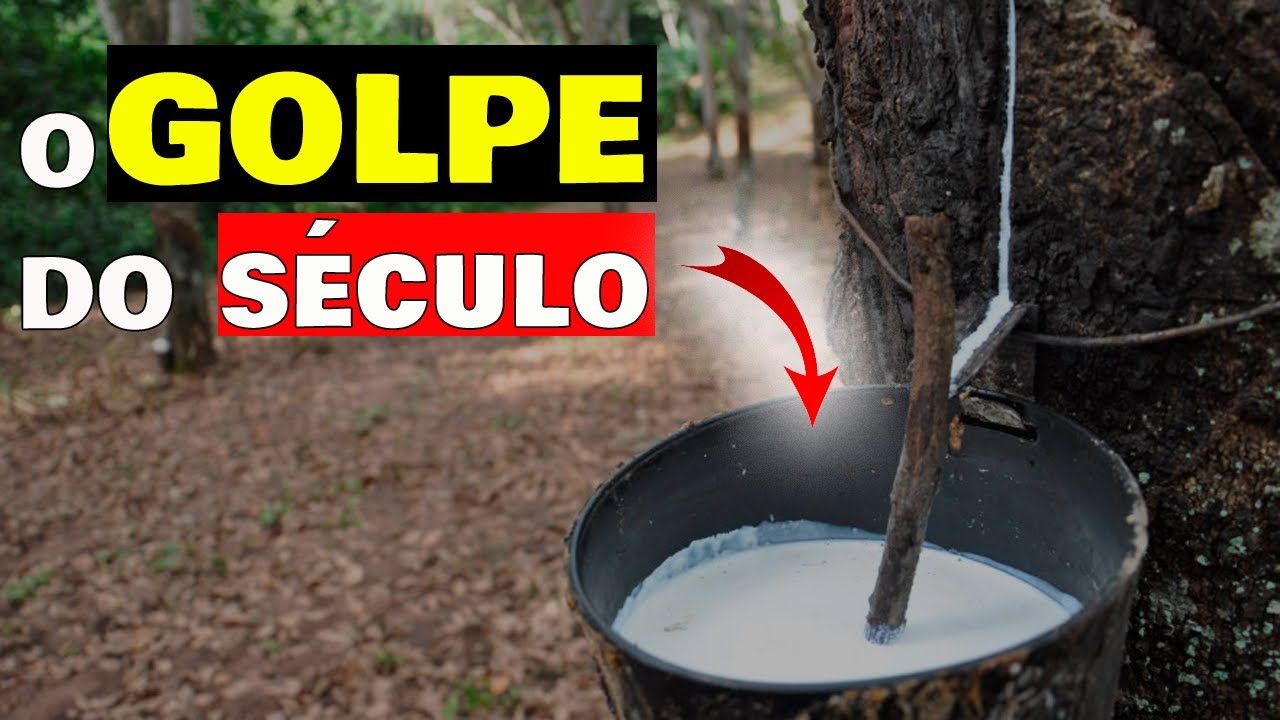
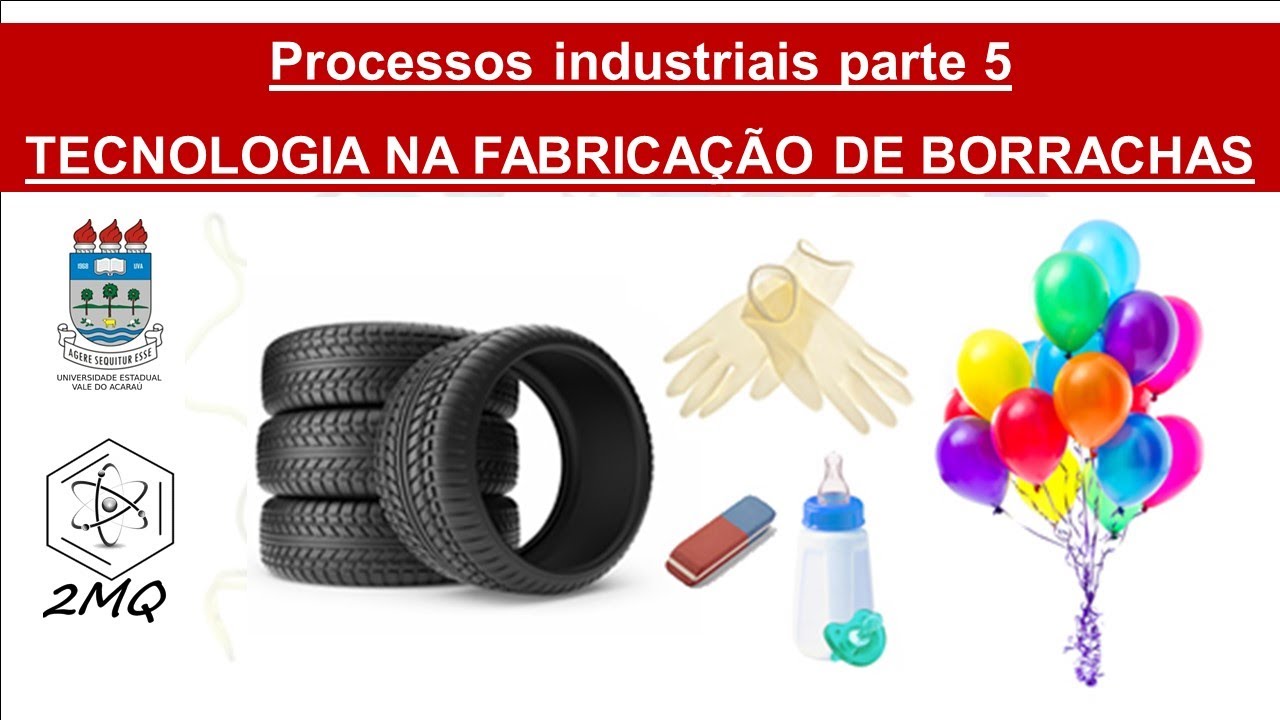
And I bet you already know that Charles Goodyear figured out how to vulcanize it. That's the process that makes rubber stable and tough in both cold and warm temperatures and makes rubber perfect for tires. Vulcanized latex is so flexible and durable that it's sort of the only material that makes a good tire. In the late 1800s, both bikes and cars exploded in popularity and that drove a massive boom in the demand for rubber, which was a problem because the rubber trees didn't cooperate. Rubber trees grow wild in the Amazon basin where the trees are spaced out. But if you grow the trees close together, they get attacked by fungus and die. So farming rubber trees was impossible. And the only way to get latex was to send people out into the forest to tap latex sap from wild trees. The most skilled rubber tappers were indigenous people.
And those folks were horribly exploited by the European and South American rubber barons. People were maimed, killed, relocated against their will, and forced into basically slavery. It doesn't get talked about very often, but the rubber boom is actually one of the darkest chapters in human history. But this exploitation was only possible because of a huge demand for rubber combined with a Brazilian monopoly on rubber production. Rubber was almost as valuable as gold, but it could only be harvested in the Amazon basin of Brazil.
All of this changed when the British botonist Henry Wickham smuggled 70,000 rubber tree seeds out of Brazil by pretending they were scientific specimens. Back in Britain, 96% of Wickcham seeds died, but a few of them germinated and the baby rubber trees were shipped all over the British Empire. And that's when something surprising happened. It turns out that rubber trees can grow outside of Brazil, but the fungus that attacks rubber trees can't. So, if you can just grow rubber trees outside of the Amazon basin, you can grow as many as you want. And all of a sudden, it was possible to grow rubber trees in huge single crop plantations.
Efficiency skyrocketed, costs dropped, and the inefficient Brazilian system of tapping wild trees, well, that pretty much collapsed overnight as rubber production shifted to places like Indonesia and Malaysia. But every solution creates a new problem. Rubber trees only produce sap for about 30 years. And then you've got a huge tree that's taking up a bunch of space and not making you any money. For the rubber industry, dealing with waste trees became a big expense. Freshly cut rubber trees are wet and the sap is filled with sugar, so the trees are instantly attacked by fungus and insects. The wood turns blue and starts to rot less than a day after the tree hits the ground. For decades, mature rubber trees weren't good for anything. Some of them were turned into charcoal, but most of them were just burned on site. But this is where a bunch of things came together to transform the use of the rubber tree.
Rubber plantation owners always knew that burning the trees was wasteful.
They always knew that timber had potential as long as they could figure out how to process it. And at the same time, in the 1970s, rubber prices were actually falling because cheaper synthetic rubbers were coming onto the market and the rubber industry needed new sources of income. And on top of all of that, local governments were under increasing pressure to protect natural forests and endangered trees like teik and mahogany. So all of a sudden there were a lot of reasons to develop the timber of the rubber tree. The Malaysian government put money behind research and came up with a multi-step rubber tree process. First, freshly cut trees are immediately treated with antifungal chemicals. sometimes before they even get to the sawmill. Next, the trees get a second chemical treatment with boron to protect against insect damage. Now, this chemically treated wood was still highly unstable. So, the industry pioneered special drying techniques with lower temperatures and better humidity control. And finally, they had to keep the wood looking pale and attractive.
So, rubber wood is often steamed before it goes into the kiln to preserve color.
And all of that sounds complicated and expensive. And you might be wondering how there was any profit left over.
Well, first, rubber trees weren't just free. They were better than free because plantation owners could stop paying to get rid of old trees. Ask anyone who owns a sawmill and they'll tell you that a major expense is just getting the trees. Getting big logs out of dense jungles is expensive. Rubberwood is grown on a plantation with plenty of space around each tree and easy access through existing roads. And here's the last piece of the puzzle. The 1970s saw a revolution in global furniture demand.
For most of history, luxurious furniture was dark. Walnut, mahogany, ebony, and rosewood were all symbols of wealth and good taste. But all that changed in the 70s when Danish and Japanese modernism created demand for cleanl lookinging furniture crafted out of pale woods.
Middle-class people wanted to get in on these trends and they needed affordable furniture, usually manufactured in Asia to keep costs down. And right at the moment when Asian furniture manufacturers needed a steady supply of consistent light colored material, here comes modern rubber wood. And that's how so many of our common household items ended up made out of rubber wood. And it also explains why it took me so long to notice. Rubberwood looks a lot like other common pale hardwoods like ash.
Because it's supposed to. Rubberwood is specifically processed to compete with European hardwoods like beach. And it's also kind of eco-friendly because every time a mature rubber tree is cut down, it's immediately replaced with a new one. So, in a way, rubber wood is sustainable.
And that's all very nice, but I want to know what's rubberwood like to work with. Unfortunately, getting rubberwood timber delivered to the shop ended up being pretty difficult, but I do know one place where I can get some.
Honestly, everything about working with this stuff was a surprise. As I got that finish off, the wood underneath was shockingly pale, almost pure white, and it was much harder than I was expecting.
Rubberwood is cheap, so I thought it was going to be more like pine or maybe popppler. hard enough to make stuff out of but easy to work. But I was totally wrong. Rubberwood is surprisingly tough.
In fact, it's a lot like beach, which was another surprise because beach is pretty expensive in Ohio. Rubberwood has an even grain that makes it predictable for sawing and chiseling. It's a little bit chippy, but it's generally easy to get clean lines and crisp details. I was expecting this would be spongy garbage, but rubberwood is actually a pleasure to work with. So, I started with this and I ended up with this. And I got to be honest, I'm pretty delighted with the whole thing. I mean, not just the project, but also rubberwood itself.
This is an amazing story. This went from being a wild tree in the Amazon basin to being a source of rubber sap to being an actual competitive furniture wood. And the whole story is like an unbelievable testament to human ingenuity. I still sort of can't believe it. And you might be interested in learning more about this little dovetailed box. It's got a lapped dovetail, a grooved in bottom, and a bunch of specialty details. And there is going to be a complete build video, but only for patrons. We don't read ads or do sponsorships on this channel. So, Patreon is our biggest source of financial support. And we like to repay our patrons with a lot of exclusive content. They're going to get a complete build video on this, and you can get in on that, too. Go to patreon.com/rexcrugger and sign up to be one of the people who makes these videos possible. And if you're looking at this and thinking, you know, I'd really like to get started in woodworking. We'd like to help you with that. And we have a ton of plans to help you on your woodworking journey. Of course, we have plans for furniture, but more important, we have plans to get you started woodworking. We've got workbenches, saw benches, a great approachable tool chest that I just finished, and tons of plans for making your own tools. A lot of people don't know that woodworkers made their own tools for centuries, and it's still an amazing way to save money and build your skills. You can check out all the plans we have, and they are all 50% off right now, just through the holidays. We only do a plan sale once a year, so this is your only opportunity to save on as many plans as you want. Go to reexcrugger.com and check that out. And this is the second episode of The Secret History of Wood. If you'd like to see the next episode, don't forget to hit that subscribe button. We can't wait to bring you another one. Thanks so much for watching.
Up Next

44:00
Rubber: The 4th Most Critical Resource, Its History & Global Impact
@burtcockley6706
250 views•2016-07-02

30:32
Ultrasonic Transducers: Resonant Frequency Measurement and Horn Design
@imajeenyus42
229.9K views•2017-02-22

54:16
Polymer Environmental Degradation: Mechanisms & Stabilization
@iit
1.8K views•2012-07-10
33:39
How a Student's Question Saved a NYC Skyscraper from Collapse
@veritasium
22.8M views•2025-04-26
Related Study Plans & Knowledge Roadmaps
Structured learning paths in Engineering
engineering
Building Acoustic Levitators: Physics & Arduino
01The Physics of Sound and Standing Waves
02Piezoelectric Transducers and H-Bridge Drivers
03Arduino Programming: Generating 40 kHz Signals
+ 2 more learning modules
14h5 modules
Explore Roadmap
engineering
Building Peltier Cloud Chambers: Particle Tracks
01Cosmic Rays & Cloud Chamber Physics
02Thermoelectric Cooling (TEC) Fundamentals
03Custom Liquid-Cooling Loop Design
+ 2 more learning modules
18h5 modules
Explore Roadmap
engineering
Yagi-Uda Antennas: Modeling, Build & VNA Test
01Introduction to RF and Antenna Fundamentals
02Yagi-Uda Antenna Design Principles
03Antenna Modeling and Simulation in 4NEC2
+ 2 more learning modules
18h5 modules
Explore Roadmap
engineering
ECG Monitor Design: Op-Amps, Filters & Noise
01Electronics & Breadboard Basics
02Op-Amps and Instrumentation Amplifiers
03Bioelectricity and ECG Fundamentals
+ 2 more learning modules
18h5 modules
Explore Roadmap