








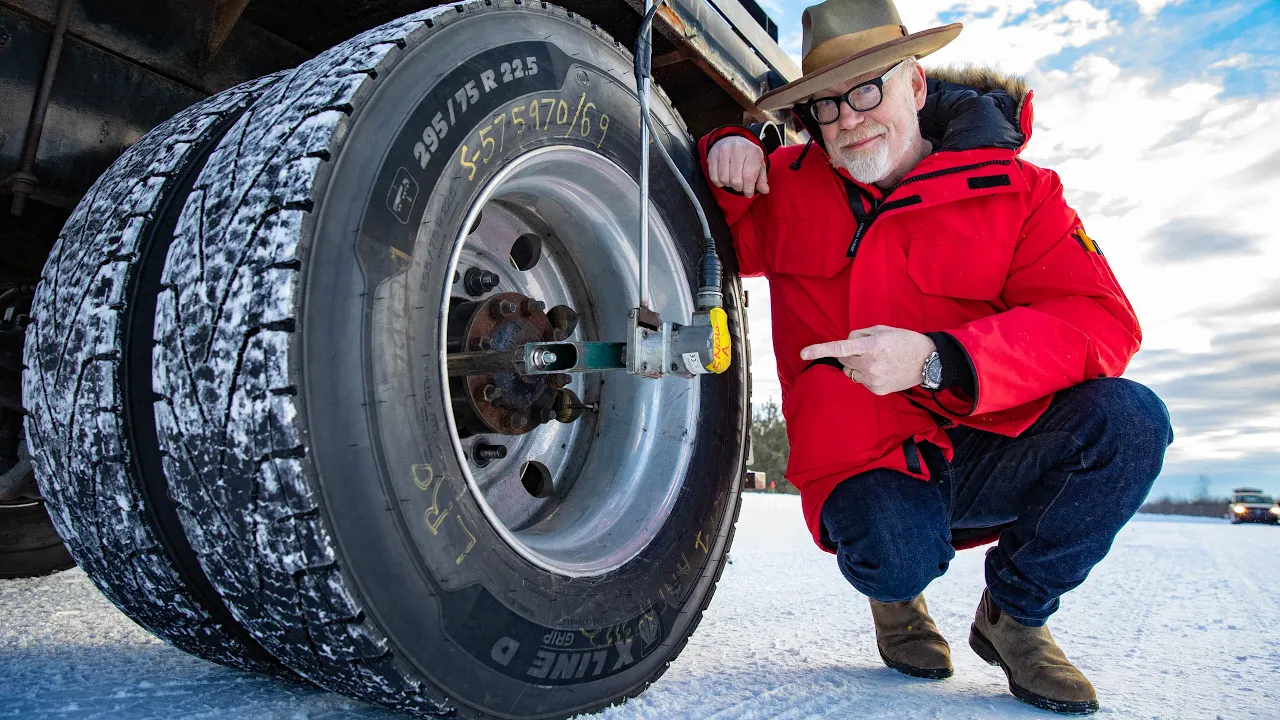
![Tires Part 1: The Basics [Vehicle Dynamics]](https://i.ytimg.com/vi_webp/OxTV6YQY43c/maxresdefault.webp)








Tire manufacturing involves a complex multi-stage process beginning with computer-aided design simulations to optimize tread patterns and structural parameters, followed by mixing natural and synthetic rubbers with additives in Banbury mixers to create durable rubber compounds; the process then assembles multiple components including reinforced fabric plies, steel belts for strength and stability, and specially formulated tread compounds, culminating in a curing stage where green tires are shaped in molds under high heat and pressure (reaching 280°C) to vulcanize the rubber, transforming it from a weak, sticky material into a strong, elastic substance capable of withstanding the demands of vehicle operation.
The Tire Manufacturing Process: From Rubber to Road
Added:Basic polymer chemistry, specifically the physical and chemical properties of natural and synthetic rubber (elastomers).
The fundamental concept of vulcanization, involving how heat and sulfur cross-link polymer chains to alter material properties.
Standard industrial manufacturing principles, including raw material processing, extrusion, molding, and assembly lines.
Basic mechanics and vehicle dynamics, particularly how tires interact with road surfaces through friction, traction, and load distribution.
Advanced composite materials used in high-performance tires, such as carbon black, silica compounding, steel cord reinforcement, and synthetic fabrics.
Tire tread engineering and design physics, focusing on hydroplaning resistance, acoustics, and rolling resistance optimization.
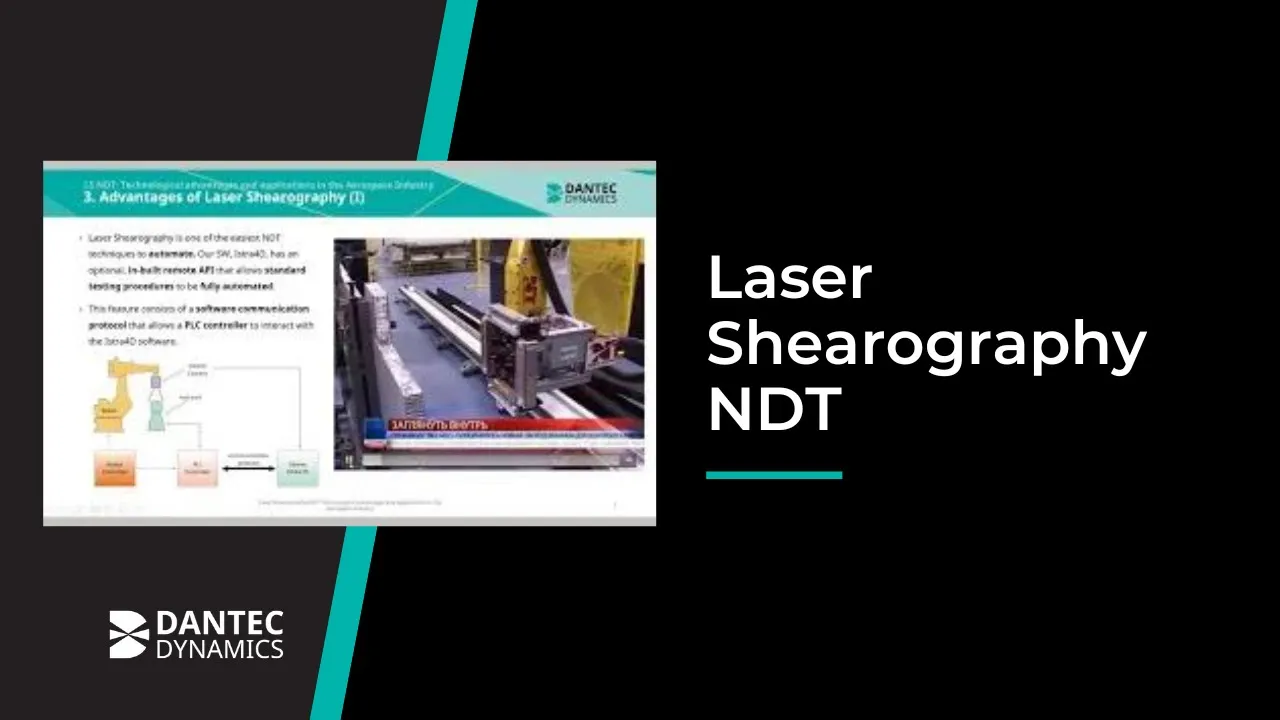
Quality assurance methodologies and non-destructive testing (NDT) technologies, such as laser shearography and industrial X-ray inspection.
The environmental impact, lifecycle analysis, and recycling technologies of tires, including pyrolysis and rubber crumb reclamation.
98.2K views915likes8:00Original Release: 2023-11-26
when Charles Goodyear discovered vulcanized rubber in 1839 by total accident it changed the tire game forever his invention started a snowball effect that resulted in the invention of airfill tires in the early part of the 20th century today factories produce more than 250 million new tires a year before a tire is actually approved for mass production Engineers craft the design in specialized computer software this software allows Tire Engineers to simulate the performance of tread design and other design parameters the software creates a three-dimensional color image of a possible Tire design and calculates the effects of different stresses on the proposed Tire design computer simulations save money for tire manufacturers because many design limitations can be discovered before a prototype tire is actually assembled and tested after the design is approved manufacturer can finally begin the Moder tire is made up of 10 to 15 different components which include natural and synthetic rubbers chemical additives and carbon black a pigment these materials are delivered to the factories in rail cars and are transferred to storage then computer systems measure out specific batches of rubber and chemicals for mixing which are then sent into a Banbury mixer the Banbury mixer consists of a large synical mixing chamber with two intermeshing rotors inside before the mixing process begins the mixing chamber is heated to raise the temperature of the rubber compounds heating softens the rubber making it more malleable and easier to blend with the other ingredients once the chamber is heated the rotors start rotating in opposite directions as the rotors move they create a shearing and kneading action within the mixing chamber this action causes the Rubber and other ingredients to blend together there are different formulations for different parts of the tire how however in each case the result is Gummy rubber dough which Machinery rolls into sheets to await further kneading and processing for the carted ply polyester unrolls into a machine called a calendar the calendar is equipped with rollers that apply warm rubber to both sides of the fabric this produces a rubberized fabric that will be used to reinforce the tire this fabric ply is needed because rubber alone isn't sturdy enough to make a tire numerous cotton cords spinning off of bobbins are now pulled into the rubberized fabric this cting provides channels for venting air during the tire building the tread is the outermost part of the tire that comes into contact with the road it is made of a specially formulated rubber compound with unique patterns and designs for optimal traction handling and wear characteristics making rubber for tread requires three different rubber formulations extruders shape the three streams of rubber and then then they enter a dieye that forms them into one many paint rollers apply different colored Stripes this way the factory can identify the different ingredients during processing to avoid tension the system creates slack in the feed a blade then slices the tread rubber to length finally it's time for all the elements of the tire to come together the tire building process usually begins with a worker placing the bead rings on a special rotating drum next up is the inner liner the Center liner is a thin layer of rubber that provides an airtight seal preventing air from escaping through the tire it also serves as a barrier against moisture and helps maintain proper inflation the inner liner is then covered with the corded ply the corded ply provides strength and stability to the tire reinforcing it against internal pressure The Next Step involves adding beads to the tire inflated bladders roll the rubber around the bead on both sides and then retract the side walls are then added to the beads little rollers then fold these sidewalls over the beads sidewalls are made of rubber and provide protection and flexibility to the tire they also contain various information such as the tire size brand markings and other sidewall specifications this completes the inner skeleton of the tire the outer shell is manufactured separately and typically begins with the wrapping of belts around another drum belts are typically made of steel or other reinforcing materials embedded in rubber these belts help enhance the tire strength improve resistance against punctures and provide stability during high-speed operation the number and angle of the belts can vary depending on the tire design and performance requirements the belts are then covered with narrow strips of rubber ply a computerized system winds them with just the right amount of tension for a graduated effect finally the tread is applied to the ply the two two Tire Fabrications are now ready to become one a transfer ring collects the outer assembly and transfers it to the inner part compressed air then inflates the tire to shape it and all the sticky layers adhere together a machine rolls the edge of the tread rubber over the sidewalls they now have what is known in the industry as a green Tire an uncured tire without tread pattern it's surprising to know that until 1909 tire assembly was done by hand it wasn't until Goodyear patented their revolutionary Tire building machine that the process was automated this core building machine simplified and sped up production from 6 to eight tires per day per worker to 20 to 40 a day depending upon the type the green tire is placed inside a large mold for the curing process a tire mold is shaped like a monstrous metal clam which opens to reveal a large flexible balloon called a bladder this green tire is placed over over the bladder and as the clamshell mold closes the bladder fills with steam and expands to shape the tire and force the blank tread rubber against the raised interior of the mold during this curing process the steam heats the green Tire up to 280° aside from the molding the time in the hot pressurized mold causes the rubber to vulcanize a chemical reaction that transforms it from a weak sticky substance to one that's strong and elastic after curing excess rubber is trimmed away leaving a clean and smooth tread surface the tire then undergos a thorough inspection to detect any defects or abnormalities this step is crucial to ensure quality control and safety when a new tire design is being manufactured for the first time hundreds of tires are taken from the end of the assembly line for destructive testing some of the tires for example are sliced open to check for air pockets between body Plies While others are press down on metal studs to determine puncture resistance still other tires are spun rapidly and forced down on metal drums to test mileage and other performance characteristics once the tires pass inspection and testing they undergo additional finishing processes these include applying a layer of protective coating marking the sidewalls with brand names and tire specifications and adding any required labeling or branding elements the finished tires are packaged and prepared for distribution they are typically stored in warehouses before being shipped to retailers or Automotive manufacturers the global Tire Market attained a volume of 314. 7 billion USD in 2022 driven by growing demand from the developing regions and Rising technological advancements this number will continue to grow bigger as the population continues to explode if you like this video and want to watch others like it head on over to this one
Up Next
64:37
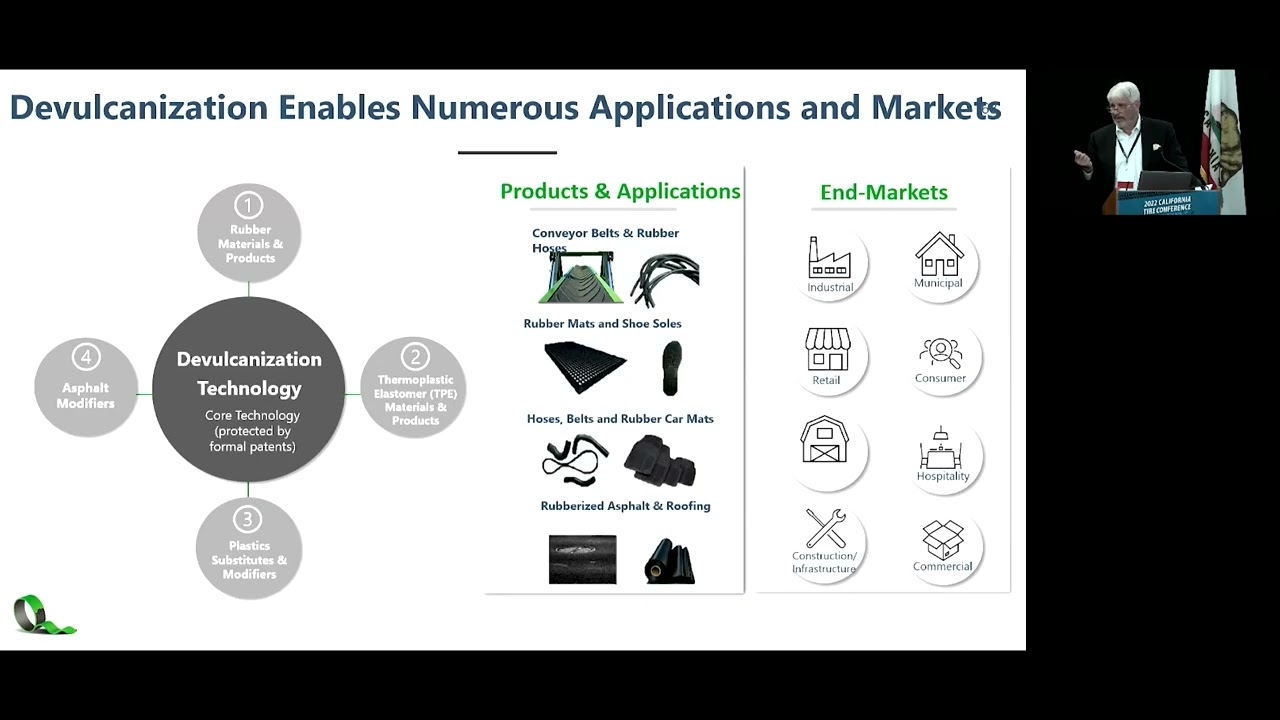
Rubber Recycling Technologies: Devulcanization Advances
@CalRecycle
894 views•2022-11-23

30:32
Ultrasonic Transducers: Resonant Frequency Measurement and Horn Design
@imajeenyus42
229.9K views•2017-02-22
54:16
Polymer Environmental Degradation: Mechanisms & Stabilization
@iit
1.8K views•2012-07-10

33:39
How a Student's Question Saved a NYC Skyscraper from Collapse
@veritasium
22.8M views•2025-04-26
Related Study Plans & Knowledge Roadmaps
Structured learning paths in Engineering
engineering
Building Acoustic Levitators: Physics & Arduino
01The Physics of Sound and Standing Waves
02Piezoelectric Transducers and H-Bridge Drivers
03Arduino Programming: Generating 40 kHz Signals
+ 2 more learning modules
14h5 modules
Explore Roadmap
engineering
Building Peltier Cloud Chambers: Particle Tracks
01Cosmic Rays & Cloud Chamber Physics
02Thermoelectric Cooling (TEC) Fundamentals
03Custom Liquid-Cooling Loop Design
+ 2 more learning modules
18h5 modules
Explore Roadmap
engineering
Yagi-Uda Antennas: Modeling, Build & VNA Test
01Introduction to RF and Antenna Fundamentals
02Yagi-Uda Antenna Design Principles
03Antenna Modeling and Simulation in 4NEC2
+ 2 more learning modules
18h5 modules
Explore Roadmap
engineering
ECG Monitor Design: Op-Amps, Filters & Noise
01Electronics & Breadboard Basics
02Op-Amps and Instrumentation Amplifiers
03Bioelectricity and ECG Fundamentals
+ 2 more learning modules
18h5 modules
Explore Roadmap