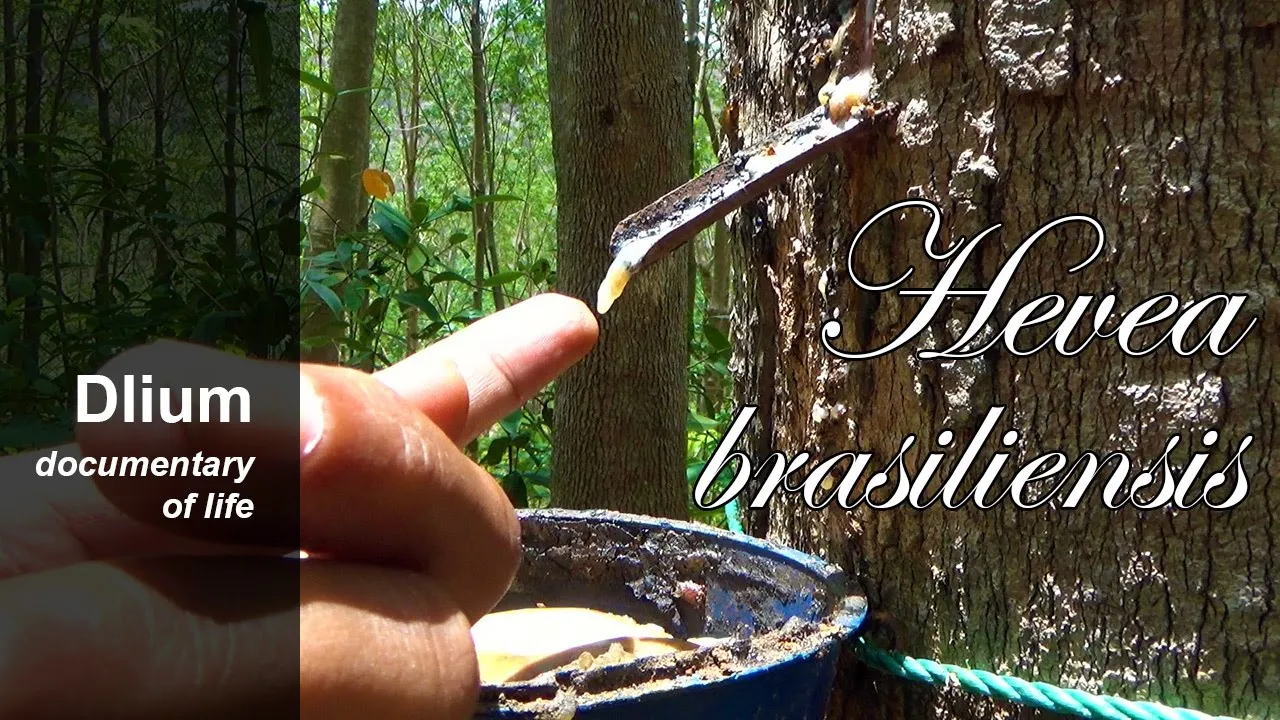
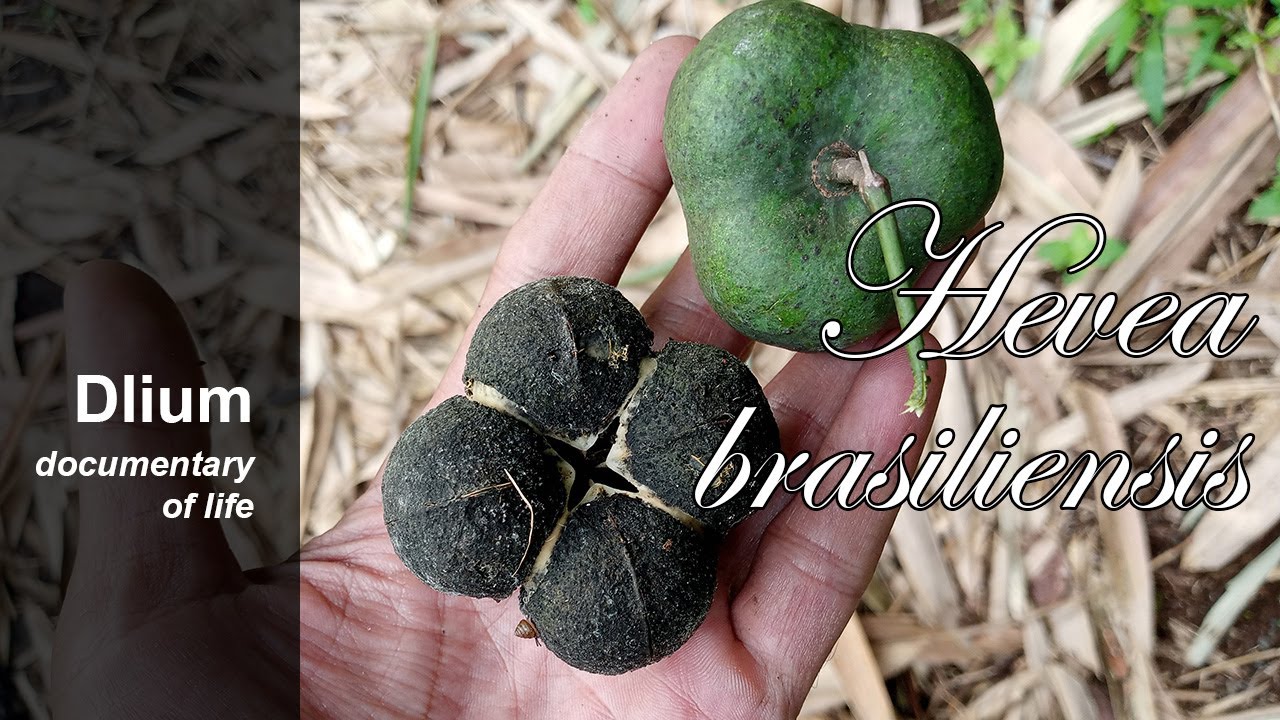
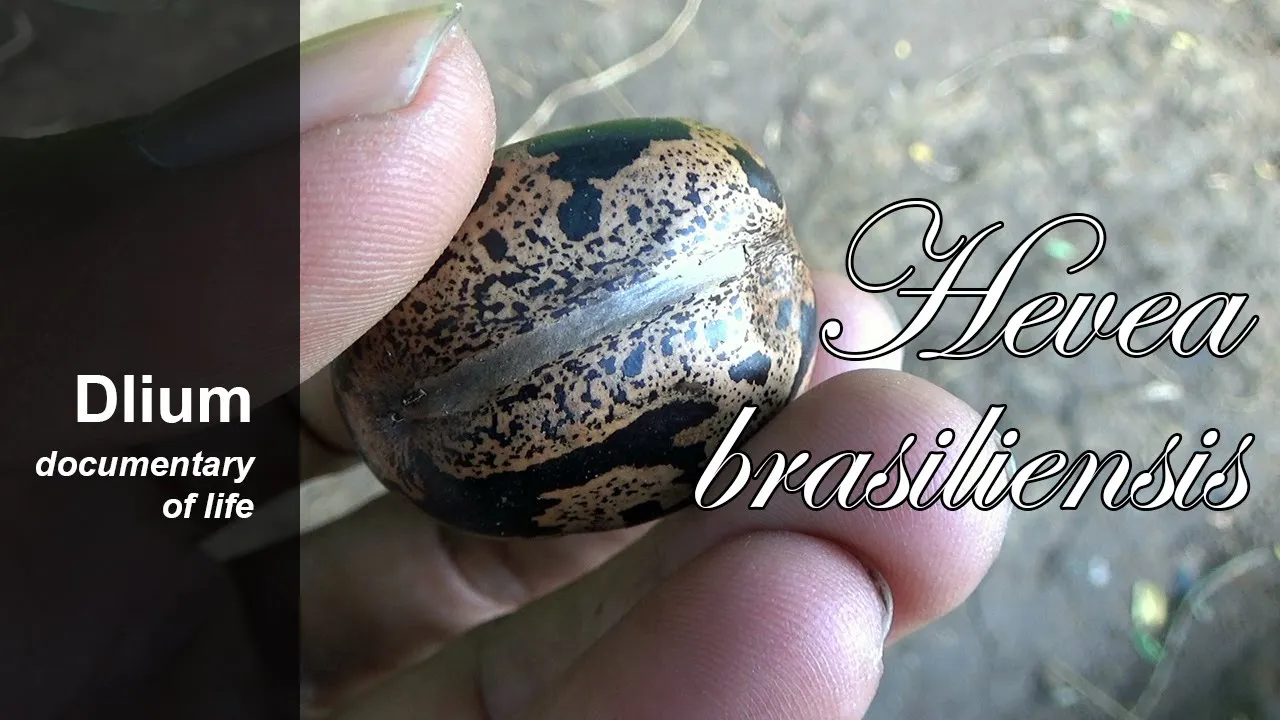
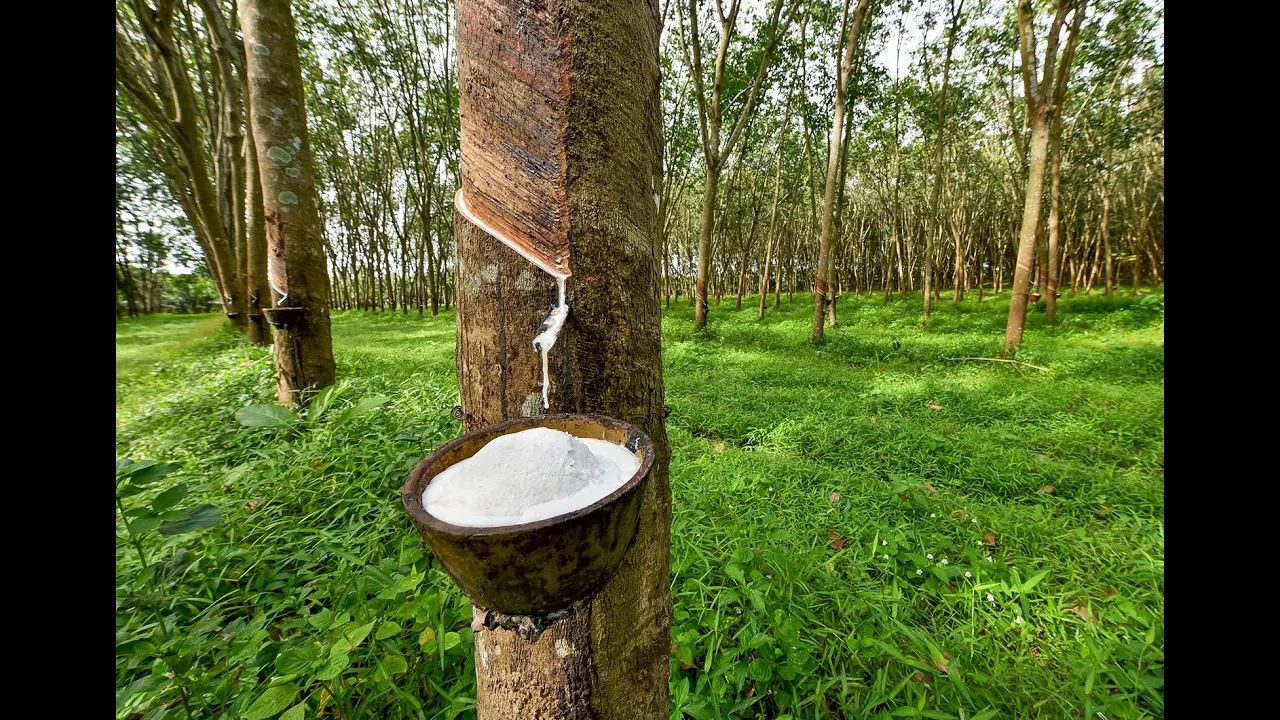























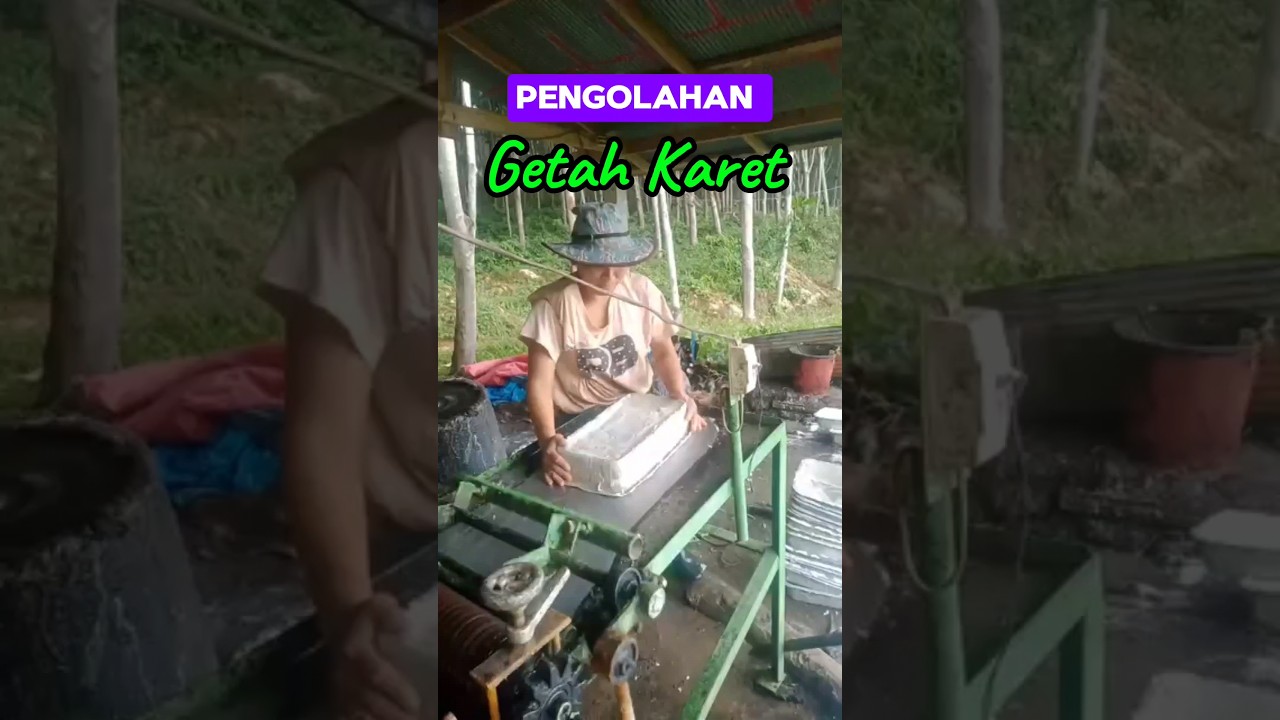








Natural rubber is harvested from Hevea brasiliensis trees through a precise tapping process where a thin layer of bark is sliced along a downward half-spiral cut at night or early morning, allowing latex to drip into collection cups for up to five hours before the cut heals; the collected latex undergoes processing including bulking, filtration, coagulation using acids like formic acid or acetic acid, sheeting to achieve proper thickness, and smoking in controlled temperature environments (40-60°C) for 4-6 days to produce finished rubber sheets.
Natural Rubber Tapping and Latex Processing in Asia Agriculture
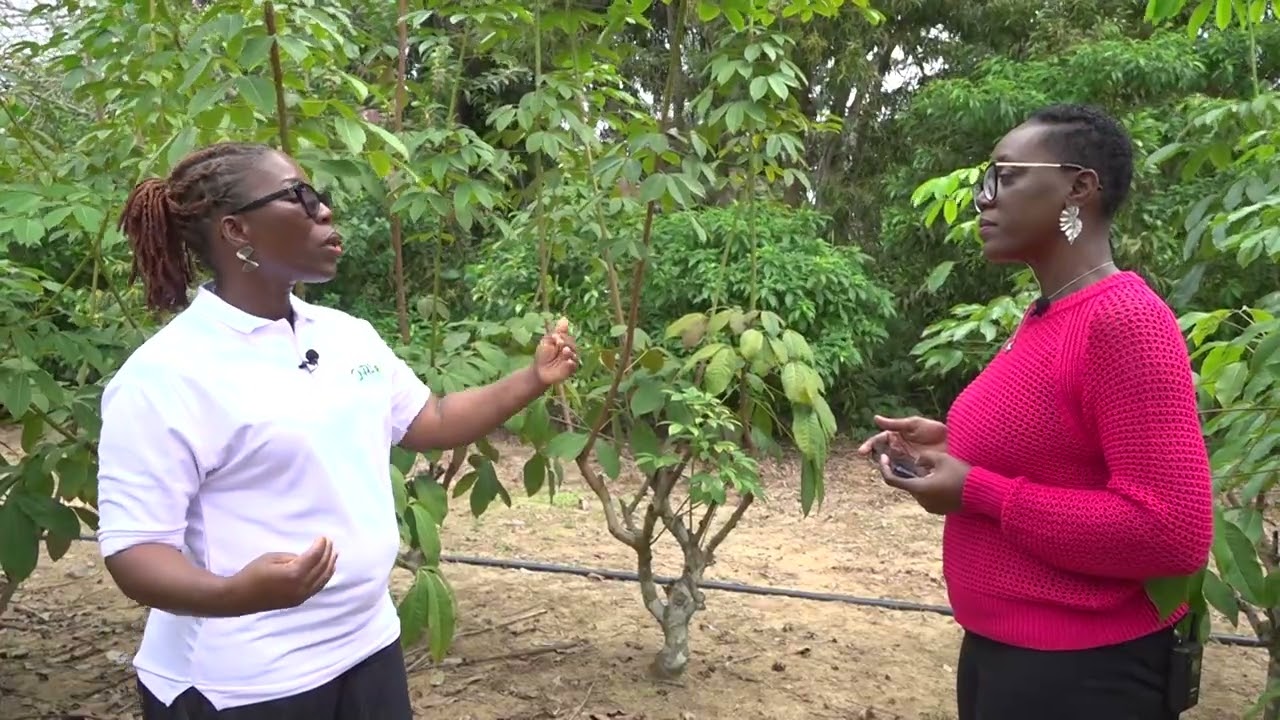
Added:Basic biology of the Hevea brasiliensis (Para rubber tree) and its optimal tropical growing conditions.
The physiological difference between plant sap and latex, including the role of laticifer cells in plant defense.
Fundamentals of polymer chemistry, specifically the structure and properties of natural polyisoprene.
Basic concepts of sustainable agriculture and plantation resource management.
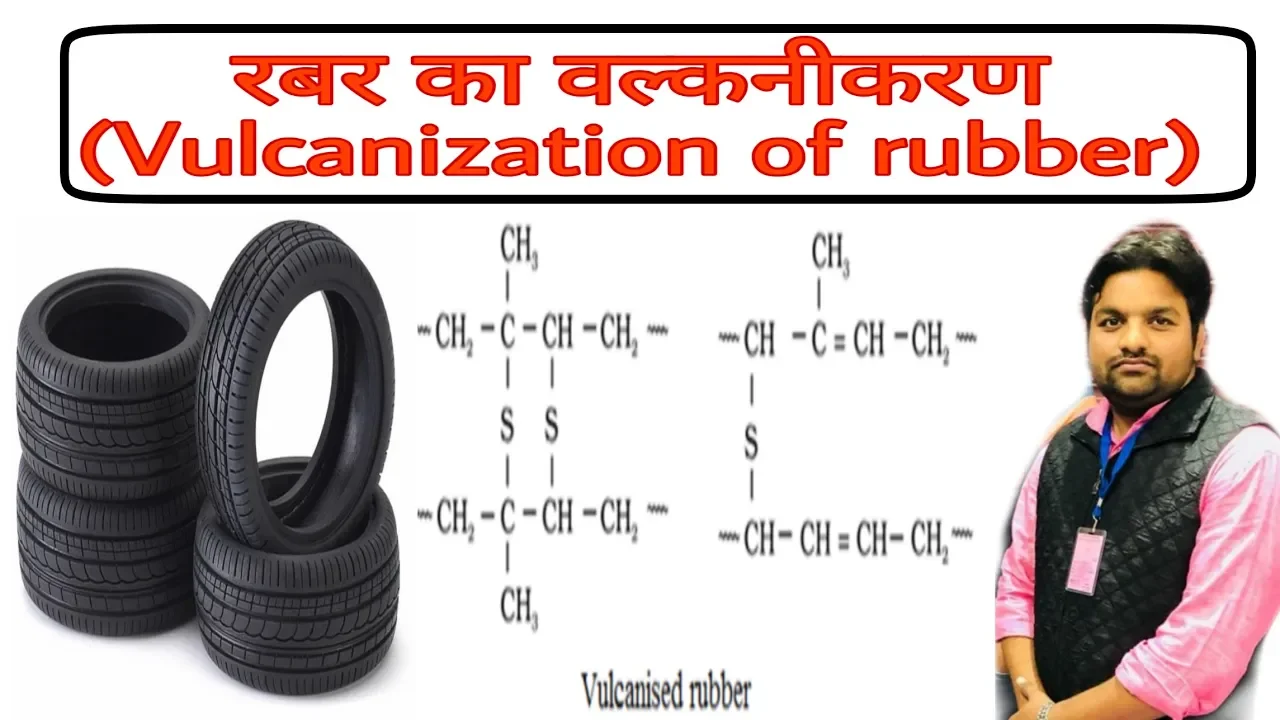
The chemical process of vulcanization and how it transforms raw rubber into durable industrial materials.
Socio-economic and environmental impacts of rubber cultivation, including deforestation issues and fair-trade initiatives.
Industrial manufacturing pathways for turning processed rubber sheets into commercial goods like tires and medical devices.
Biotechnological advancements in developing disease-resistant and higher-yielding rubber tree clones.
107.6K views1.1Klikes18:40Original Release: 2019-08-06
[Music] [Applause] [Music] [Applause] hello all welcome to gravity questions rubber trapping is a major source of income for all care likes so today we are going to show you how it is done and all the process behind so let's get into the video many plant species produce natural rubber considerations of quality and economics however limit the source of natural rubber to one species namely kvr brazilians it is a native of the amazon basin and introduced from there to countries in the tropical belts of asia and africa during late 19th century it can be termed as the most far-reaching and successful of introductions in plant history resulting in plantations over 9.3 million hectares 95 of its across the globe in asia [Music] budding the principle involved in budding is a replacement of the shoot system of a plant with that of another more desirable plant in this process a patch of bark of a seedling plant or stock is replaced by a patch of bark with a dormant bud taken from the clone to be multiplied the bud patch gets attached to the stock permanently and becomes a part of it the stock is then cut off above the buddha portion and the grafted bud develops into a shoot exhibiting the characters of the plant from which it was taken the new tree thus formed is a two-part tree comprising a root system belonging to the stock plant and a shoe system contributed by the donor of the bud [Music] panels are marked on the tree selected for tapping using a template and marking knife after deciding the position of the panel a vertical line called the front channel line is drawn on this line the opening height is marked another vertical line called back channel line is marked on the half spiral point above the opening height with the aid of the template placed between these two lines at the opening height ensuring a high left to lower right the line for tapping cut and a few guidelines are marked through the grooves the vertical front end of the template should be kept on the front channel of the tree parallel to it and the free end of the template is wound on the trunk towards the left side after marking the guidelines spout and cup hanger are fixed subsequent guidelines are marked every year before commencing of tapping [Music] rubber tapping is possible only when the bark of the tree is dry so proper rain carting is necessary for uninterrupted tapping of trees during rainy season the product is so designed as to fit on the rubber tree protecting tapping panel and date discollection cup from rain water invention of tapping shade enables rubber growers to tap the trees even on rainy days tapping shade is fixed 6 inches above the tapping panel all around the tree so as to divert stem flow of water protecting tapping panel and bark area it provides sufficient aeration to the tapping panel so that the changes for fungal growth is negligible it also protects the latest collection cup fixed under tapping panel this ready-to-use plastic device can easily be fixed around the tree 15 centimeter just above the panel since this is a reusable product it is advisable to fix shade using stable pins just under a top either a short skirt like polyethylene sheath fixed around the tree using vitamin adhesive or shade tops which can also be fixed by applying bitumen adhesive these methods help us to keep the shade away from direct contact with vitamin adhesive and hence it can be reused for a few years [Music] the main crop from a rubber plantation is latex a milky wipe this version of rubber in water which is harvested by the tapping process two to three hours after tapping the latest collected in the cup is transferred to a clean bucket about 70 to 80 percent of the crop from a rubber plantation is in the form of latex latex which gets solidified in the tapping panel called as tree leaves and the collection cups called as cup lump also form part of the crop and are collected by the tapper in a basket just prior to tapping latex splits and or overflow to the ground called as earth's crap which gets dried up is also collected as crab once in a month these are collectively called field coagulum [Music] machine large knife and jabong knife are mainly used in the tapping process [Music] rubber tapping is the process by which latex is collected from a rubber tree the latex is harvested by slicing a group into the bark of the tree at a depth of a quarter inch with a hooked knife and peeling back the bark trees must be approximately six years old and six inches in diameter in order to be tapped for latex each night or early morning a rubber chapper must remove a thin layer of bark along a downward half spiral on the tree trunk if done carefully and with skill this tapping panel will yield latex for up to 5 hours then the opposite side will be tapped allowing the cell to heal over the spiral allows the latex to run down into a collecting cup the work is ground at night or in the early morning before the day's temperature rises so the ladies will look longer before coagulating and sealing the cut depending on final product additional chemicals can be added to the latex cup to preserve the latex longer ammonia solution helps prevent natural coagulation and allows the latex to remain in its liquid state plastic bags containing coagulant have replaced cups in many plantations in malaysia this form of latex is used as the raw material for lattice concentrate which is used for dipped rubber products or for the manufacture of rib smoke sheet blades saving and bulking for processing latex in the sheet rubber it is important that the latest collector is brought to the processing center before pre-coagulation sets in in cases where the latex is found to be prone to pre-coagulation an anti-coagulant is used latex brought to the center is trained through 40 and 60 mesh stainless steel sieves the volume of latex is measured with a standard vessel and a calibrated rod the dry rubber content is estimated with a metrolak which is a special type of hydrometer calibrated to directly read the drc however laboratory methods are employed for accurate determination latex is diluted in bulking tanks to standard consistency of 1 by 2 kg of dry rubber for every 4 liters of the diluted latex the diluted latex is allowed to stand in the bulking tank for a fixed time usually 15 to 20 minutes for the heavy dirt particles to sediment the diluted latex is done out from the bulking tank without disturbing the sedimented layer of impurities into the coagulation pans or tanks four liters of latex is usually transferred to each pan coagulation formic acid or acetic acid is generally used for coagulation the quantity of acid required for satisfactory coagulation depends on various factors like the amount and type of anticoagulant used the duration of coagulation the season and nature of the latex the acid requirement may slightly change under varying conditions and can be fixed up by experience only diluted acid should be used for coagulation and should be thoroughly mixed with the latex cattle's ac and sulfuric acid are also used by glovers catalyst ac is a dry powder and comparatively a safe coagulant normally 100 ml of a 5 solution of this chemical is enough for making a 1 by 2 kg sheet since sulfuric acid is highly corrosive care should be taken in sanding and dilution 300 ml of 0.5 solution of the acid is required for same day sheathing and 250 ml for the next day sheathing asylum from latex often shows a tendency for surface darkening to prevent this a small quality of sodium bisulfite dissolved in water may be added to the diluted latex before coagulation after coagulation the coagulum is removed from the pan or tank and thoroughly washed in running water they are rolled either in a sheathing battery or smooth rollers to a thickness of three millimeter and finally pass through the grooved roller while sheathing the coil is continuously washed the sheets are again washed in running water in a tank more growth or cheap rubber can be prevented by treating freshly machined sheets in a dilute solution of pyronitroxynodone the concentration of para nitrophenol is 0.05 to 0.1 percent in water 100 liters of the solution will be sufficient for breeding 100 sheets the red sheets are allowed to drip and grippers arrange in a well ventilated rubber seed is one of the byproducts of the natural rubber foundations it is mainly available during the months between july to september though seed setting commences even during the immature phase seeds from mature rubber plantations are collected as they meet the essential properties for processing and plant propagation big plantations use mechanized rubber rollers to create rubber sheets while small plantations use hand run rollers [Music] smoking and smoke houses the sheets after two or three hours of dripping in the street are placed in the small house where the temperature is maintained between 40 degrees and 60 degree celsius sheets are dried gradually thereby discuss the water in addition the creosotic substances present in the smoke has a more close and smoke sheets it is preferable to smoke the sheets on the first day at a lower temperature for the subsequent days the sheets are to be driven at the highlight of the picture and fairly low relative humidity sheets can be dried by placing them on the first day on the reapers at the bottom region of the smokehouse and at the higher regions on the subsequent days of the smoking there are various types of small houses all working on the same general principles the essential features of the smokehouse are a chamber in which the sheets can be placed on reapers or foreigners outside the chamber and a flu duct connecting the furnace to the chamber generally the sheets are turned on the creepers every day for use from smoking and drying and to avoid vapor marks on dry sheets four days of smoking is generally sufficient under normal conditions but during the rainy season five to six days are required for satisfactory drying of sheets drying of sheets in a smooth house has different advantages it is quicker than sun drying and does not cause oxidation by ultraviolet radiation inside the smokehouse there is only limited supply of air and is mostly filled with smoke and carbon dioxide hence chances for oxidation of rubber are very limited provided the temperature is within limits also the creosotic materials present in the smoke get deposited on the surface of the sheets thereby preventing mold growth on sheets [Music] go thank you for watching guys like comment and share [Music] bye [Music]
Up Next
11:39
Accidental Inventions That Changed Daily Life | History of Everyday Objects
@BRIGHTSIDEOFFICIAL
6.7M views•2018-03-27

12:54
Triumph of Orthodoxy Icon: Byzantine Art & History Explained
@BenCallan
2.1K views•2024-08-06

9:49
FastAPI vs Flask vs Django: Choosing the Right Python Web Framework
@TechWithTim
302.5K views•2024-05-26

1:42
Game of Thrones Opening Credits: A Cinematic Analysis
@gameofthrones
46.3M views•2011-04-18
Related Study Plans & Knowledge Roadmaps
Structured learning paths in General & Interdisciplinary Studies
general-studies
Elevator Engineering: History, Physics & Cities
01From Hoists to Safety Brakes: The Dawn of Vertical Lift
02Hydraulic vs. Traction: The Engineering Physics of Elevators
03Modern Speed, Safety, and Algorithms
+ 2 more learning modules
12h5 modules
Explore Roadmap
general-studies
Rubber: Material Science, History & Geopolitics
01Origins of Natural Rubber & Mesoamerican History
02The Chemistry of Natural Rubber & Vulcanization
03The Geopolitics of the Rubber Boom & Colonization
+ 2 more learning modules
12h5 modules
Explore Roadmap
general-studies
Containerization: Evolution, Logistics & Trade
01Ancient Trade & Bulk Cargo: Amphorae to Barrels
02The Industrial Revolution & Cardboard Packaging
03The Containerization Revolution: Malcom McLean
+ 2 more learning modules
12h5 modules
Explore Roadmap
general-studies
Textile Tech: Evolution, Labor & Global Impact
01Pre-Industrial Textiles: Handloom & Cottage Industry
02Mechanization: The Spinning Jenny to the Power Loom
03The Factory System & Global Labor Transformation
+ 2 more learning modules
10h5 modules
Explore Roadmap