




















Latex, a milky sap produced by Hevea brasiliensis trees, has been harvested for over 3,500 years; the process involves tapping trees with precise slanted cuts to collect the sap, which is then processed through steps like centrifugation, vulcanization (heating with sulfur to improve elasticity), and molding to create products ranging from tires to gloves, with both natural latex from trees and synthetic rubber from petroleum-based ingredients meeting global demand exceeding 12 million tons annually.
From Tree Sap to Rubber: The Latex Manufacturing Process
Added:Basic plant biology and botany, specifically how plants produce and transport secondary metabolites like sap and latex for defense.
The fundamental chemistry of polymers, including the concept of monomers, macromolecular chains, and the structure of natural polyisoprene.
An understanding of colloids and suspension chemistry, as liquid latex is an emulsion of organic polymer particles dispersed in an aqueous medium.
The chemical process of vulcanization, specifically how sulfur cross-linking alters the physical properties of raw rubber to make it durable and temperature-resistant.
The development and chemistry of synthetic rubbers, such as neoprene and nitrile, and how they compare to natural latex in modern manufacturing.
The environmental and socio-economic impacts of rubber farming, including monoculture deforestation and sustainable, fair-trade latex harvesting practices.
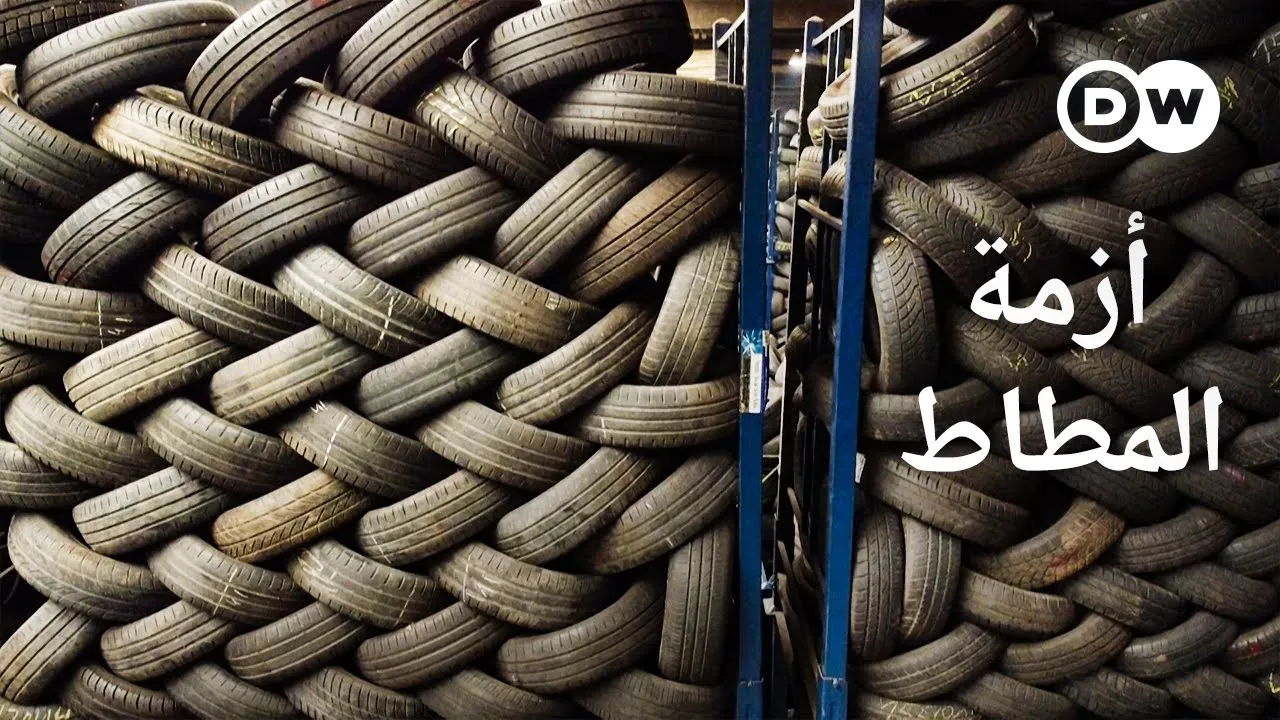
Advanced polymer recycling technologies aimed at processing vulcanized rubber waste, such as end-of-life vehicle tires, back into reusable materials.
76.1K views1Klikes7:19Original Release: 2024-05-07
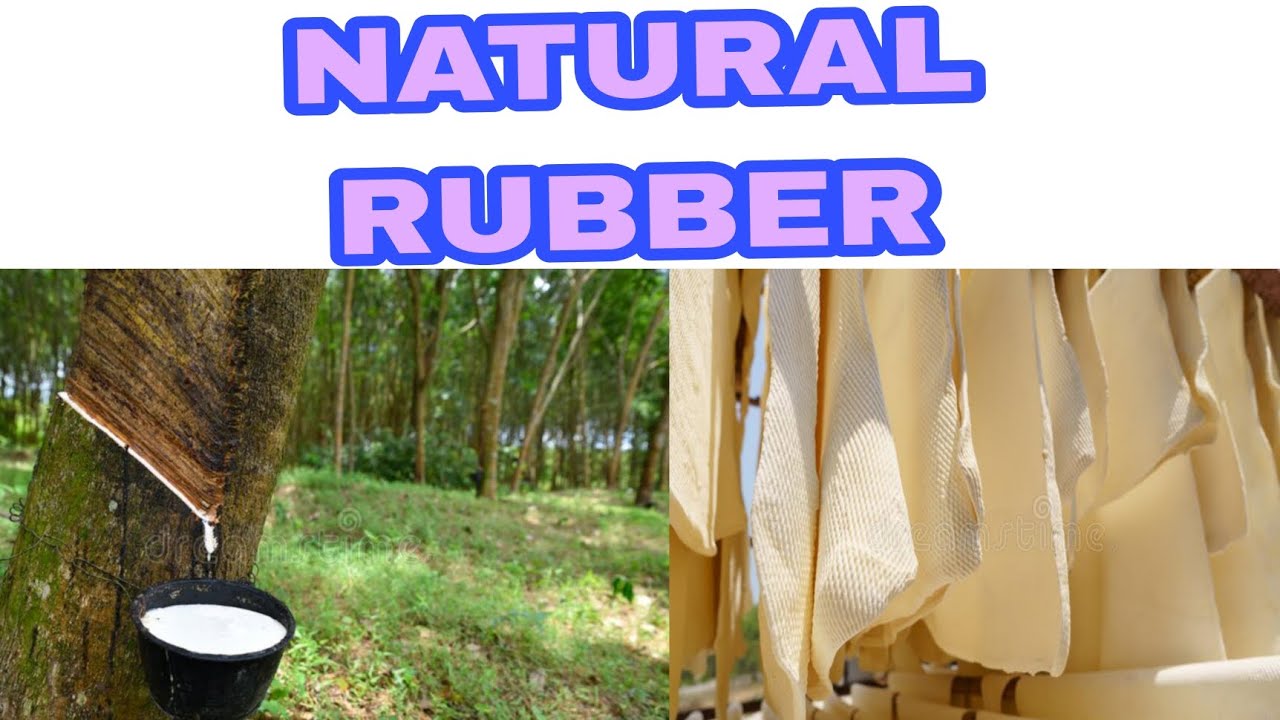
you might think latex gloves or the mattress you love are modern inventions but that's not true the stuff that makes them has been around for a crazy long time over 3500 years we're talking about ancient civilizations tapping trees to get this Milky sap fast forward to today and latex is everywhere each year more than 12 million tons of natural rubber is produced but how does this gooey tree sap turn into all these awesome things let's dissect the science behind it we know that latex is like a microscopic party inside water tiny polymer particles are suspended the key ingredient for making rubber but where does this come from for that we'll have to travel halfway across the globe believe it or not our latex Journey started way back in the 11th century the people of Central and South America weren't wearing raincoats just yet but they were using rubber a close relative of latex they coated fabric with it and even made balls for games it all starts with the seeds there's a special kind of tree called the havia braziliensis also known as the rubber tree this bad boy produces a milky white liquid called natural latex they're pampered in a nursery for a year and a half then given a bud graft from a better tree after a trim they join other hopeful trees on a plantation where they'll be cared for six to 7 years so we know all about where natural latex comes from but what about the other kind let let enter the world of synthetic rubber synthetic rubber is a human-made version that's cooked up in a lab there are two main ingredients styrene and badine and both come from a precious source of energy petroleum but just like natural latex has different variations synthetic rubber can be customized too scientists can create types of rubber that resist chemicals and high temperatures now that the rubber trees are all grown up it's harvest time but instead of plucking fruit there's another task a SK Tapper needs to perform a delicate trick using a special knife they carefully shave a precise slanted cut into the bark releasing the white liquid it's all about finding the perfect balance too deep a cut and the tree gets hurt too shallow and we miss out on valuable latex this latex then travels down a specially designed Channel cut alongside the initial slash all the way to a spout at the bottom it flows right into a waiting cup for collection but this isn't a oneandone deal every other day the Tapper returns wielding their special knife again this time they make a thin shaving right below the previous cut creating a ladik pattern on the tree as the trees reach a certain height it's time to change it up the other side of the tree gets tapped giving the first side a chance to heal up it's a bit of a slow process each tapping takes about 3 hours and yields less than a cup of latex remember latex starts to solidify pretty quickly on its own to keep it flowing freely for collection the tappers at a a special ingredient like ammonia to the cup finally both the liquid and the collected clums get whisked away to factories where the real transformation happens once collected the latex app begins its journey to become the useful latex products we know first it goes through a series of processing steps to remove impurities and prepare it for further treatment it's strained to remove large particles in some cases it goes through centrifugation a high-speed spinning process that separates the heavier rubber particles from the watery serum next antioxidants and other additives are mixed in to improve the latex's properties and shelf life these additives can help prevent the latex from degrading and make it more durable for its final use you've got your latex ready to go but it's still a bit like sticky milk back in the 1800s Charles Goodyear discovered the process of vulcanization rubber was great but it had a major weakness temperature get it too hot and it turned all gooey too cold and it became stiff and brittle not exactly what you want for a reliable material this game-changing process involved heating rubber with sulfur making it way more elastic and resistant to both hot and cold since vulcanization causes chemical bonds to form within the latex rubber's good to go in all sorts of weather now sometimes the latex needs to be even stronger it's time to extract concentrated rubber this step uses specific methods to separate the valuable rubber particles from the remaining water machines use strong spinning to fling out water leaving behind concentrated rubber or a special chemical is added that makes the rubber particles puff up and Float to the top it's then skimmed off leaving behind concentrated rubber the latex is ready to take shape it's poured into different molds depending on the use a car tire mold is massive while a mold for a tiny rubber band needs to be super precise whether it's gloves balloons or even mattresses latex can be molded to fit anything High pressure is applied once the mold is filled ensuring every nook and cranny gets filled perfectly then depending on the product heat or special chemicals might be used to solidify the latex and set it in its final form so where do we use all this rubber natural and synthetic well the biggest rubber fan by far is the tire industry a massive 60 to 70% of all rubber goes into those trusty tires that keep your car rolling but rubber's reach goes Way Beyond your wheels think about those comfy shoes you love the conveyor belts that keep factories running smoothly or even the fan belt in your car that keeps things cool yep all packed with rubber rubber is also a champion when it comes to hoses flooring and even cables it's everywhere and remember those latex gloves we talked about earlier well those are actually made directly from natural rubber latex before the final products hit the shelves there's one last barrier they have to pass rigorous quality checks to ensure they meet industry standards this includes testing for strength flexibility and resistance to wear and tear the latex products need to be perfect and perform at their best or else there might be some major consequences with quality assurance complete it's time to package up the freshly made latex Goods whether it's a box of gloves or a bag of balloons each item is carefully packed to protect it during Transit and storage these products fill your local stores and are transported to factories homes and offices it's amazing to think about the journey that these products have taken from Humble latex sap to finished goods ready for use but with the growing population and usage the world needs more products than natural rubber trees can handle today most rubber is synthetic but both sides are innovating in 2022 the synthetic rubber Market was valued at$ 23 billion US and with new technology on the horizon it's only bound to go up scientists are creating improved natural r varieties while synthetic rubber gets cheaper faster and finds New Uses and there you have it the Journey of how latex is made who knew that a rubber duck could have so much effort put into it so if you enjoyed learning about this process keep your eyes peeled for the next one on our Channel thanks for watching
Up Next
18:40
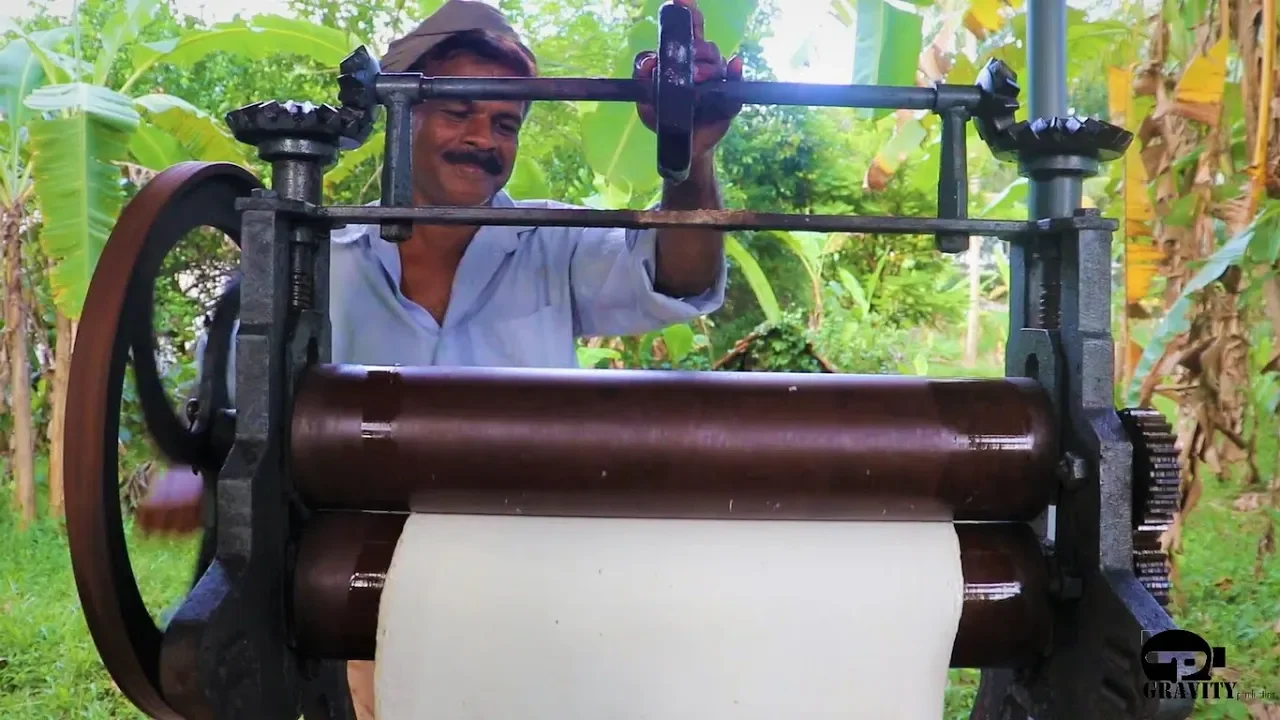
Natural Rubber Tapping and Latex Processing in Asia Agriculture
@GravityProductions
107.6K views•2019-08-06

12:54
Triumph of Orthodoxy Icon: Byzantine Art & History Explained
@BenCallan
2.1K views•2024-08-06

9:49
FastAPI vs Flask vs Django: Choosing the Right Python Web Framework
@TechWithTim
302.5K views•2024-05-26

1:42
Game of Thrones Opening Credits: A Cinematic Analysis
@gameofthrones
46.3M views•2011-04-18
Related Study Plans & Knowledge Roadmaps
Structured learning paths in General & Interdisciplinary Studies
general-studies
Elevator Engineering: History, Physics & Cities
01From Hoists to Safety Brakes: The Dawn of Vertical Lift
02Hydraulic vs. Traction: The Engineering Physics of Elevators
03Modern Speed, Safety, and Algorithms
+ 2 more learning modules
12h5 modules
Explore Roadmap
general-studies
Rubber: Material Science, History & Geopolitics
01Origins of Natural Rubber & Mesoamerican History
02The Chemistry of Natural Rubber & Vulcanization
03The Geopolitics of the Rubber Boom & Colonization
+ 2 more learning modules
12h5 modules
Explore Roadmap
general-studies
Containerization: Evolution, Logistics & Trade
01Ancient Trade & Bulk Cargo: Amphorae to Barrels
02The Industrial Revolution & Cardboard Packaging
03The Containerization Revolution: Malcom McLean
+ 2 more learning modules
12h5 modules
Explore Roadmap
general-studies
Textile Tech: Evolution, Labor & Global Impact
01Pre-Industrial Textiles: Handloom & Cottage Industry
02Mechanization: The Spinning Jenny to the Power Loom
03The Factory System & Global Labor Transformation
+ 2 more learning modules
10h5 modules
Explore Roadmap