




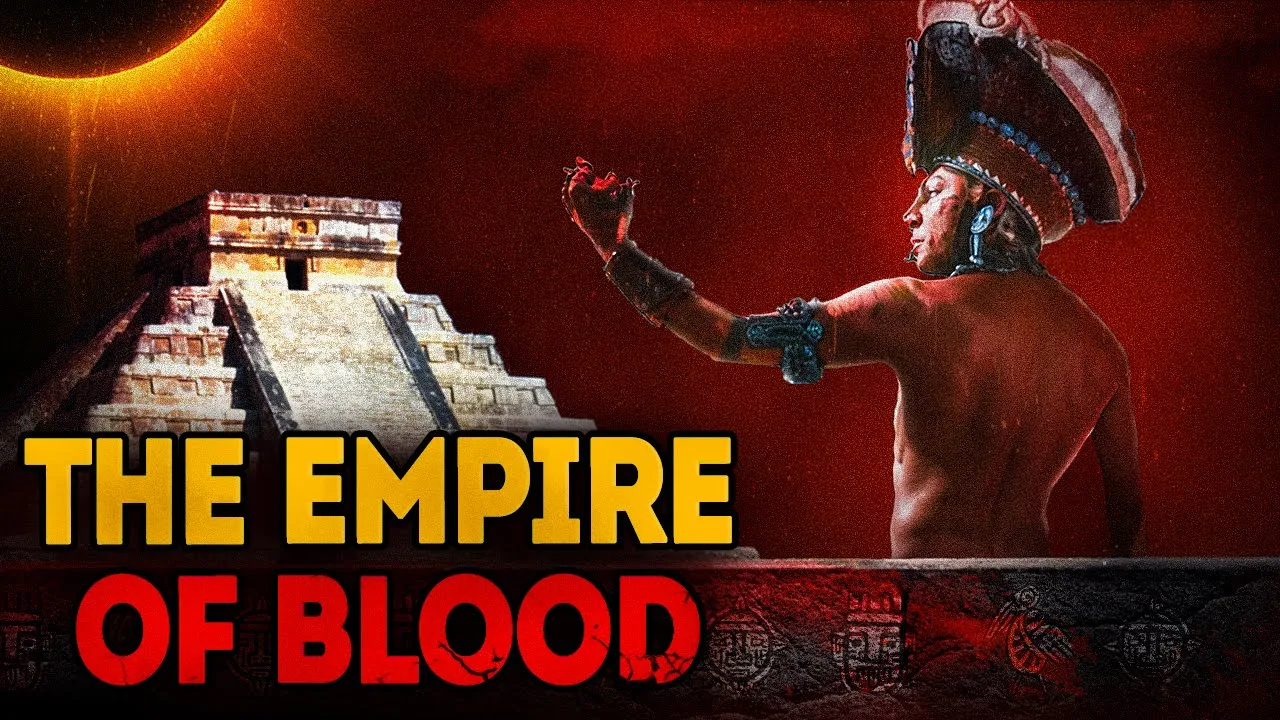
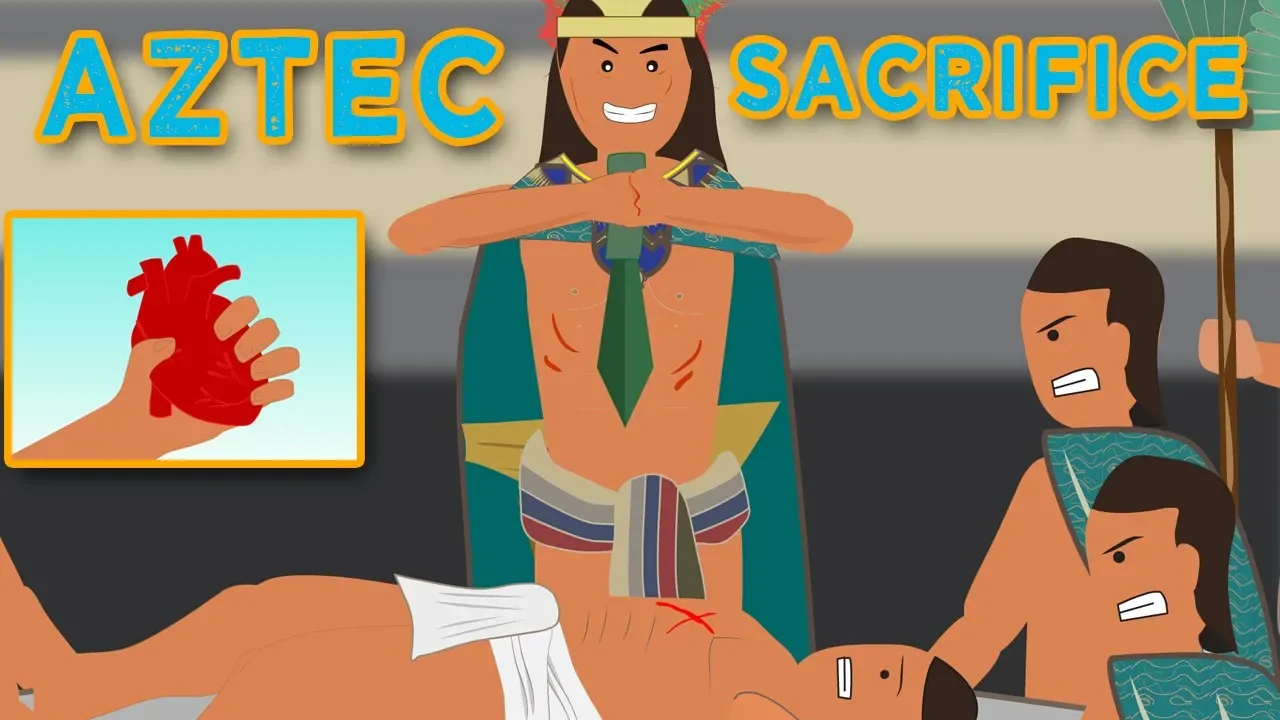
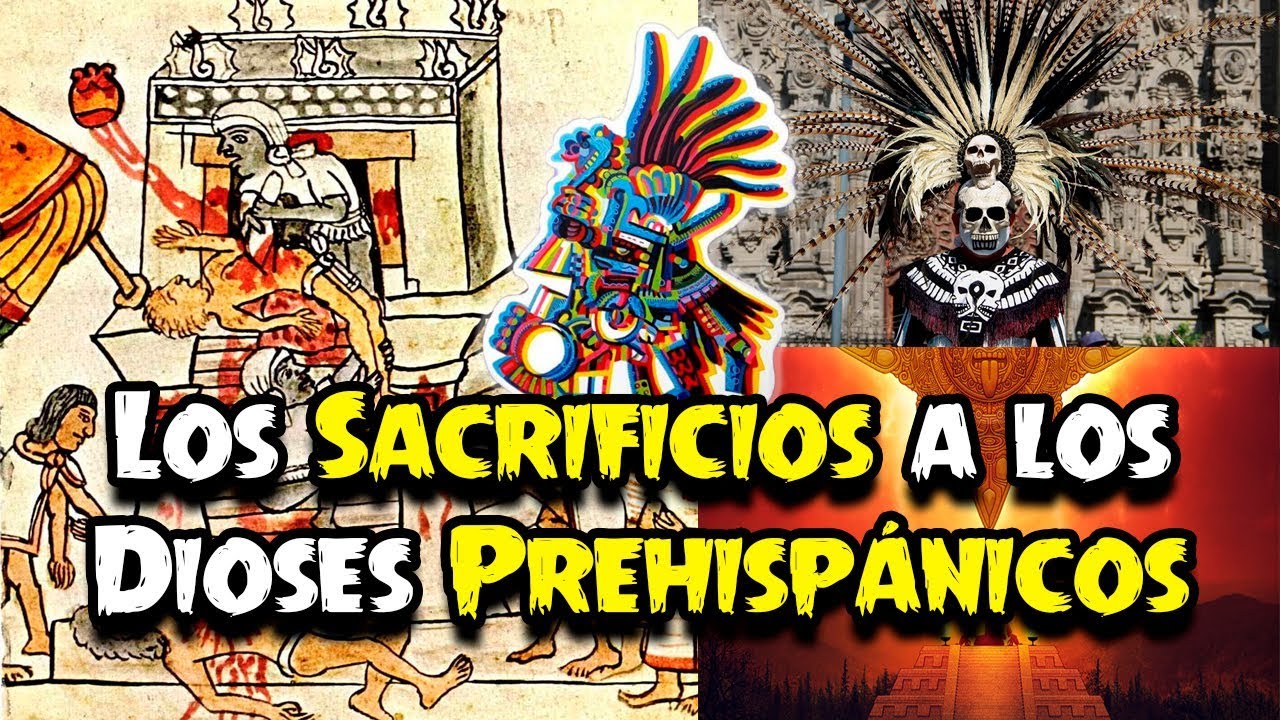
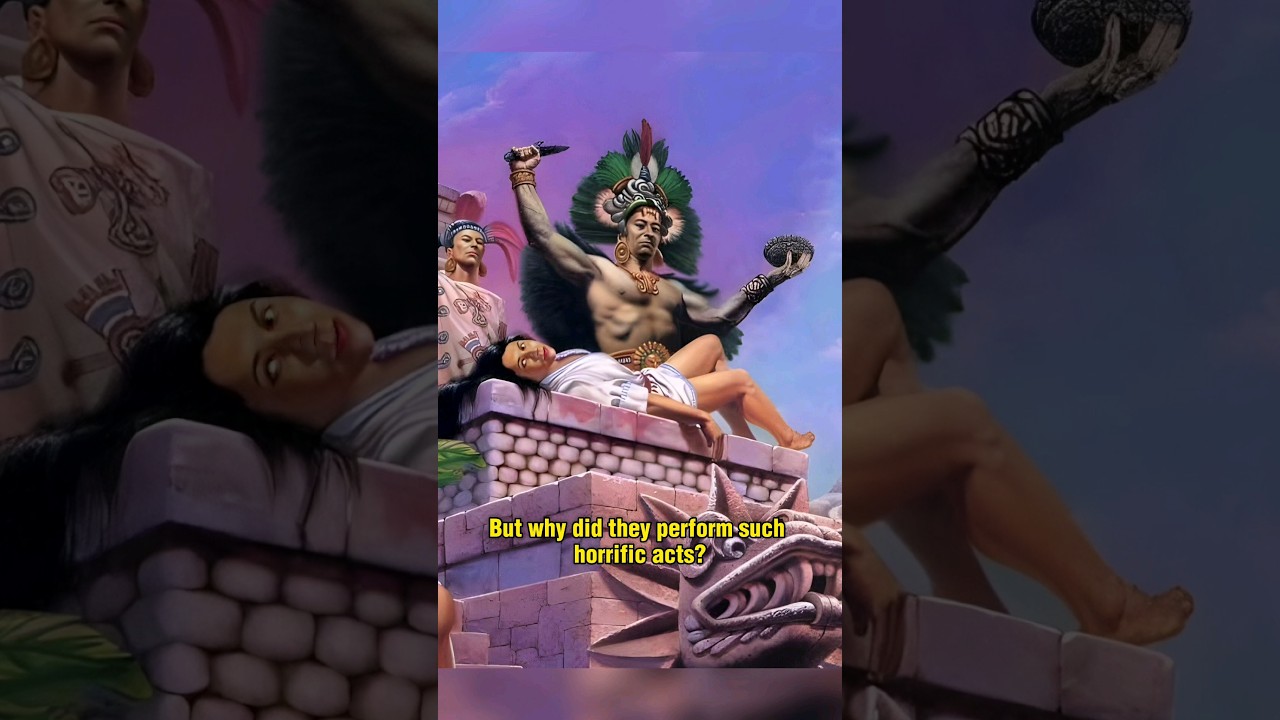


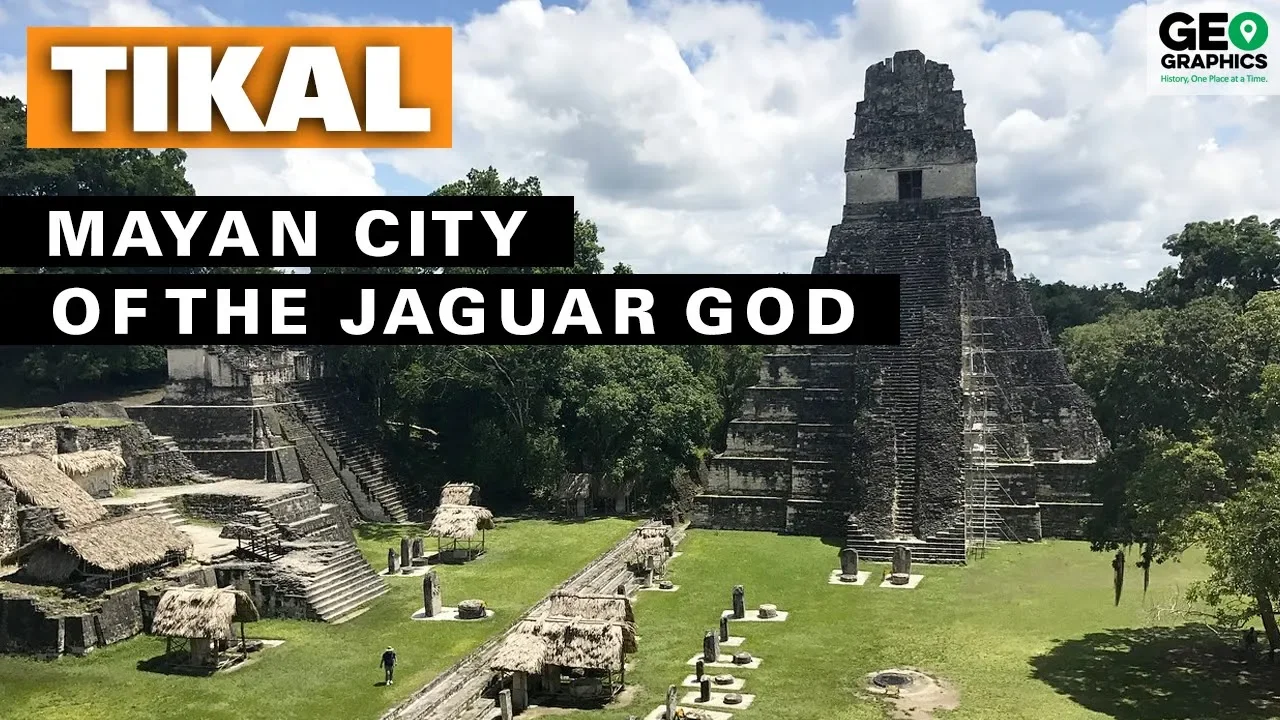

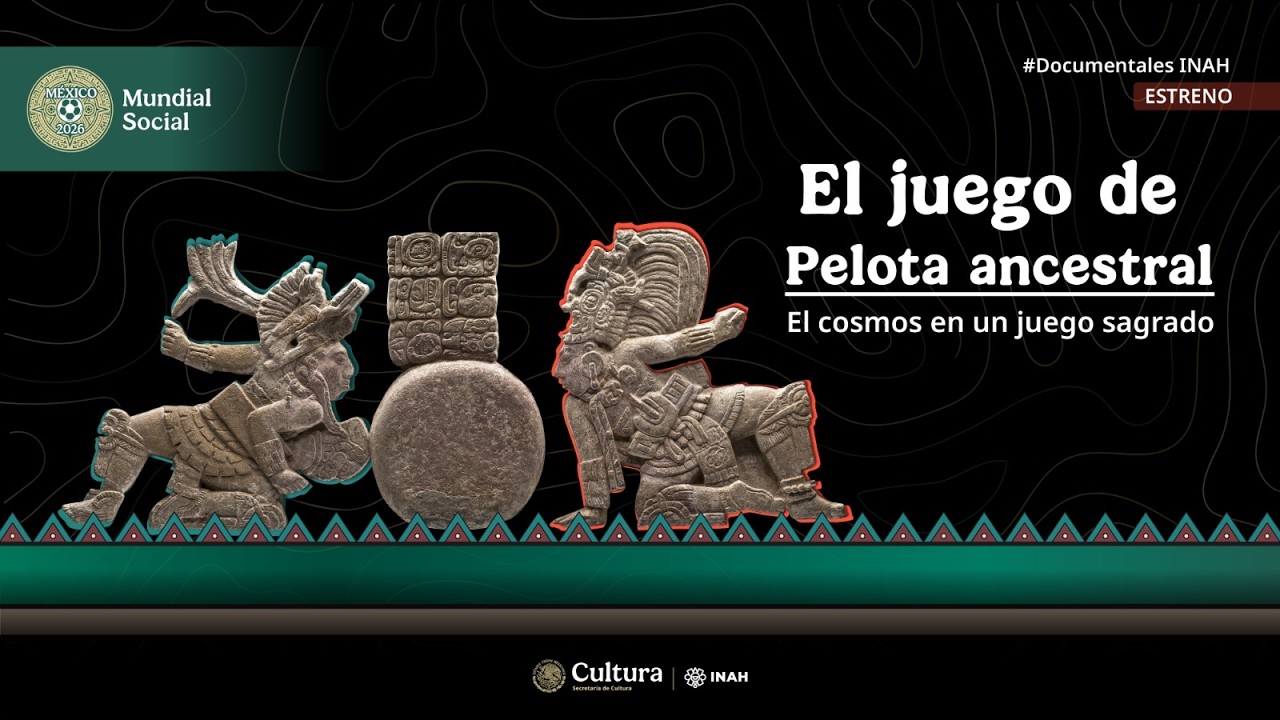


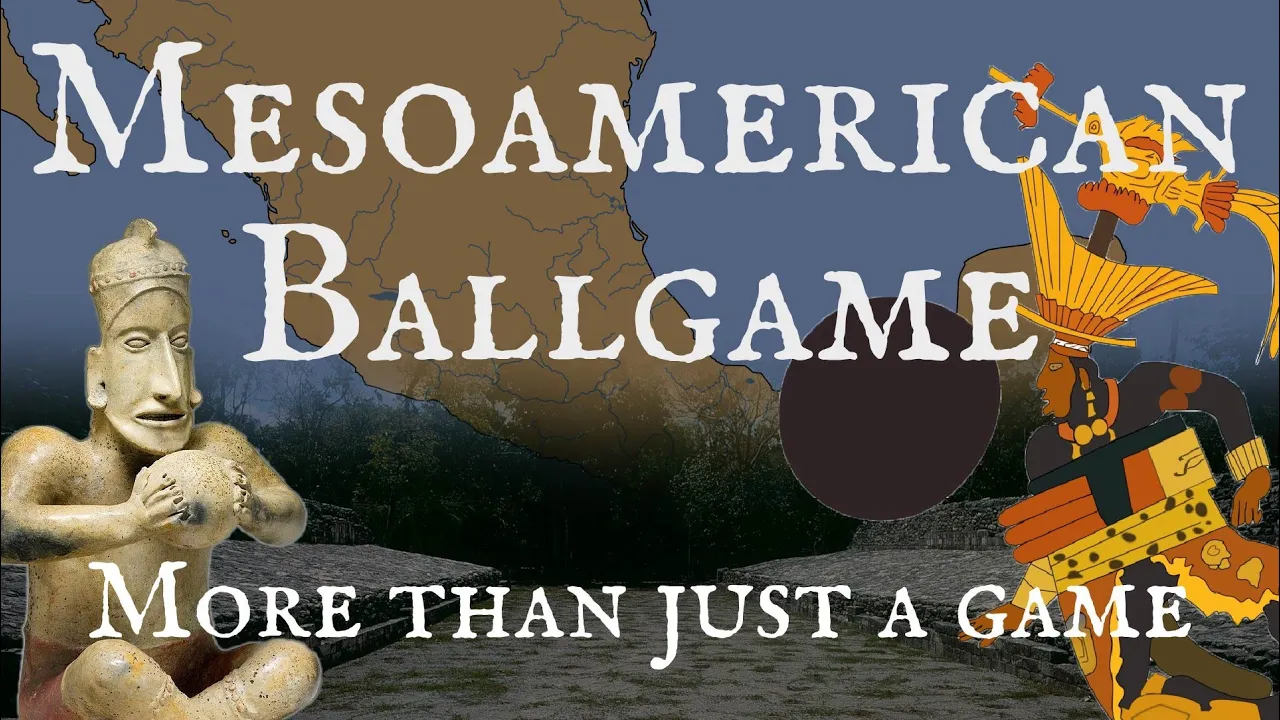



The Mesoamerican ball game, played by the Olmec, Maya, and Aztecs, was a central cultural institution spanning over 3,000 years, featuring specialized ball courts with stone hoops where players used hips, thighs, and elbows to propel a rubber ball without touching it with hands or feet; while the game served recreational and ceremonial purposes, it was deeply intertwined with religious symbolism representing the cosmic struggle between celestial and infernal forces, and some evidence suggests that losing teams or players might have been sacrificed, particularly during significant astronomical events like equinoxes.
The Mesoamerican Ball Game: Aztec History & Ritual Sacrifice
Added:Basic geography and chronology of Mesoamerican civilizations, particularly the Olmecs, Maya, and Aztecs.
The fundamental concepts of Aztec religion, cosmology, and the belief in reciprocal relationships between humans and gods.
An introductory understanding of the cultural significance and spiritual motivations behind ritual human sacrifice in ancient Mesoamerica.
The social structure of Aztec society, including the distinct roles of the elite, warriors, and commoners.
The mythological foundations of the game, such as the Hero Twins epic in the K'iche' Maya sacred text, the Popol Vuh.
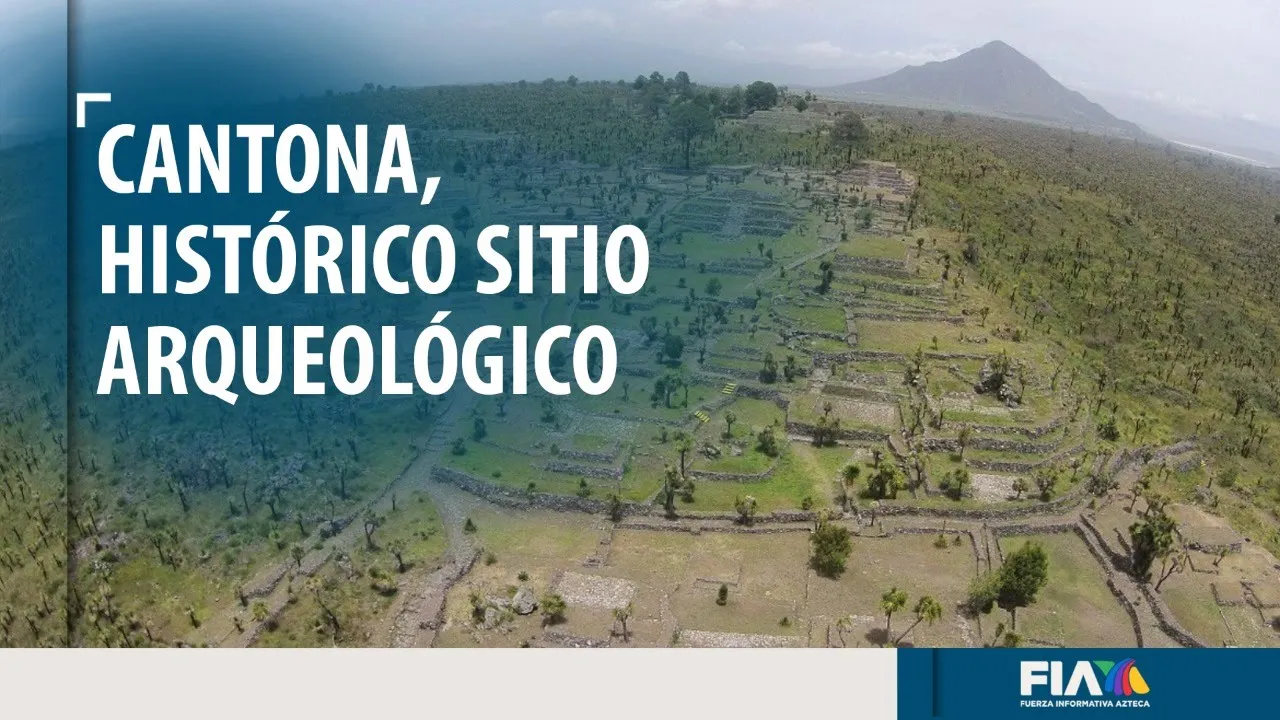
Archaeological analysis of physical ballcourts, including their architectural variations across sites like Chichen Itza, Copan, and Cantona.
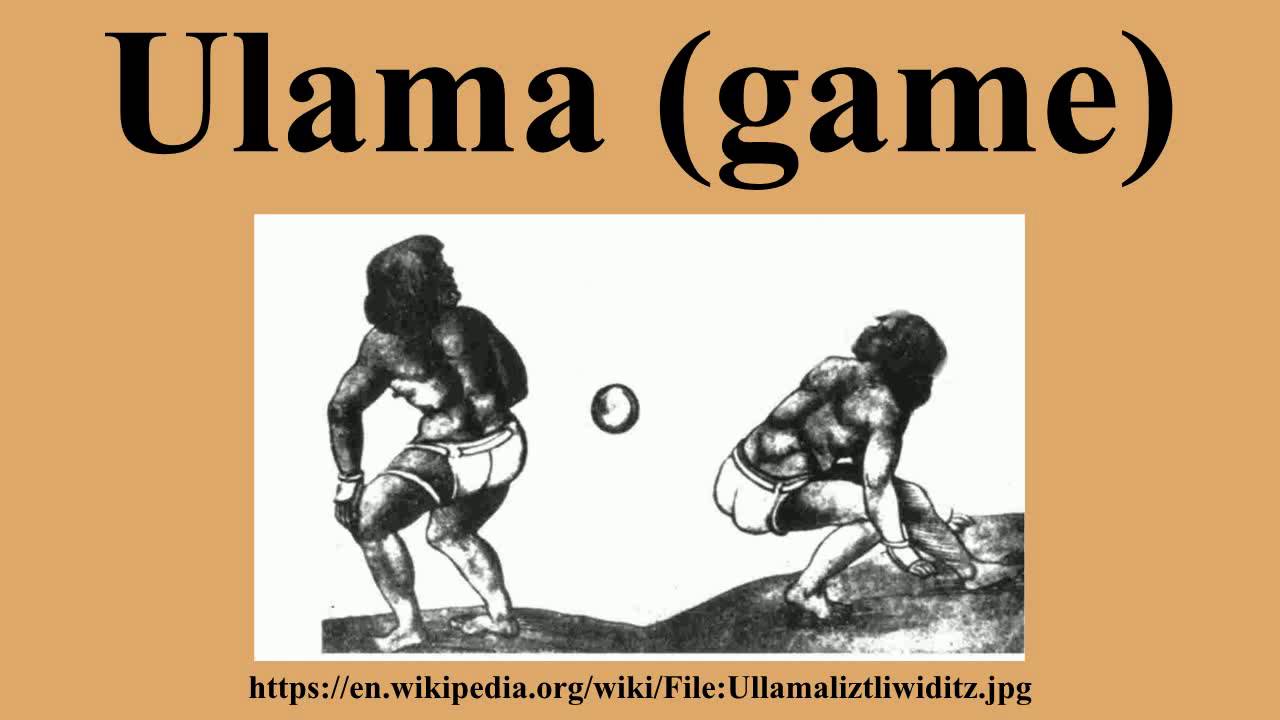
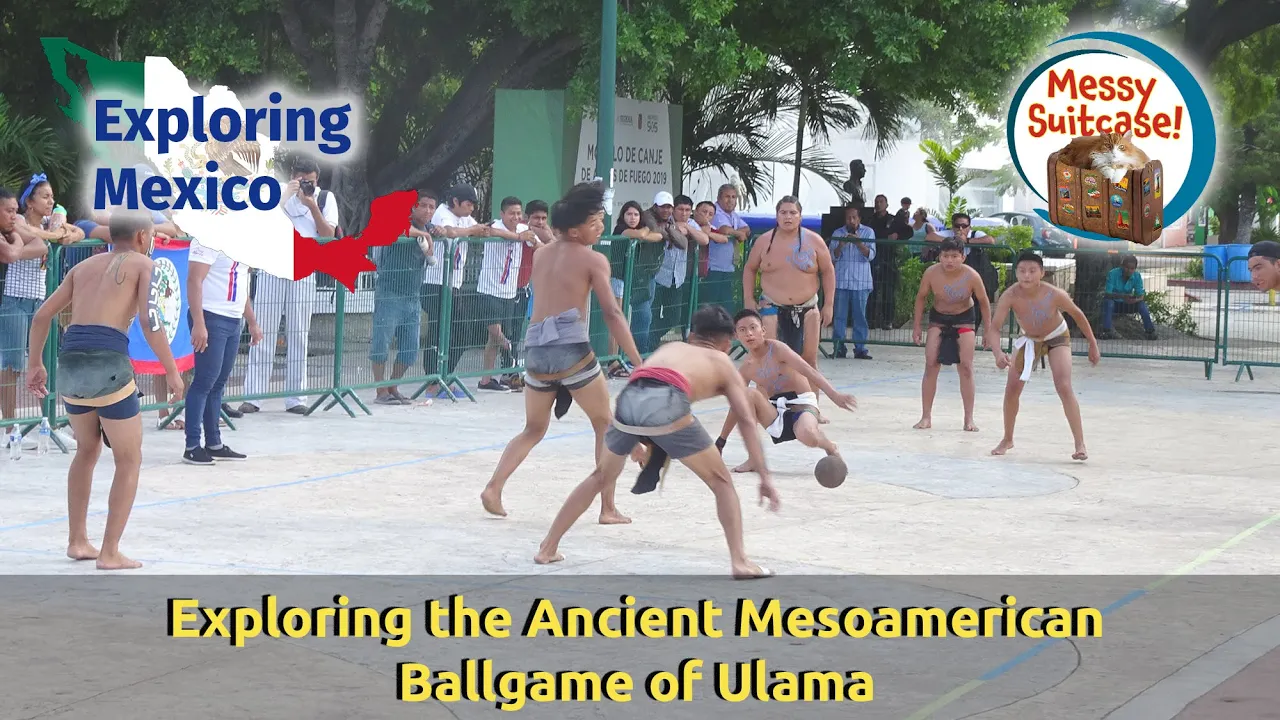
The modern survival and revival of the sport, specifically the traditional game of 'Ulama' played in Sinaloa, Mexico today.
Comparative studies of ritualized athletic contests in other global ancient societies, such as Roman gladiatorial games or Greek pan-Hellenic festivals.
494.1K views10.5Klikes10:41Original Release: 2018-11-17
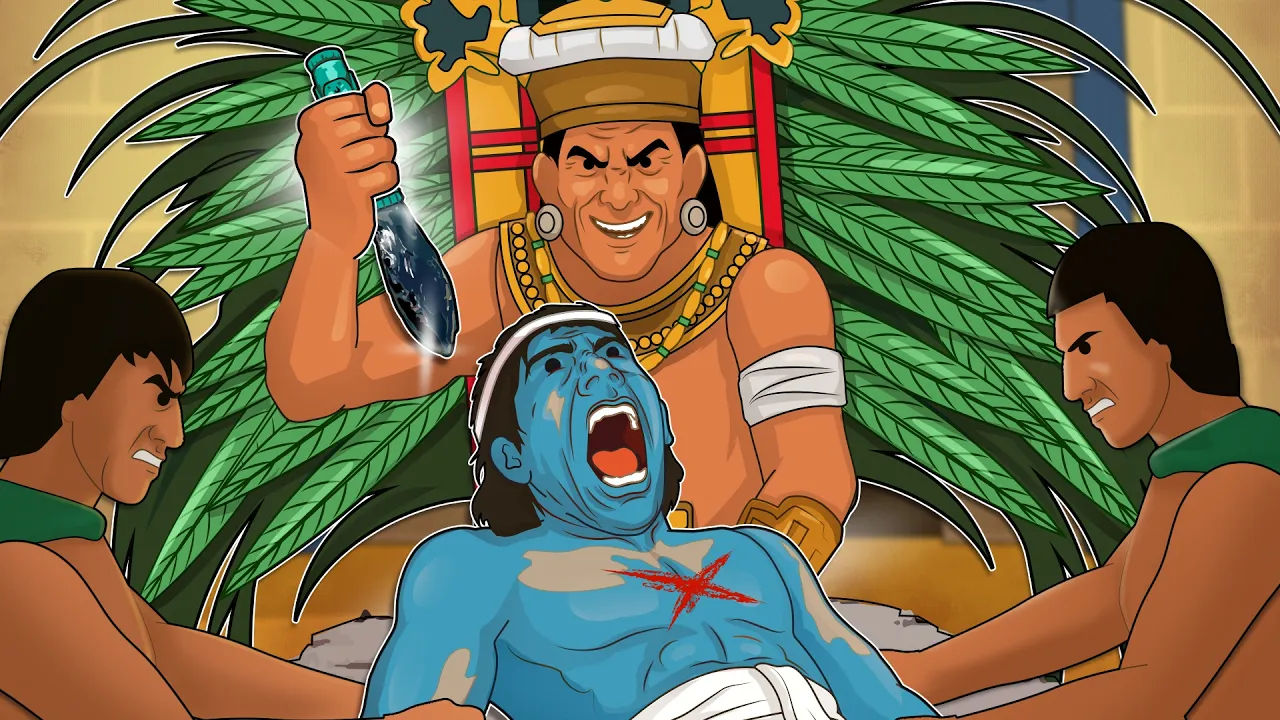
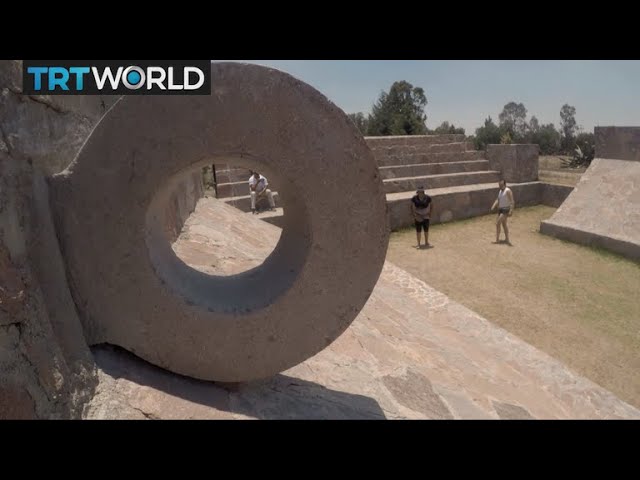
hey everyone today we'll be taking a look at the ancient Mesoamerican ball game played by the Olmec the Maya the Aztecs and even some indigenous people today in the form of a llama so I was first captivated by this sport thanks to the animated film the road to El Dorado which is near and dear to my heart but actually seems to have slipped under the radar for a lot of people so I definitely recommend it but basically what happens is that you have these two stowaways Miguel and Tulio who find themselves in the new world with a map too well El Dorado the City of Gold when they arrive there they're gonna be greeted as gods and they're gonna be invited to play ball in the grande core of the city before the king and his people obviously they're trying to keep up the charade the ruse here but they find themselves at an impasse and I have no idea how to play this game the scene unfolds as Miguel and Tulio struggled to compete against 15 professional players who have little problem using their hips thighs and elbows to score points and this impossibly high hoop after some coaching you know they're hip the hip and a healthy dose of cheating the heroes managed to win and begin to celebrate but the scene does take a dark turn when the heroes find out that the losing team the team they just cheated to beat is actually going to be sacrificed so this scene has been seared into my memory and obviously the ending there with the sacrifice is something that we all loosely associate with the Mesoamericans in the Aztecs in particular but I figured you know this is an animated film it's about time that we dig into the history so that's what we're gonna be doing today let's start first with our sources of evidence how do we know what we know well the most obvious line of evidence is gonna be the ball courts themselves we have over 1000 archaeological remains which are spread out across Mesoamerica with different densities and some of our earliest ones are found in paso de llamada which date all the way back to the 1600s BC so these are definitely very prevalent in this culture we even have some preserved rubber balls which I believe were dredged out of swamps so it's all pretty cool we have the ball and the ball court but still put those two together and it leaves a lot to the imagination for how this game was played so let's turn to our second line of evidence and this is actually going to be written records which give us some context these come in the form of some writing from Mesoamericans themselves either from you know sculpted reliefs or codices as well as writings from the Spanish chroniclers in the sixteenth century while all this information is definitely enlightening I still have to note that there's much we don't know but with that being said let's go ahead and talk about what the historians have been able to piece together when it comes to the ball court the rules the players the crowds the societal function and yes the sacrifice associated with it the ball court so these ancient playing fields come in many shapes and sizes but typically take the form of an eye in the middle of the eye you have the central alley which is going to be flanked by two walls on either side either sloped or vertical and then on each of these sides are gonna have mounted these stone hoops which are often highly decorated but it's important to note that you don't always have these hoops present and then on either end of the court the end of the eye you have these sort of end zones which might actually be open or backed by a wall or even a temple and since this was a spectator sport there would also be surrounding stands for crowds to gather and watch additionally markers might be built into the court for either practical or symbolic reasons the rules the game was actually played between two teams with each team have a ground five to eight players these teams then faced off and competed to score points with a rubber ball points could be scored in a variety of ways depending on the version of the game and it seems to have varied by location and time pair because all my references we're talking about a whole bunch of different rules and I'm not sure if they were all you know in place at once or if these represented different versions but any case let's go over some of the basic rules so in terms of scoring points you could score a point when an opponent failed to return the ball or knock the ball out of bounds you could score points if the ball was launched into the opposing team's endzone or when special markers were hit and you could also score points when you pass the ball through one of those two flanking hoops the flanking hoops were actually very very special in that it was very hard to get the ball through there and if you did it it ended the game instantaneously so that functions a bit like the snitch and Quidditch although we'll have some Harry Potter experts in here who are gonna make the argument that yeah the snitch doesn't automatically win you the game but I mean come on it gives you a hundred fifty points and it's hard to come back from a deficit like that so the analogy stands in case those are going to be the main ways you could score points another important thing as well is going to be how you could handle this ball to get those points well again rules do seem to vary but the main one seems to say that across all these games you couldn't use your hands or your feet so in various games you would see players actually rely on their hips their thighs their knees sometimes their elbows and even their heads and you get a penalty for breaking these rules so we've covered rules which dictate how you can interact with the ball but then there's other rules as well which dictate the end of the play and these are both gonna be tied to the ball itself so one version is gonna be a bit like volleyball the other one's more like tennis in the volleyball variant essentially the play ends when the ball hits the ground on one side so the goal here is while it's on your side you've got to keep it up in the air and toss it over to the opponent's side and Diego Duran this ancient friar actually claims that skilled players back in the day we're able to keep the ball up in the air for up to an hour at a time so that's insane the other version of the game essentially the play ends when the ball comes to a stop on one team's side so in that version things are you know the space between players I would presume are a little bit wider and my theory about this is that the two versions would probably have their own separate ball courts because if you look for instance at the ball court of chichén itzá there's no way you're going to be able to keep the ball up in the air on such a huge court so my theory about you know ball courts like chichen itza is that's probably the variant of the game where the ball just can't stop moving on your side so those are the two versions but again i'm not quite sure you know where and when these rules were played how they superimpose with the previous rules that we talked about so it's all a bit of a mystery still but i hope this has been somewhat elucidating so as for the players well as we've seen the game seems have been pretty popular and this was most likely played by large portions of the population probably an informal courts although the aristocracy were probably the ones playing on these official ball courts that we still see today and they would have been doing so for both recreation and sport and these Nobles were sometimes joined by non-noble professional players who actually made a living off of prizes or were sponsored by the royalty and when these players took the field they would typically wear loin cloths or short skirts and for protection they would donned leather wood or woven padding and even often gloves since they'd be running around slamming into the ground hitting this heavy rubber ball hitting the walls actually as well but from what I've been able to tell I'm not quite sure if they were actually hitting each other I don't believe that there was much contact between the players I think it's mostly contact with the ground although I could be mistaken another thing that you might also see is that due to the ceremonial nature of the games their uniforms might actually include some elaborate headdresses or other apparel which could actually be done during play or after the end of play so now for the last part of the video we're gonna expand our scope to talk about the world which formed around the sport itself so let's start first with the crowds so as we've mentioned this is definitely a spectator sport and it's likely that this was a game that drew the attention of the rich and the poor alike although from what we can tell the ball courts themselves never really reached the size of grand stadiums to accommodate the masses rather it appears that these great ball courts were attended by largely nobles and elite classes these individuals were greatly invested in the outcome of the matches as gambling was extremely widespread according to one the chroniclers that I found he says that these Nobles were known to bet jewels slaves precious stones fine Mantle's the trappings of war and women's finery as well as even mistresses in some other stories actually found references to Kings who were wagering away parts of their territory such as marketplaces or rural Gardens just on the outcome of these games in a broader sense these games were actually very important to society as is evidenced by the appearance of ball courts in most of the major cities they were often located in or around the sacred precincts and were flight by temples which closely tie them to important political and religious functions the ball courts themselves not only hosted ball games but also doubled as location sir festivals feasts and ceremonies any such gathering points were definitely very important and served to form a bridge between the different levels of society but perhaps the religious ties are going to be some of the most important underlying factors this is gonna be made clear by the religious iconography adorning the ball courts as well as the appearance of the ball games themselves in the specific religious texts and images apparently the ball represented the Sun which was passed between each side of the court which symbolized the heavens on the underworld this solar cycle was actually of huge significance to the Mesoamerican religion and tied closely to the cycles of death and rebirth as such the equinoxes were very important dates and it appears that the ballgames were scheduled to mark the battle between celestial and infernal forces on these events this brings us to our final discussion of sacrifice the Mesoamericans and the Aztecs in particular believed that the machinery of the world was driven by vital energy held in blood religious ceremonies were often tied up to offering such nourishment to drive the machinery of the world it appears that the ball games held on these important religious states were thus also associated with sacrifice and the battle between the celestial and infernal forces this seems to be confirmed by the murals at Chichen itzá which show a ball player representing the Sun being sacrificed on the vernal equinox and a player representing the moon being sacrificed on the autumnal equinox however it's unclear to what degree this was actual practice or merely symbolic so I'd give him the track record of the Aztecs I would tend towards it being real yet even with this assumption we're left with many questions as how the victims were chosen some historians actually believe that the losing team was killed entirely or perhaps just the leader or the coach whereas others actually posit that it was the winners were the ones to be killed there's a ton more we could speculate on but as far as I can tell this is where the limits of our knowledge reach and with that I'm gonna conclude by saying that I find this topic insanely interesting and can't wait to cover more Mesoamerican history which seems to actually go untouched in most classes I hope you enjoy this and please let me know if there are any other things you'd like to hear more about and also please consider tossing a dollar to our way on patreon as it helps fund the research writing an art which prior the channel thanks again everyone you
Up Next

18:05
Leopold II of Belgium: Colonial Genocide in the Congo
@Biographics
1.4M views•2018-09-26

33:02
The Great Schism of 1054: Causes and Consequences
@SacredCathedrals
113.5K views•2026-02-19
109:45
Roman Industrial Revolution: Feasibility Analysis | Historical Inquiry
@InvictaHistory
1.6M views•2024-07-02
17:05
Understanding the Cold War: Superpower Conflicts and the Road to Détente
@OverSimplified
46.1M views•2019-01-24
Related Study Plans & Knowledge Roadmaps
Structured learning paths in History
history
Byzantine Iconoclasm: Theology, Art & Politics
01Foundations of Byzantium and Early Christian Images
02The First Iconoclasm: Leo III and the Crisis of Images
03Empress Irene, Nicaea II, and the Second Iconoclasm
+ 2 more learning modules
9h5 modules
Explore Roadmap
history
Iranian Revolution (Causes, Events & Legacy)
01The Pahlavi Dynasty and the Roots of Discontent
02The Spark of Rebellion and the Rise of Khomeini
031979: The Fall of the Shah and the Climax of the Revolution
+ 2 more learning modules
8h5 modules
Explore Roadmap
history
Mali Empire: Mansa Musa, Trade & Timbuktu
01Foundations of the Mali Empire
02The Trans-Saharan Gold and Salt Trade
03The Reign and Pilgrimage of Mansa Musa
+ 1 more learning modules
6h4 modules
Explore Roadmap
history
1947 Partition: Politics, Borders & Legacies
01Foundations of British India and the Divide
02The Political Negotiations and the Mountbatten Plan
03Drawing the Boundary: The Radcliffe Line
+ 2 more learning modules
8h5 modules
Explore Roadmap