


















![Quels sont les sources et les défis de la croissance économique ? [Partie 2/3 - Les sources]](https://i.ytimg.com/vi/vfqYGqvwTHg/maxresdefault.jpg)






Rome never experienced an industrial revolution because, despite possessing sophisticated technologies like gears, ball bearings, water wheels, and concrete, they lacked the critical combination of political stability, accumulated scientific knowledge, and appropriate worldview that enabled Britain's industrialization. While Rome had advanced water power facilities, mass production workshops, and complex infrastructure, their political instability, limited understanding of material sciences (particularly metallurgy), and inability to conceptualize steam power prevented them from making the breakthroughs necessary for industrialization.
Roman Industrial Revolution: Feasibility Analysis | Historical Inquiry
Added:Understanding the core drivers of the British Industrial Revolution, including the development of the steam engine, access to coal, and capital markets.
Basic knowledge of the Roman Empire's economic structure, specifically its reliance on agrarian output, trade routes, and a slave-based labor force.
The economic concept of 'induced innovation,' which posits that technological development is driven by resource scarcity and relative factor costs (e.g., high wages prompting mechanization).
Familiarity with historical comparative methodology and the use of counterfactuals in economic history.
Investigating the 'Great Divergence' debate to understand why sustained economic growth occurred in Western Europe rather than other advanced economies like Song/Qing China or India.
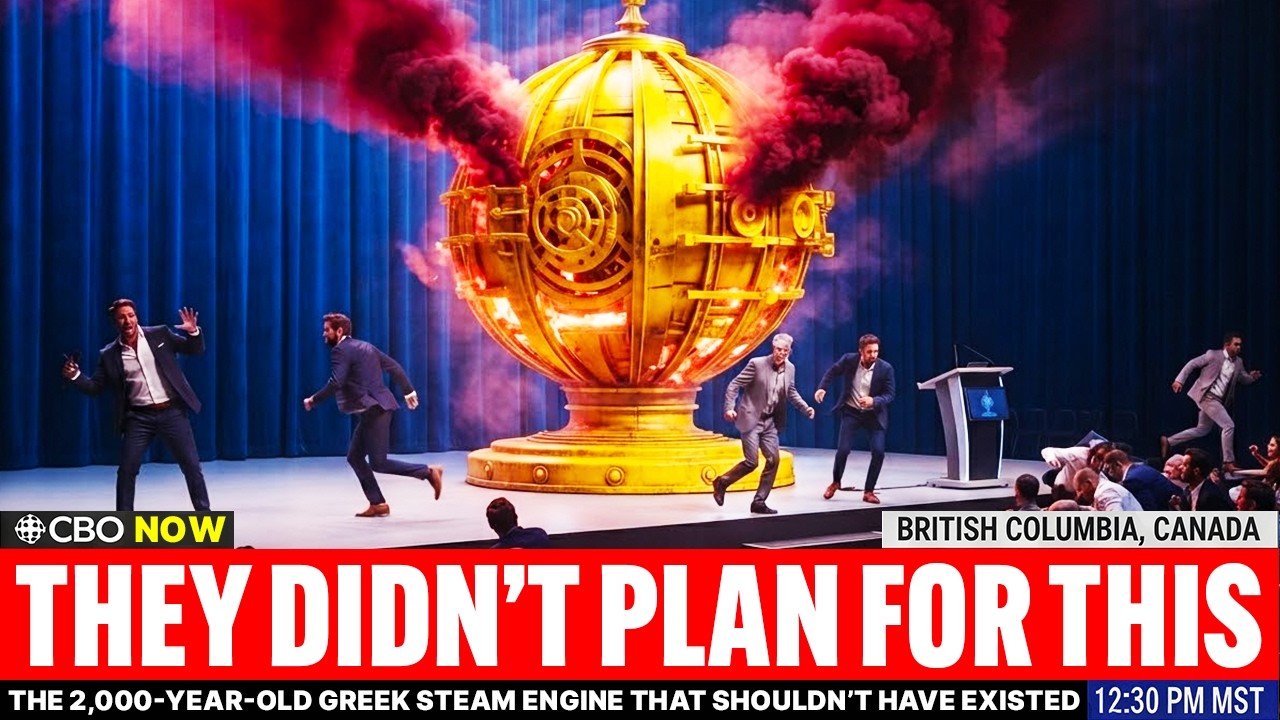
Analyzing ancient Greek and Roman technological prototypes, such as Hero of Alexandria's aeolipile, to study why promising inventions failed to commercialize.
Exploring the field of Institutional Economics, focusing on how property rights, patent systems, and the rule of law influence technological progress.
Examining the socio-economic impacts of slavery on technological stagnation, specifically how cheap labor disincentivizes capital investment in automation.
1.6M views35.4Klikes1:49:45Original Release: 2024-07-02
how close were the Romans to an industrial revolution after all archaeology reveals they were already innovating on the use of Advanced Technologies like gears ball bearings and steam engines whilst applying their Ingenuity at scale with complex water power facilities mass production workshops and infrastructure projects of unparalleled scope today we all know the Empire eventually fell but at its height Rome represented one of the civilizational Peaks against which many of their successors would be measured even to this day we still live in the Long Shadows of their buildings their institutions and their culture this raises the question what if they didn't fall how far off were they from the 18th century industrial revolution of our own timeline now often these sorts of discussions spiral into wild speculation and fever dreams of a Roman future but today I wanted to discuss the topic with a bit more Nuance to do so we'll look at what factors gave rise to the actual Industrial Revolution assess how comparable these were to the Roman era and dive into the level of industrialization we actually see present in Antiquity and thus finally seek to determine how close was Rome to an industrial revolution so if you're like me and you love getting immersed in historical games you're definitely going to want to check out today's sponsor belri belri is a single player or Co-op open world medieval game with survival strategy and Sim elements the overall narrative sees you return to your Homeland to pick up the pieces of your past and lead a rebellion against the corrupt Powers which have taken hold of the land you start off with just a lowly camp in the wilderness however through hunting Gathering and crafting you survive and begin to thrive by exploring the world you will then be able to level up through a progression system and rally others to your cause add recruits as companions to complete quests or assign them to build craft or hunt in order to expand your settlement in time these Specialists will unlock more advanced structures and Technologies for you to use villagers can also be equipped and trained as Warriors bght not only lets you join these troops in combat as a fighter but you can also serve as an actual commander with control of their squads and formations eventually you'll lead entire armies into the field liberating the lands to grow the rebellion and ultimately challenging the crown and its Royal Army B ride is out now in Early Access on Steam for both single and Co-op play so definitely if this sounds like the game for you check it out using the link in the description to learn more and dive on in enjoy so let's discuss how close the Romans were to an industrial revolution it's a very comprehensive topic where we could get into many details we felt that it warranted more than our traditional produced episode So today we're going to be using more of our long form uh discussion format where we can walk you through a board here with lots of information uh the general outline that we'll be covered is an introduction into how do we think about these sorts of historical changes what was the Industrial Revolution and then in the middle here we're going to be discussing about were the conditions right for Rome and then finally we'll be discussing how industrialized were the Romans really so it's going to be a long discussion here feel free to jump ahead in the given timestamps but otherwise follow along there'll be some visuals on screen which may enrich the experience but otherwise you can listen in as a podcast and joining me today is going to be Chris and I'll let him introduce himself hey guys I'm Chris I'm a Roman historian I've been working with Invicta for a few years now and so if you've seen some of our Roman content that was probably me having something to do with it um my background is obviously in Roman history and I actually specialize in Social and economic history which is translated it's history of the common person so this topic is actually going to be a really really really interesting one that I'm very keen to talk about excellent yes and you're G to be a great co-host for this so let's start up at the top with introductions so again the premise here is how close was Rome to being industrialized a lot of people are super intrigued about this um and there's been fancy talk of well if they had industrialized would we be living in a completely different Future No Doubt yes but what is the case of that happening so really to frame this conversation first uh there was some kind of macro topics that Chris and I wanted to talk about the first is this idea of kind of inevitability of of progress and the fallacy in particular of a linear style progress of Technologies and the convenience of historical eras so diving into each of these you know Tech trees are very familiar to us especially those who game in historical settings you always see this in all these you know civilization style games you research a technology which unlocks future Technologies and they lead progressively and inevit inevitably one after another chaining you on to some future level so you can imagine in these games there is sometimes literally an industrial revolution track that you kind of you know check the boxes and you get there that is very much a matter of how the game presents it but that's not how history plays out so that's the first thing we wanted to kind of debunk is this idea of linear Tores the other thing also is this idea of historical eras uh often times just for convenience historians and you know people who are trying to teach you know when you're first learning about the world you're learning history it's very obvious that you have to simplify things that leads us to making these convenient historical eras and the more you look into a historical era the more that historical era blurs and is not evenly or cleanly defined take the Bronze Age collapse some might even be misnomers of those periods so there's all sorts of issues of trying to Define these historical eras very much non-uniform very much non-standardized especially when you expand your scope be Beyond just say Europe or or England or whatever the world is constantly in flux completely non-uniform um so that's essentially the the the from the get-go the fallacy that we wanted to tackle uh so Chris if you have any thoughts on this before we we kind of move on yeah and as someone who is frankly inspired into history by Tech Tree video games I love Civ 3 heck Civ 2 Civ 4 those were my jam um that was actually one of the hardest things to wrap my head around was the idea of technology is not predefined as it were it's not something that oh yeah we just got enough Tech points and now we unlocked something it's it's entirely based on the situation in the place which may or may not be discovering a technology often times people don't necessarily need a thing they're doing just fine with what they have and so there's no real impetus to change if that makes sense and we're really going to get into that later but yeah no I 100% agree that that's this has to be the place where we start yeah and one of the things also when when you take both of these together there's the tect Tre there's the eras that give you this idea that progress is inevitable that one thing leads to another and you're always going in One Direction so that is problematic because history isn't always going in one direction there's rise there's fall there's changes in in patterns of how we do things and the ultimate conclusion here is to say it's virtually impossible to predict historical development um you know there's the foundation series as a as a Sci-Fi uh setting both in novelization form and now they have a TV show and the whole concept behind that is that there is a branch of mathematics that can predict human history uh or history in general and that's very much not the case at least in our real world currently it's virtually impossible to predict historical development and even more so there's no real way to measure what level of development you're at currently you know you can come up with different indices or whatever for levels of urbanization or economic indices and all that stuff but we don't really have a good way to rank where we are in terms of uh progress let alone forecast you know how far away we are from a certain breakthrough sometimes you know progress is glacial sometimes it's it's a rapid explosion sometimes we recede so that's the main thing to to knock down here moving on from that kind of what I wanted to pause it and see it in our mind for this conversation is this more kind of chaotic uh view of History where the idea is history is not static so if we break three break free from these linear Tores and progress I like to see it more as this kind of system where at a micro level and a macro level people and civilizations are always dynamically adapting to the challenges of their environment that's the you know you pull on Evolution and just kind of how chaotic evolution is nonlinear it is that's kind of kind of how you can see our evolution in terms of civilizations and so what I've done here is basically said you know at any given point in time you can look at an area and you can start to look at what are the challenges the pressures um evolutionary pressures on a certain set of people or their civilization be they political economic military environmental cultural you can come up with a bunch of different challenges to said group and then people are always going to try and overcome their challenges or die out so you're going to try and adapt to these the ways in which you can try and overcome your challenges are going to be dependent on a variety of things I've listed some of them here you know what is the state of Your World what are the geopolitics the trade the wars Etc what are the resources that you can tap into you know your materials Capital labor and then what is the technology uh both in terms of your understanding of the theory of the technology and its application so all of that is going to be a function of where you're at currently how you're going to solve your challenges right here going from challenge to solution we've shown it as chaotic again reinforcing the idea that sometimes you hit dead ends sometimes you make a U-turn sometimes you have a Meandering path that solves the problem but overall there is no linear path and there's no one from up above as the game player getting you from point A to point B to solve your problems the last point to make in this system is that there is a a feedback loop you may have a solution partial or complete to a given challenge but whatever you do disturbs your steady state world and is going to feedback and cause Ripple effects and create new challenges exacerbate some mitigate others so there's always this feedback loop so if within just one system you can see how this is very Dynamic um further to that what I've done here and what Chris alluded to before is all this is a reflection on where you are maybe in the world so in this case I've just brought in one of these generic views of geography and imagine people here who are in a delta or in a desert or in a plane or in a mountain the different challenges and what they have at their disposal in terms of tools is going to vary so the way each of these systems is running is different then consider that each of these systems can start to interact with one another a change in one system can precipitate a change in another starts to get complex just in this small you know location zoom out on the scale of a world and all of these complex systems interacting leads to complete chaos we can say so that's kind of the frame of mind that we wanted to put you in as we discuss this topic is very much complex sort of evolutionary uh mindset around technology and pressures on environments and all that as opposed to the linear predetermined pre-ordained uh Tory so that's that's the framing that we want to have here I don't know Chris if you had any additional thoughts uh before we move on yeah I just have one final little Chaos Agent to throw into the mix here and that's just human nature people are not logical creatures people are not straightforward often times you know especially especially when we're playing video games everybody knows you know uh when you're doing a city builder for example you really want to build nice neat squares and have you know your nice parallel lines everywhere everything is nice and orderly everything works in real life you might have someone who doesn't want to build in a square you might have a road that just goes one way and that's just because people have just historically gone that way or maybe it's just the easiest place to put a road not everything is going to be nice and predictable people will generally act on their own self-interest whatever that interest might be uh there's you know a running theory that there's no such thing as altruism because everything people do is in some way shape or form for their own benefit even if that benefit is just making themselves feel good about helping other people so people aren't predictable people are not an agent that you as as you said there's no master you know chess master Puppet Master up above the scenes that is pulling all the threads that's not how the world works you can't ever frankly um account for the agency of humanity because that's always going to change some things so whether or not you have an emperor who happens to be really capricious or you have a scientist who's just really really really obsessed with uh this weird mold that grew on his bread right you can't ever account for what may or may not happen and what may or may not what a human being may or may not bring to any given situation yes and then the last thing I would say is um as you get all this churn so if we're throwing away these Tech and historical eras and we're moving more so into the world that's kind of chaotic the last thing I would say is um there's like this buildup of these chaotic um events that are happening over time but some of it is retained you know cities get built up Technologies get developed information gets shared so with each generation that passes there is kind of this overall Bedrock or accumulated detrus of human achievement and failure that kind of gets built up over this world and um all of that that huge pile of history that basically the current living generation is sitting up informs what they're able to do so a lot of this is like the Industrial Revolution that we'll get to shortly is not just the current steady state but it's kind of the world of human past that they're sitting at top that they can draw upon and just because let's say somehow you could snap your finger and you take all the inventors of modernity all the machines of modernity and you could somehow teleport them to the path past if you don't have that big Bedrock of past experience and that detritus of kind of Humanity's history the people and their thoughts and then machines are going to be virtually useless in that world we might be able to reverse engineer them but just because you take Einstein's brain from today and slip him P back into you know a Roman tunic doesn't mean he's going to be able to develop the same way as an individual and influence Society in the same way so they very much could have been someone smarter than Einstein back in the day but because of the state of the world they just weren't able to have the same impact so a lot of kind of yeah that's the final Nuance I wanted to put on it is both um you can have great Geniuses in the past and you can have them in the future but what they're able to do is really a matter of where they are in the current state and the current state is not just what's going on today but an accumulation of hundreds or thousands of years uh of development so it's hard to draw that parallel between Rome and uh later our modern period or pre-modern period where we get into the industrial revolution and that's going to be the the gist of the conversation that we're going to get into where we talk about how similar were the starting conditions and how industrialized were the Romans so that's where we're headed um where we'll go right now before we tee that off is well let's discuss what is this Industrial Revolution in our own world that we just so happen to kind of get into in this time period so let's talk about that now uh and the first thing to stay here for the Industrial Revolution is again keep in mind it's this kind of chaotic nature that we've talked about the Industrial Revolution is not a single event it's going to to be event as we're showing up here where it's gradual it happens in waves it's non-uniform uh it kind of es and flows and recedes and really the only reason we're able to tell that it's an industrial revolution is because we're putting this somewhat arbitrary name onto this period and this series of changes um something we do retroactively but it's something that we can do based off some at least indices or telltale signs that oh there is a drastic change that is causing these otherwise chaotic systems to kind of Trend in One Direction uh and some of these might be you know a shift from a a largely rural to an urban economy from domestic systems of manufacturing to you know Factory systems from basic Material Sciences to Advanced basic power sources to Advanced power sources and this might sound generic but it's kind of a way to categorize some macr level changes that are happening across this time um so yeah we have here these waves that are being shown there's a map here that also tries to show the waves of the Industrial Revolution as they come out from Great Britain and the dates here are roughly 1840 to 1914 but very much continuing on to today I mean you see different you know there's this idea of developing countries in our own world today you look at uh South Korea as it's Advanced you know over the last hundred years uh into a super industrialized Society other places are going through these similar Evolutions so it's very much an ongoing thing so again the Industrial Revolution that we're looking at is rather arbitrary going to be around the mid 1800s uh and specifically Chris I'll let you touch on maybe some other telltale signs that you think are indicative of the the period that we're trying to equiv equivocate with Rome yeah so really again uh this is we're trying to you know um we're trying to take a whole huge amount and distill it into a relatively small amount of stuff I know this is going to be a really relatively long episode but it's still going to be extremely distilled so what we're going to be looking at very specifically is the development of Britain and the early 1800s mid- 1800s give or take a little bit and we're going to be looking that and assessing that as our Industrial Revolution state so again there's going to be a huge amount of other that we could include we could look at examples from all over the world again we could look at uh the industrial industrialization of Japan or Korea or another place you know almost anywhere but we're going to be looking at Britain just because a uh that's the place where most historians can agree that the industrialization of the world did begin relatively speaking um we can really look at it as a set of relatively defined features and as I like to term we can kind of get the understanding that Britain you know here are the ingredients that Britain had in its secret sauce can we apply those same things to Rome and maybe what was missing yep and specifically you know this is a a topic of conversation where when you even ask why did it happen in Britain in the first place there's a ton of answers um you can look at colonialism all these other factors Chris and I have worked down a slightly slim down list that we'll be comparing so so it'll be you know conditions of political stability agricultural productivity availability of water key natural resources and a willingness to kind of extrapolate upon these so that's that's the framework that we're coming into um on this intro so with that being said I think we can now move on to were the conditions right comparing those uh of Great Britain and Rome all right so now let's discuss where the conditions right the format for the section is going to be comparing Rome versus Great Britain at these two rough time periods and we're going to be seeing what is the state of affairs of the conditions of Great Britain during or right at the start of the Industrial Revolution versus Rome in the period where we're thinking were they about to industrialize so we'll be comparing those two and seeing where the gaps may exist um as it relates to different kind of thematic areas but just to get you started let's actually look at the time period and in a rough map which again is going to be an approximation a simplification but generally speaking for the Industrial Revolution we're looking at about early 1800s world the Great Britain as it relates to Continental Europe here is going to be confined largely to the British Isles and you can see here the Industrial Revolution spreading to the continent from there um looking further broad with respect to the world the British Empire this is where you get the Sun never sets idea there is going to be you know Britain as its Islands but then these colonies far-flung trade routes influence all that where it can uh extract resources Etc and do exchanges of trade with the the broader world looking at the comparison for Rome we're looking roughly in the 1st to 2 centuries ad so Rome is huge at this point in terms of land mass that it controls which includes part of britania but a large expansive land mass obviously access to many resources and people uh and then if you look at the wider World here Rome actually does have its tendrils that expand out Beyond uh just the confines of the Mediterranean on the fringes of the world it does have its col and client states where it is able to extract a lot of resources in a a somewhat similar way to the British Empire but that is not as firmly established when you get to the further flung reaches of these trade routes say in China or southeast Asia or even India Rome is certainly in connection but doesn't quite yet have the same level of colonizing penetration um that the later empires of the world will have so that is it at a high level just to to to Baseline what we're talking about comparatively here uh but Chris any comments here before we uh start slicing things up by topic yeah actually I'd uh just want to highlight a small logistical aspect while we're looking at these Maps so while we look at these maps and again I know many of our viewers maybe like looking at the lines on maps part of what you see here is the dependence of civilizations in general uh in the premodern world on water all of the major settlements and population centers are either based around rivers or access to to the sea in general Britain's vast overseas Colonial Empire all was based around having access to the Sea and then in Rome if we look at the map of Rome you see Rome's immense population area is all focused around access to the sea or the Mediterranean Sea in general the best example being where you have this tiny strip of Africa only because there are no more Inland Rivers there so that's one thing to highlight while we're just while we're looking at these Maps obviously it would take a thousand maps to try to tell the whole story of you know different aspect of well this these resources are located here this had a strength over here that this did not the Britain the British Empire was able to do this because of this we can't show all of that here but that's just one small little highlight that while we're looking at these Maps I figured I'd point out yeah and even if we painted I think the end the end point to make here is even if these Maps were literally identical in terms of um painting the map red so to speak be it with a British flag or Roman flag the underlying mechanisms of what is going on under that paint that we've drawn is what's really important and that's what we'll be getting into as we get into these different sections and uh yeah so we have different topics that we'll be slicing this into to say were the conditions right what happened in the Industrial Revolution what happened in the Roman period and the first one we'll start at is uh political stability so that is a key ingredient to allowing you to have forward progress is if things are stable so Chris you want to walk us through the Industrial Revolution and then kind of the situation for Rome yeah so earlier in this uh episode I mentioned that the human element is potentially the most problematic with regards to any progress in general the human element is the reason that you have governmental instability and so that can look like almost anything we're going to kind of distill it again focusing on Britain here in this period in the early 1800s Britain was a very very very very very stable Nation you do have you know if you look at a timeline of the British Empire you have Civil Wars no one's denying that you have some instability here and there no one's denying that even in this timeline that we're showing up on screen now you have a relatively major piece of instability there with the cromwells taking over and then the crown being restored etc etc etc before that I mean you had the Magna Carta but you always had the stability of the bureaucracy always underlaying everything despite any drama with the British crown you never really had an overthrow of the entire system different claimants trying to rush in massive wars being fought tearing the British Empire apart the American Revolution yeah that had happened but that was a colony this was Britain at its core so we're going to go ahead and compare that to the Romans now as I noted here I really do love the Romans I do I love studying them I think they're fascinating they were on par in a modern perspective an incredibly unstable Empire when we think of you know the stability of Rome you have the pox Romana but Chris you had the pox Romana if you think of how many Civil Wars or minor insurrections happened during the pox Rana that makes you rethink what the meaning of Peace in Rome was for example the third Roman emperor that was Caligula he was murdered then the fifth Roman Emperor was Nero and he was murdered and there was a civil war between four different generals who who each started in different corners of the Roman world and fought each other to the death in the year 69 and then after that it only took three more Emperors before another one was murdered again and that was demission and his fall started up the five good Emperors what I'm trying to get at here is Rome didn't have periods of very very very very long stability it had an absolute monarchy and a constant reduction in the power of the Senate whereas Britain was kind of the opposite where the parliament kept getting stronger and stronger even in Rome's more peaceful periods like again the five good Emperors they had constant threats of invasion of plague of offensive War defensive War they were constantly at war with both Persia and the dacians and people from across the danu all at the same time that's always going to cause a small element of instability when you also combine that with the fact that they didn't really have a defined system of inheritance that actually remains stable you didn't have a super legally defined system of government frankly until you get to the buanes um that all leads to instability one example that I used earlier and that kind of drives it home in a modern perspective is that the Roman Empire in some ways was about as stable as some states in subsaharan Africa where you see these constant coups insurrections generals deciding that they could probably do better than the guy in charge a guy in charge declaring that he's going to stay on forever even if he's not really supposed to that's the kind of instability Rome had so it is in some ways pretty incomparable to the British Empire's con continuity as it were so what was missing between the two you just never had that system of transition you never had that nice strong Baseline and you never had a counterbalance to the monarchy that Parliament really provided for the British yeah and if we want to dumb things down where we say Society or whatever is organized call it simply a pyramid or something if the top is always getting collapsed and that just Rains Down on the people and destabilizes the whole structure that's going to cause a lot of disruption and maybe we at the very base level you know maybe the day-to-day lives of Any Given person isn't Changed by these vast Emperors and their squabbles the sway of this Tower at the top does have a lot of destabilizing and negative effects on development and it's really only as you kind of firm up the structures of the societal pyramid with better institutions of government that aren't at the you know the the the be and call of some crazy Emperor or whatever it's only once you get the maturity of those institutions that you can start to get your structure enough stability to withstand these changes in temperament and whatever so that's really important so you have at the base again I think we do have to admit that everyday Farmers probably didn't care who was Emperor or who was reigning in charge they just go ahead and they're their farmer so at the base it doesn't change maybe so much but the middle and the top it certainly changes a lot and it's the instability of the Romans that causes that to sway and and causes problems and it's really kind of that group that is key to having some stability and continuity to allow you to do this forward uh progress yeah so that's basically political stability uh we can then move on to agricultural productivity uh Chris again if you want to set us up for the Industrial Revolution and compare it to uh the Romans I would absolutely love to the one of the most fascinating things about the Industrial Revolution is that it coincided with something that we also call the Agricultural Revolution which was in some ways it was just an accumulation it we had an accumulation of human knowledge that just hit a Tipping Point and moved us into almost a different world where Farms produced simply were able to produce so much more that they were able to feed so many more people that they required a lot less work or a lot less Manpower as it were for a much greater result so and you have all of these advancements again some of these stem back all the way to the Early Middle Ages after the fall of the western Roman Empire uh a lot of people like to say there was you know the Dark Ages everyone went you know backwards in time well no they didn't they just adapted to the current situation and some of the things that they really advanced in uh was agriculture in that time period so you have things like the heavy plow which is it seems like a relatively small thing but it's a very deep plow that takes the turf and turns it upside down so the more nutritious Earth is at the top and you can grow more crops you have different systems of crop rotation which allow you to only leave a smaller field phow at any given time or perhaps just sew a different crop on it that R nutrient that reintroduces nutrients to that soil that other crops take out of it um you have a full economic Reformation where farmers are more recognized as a an institution and they're more supported by the government and their crops are better distributed by a central Force you have horse collars which again sounds relatively minor it was an invention during the Middle Ages but it allowed them to use horses to plow things instead of using oxen and horses are a lot stronger in some ways and a lot better for this purpose but you just need the ability to harness them and that's what the horse callar allowed for so all of these these things all came together and yeah the Industrial Revolution they were still mostly using horsepower we think of you know all the steampunk world no it was horses a lot of the time um all these things all came together and agricultural production increased like estimates are in the hundreds of percents not not a small number just like 10 20 30 40 times what they were usually able to do sometimes 400 times as much and so you have a lot of people moving from these Farms into the cities when people move from the Farms into the cities they need jobs they need things to do so you start having these larger scale factories build up and these factories are able to start off with uh manufacturing Industries and so these industries really began to develop of these large scale factories producing a large scale number of goods and one thing left to another and you guys can kind of see where the domino effect is going here so that this never would have happened without that Agricultural Revolution and a big part is I guess just to draw a parallel to the the dawn of civilization the unlocking this agricultural productivity frees up people to do specialization in this case we're going to be specialized to do other things exactly and so like we let's compare that to Rome well Rome was very similar to that pre-industrial world where you have is somewhere between 18 and 20% prob uh people living in the cities but most people just lived with their family farm they stayed in the same village where they always had they did the same things they married similar people and they stayed in the same spots they didn't change they didn't all flock to the cities and start up factories because why would they do that their family needs those hands you know um and these they used the ox for plowing uh they had a huge amount of work to be able not only to plant the Farms but to Main main the Farms to weed the things and then to harvest them that was a lot of work required a lot of Manpower and so all those people were essentially spread out and you didn't have that concentration of humanity so much obviously you had great cities like Rome and Alexandria and Constantinople but you didn't have the critical Tipping Point there yeah and you have this nice map as well on the right did you want to rope that into your your conversation where the distribution of population is Also may be important yeah the and the population distrib that's actually one of the reasons I included this map and going back to our conversation and that we'd need a thousand maps to tell the full story right this distorted map kind of shows where people lived so each little box is bigger the more people liveed there and so you see this very it's it's simultaneously spread out quite a bit more than you might expect especially with the modern world where you see a huge amount more urbanization but also you can defitely see where the cities are the few cities where people accumulated Rome Alexandria some places in Greece and Constantinople so you have the the rural regions really ruling the roost in the Roman World awesome and what would you say would be missing then to get us from the Romans who maybe have the same level level of urbanization as pre-industrial Britain maybe it's somewhat but what's missing for Rome to be able to that that leap into um kind of unlocking this productivity yeah weird as it is to say it's just that 1600 years it sometimes things just take time and it's uh going back to what you said at the top of the episode there's an accumulation of human knowledge that kind of sometimes just all builds up and we build up on frankly past failures the mistakes of you know people before us and one one actual really good example of this is overtime Farmers select for seeds that simply are more productive often times today we call that GMO or genetic modification it's just selection for what works better so perhaps you have a strain of wheat that simply makes bigger wheat it just gives you twice as much the farmer is going to plant a lot more of that and sometimes those mutations take thousands of years to come along right so especially when you know you don't have an industrialized process for doing it so when you get to the Industrial Revolution you finally have all this Rome just didn't have that 1600 years going for it and that's simply well that's just the way time works perfect so yes we've touched on now political stability which keeps things relatively stable so that you can start to make Advanced progress and institutions are stable enough for people to make longer term investments you have agricultural productivity which now ramps up which allows people to actually focus on the things that they might not other have to do for subsistence or whatever and you get a critical mass of people so you can get specialization and take advantage of the stability uh and then now we start to get into well now people are able to do things well what do they have at their disposal so here we're going to be covering water which is a key one for transportation and power um water and natural resources and then finally we'll bring it together with kind of World Views so we'll start here with water being a critical component that's often the unsung hero of a lot of what we do so Chris talk about it yeah so going all the way back again I uh I did tease a few things at the top of the episode didn't I we have civilizations that are entirely built around access to water not only for drinking or bathing or whatever else you might use water for transportation and power are both the greatest strengths of water in our world frankly historically cities have been built around Rivers not just because of water access but because that lets you get something from point A to point D B really relatively easily every I don't want to say every civilization but the the Greeks and Romans especially realize that oh you can actually use things like currents for power as well so you can use um a running River and you can harness that with a water wheel and it turns things and you can use those turny things to do work so you have uh the logistics you have power in general uh the very most base definition and you have as a result of all this you have things like trade routs that start forming because maybe you want to get to point B Because point B is where they make really good pots and you happen to make really good olive oil so point you need the pots from point B to bring them to your olive oil place and then you can maybe send some olive oil back to point B because now you have a pot to carry the olive oil in you do that with water again that sounds a little bit reductive but if you have your trading ships your barges Etc you can really send um you can send your trade networks far and wide and so that's why we have this map here where the Romans harnessed their water power almost to an un precedent degree they controlled the entirety of the Mediterranean Sea which connected their entire Empire that's essentially how Rome maintained it stability for so long is it was just all really really really well connected Britain very similar on a much larger scale simply because they had better ship building techniques they had larger ships they had more masts they had better sales they had better technology for putting all of these things together the don't get me wrong the Romans had really really relatively good ships and that's actually something I'm personally fascinated by is the the the extent of their trade networks to the Far East to India and China and such where we've actually found uh Roman coins in Vietnam that's how that's about how far we're looking they had barges that could make it across that Indian Ocean and back before the typhoon season they were massive massive trade ship that are actually on the scale of some of these British trade ships but they couldn't quite make it across things like the Atlantic which is a completely different Beast there's no there are no land ports you can stop in every night for example so the Romans were actually very much on par with the British in some respects with regards to taking advantage of the power of their water of their trade networks of their internal uh Communications networks but what was missing was really just the again going right back to what I said earlier 1600 years of development their ships just simply were more primitive than the British ships uh they didn't have all the different technologies that would allow them to really Embrace that world spanning Empire a small trip where you can stop every night great but a multi-week trip trip no that would be unheard of in the Roman world so that would be really the big thing that was missing the big Tipping Point and going even into the industrial revolution a little bit um the innovation of the steamship completely changed the world because you didn't have to think of what when is the wind blowing and where is it blowing too what's the prevailing wind where's the current going you could then just ignore all of that and do your own thing but we'll get to that later yes so uh yes water allows you to move Goods around it expands how much you can trade communicate do all that stuff um but let's say you have access to these lands and let's assume Rome and Great Britain at the time were equivalent well what is the comparison in terms of the natural resources that they can exploit uh so again Chris I'll let you uh do a comparison between what is what is going on in both of these different time periods that's relevant to our our conversation yeah yeah so that's I mean it's one of those funny things Rome literally owned Britain for the most part so Rome very much had access to all of the natural resources that Britain had in a very raw theoretical fashion I can see that we have a b CDE e FG frankly Rome controlled much more in the way of easily exploitable and transportable resources than the British Empire did in the early 1800s the Brit the British certainly had more range to their uh to their empire but Rome had less range and probably the a similar number of resources which just reduces shipping costs that's relatively unimportant but Britain was able to harness 1600 years of innovation and they they realized that they had certain things that they could exploit and make better so things like coal and the Romans the Romans knew about coal um but usually what they used it for was to seal ships to essentially to make them more watertight they didn't really burn coal all that much except in some of the British border forts for heat they didn't use it as an alternative fuel source they used wood or charcoal frankly as their primary fuel source which is in the modern parlament coal is much much much more efficient there's a lot more energy packed inside a lump of coal than a piece of charcoal so in that really helped to propel the British because they were able to use that coal to say make a steam engine work and make that work efficiently the British had very high quality Iron which again the Romans had access to it but they didn't have the years of innovation that the British did they didn't realize why that iron was really really really good and they didn't realize how to turn that iron into very high quality steel that's something we'll talk about a little bit later because steel deserves its own section that's how crucial steel was to frankly the entire indust industrialization of the world um Britain was also a very very rich country Rome was also a very very very rich Empire that's almost an in comparable Point uh both of them had Capital that they could pour into projects that they wanted to and that's something that we'll also highlight is that Rome had a whole bunch of large Innovative projects they had massive scale uh production facilities but they didn't necessarily have the accumulation that all of this would take and so your you guys are probably really seeing a theme here in that there's this accumulation of knowledge that eventually spills over um while Rome had theoretical access to all this stuff they even had a bunch of technology that they invented to exploit it like for example we see the archimedian screw which basically helped them make shaft mines and they were able to move water really really really well and they developed machines that would make them able to do it more efficiently they were simply stuck in what's called a paradigm and they didn't have the impetus to really break that Paradigm move around it and into a new paradigm great so this is the culmination of all the different topics we've talked about comparing and contrasting the two there could be more you know cards and and themes we could talk about here the the nature of exploitative colonies you know um population densi there's all kinds of different cards we could talk about and you know maybe we'll expound on that in in future episodes but by and large we wanted to conclude saying hey these are the major ones we thought we identified and the important last note here to make is you know a couple things are are are pulling out of this Rome and Great Britain may have been somewhat similar um but even if they were on paper like we saw with water here um able to access the same things the real difference is the sheer amount ofum accumulated technology uh that changes and then a change in one of these particular Realms you can't just be equivalent in one of them because a change in one will flow out into a change in the other as we saw just changing the dial on agricultural productivity will let you then have perhaps better political stability which then lets you better exploit natural resources so it's really a combination of all these you can't just have one that matches all of these kind of have to be set to the right the right secret sauce uh at the right time at this you know coincidentally so the interplay of all these is really key and the last one to bring it all together is even if you had all these being key there's also the whole human element of how do we interact with this world understand the world and go about this world so this is how Chris wanted to conclude this section was in discussing worldviews as it relates to all these topics yeah and philosophy is one of those words that like Logistics makes people fall asleep it's really really really easy to be like ah philosophy it's an ay fairy thing well yes but also philosophy in this is also how do we think about science how do we think about the world you and I might think oh yeah no we uh go into the house we flip on the light and we open the faucet cuz we're a little bit thirsty and get some water into our glass and then we're going to drink and uh sit down and watch some TV those words would have been completely incomprehensible a hundred years ago give or take 200 years ago they would have accepted that you were just talking gibberish and thrown you into a mental Asylum what we have here is kind of what is termed as a paradigm it's essentially the Box in which you're thinking and so we've got a nice little diagram down here that kind of illustrates how it works you have your little box and your box is very comfy you want to stay in your box because that's how the world Works outside of the box is frankly it's sometimes impossible to think about for an easy example people a few hundred years ago or a few years from now might think oh yeah no uh flying cars yeah that's just you know run-of-the-mill thing all you have to do is make an anti-gravity generator it's really not a problem you just have to make sure your Fusion pieces are correctly aligned and boom easy peasy to us that makes no sense and so that's that's how you have to think of paradigms is a lot of things in outside of your box make absolutely no sense to you inside your box just because you can't really conceptualize how it works when you start realizing that there are some of those things that break the rules and they start drifting into your box and you can't really ignore them then you start having like an internal oh shoot I've got to change where my box goes so your box might look more like an oval is it bulges to try to accommodate these things and one of the examples of that is actually in astronomy so with with the geocentric view of the universe they had excellent forecasts for everything from planet planetary movement to the moon phases etc etc etc heck they could predict the tides they were really really really good at that even though their box was incorrect the solar system revolves around the Sun not the Earth but the way they had to do it was they had to kind of make excuses for things that just didn't quite fit like for example at one point in the planet's rotation you have you can actually see some of the other planets that seem to go backwards in relation to the Earth and that's just because you know we're all rotating around the Sun it doesn't make sense if they're rotating around the Earth but that you know you've got to make things fit in your box so those planets were just doing loop-de-loops that's what the explanation was and it still kind of made sense until we learned more and we had to be like oh well the world really does the universe doesn't revolve around the earth we just simply revolve around the Sun and that's the Paradigm that we live in now so that's how a model Revolution works is you just completely throw away the box and make a new box and so then we get back to normal with our new box until we have to shift our box again the Romans were in a entirely different Universe with regards to boxes in the British there were multiple boxes that had happened in between that point a and point B and so it was completely in some ways impossible for the Romans to conceive of a lot of these technological drifts that you see the British undertaking in the industrial revolution you I mean we've got here diagrams of things even like humoral Theory which is the Roman theory of that there are you know your four elements your fire your water your Earth your air and that dictates how the world works well by the 1800s people were pretty sure that like there might be a little bit something more to the universe than that you actually had early atomic theory resurfacing right around this time uh it started off actually with democratus in ancient Greece but then you start seeing it come back and be people being like well actually we don't think it's just fire earth air and water we've got to change our entire worldview so that's really where that whole 1600 years of accumulated knowledge comes in it's not just the knowledge it's the ch in of how you think and that's really the difference between the Romans and why they frankly it was probably impossible for them to have an industrial revolution is just because they couldn't comprehend the idea in some ways yeah and just to drive that that point home is a lot of the you know you mentioned agricultural productivity understanding why Fields might be productive or not um you know necessitates an understanding of maybe how um genetics works or how the chemical composition of the soil plays into it all these advances and that goes back to our earlier point about understanding how you solve your problems is all a function of kind of your worldview and the tools at your disposal so that's really different when you're thinking about how to solve problems and you're worried about um placating the gods or what myma might be um you know causing the the crops to spoil um the potential Solutions are going to be very much different than if you're thinking about it with the framework of understanding how gravity works or how germ Theory works and things like that so they're huge difference that this is maybe one of the biggest ones that there's no real cheat sheet uh that unlocks this new mind of thinking you really Humanity has to do the the mental exercise of you know hundreds of years uh to really get to this point exactly and that's why I made this little meme at the end there where it's what's better 100,000 slaves or one really strong steam turbine would you prefer to have a nuclear power plant or 100,000 people able to do that work I'm pretty sure the nuclear power plant could outperform that 100,000 people yes but if you if you handed it to the Romans they'd be like I don't want this stack of concrete give me exactly it looks kind of dumb it's just it's one building obviously this other thing is worth more because it probably cost more like my goodness um yeah so it's just it's it's just a way you got to change the way you're thinking and that's just really hard so yeah hopefully that gives us an understanding of how the conditions were vastly different between the two um next what we'll be tackling is well okay given that difference maybe the Romans weren't in the right condition to do the same type of industrialization but uh how industrialized were the Romans okay so for this next section let's cover then how industrialized were the Romans uh we've broken this up into a variety of different topics again there's probably infinitely more areas that we could delve into for now we've kind of broadly grouped it into the sources of power that they're tapping into the material science that they use to then you know extract that power uh in combination with the means and methods that they've developed uh to yeah finally basically extract Energy power productivity from the land and and use it for the advancement of civilization so we're going to see where the Romans were roughly at again we're going to try and skim through a lot of this because it's so dense um but yes if you want to learn more we'll be able to provide links to to access the whole document um so yeah with that being said let's get started with the sources of power starting with the human and animal element so Chris I'll let you uh start off here yeah so this is probably what you think of when you think of ancient Roman powering anything is you think of well they had people to do it and that's exactly correct they used people and they used animals uh so you know your horses ox and donkeys you name it they used it um it's one of the less ient forms of power there is like getting machines to do things is almost always better than getting a person to do that similar thing but you do have the benefit of being able to direct them to do something human beings are very uh efficient in that direction where they can do more than just one task so sometimes it was a little bit more useful overall it was much less efficient than using as an alternative form of power for example the last image I've included here is actually a grain grinding operation so when you want to grind your grain you basically make one big wheel and you have spokes on the wheel and you push it in opposite directions that can be with animals like the donkey here or it can be with people generally slaves and it would be heavy grueling incredibly boring labor and that was a huge amount of Labor that was done in the Roman World simply because if you weren't next to a river you couldn't harness that uh current for water power to do things like this yes so if you were to compare the two worlds uh Rome is very much still the dial set to human and animal power as opposed to mechanized industrial power that we'll see being kind of the Hallmark of the Industrial Revolution so very much human animal power one thing we'll note here is there is this you know maybe uh pop culture idea that all Roman power is by slaves which yes much of the Roman economy was leveraging the the usefulness of slaves but Chris I know you wanted to add a little bit of nuance there in terms of actually they just used underpaid people a lot of the time too it wasn't always the slaves who were kind of the backbone of the human labor pool yeah so a really interesting anecdote is especially for some of the more dangerous places the I'd like to say one of the commonly very well-known little stories is that rowers on ships the people who pulled the ores they were actually paid profession uh that really started with the Greeks and the Athenians were very well known for this but the Romans did it too they had paid professionals pulling their ores because they needed to be good at their job uh they needed to be synchronized and that's something that paid labor simply better at doing one less known anecdote though is for example with Mining and Mining operations um those were very very very very dangerous jobs people generally had lower life expectancies for it and it was way cheaper to hire some underpaid civilian and let them do it than it was to buy a slave and recognize that slave is only going to last for a year or two so often times for these really really really terrible jobs they didn't even bother using slaves they just paid people a very small amount of money and you still see people who are who do that today maybe they're less educated they don't understand that they're just signing their life away for a relatively small paycheck but that's simply the way the world Works human exploitation is not a pretty thing don't get me wrong these slaves often had really terrible lives the vast majority of them did not have good lives but sometimes it was cheaper to pay someone to do something than it was to buy someone to do something all right and then moving on to other sources of power that we can tap into across the planet getting outside of the human in the animal we're looking at different ones so one of them would be just well we have a big nuclear reactor in the sky can we harness the sun in some way obviously in our modern times we can do that in all kinds of ways concentrated solar power to create you know literally electricity all kinds of other ways that we actually tap into the sun today in the Roman era there was actually a sense of being able to use uh the Sun so they use this for some passive heating designs Chris I know you're a fan of talking about how this was common place in the baths and the hospitals where they have you know orientation of the building is trying to maximize the amount of sunlight coming in to get your passive heating so the the Romans are very much aware of this and you had tagged on some notes here talking about well they actually use the Sun for production of goods drying clothes you know producing salts dehydrating Foods things of that nature so the Romans were very much kind of tapping into it but at a very base level that doesn't require so much an understanding of the physics involved um but they start to kind of creep into some of that when you get into uh lensing uh mirrors and lenses uh we have some evidence that they actually had you know these magnifying glasses as either uh for for reading or perhaps even Starting Fire and this comes to a point with uh with Archimedes if you want to talk about that one I I do uh although I'm G to break a lot of Hearts here the story of Archimedes setting ships on fire is a myth he did not do that the mirrors and magnifying glasses that they had at that period in time would not have been able to make a giant solar laser I know it's it's quite tragic I was really disappointed when I first learned that as well it's not a true story but but the idea is there and it's kind of it's It's illustrative of what the Romans could do I mean you could start a little fire with a handheld mirror uh generally the mirrors they had were not as burnished they weren't they didn't you know have the technology to necessarily make uh silver nitrate to cover a thing and make a perfectly smooth me Mir uh many of mirrors were made of things like brass which might give a slightly distorted image it would reflect light depending on how well it was polished but not necessarily to the degree that we see mirrors today they didn't have the quite the level of glass making technology that we'd have to make enough um magnifying glasses for like really high quality solar lasers just you know for a hypothetical example that being said they did invent glass making in general so they they didn't know what they were doing with regards to the sun makes things hot they didn't as you said Julian understand the physics behind that necessarily yeah or have the Material Sciences or the means and methods to to fully exploit it and we'll get into that in a second but yes so solar power like you said they know the Sun make things hot you can use that heat uh to do things uh talking about heat uh another SCE of power potentially is geothermal power again we we tap into that getting you know energy and heat out of the ground and using it for our own purposes the Romans kind of did that but uh mostly for pleasure to be honest um you know drawing it up for architectural reasons using it for you know uh holy sights or just to to soak in it um so the Romans did tap into geothermal but it was really kind of um sit on top of it and not so much convert it into another form of power exactly you these usually with uh with the Roman geothermal harnessing geothermal power you have them basically just building on top of hot springs and around Hot Springs very very very specifically you don't see them really tapping the Earth so much as using what is there so some of these more famous sites are the town of bath in Britain which literally has a Roman bath haha built on top of a hot spring that was extremely famous for its mineral properties I would not recommend drinking the water when you're there it's well I mean they do have a filtered version that doesn't have amibas in it but don't drink amable water it's not good for you the Romans like these Hot Springs because they warmed up the baths and eventually they actually were like hey we want to have baths that aren't on top of Hot Springs so they actually developed Technologies to imitate that simply because the circumstances were there the needs were there and so they ad Ed to that um but yeah so they did use that geothermal energy that was there just not necessarily in a way that we might think of as quote unquote power yes and uh touching more on water here um we already mentioned this tapping into water just as a as a surface through which you can more easily transport materials definitely they were on top of that tapping into Roots either be they River or Seas or maybe even building their own canals or their own aqueducts and things like that so definitely on top of it massive projects in terms of dredging creation of ports on a on an incredible scale so they were tapping into that side of it but then the other side of water that you can tap into is obviously um you know water because of gravity will flow from an area of different potentials you know from high to low potential as it moves there's kinetic energy in the water and you can tap into that and so the Romans were actually aware of this they um built reservoirs the aqueducts were all about bringing water from one place to another along the way using that pressure and the movement of the water to do different things either um to to to do a water fountain or to to do your plumbing or to wash the streets or whatever but then also using it to turn wheels so water wheels is a big technology once you get something spinning you can then use that spinning motion to turn other things in this time they had actually a um a gear system that allowed you to convert the rotation in a different direction and do the thing that otherwise you'd have humans or animals doing with which is turning a stone to crush grain um and Chris you had listed here other examples of things that they did so you know crushing grain or actually running a saw cutting marble hammering things even kneading dough um so they were starting to get an understanding of how they could tap into uh water power yeah and this is actually one of the things where you see a huge amount of innovation from the Romans they they did invent What's called the vertical shaft gear which is if we look at this diagram on the bottom right it's just a gear that's placed well vertically and then you can you don't have you're not stuck in that one turning rotation you're you can actually turn things on a different plane which is really important when you're trying to grind grain and such the Sawmills and stuff that they used were actually hyper efficient Creations we um we don't actually have any sites that we know of that were um like marble sawing workshops but we do have some of the marble slabs that were made at those workshops and we've actually discovered some of them that they've um essentially reconstructed put back together and realized that uh some of these saws were over 95% efficient which is actually an insane number even for the modern world you usually waste a lot more Stone than just 5% so the Romans were really really really good at making these machines that could make Power even if again they didn't necessarily have a way to store it like in electricity or in batteries or to trans it to different functions they were they understood how that worked and how that could make lives much more efficient and th cheaper for a certain product um some other really interesting Innovations they made with regards to the water Mills and these water wheels they actually made these um and I I've got diagrams in the bottom portion we don't really have time to get into it too much here but they made these uh triple helix water wheels that you only really see in wind power the Romans didn't harness wind power all that much but um you have those you have double water wheels you actually have the Romans using their Aqueduct to Power Water Wheels to essentially make an artificial River wherever they needed that power so the Romans really really really had a deep understanding of how to use water to their own Advantage even if it whether it was you know as Julian said for drinking for pleasure for whatever but also for work and to make these really really really fascinating machines all right and we'll move on and you can see how these Technologies are going to start to mesh but one of the things we want to tap into is uh Power fire which you could you know reduce into more you know tapping into the chemical properties of different things but we'll call it Firepower for now and uh really this is one place where the Romans were using fire I mean that's one of the basic things that mankind learned that set us apart from the animals using fire for heating for war for whatever but mostly the Romans were burning tons and tons of fire for the propos purposes of heating things up either themselves or materials uh when it comes to people bath houses are a great example they had whole system to run Billows that might run for days or months or even maybe even years on end and distributing that heat and things like that so very much understanding what fuel is good how to run that fuel and all that and then in terms of materials getting stuff really hot and playing with that material smelting glass Pottery cooking you name it and tapping into that we have clear evidence that the Romans were doing a lot of consumption of wood for the purposes of construction or even Burning uh Chris if you want to touch on this um the scale of it yeah so that's one of the underrated things that you you don't hear you know because it's not a sexy topic right you don't hear people saying that wood was one of the most valuable resources in the Roman world and it's because it was used for everything it was their equivalent of well power so it's their it's their light switch as it were because you need something to power your lamps and you need something to give you heat at night you need something to cook your food you need something to warm up the bath you need fuel and the fuel that they used was wood or if they wanted a more concentrated version charcoal and so you see this vast vast vast amount of deforestation around Europe we actually have a map down here that I was able to find that kind of charts exactly how much logging the Romans did around Europe it's a it's pretty insane and it's on par with some of the uh exploitation of resources you see in the modern world the Romans didn't use uh more concentrated forms of fuel so today we understand oil is an incredible amount of energy in a relatively small bundle coal as well is less it's less efficient than oil but it's still incredibly potent compared to Charcoal the Romans didn't use those things they used wood and charcoal so they just logged an immense number of trees there are actually some Illusions in Roman texts of how entire forests were sometimes removed whether it was sometimes it was for building often times it was for burning because they needed to fuel their furnaces whatever those furnaces might be doing at the time so chemical energy is still one of the foundations of modern life even if it's in an entirely different form the Romans very much used and exploited this to a vast degree yeah and one of the important things to note with these different sources of power that Humanity struggled with is um getting access to that power getting increasingly efficient at extracting useful work out of that source of energy so we've covered that in different means but also an important component of getting access to this energy is storage Transportation things of that nature and so you can see in a lot of these places the Romans just don't quite have the technology in place to to be able to extract maximum you know power from it or to transport it or to store it um that's why you know slaves and all this stuff is useful cuz the power inherent in the humans they're kind of like little batteries you can move them around recharge them you know deplete them over time that's kind of why they relied a lot on the humans and the Animals because have that key problem of energy storage and time of use that well we haven't quite solved just yet um so that's the main comment I'll say here and one of the things that's why you know perhaps tapping into chemical energy is useful because you can get this wood you move the wood and then you decide when to burn it so you have an inherent energy source that you can then tap when you need it so the Roman start to get into that but really the game Cher is going to be when you start to think about well water actually is everywhere but what if you can start to use water as a means to store power generate power when you need it and all that stuff in combination with the chemical energy gotten from burning things and that's basically steam power and that's going to be the important part that we're talking about where that's the foundation of a lot of what we do when you peel off the you know the lid and look under the hood for a lot of the power that we generate from different facilities ultimately it's all about um getting a chemical change from liquid into gas typically water maybe some other refriger and then using that to drive turbines that then we extract you know useful energy from and so steam is really the key of what we're doing today and so how close were the Romans well we could talk about that and um there is this common one that's often compared which is this uh alop pile from I believe it's hero or Heron from around the first century ad and that's often thought of as oh the very start of perhaps steam power but this is leagues away from what you see in the later 1700s 1800s so Chris Maybe can walk us through some of the uh the differences here yeah so this is probably going to be the longest little segment that we step on here because I'm just going to do a quick explainer a little bit more of steam power the reason steam is so useful and it's still frankly widely used today like we most of our energy is based around steam power which you don't really necessarily think about but nuclear power is steam chemical power so your uh your um petroleum power plants and your uh coal power plants all of that is just steam power even so some solar panels go like the major solar Farms use steam as a way to store that energy the magical thing about steam is after it's you know turned into water vapor past you know 100° C it stays steam you can just keep throwing heat into it and it so long as you can contain it properly you can store a whole bunch of power in the of heat in that Steam and so that's what we really discovered as time went on the Romans understood the concept of you make water hot it turns into steam but what they didn't really understand was the idea that that is actually a in it's in a very simplified term Engineers can at me in the comments here it's a battery in some way shape or form it's it contains all that energy and then you can use that energy to do something thing they had this um they had a concept of steam and how you know you can actually make things move with steam but we don't really we don't really quite understand what the elop pile was other than a demonstration a philosophical uh you know a philosophical toy almost where you put water in this little Kettle at the bottom and when it gets hot turns into steam it goes into this ball at the top and the ball has a couple of little directional nozzles and as the steam comes out of the nozzles it makes the ball spin it's a great demonstration in um in ancient texts they talk about how that's basically oh yeah it's the um it's basically just demonstrating how the weather works and how wind works and look we can kind of recreate how wind works and that was a great experiment but they didn't take it to that next level of making a turbine which would have essentially the benefit of the turbine is you can take that water wheel that thing that powered so many machines in the ancient world and you can put that water wheel anywhere because you can just make it spin with steam and that's kind of the um the paradigm shift that the Romans just hadn't quite gotten to and it took until the 1700s for people to say wait we can move things like big things with the steam power if we can get it hot enough how do we get it to be that hot well coal Burns really really really well for this and so that's actually where you see the entire coal industry start off is when people realize that coal Burns hot enough and is very transportable that you can actually make these machines anywhere and you can make the steam power anywhere by just transporting coal you don't have to Deforest entire things and try to find different forests that you can log you don't have to plant a forest and wait 30 years for it to become uh good enough to you know set on fire you can just dig up the coal it's right there and you know you can burn that great what could possibly go wrong so that's really where you see the steam Revolution come in and that's why this diagram I've put at the bottom that's why this steam based power plant is so much better than a Watermill because you don't have to care about the weather you don't have to care about the season like say your River freezes over in the winter or if there's a drought and your river is just not flowing very well you don't have to worry about all that because hey you've got an artificial water wheel almost as it were is a turbine is just a really really really efficient way to do that um and so then you start getting into the idea of harnessing that power and moving that power and that's really where you get that vast amount of industrialization going on so what the Romans were missing was that just that little skip of using steam to store power as opposed to well water get hot water turn into vapor and that Vapor seems to move and makes things spin that's how the wind works I mean yes but also yeah and one of the things we'll also say is about the world viiew of it all and kind of the we'll get into Material Sciences and means and methods here but someone could look in the Roman World presumably see that heat this create steam steam is causing spinning they know that they can use turning things to do useful work um so the Romans very much would have understood that but when you compare this little machine that someone might have crafted at the time and the output that it's doing maybe they did hook this up to some sort of grain system and the amount of steam this thing is just not efficient enough to produce the power necessary so when they compare this to say a water wheel maybe they did do some tests they found that hey this is just not a useful amount of work and that's a function of just how inefficient this system was both in terms of the heating method the system as it's designed the material properties of what they have here so there's a lot going into this where this technology might be smothered in its infancy because of the ease of using water wheels or slave labor or all this other stuff um that just makes it so that this isn't quite efficient because you can't get that efficiency efficiency to get the you know the comparative advantage to make the switch so that's that's an important um part to talk about so what do you need to make that switch well we'll get into that here which is kind of an understanding of Material Science and kind of the means and methods you have for construction and Machinery so yeah let's dive into I guess the material science property uh or topic here so we have uh subjects dealing with metery in general steel glass Roman concrete there could be more but these are the major ones that we've identified yeah this is it's actually you know a huge topic Roman industry in general is a gigantic topic so I'm quite delighted to be able to talk about it with you guys today um Julian's actually found a a journal entry here and highlighted some relevant portions of it so I'm not necessarily going to read all the way through that because I feel that would be a little bit reductive feel free to pause the video if you want to read the highlights but essentially the Romans mostly had their surface level exploitation uh they discovered how to dig deeper Minds because sometimes they really exhausted those level exploitations they actually mined so much silver in Spain that they made a second mountain of silver just with the slag that was you know the castoffs from their Silver Mines and then that mountain was later mined because the Romans had been kind of inefficient about it there was still a bunch of silver left in that slag so that's one of those interesting illustrations of the Romans did a lot when it came to exploitation they knew you know they knew okay these are iron rich ores so what we're going to do is we're going to take this iron rich ore we're going to put it in the furnace we're going to melt that down and we're going to get that iron out of it but what they didn't necessarily understand was the why why is this iron Superior to this iron well the answer today we might understand is well iron B has a much better much higher carbon content than iron a and therefore it is much stronger the Romans didn't quite understand why uh plen suggests that maybe it had something to do with the water content at a different place which I mean maybe the water had more carbon in it I I am not a carbon scientist but they didn't really understand the why they understood the how they they were very very very good at exploiting things they understood metal Purity uh the best example of that is with their silver coins um their silver coins es especially in the early empire were 99.7% pure they were as close to pure silver as you could possibly get frankly that's a still a very very very high Purity they were renowned across the world the Indians loved Roman silver because it was so pure so that's why you see um so many Roman silver coins in India is because they essentially just used it as a trading medium they knew that it was pure silver they knew exactly how much that was worth and they could trust it so they traded very heavily for Roman silver um the Romans weren't necessarily able to do that for all medals though and that's where we're going to go ahead and get into with regards to steel and what's the difference between Roman steel Roman iron and more modern Steels and different types of of Steel that really frankly changed the way the entire world works yeah and to put a final cap on this idea of Metallurgy that covers a lot of things the Romans were hugely uh on top of exploiting the resources of their metals and basically taking the raw metal in the ground and then trying to heat it up and extract the useful parts of it and they had various amounts of success but as this research article essentially summarizes the Romans were really good at scaling up the techniques of the day and just producing a lot of good volume of this kind of extraction from raw ores but they weren't so good at innovating new techniques to increase your efficiency and get to that next level so they nailed the scale but they didn't necessarily nail the Innovations and that's kind of where you really need that Crux of understanding the next level in order to get better products in order to then build better machines and that's all prefaced by having an understanding of what's actually going with on with the materials in the first place this frame of reference the scientific theory all that stuff that maybe prohibited them from doing that instead of just locking into it uh through trial and ER yeah and the best example of that is going on a little bit into the steel portion is the idea of the blast furnace and so what the blast furnace does is it forces a lot more air into what whatever you're smelting and is able to make it a lot hotter because you're getting more oxygen into that uh to that chemical reaction down there and so you can get much much much hotter temperatures which allows you to purify things to a much higher degree thus making what we we now know as steel again I am very oversimplifying this Engineers please continue to at me in the comments telling me how I am oversimplifying things that process weirdly it was it was actually known uh to some degree in China um and so we actually have records of the Romans saying that the Chinese have the best iron they have the best steel in the world so if you can get Chinese steel anything do it it's the best but second to that have stuff from like places like Parthia so that was actually famous for you know quite a long period of time as well where we now term that as Damascus steel where it has that beautiful Ripley pattern to it that uh so many people really lik in their knives these days like their kitchen knives um but even so no matter what even with those very very very famous Metals iron was relatively expensive it was like it was cheaper than bronze it was very very very ubiquitous the Romans used it a lot but it was still relatively expensive because it took so much work to make and this goes into what Julian was saying where the Romans were really good at scaling things up but with regards to furnaces and such to scale that up you need an entirely new process so it's it just didn't scale very well and so they were always stuck with these relatively small scale operations of a couple of guys who are sitting around the furnace just adding a little bit of iron nitrate here or adding a little bit of flux here just to try to keep it stable and keep the slag flowing off and then eventually you have a lump of metal at the bottom great that is a relatively inefficient way of doing things and the Roman forges usually only ran to about 1,000° C I know the word only there is doing a lot of work for perspective the Chinese forges were running it 1500° C so 50% hotter you can get a significantly better degree of Steel especially because they were blowing some of that air through the iron to clear out more of the impurities introducing carbon and burning it more they had a much better degree of Steel in the same period of time like at the same time period than the Romans um the Romans just assumed they just had better iron to dig out of the ground it's all in the process and it just comes down to that deep understanding of what what's going on here so in the industrial revolution and really this starts in the mid 1800s more more closer to the mid than to the early as it were you have this guy named besser Henry besser I believe and he invents this besser process which we've actually Illustrated up here where you actually get this steel that's able to be more mass produced especially because you have the blast furnace where you can just dump a huge amount of iron into a huge furnace and make an enormous amount of Steel and so that was able to be scaled up to make immense factories and perhaps the miracle product cheap steel and cheap steel Julian is much more of an engineer than I am so he can probably talk a little bit more about this but it completely revolutionized the planet you have things that could be built such as um the idea of rebar where it just was too expensive to do before steel was mass-producible you so you were able to build bigger buildings you were able to build more durable buildings and better things with concrete better is subjective but in a practical function better uh you were able to make cheap replaceable parts that were also very very durable with steel you able to make Machinery that just worked for longer and didn't break and it just simply is better than a lot of the Alternatives like say Stone grinding wheels or stone gears yeah steel yeah sorry well I was just going to say I think I think your point is is noted where the more you produce of it um it's just cheaper and so now it's easier for an industrialist to go and say I'm going to upgrade all my water Mills and they're going to include steel parts and now I can they're much more reliable I can make them bigger I can scale up my facilities um you can have more efficiencies um one of the things also that you can do at this point when you get these high temperatures is you can start to introduce molds and make more crafted items and get more High Precision devices versus before crude method gets crude steel and it's rot and you have to bang it and you have to quench it and you have to do all this very intensive versus now you start to get into the realm of mass production where it's much more convenient now to start upgrading all your equipment um Rail lines better ships that then allows for increased agriculture now this is where you get the vicious or The Virtuous cycle I should say that that it starts to improve everything else yeah exactly yeah so I know you really wanted to cover Steel so this is a huge important part that flows out into everything else uh but there's other material processes also that are going to be kind of important and relevant one of them we alluded to is you know harnessing solar power we mentioned some idea of lenses and things like that um that kind of gets us into the realm of of playing with glass um which can be important for for containing things or working with lenses for doing you know inspections of things or perhaps reflectors for whatever purpose you might have but anyways glass is a whole realm of Material Sciences that we could talk about that the Romans were definitely very much into um that also uses high temperatures interestingly enough I I don't want to say the Romans invented glass they invented glass blowing which is just as big of a revolution to the glass the idea of you know making glass product as the besser process was to steal so where Julian was saying earlier like the Romans were very good at scaling but not necessarily at innovating this is the area where you can actively see the Romans innovate because once you discover glass blowing you realize oh my gosh you can make this at mass and at then therefore it all gets cheaper everyone's able to have Windows that's a big deal everyone's able to you know have drinking cups everyone's able to you know make jewelry and decorations the whole the possibilities for glass in this way are I don't want to say they're endless but you were able to see an explosion of glasswar across the own world which incidentally was another thing that was very highly prized in trade from as far away as India and China was this Roman glass that was just beautiful and you could you know after you have the idea that you can actually make it in Mass you have all these other ideas of well what else can we do with it and so you see these things like adding different colors to the glass and adding little chips of things inside the glass and just adding more decoration here and there making it stronger here and there essentially this was it might be a little bit of an exaggeration here but Roman to the Romans glass was about the equivalent of us discovering plastic and the ways you can actually work with plastic the things you can make with it you and perhaps again most importantly they could make it on mass and they could make it cheaply so when it came to making glass it wasn't necessarily just made on site you don't just go to the beach dig out some sand and boom you have glass that's not how it works the Romans did use a lot of beach sand but it was mostly at a couple of very specific places in the Levant so in um there the the province that they called Palestine and in Egypt so that's where you had the flux their lime and um the sand that they useed to make these glass this glass and they had these huge furnaces and workshops we've actually found one chunk of glass uh I believe is in modern day Israel um that was actually 8 tons and so what they would do is they'd make these huge blocks of Glass on site at the furnace and then they just ship the blocks of glass to where they needed to go and so like you ship this 8 ton block over you know on a barge to Road you don't have to worry about things breaking because glass products break you don't have to worry particularly about shipping safety except for the fact that it's a very heavy object all you have to do is get it from point A to point B and then the workshops are all on site and Rome that can just you know chisel off a chunk melt it and blow it and boom all of a sudden you have mass production of all of these different elements that you might need for whatever you might need it for so there's actually uh documentation of a huge number of both male and female glass blowers that just spring up all throughout the Roman World um which is one of those fascinating aspects that you don't really think about because today glass is so ubiquitous you don't think of it as being a completely world changing invent invention maybe you don't even think of before you listen to this steel as a world changing invention but they both were and this is one of those things that the Romans figured out how to do and then they did it really really really really really well and the last one which even Bears its name to today would be Roman concrete which is another key thing for building materials um and kind of an understanding of Material Sciences although perhaps for this one they may be locked into it through trial and error but nonetheless um this is one that gains a lot of attention because Roman concrete is well reputed for for holding up even to today people I think I think it was The Last 5 Years some studies came out finally understanding or trying to piece together the the clues for how it was done on how it was built uh the key components and all that but essentially we'll get into this in a second but essentially having really good concrete that last a long time unlocks many of these massive building uh projects be it a an aqueduct or Coliseum or whatever having these key building materials is really important so perhaps the Romans didn't have the kind of huge amounts of Steel but at least they had the Roman concrete uh and just to recap for what what is concrete it's basically just going to be you take some sort of aggregate which is a a fine or a coarse material and then you find a way to bind it together usually with some sort of air or water with a fine cement like property which is going to act as your binder to keep all these elements together you can make all sorts of different types of concrete and like I was alluding to we only just recently start to get an understanding of the Roman concrete uh why it was so special but Chris I'll let you talk about it yes so Roman concrete is almost mythologized in the modern day uh some of you know those funny Facebook memes that all of you guys have probably seen or you know if you're not not on Facebook because you're not an old person um you might have seen it on Tik Tok where it's like all these Roman roads wow these Roman roads have held up so well let's look at a modern oh look at all those potholes those are those are a lot so it's it's mythologized a little bit in a lot of ways and people talk about oh why don't we just use Roman concrete for everything well part of that is survivorship bias we don't see all the Roman concrete that didn't work out we don't see all the stuff that fell down and there's a lot of stuff that fell down it's just the way things work second um the concrete the Romans had it was exceptionally good and exceptionally strong and could only be really made with uh the ingredients like they got their aggregate that Julian was mentioning they got that almost entirely from places uh like the Italian peninsula where they had a lot of volcanic activity so they used very very coarse aggregate a very chunky chunky thing there um and they used quick lime as one of the binders for it so the quick lime would essentially really help it to set and that would make for a really good concrete today we like Smooth concrete because we like things that are actually flat I don't know how else to put that we like things that are flat and we like buildings that are you know actually you can work with it a lot better both of them have you know their strengths their weaknesses Etc um I'm not saying Roman concrete is better or worse than modern concrete but they do fulfill slightly different functions we'll have to do a full episode on concrete sometime later but the Romans discovering concrete also it completely revolutionized how they built things and they were able to build much larger buildings much faster much cheaper and much more efficiently than if they were just having to import stone blocks for everything because importing stone blocks is really expensive putting together concrete is pretty relatively cheap so you have um and the Romans even were able to build things like uh installations in the water so that's one of those big famous things they're able to do is they're able to sink massive pillars into the water to build Harbors or Bridges or what have you and they're able to use the cement to hold it there and because their cement is partly made with quick lime quick lime heats up when it's hit with water in any shape way or form and thus it sets the cement so the cement basically hardens really really really well even when it's being used underwater and we could go on with different um aspects of Material Sciences but you could start to get a sense that Rome is quite sophisticated uh some ways more than others but for the most part you get some Innovation but it's not quite getting you to that breakthrough that you need to to really ultimately just get the high temperatures and levels of precision to really get to that next level of of Material Sciences and and and much of that is held back by just the overall understanding of the world and um how it functions instead of just trial and error um and then yeah now we can pivot on to the next part which is okay you have all these materials and you're refining them but what do you do with them what do you build with them uh so again means and methods there's lots of different ways to present this just generally speaking I wanted to talk about the different types of machines that Romans had that we might think our Reserve to our own day and age but we find in the Roman age uh and then kind of the scale of things for mass production and we can start here with Machinery again we've just handpicked some that are a bit more eye-catchy um Chris I guess if you wanted to talk about these you could but some ones some that are ubiquitous in our world that we might not expect in the Roman age is going to be ball bearings or or things like gears which are kind of the Crux to the to making machines work to turn to rotate um to operate and the Romans had them yeah we don't necessarily so when Julian first asked me this question of how industrialized were the Romans could they have had an industrial revolution well the answer is they were really really really really smart they were very clever people they were very good at working with the things they had and so these ball bearings that Julian's actually showing here they were used on an Emperor's pleasure ship it's uh one of two ships called the Nei ships uh if you want to go ahead and look those up uh keep watching the video but look them up afterwards the these were ball bearings that were put in Statue bases to allow the statues to rotate it was again a very relatively mundane thing but today when we think of ball bearings those are essential in practically all things you can think of with wheels so your trains you need the ball bearings for that those need to be Precision machined they need to be all exactly the same size and they need to all work the exact same way or else it's just not going to work all that well it's going to be a little bit wobbly even with their technology the Romans were able to do some level of this Precision manufacturer that you wouldn't necessarily expect um from people who are very much pre-industrial in a world where steel is not ubiquitous and so you have them inventing these things like again it seems like such a small thing but ball bearings um these immensely complicated gears that seem to every few years it seems like we find another uh location with one of these water wheels that Sports a very complex set of gear work that maybe one side of this diagram was used for grinding grain and the other was used for sawing logs you could do both why not and this was found um in in Israel in a a river in Israel so and of course you have these places especially well preserved in more Aid areas just simply as a result of the habitat and then we have things like the anti Cathy mechanism um we don't actually 100% know the full functionality of the anti mechanism but we know that it was very very very complex we found it in a shipwreck and essentially it was a full navigation device remember how I mentioned that they were very good at predicting things even though they were they thought the Earth was the center of the solar system well this is the demonstration of that effectively it could predict the moon cycles which is pretty important for a sailor it could tell you where the stars were going to be so how to navigate it could tell you frankly it could probably predict the tides at some way shape or form so this stuff is all really really really complex it's known as the first computer for a reason and it shows that we only scratch the surface of like how industrialized can we call the Romans as they already were even you know without this Theory crafting of a Roman Industrial Revolution I argue that in some ways they were more industrialized than we give them credit for today yeah and one thing I would we would point out here is the gears is all about transferring power and we've talked about the power that they're exploiting this is all about what what can you do with that power so the gears is a key component of that where you can change the direction turn rotational power into something that's you know back and forth up and down or different things or even the anti mechanism shows that you can turn rotation and use different gear sizes to change the uh the amount that you're rotating the degrees that you're rotating an input becomes a different output so these it shows a complexity of understanding of what you can do with this power and and one of the things I brought down here is um it's kind of it's a banality kind of that that they use a lot of this to actually have water clocks and I love these machines where it's it's almost like a Ru Goldberg machine to tell the time of day and the Romans had this and so you can see here you know water comes in it has a riser that allows for this pointer but then the water is coming it's turning a water wheel you have all sorts of gear rotations and different pairings of gear ratios to finally turn something that's finally tuned to align with an observation in nature which is going to be the time of day time of year things like that so they did have these complex machines and they had them at scale in some cases like we're showing here with these big Aqueduct and water mill facilities um they had these screws pumps cranes torsion used in artillery so huge pretty complex machines that we could discuss yeah and a lot of these I'm not going to go too too too deep into all these machines just because we could talk for hours about this some of these cranes I uh I'd like to joke one of the original punishments for prisoners was to basically do cardio so what they do with some of these cranes like for example if they didn't have a water wheel they actually invented one that you have two people inside and they basically just pull a hamster wheel and they rotate the wheel themselves with human power and that crane could pull probably as much as 50 people just because of mechanical efficiency um these pumps and the Archimedes screw and such like that they were often used for raising water and that raising water could be frankly for a lot of different things some of them were actually used to power aqueducts like you just raise water into an aqueduct so that the people Downstream could get more water um obviously this would be a regular job or something you would assign a group of slaves to do just to keep that water flowing but another big use was again with mining when you get below the water table your mind's flood it's just they fill with water and you can't really dig when you're trying to dig under water it doesn't work so you need a way to get rid of that water so they had these Archimedes screws which you just turn it and it pulls water up maybe it's relatively efficient by the modern idea but it's way better than going down there with buckets and you can actually reduce that water level so that you can continue Mining and all of these things again they're really fascinating different devices that the Romans were able to innovate or invent um based on their situation based on what they needed and based on what they understood was possible so so that's why you see so much of this and again this is where this is where my classic argument is uh well in some ways the Romans were a pretty industrialized Empire in maybe not in the modern sense but in their sense they absolutely were yeah and one last Hallmark of industrialization would be factories I just want to finish on this perhaps point which is we think of you know scaling things up and we've already talked quite broadly about the large scale of projects that Romans had but they were starting to Tinker with the idea of mass production Chris you talked about that with the glass where you have these huge slabs of glass that are then brought into these places where they can chip it out and make a bunch of stuff and mass and so you have these workshops and Fabrica and large facilities uh there's evidence of I think the carthaginians coming up with this where you have different planks of wood marked with all of the same number showing evidence that they were going to cut everything to the same size and assemble it the same way so they had these ideas of making things in Mass at scale you noted here Ceramics Brick Works marble olive oil garam all sorts of things so yeah it just goes to show that when you kind of zoom out here and you look at a lot of these kind of Hallmarks of industrialization the Romans are are starting to tick a lot of boxes um but to zoom back out even further and kind of return to our initial idea um it's kind of the concert of all of these things coming together and really being built up and interplaying with one another that they they didn't quite have that they needed another maybe couple hundred years or a thousand years baking in the oven um but knowing exactly how much time the Romans needed to go through an equivalent Industrial Revolution is not something we can really um it's impossible to judge um but yeah I think this is our relatively a bridge take on how close were the Romans to an industrial revolution and uh yeah I think we've uh you know we can double back and do further case studies if you guys want to look at concrete or steel or other topics but I think this is our somewhat succinct take on it Chris do you have any um any final thoughts maybe yeah no um I mean it's funny to say succinct when we've spent you know a couple hours talking about this but it's it's just an infinitely deep question it's really really really exciting to try to answer it and so I I'm just really happy to be able to have discussed this with you guys yep so again if you guys enjoyed this let us know in the comments below happy to revisit this in future episodes maybe we make a a really succinct distilled version of this uh if it's helpful but yeah I always like these more open format Deep dive discussions so again thank you Chris for joining us and thank you all for following along we'll see you in the next one
Up Next

5:43
Understanding the 1994 Crime Bill and Its Impact on Mass Incarceration
@NBCNews
561.2K views•2019-08-13

33:02
The Great Schism of 1054: Causes and Consequences
@SacredCathedrals
113.5K views•2026-02-19
10:41
The Mesoamerican Ball Game: Aztec History & Ritual Sacrifice
@InvictaHistory
494.1K views•2018-11-17
17:05
Understanding the Cold War: Superpower Conflicts and the Road to Détente
@OverSimplified
46.1M views•2019-01-24
Related Study Plans & Knowledge Roadmaps
Structured learning paths in History
history
Byzantine Iconoclasm: Theology, Art & Politics
01Foundations of Byzantium and Early Christian Images
02The First Iconoclasm: Leo III and the Crisis of Images
03Empress Irene, Nicaea II, and the Second Iconoclasm
+ 2 more learning modules
9h5 modules
Explore Roadmap
history
Iranian Revolution (Causes, Events & Legacy)
01The Pahlavi Dynasty and the Roots of Discontent
02The Spark of Rebellion and the Rise of Khomeini
031979: The Fall of the Shah and the Climax of the Revolution
+ 2 more learning modules
8h5 modules
Explore Roadmap
history
Mali Empire: Mansa Musa, Trade & Timbuktu
01Foundations of the Mali Empire
02The Trans-Saharan Gold and Salt Trade
03The Reign and Pilgrimage of Mansa Musa
+ 1 more learning modules
6h4 modules
Explore Roadmap
history
1947 Partition: Politics, Borders & Legacies
01Foundations of British India and the Divide
02The Political Negotiations and the Mountbatten Plan
03Drawing the Boundary: The Radcliffe Line
+ 2 more learning modules
8h5 modules
Explore Roadmap