
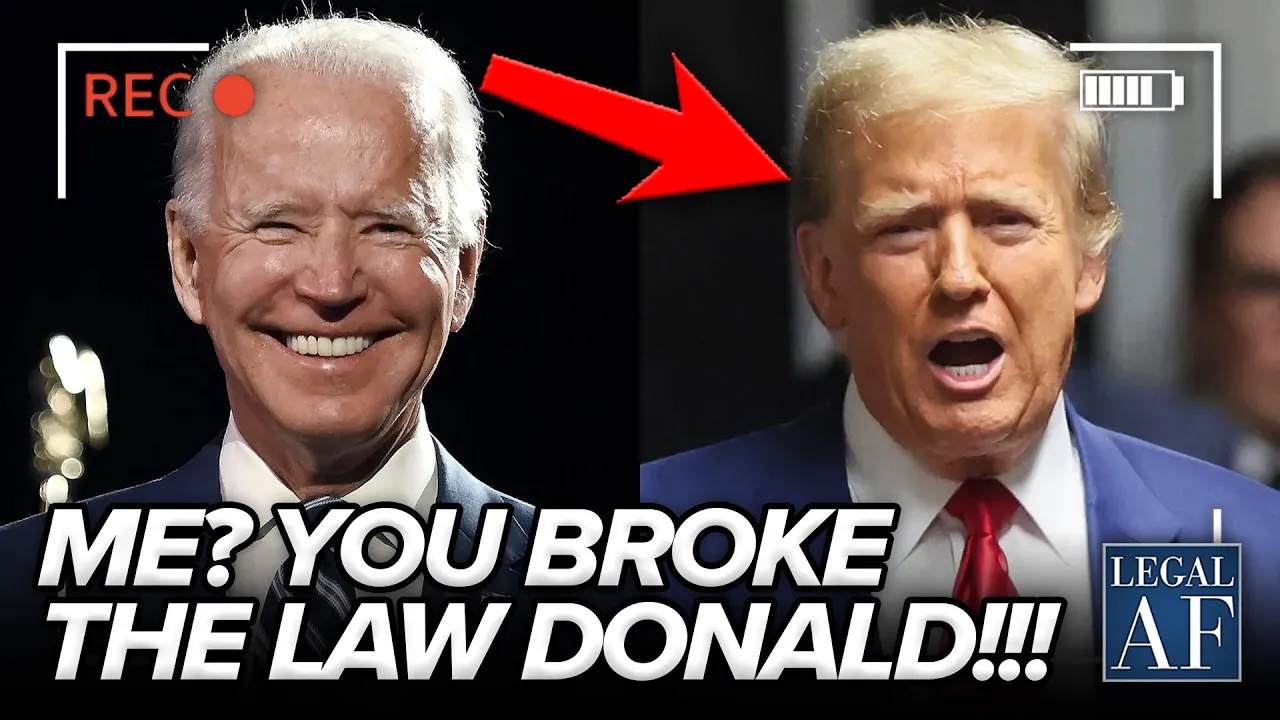





















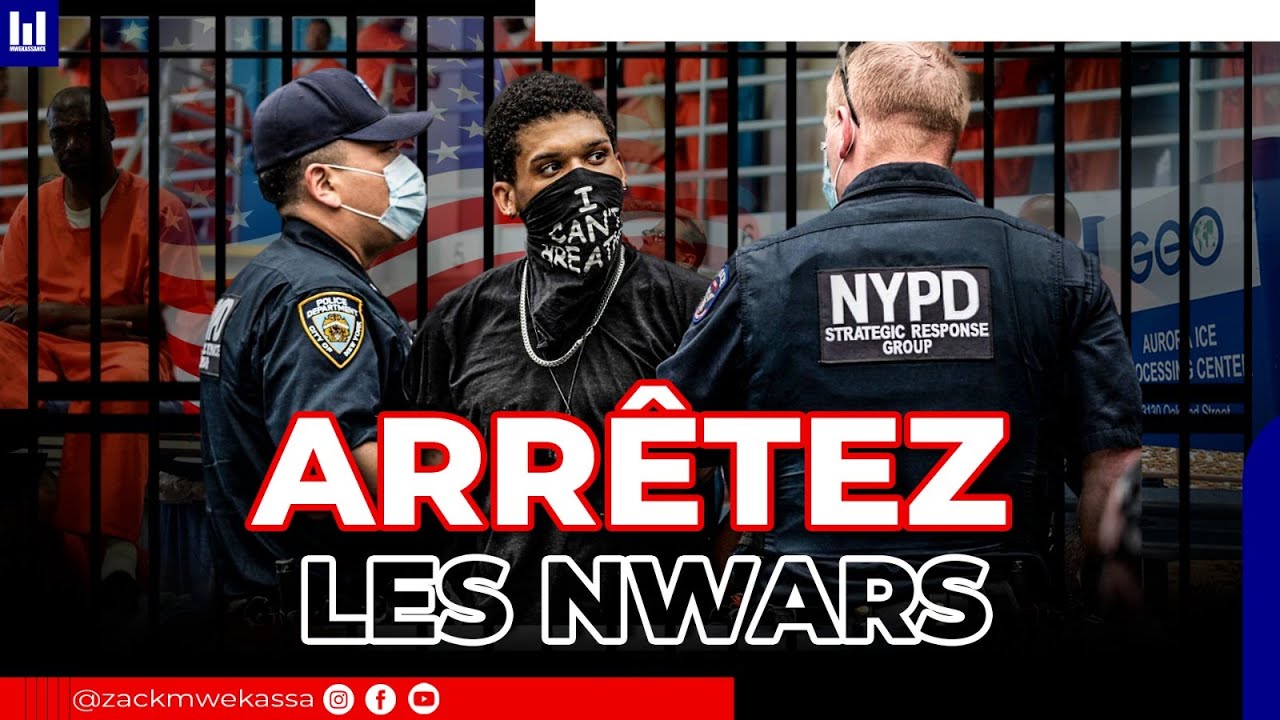
The 1994 Crime Bill, signed by President Bill Clinton and authored by Senator Joe Biden, contributed significantly to America's mass incarceration crisis through its $12 billion provision that subsidized states to build more prisons and enact truth-in-sentencing laws requiring 85% of sentences to be served behind bars; despite being framed as a response to rising violent crime in the early 1990s, the bill's legacy demonstrates how well-intentioned policy compromises can have long-term negative effects on criminal justice outcomes.
Understanding the 1994 Crime Bill and Its Impact on Mass Incarceration
Added:Historical context of the 'War on Drugs' and the rise of 'tough on crime' political rhetoric in the 1970s and 1980s.
Basic understanding of the US criminal justice system structure, specifically the distinction between federal and state jurisdictions.
Key sentencing terminology, such as 'mandatory minimums,' 'truth-in-sentencing' provisions, and 'three-strikes' laws.
The legislative process of how federal policy can influence state-level lawmaking through financial incentives and grant programs.
Analysis of modern criminal justice reform efforts, such as the First Step Act of 2018 and state-level decarceration initiatives.
The sociological and economic impacts of systemic disinvestment in minority communities resulting from high rates of incarceration.
Comparative penal policy, examining how the United States' incarceration rates and rehabilitation models contrast with other developed nations.
The rise of the private prison industry and the debate surrounding the financial incentives of the military-industrial-prison complex.
561.2K views4.8Klikes5:43Original Release: 2019-08-13
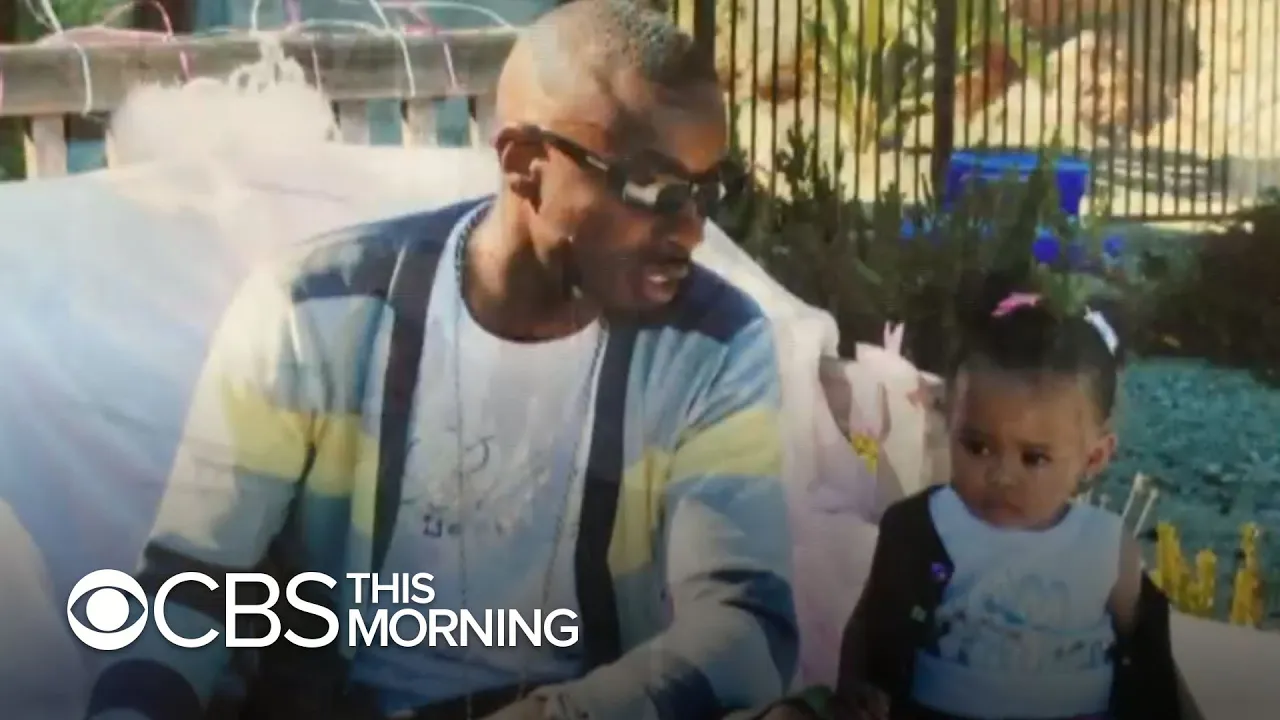
WE SAT DOWN WITH LAUREN BROOKIZEN TO GET SOME CONTEXT.
BROOKIZEN TO GET SOME CONTEXT. SO, 25 YEARS AFTER THE 1994 SO, 25 YEARS AFTER THE 1994 CRIME BILL WAS ENACTED, WE ARE CRIME BILL WAS ENACTED, WE ARE STILL HAVING CONVERSATIONS ABOUT STILL HAVING CONVERSATIONS ABOUT THE IMPORT AND SIGNIFICANCE OF THE IMPORT AND SIGNIFICANCE OF THE BILL.
THE BILL. >> THAT 1994 CRIME BILL, IT DID >> THAT 1994 CRIME BILL, IT DID CONTRIBUTE TO MASS INCARCERATION CONTRIBUTE TO MASS INCARCERATION IN OUR COUNTRY.
IN OUR COUNTRY. >> IT’S IMPORTANT THAT PEOPLE >> IT’S IMPORTANT THAT PEOPLE REMEMBER THE CONTEXT OF THE REMEMBER THE CONTEXT OF THE POLITICAL ENVIRONMENT IN THE POLITICAL ENVIRONMENT IN THE EARLY 1990s.
EARLY 1990s. >> THE OTHER BIG PIECE OF >> THE OTHER BIG PIECE OF LEGISLATION ON CAPITOL HILL LEGISLATION ON CAPITOL HILL TONIGHT IS THE CRIME BILL.
TONIGHT IS THE CRIME BILL. >> NOW, VIOLENT CRIME PEAKED IN >> NOW, VIOLENT CRIME PEAKED IN 1991.
1991. AND THE DRAFTERS OF THE BILL AND THE DRAFTERS OF THE BILL DIDN’T KNOW THAT IN 1993 AND DIDN’T KNOW THAT IN 1993 AND 1994 WHEN THEY WERE DRFTING AND 1994 WHEN THEY WERE DRFTING AND SIGNING IT.
SIGNING IT. URBAN AREAS AND CITIES ACROSS URBAN AREAS AND CITIES ACROSS THE COUNTRY WERE RAVAGED BY THE COUNTRY WERE RAVAGED BY CRACK-COCAINE AND AMERICANS WERE CRACK-COCAINE AND AMERICANS WERE AFRAID OF CRIME.
AFRAID OF CRIME. THE 1994 CRIME BILL WAS SIGNED THE 1994 CRIME BILL WAS SIGNED BY PRESIDENT BILL CLINTON, IT BY PRESIDENT BILL CLINTON, IT WAS A PRETTY SIGNIFICANT BILL AT WAS A PRETTY SIGNIFICANT BILL AT THE TIME AND PRESIDENT CLINTON THE TIME AND PRESIDENT CLINTON AND SENATOR BIDEN AT THE TIME AND SENATOR BIDEN AT THE TIME WERE RIGHT THAT THE BILL WAS WERE RIGHT THAT THE BILL WAS SIGNIFICANT.
SIGNIFICANT. >> THE MOST SIGNIFICANT FEDERAL >> THE MOST SIGNIFICANT FEDERAL EFFORT TO DEAL WITH VIOLENT EFFORT TO DEAL WITH VIOLENT CRIME IN AMERICA THAT HAS EVER CRIME IN AMERICA THAT HAS EVER BEEN UNDERTAKEN.
BEEN UNDERTAKEN. >> IT WAS IMPORTANT FOR THE >> IT WAS IMPORTANT FOR THE DEMOCRAT AT THE TIME TO BE SEEN DEMOCRAT AT THE TIME TO BE SEEN AS TAKING A SIGNIFICANT ROLE IN AS TAKING A SIGNIFICANT ROLE IN TRYING TO REDUCE CRIME AND TRYING TO REDUCE CRIME AND VIOLENCE IN THE UNITED STATES.
VIOLENCE IN THE UNITED STATES. AND AT THE TIME, THE AND AT THE TIME, THE CONGRESSIONAL CAUCUS WAS PART OF CONGRESSIONAL CAUCUS WAS PART OF THE DEBATE AROUND THE CRIME THE DEBATE AROUND THE CRIME BILL, AND THE CONGRESSIONAL BILL, AND THE CONGRESSIONAL BLACK CAUCUS DIDN’T WANT EVERY BLACK CAUCUS DIDN’T WANT EVERY PROVISION THAT WAS INCLUDED IN PROVISION THAT WAS INCLUDED IN THIS BILL.
THIS BILL. IT BECAME CLEAR THAT THE IT BECAME CLEAR THAT THE PROVISIONS IN THE ’94 CRIME BILL PROVISIONS IN THE ’94 CRIME BILL WERE GOING TO BE A POLITICAL WERE GOING TO BE A POLITICAL COMPROMISE AND SO THE HISTORY IS COMPROMISE AND SO THE HISTORY IS MUCH MORE COMPLICATED THAN IS MUCH MORE COMPLICATED THAN IS SOMETIMES PORTRAYED BY THE SOMETIMES PORTRAYED BY THE MEDIA.
MEDIA. >> NOW, WHAT DID THE BILL DO?
>> NOW, WHAT DID THE BILL DO? >> JUST LIKE A LOT OF POLITICAL >> JUST LIKE A LOT OF POLITICAL COMPROMISES, THERE WAS A GOOD COMPROMISES, THERE WAS A GOOD AND THERE WAS THE BAD.
AND THERE WAS THE BAD. FOR EXAMPLE, THE BILL ELIMINATED FOR EXAMPLE, THE BILL ELIMINATED 19 TYPES OF SEMIAUTOMATIC 19 TYPES OF SEMIAUTOMATIC ASSAULT WEAPONS.
ASSAULT WEAPONS. IT ALSO PROVIDED HUGE AMOUNTS OF IT ALSO PROVIDED HUGE AMOUNTS OF FUNDING TO HIRE COPS, HUNDREDS FUNDING TO HIRE COPS, HUNDREDS OF THOUSANDS OF COPS WERE OF THOUSANDS OF COPS WERE FUNDED, ABOUT $14 MILLION AT THE FUNDED, ABOUT $14 MILLION AT THE TIME FOR POLICING.
TIME FOR POLICING. THE BILL ALSO ENACTED THE THE BILL ALSO ENACTED THE VIOLENCE AGAINST WOMEN ACT THAT VIOLENCE AGAINST WOMEN ACT THAT PROVIDED PROVIDED PROVIDED FUNDING TO PROTECT PROVIDED FUNDING TO PROTECT WOMEN AND VICTIMS OF DOMESTIC WOMEN AND VICTIMS OF DOMESTIC VIOLENCE AND CRIMES AGAINST VIOLENCE AND CRIMES AGAINST WOMEN.
WOMEN. BUT THE MOST PERNICIOUS BUT THE MOST PERNICIOUS PROVISION OF THE 1994 CRIME BILL PROVISION OF THE 1994 CRIME BILL WAS A $12 BILLION THAT WAS WAS A $12 BILLION THAT WAS AUTHORIZED FOR STATES ACROSS THE AUTHORIZED FOR STATES ACROSS THE COUNTRY THAT WOULD ENACT WHAT’S COUNTRY THAT WOULD ENACT WHAT’S CALLED TRUTH IN SENTENCING LAWS.
CALLED TRUTH IN SENTENCING LAWS. THAT FUNDING LITERALLY PAID THAT FUNDING LITERALLY PAID STATES TO INCREASE THE NUMBER OF STATES TO INCREASE THE NUMBER OF PRISON BEDS THAT THEY ALLOCATED PRISON BEDS THAT THEY ALLOCATED FOR INDIVIDUALS CONVICTED OF FOR INDIVIDUALS CONVICTED OF VIOLENT CRIME IN THIS COUNTRY.
VIOLENT CRIME IN THIS COUNTRY. 85% OF THEIR SENTENCES BEHIND 85% OF THEIR SENTENCES BEHIND BARS.
BARS. THE REASON THAT PROVISION IS SO THE REASON THAT PROVISION IS SO IMPORTANT AND THE REASON WE’RE IMPORTANT AND THE REASON WE’RE STILL TALKING ABOUT IT TODAY IS STILL TALKING ABOUT IT TODAY IS THE FEDERAL GOVERNMENT THE FEDERAL GOVERNMENT ESSENTIALLY SUBS ESSENTIALLY SUBS ESSENTIALLY SUBSIDIZED STATES ESSENTIALLY SUBSIDIZED STATES ACROSS THE COUNTRY TO BUILD MORE ACROSS THE COUNTRY TO BUILD MORE PRISONS SO 25 YEARS LATER, THE PRISONS SO 25 YEARS LATER, THE CRIME BILL IS -- CRIME BILL IS -- >> YOU STOOD UP AND USED THAT >> YOU STOOD UP AND USED THAT TOUGH ON CRIME PHONY RHETORIC.
TOUGH ON CRIME PHONY RHETORIC. >> THAT BILL WAS A HUGE MISTAKE.
>> THAT BILL WAS A HUGE MISTAKE. >> THERE’S NO QUESTION THAT THAT >> THERE’S NO QUESTION THAT THAT CRIME BILL CONTRIBUTED TO CRIME BILL CONTRIBUTED TO AMERICA’S MASS INCARCERATION AMERICA’S MASS INCARCERATION PROBLEM.
PROBLEM. >> 1994 CRIME BILL, WE HAD A >> 1994 CRIME BILL, WE HAD A GIGANTIC EPIDEMIC IN AMERICA OF GIGANTIC EPIDEMIC IN AMERICA OF VIOLENCE, PARTICULARLY IN VIOLENCE, PARTICULARLY IN AFRICAN-AMERICAN COMMUNITIES.
AFRICAN-AMERICAN COMMUNITIES. THE NOTION WAS IT WAS THE NOTION WAS IT WAS OVERWHELMING SUPPORTED, OVERWHELMING SUPPORTED, SUPPORTED BY THE BLACK CAUCUS SUPPORTED BY THE BLACK CAUCUS AND THE UNITED STATES SENATE BY AND THE UNITED STATES SENATE BY AND LARGE.
AND LARGE. >> AND THE REASON THAT THE CRIME >> AND THE REASON THAT THE CRIME BILL COMES UP SO OFTEN IS, YOU BILL COMES UP SO OFTEN IS, YOU KNOW, TODAY, IN 2019, IT IS HARD KNOW, TODAY, IN 2019, IT IS HARD FOR SO MANY PEOPLE TO UNDERSTAND FOR SO MANY PEOPLE TO UNDERSTAND WHY THE FEDERAL GOVERNMENT WOULD WHY THE FEDERAL GOVERNMENT WOULD PAY STATES TO INCARCERATE MORE PAY STATES TO INCARCERATE MORE PEOPLE.
PEOPLE. GIVEN THE CONSEQUENCES THAT WE GIVEN THE CONSEQUENCES THAT WE KNOW THAT INCARCERATION CAUSES.
KNOW THAT INCARCERATION CAUSES. BUT AT THE TIME, POLICYMAKERS BUT AT THE TIME, POLICYMAKERS FELT THE NEED TO RESPOND TO WHAT FELT THE NEED TO RESPOND TO WHAT THEY FELT WAS UNCONTROLLED THEY FELT WAS UNCONTROLLED VIOLENCE AND THIS BILL WAS THE VIOLENCE AND THIS BILL WAS THE WAY THAT POLICYMAKERS IN WAY THAT POLICYMAKERS IN CONGRESS COULD DO SOMETHING CONGRESS COULD DO SOMETHING ABOUT IT.
ABOUT IT. >> VIOLENT CRIME AND THE FEAR IT >> VIOLENT CRIME AND THE FEAR IT PROVOKES ARE CRIPPLING OUR PROVOKES ARE CRIPPLING OUR SOCIETY.
SOCIETY. THE CRIME BILL BEFORE CONGRESS THE CRIME BILL BEFORE CONGRESS GIVES YOU A CHANCE TO DO GIVES YOU A CHANCE TO DO SOMETHING ABOUT IT.
SOMETHING ABOUT IT. A CHANCE TO BE TOUGH AND SMART.
A CHANCE TO BE TOUGH AND SMART. >> WE NEED TO EXAMINE THE CRIME >> WE NEED TO EXAMINE THE CRIME BILL AND ALL OF THE FEDERAL BILL AND ALL OF THE FEDERAL BILLS THAT GALVANIZED PRISON BILLS THAT GALVANIZED PRISON SPENDING, THAT GALVANIZED MORE SPENDING, THAT GALVANIZED MORE ARRESTS, MORE INCARCERATION AND ARRESTS, MORE INCARCERATION AND WE NEED TO LOOK TO THE FUTURE.
WE NEED TO LOOK TO THE FUTURE. AND TODAY, THE UNITED STATES AND TODAY, THE UNITED STATES LEADS THE WORLD IN TERMS OF LEADS THE WORLD IN TERMS OF INCARCERATION.
INCARCERATION. IN FACT, IF EACH STATE WERE ITS IN FACT, IF EACH STATE WERE ITS OWN COUNTRY, 23 STATES WOULD OWN COUNTRY, 23 STATES WOULD HAVE THE HIGHEST INCARCERATION HAVE THE HIGHEST INCARCERATION RATE IN THE WORLD.
RATE IN THE WORLD. EVERY CANDIDATE RUNNING FOR EVERY CANDIDATE RUNNING FOR ELECTION WHO’S SERIOUS ABOUT ELECTION WHO’S SERIOUS ABOUT CRIMINAL JUSTICE REFORM, WHO’S CRIMINAL JUSTICE REFORM, WHO’S SERIOUS ABOUT CUTTING THE PRISON SERIOUS ABOUT CUTTING THE PRISON POPULATION BY 50% NEEDS TO TAKE POPULATION BY 50% NEEDS TO TAKE A HARD LOOK AT WHAT HAS WORKED A HARD LOOK AT WHAT HAS WORKED AND HASN’T WORKED IN TERMS OF AND HASN’T WORKED IN TERMS OF OUR PAST CRIMINAL JUSTICE POLICY OUR PAST CRIMINAL JUSTICE POLICY AND UNDERSTAND THAT FEDERAL AND UNDERSTAND THAT FEDERAL FUNDING TO INCREASE THE NUMBER FUNDING TO INCREASE THE NUMBER OF BEDS IN PRISONS ACROSS THE OF BEDS IN PRISONS ACROSS THE COUNTRY IS SIMPLY NOT A WAY TO
Up Next
48:49
The Headless Man: Forensic Analysis of a Highland Mystery
@HistoryHit
266.4K views•2023-11-27

33:02
The Great Schism of 1054: Causes and Consequences
@SacredCathedrals
113.5K views•2026-02-19
91:57
The Geopolitics of the Ukraine War and the Rise of Global Autocracy
@JordanHarbingerShow
468K views•2025-04-19

17:05
Understanding the Cold War: Superpower Conflicts and the Road to Détente
@OverSimplified
46.1M views•2019-01-24
Related Study Plans & Knowledge Roadmaps
Structured learning paths in History
history
Byzantine Iconoclasm: Theology, Art & Politics
01Foundations of Byzantium and Early Christian Images
02The First Iconoclasm: Leo III and the Crisis of Images
03Empress Irene, Nicaea II, and the Second Iconoclasm
+ 2 more learning modules
9h5 modules
Explore Roadmap
history
Iranian Revolution (Causes, Events & Legacy)
01The Pahlavi Dynasty and the Roots of Discontent
02The Spark of Rebellion and the Rise of Khomeini
031979: The Fall of the Shah and the Climax of the Revolution
+ 2 more learning modules
8h5 modules
Explore Roadmap
history
Mali Empire: Mansa Musa, Trade & Timbuktu
01Foundations of the Mali Empire
02The Trans-Saharan Gold and Salt Trade
03The Reign and Pilgrimage of Mansa Musa
+ 1 more learning modules
6h4 modules
Explore Roadmap
history
1947 Partition: Politics, Borders & Legacies
01Foundations of British India and the Divide
02The Political Negotiations and the Mountbatten Plan
03Drawing the Boundary: The Radcliffe Line
+ 2 more learning modules
8h5 modules
Explore Roadmap