











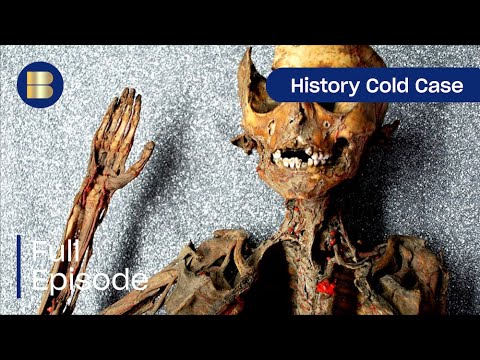





Forensic analysis of the family crypt at Wolvey revealed that the remains inside do not belong to Simon Fraser, the last person executed for treason in Britain (1747), but instead contain the remains of a young woman and other individuals, solving the long-standing mystery of whether he was buried in London or his native Highlands.
The Headless Man: Forensic Analysis of a Highland Mystery
Added:Fundamentals of forensic anthropology, including skeletal identification, osteology, and methods for determining age, sex, and stature from human remains.
Basic historical context of 18th-century Scotland, particularly the Jacobite risings, the Clan system, and the legal definition of treason during this era.
An understanding of taphonomy, specifically how environmental factors inside a tomb affect the preservation or decay of bone and soft tissue over centuries.
The principles of historical DNA analysis (aDNA), including the challenges of contamination and the process of matching ancient samples with living descendants.
Advanced paleopathology, focusing on how specific historical trauma, such as decapitation or battle wounds, can be differentiated from post-mortem damage.
The application of stable isotope analysis (strontium and oxygen) in bioarchaeology to reconstruct the geographic origin, migration patterns, and diet of historical individuals.
The ethical and legal frameworks governing the exhumation, study, and reburial of historical human remains in European archaeology.
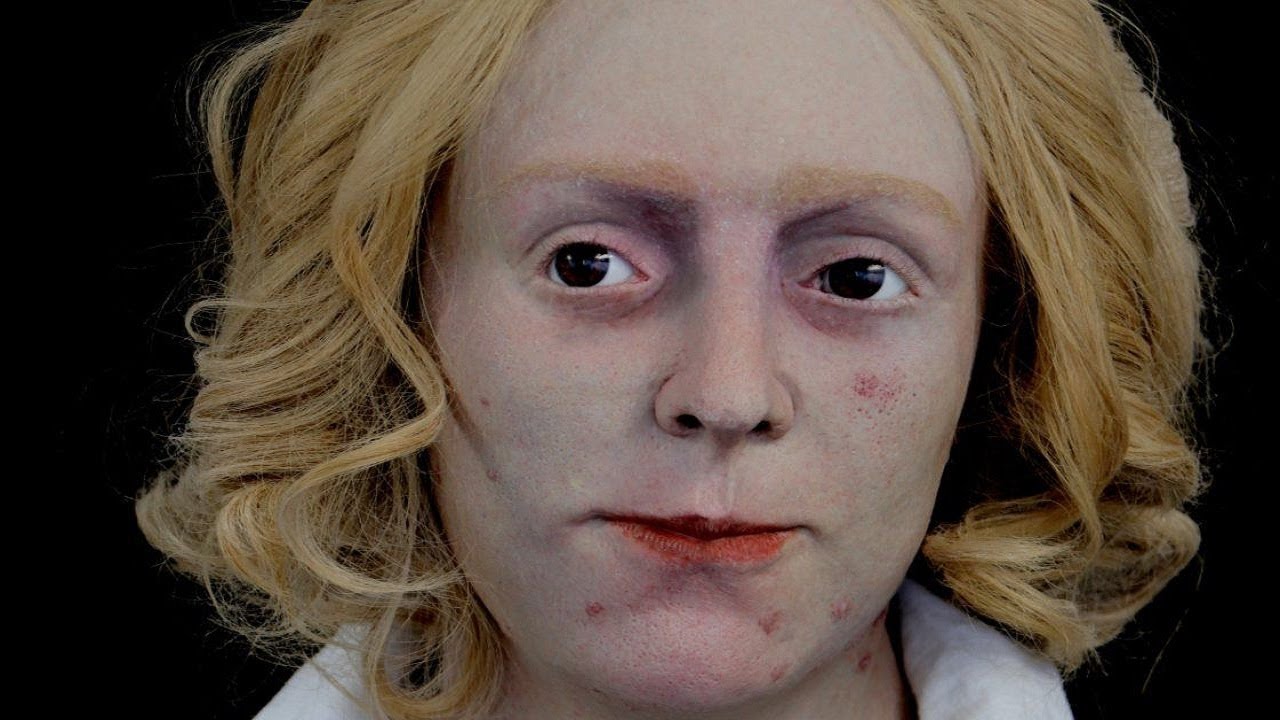
The techniques of forensic facial reconstruction, combining digital 3D modeling and anatomical data to recreate the physical appearance of historical figures.
266.4K views4.8Klikes48:49Original Release: 2023-11-27
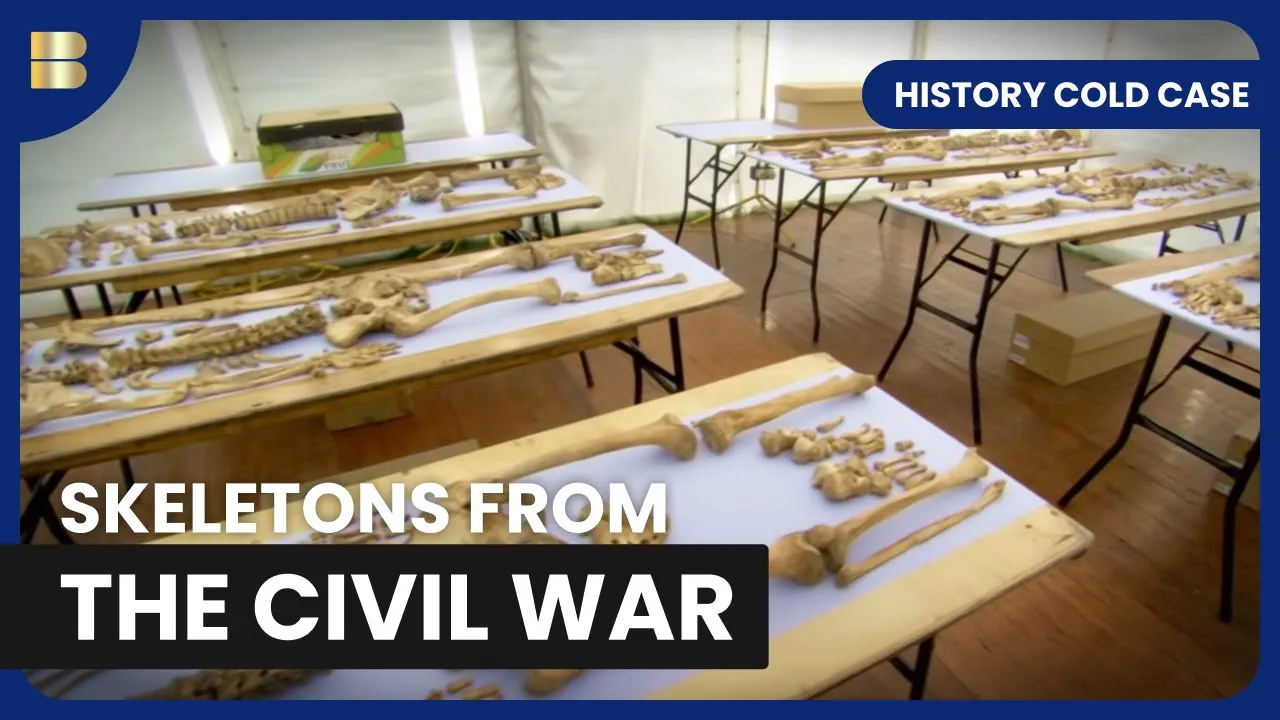
[Music] in 1747 Simon Fraser Lord love it was executed in London for treason rebelling against his King but it was the start of a mystery this man who was the last to be beheaded by the British state for treason was buried apparently in London but his family have always maintained that he was brought back up to his native Highlands and buried in the family morsum here in water today we're going to open his coffin and find out the [Music] truth in the late 1660s a baby was born in an house now demolished on the banks of this burn in the highlands of Scotland that child would grow into Simon Fraser the 11th Lord love it a man whose life and career typified the wild life up here in the highlands in the 18th century a world of political jockeying violence blood feuds and tested loyalties he was in many ways the last Highlander Sarah Fraser is a member of the family and has written the definitive biography of Simon Fraser so she knows his complex life story better than anyone you call him Simon Fraser you call him Lord L he's also Mar shimi Moore to his G kin he's the great Simon they would never call him Lord lover it's a British title and of course the government and Hogarth he's the old Fox so he lives in so many worlds and what I like personally is that um he was born to none of this this should not have happened he's the Second Son of the Second Son of a chief so he's quite a long way out and by hook or by crook by luck and guile he gets to the top that's why I really like him young Simon could never really have expected to become Clan chief of the phrases he's only very distantly related to the existing client Chief but then a lack of male airs a series of fortuit Des including the death of his older brother in battle meant that in his early 20s Simon found that he had the best claim to be Clan Chief but even then other clans tried to absorb Clan Fraser and he was never really secure in his claim well for decades and he entered a series of intern sign squabbles legal violent all different kinds to try and assert his claim to be Clan chief and ownership of these fertile lands by the time he becomes air two clans stand ready predatory Clans stand ready to tear Clan Fraser apart it's really weak these early deaths have exposed the leadership at the top weak leadership never works and if it wasn't for the force of his personality the clan would have gone under and there'd be no phrases today in an effort to consolidate his control over these lands Simon Fraser does something so brutal its consequences would be felt for decades what he does when the late chief dies which makes him the hereditary male a and the two clans get ready to tear it apart he tries to get between them and he forces a marriage on the Widow of the late Lord L now she is the daughter of a marquis related to the crown round heads of Europe her brother they call the vice Roy of Scotland he's holding Scotland for William III what Young Simon Fraser now Lord love it does is he gets a band of men they go Galloping down to Castle Downey they say the Parson was called for and the bag pipe blown up and she was asked do you want to marry me and what couldn't hear her answer doesn't matter it's going to happen he forces a marriage on her um and consummates it and the next day all hell breaks loose which it'll take him about 15 years to recover from better be a hell of a night this was an attack on the most powerful family in Scotland the AOL mures and they wanted Revenge what they do is they uh raise a lawsuit against him for uh they call it rape and H suck it's the ravishing of persons of consequence in their own homes and that's and it's and it's a capital crime so he f please and in absenta they try him he's outlawed forfeit he's lost everything so in this moment when he gets everything at the turn of the century he loses it all and he flees for his life Simon Fraser is now a wanted man forced to go into hiding I'm up on the roof of cordor Castle a magnificent Castle just outside in vaness and I've climbed up a few secret stairs and ladders and here amongst the G BS is a roof space where it said that Simon Fraser hid to escape being captured and executed the legend has it that he spent three days up here and I can see why he didn't stay for longer must been pretty miserable this was not a long-term solution to his problems and he spent the next few years tearing around Scotland and elsewhere with his enemies in Pursuit while he was on the Run an outlaw his father died making him Lord love it but he couldn't return to his ancestral homelands and stake his claim because he was still a wanted man he finds Sanctuary with the stewards who are also in Exile just outside Paris there he pledges allegiance to the Jacoby cause and he helps to formulate an invasion plan but the Young Prince James Edward Stewart on the British throne I he was always a natural steuart supporter and a Jacoby instinctively I'm it was tied up also I think with his own troubles in that these are by hereditary right as even Dr Johnson admitted you know 20 30 50 years later these are by hereditary right The Heirs to the Thrones of Britain and he just as he has been put out of clam Fraser he wouldn't think that the Stuart should be put off the throne at all and so he is instinctively a jackaby these are the rulers of Scotland he's also a Scottish nationalist so he'd be quite happy if they came back and just ruled Scotland um and he but it's never as simple as that with Simon because this Invasion doesn't happen and the longer he's away from Scotland the more likely it is that these two predatory Clans the McKenzie and the mures are actually going to embed themselves in Clan Fraser and take it over so he loses patience he can't play a long game Simon he cannot play a long game young man's impatience so he then sneaks back and he he offers to sell the jacobites out to the dukee of Queensbury and um that causes a huge Scandal and he has to flee then back to France again and Louis the 14th has had enough he likes him personally really likes him but he locks him up in Sam for 10 years just to stop him doing anything else he's tried to play both sides and ended up in prison in France back in England James's older half sister Queen Anne is Monarch although she's a steart she isn't regarded as legitimate by the jacobites but history is about to take another dramatic turn in 1714 the last Stewart Monarch died Queen Anne she was succeeded not by members of her Stuart family but by a fairly distant cousin the hanian German Prince George I now almost immediately there was a big rebellion in Scotland the 1715 jacobites rose up to try and insist that the steuarts would be put back on the throne now this was the chance that Simon Fraser been waiting for he was in Exile in France but he realized if he could come back here talk his Clansman out of supporting the Jacoby cause then the new Kings of Britain would issue him the pardon and reinstate him to his former position so he made his way up here to the highlands and outside in vanesse he met up with his clan and persuaded him to back the Han Arians not the steuarts he's telling them that they've got to support the new regime help bed in the new regime which has his head but not his heart I think that's what it comes down to his head is telling him this is where the future lies and his heart has just got to keep quiet for a while so having switched sides several times already he ends up fighting alongside the British crown to take iness back from the jacobites the Rebellion is defeated and at last he finds himself on The Winning Side in gratitude the king restores his title and pardons him for past crimes finally he's able to regain control of the family morsum here in wlor just west of in vaness I met with Eric lunberg the custodian of the site beautiful position on top of this hill is isn't it just it's very Grand that sort of tower on top isn't it well by what you you're seeing here is the building as Modified by Simon the fox okay so in its original state it was the same floor plan but about 3 ft lower and had a thatch roof just like the church had I like the idea that Simon the fox added this very sort of military Tower to it that seems to tell me a little bit about yeah it's cracking into it so how did you get into being the expert in all things WL I know if I'm the expert but I've been the custodian for more foral B 10 years and involved with the building for getting on near 20 and just happened to live here and was asked look after this key and uh just grew out of that being asked what is this building what's it for who's in hereid and I had to learn so you just were you were Keeper of the key and then before you know it you're the world's leading expert I'm very impressed right come on let's get you in here oh yes wow certainly got lots of atmosphere so what are we looking at here what what was the purpose of this building right so the see it was built 1634 because of love it's no longer har prior available to them after the Scottish Reformation the rofer came off couldn't use that so they come here instead so they need a new finally family burial Vault okay yeah indeed and uh the first the Lord love that died was buried about here behind a curious Timber Palisade while they built the building around her really this is the Gable wall of that uh previous Parish church and our building just built off that so the LoveIt the Lord loveits are all buried in here since 1634 since 1634 what about the fox what's his relationship with this building so this was his family vault which he intended to uh use for himself but when uh he was recognized as Lord loved after his support for the hanovarian government following the 1715 rebellion in 1722 he wanted to show off to his neighbors how important a man he now was in the highlands and spent money in here so I tell I guess this is bling from 1722 okay all design to impress because because he'd been a fugitive hadn't he so he hadn't been able to bury his dad properly I suppose corre so this was like coming home I'm back I'm going to give my dad a you know a not a video Monument mon this is the monument to Simon's father Thomas Lord Fraser of love it Thomas is actually buried at Kure graveyard next to dunan Castle on Sky because Simon's mother was cila daughter of McLoud of dunan okay so s sent his dad across to dvan for safekeeping during All the Troubles in the late uh 1690s and he had died there and then once Salon was Lord love it he could build a monument to his father and improve the building at the same time Simon's Memorial to his father dominates the room I think it provides a fascinating insight into the mind of the fox first of all what's so striking about it is it's a barck magnificent Memorial with its Corinthian column tops and its pediment this is a man saying yes he's a high rough tough Highland Chief but he's laying claim to be part of a paneuropean aristocracy one of letters and and and and and hugely cultured but what's equally interesting is actually the words he uses the first few lines are about his dad but most of it is about himself the monument was erected by Simon Lord phaser of love it his son who likewise having undergone many great vicisitudes of good and bad fortune through the malice of his enemies he in the end at the head of his clan forced his way to his paternal inheritance with his sword in his hand he's written his own epito on his father's Memorial at last Simon Fraser's achieved his life's goal and become leader of the Fraser Clan he becomes an establishment man he becomes the sheriff of in vaness at one time he marries another hanovarian lead's daughter he has four children I mean he's he's a late starter in their terms because by 1715 in his 40s he has four children um actually loses his wife he marries again and he does live here in Grand style as a Highland Chief and he manages to um ride those two horses for an awful long time honorable service to the crown being one of those people who holds the highlands for them and also living according to the ethic and culture and values of clanship so he's a very good lead but after 30 years of relative peace Simon Fraser is once again caught up in the world of power and politics in 1745 Bonnie Prince Charlie the heir to the Stewart family landed here in Scotland and drove government forces from Scotland he then Advanced his army deep into England reaching Derby before he turned around having spent his life playing both sides Simon now had to choose whether or not to back Bonnie Prince Charlie I think that what happens is love it that instinctive jacobitism when he sees his success there's that kind of old siren song of the steuarts which so many of the clan Chiefs can't resist and he throws his hat in the ring with him and he makes his last appalling judgment call this one there's no coming back from this one never the scene was set what would be the last pitch battle on British soil as Prince Charlie fought to gain the throne for his family in early 1746 his forces faced a British Army commanded by his cousin the dukee of Cumberland here on the battlefield of kod now the Fraser Clan were here old Simon Fraser Lord love it wasn't perhaps he was too old perhaps he was still hedging his bet slightly he'd been late to declare for Bonny Prince Charlie he'd stayed aloof to start with and had only thrown his lot in with the jacobites when he'd seen them doing so well so his clan was here commanded by a relative they would stand here in the center of the jackaby line and take part in What was to be a climactic battle for the throne of Britain the clan Fraser together with the other clansmen in the Jacobite liines tore across this field it was said like packs of hungry wolves they H themselves in the British army but around about here 200 M out 100 meters out from the British lines they ran into a wall of Firepower the British army was one of the most well- drilled forces in Western Europe cannons were packed with canister that's canisters full of musket balls that turned each cannon into a giant shotgun and they rip through jackaby ranks then the British infantry started firing they're in three round s that meant that each rank fired one after the other so every 8 seconds hail of musket balls tore into the jackaby lines the result was an appalling Slaughter almost comparable with the Slaughters of the 20th century in the space of a few moments over a thousand men perhaps 1500 men were cut down on this battlefield among them many in the clan Fraser those men are now buried in Pits on the battlefield itself you can still make out these rounded tops here and 100 years later headstones were put in it's not certain that the clan Fraser all buried here but there would have been clansmen there would have been Lord love its's men buried under and near this headstone Simon Fraser had played both sides in The Civil Wars that had ripped through Scotland and Britain ever since he'd been a young man but this time 1746 the British hanovarian had decisively won the stewards were consigned to history and Simon Fraser had found himself completely on the losing side even the fox wouldn't be able to get his way out of this one Simon Fraser is once again on the run but he's now in his 80s he doesn't get far before the British capture him there are two men of war the furnace and the Terror that tells you their attitude to pacifying the highlands and nosing their way in and out of the West Coast and they pick him up and he is the biggest prize because every you know others have got away Mar's Got Away the prince has got away the other a lot of the other key players have got away and they are delighted to get him I mean Cumberland says you know he ranks high in command with titles and what a Triumph This is to get hold of him he's taken to London on his way he stopped at an inn in St Albans where he met the artist William Hogarth hogarth's portrait of him is now the best known image of Simon Fraser he was then imprisoned in the Tower of London he was put on trial in 1747 for treason Tried by his fellow peers in Westminster Hall in the houses of Parliament it was a foregone conclusion after a week he was found guilty and sentenced to the classic traitor's death hanging drawing and quartering in one last gesture King George commuted that to death by beheading on the 9th of April 1747 Lord love it was brought from the tower out to Tower Hill where traditionally traitors had been executed it was a huge event hastily erected stands were made to accommodate all the spectator one of which collapsed leading to the death of something like nine people Lord love it had a Ry smile when he saw that he was brought here among his last words was the quote from the Latin poet Del dorest propatria Mori it is sweet and proper to die for your country in his mind he was dying as a Scottish Patriot he was brought here and executed by beheading the last man to be beheaded for treason in Britain Callum Fraser is descended from the chiefs of the clan Fraser and he's come to the tower to play for his [Music] ancestor call that was amazing thank you very much haunting what was was that so that was Lord love it cement um and it's a sometimes you can play in 68 but it's a that a lot slower more kind of Haunting version of it and what is a lament so a lament is a is a tune that's that's written kind of in an aftermath of kind of monumental experience uh or occasion this would have been written by his Pipers in 7747 it was yeah so it's slightly disputed whether he had two Pipers so there was y McGregor and David Fraser uh and David was uh kind of Junior Piper so it's disput between who wrote it but certainly one of those two were definitely the author of the tune and you are a Fraser I am certainly yeah I I am descended from from Ro love himself so so is it quite um amazing for you be playing that lament on just near the sight of his death it is it really is incredible I mean uh you hear when you're in there you hear about uh he he's mentioned as the last Aristocrat to have his head chopped off and it's a it's quite it's quite amazing to to play that and kind of feel that kind of historic moment I think Simon Fraser was the last of many so-called traitors to be executed on this site so this is a really remarkable Memorial in Tower Hill and it commemorates some of the people who were killed here by the English and the British state for treason and it reads like like a who's who from our history a remarkable collection usually of aristocratic claimants the throne and Rebels uh you've got Edward plantag the L of War killed in 1499 basically for having a better claim to the throne than Henry iith you also Thomas Moore Henry the 's chief minister who refused to back his breach with Rome and paid the ultimate price who else do we got here we've got William Lord Arch Bishop of count to be under Charles I first James Duke of Monmouth illegitimate son of Charles II who rebelled against his uncle James second and right down here at the very end we have Simon Fraser Lord love it the last high-profile Aristocrat to be executed for treason but this is not where the story ends because traditionally these Rebels were taken into the Tower of London and buried in a shallow grave but Lord loveit's clansmen his family have always insisted that he had a different fate the family have long believed that his body was in fact taken back to Scotland and laid to rest in the family vault at wlor Sarah even has a theory for how it happened two of his Fraser kin were there and they said can we take him home to bury him under the skies in his rest his home his resting place and ini the government said yes so they got a man called Mr Stevenson to collect the body and out it went to his um undertakers in Craven Street and that was fine and then about 5 days later uh the leftenant general of the tower heard that um Stevenson was displaying the body for a penny of pop so that people could come in and see this big jackaby symbol you know and they were incensed because the last thing they wanted was to put any fuel back in the Jacobite fire you know there were because yes you'd get people coming there to hiss and boo but you'd also maybe get secret jacobites coming saying we'll be back you know and um make a Marty of him and so corn Wallace from whiteall sent a furious letter saying get that body back in the tower and the leftenant general sent his message to the two phrases bring him back now and another 5 days went past and then a body came back in a coffin but we don't know whose it was I mean he's been out of the tower for 10 days how do we know what came back the answer lies in the family vault at wlor so obviously it makes sense that Simon the fox Lord love it wanted to be buried here he' built the place absolutely for himself sure it all makes sense when you see and he had to be given permission to do so until the government change their minds right well where's the cryp okay let's go so want to take a ring for me okay very heavy right what an adventure is that all right okay I do it okay mind your head and the steps are not all the same height I can say that again yes is brilliant I can't this is so this is the family crypt of the love it yep look at that sweet little one there he's a child it is indeed so can I explain to you who we have in here yeah on our left here is a person we think is Simon the fox that's the exciting one absolutely next to us in front here is General Simon who raised the 78th fre the Highlanders and then the 71st fre the Highlanders and 14 nor nor America North America basically yes indeed for for the king that executed his father absolutely well it was his method of getting back into into the good grace of the hanian regime because after the 45s Simon lost not only the title but also the states so he had no job no money no career and had to invent something new in the new political reality I these are L coffins when they were placed down here they would have been inside a dictive Timber coffin with the nice name plates and handles and so on Simon's one is rather special because he had a Timber inner coffin a lead coffin a second lead coffin and then a Timber outer coffin so I can't imagine the had getting that wait down here in the first place and so let me get this right Simon phrase the fox mhm executed at the to of London yeah it said he's buried in London but it's always been believed by the family by the community up here that he was brought back and buried in his family crypt absolutely the pH story has been that the body was intercepted on the way to the Tower by friends or family and was brought home in a iness merchant ship called the plager and it came up toess up The Bu forth and then Sim was brought up here on the quiet and placed down here in a tip of coffin with no external name plate of course because he wasn't meant to be here the coffin might not have had an external name plate but there was a panel on the inside of the wooden coffin that once contained this inner lead coffin we have this which is the name plate from Sam's coffin it's in Latin so I'm struggling a little bit y my latin's pretty poor too but it says in English in this coffin are laid the remains of Simon Lord frer love it who with the greatest distinction rown at the risk of his life life restored and preserved his race Clan and household from the tyranny of the athl and the treacherous plotting of the McKenzies of tarbert at the bottom you might see a Crest you might be aware that you can see a five pointed crown on top and a part of that in heraldry that signifies AUM oh yeah and you will remember I'm sure that one of the prices that Simon demanded of body Prince Charlie for his support was to be made a Juke and he would not act until he received look like there's patent confirming his jum so so that's a that is a a sign that he whoever did this knew that Simon was a Juke so was I I think it's is Simon who had this dictated London that is all about the inheritance period the 1690s not mentioned Jacobite but this is that's a subtle sign a subtle sign for those who understand it which would be virtually nobody London but those who are important knew and he was saying nah he's having the last laugh he I'm last off cuz he's been buried a Juke yeah again it was only for the family to smirk and know it was there the public outside were unaware in fact when the building was visited uh in the 1850s um it was reported that there was no plate saying Simon Lord love it therefore it was assumed he was not here and therefore lies in London where the government said he was but they didn't know at that stage that this plate was inside the timber coffin and now tomorrow at dawn we find out if that's true or not we're going to open up that coffin for the first time in 250 years that's right it's going to be very [Music] exciting the investigation is being led by one of the world's most respected forensic anthropologists professor Sue black and her teen from dunde Universe we're suited up to protect us from the lead dust and to protect the remains from contamination in charge of removing the remains from the coffin is Dr Lucina Hackman it's time to open the coffee do you mind taking the big end okay y I think that's probably safest go one two three oh it's going to be heavy cuz it's lead so what we've got is what we'd expect a wooden coffin within the lead outer coffin and you can see we've got the lid or what was the lid but that's deteriorated quite a lot so we'll need to lift that off and take that this's 250 years old is it would have been what was put in originally oral cofin okay here we go so you can see the original so we just hand that to you yeah we just very carefully lift it off okay great w what are we what are we seeing that'll expose the inner area so what we're seeing here you can still see the edges the wooden coffin here you can see the top and you can see the bottom this has collapsed a bit and what we are seeing are we are seeing some bones so we're see some bones here uh you can see a few here you can see some bones uh their vertebrae distal uh femur yes so I think probably what we need to do is very systematically start taking the contents from this end and gradually take them out and then examine them carefully upstairs so that's the next step is this you you've seen so many bodies and burials is is this typical does this look like it's been like are you able to make any other judgments about its condition at the moment uh the condition isn't great from what I can see at the moment because of time bone becomes bone decomposes as does any part of the body teeth tend to decompose the slowest okay soft tissue goes quicker and Bone decomposes slowly if you've got the right environment it will then become it can become stable and last for a very long time but in the wrong environment it will decompose and what you have here is a situation where the coffin design will have kept the damp in so whatever damp was there is the body decomposed will stay and damp isn't very good for bone okay at all but it's good that some of it seems to us right yes it doesn't look much like a body to me but Lucina is starting to identify some remains trying to work out what we've got so I think we've got here these are the FEMA so these are the thigh bones this is a line of the thigh bone coming down here you see this line here that's a shaft of the femur yeah this for example oh that's actually preserved really nicely so I think we're going to get some preservation this is a bone this is a bone of the heel of the foot so it's a calanus so this is another foot bone here it's a Tais which sits on top of the calanus so the bones of the heel here so they're quite nicely preserved but they're very stocky if you think about the fact that that takes all your body weight on a regular basis as you're walking they're really robust bones anyway in life so they tend to last better anything Lucina finds is taken up for Sue to examine in detail so you can you can see that there's very dark color so what's Happ of the bones is as the body decomposes the fluid's slightly acidic okay and so the fluid mixes with the wood on the inside of the coffin and you you form something called humic acid oh and it effectively would have looked a bit like chocolate mousse until the bones take up the color of that dark wood around it it's quite hard down there to tell which is bone what's bone and what's wood because it takes on the color of it so that's what it done so this is this is bone it's very light and it's very fragile because it's been quite wet in the bone in in the coffin and this is the right heel bone so this is the heel at the back this is the bit that's going forward onto the foot so that's the calanus this is the taus and so that's the bone that sits on there like that I think from what I can see it's clearly the body of a beheaded 70-some year old man did you do that from two bones of the foot you're good you're so good maybe I'm better off leaving it to the professional before long some better preserved Bones start to appear thank you Mom ooh that's much better now we've got some something identifiable so that's vertebrae that's the lower end of the knee and that's the sacrum which is in very good condition where's the sacrum the sacrum is the bit of the pelv you know the pelvis is a ring yeah and you've got the vertebral column coming down on the top of it so all those individual vertebres sit on the sacrum which is a part of exactly it's right down in your bottom okay it's called sacrum because it was the sacred part it was believed that that was where your soul l in your sacr and when all else disappeared your sacrum the sacred part of you would survive that's true this guy it survived very well actually and what we can tell because there's no Fusion line we if that line across there was open we'd have somebody who's less than 25 so we know it's CL that's very exciting and we also know it's a man why do we know it's a man we know it's a man because when you look at the sacrum in men men this is bigger and these are smaller and a woman this is smaller and these are bigger there a man over the age of 25 we're in the right ballp and it's a man who's probably elderly because you can see the buildup of bone there is elderly so you're like sh so we've got a man certainly a man certainly over 25 and probably elderly I'm liking the sound this could be yep it's looking good to me I have to say that's not bad for the second box you are the best Sue has also identified parts of the backbone and and we we're quite interested in vertebrae aren't we because if he did get his head dropped off the vertebrae are going to show these are too low down okay so these are thoracic vertebrae these are in the in the back um just between your shoulder plates but can you see that there's a little Bridge RS across there they're fused fused so that happens with old AG nice we still like that we like that we still like that a lot now this is going to get get much more interesting this is a vertebrae but it's a vertebrae heading up towards the neck region oh it's got no cut marks on it that I can see yet okay but it's heading in the right direction so it's good to know that that those vertebrae are surviving and the difference between them if you remember the other one was was round see how this one's longer and thinner so that makes it a neck vertebra rather than a small of your back vertebrae okay but it's not being cut no sign of cut no sign of cut you really want a miracle for us bone out don't you as the bones are identified they're laid out on a table in the correct position it's a start we're going to need a lot more bones to solve this mystery right how's it going down here uh very well so far bones are very fragile very fragile indeed so it's uh matter of just taking out the small fragments so so far we've worked our way down from the top end which would be the head end of the coffin yeah and we have gradually recovered everything so far down to about waist level here um you'll see here and I'll put the torch on it just so they stand out you can see here's some body of some vertebrae oh that's good sign okay uh so you got better preservation in this middle area there's another one you got better preservation in this middle area than you had at the top end okay we have got some problems like this is a left humorous which is your arm bone which is just just going to fall apart can't even be removed no it's just going to fall apart so that's going to have to be very very carefully we but there's no skull no no skull okay so we know there's no skull no skull no teeth nothing that would indicate skull was here that's interesting yes so we don't know if there would he had teeth actually he was an old man wasn't he yes but teeth will stay teeth will preserve really very well Cu uh Dental enamel is very stable and doesn't deteriorate as quickly as bone so there's absolutely no indication of skulls over here interesting stuff yes so we're just going to carry on moving down so so so far we found a headless old man with arthritis cool that's very good I mean I've just been removing I know that Sue's been looking at that okay yeah uh I did see that the sacrum was male yeah so um yes then that's so far fits what you're we're looking for so thank you over hours of pain staking work all the remaining bones are removed from the coffin identified the question is could this be the body of Simon Fraser Lord love it at last Sue believes she she has the answer so sue what have we got here what are we looking at well we've I don't know where to start actually but we've laid it out as if you've got somebody on their back okay so the feet at that and the head at the center there's nothing goes beyond these vertebrae of the neck okay so lower level of neck there's nothing for this person that goes higher than that so it hasn't got aead okay it's probably woman what no and it's probably a woman in her 20s to 30s that is not Lord love it you're right okay so this was a different person to those first pie oh we're not finished yet anywhere near finished yet oh bear with us keep going right so all of that fits look there's the sacrum yeah the sacrum is feminine yeah and we were talking about small body wide wings that's a feminine sacrum so wherever her head is I don't know it's not an 80-year-old man okay okay fine but we've got his her column we've got her breast bone we've got her right arm her left arm her right leg her left leg her right foot maybe a bit of her left foot not so sure but a lot of debris this all looks as if it belongs together right so it's a very complete skeleton of a young woman without a head well I think that's quite cool on the other side you come over here over here we have a child's teeth what what are they doing in there so those are the crowns from a child's tooth that's part of a child's Jawbone smaller than that tiny different so this is going to be a child I haven't got an age yet but I would expect there were probably looking four five six sort of age that's two people Okay the third person Oh My Goodness Me is This chap which was the first B this is the one that we got very excited about yeah cuz this is not belonging to anything else okay this is masculine Yep this is a man this is an elderly man that's all there is that is Lord love it I'm sure no it's not Lord love it so what will have happened is that in tidying up Crypts and tidying up graveyards those who look after grave are it's find bones every now and again on the surface they tidy them away and if you had a coffin downstairs that was open open the cof pop it in because it's still on sacred ground Ah that's individual number three and is that so that's quite common is it all right individual number four what is possibly this one which is the lower end of a left knee it might belong to him but I don't think it does yeah that was individual number four wow individual number five don't be silly number number five is really interesting because these ribs so these are ribs from the right hand side first 2 third fourth fifth and sixth ribs in anatomical position so that means they've not been thrown in as empty bones they've been thrown in with soft tissue can't explain it but they don't belong to the young woman they don't belong to that they're far too well preserved they don't belong with that they don't belong with him they don't belong with the child that it might be that but that's too far apart and then we've got this individual which is a breast bone H and it's a younger individual that's but that could belong to that okay because the ribs come forward onto the sternum and so this could be one individual so we've got one two three child for five but I haven't got an 80-year-old man I'm so sorry so do you know what I think we've just raised more questions than we've answered I think you have well Sue I know this is what the science is all about I feel a little bit disappointed but I'm also excited by all the bodies that worries me why do we have a young woman with no head and also she was laid out as you say anatomically properly within that cofin I think the coffin she was the one put in the coffin on purpose I think this has put in the coffin is tidy up so the question is who she and you've got everything of her apart from the head apart from the head apart from the head yeah weird isn't it it's time to break the news to Sarah Fraser this is the body that the team have recovered now it's extraordinary to see it like without all the rubbish on it do you know what I mean it's it's obviously a body you know there it all is it is a body it look the one that you're looking at appears to be the body of a young woman a woman yeah y a woman that's disappointing that is really disappointing oh golly well bless you bless you young lady but I wish you were love at of 45 they they're forlorn but they also they're very very moving they're moving to be with and there is a way in which I wonder if at one level it matters because what has always been the purpose of these bones is their symbolic life is their life to the clan to this region and in the 1740s their life to the jacobites cuz after the Coden you know this area under martial law um great privation rape pillage and you need things to hang on to you need souvenirs and you need relics I mean I'm sort of devastated it's not him I have to say of course I am but um she still speaks from history you know what a story what an odyssey how very fitting for Simon that it would end like this don't you think I mean you've been with him these last few days um you get a feel of the man and how extraordinary that we would end with just not know there's some way in which he keeps control of his story and he would always like that wouldn't he come on you know he would bless you yeah the woman's bones are placed in a new coffin along with the remains of the other individuals for now they'll all remain at rest here in the love it family morel one mystery is solved Lord lovet isn't buried in the family tomb we can only assume he remains in an unmarked grave beneath the Tower of London but we have another mystery who was the Headless young woman placed inside the coffin with Simon's name plate the coming Fox as always has the last [Music] laugh thanks for watching this video on the history Hit YouTube channel you can subscribe right here to make sure you don't miss any of our great films that are coming out or if you are a true history fan check out our special dedicated History Channel History hit.
TV you're going to love it
Up Next

18:36
The Spanish Golden Age: Literature & Culture Explained
@thestudytubeproject5210
18.1K views•2020-03-31

93:30
Zola, Baudelaire, Maupassant & the Transformation of Paris, 1852-1900
@SylviaSagona
5.6K views•2015-05-31

25:11
Uncovering Roman Baths: History, Healing, and Hidden Secrets
@HistoryHit
2.3M views•2022-09-07
17:05
Understanding the Cold War: Superpower Conflicts and the Road to Détente
@OverSimplified
46.1M views•2019-01-24
Related Study Plans & Knowledge Roadmaps
Structured learning paths in History
history
Byzantine Iconoclasm: Theology, Art & Politics
01Foundations of Byzantium and Early Christian Images
02The First Iconoclasm: Leo III and the Crisis of Images
03Empress Irene, Nicaea II, and the Second Iconoclasm
+ 2 more learning modules
9h5 modules
Explore Roadmap
history
Iranian Revolution (Causes, Events & Legacy)
01The Pahlavi Dynasty and the Roots of Discontent
02The Spark of Rebellion and the Rise of Khomeini
031979: The Fall of the Shah and the Climax of the Revolution
+ 2 more learning modules
8h5 modules
Explore Roadmap
history
Mali Empire: Mansa Musa, Trade & Timbuktu
01Foundations of the Mali Empire
02The Trans-Saharan Gold and Salt Trade
03The Reign and Pilgrimage of Mansa Musa
+ 1 more learning modules
6h4 modules
Explore Roadmap
history
1947 Partition: Politics, Borders & Legacies
01Foundations of British India and the Divide
02The Political Negotiations and the Mountbatten Plan
03Drawing the Boundary: The Radcliffe Line
+ 2 more learning modules
8h5 modules
Explore Roadmap