![[스페인 역사 요약] 초대형 무적함대의 ‘스페인 제국’은 어떻게 흥하고 망했을까? l 고대~현대 세계사 총정리](https://i.ytimg.com/vi/d129JS94znY/maxresdefault.jpg)










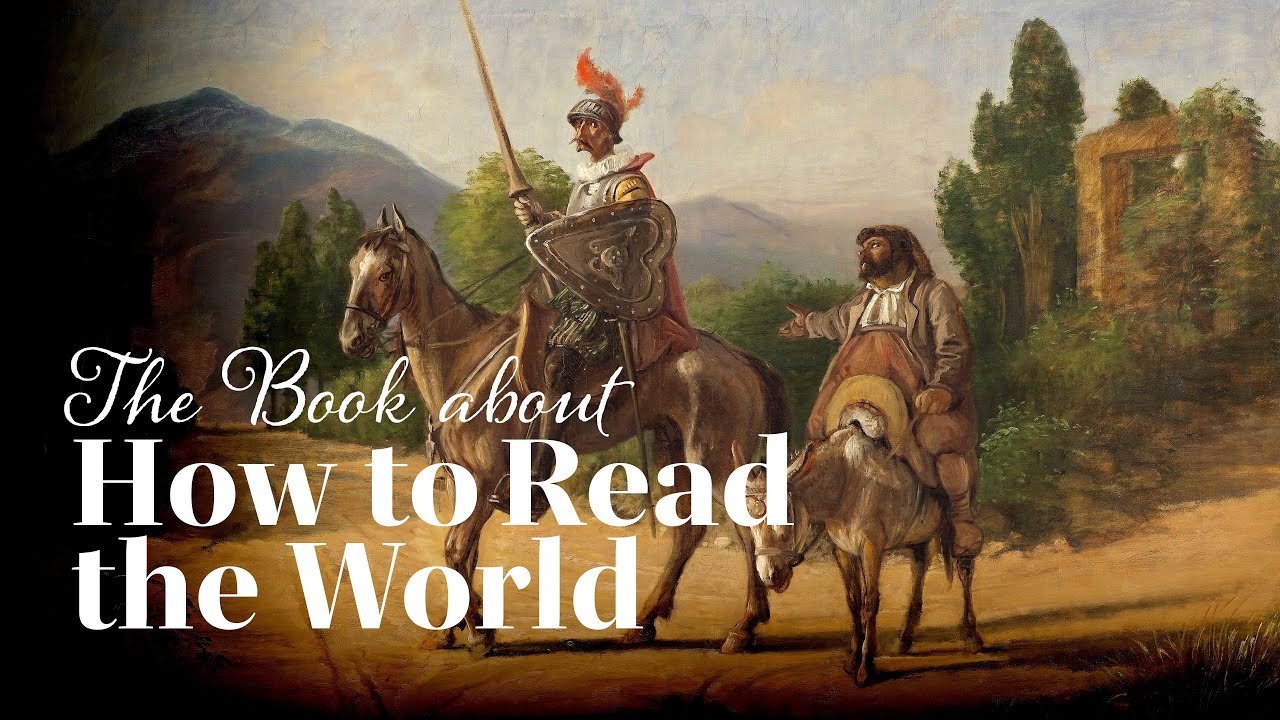
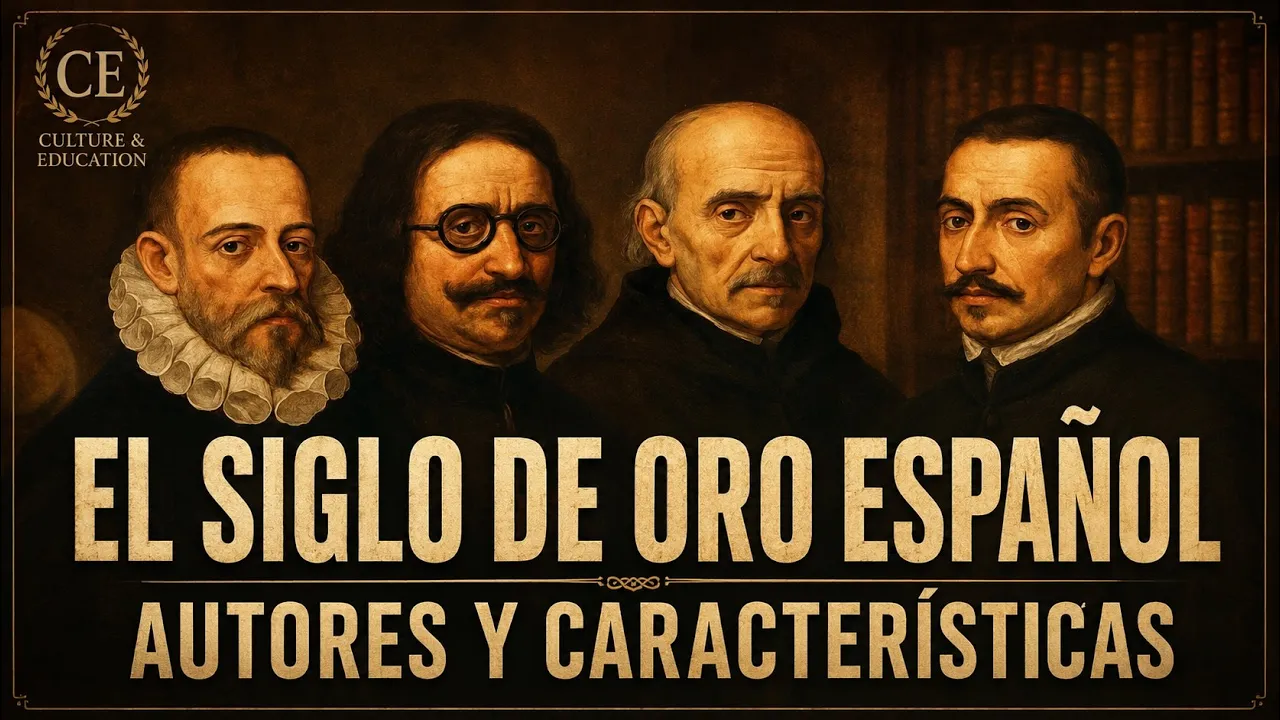


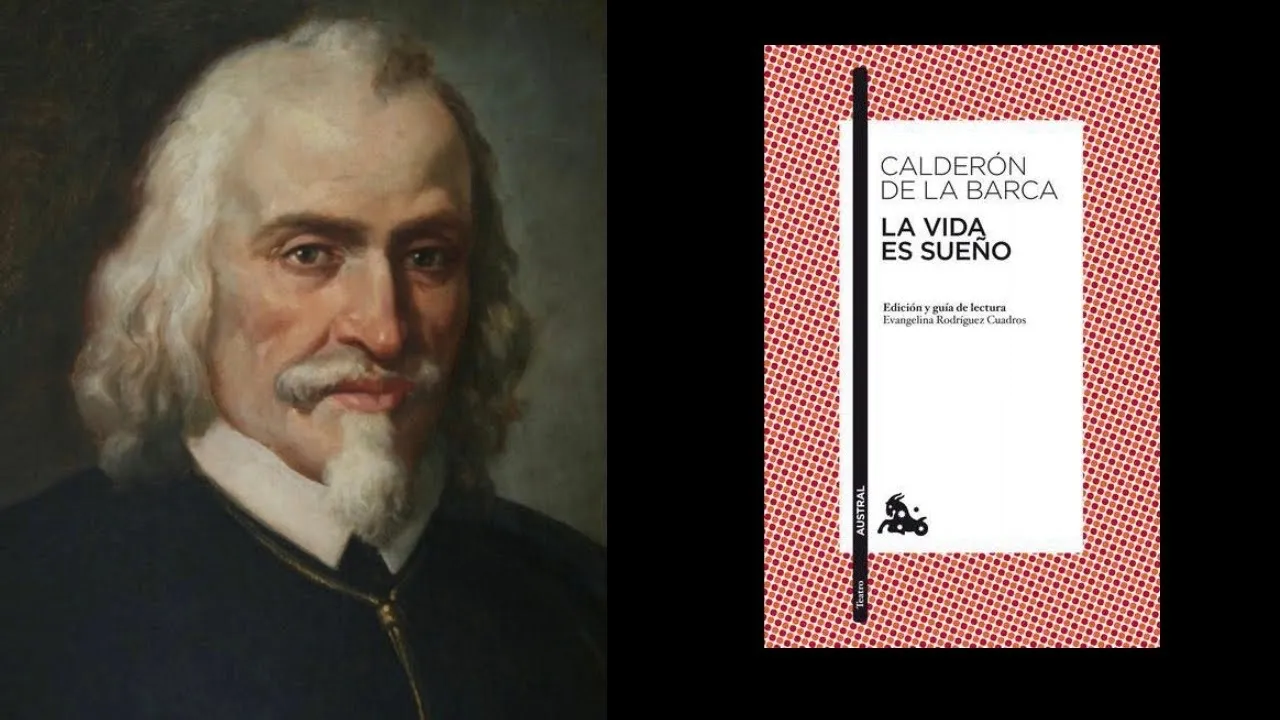





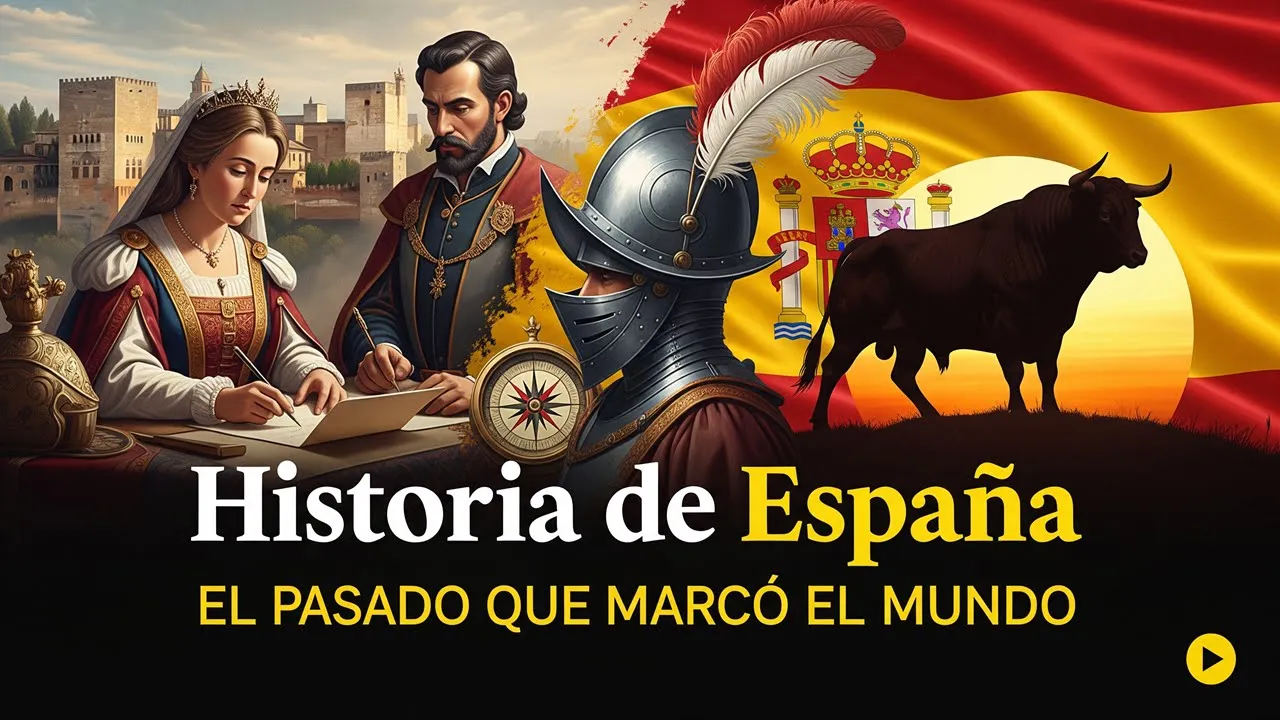


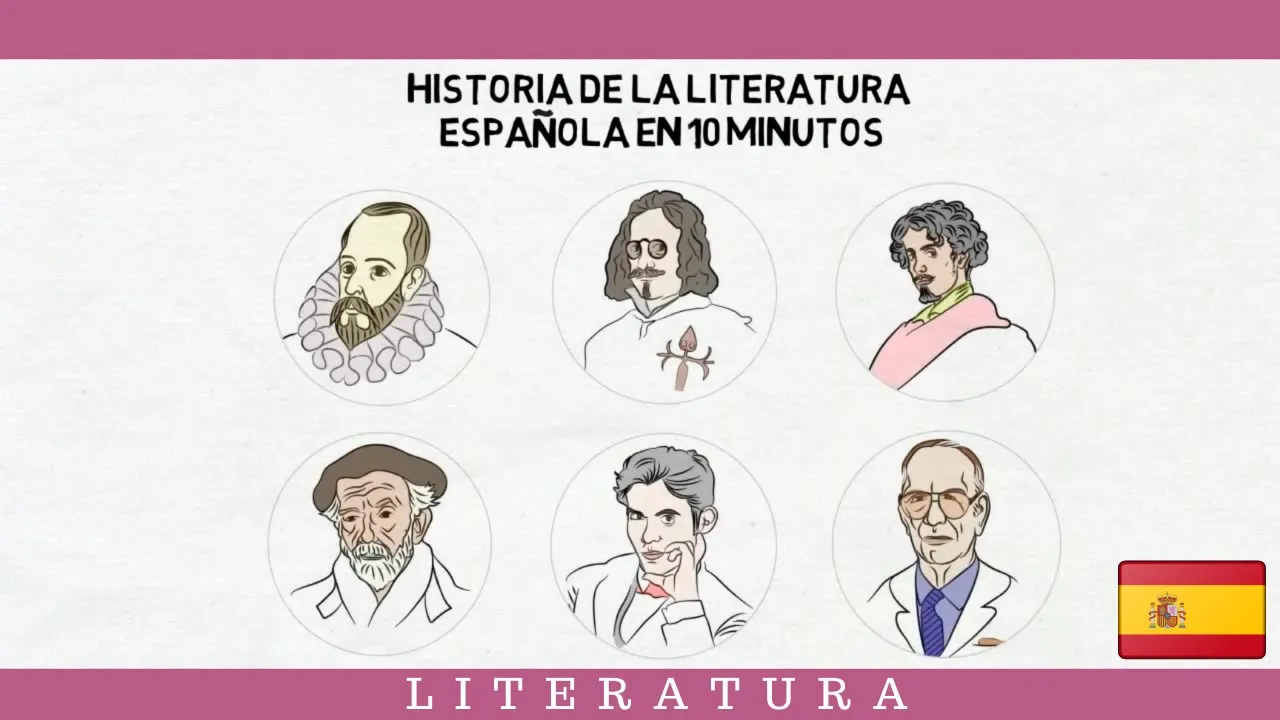


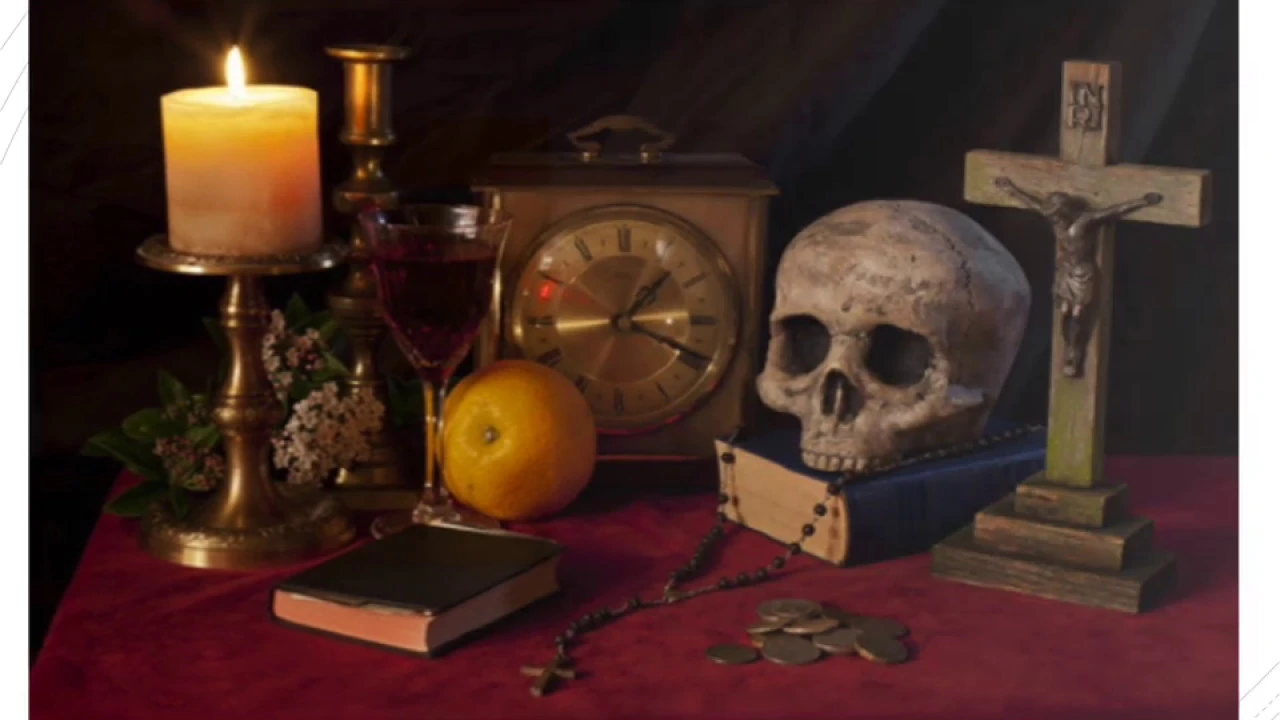
The Spanish Golden Age (Siglo de Oro), spanning approximately 1492 to 1681, was a remarkable period of cultural and literary flourishing in Spain, coinciding with the rise and decline of the Habsburg Empire. This era witnessed the birth of the modern novel through Cervantes' groundbreaking work 'Don Quixote,' which satirized the overdone chivalric romance genre, while also seeing the emergence of the picaresque novel that brought literature to the masses. The literature of this period was characterized by complex philosophical themes including pessimism about life's fleeting nature, a strong drive for humanist education and self-betterment, and an intense culture of imitation and erudition that sometimes manifested as excessive wordiness. Two dominant literary styles emerged: culteranismo (the elaborate, learned style exemplified by Luis de Góngora) and conceptismo (the concise, intellectually dense style exemplified by Francisco de Quevedo), representing a dynamic interplay between trends and counter-trends that defined the Golden Age's intellectual vitality.
The Spanish Golden Age: Literature & Culture Explained
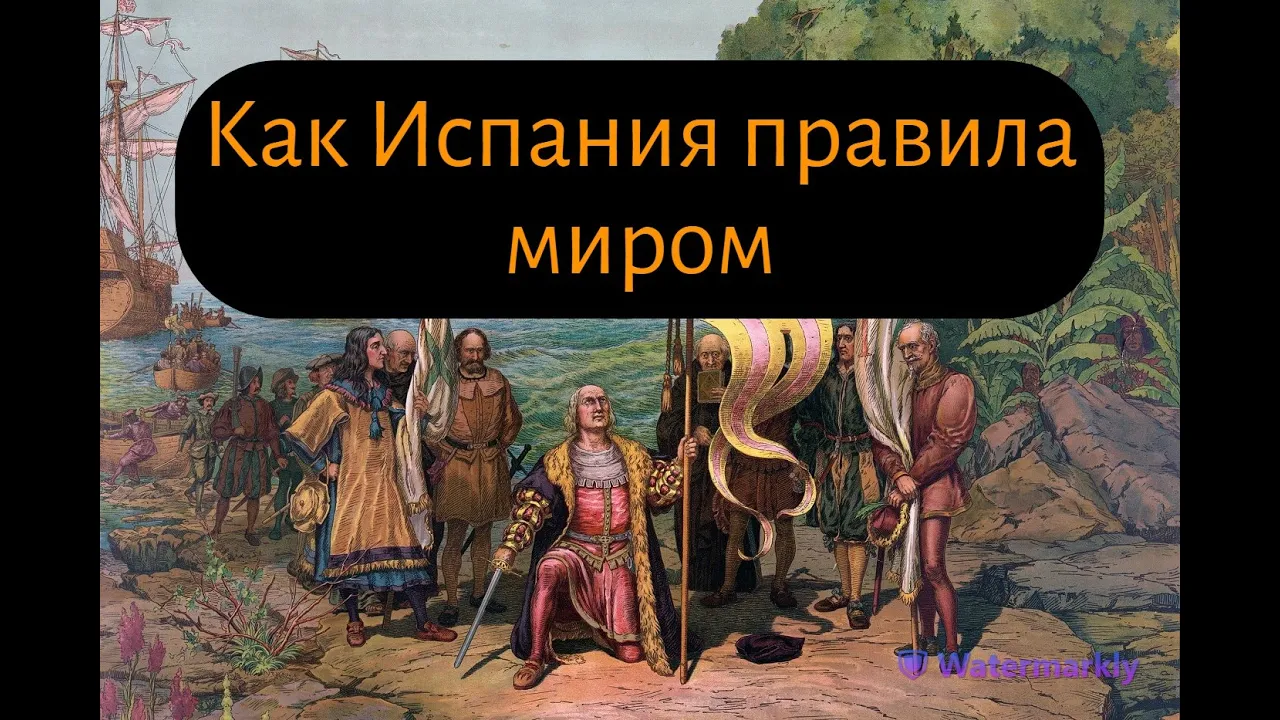
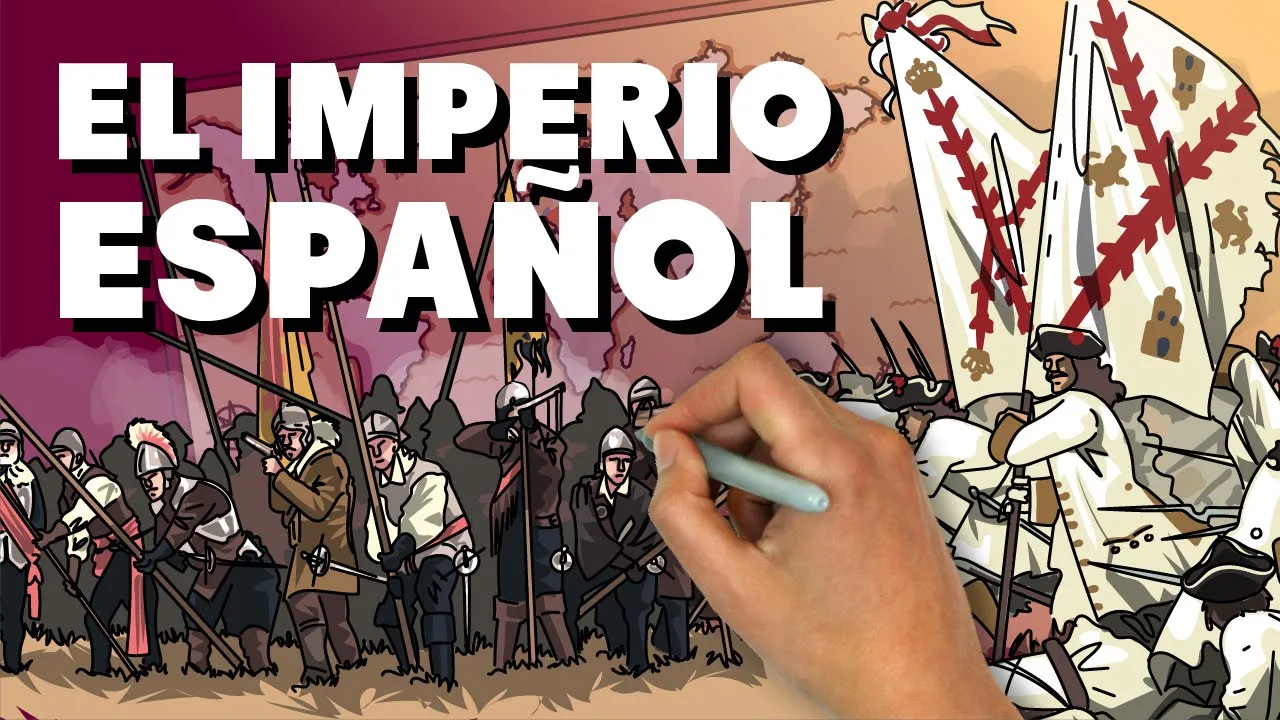
Added:[Music] everybody and welcome back to the study tube project my name is Eve I've not yet filmed a video on here so I am an English Lit student I'm not jack Edwards I'm not an English it shooting I am a German and Spanish student at the University of Oxford kind of I mean I don't really know what's going on with this lockdown at the moment but I am at some point going to graduate from Oxford hopefully with a degree in German and Spanish I was really unsure as to what to film for this because honestly my degree is just a lot of reading and speaking two languages and obviously I can't read teach you how to speak a language in such a short period of time so I decided to pick the topic that interests me the most out of my degree I'm going to talk to you a little bit about the Spanish Golden Age and what it was and kind of a literary perspective on it so like in the literature of the age and in like the discussions of the age what was it that got everyone's motor running what was it that got everyone excited and why I've even whipped out the Peruvian jumper obviously I'm talking about Spain but I got this from Peru and I'm feeling like this is putting me in the Hispanic mood so I don't usually wear something like this but I feel like it works the occasion obviously this is gonna be like a whistle-stop tour I'm not going to cover every strain of thought during the Golden Age it was a quite a changeable age like towards the end was very different towards the beginning like you know what I mean but I'm just gonna talk about the ones that I find particularly interesting and if there's anything in here that you think merits a video in its own right then do let me know and that could maybe be the next video who knows okay so let's start with the basic question what was the Spanish Golden Age in Spanish it's known as Sigler de Oro which basically means the century of gold but it wasn't actually a century the dates of when it started and finished are kind of up in the air but generally the consensus is that it started in 1492 and ended in 1681 1492 was a big year for many reasons number one it was the year in which Christopher Columbus went to the new world and discovered the Americas so that marked a big expansion in Spanish Empire obviously it also marked the fall of Granada and the end of the last Islamic dynasty in so basically all of the mores and the Jews were now going to be persecuted expelled it led to the reconquest the reckon keister or the reconquest in English is basically a period in which Jews and Moors were relentlessly persecuted there was executions post conversions you name it that it's a really really dark period of history which was kind of the undertone of the Golden Age like I feel like it merits the whole video so I'm not going to go into it here but that was why it was such an important year as well basically the year for many reasons was the start of the Golden Age in a sense because it was kind of the time where Spain as a country and as a Empire was really starting to come into its own and become like a big power on the scene essentially you can generally trace the period with the rise and decline of the Habsburg Empire / dynasty basically they were really really big patrons of art and culture both in Austria and Spain where they ruled and that led to a period in which the arts basically flourished via literature music architecture everything it was kind of just a big boom and flowering of like culture and arguably I would argue the period of the most fruitful fruitful cultural production that Spain has ever really seen new communication methods the growth of the cities there were so many parts of Spain that were like changing it's basically a period in which Spain just completely transforms but it did come to an end as the Empire began to decline and Spain began sort of fade into being a bit of a second-rate power on the scene and this is generally thought to be around 1681 when petrol car on De La Barca died and he was like thought to be the last great writer of the Golden Age I would argue that it's more likely to be 1695 because that is when saw Juana Ynez de la Cruz died and in my opinion she was the best writer of the Golden Age and she was just a kick-ass woman and he wants to miss your video on her that I definitely will because she's amazing so what was happening to literature during the period as I've already said there was a huge boom in cultural production and literature was no exception to that rule it really was a monumental era so many new forms of literature blossomed and it's also known as the area that marked the start of the modern novel which I will come back to in a moment so beforehand they've been really popular forms of literature such as their chivalric romance and the pastoral romance the chivalric one is all about Knights and you know like big battles and what-have-you and the pastoral one is basically just shepherds sitting in a field talking about love and albeit at the start of the era there were you know it did have its J but it began to wane in popularity as people began to grow sick of the tropes and just the fact that it was generally really just overdone like been there done that got the t-shirt like everything was just everything had been done before essentially people started to become quite disillusioned with them and that meant that new forms of literature began to rise from the ashes of the period that have gone before him in example which you've probably all heard of is Don Quixote that was most English pronunciation of Don Quixote ever or donkey hot day if you want to say in Spanish which was known as basically being the advent of the novel or the modern novel as we know it today it is actually the second most translated book in the world apart from the Bible it's personally one of my favorite books it's very long but essentially just is that this book was dedicated to mocking the chivalric romances because the main character Don Quixote is not actually called Don Quixote but that's what he calls himself because he goes mad after reading so many of these chivalric romances that he convinces himself that he is one of the nights in the romances and that the world around him is the world that you see in a short romance so that windmills are Giants and that there are mystical caves where they were like fantastical occurrences and that every single occurrence is a big jeweler doused that he has to fight essentially the novel uses that framework to mock how overdone the chivalric romances were and also how stupid they were because they were just so not grounded in reality by showing the main character as a madman Cervantes essentially rips the hell out of this genre and Don Quixote as a novel basically exposes all of the faults of the genre whilst also paying tribute to it it's a fantastic book I could go on about it for ages and in fact that is what I want to do a video on very soon so if you want to see a video on that book then definitely let me know this kind of spirit very much characterized a big portion of the Golden Age this idea of like taking what had come before it and mocking it or at least just building upon it and changing it new forms of literature also began to rise the main one being the picaresque novel and these are also some of my favorites they're basically about lowlife ruffians who kind of go from master to master doing odd jobs in society and these novels were new mainly because they dealt with the lower classes unlike the lower part of society they weren't just about the elites and the Knights and all these noble people it dealt with like the nitty-gritty of everyday life as the people at the time newer and brought the literature more to the masses essentially and the theater also flourished tens of thousands of plays were published in the Golden Age and this I'm not really going to touch on that much in this video because it's a whole other kettle of fish but the theater was a mad mad mad time essentially imagine like tbh these days people will go to the theater all the time it was the main form of that cultural currency and it was available to everyone regardless of what your class was it ranged from bloody honor dramas where wives were getting murdered in the name of Honor - like funny gender swap dramas much like Twelfth Night and stuff like that and Shakespeare you name it it was done the religious secular moral funny the Golden Age has it all there's a reason it's called the Golden Age basically so basically literature was flourishing booming and there was so much going on that I couldn't possibly tell you everything in this video be it in poetry prose or drama I'm gonna focus on a few of the main tenets of like thinking slash the worldview that kind of characterized a lot of this literature so a lot of people will often get the Spanish Golden Age confused with the Renaissance I'm sure a lot of you know what the Renaissance was it was kind of a flowering of the Arts across Europe especially in Italy it does kind of mix with the Renaissance but also at the same time dozen the Renaissance is a part of the Golden Age but it isn't the Golden Age if that makes sense so the Renaissance was all about finding harmony of balance in the world but sadly when we look at the state of the Golden Age that was not what had happened there was still wars raging there were plagues there was political conflict there was still mass class segregation basically this harmony that the elite had aspired to find through education and the arts had not really materialized and especially as the Spanish Empire began to lose its way as the Golden Age progressed there's definitely a market sense of like pessimism disappointment and disillusion in a lot of Golden Age literature a lot of poems for example explore the idea that life is fleeting that basically this sort carpe diem idea that you know the human body is just a shell it's temporary that everything on earth is temporary at money power Fame all of these things are essentially irrelevant there's actually a lovely poem by Francisco de cabelo who is one of the famous poets at the time which kind of comes out of there's a lot of them are quite depressing but this one is one of my favorites where he basically says I shall be dust but dust in love so he's saying that even though my body is temporary and life has no meaning and basically we're all gonna die which is really depressing my love will endure past all of that which is really really cute so as well as this sense of like disillusionment and pessimism that generally did characterize the age in pretty much all aspects there was also a clear sign that there was a massive drive for education and self-betterment but if life is futile you ask why were they bothering to read so many books good question basically it was to do with the concept of humanism humanism is essentially the notion that education reading learning is one of the things that humans can do as a way of leading whilst not articularly a meaningful at least a virtuous and productive existence this would help them hone their reason enough to look past all of the illusory aspects of the world that I've already spoken about and see what is actually behind the veil there is a perception of reality so this led to a renewed fascination with all things classical everywhere you went every poem you read well not every perm but a lot of poems you read there will be mythological references scattered in there like there are raisins in measely that was such a bad analogy there was an obsession with looking clever and a rude eye and showing how clever and well-read you actually were a lot of the time the language they used to express the concepts that they are expressing was more important than the concepts themselves for example saw Juana who I mentioned earlier once took over a hundred and fifty lines to basically say that it was nighttime 150 lines just to say that it was dark and it was night but that was considered as good that was considered it as clever the more difficult you could make it the better in fact people literally switched Spanish word order around to almost the point where we can barely understand it now just so they could sound like they were speaking Latin cuz Latin was a bit more flexible in its word order so Spanish was trying to emulate Latin that was how much they wanted to look clever genuinely they'd put one word like ten lines down and you'd have to like it's like German basically you'd have to go to the end of a sentence to understand what was basically happening in the whole thing it's called hyper baton if you wanted to know that's just a fun fact literary fact for you a lot of these poems are then essentially almost impossible to read for a modern reader because a they use mythological references a shorthand if you don't know every single mythological story in the book you're gonna have to google it Venus Mars you name it it's probably in there at some point every single story makes an appearance at some point and be because the language is just so difficult and honestly I really struggled with them at first but this is just testament to the drive to show how learns you are and how many books you'd read and like how clever you are essentially it was called called the race mode which basically translates as Coulter anism it comes from the word gold thong which means cultivated and loot thoroughly smart which means Lutheranism not going to go into that but basically it just means being smart for being smart sake trying to say as little as possible with as many words possible aka 150 lines to say night whole culture was bound up with this culture of imitation so is essentially this idea that by imitating the greats from the Classical period you were good yourself so a good imitation was seen as better literature than something original or new though basically this idea of like Latin it's intact and drawing on old you know meters and imitating was like a big thing Sonic's for example from Italy there were so many Spanish sonnets and a lot of them were basically a lot of the early sonnet Spanish sonnets were essentially imitations of the Italian ones and at a time in the Golden Age that was considered what was hot so education and imitation were very highly praised in the Golden Age but as the Golden Age went on that began to change as with the chivalric and pastoral very much says people began to become disillusioned with the fact that literature was so rude I and barely understandable people began to see that it's pretentious and basically what we see it as today people just became sick of the unnecessary erudition and this obsessive imitation of people from ages gone by and that led to the rise of gun fed dismal which is basically concept ISM in English that one kind of makes a little bit more sense maybe rather than trying to say as little as possible with as many words as possible this basically meant saying as much as possible with as little work as possible aka how many different meanings could you shove into a sentence so whilst the big cheese in the area of culturally small was gongura who was like the big poet known for just being ridiculously over-the-top erudite on the other end of the spectrum you had Covello who was very much opposite of that the two poets and the different ideals that they represented actually had a lot of beef like they actually had actual beef like they had a massive rivalry and they used to write poems like ripping the hell out of each other essentially like they were not friends Covino was sick of all of this basically beating around the bush and he wanted to see how he could use this Spanish language to say as much as possible so for him it was less what he was trying to say and it was more how he was saying it so his famous poem Casa del abuso there are a lot of O'Hara's basically translates as why I hate women essentially just one of the most famous poems in this little guys he basically spends the whole poem saying I just like women but he does amazing things with the Spanish line which to get there so the first line into English translates as the doctors with which you look and the eyes with which you kill which literally obviously makes no sense but but but but it does this is what's known as a conceit where two things that are very very different are basically compared because they have a small thing that links them together and thus the meaning becomes interchangeable and this was basically the crux of this idea of concept his MO was basically just seeing how much meaning you could pack into something that actually doesn't look like it makes sense but it does actually make a lot of sense so doctors in the Golden Age were not trusted they were known as being able to kill basically they were seen as murderous and untrustworthy and in Petrarchan tradition so like you know the love poems and everything like that that you see in the Shakespeare and what-have-you eyes were said to be able to kill like looks if looks could kill you know the saying so by saying the doctors with which you look and the eyes with which you kill you'll basically swapping them around and that means that so it's basically saying that both doctors and women's eyes are capable of killing and by switching the two around it's kind of like a literal and metaphorical play on how horrible these women are and how they ensnare men there are countless examples of this and this is personally my favorite part of Golden Age of literature I really enjoy this aspect of it because I just think it's fascinating how much the Spanish language is open to so many different meanings so essentially within the Golden Age there was this really fun interplay between these super rude I like learned classical poems which are fantastic when you actually you know pick them apart some of my favorite poems are basically undiscernible until you read each individual line and get each individual story but there are also really clever examples of mockery and satire of so many different groups in society and of the core and of everything basically using this incredible dexterity of the Spanish language or nage is not a uniform period as you've seen in this video there are so many different strands and I've barely even touched the surface of interesting things that happen in the Golden Age but it was a time of trends and counter trends thrives in one way and then drives to push it back everything happened at the start of the Golden Age by the end had either been mocked or parodied or turned on its head it was an age of ever-changing ideas and really just fascinating stuff obviously it's really hard for me to explain in one video so many different concepts I haven't even touched on many many many concepts that or equally as interesting but obviously I didn't want this video to be super long so I hope that you've learned something from this video about the way that Spaniards were thinking when they were writing literature you want me see more videos on the Golden Age I definitely will but if there's another aspect of what I do as a degree or just anything that you think that I would like that you would like me to make a video on then let me know in the comments I hope you learned something I hope you enjoyed and I guess we'll see you at 6 p.m. tomorrow with another new video from somebody else bye guys
Up Next

Monopoly's Contested Origin: A History of The Landlord's Game
@SecretGalaxyTV
53.6K views•2024-11-21

The Great Schism of 1054: Causes and Consequences
@SacredCathedrals
113.5K views•2026-02-19

The Geopolitics of the Ukraine War and the Rise of Global Autocracy
@JordanHarbingerShow
468K views•2025-04-19
Understanding the Cold War: Superpower Conflicts and the Road to Détente
@OverSimplified
46.1M views•2019-01-24
Related Study Plans & Knowledge Roadmaps
Structured learning paths in History