






















![ГАБРИЭЛЬ ГАРСИА МАРКЕС. Лучшие книги: ТОП-6 [ погружение ]](https://i.ytimg.com/vi/CAT2M6lqgBo/maxresdefault.jpg)


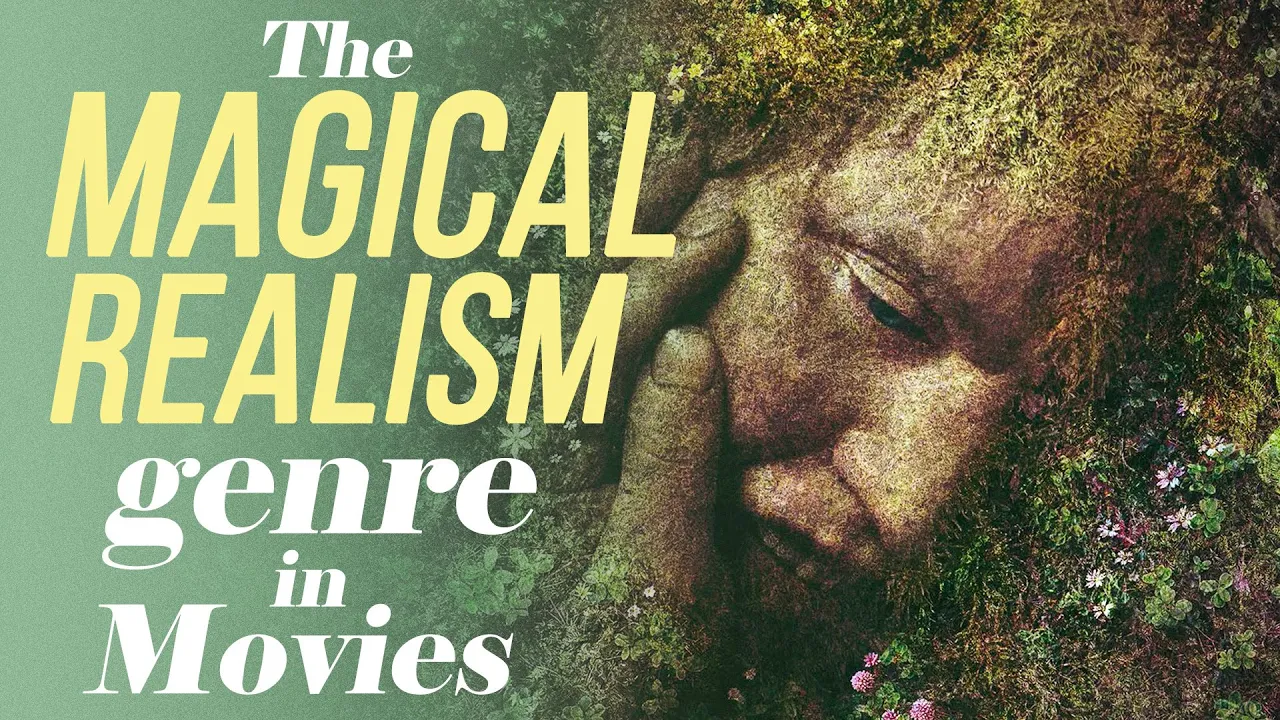
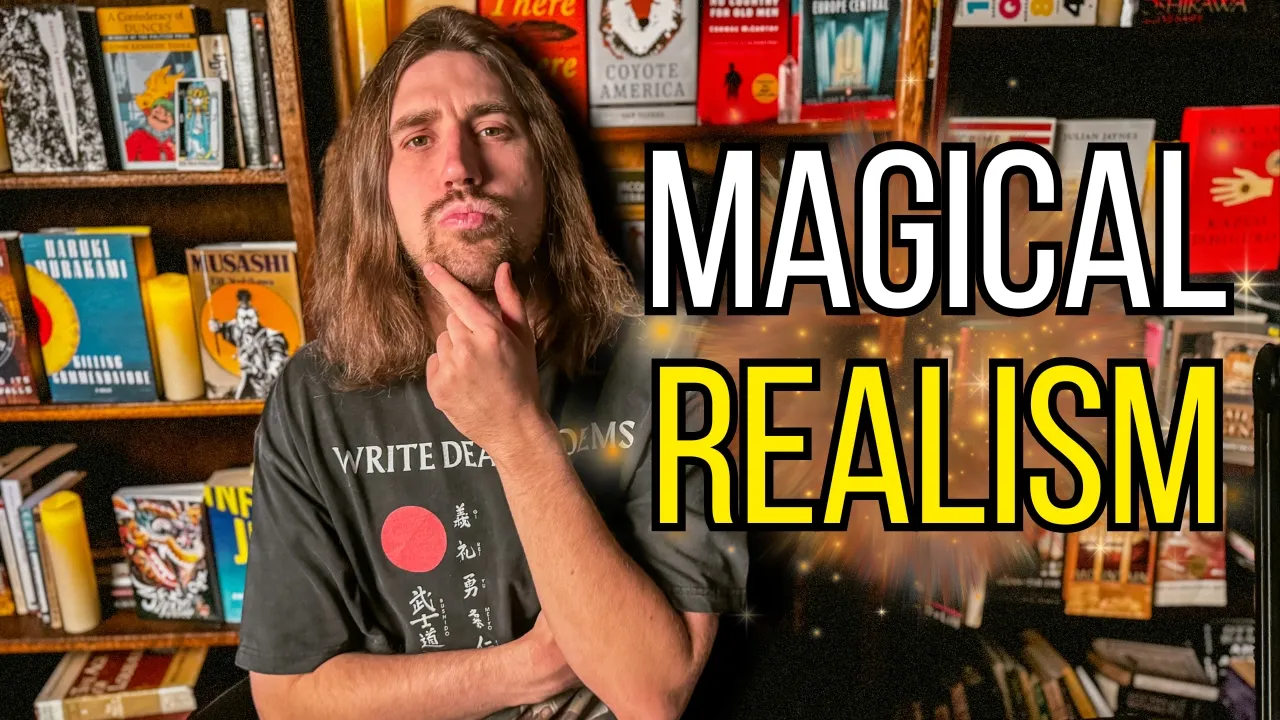
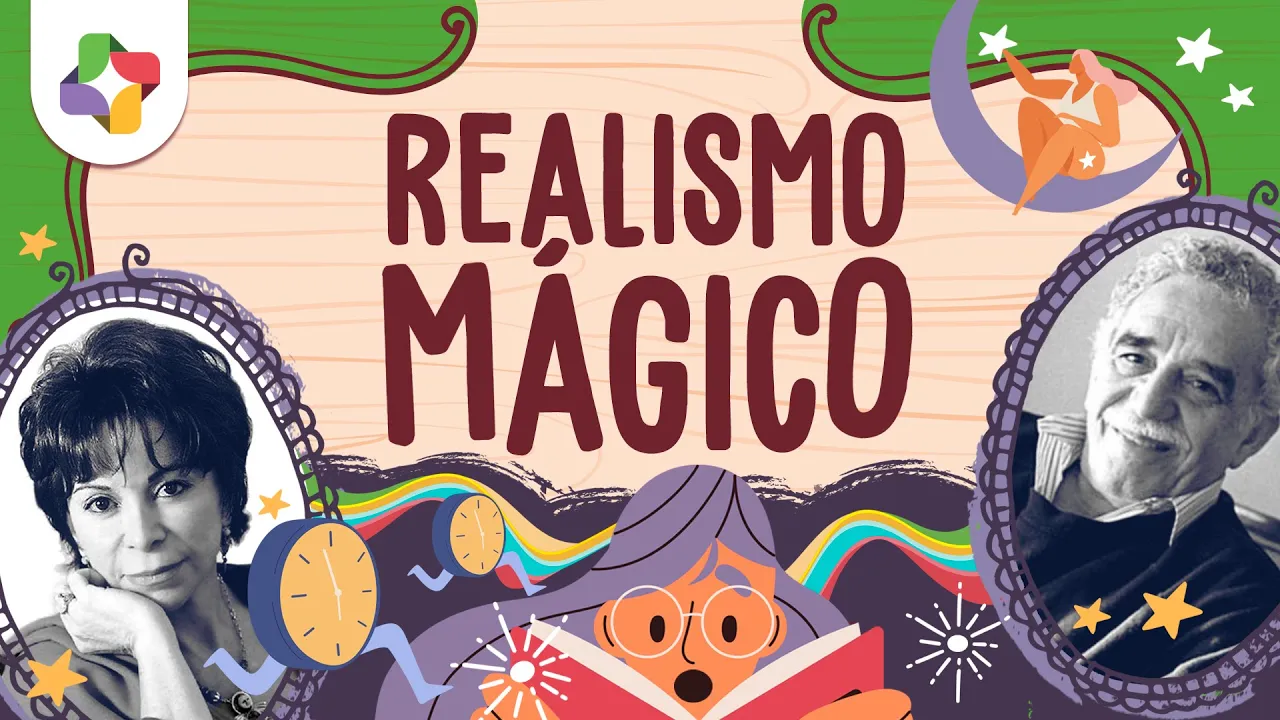
Magical realism is a literary mode that weaves fantastical elements into realistic settings, treating the impossible as ordinary; this technique allows Gabriel García Márquez to use surreal imagery (flying carpets, levitating priests, ghostly hauntings) to reveal profound truths about Latin American history, political corruption, and the cyclical nature of human suffering, making the extraordinary serve as a vehicle for heightened realism rather than mere escapism.
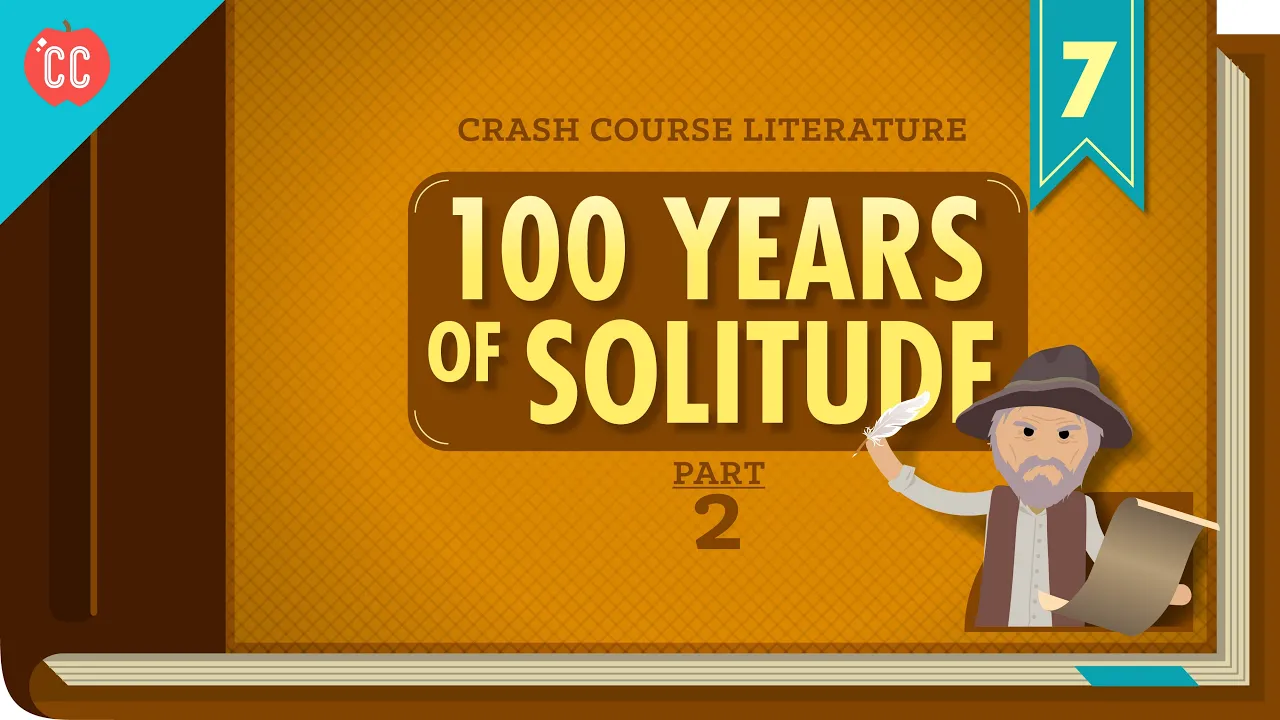
How to Read One Hundred Years of Solitude: A Guide
Added:An introductory understanding of Magical Realism as a literary genre, specifically how it integrates fantastical elements into realistic settings.
A basic overview of 19th and 20th-century Colombian history, including colonial legacies, civil conflicts like the Thousand Days' War, and the influence of foreign fruit companies.
Familiarity with the concept of the Latin American 'Boom'—a major literary movement in the 1960s and 1970s that brought regional writers to the global stage.
An awareness of the narrative structure of multi-generational family sagas and how recurring names and non-linear timelines function in epic literature.
A comparative study of Magical Realism across different cultures, exploring authors like Salman Rushdie, Toni Morrison, or Isabel Allende.
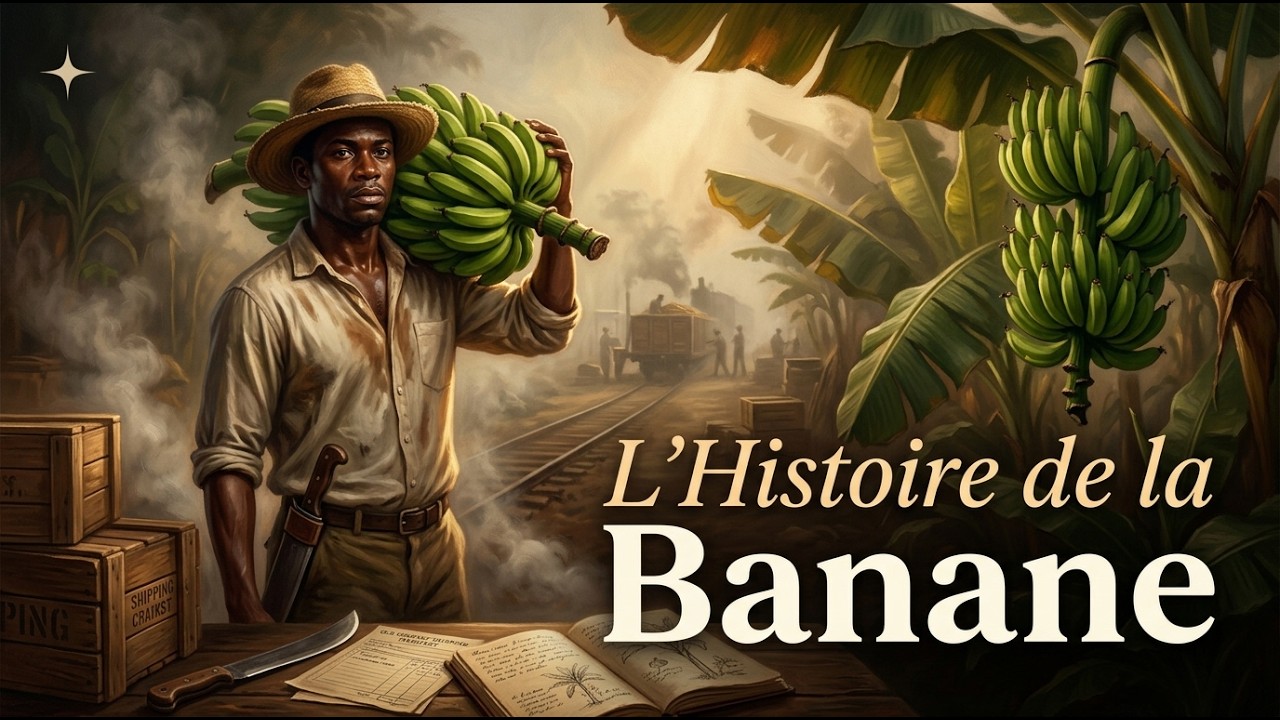
An in-depth historical analysis of the banana massacre of 1928 and its socio-political impact on Colombia, contrasting historical archives with García Márquez's fictionalization.
Application of Post-colonial literary theory to analyze how 'One Hundred Years of Solitude' critiques imperialism, globalization, and cultural erasure.
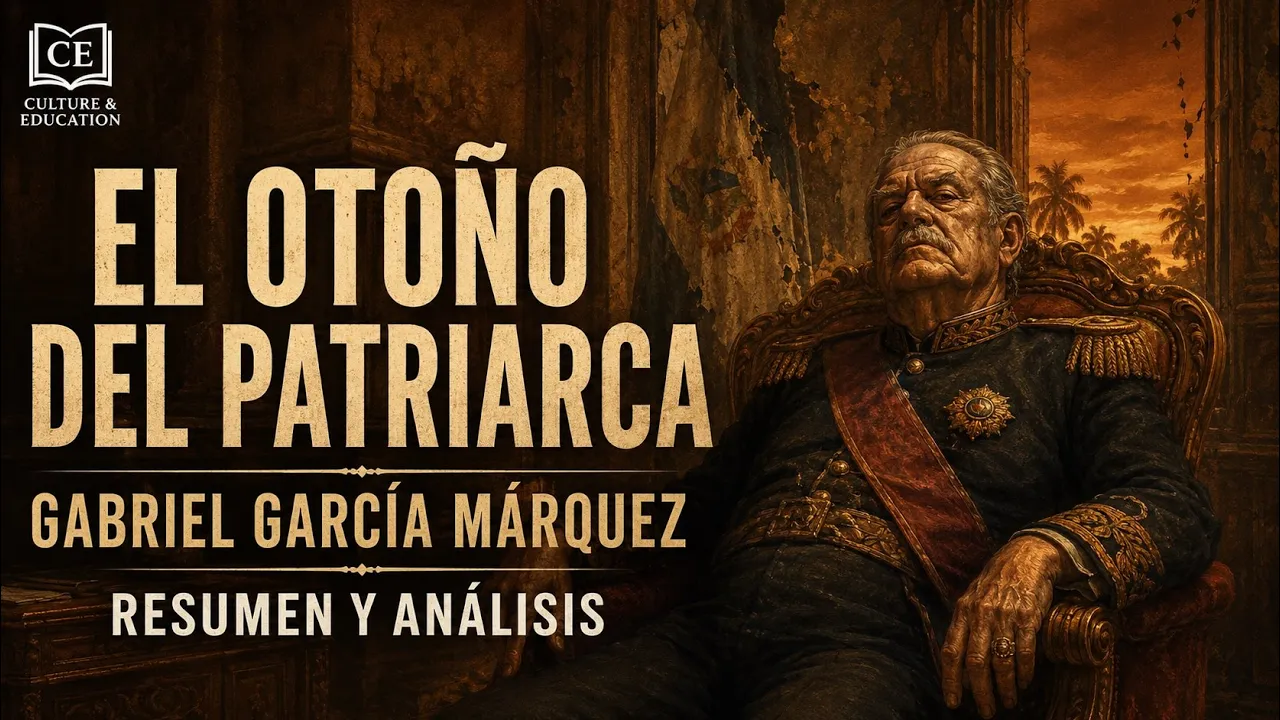
An exploration of Gabriel García Márquez's broader bibliography, studying recurring motifs of memory, solitude, and political power in works like 'Autumn of the Patriarch' and 'Love in the Time of Cholera'.
78.6K views2.5Klikes1:21:45Original Release: 2025-01-05
100 Years of Solitude by Gabrielle Garcia Marquez is not just a novel it is a gateway to one of the most magical and vividly created worlds in all of imaginative literature this sweeping epic seminal Saga is a masterpiece of Latin American postmodern magical realist literature and though intensely dreamlike and Fantastical many readers find that Garcia marquez's deaf exploration of some of the most profound and pressing themes of The Human Condition we're talking history love fate culminates in a novel that feels more real than reality given the recent Netflix adaptation I expect to see a surge in appreciation for this novel with new readers coming to it for the first time and rereads experiencing this Marvel all over again that adaptation has been a long time coming mainly due to the fact that Gabrielle Garcia Marquez was incredibly resistant to having his Works filmed when he was approached he set some challenging conditions he would say we must film the entire book but only release one chapter 2 minutes long each year for a 100 years and that Netflix adaptation has done a really good job of translating Garcia marquez's masterpiece to the screen it really captures the sprawling Lush setting of the novel it Nails the interpersonal dynamics of the Fantastic characters and it delivers the book's weighty themes with sensitivity and faithfulness but most importantly of all it takes its time to tell the story I just hope that the new adaptation does indeed inspire people to return to the book because no matter how great this adaptation or indeed any adaptation is the book is always going to be magnitudes better indeed not only is this novel one of the most important Works in Spanish Literature Pablo nuda was right when he called this novel The Greatest Revelation in the Spanish language since svantes is donot but this novel is is also one of the most impressive aesthetic achievements in all of world literature ever pen Gabrielle Garcia Marquez has offered the world a work of intense Visionary power what we have in our hands here is supreme wisdom literature the truth of this is so evident that it would prompt William Kennedy to say that 100 Years of Solitude is the first piece of literature since the book of Genesis that should be required reading for the entire human race Mr Garcia Marquez has done nothing less than to create in the reader a sense of all that is profound meaningful and meaningless in life and that is why we are starting our year-long reading program at the hardcore literature book club with this novel we are kicking the year off with 100 Years of Solitude and as we are starting in lecture series and guided read through at patreon.com hardcore literature let's talk today about how to read this book how can we bring ourselves fully and powerfully to this mesmerizing work we're going to talk about what you need to know to obtain a greater appreciation of this novel we're going to talk about magical realism the Latin American tradition the influences upon postmodernism we're going to talk about Garcia marquez's supremely poetic PR style we'll talk about the story and themes my recommended translation the number one thing I value most about this story and a special key to unlocking its power and much more on top of all of this I'm going to be keeping this discussion spoiler free this is an introductory discussion and I really want you to experience the work if indeed this is your first time reading it I want you to experience it without knowing too much going in I want it to unfold before you and I want you to be perceptive as to how you respond to the different twists and turns and narrative tricks we'll be commenting upon the story and characters in depth as we go along during our lecture series at the book club for now I'm just going to give you some tips and some relevant background so you can really appreciate this work going in and we are going to begin today by unpicking what we mean by magical realism because for those coming to this novel for the first time that generic designation is most likely the main thing they know about this book but first allow me to welcome you to the world of Mondo what is Mondo well Mondo is the heterosmilax this is the local we will be spending time in when we read this book Mondo is an idilic Village in the heart of the lush tropical Colombian Caribbean jungle this town which recurs as a setting across Garcia marquez's Works may be fictional but there is a lot more fact Than Fiction in there and its landscape culture and history is inspired by The Writer's birthplace in the area surrounding arakataka this is a land of lush vegetation intense heat and extreme weather like pounding unceasing rainor and over the course of our reading we see both the evolution and the degradation of this one idilic local we see that over the span of a 100 years we see this local go from isolated Utopia cut off from the rest of the world to its fragile then steady then rapid damage at the hand of colonizers we see this land ripped apart by Bloody Civil War we see the downsides the negatives of modernization we see tyranny and exploitation and the effects of Western imperialism and as we do so we are actually apprehending the history of Colombia and The Wider continent of Latin America because in deed Mondo is a microcosm we get to see Latin American history compressed into just over 400 pages and we'll get to the Latin American history in a moment because knowing a little bit of that is absolutely essential to appreciating this novel this captivating and immersive story is ultimately a multi-generational narrative it gives us a family Saga that spans seven generations of the buendia family from the founders of condo down through their descendants over the course of a 100 years and the multi-generational aspect of the work gives us a really powerful exploration of the theme of history repeating history is a nightmare from which I am trying to awake James Joyce said through his fictional surrogate Steven Deus this could also be the motto of 100 Years of Solitude and as we read this novel we become intensely and painfully aware of the precept that he who does not remember the past he who does not know history is doomed to repeat it and repeating the past on an individual family level has wider implications for a societal historical and indeed even Global level so we have some very heavy themes explored in this book but the thing that typically captures readers on their first reading is the World building and the Fantastical nature of the world and the fact that in this world seemingly anything can happen this is a world of flying carpets of rain that lasts for years on end levitation and hauntings by ghosts interacting with ghosts is commonplace in this world certainly it was the magical realism of Gabrielle Garcia marquez's works that caught the attention of the Nobel Prize committee as they awarded him the prize in 1982 for his ability to combine the fantastic and the realistic in a richly composed world of imagination reflecting a continent life and conflicts before we probe into magical realism it's worth knowing something of the Genesis of the story how the story came to be because my goodness there is Magic in that and how the story came to be born has become as legendary as the story itself Gabrielle Garcia Marquez was taking a family trip to Acapulco in Mexico and at this time he was very very poor suddenly on the drive he had the first line of the novel come to him in a flash of inspiration and then episodes and scenes and huge blocks of the novel just came to him all at once he could see it all vividly and clearly and so he told his wife and his children that they would need to cancel their holiday they would need to abought the trip and turned back around so he could get it all down prior to this Gabrielle Garcia Marquez or Garbo as friends and family would affectionately call him had written four novels but they hadn't been successful he had also worked as a journalist but he had been on Hiatus and he had been experiencing writers block for 5 years and he was on the brink of giving up his Ambitions his dreams to become a writer and so knowing that we can perhaps understand why Gabrielle Garcia Marquez turned that car around and had to return home what an artist because the dry spell was now broken let's read that iconic first line together now you probably already know it it is one of the most famous lines in all of post modern literature many years later as he faced the firing squad colonel orano buendia was to remember that distant afternoon when his father took him to discover ice now how's that for an arresting opening there is so much going on here you should always spend disproportionate time analyzing the opening sentence of great novels because great writers layer in their motifs they layer them into that first line and they will return to them over the course of the work and that's what Gabrielle garia Marquez does his work is like a symphony and we get some symphonic foreshadowing right from the very start and notice the curious temporality I love that many years later you will see this phrase recur over the course of the novel it's ominous isn't it there's a feeling of determin ISM or fatalism over the novel it feels like our future is already set and where are we right now what temporality are we existing in many years later from what this also plugs into the oral narrative tradition when you tell somebody a story when you have a family member tell you a story indeed you hear these little phrases don't you it's almost like they breaking off from a story already being told and giving you a little side Avenue a little thing that we're going to return to whilst it occurs to me oh yeah but many years later yeah that's really oral interpolation but that's how Gabriel Garcia Marquez chooses to begin his story and then of course we ask so many questions we want to read on in front of a firing squad that is a very strong visual why is he in front of a firing squad will he die is he going to get shot why is he there that's not the only strong visual at the start however there's that image of ice when his father took him to discover ice that's very curious and strange as well too isn't it indeed we learn as we read on that his father had initially thought this ice was the largest diamond in the world because once upon a time it was quite a miracle it was was quite a Marvel to be able to transport ice that was basically Unthinkable I think we can tell from the get-go that one of Garcia marquez's most significant influences was his grandmother he wanted his novel to read like the kinds of stories that his grandmother used to tell him when he was a child she used to fill his head with folklore and superstitions and bits of poetry I always think of the significance of the oral tradition whenever I read a great novel because For the Longest Time historically speaking we didn't read silently to ourselves today we read to ourselves alone in a room and our lips frequently don't even move but it used to be that such reading was considered sinful it was considered wrong reading used to be communal and you used to read aloud to an audience and if you didn't have an audience and that was typically your family or your friends you would read aloud to yourself at the very least you would subvocalize and I want to return us to that style of reading today and that's why we have such a great communal atmosphere at the hardcore literature book club because readers have been able to tap into the communal cohesive healing power that runs through and connects all of these great books a book really comes alive when you share it in fact you're leaving quite a lot of insight and quite a lot of aesthetic glory on the table when you don't share your reads with other people if you read passages aloud to yourself won't that slow your reading down though yes absolutely and I'm a huge proponent for slow reading deep reading and rereading as you go if you're reading in this fashion then you will minimize the amount of books you can read in a year and that is a good thing you want to cure at your reads each and every year and you want to focus on the best books that have ever been written and you want to bring yourself powerfully to them and you do that by slowing down ever since he was 18 years old Garcia Marquez had wanted to write a story about his grandparents house where he had grown up but he struggled to find the right tone or approach until he got to this novel and he would say that Mondo is actually not so much a place as a state of mind which allows you to see what you want and how you want to see it that's why he found it so difficult to write about his grandmother's house because it was not a real local when reflecting upon it it was no longer a real local but it took up space emotional space and weight deep inside him and how on Earth are you able to relay that or transmit that to other people so this opening line came to Garbo in a Flash and then he spent the next 8 18 months and 8 hour work days writing this novel day after day after day and he had a little routine he'd write during the day and then in the evening he would invite some friends over and he would tell them about what he had written and that is why the story feels like oral narrative because it kind of is that's how it was born the encouragement from his friends propelled him forward and by the time he finished the novel The Family were so poor that he couldn't even afford to mail the entire novel to his publisher he could just afford the postage stamp for one part of the novel The Beginning so he sent that the family were in serious debt and they had porned basically everything they owned such problems would be a thing of the past however as upon publication the first printing of 10,000 copies sold out within a month in Buenos are alone and very soon the entire continent and then the entire world was talking about it 100 Years of Solitude would go on to sell 50 million copies and would be translated into some 46 languages indeed it outsold everything except the Bible we really cannot understate the popularity enough this was like pck Mania when Dickens exploded onto the scene or this was like when the Beatles shot to fame it's very funny success looks like grinding away in obscurity for years for decades it looks like brutal grueling work day after day after day and then suddenly you become an overnight success and one of the really impressive things about this book is the fact that everybody was reading it intellectuals and academics were reading it but working men and women were devouring it too it was accessible to everybody and it started to unite an entire continent it unified the Spanish-speaking world and gave them a shared vision of themselves now that is magical there really is Magic woven into the fabric of this text so let's talk about magical realism this was a term coined by German art critic France Row in 1925 and I take magical realism to be the primary IC mode of the 20th century if you look at that term you have an oxymoron there don't you magical realism they seem to be contradictory things how can something be realistic and magical at the same time Fantastical and unreal you want the real and the unreal that is the beauty of magical realism magical realism is alchemy and it has taken these two disparate things and then produced gold with it let's talk broad sweeps when it comes to literary history for the longest time stories were romantic they were romances and when I say romance I do not mean love stories which is how we understand romance today though that is a facet of it and when I say romantic I don't mean the Romantic Poets of the late 18th and early 19th century though there is a connection and an overlap there when I say romance I mean adventure stories I mean Quest narratives I mean the old Breton lays the tales of chivalry of knights questing in service of their lady their lord and the Lord when I say romance I mean the sorts of Tales the troubadors used to carry with them from town to Town the kind of Stories We would tell around the fire after a hearty meal by the time we get to the 16th and 17th century we then have the three Horsemen of the Renaissance who changed everything in England we have Mr William Shakespeare who invented the human as Harold Bloom would say over in France we have Michelle de montine the father of the personal essay who taught us how to examine ourselves how to conduct a self-examination just like Shakespeare Shakespeare gave us characters who change after hearing themselves speak and then and in Spain we have cantes the author of Don kot and the father we might say of what the modern novel would become now we have a lecture series for donot at the hardcore literature book club at patreon.com hardcore literature it's there in the extensive back catalog and Donkey Hol is a really great novel if you want a leveraged move into understanding the Western tradition it will pay off dividends even a cur knowledge of the story would be very very useful but you should read it for its own sake too it's one of my personal favorite stories it's very very funny I adore it understanding a little bit about donot will also be instructive for another one of our book club reads this year we're going to be reading gusta fl's Madame bie it'll be instructive because Emma Bouy the protagonist of that novel is kind of quixotic she's kind of like donot she has all of these romantic ideals that clash with mundane reality I think it's so interesting that donot became almost like a template for the modern novel because it is a work of parody and satire essentially you've got the character of donkey Hil the night erant and he has been stuffing his head with chivalric romances yeah the world or the Western world or the Spanish speaking world at least was a wash with romances that had become cliche and overwrought and life was certainly not like a romance this was Pure escapism Life was not like what was being detailed in these novels this Knight erant stuffs his head with these novels and convinces himself or indeed goes mad he convinces himself that he is a questing night and suddenly the world is transformed and he projects what he sees in his Mind's Eye onto the landscape so he'll see some windmills in the distance and he'll joust at them he'll run Full Tilt at them thinking them to be moners he gets a squire called Sancho Panza and he promises Sancho that if he accompanies him on his adventures he will give him an insula to rule over and he does this a top his faithful Steed Rox anente and in service of his lady dolania so donkey hot is a criticism of the romances that were default and it really allowed writers from then on to experiment to play to diverge from romance but it would be quite a while before we saw a really serious Divergence and a seismic shift in the history of literature I'm talking about realism in the 19th century and we get to realism with Gustav fler for example he was one of the main players and we would see realism reach its Sublime Peak at the end of the 19th century with the plays of Henrik ibson Oscar wild elucidates the delineation between Romanticism and realism perfectly in his controversial preface to The Picture of Dorian Gray he tells us that dislike of realism is due to seeing one's face in the glass dislike of Romanticism is due to not seeing one's face in the glass I love that with realism now writers wanted utmost Fidelity to life they wanted the author to be invisible in their works if you look at stories that come prior to flow bear a good example that I like to use is Henry fielding's Tom Jones great story you should read it but if you read that novel the author himself is so obtrusive he'll say oh look what's happened to our hero our character he's got himself into a pickle now we're going here now we're going there Turn the Page to find out what happens next we get to flow be and there's none of this anymore the author becomes invisible in their work so we could say that writers in the romance tradition are more self-conscious than the realists who came after them broad sweeps you can put riters into one Camp over the other Dickens and Hugo they're Romance Writers ultimately TL stoy he's a realist ultimately now by the time we get to the 20th century we see a reaction against realism everyone Rebels against their parents every new generation wants to Swerve from what has gone before them but but this reaction didn't take the form of a full return to romance but rather it Blended the two romance and realism and in the world of food we know that there are many things that on paper shouldn't work together pineapple pizza bacon maple syrup chocolate and potato chips they shouldn't work together but they absolutely do and they are delicious and the same is true for Magical realism it seems oxy moronic it seems like those two Traditions are clashing against each other but it creates something marvelous and quite beautiful magical realism is a narrative in which Magical elements are woven into a realistic setting and are treated as though they are ordinary and commonplace and Gabriel Garcia Marquez did not invent magical realism by the way he is often understandably credited as the father of it but he's not he's picking up on a wider strain in the culture in Latin America asound would say the artists are an tenna of the human race there's a lot of magical realism going on if you want to trace it back further you can look at two sources one you can go to France CFA and we have a lecture series at the book club exploring France cfa's short stories he's one of the most important writers of the 20th century he's a magical realist precursor and Gabriel Garcia Marquez was intensely inspired by Kafka he devoured his stories particularly the metamorphosis which inspired him to pen his own story immediately but we can also Bop back about 12 years prior to the publication of 100 Years of Solitude and we can look at Mexican writer Hanan ruo's novel Pedro Paramore Gabriel Garcia Marquez was feeling writers block until he read this novel and he read the entire thing front to back so many times that he said he could recite it from memory J Lis bz would say that this novel is one of the greatest works written in any language now there's a Netflix adaptation of this work too that I highly recommend you check out as part of your journey through 100 Years of Solitude I'll be putting this in the resources section along with some specific reading and thinking exercises at the hardcore literature book club I would personally recommend you hold off on the adaptation of 100 Years of Solitude until you've read the novel at least once but that doesn't mean you can't watch and read some of the influences for this novel this book honors and explores Mexican culture and its belief in the afterlife through a nonlinear narrative that takes us into a literal Ghost Town my advice by the way when it comes to magical realism is accept it accept everything accept the surrealism as reality do not overanalyze or scrutinize or hold what's happening up to the laws of reality as we know it let the work work upon you yeah Samuel Taylor cdge would refer to this as the Willing suspension of disbelief that's what you need in abundance when it comes to magical realism here's one of the fascinating things when it comes to magical realism however there are kernels of Truth in the fantastic in the magical in the unreal for example what wider societal comments is Gabriel Garcia Marquez making when he gives us a priest character who can levitate after drinking hot chocolate what comments is he making about the human condition and guilt and being haunted by the past when characters can have literal dialogue with a ghost with the ghost of the man that they killed what truth about the human condition is he trying to relay there fiction absolutely is a lie that points to the truth it points to an emotional truth when McBeth for example says that his mind is full of scorpions we do not take that to be literal but if that was a magical realist work perhaps it would be literal perhaps he would have literal scorpions running through his mind but of course that would symbolize something that would symbolize the burden of his guilt like Kafka Gabrielle Garcia Marquez likes to literalize the metaphorical here's a little piece of advice though don't try to probe into the meaning of the symbols too deeply Sigman Freud and we recently had a special lecture on the interpretation of Dreams go up at the book club Sigman Freud would talk about manifest versus latent content when you dream your dream has an appearance a surface level but there's a latent meaning hidden underneath you need to interpret in order to reveal the meaning and dreams are like imaginative literature and we are trying to interpret the latent meaning underneath so for example when we read a book like Tony Morrison's Song of Solomon which we read last year and lectures are still available we have the phenomenon of human flight and it's literalized but of course we are going to think metaphorically we're going to see flight AS aligned with or represented of death or Freedom it could be many things here's my advice with 100 Years of Solitude don't probe too deeply into the symbolism however the author himself has warned us not to do that critics who assume the responsibility of deciphering the books various riddles run the risk of talking a load of old rubbish he says one of the most marvelous things about magical realism is the fact that writers can use it to speak truth to power we saw this at the book club with mik bulgakov the Master and Margarita a satirical work a Fantastical work a work that packages up sociopolitical critique in a really ferocious way and that's what we get in 100 Years of Solitude too and indeed like bulgakov's book Gabrielle Garcia marquez's book has been banned censored and suppressed in many a repressive regime this won't be the only Banned Book we read together at the book club this year this book was banned because it had too many perceptive and dangerous things to say about corruption political corruption in addition to that it's also filled with sex and some rather risque language the book is also fishlyn absurdly funny and the humor is powerfully subversive and Carries political and social critique here's how to think of magical realism it is a historical lens a sociocultural political and historical lens Dominican writer Juno Diaz called magical realism a tool that enables Caribbean people to see things clearly in their world a surreal world where there are more dead than living more eraser and silence than things spoken ultimately Gabrielle Garcia Marquez did not consider his Works to be that magical he likened them to the stories that his grandmother told him when he was a child there's not a single line in my novels which is not based on reality he would say and many Latin American magical realist writers have made comment on the different readers across the world European readers versus Latin readers when it comes to their works the European focus is typically on the Fantastical elements oh I love the Lewis Carol nonsensical aspect of this work but here's the thing it's not nonsense nonsense literature is actually incredibly meaningful Latin American readers however see the reality behind the Fantastical and that's what we're going to do together at the book club as we read this work together let's talk about the Latin American tradition now and then we'll segue into the historical parallels that you need to be aware of before you go into this work and this is where things get really fascinating here's a mindset for you going into this book read Gabriella Garcia Marquez as a Gateway into Latin American literature use him as a pathway into the tradition 100 Years of Solitude is his magnum opus but it is also many a reader gateway book into so many more great Latin American works and when it comes to the terminology of Latin American literature there has been a hint of contoversy around this term for a while critics will say it's almost as reductive as talking about about European literature or Eastern literature and we absolutely should speak more fully about Colombian literature Argentine literature Peruvian literature Mexican literature and Brazilian literature for example and Brazilian literature is really fascinating it's part of the Latin American tradition of course but now we're talking about the Portuguese language and Brazil has a very unique history as part of the South American continent all of the different countries of South America have their own special and unique tradition in much the same way that English literature French Russian German Chinese Japanese Spanish Italian literature has its own unique tradition and flavor and quirks having said that there is utility to the grouping because there's a backbone and there is a thread that connects the different Latin American culture when it comes to their body of literature there is a common subversion of European and American narrative devices and tropes there's a subversion of Western conventions but there's also a connection in the form of Revolution we see that so much great literature is born out of bloody Revolution we've spoken about this quite endlessly at the book club particularly when it comes to the French Revolution ution we've seen how much literature exploded out of that and it's understandable because it's a very intense social and political backcloth it is bound to provoke some thought and insight and emotion on both sides time and again in literature we see that Revolution is often running under great works whether you're against it or for it it is ultimately and perhaps ironically as it is a divisive phenomenon it is ultimately a force that ends up uniting through literature yeah we've seen this with the French Revolution English Revolution Irish Russian and there is Revolution running through Latin American literature too the most significant connecting force and backbone through Latin American literature if you like would be specifically the Cuban Revolution which reached its climax in 1959 the Cuban Revolution coincided with the rise of Latin American literature and what we would call from the mid 1960s onwards the boom EL boom of Latin American literature writers like Mario Vargas josa from Peru Julio corazza from Argentina Carlos Fuentes from Mexico and Gabrielle Garcia Marquez from Colombia were part of this boom and we see that c anad is kind of the central work of the movement or at least it's one of five very Central works the Latin American boom is called the Boom because there was a surge in recognition across the world globally and specifically in the englishspeaking world this was thanks in large part to the phenomenal translations of Gregory rabasa this Cuban American translator and literature Professor has absolutely secured his place in the tradition of great translators and having mentioned rabasa I would like to take this moment to implore you if you're reading in Translation to choose the Gregory rabasa translation this translator had a really fascinating life he was like a real life Indiana Jones he was a codebreaking cryptologist during the second world war he was fluent in seven languages at least he worked as a prison interrogator he was a frequent visitor to the White House pick the Gregory rabasa translation because Gabrielle Garcia Marquez himself said he actually preferred this translation to the original cascia Marquez was an incredibly humble writer and we can see why there was such an explosion in international popularity when it comes to his works now of course readers who can appreciate both the Spanish original and the English translation will say that that's not true that the original of course is better but what's interesting is they're quite different and the Gregory rabasa translation is a masterpiece in and of itself the English that it's rendered into is densely crisply po poetic it's musical it's visual it's utterly beautiful it is not a stilted or Hackney translation far from it it really is a masterpiece in its own right many a time I have marveled at the lyricism of the rabasa translation and his ability to come up with inventive word play to parallel what he has found in the Spanish original but let's return to that Spirit of Revolution that runs through Latin American literature And in regards to the Cuban Revolution Fidel Castro came to power in 1959 he was a revolutionary leader who overthrew the us-backed dictatorship of Batista and Castro promised a democratic system and serious political reform and early on he really did deliver which solidified his support he brought reform to health care to education and he worked to reduce inequality and not only that but the Cuban Revolution was intertwined with the Arts because the Castro regime was a massive proponent of the Arts and literature now there was also a serious overhaul when it came to land ownership he took land from foreign owners us owners and distributed it amongst the peasantry and then also kept a significant portion for the state remember that this is the Cold War era and there was something trendy among certain intellectual C when it came to the Cuban Revolution specifically there was something subversive and rebellious about being vocal of your support though to do so could get you in a lot of trouble if you were in the US to say that you were a supporter of the Cuban Revolution was essentially expressing your intense dislike of us imperialism for all the good that Castro did very early on we see that history ultimately follows a familiar pattern yeah and we repeat the same paths over and over again those who would be revolutionaries ultimately end up becoming the thing that they fought against that they sought to overthrow in the first place and we see that Kuba steadily became a onep party Communist dictatorship Castro's regime was authoritarian and he postponed elections indefinitely not only that but he removed Independent Media and journalistic and newspaper Outlets replacing it with only state media to be critical of the regime was to put yourself in a lot of danger you would be either exiled imprisoned or executed freedom of speech was nixed surveillance of citizens ramped up and descent was squashed and Gabrielle Garcia Marquez was very close friends with Fidel Castro he was very close to the Castro regime and Castro would even proofread his books Gabrielle Garcia Marquez Contin continued to have a close but we might say nuanced relationship with Fidel Castro over the course of his life and his relationship to the Castro regime certainly got him a fair bit of criticism because indeed there were many Latin American supporters of the revolution from all the different countries in the early stages but they very quickly became disillusioned and jaded when they saw what the reality was becoming one very vocal critic of Garcia marquez's political stance was Mario Vargas josa and he very famously would punch Garbo in the face he was very vocal of Garcia marquez's proximity to the regime whether you were Pro or anti-revolution the phenomenon of Revolution itself was a uniting force throughout literature and would Inspire countless novels because all across the continent people could relate to Revolution it followed the same path time and again was hope and inspiration at the beginning of a revolution which then gave way to disillusionment and cynicism this rise and fall of civilizations and governments is something that many could relate to you look across the continent and you see a wave of military coups and dictatorships the pattern is a familiar one you have the overthrow either of democracy a democratic government or a tyranny but then it is ultimately replaced again with another tyranny and fear of the rise of Communism led the US to back many of these military dictatorships critic Perry Anderson would say that the cohesive glue of Latin American literature has always been the imaginative proximity of social Revolution but we can see the explosion of popularity in Latin American literature if we turn our eyes to the Nobel Prize list in the second half of the 20th century in 1967 Guatemalan writer Miguel Angel stas was awarded the prize for bringing greater attention to the indigenous cultures of his country a few years later in 1971 we see Chilean poet Pablo nuda was awarded the prize for the elemental force of his poetry that brings alive a continent Destiny and dreams notice that they are awarding him the prize for exploring the continent dreams not just his country and by 1982 Gabrielle Garcia Marquez was awarded the prize for a very similar reason because his world reflected a continent life and conflicts so social Revolution connects many of the Latin American magical realist writers but they also share a foundation of key influences again if we want to talk about leverag moves we can do a Pito analysis an 820 analysis and if we sift through the influences of many Latin American Writers we'll see two writers specifically reign supreme and they are the Argentine writer J Lu bz and the American writer William Faulkner we can also see a shared influence when it comes to the classical works of GRE Roman Antiquity writers like Sophocles but let's begin by talking about bores like with France kafa reading the short stories of bores is a really powerful way to unlock an entire tradition J Luis bz is often called the f father of the postmodern Latin American novel even though he himself never wrote a novel oh if only he had wouldn't that be marvelous in fact bores wrote very short stories his stories are often Ultra short just a few pages and his ability to compress meaning into a really small space found its way into the Latin American Writers who leared from bores not to say in one page what could be said in one sentence you'll notice this with 100 Years of Solitude even though it's 400 plus pages every single sentence counts it is taught and tight and for every sentence put down on the page there are at least 10 more that could have been written but were not when you write like this you're writing with subtext you're writing with great subtlety and it is the obligation of the reader to read between the lines and to see everything that's not written down this is visionary literature and it is biblical but the influence of bores goes much deeper than that and I will be recommending some of his short stories over the course of our reading Journey at the hardcore literature book club firstly bores is enormously cognitively challenging when it comes to the tradition of the short story form there are two writers who are the most significant in my opinion you've got Anon COV and his writing is Slice of Life it's Shakespearean and stanislavskian and it is realistic and then you've got bores who could not be more different his short stories are thought experiments you may end up having a headache if you bring yourself to one of his stories with his stories we get complex dense metafictional mind bends for readers of Gabrielle Garcia Marquez the first bores short story I would like to recommend you is called the library of Babel which is an exploration of the concept of infinity the conundrum of infinity bores conceives of the universe in the form of a vast library that contains everything that could be written and thus in theory if you had an infinite amount of time you could stumble across a book that had your entire life written in it you could stumble across a book that tells you with great faithfulness everything you've already done and everything you are going to do and it perfectly and accurately predicts your future your story is already written rereads of 100 Years of Solitude will see why I'm recommending this story in particular for another example of bz's thought experiments you've also got his great story Pierre mayard author of The kote this is fascinating because this is story in which a writer tries to rewrite Don kote word for word perfectly but will it not ultimately read differently when we take his unique life into account the short stories of J leis bores are labyrinthine they are nonlinear they're metap fictional as I've said they are philosophical and metaphysical and he likes fragmented and cyclical narrative techniques we see this in Garcia Marquez he likes nonlinear cyclical narrative techniques too and bores also very much blurs the line between reality and fiction you read his stories and you end up feeling like your reality is a fiction and that real life is there on the page then we have William Faulkner a Southern American writer and there's a very strong reason why we have both Faulkner and Garcia Marquez on our reading schedule at the hardcore literature book club this year Marquez himself would credit Faulkner's yapa County his fictional heterosmilax seek to hide their influences would say that Mondo wouldn't have come into existence if it were not for fuler yaka again through novels like the sound and the fury which we will be reading together we get densely experimental and complex nonlinear narratives with fuler we get tragically flawed characters and an atmosphere as is the marker of the Southern Gothic we get an atmosphere of Decay and generation and magical realism might be the primary aesthetic mode of the 20th century but I take Gothic in all of its forms and permutations all its different flavors I take Gothic to be perhaps the most instructive mode to reading if you want to understand your Shadow your psyche your dark side what's interesting is that the postmodernists really grew as you might expect out of the modernists when we talk about modernism in literature we're referring to the first half of the 20th century when we talk about postmodernism we're talking post 1965 or thereabouts and marz absolutely inhaled the writings of not only fauler but Virginia wolf Orlando was an inspiration and we have an Orlando lecture series at the book club too he was inspired by Virginia wolf and another book club read James Joyce what's the difference between modernism and postmodernism well to put it very very reductively the modernists sought to put a hedge around their work they wanted to solicit a small eliest intellectual circle of readers they are rather exclusive ultimately they are exclusive the postmodernists on the other hand are still difficult they're still challenging but they sought to be more inclusive you can look to writers like Thomas Pinchin David Foster Wallace Tony Morrison cormack McCarthy and we have lectures series for all of those writers that you can enjoy on demand at the hardcore literature book club you look to their works and you see that these writers yes they were being challenging but they also wanted commercial success and they wanted a vast readership they wanted to be accessible and often you'll see classical Illusions jostling side by side with pop cultural Illusions but it's not just the narrative techniques of the modernists and of writers like fulna that inspired Gabriel Garcia Marquez fulna would also provide a deep thematic influence when it comes to literature you can break a work down into two parts two aspects you've got what is being said and how is it being said the content and the style Faulkner's deep explorations of time history and memory which we see in great novels like Absalom Absalon which is my personal favorite fulcer his explorations of those themes emerge significantly and Tak center stage in Gabrielle Garcia marquez's 100 Years of Solitude playing with temporality is a really modernist preoccupation we see that in ulyses where James Joyce takes the events of one day and blows them up to Epic and homeric proportions the modernists knew what hry bergson and Albert Einstein knew that time is subjective and relative yes you've got objective time but you don't experience time objectively it's always subjectively an hour spent in the company of the one you love feels like a second a second with your hand on the stove feels like an eternity the passing of time is subjective and the modernists sought to convey that in their fiction and then by the time we get to postmodernism we start to get some really crazy stuff happening with temporality writers start to do some crazy and downright hallucinatory things in their narratives and 100 Years of Solitude gives us a really crisp example of how the postmodernists played with temporality and you might expect that from the get-go with the title in this book a 100 years pass in what feels like a feverish dreamlike and distorted blink of an eye my advice with this book is as I've said to read very very slowly the temporality in this book is so strange that one moment the character who are amazing the characters will be children and then it will feel like hardly that many pages pass and then all of a sudden they're adults wa a minute they're adults how many years has passed and then you blink again and now they're over a hundred years old it's a really strange temporality this combined with the fact that most of the main characters have the same name makes for a really disorienting and at times frustrating and confusing reading experience and so you have to slow down a little bit even if you read slowly the temporality is still going to feel strange because that's the effect that Gabriel Garcia Marquez is going for that is deliberate we get a deterministic passing of time that makes life feel like we're in a train a train full of corpses passing through the night when you read slowly you're not just reading the sentences but you're reading what's between them too and you're visualizing everything Ignatius of lyola would give a really instructive reading technique for the gospels he would tell people to see everything smell everything hear everything engage your senses as you read you should do that with great literature too the fabulous thing about great literature is it is a grand perspectivism things and we want to be in the presence of the sublime we look up at the night sky filled with countless stars or we look up at a mountain or we look over a vast ocean and we feel our own smallness and that's a really good healthy thing to do because if we are small then our problems are small too a century is a long time right 100 years that's a long time well not on the scale of Eternity it's not and Gabrielle Garcia Marquez lets us know that and if the temporality the rapid flash of births and deaths and the repeated mistakes of each new life if all of that scares or unnerves you then you may have just been given some valuable perspective and you may find when you get to the end of the book that you readjust how you are living and your attitude towards time in your life and you may change your Paradigm as to how long you think you really have and you may find yourself engaging ultimately and focusing on ultimately what's truly important now of course another way that the sublime comes into Latin American literature or the literature of Gabriel Garcia marz is through the classical writers of Greco Roman Antiquity because he's absolutely steeped in the tradition and we'll be thinking about the classical Tradition at the book club when we read Homer's Iliad and odyssey this year we are also kicking off the year with ID's Metamorphoses we're going to be alternating back and forth between this book 100 Years of Solitude and the Metamorphoses but if you would like another leveraged move to unlocking this literature you may want to check out is edius Rex you can also appreciate Prometheus Bound by esas we have a hardcore literature podcast on that Sublime play and we get Illusions to Prometheus the mythology of stealing fire from the gods and giving it to The Mortals and then being punished for it we get Illusions to that come through in gazia marquez's novel In addition to the classical writers we also get the themes and preoccupations of the Bible having an acquaintance with the Book of Genesis Exodus and revelation will really pay off dividends in this book we get plagues and storms and ravishing and massacres and the work is ultimately prophetic in a Biblical blakean and milonic way Marquez works with Mythic archetypes and borrows heavily from the Bible we've got the flood mythology come through we've got the mythology of the Fall we've got the mythology of paradise all of that comes through in the work and Marquez in effect takes us from Genesis to Revelation from the beginning to the end from utopic Origins to apocalyptic climaxes but let's talk edus Rex briefly as a young boy Marquez devoured Homer but he found himself hesitant to explore any of the other classical works until one day A friend told him that he couldn't be a great writer unless he knew the Greek Classics well and this friend gifted him the complete works of Sophocles and like Sigman Freud Garcia Marquez would discover edus Rex to be one of the sublime peaks in all of literature Freud would put edus Rex in a trio that included Shakespeare's Hamlet and doi's the brothers karatov gabo called edus Rex the first great intellectual shock of his life I already knew I would be a writer and when I read that I said this is the kind of thing I want to write you likely know the story even if you haven't read it edus the king receives a prophecy from an oracle who tells him that he will kill his father and marry his mother and he of course is resolved to avoid this Destiny unfortunately he discovers too late that he has already done both things he has killed his father and then he has conceived with his mother in addition to the incest Motif which we find in 100 Years of Solitude in addition to that it is the idea of Prophecy being past prophecy already being fulfilled the future having already been written that comes through in this work so if you read bz's library of Babel and you read sophocles's edus Rex you will see some really extraordinary things in 100 Years of Solitude and you may end up feeling that your life has already been written and perhaps that predetermination is set in a really tragic way well talk about this more in depth at the hardcore literature book club and alongside our reading I will also be encouraging readers to check out the Visionary prophetic writings of the 16th century astrologer and Seer Nostradamus ultimately from the Greek Classics and from Sophocles we get the idea of the inexorable power of fate and the will of the Gods come through Freud would tell us that this is what the ancient theater goers got from such works but that the value that modern readers would get from something like edus Rex is the fact that they would see that it is everybody's story we get both preoccupations come through in Gabrielle Garcia marquez's work it is simultaneously Universal and individual and to get to the universal we must understand the particular we must understand some Colombian and Latin American history so let's talk about that now it's really important to know a littleit bit of historical background in order to appreciate what's being commented upon in this work if you don't know any Latin American history this work will just be like a Fantastical fairy tale like a long Fantastical fairy tale and you might enjoy that but I think the appreciation of this work really shoots through the stratosphere when you know what is being commented upon satirically and what is being repackaged in a Fantastical way we have to be reductive out of NE right now but we will go more in depth in our lecture series but let's talk in a broad sweep way about three elements to keep in mind as you read the work first things first Mondo as we have said is a microcosm the word microcosm comes from the Greek micros Cosmos it means little world and in literature it means a smaller system standing in for a larger system and so the small village of Mondo is actually exploring the wider issues of Colombia and Latin America and the time span of a century actually stands in for many hundreds of years this is an abstract allegorical and representative work that mixes fact and fiction together and this means that real life Civil Wars and massacres feature in this work the founding of Mondo by the buendia family and the buendia patriarch Jose arario buendia a man who becomes obsessed with knowledge and progress after a band of gypsies led by the enigmatic and significant figure mades bring a wagonload of discoveries to Mondo he and his wife and cousin urela are part of the first explorers who found Mondo this is reminiscent of the early settlers of Colombia so right from the get-go this is not a fabricated fairy tale this is not just a romance and it's not just a Sublime revision of Genesis this is a magical reflection upon Colonial and then postc Colonial Spanish history and all of the issues that plague new civilizations we see plague this one we have questions of identity running through this work we have an atmosphere of isolation at the very beginning a feeling of being cut off from The Wider world and wanting to connect and we might think do you really want to connect and we see that that connection with the wider world comes with quite a dark side Mondo goes from an autonomous Community to a colony controlled by foreigners it begins as an idilic utopian Village and we'll talk about Utopias in our lecture series it comes from the Greek word Utopia to mean no place and we get the word from Thomas Moore's Utopia we'll talk about different Utopias we'll also this year talk about dystopias as we'll be reading George Orwells 1984 and Brave New World it goes Mondo from being a Utopia to being a foreign Outpost if you like where the people and resources are exploited and in getting to see that we apprehend a larger message the message as we've said of history repeating itself if you find yourself frustrated by the fact that so many of the characters so many of the generations have the same name as their fathers then this is absolutely by Design not only do they have the same names but we see that they make many of the same mistakes and we watch on wishing we could alter things when it comes to the names by the way the penguin modern Classics Edition very helpfully has a family tree at the beginning you can see the different characters who they're related to and what their name is I would encourage you to flip back to that a lot basically whenever a new character arrives flip back to that to see their relationship to other characters I like to put a box around the names of characters when they are first introduced and I like to take a moment to pause and see them clearly in my mind you may even like to give them little nicknames and stuff so you can differentiate between them seriously when it comes to most multi-generational novels the difficulty is due to the fact that we have so many characters you read War and Peace or the tale of Genji and you struggle to keep track of who everybody is we have a bit of a different difficulty when it comes to 100 Years of Solitude because the difficulty is not due to having too many characters but having too many characters who have the same name now the next bit of History that I would implore you to investigate and we'll be talking about in our lecture series is a period of time in Colombia known as LA violencia or the violence this is a really important historical era to know about La violencia was a period of intense bloody civil conflict in Colombia mid 20th century the two main political parties were the conservatives and the Liberals and their conflict really increased to devastating and tragic levels over the course of the 19th century towards the end of the 19th century from 1899 to 1902 the country saw what would be known as the Thousand Days war between the Liberals and conservatives and Gabrielle Garcia marquez's grandfather was a konel fighting on the liberal side so we see that not only is Garcia Marquez inspired by his grandmother but he's definitely INSP ired by his grandfather too we see the inspiration for him in the character of Colonel orano buendia because he filled his head as a child with Tales of military exploits my grandfather the colonel was a liberal he said my political ideas probably came from him to begin with because instead of telling me fairy tales when I was young he would regil me with horrifying accounts of the last Civil War that freethinkers and anti- clerics waged against the conservative government we see that the character inspired by his grandfather would wage 32 rebellions and ultimately becomes really jaded and disillusioned with war with the cycles of Bloodshed there's a great quote that exemplifies this political disillusionment the only difference today between the Liberals and conservatives is that the Liberals go to mass at 5:00 and the conservatives at 8:00 the liberal conservative conflict reached its height from the years 1948 to 1958 or thereabouts that 10-year period was incredibly bloody and Garcia Marquez was in his 20s and then his 30s so he was a young adult and this was the social backcloth of his life there is a recurring pattern that I have noticed with great writers they are often inspired by events of their youth roughly 20 years into their past we see it time and again and it's not hard to see why this is a deeply formative period of our lives so what happens in the world around us is going to remain inside us ultimately this conflict which arose when the Liberals being tired of not being represented in the conservative government kicked off a revolution this conflict would result in thousands upon thousands of deaths now another really important event that you need to know about going into this book is the event known as the banana Massacre of 1928 we see in 100 Years of Solitude we see foreign exploitation of Mondo by the banana company and there is a really powerful scene in which striking workers are massacred this has a very real life parallel this is referred to as the sanaga massacre influenced by the United Fruit Company now historically in Colombia the United Fruit Company had enormous political power and they used it to exploit the people through Labor and resources in 19 28 the Colombian conservative government the military at the behest of the United Fruit Company opened fire on striking workers these workers had stopped working until they obtained some basic human rights they wanted more dignified working conditions they wanted recognition as employees they wanted weekly wages Insurance compensation for work accidents and they wanted an increase in pay for those workers who were earning almost nothing they also wanted an improvement in hospital Services all very fair requests they went on strike for several weeks and did not come to an agreement the United Fruit company refused to negotiate and so the conservative government sent around 700 soldiers they set up machine guns along the rooftops overlooking the Striking workers and their families because it wasn't just working men it was their wives and children too they set up machine guns they closed off the streets and they gave them 5 minutes to clear out and then when that time was up they opened fire on a dense crowd which included families who were gathering for Sunday mass and they massacred 2,000 to 3,000 people though we don't actually know the real numbers that's how bad that was here's the thing on record the official number was 47 47 deaths but different press would report different numbers depending on their political leaning numbers really do go as high as in the thousands and Garcia Marquez makes a really powerful comment upon the selective memory and the willful forgetting of the nation and the falsification of History the Eraser of unpleasant historical Moments by the government he makes a really powerful comment on this we'll be broaching this theme together later in the year at the book club with 1984 so the insights that we arrive at together for this book we can take into Orwell that's the thing this is a common theme in Latin American history along with Revolution it's the theme of deliberately distorted or false historical records and that's where we see a clash of written historical record versus oral history because the stories you hear from your grandmother growing up in Latin America are going to be quite different from the things that you read in the state sponsored newspaper so devastating was Garcia marquez's depiction of the massacre the banana Massacre of 1928 that the United Fruit Company actually had to Rebrand themselves as Chita now let me tell you the thing that I really value about this work when it comes to magical realism there are typically two camps of readers you will find those readers who absolutely adore magical realism just for its own sake they love the levitation the flying carpets they love the hauntings by ghosts they love all of that these readers would be well served to return to the 101 Knights or the Arabian Knights which they most likely fell in love with as a child readers who are primed to love magical realism will be pulled in and swept away right from the get-go they'll find themselves living in this world but then you've also got readers who really don't like magical realism it's not their cup of tea and they would say that they don't quite get it they don't get its appeal I can understand both sides because I have been on both sides there are moments in my life where I love magical realism and I don't care that I'm reading the impossible and then there are moments where I'm really critical of it and I just think well if all bets are off and you can do anything where's the Marvel in that so for example if you read a book of fantasy if you read a fantasy story there's Magic but there are systems there are laws and the magic has to abide by those laws in magical realism however that's not quite true there doesn't actually have to be any faithfulness to a hidden magical system and that can feel at times like a bit of a cheat it can feel like you're just listening to someone tell you their dream oh then I did this then this person flew then a ghost spoke to me and that can be hard for some readers to abide for readers who find themselves on that camp when it comes to 100 Years of Solitude my imploration is this persevere and progress and steadily clock those pages keep reading all the way through and only form your impression once you have arrived at the very end of the book because this novel in my opinion has an absolutely unbelievable payoff at the end in the final leg in the final third of the novel and this novel Rises to one of the most Sublime and tragic Peaks in all of postmodern literature and not only that it has one of the best and most impactful and most extraordinarily meta fictional metatextual endings in all of literature it ends with a powerful powerful punch and this is good news for both kinds of readers because if you take to the book immediately what I'm essentially saying is it gets better it gets better and better and better A lot of books actually get worse towards the end this one absolutely does not it only gets better but if you're not taking to it immediately I really do encourage you to stick with it right through to the end because there will be an uptick a moment where you realize that Gabriel garam Marquez is using magical realism in service of a much higher aim Colombia's history is soaked with blood and violence and one of the recurring themes of Colombian and Latin American history is the suppression of historical records and the suppression of knowledge of such violence a massacre influenced by a foreign government ends up killing thousands of people and the official response is nothing happens nothing happens nobody died nothing extraordinary happened don't worry about it what Garcia Marquez does is he subversively makes you see what they don't want you to see or know about he says here's the history and that is why fiction tells the truth more Faithfully often more Faithfully than history and historical record he makes you see what they do not want you to see and this is why Victor Hugo and Leo tolto knew that fiction could convey history with more accuracy and faithfulness than actual history and there is something incredibly toic about this novel yes on the one hand we've got a 19th century Russian realist writer on the other hand we've got a writer from Colombia who is from the 20th century and is magical realist but there's something incredibly TL stoic about this book because Garcia Marquez makes you see the world aresh with new eyes this is the technique of defamiliarization he estranges us and you read through this book and you see all of these Marvels and wonders and you think okay this is a Fantastical world I get it I'm living in a bit of a fairy tale but when you come to the real life historical events it hits you they hit you with a really powerful force suddenly you feel the weight of real life tragedy all the more powerfully because you've lived through this dreamlike Fantastical narrative and then you realize hey this is true the magical aspect heightens the realism and the effect of reading this book is the sense of unreality that we all feel when traumatic events unfold before us beyond our control ultimately by perfectly capturing and encapsulating the past capturing history in fiction Garcia Marquez shows us the universal truths of The Human Condition we get to apprehend the power the truth the wisdom at the heart of the notion that history repeats do we Dain our own destiny do we have free will or is everything deterministically set for us we want to think about that as we read through this marvelous novel I encourage you to read this story with great attention to detail read it like scripture and that means with a focus on it and the attention it deserves and and with a mind attuned to the possibility that this work could teach you something really powerful and perennial about yourself about The Human Condition now let's talk pacing my recommended pacing for this book is at least 6 to 7 weeks give yourself a nice amount of time to really sink into it and at the hardcore literature book club that's the span of time across which we are going to experience this tremendous novel that's the span of time across which we're going to live a 100 years lectures for this novel will be coming out on alternating weekends we follow a weekend release schedule at the hardcore literature book club and at time of recording we are going to be alternating between two complimentary and fabulously instructive texts we're going to alternate between 100 Years of Solitude and ID's Metamorphoses so one weekend we will have Solitude and the next weekend we'll be talking of it at time of recording this week end coming we will have our introductory how to read for ID's metamorphosis and then we will be back to 100 Years of Solitude you will find that these Works play off each other very nicely and that will give you a nice amount of time to digest the work to go at a nice pace and to let the themes percolate in your Consciousness now of course as always I do implore readers to go at their own pace the perfect pace is the pace That Gets You Through the work we've read War and Peace together at the book club before and I've heard from readers who took that over the course of a year reading just a chapter a day you can do that with so many great books I know that many readers are going to be checking out the extensive back catalog at the book club and for those who are voracious polygamous readers there is so much in that back catalog to check out and enjoy later this month we're also going to be discussing Shakespeare and we're aligning our reading with the seasons we're going to be talking about the winter t as part of the Shakespeare project later this month as well so it's going to be a fantastic way to kick off the Year we're talking Gabriel Garcia marz we're talking ID we're talking Shakespeare and if you head over to patreon.com hardcore literature you'll be able to see the resources in the body of this post my recommendations for rewarding side Avenues and rabbit holes that you may wish to explore we'll also have some guiding questions for you to journal upon or to kick off some conversation and we have the best conversation around the great books at the book club in the reading threads it really is a phenomenal community and I would like to take a moment to say a huge thank you to all book club members for making the community exactly what it is it's a beautiful literary Oasis and we come from all over the world all backgrounds but we're United by our shared love of literature and I would like to say a huge thank you for watching thank you for helping to keep great literature alive and thank you for sharing your love of the great books with me I would like to wish you a very happy New Year I wish you a happy new year filled with health love and of course bookish reads and let us know what is your current relationship with Gabrielle Garcia Marquez have you read 100 Years of Solitude before if you have and you're gearing up for a reread what are you looking forward to the most this time around what advice would you give fellow readers to facilitate a meaningful reading experience if this is your first reading what are you expecting and what's your current relationship to the magical realist genre or to Latin American literature or indeed to postmodern literature thank you again for watching I wish you all the best luck for your journey through 100 Years of Solitude and happy reading bye-bye for now
Up Next

10:46
Magical Realism in Film: Seven Key Elements Explained
@jessicastokes9635
252 views•2015-09-24

13:43
Formalism in Literary Criticism: An Academic Lecture Overview
@mattalberhasky9952
39.1K views•2015-08-05
60:35
How to Read Gravity's Rainbow: A Pynchon Study Guide
@BenjaminMcEvoy
74.2K views•2023-11-18

15:25
1984: Orwell's Dystopian World and the Mechanisms of Totalitarianism
@AlternateHistoryHub
7M views•2017-03-04
Related Study Plans & Knowledge Roadmaps
Structured learning paths in Literature
literature
Graphic Memoirs: Visual Art, Trauma & History
01Foundations of Sequential Art and Visual Language
02Autographics and Processing Historical Trauma
03Visualizing Personal Trauma, Grief, and Graphic Medicine
+ 2 more learning modules
14h5 modules
Explore Roadmap
literature
Campus Novels: Evolution, Themes & Critique
01Introduction to the Campus Novel Genre
02Mid-Century Satire and the Post-War Academy
03Dark Academia and the Critique of Privilege
+ 2 more learning modules
14h5 modules
Explore Roadmap
literature
Theater of the Absurd: Philosophy & Plays
01Postwar Existentialism & Historical Roots
02Dismantling Narrative: Esslin & Absurdist Conventions
03Samuel Beckett and Tragicomic Existentialism
+ 2 more learning modules
12h5 modules
Explore Roadmap
literature
Revenge Tragedy: Justice, Madness & State
01Foundations of Early Modern English Theatre
02Anatomy of Revenge: Structural Conventions
03Psychological Complexity: Madness and Melancholy
+ 2 more learning modules
15h5 modules
Explore Roadmap