























Thomas Pynchon's Gravity's Rainbow (1973) is a postmodern masterpiece that explores the V2 rocket development during WWII through an encyclopedic narrative featuring over 400 characters, where protagonist Tyrone Slothrop's mysterious erections correlate with rocket strikes, challenging readers to engage with the novel's complex themes of cause and effect, repression, and the human condition through active reading and community discussion.
How to Read Gravity's Rainbow: A Pynchon Study Guide
Added:An understanding of the core tenets of Postmodern Literature, such as paranoia, entropy, fragmentation, and metafiction.
Basic historical knowledge of World War II, specifically the development of the V-2 rocket in Germany and the geopolitics of the early Cold War.
Familiarity with Thomas Pynchon's writing style and recurring motifs, ideally through his shorter work like 'The Crying of Lot 49'.
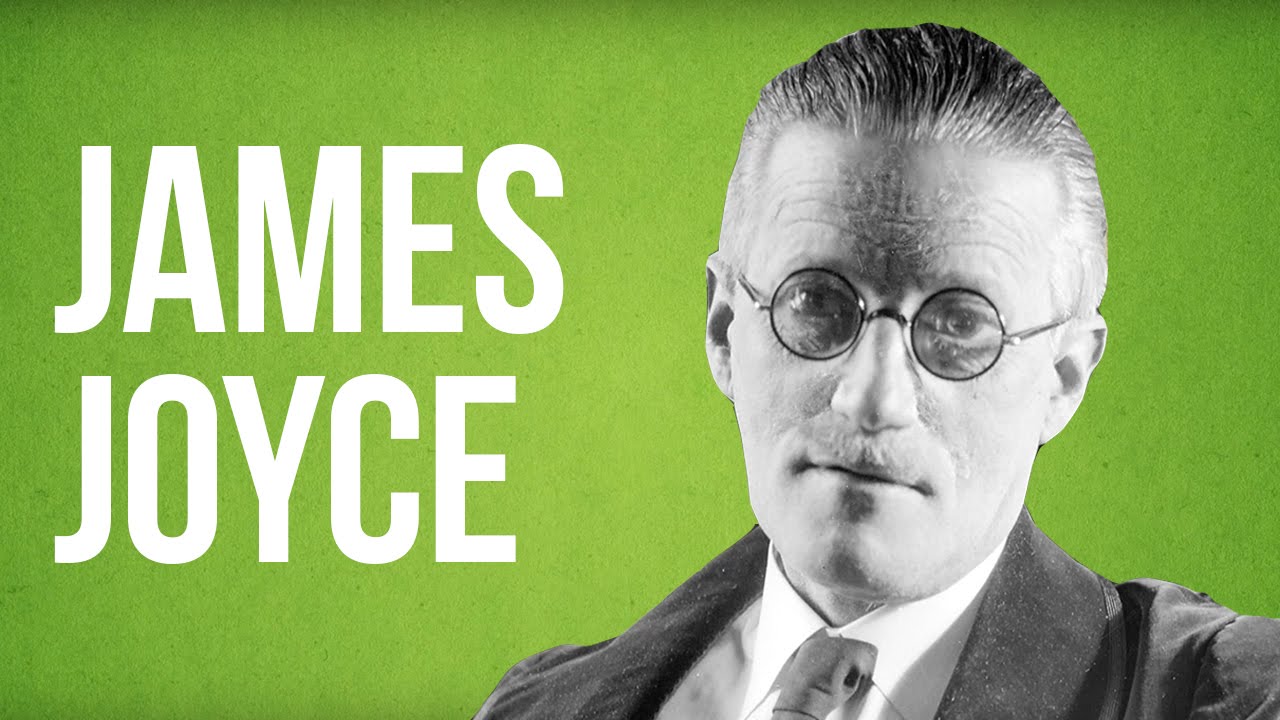
A foundational grasp of literary modernist precursors (like James Joyce's 'Ulysses') to contextualize the narrative complexity and stream-of-consciousness techniques.
Applying reading guides and companion texts, such as Steven Weisenburger's 'A Gravity's Rainbow Companion', during a close reading of the novel.
Analyzing specific advanced themes in the book, such as Pavlovian behaviorism, thermodynamics/entropy, and the influence of multinational corporate cartels.
Conducting a comparative study of 'Gravity's Rainbow' alongside other maximalist postmodern novels, such as David Foster Wallace's 'Infinite Jest' or William Gaddis's 'The Recognitions'.
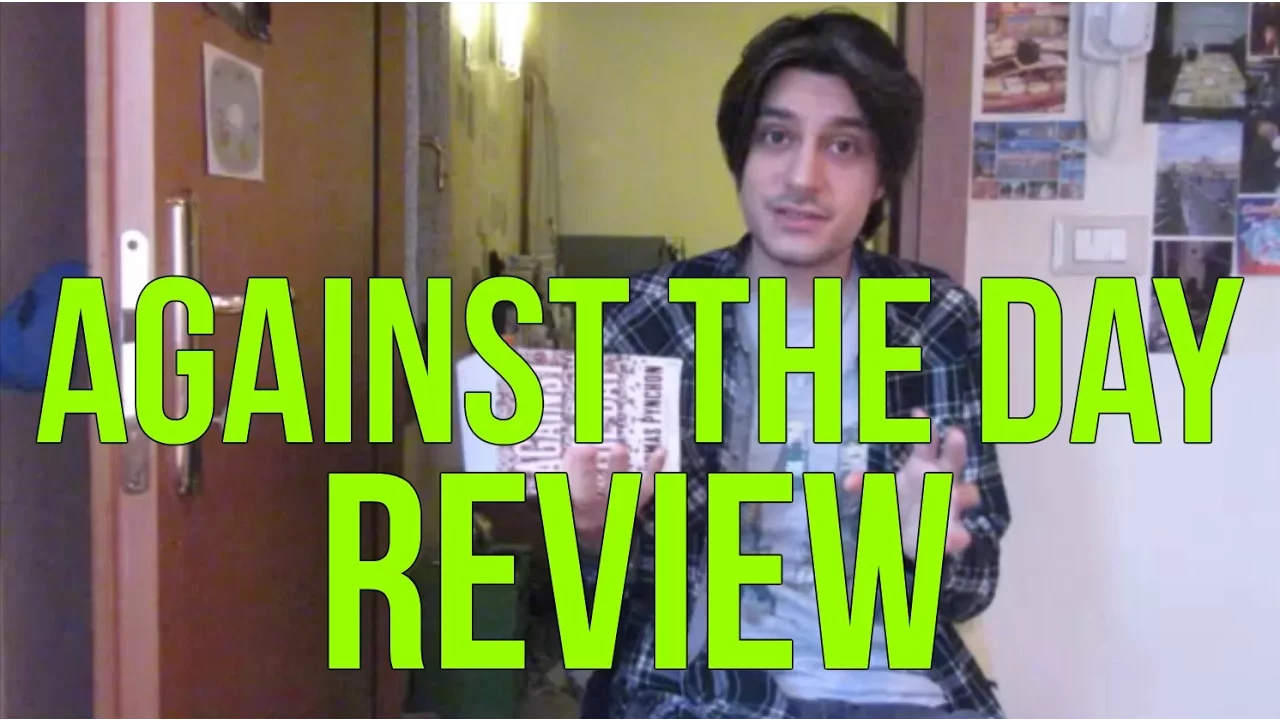
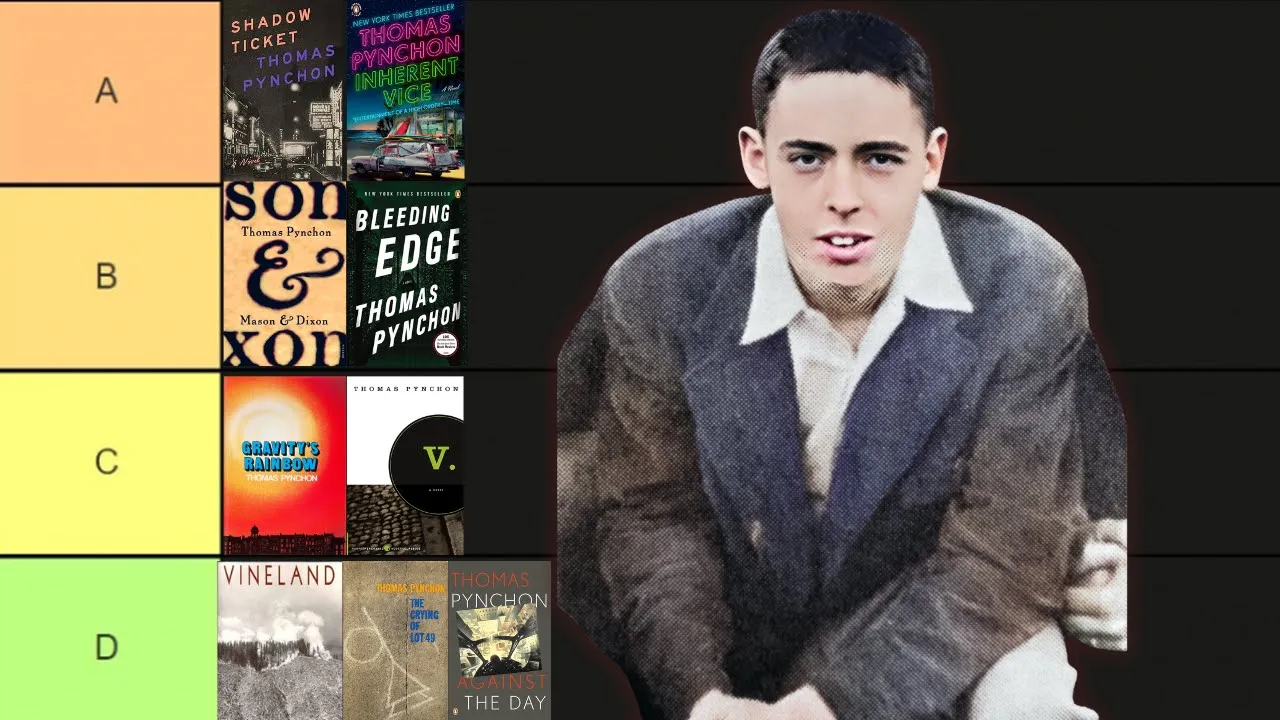
Exploring Pynchon's later works, like 'Mason & Dixon' or 'Against the Day', to examine how his critique of technology and history evolved over his career.
74.2K views2.2Klikes1:00:35Original Release: 2023-11-18
a screaming comes across the sky it has happened before but there is nothing to compare it to now so begins Thomas Pinchin 1973 gravity's rainbow one of the most iconic first lines in all of 20th century literature which opens a postmodern Masterpiece widely considered to be the most difficult dense and dare I say even impen works of literature of all time but we can and we will penetrate to the core of this masterpiece and we will discover together what makes it such a resonant and influential work when a great work of literature is called impenetrable or unreadable that's typically a sign that the work is inexhaustable and that's a different thing and inexhaustibility is a marker of great literature can you come to the end of the work is there always more to explore no matter how many times you reread it is there always more to think about with an inexhaustible work of literature you might find that you struggle to articulate exactly why specific passages themes or events in the work move you so intensely you may find that you struggle to put your reaction into words gravity's rainbow is a inexhaustible work that we must relentlessly engage with over the course of Our Lives if we have any hope of approaching its greatness why read gravity's rainbow well aside from the fact that this novel offers us an enormous cognitive challenge indeed it's one of the most difficult books that I've personally ever read it's in the top three for me aside from the fact that it's good for us to read cognitively challenging books it's good for us to engage with works that are over our heads because then it forces us to grow aside from that gravity's rainbow is also incredibly funny riotously funny it is incredibly profound but it also doesn't take itself too seriously and there are parts of the book that are astonishingly and breathtakingly beautiful there are also parts of the book that are lewd and grotesque and disturbing but essentially this book offers us or attempts to offer us all of life life in the 20th century and the Human Condition and it's an incredibly important work Theodore adoro said that it would be barbaric to write poetry after aitz and that was the sentiment in the culture coming off the back of the second world war many wondered is it possible to pen great literature again after the atrocities of the 20th century and Thomas pinin proved that it was possible possible and he gave us what we might call the first Masterpiece of the postmodern era and he channeled his poetic impulse into the novel form and gifted us one of the most resonant and informative works of the 20th century and today as we are now kicking off a deep read through and lecture series for gravity's rainbow at the hardcore literature book club which is at patreon.com hardcore literature because we're kicking off a series that aims to explicate the work and not only make it understandable and accessible but also make this a novel that you appreciate and perhaps even fall madly in love with because we're kicking off that lecture Series today let's talk about how to read gravity's rainbow if there was any book in need of a how to read then it's definitely this one this is also a work that requires community and it requires engagement and collaboration between readers it requires us to crowdsource the meaning and Pinchin believed that the readers were the ones doing most of the work or the responsibility for uncovering the meaning lied with us and this is something that we'll return to later in the video but essentially one of the really exciting things about reading pinion is the fact that there is a community of readers difficulty creates community and ever since this work was published readers have been banding together to explicate the meaning in gravity's Rainbow so let's talk about how to read gravity's rainbow now pin's original title for gravity's rainbow was actually mindless Pleasures but this book actually presents us with very difficult Pleasures yes there are Mindless Pleasures to be had in the book as well it is filled with slapstick humor s satire irony pasti mad cap Antics lwd songs and grotesque sexual episodes there's most certainly a lot of fun to be had in Reading gravity's Rainbow but its difficulty presents a barrier and an obstacle and we must begin our discussion by talking about the difficulty of gravity's rainbow its difficult nature now I personally believe that a lot of the difficulty of gravity's rainbow can be dispatched with Once one knows something of the story and the characters the biggest hindrance to a reader's appreciation of this work is not knowing what's going on many readers will give the first couple of pages a go and they'll come to the conclusion that this is unreadable I don't even know what's going on and they will abandon it and that's why it's absolutely necessary to have a guide with this book because the majority response the overwhelmingly common response is abandoning the work and certainly most people who pick up gravity's rainbow will never finish it which is a shame because honestly I think a lot of the difficulty in this book is front loed yeah once you get past the first part once you read the first 50 to 100 Pages once you have your bearings it becomes incredibly fun it becomes a really fun Journey now we've combed difficulty before in our reading it's just that postmodernism offers a different breed of difficulty and we'll talk about postmodernism in a moment but let's take an example from another realm of difficult literature let's say Shakespeare if you have ever embarked on a project that involves reading Shakespeare if you've ever brought yourself to The Bard's works you'll find that there are obstacles and hindrances in the fact that Shakespeare utilizes now archaic Antiquated Lexis and frames of references and the poetic inversions are difficult to deal with and so what you should do when coming to Shakespeare and this is the same for Opera too is you should go and see a show yeah you should go book in and before you go to the show look up a summary a quick synopsis just a very quick read through of what the stories about and who the central characters are and once you have that in your head you can dispatch momentarily with the guides and you can immerse yourself and a lot of the meaning will reveal itself it will arise from your immersion so what I'm going to do is very reductively outline the story and I say reductively because this is a sprawling novel and it is very very difficult to reduce it down but it's absolutely necessary for readers coming to the book for the first time I will also be staying away from spoilers and yes I believe that you can spoil this book it's certainly true that each new revelation each new piece of the puzzle brings only more confusion but we still also want to stay away from the surprises in the text because there are plenty of them we will of course explain everything as we go through at the hardcore literature book club read through it's very common to hear readers who've Ted tled gravity's rainbow say well it's about absolutely everything so I can't really tell you what it's about and I can understand that response and there's a lot of Truth in it because the work is all-encompassing and it's Monumental gravity's rainbow is what is referred to as an encyclopedic novel yeah Herman Melville's Moby Dick is another example of an encyclopedic novel this is a novel that offers a grand vision of the world and the human condition but there is a backbone and there is a story line can be related very swiftly and reductively and you might find the story to be rather shocking and not what you expect so what is gravity's Rainbow about gravity's rainbow is set primarily in Europe towards the end of the second World War and the book centers around the design production and development of the V2 rockets by the German military the V2 missile is the iconic weapon right at the center of the narrative and almost becomes a protagonist in its own right the V2 Rockets which were known as Hitler's Revenge weapons used to terrorize Britain were unlike anything seen before the V2 was the world's first longrange guided ballistic missile it would fly up to the edge of space and then it would descend at supersonic speeds the V2 was also incredibly foundational when it came to other weapons like the first missile to carry a nuclear Warhead V2 Rockets were first launched against England in September of 1944 and over the course of just a few months almost 1,400 struck the city of London now the rocket used previously was the V1 rocket which killed more than 6,000 people and left more than 18,000 people wounded and homeless the V1 rocket was the more accurate projectile the V2 rocket wasn't accurate and its Landings were pretty much randomized but the power of the V2 rocket was in the fact that it traveled faster than the speed of sound and this is very important that meant there was no warning noise before it hit and the V2 Rockets were basically impossible to defend against early on in gravity's Rainbow we get this very chilling meditation from a character called pirate Apprentice the first news you get of it is the blast then if you're still around you hear the sound of it coming in so if you hear the sound of the V2 it means it's hit someone else and they likely haven't survived it if you're at the center of the impact for the V2 rocket you're not going to hear a thing you are just going to die you're going to be alive one moment dead the next by the time of the deployment of the V2 Rockets Terror had become a part of daily life for British citizens now if you've spoken to someone who lived through the blitz as I've been fortunate to do you'll know all about the doodle Bugs or the buzz bombs that's what they called the V1 rocket which you could hear so the V2 was silent but the first projectile the V1 you could hear it and it made a distant humming noise that would become a boom Roar followed by deafening silence personal stories from this time anecdotes from the blitz are very very sobering essentially you'd hear it Buzz overhead making its distinctive noise and everyone would hold their breath and then you would let out a sigh a collective sigh when you realized that some other poor sod had gotten it and then you would just go on with your daily life I'm sure we've all seen pictures of Milkman and bus drivers and office workers doing their normal day going to work through the rubble in the aftermath of a night of bombing interestingly one dance hall used to even time their music to the sound of the bombs dropping outside to make the BMS part of the Rhythm essentially stiff upper lip was the attitude and Gallows humor dark humor became a necessary coping mechanism in order to continue living in the face of Destruction now British citizens got used to the V1 but the shift to the V2 was terrifying because it was just random randomized obliteration raining from the sky without warning and without ability to defend here's protagonist Tyrone slothrop from gravity's rainbow and by the way get used to some wacky names as you read this book Roger Mexico and Jessica swanlake are two of my favorite names in this book here is Tyrone slothrop meditating on the frightening shift from the V1 to the V2 Once Upon a Time slothrop cared no kidding he thinks he did anyway a lot of stuff prior to 1944 is getting blurry now he can remember the first Blitz only as a long spell of good luck nothing that the Luft waffer dropped came near him but this last summer they started in with those Buzz bombs he'd be walking on the street in bed just dozing off suddenly Here Comes This farting sound over the the rooftops if it just keeps on Rising to a peak and passing over why that's fine then it's somebody else's worry but if the engine cuts off look out Jackson it's begun its dive slushing the fuel aft away from the engine burner and you've got 10 seconds to get under something well it wasn't really too bad after a while you adjusted found yourself making small bets a shilling or two with tanv MAA mafic at the next desk about where the next doodle would hit but then last September the Rockets came them [ __ ] Rockets you couldn't adjust to the bastards no way for the first time he was surprised to find that he was really scared began drinking heavier sleeping less chain smoking feeling in some way he'd been taken for a sucker Christ it wasn't supposed to keep on like this really chilling stuff now although the V2 rocket sits at the center of gravity's rainbow it's Atomic fear fear of the atomic bomb or the cosmic bomb the phrase that Pinchin uses it's Atomic fear that pervades the text Pinchin wrote this book at a time when cold war anxieties were at their Peak and indeed the Vietnam War was at the center of public debate and Pinchin was vehemently against it Pinchin was writing this book for about a decade and we can see that 11 years prior to publication in 1962 we see the Cuban Missile Crisis around this time fear of nuclear Holocaust and total Extinction was everywhere in American Life the question of the era was are we on the brink of total Destruction you can turn to comic books from the era and you can see this anxiety about nuclear destruction Absol absolutely everywhere reflecting the Contemporary concerns and indeed Pinchin himself draws from the comic book world the power of comic books in gravity's Rainbow but you can see that in all of our favorite comic books pretty much everything is atomic yeah the superheroes get their powers from an atomic blast or from radiation this existential angst around nuclear destruction is there because everyone had seen what happened to Japan everyone had seen the total destruction that had unfolded when the bombs were dropped on Hiroshima and Nagasaki now if you look to the epigraph that opens part one of gravity's rainbow the novel is split into four parts you get this quote that is a key to unlocking the Thematic concerns of the novel The quote goes like this nature does not know Extinction all it knows is transformation everything science has taught me and continues to teach me strengthens my belief in the continuity of our spiritual existence after death this quote is attributed to verer Von brwn now Von brwn was the German rocket engineer behind the V2 rocket and this was a rocket that 60,000 prisoners of war from concentration camps had worked on and died building ferer Von Brawn wrote these words in the early 60s he surrendered to US forces in May of 1945 and he was transferred to a leadership position working at Nasa designing the rocket that landed on the moon in 1969 so America has one of Hitler's top Nazi Engineers to thank for closing the gap on the Space Race the the V2s were ultimately incredibly expensive to produce and they consumed enormous resources that desperately needed allocating elsewhere during the war and thanks to Espionage and a lot of secret operations designed in pushing the deployment of the V2 back thanks to all of this whilst the V2 Rockets were devastating they came too late in the conflict to make a significant impact but this Weaponry would ultimately Herald the dawn of the Space Age pinin by going back to the end of the second world war and exploring the development of the V2 rocket was able to work through contemporary concerns War anxieties and existential crisis the conflicts may change we might speak of cycles of conflict the cyclical nature of War But ultimately that anxiety of Destruction and death is always there are we not simply just living through an extension of the previous conflict it's just transformed it's just morphed and it's just become an ostensibly different conflict But ultimately it's all pretty much the same now gravity's rainbow feels like paranoia in book form paranoia and fear of conspiracy steams of its pages and one of the most profound ideas that pinion prompts us to consider is the idea that the true instigators and the true operators of conflicts the ones who keep conflicts going these are actually Global corporations institutions a hidden Elite gravity's rainbow is paranoia in book form and the paranoia is concerning them with a capital T or they with a capital T they who have a lot to gain from ongoing conflict we all know this and in it this though don't we we know that there are capitalistic incentives when it comes to contributing to the war machine we get this idea in gravity's Rainbow that the war was not political but technological and Catering to the Hunger for power of a ruling Elite the paranoia that comes through gravity's rain concerns the degree to which an international conspiracy of industrial cartels control or determine our destiny and here's a great quote from gravity's Rainbow that speaks to that this war was never political at all the politics was all theater all just to keep the people distracted secretly it was being dictated instead by the needs of Technology by a conspiracy between human being beings and techniques by something that needed the energy burst of War crying money be damned the very life of insert name of nation is at stake but meaning most likely Dawn is nearly here I need my night's blood my funding funding ah more more now of course this all sounds like paranoia and that's the point and there's a wonderfully insightful essay by pinion critic Leo basani called pinion paranoia and literature in which he proposes the idea that pinching the author is not on our side as we're Reading gravity's Rainbow so often we're used to our authors being on our side we are used to being in cahoots with the writer who's telling us a story but this isn't really the case with pinch and the writer pinch and the writer becomes them or they with a capital t he is the readers they he is the hidden institution who controls the flow of information and we are the ones seeking knowledge seeking information and trying to piece everything together as we work our way through the book so when we read through this book it feels very much like the paranoid questing that are ostensibly Central protagonist if we can call him that must go through gravity's rainbow is a sprawling work it has a beginning it has an end and it has many middles but it features over 400 characters most of these characters will only appear once briefly and many of the recurring characters will appear and then they'll disappear for long stretches of time we have roughly two dozen strong distinct individual personalities so we have some really robust characters and this can make it very difficult to get your bearings indeed even without this novel using it experimental avangard Pros a huge cast of characters is always going to be difficult even in straightforward realist narratives if you have hundreds of characters that is a real obstacle that we need to overcome but it helps to know that we have roughly half a dozen major characters in the novel that we can call the central protagonists which I think is a much more manageable number to deal with our Central protagonist again as far as we can use that designation is US Army leftenant Tyrone slothrop now it really helps to isolate a backbone or a plotline running through the novel so you have something to hold on to so here it is the bizarre thing about slothrop is that he becomes the subject of an extensive investigation when members of a clandestine military organization realize that Rockets are being dropped at the location where slothrop last had a sexual liazon there seems to be some connection between the rockets falling and sloops erections the thing about this book is you will find yourself really trying to wrap your head around really difficult topics if you talk about it with other people you'll start up and you'll have a false start you'll go down a path and then you'll need to correct yourself and you'll talk in circles it feels like moving through a labyrinth and it's very very challenging but as you're talking through these cognitively challenging ideas you're also talking about a man's erections and you catch yourself for a moment and say wait a minute what am I talking about so the joke is kind of on us and Pinchin is definitely having his fun it's kind of ludicrous to be talking about these really difficult ideas and also talking about penises relentlessly and a little warning for sensitive readers we are given a Relentless procession of grotesque and vividly detailed descriptions of sex so I think the pulet sir were right when they called this book obscene the pullet surprises refused to even entertain the idea of giving Pinchin a pet surprise because they said the book was turgid unreadable and obscene and you know what they're not entirely wrong there is a lot of Truth to that it's hard to argue against that when every few pages you encounter a phus in some form okay so the thing about Tyrone slothrop is in his infancy he was subjected to conditioning experiments by a German scientist called llo jam and this scientist would go on to create a plastic called imlex g a plastic that was used in the V2 rocket so there we go we have a connection between slothrop and the rocket there now these experiments sought to make a mystery stimulus cause sloths arousal and there really is some seriously messed up stuff in the history of psychology whilst this is a fictionalized account a fiction of an experiment a conditioning experiment it's actually not far off from many of the studies the psychological studies that were conducted in the 20th century there are many studies committed in the 20th century that today would never have a hope in Hell of passing an Ethics Committee there's one famous study that sloop's history reminds me of and that's the case of little Albert this experiment was seen as evidence for classical conditioning now classical conditioning or pavlovian conditioning named after Pavlov and indeed a lot of the absurdest comedy in this book arises from our behavioral psychologist character Edward W pointsman the behavioral psychologists have this book that they rever as their holy text and the book is a copy of Pavlov's lectures classical conditioning is where you pair a biological physiological stimulus like food with a neutral stimulus like ringing a bell in Pavlov's iconic experiments he paired food introduction of food with ringing a bell for dogs and he found that eventually he could get dogs salivating just by ringing a bell and not showing them the food so he classically conditioned them to salivate on Q now in the little Alba experiment this child was conditioned to fear a white lab rat because they paired the appearance of this rat with a loud noise Albert would develop a fear response to the rat even without the noise and he would also go on to show Fear responses to other white furry things like a Santa beard so the concern in the book is that sloop's erections could potentially be causing the Rockets to fall or perhaps they are a prediction perhaps they're a divination of where the Rockets will fall either way pavlovian psychologist pointsman thinks that there is a direct causal relationship between sloop's arousal and the bombs dropping a few days later in fact they drop 2 to 10 days later whilst his associate statsman Roger Mexico thinks that the relationship is just random and coincidental now to see a link between the rockets and sloops erection requires a wrangling with the idea of reverse ing cause and effect so response proceeds and prefaces stimulus rather than stimulus response and whatever this stimulus is there surely has to be a connection between the rocket and the arousal that we cannot see here's our pavlovian behaviorist character the stimulus somehow must be the rocket some precursor wraith some rocket stubble present for slothrop in the percentage of smiles on a bus menstrual Cycles being operated upon in some mysterious way are there fluctuations in the sexual Market in pornography or prostitutes perhaps tying into prices on the stock exchange itself that we clean living lot know nothing about does news from the front affect the itch between their pretty thighs does desire grow directly or inversely as the real chance of sudden death damn it what Q right in front of our eyes that we haven't the subtlety of heart to see Leo basani talks of slothrop responding to a climate of being a rocket that manifests itself in different ways and his erectile response is just further manifestation of the rocket and Thomas sha writes in pinching the voice of ambiguity the entire weight of gravity's rainbow calls the absoluteness of that idea cause and effect into question and moves both characters and readers into the uncertain ground between the distinctness of successive events and the time ESS complementarities of meaning we see that the way the narrative itself is presented really plays with the idea of reversing stimulus and response cause and effect because we get temporality shuffled about so sloth's Quest is to discover the degree to which his conditioning is bound up with the rocket by the way we get a reference to the rocket in the title we get a symbolic phallic doubling of penis rocket and vus rocket rainbow gravity's rainbow refers to the shape of the V2 Rockets trajectory it's a rainbow shaped Parabola caused by gravity so slothrop in gravity's Rainbow is questing to find the rocket with serial number 0000 0 he wants to find out why he's getting these prpic erections why do his moments of arousal seem to be portance of Doom and destruction over the course of the book sloth becomes increasingly paranoid that he is being monitored and followed and so we see that he adopts and then sofs off multiple identities as he makes his way into the Zone this is the post-war occupied Wasteland of Central Europe and he's searching for a mysterious component made from the plastic designed by the man who conditioned him though we're meant to question everything in this book post-modern Works give voice to ontological anxiet anxiety of being and so we have this area called The Zone in the book but we think to ourselves well is it really just a part of Europe if not what is it what is it supposed to represent everything represents something else and we get to know our protagonist Tyrone slothrop we get to know who he is but as the book goes on we cannot help but question what he is pinin gives us this vast canvas which defies typical plot and narrative devices and this vast canvas feels more like a projection of his mind than a carefully sculptured conventional novel he gives us this vast canvas this play area to run through and we get a space to explore the weightiest themes of The Human Condition really resonant themes with a lot of gravity and Gravity by the way can be seen as a metaphor for repression in this novel repression of our libidinal desires but we can also read something of a religious allegory into this novel because there is a heavy battle between the idea of predestination and Free Will in this book and think symbolically in order to make this work our questing hero is trying to discover whether his sexual activity his arousal presses or predicts or even dictates destruction or not or is it random so we ask ourselves how is his desire to spread and Scatter himself disperse more of himself how is that desire linked to the prospect of total Destruction pinion gives us the state of humanity in the 20th century and ultimately a search for salvation and as morine quilligan points out part of the search for salvation involves locating the cause of potential damnation now here's my reading of the text this is what the novel puts me in mind of for us humans it is a knife edge walk between life and death between sex and destruction and the same impulses that drive us to create to build to expand to erect civilizations those same impulses if not carefully moderated threaten to destroy us the drive that makes young boys want to grow up and work on Rockets like Von Brawn rockets that will take us to the moon and beyond that drive is taken hostage in adulthood and then is funneled into creating weapons and weapons of complete and utter destruction and Chaos that have the potential to wipe out entire civilizations everything we've built or everything someone else has built now has the potential to be raised from the earth and then those weapons end up being the foundation for the Rockets we wanted to create in the first place now Ernest Becka tells us that the civilizations we create the Rockets we launch the big weighty tones that we write novels like gravity's rainbow all of this is ultimately a grand denial of death everything we do is our attempt to flee from our mortality we are trying to transcend our mortality we want to secure something of lasting permanence for ourselves and so we can see Rockets symbolically as being a phallic force of Destruction and death and we can see them as being symbolic of expansion imperialism and colonialism which is just destruction and death by another name now Time Magazine had a really powerful review for gravity's rainbow the year it came out that goes like this gravity's rainbow is about man the symbol making animal desperately trying to build a protective system of meaning over his head while at the same time blind technology increases the odds that something will bash his head in that's very very profound man in his pride makes a fatian bargain a deal with the devil when it comes to science and knowledge our Promethean questing after fire could be are undoing and we are also ultimately walking a tight rope of dread aware of our mortality and desperate for meaning desperate to discover the hidden connection that binds us together because if nothing binds us together we are then in danger of tumbling headlong into the abyss and complete and utter nihilism now it's also a knife edge walk between nihilism and freedom and Liberation but we erect these systems we put symbols together we find patterns because the prospect nothing binds us together at all that is more terrifying than the idea that something is connecting everything are we free or is everything we do determined that's a question that we're going to want to ponder as we work through gravity's rainbow now there's also this idea that we can attain freedom through play Jean Paul SRA said that as soon as man apprehends himself as free and wishes to use his freedom then his activity is play Freud told us that the essence of our being is in being faithful to our unconscious in pursuing the principle of pleasure now we often try to repress our desire to pursue and indulge and attain pleasure and we end up developing neurosis and as Norman o' Brown tells us in life against death a book that's well worth picking up if you want to understand gravity's rainbow as brown tells us Neurosis is simply original sin we're all born flawed and conflicted and we're all born repressed but what if we could be faithful to our drives and our deepest desires indeed William Blake saw our freedom in the idea of pursuing our Delight now why is all of this important well it's important because ultimately gravity's rainbow this novel is Pure Play we might wonder what is it that causes a great writer like Thomas pinin to write this kind of book what motivates great writers and artists do we write these sprawling novels as a denial of death is this a way of defeating our mortality is this a defiant middle finger to the Grave or do we write novels because we want to attain freedom through play now the psychoanalytical explanation of art would be to see art as a liberation of repressed libidinal instincts because we know we will die we must play because in our play we can achieve freedom and we can transcend our mortality Sigman Freud would see wit as play so being funny making jokes and there's a lot of wit there's a lot of Comedy bizarre comedy grotesque comedy but there's a lot of free play in gravity's rainbow and for Freud defined wit as deriving pleasure from free use of words and ideas and indeed Freud saw humor as the highest defense function because it openly confronts the most painful ideas in life Freud as usual would also deploy a sexual analogy when talking about wit he would speak of the buildup to a joke as being like foreplay and gravity's rainbow as a book is like foreplay intercourse and a climax we can see our unconscious desires through our dreams and through neosis but neither of these liberates us whereas art does art liberates our unconscious desires and that's what it feels like that's why it's so difficult to read gravity's rainbow because it feels like you're waiting through a dream through a nightmare where things don't quite make sense even if you're aware of your dream you might have a moment and this is liable to make you wake up you might have a moment where you think this is all all absurd and nothing actually makes sense that's because the unconscious speaks in signs and symbols remember we're a symbol making animal you can intuitively understand your dreams and you can intuitively understand books like gravity's rainbow but it requires thought on a different level it requires connecting with our unconscious and I think that ultimately because art can liberate us our freedom lies within the covers of a book like gravity's rainbow when we're reading yes it's bizarre yes it's confusing yes it doesn't deliver its meaning in a straightforward way but we are free we are playing we are giving our unconscious drives free reign to run a Muk and we are indulging in Mindless Pleasures we are pursuing our delight and why do we want to spend some time in Freedom yeah in that space that gap between stimulus and response why do we want to read imaginative literature vicariously and get swept up in it because ultimately the threat of mortality looms over us all we all have a rocket threatening to fall on us over the course of Our Lives even if we're not in a war zone we all have a hand of death that will come down and remove us and whether we take comfort in that idea from verer Von Brawn that nature doesn't know Extinction it just NOS transformation whether we take comfort in that or not doesn't stop us pondering like Hamer What Dreams May Come in that sleep of death once we have shuffled off this Mortal coil that must give us pause we don't know what's on the other side we don't know what we're going to confront when we die not objectively and that is terrifying now the terrifying thing about the rocket that's looming over all of us is very much like the V2 many of us will not see it coming we won't know that it's going to come we will not hear the explosion and indeed I had a horri Ying moment just the other day as I was rereading through gravity's rainbow I had a horrible flash a a vision of my own mortality the end of my life and I had this realization that it would most likely be the experience of nothing Fade to Black the value of books like gravity's rainbow is that these books relieve the burden of being a soul trapped in a body that will die a body that craves pleasure that will will eventually reach a moment when pleasure can be no longer sought these books relieve the burden of living for a short moment and that is why they are so intensely valuable now how has gravity's rainbow been received well gravity's rainbow is very frequently compared with another difficult book from the 20th century and that is James Joyce's ulyses gravity's rainbow and ulyses don't actually have that much in common aside from both arising out of the fertile soil of the tumultuous 20th century and the fact that they are both astonishingly and daringly experimental and both of them require the reader to work before the meaning is yielded up Joyce is in the modernism Camp yeah James Joyce is a modernist whereas Thomas Pinchin is in the postmodern Camp he's a pesky postmodernist and there is a huge difference between writers in the first half of the 20th century and the second half another commonality between these two books is that they're inherent difficulty has resulted in readers falling into one of two camps one they are either dismissive this work is pretentious it's deliberately difficult it's unreadable perhaps it's completely nonsensical and not worth bothering with that's one reaction an understandable reaction or there's another reaction and that is love reverence Obsession we know that joyan Scholars dedicate their lives to his work and there has also been a cult of pinoni for decades indeed the body of critical writings both the academic and the more informal online is lovingly referred to as the pendry I love that Pinchin developed a cult following from the very early days of his writing career he had been composing gravity's rainbow for around 10 years whilst writing other books books like the crying of lot 49 which he described as a short story that got away from him that came came out in 1966 and V his debut novel had come out in 1963 and he had published some short stories too now we don't know a lot about Thomas pinin the man and he has a reputation for being a recluse which he says is just code for doesn't like to talk to reporters which we can understand but we do know that he wrote gravity's rainbow whilst living near Venice Beach California he was a Cornell graduate who had served in the Navy and had also worked as a techn technical copywriter for Boeing in the 60s and he would get stoned in Venice Beach and then he would go home and he would write gravity's rainbow composing it by hand on Engineers graph paper gravity's rainbow was published in 1973 and in the first month alone it sold 45,000 copies in the first year it sold over 100,000 copies not every writer can clock those numbers if a writer sells that many copies then it is a smash here they are a success it means that they had a fervent audience desperately waiting for their work and upon publication gravity's rainbow very swiftly became part of university syllabuses and would be taught many professors saw the necessity to teach it because it is difficult if any book needs to be taught or shared and explored in a classroom environment then this is it but gravity's rainbow was also commercially successful too and what we have is a book that many readers absolutely adore and many readers love it because it is difficult because it is funny because it is profound but we also have a book that many readers bought and never read most readers will not get past the first few pages so let's talk about what makes gravity's rainbow so difficult well pin's postmodernity is his difficulty and obviously postmodernism is defined up against modernism so we need to know what modernism is and how postmodernism differs from it modernism is the writings in the first half of the 20th century postmodernism is the second half we can Define it as being from approximately 1960 or thereabouts onwards now Brian Michelle has a really great essay called Pinchin postmodernism which cataloges the different markers of the postmodern era and applies them to Pinchin if you're interested but let's do a very Swift rundown of some of those markers together right now first let's talk modernism it's much easier to think of key figures post modern writers yeah so you probably think of James Joyce Virginia wolf TS Elliot and Ezra pound when you think modernism when you think postmodernism you probably think David Foster Wallace Don delilo cormack McCarthy and Thomas Pinchin modernism is concerned with epistemology yeah theory of knowledge and artistic techniques in the postmodern era aim to unpick and explore and understand the differences in perspective from for example the subjective experience of time that's a very prevalent modern theme and preoccupation modern writers want to explore the unreliability of knowledge how it differs depending on who's viewing the world postmodern imaginative literature however is concerned with exploring ontology theory of being and so the artistic and narrative techniques are used to explore modes of being and the differences between different states of being postmodernism explores ideas like fictionality multiple worlds and how fictional worlds are created and uncreated and dismantled so what are some markers of postmodernism well the first really significant and interesting thing is postmodernism collapses the high and the low together it smashes the high and low cultures right into each other the great modern writers in the first half of the 20th century sought to self-consciously erect an elitist hedge around their work and they made their Works deliberately difficult for that reason postmodernism is exceptionally difficult but postmodern writers actually want to be part of popular culture they want to be read they want their books to enter the mainstream they'd be very happy for that to happen and David Foster Wallace is a brilliant example of this you can look up his interviews he really did want to be read by people he wanted to be accessible but he wanted mainstream readers to Endeavor ever to understand his work and combat his difficulty so with postmodernism we often see works that are popular culture commercially successful and they're also intensely cognitively challenging and demanding so I would say that modernism is exclusive and difficult whereas postmodernism aims to be inclusive and difficult one way that you can see postmodernism's collapsing of the boundaries between the high and low is through pasti you read pinion and you will find homages and parodies of comic books spy novels 1940s radio shows and movies and that's the fun now Pinchin demands that readers have a really esoteric eccentric and varied body of knowledge in the hardcore literature book club we'll be talking about the cabalistic elements of Thomas Pinchin he needs his readers to understand cabala he also needs his readers to understand tarot he makes references to really high culture like Vagner but among all of that he Blends pop culture references so readers need to have a knowledge of different brands Music Television films that sort of thing and pinch's pasti is filled with irony there's always a sense that a joke is being had even if we're not completely sure what the joke is another interesting thing about postmodern literature is that it is double coded so there are two kinds of readers that writers like Pinchin write for one you have a minority of avangard readers and two you have the wider public yeah people who just love a good story and a good challenge not necessarily academics and this really explains why gravity's rainbow is subject of both academic study and enjoys a strong cult following another element of postmodern literature and this is exemplified in pin's work is the fact that it's very meta pinin writes and here becomes a mouthful historiographic metafiction that essentially turns a distrusting questioning eye on the narratives we have long enjoyed yeah he subverts them he overturns them he's suspicious of them and so postmodernism is very subversive and postmodernism is also a rather paranoid condition again a word and idea that runs relentlessly through gravity's rainbow if you read this book and you think my goodness this feels like I'm having a paranoid episode that's the postmodern experience much of the time where modern writers sought to explore the individual's subjective experience and typically this is an alienated experience postmodern writers seek to completely fragment and decenter the individual and we see that with slothrop in this book you need to question everything when you are reading a postmodern world work and you'll see that writers like pinch and set up strange loops and paradoxes where the boundary between what we take to be the primary world and inser worlds is blurred what does that mean it means for example you're reading a story and one of the characters gives you a story within a story or just say as is common in gravity's Rainbow you get some analepsis so you get a flashback or you get a memory you get thrown back in time or and this is also really common in gravity's Rainbow you'll see figurative language deployed like a metaphor but then it just runs on and on and on and it extends so relentlessly that you start to question your reality are we living in the world of the metaphor has the metaphor become reality but we can see this with flashbacks most primarily it's a really disorienting experience because sometimes you're not sure if you're actually reading what you think is the primary narrative or if this is a flashback or a hallucination that's common to and the lines between all of these different conditions are so blurred and truly without giving anything away Pinchin will absolutely keep you guessing and questioning until the very end now all of this might sound very daunting but it is manageable and it is achievable to get through gravity's rainbow and enjoy it I would highly recommend you pick up gravity's rainbow a companion by pinion scholar Steven C weisenberger this is a really good guide because what you want to do with gravity's rainbow is settle in for a long ride your first reading is just a cursory reading and you're absolutely not going to exhaust this novel I do not believe it's possible to get even close to exhausting this novel you just need to settle in and understand that this is a lifelong journey so you need a companion and what you're going to want to do is consult the little synopses that take you through the book in weisenberger's companion and what you'll see is he explains pin's Illusions pinin is very elusive there are so many different references and many of them will go over our heads now you don't need to spend an inordinate amount of time on each and every reference just focus on the bits that capture your interest that Intrigue you follow them up a little bit but you want to guide and you want to consult summaries as you work your way through the book and you also want to pose questions to other readers so if you're interested in really breaking this novel open then we are going to be discussing this together at the hardcore literature book club at patreon.com hardcore literature we are going to crowdsource meaning together and this is what pinin wanted for readers he wanted readers to ban together and so what's interesting is this difficulty yes we might fling the book across the room in Anger that we can't understand it or it might bring us closer to other people and that's a beautiful experience what I really love about Pinchin is the fact that his difficulty creates Community now another thing you want to do as well as discussing the book and using a companion and Consulting lectures like the lectures at the book club you're also going to want to have a pen in your hand this is really really important if you have a pen poised you're going to be more attentive you're going to be focusing more and just underline liberally scribble in the margins pose little questions to yourself Circle things just make the page muddy with your ink cover it with your thoughts because this is active reading and Pinchin is one of those writers who really demands active reading some readers we can settle in and just Escape into their world and they'll tell us a story and we don't have to think too much Pinchin demands his readers to really be awake and alert and attentive and it doesn't matter if you don't understand yeah firstly I see confusion and not understanding as merely preface to understanding everything that clicked for you in your life at one point you didn't know and anything that's worth knowing requires effort to know it any skill for example and it is that feeling of Revelation where it all clicks that's a beautiful feeling so it's actually a really good thing to not understand everything and it wouldn't be desirable if you understood everything then the novel might not be inexhaustible whereas if you can barely even scratch the surface on your first second or third reading that means you have a companion for life it's a very rewarding thing to have a book that Journeys with you over the course of your life it's like having a friend and the community around Pinchin works are so warm too that it feels like you've got many friends now at the hardcore literature book club I'm going to be splitting our discussions into four parts to correspond with the four parts of the book so when you get to the end of a part of gravity's rainbow that's a milestone and that's a stop Point yeah so you just need to forge on and keep going to that stop point where you can have a little rest you can have a little pause a little discussion and try to digest what you just read and also use your marginalia use your underlinings to reread and just quickly skim back over what you've read this is a very very big book yeah it's around 900 pages but breaking it down into chunks makes it much easier each part is about 200 Pages our discussions at the hardcore literature book club are going to come out roughly every 10 days or so if you're aiming to follow along live that means a diet of around 20 to 25 pages per day but I really do want to stress the importance of embracing your own self Pace I think this is a good Pace because it's very much like tearing the Band-Aid off and quite frankly you do just need to clock pages with this book in order to really get into it and get into a rhythm and for it to start to feel somewhat like a normal narrative that's not really possible but you will get your groundings and it will become easier to read through this book you absolutely can get bogged down on single pages single lines and you can spend so much time on them but I think for a first reading in particular you want to get through the book and then you can spend that that time on a reread remember the first read is just our meeting of the characters and our entrance to the world follow your own pace but of course if you read at a fair Trot 10 pages 20 Pages 25 Pages a day that means you'll get through the difficult part of the beginning like I said the difficulty is rather front loaded the first 50 to 100 pages so if you read at a good pace you'll get through that so I implore you not to be too daunted by gravity's rainbow you absolutely can and absolutely will read it if you want to and at the hardore literature book club I will be providing a link through the Labyrinth I will also be clarifying my own thoughts my own response to the book as we go through and it's going to be very very exciting to see what readers make of this work honestly this is a fantastic literary mountain to climb because if you can climb this mountain you can tackle any mountain yeah if you can read gravity's rainbow then nothing is going to be denied you everything is open to you and we've really just barely scratched the surface of gravity's rainbow today this is most certainly a lifelong book and truly it's a really beautiful book you'll find that yes pinch's Pros is dense it's difficult it's elusive it's demanding it doesn't give you its meaning you'll find however despite all of that you'll find Long stretches of some of the most beautiful Pros written in English astonishing Pros that begs to be read aloud and that's a very good tip read Pinchin aloud or listen to him being read aloud because sound unlocks sense and the meaning will click into place if you read it aloud you will find some of the most beautiful passages and we'll be lingering over those passages together at the hardcore literature book club you'll find some really profound poignant and painful meditations on the weightiest themes of The Human Condition and I think you'll find that ultimately this book is incredible f now I'd like to end by saying a huge thank you for watching thank you for being here and please let us know your relationship with Thomas Pinchin and this novel are you gearing up for a first reading of gravity's rainbow if so what are you anticipating what are you expecting what are your concerns what are you looking forward to the most if this is a reread for you then let us know what you made of your previous reads and what you're aiming to get out of your reread this time around thank you again so much for being here I really appreciate you and I hope you have a lovely day happy reading everybody and bye-bye for now
Up Next

47:42
Modernism vs Post-Modernism in Literature | Lecture Analysis | 60 chars
@IntellectualDeepWeb
3K views•2017-04-02

13:43
Formalism in Literary Criticism: An Academic Lecture Overview
@mattalberhasky9952
39.1K views•2015-08-05

93:30
How to Read William Faulkner's The Sound and the Fury
@BenjaminMcEvoy
40K views•2025-04-06

15:25
1984: Orwell's Dystopian World and the Mechanisms of Totalitarianism
@AlternateHistoryHub
7M views•2017-03-04
Related Study Plans & Knowledge Roadmaps
Structured learning paths in Literature
literature
Graphic Memoirs: Visual Art, Trauma & History
01Foundations of Sequential Art and Visual Language
02Autographics and Processing Historical Trauma
03Visualizing Personal Trauma, Grief, and Graphic Medicine
+ 2 more learning modules
14h5 modules
Explore Roadmap
literature
Campus Novels: Evolution, Themes & Critique
01Introduction to the Campus Novel Genre
02Mid-Century Satire and the Post-War Academy
03Dark Academia and the Critique of Privilege
+ 2 more learning modules
14h5 modules
Explore Roadmap
literature
Theater of the Absurd: Philosophy & Plays
01Postwar Existentialism & Historical Roots
02Dismantling Narrative: Esslin & Absurdist Conventions
03Samuel Beckett and Tragicomic Existentialism
+ 2 more learning modules
12h5 modules
Explore Roadmap
literature
Revenge Tragedy: Justice, Madness & State
01Foundations of Early Modern English Theatre
02Anatomy of Revenge: Structural Conventions
03Psychological Complexity: Madness and Melancholy
+ 2 more learning modules
15h5 modules
Explore Roadmap