




![중졸검정고시 "국어" [작품: 소서르수필,희곡,시나리오, 1편 ] ★무료인강](https://i.ytimg.com/vi/g3lTvgnJnrc/maxresdefault.jpg)










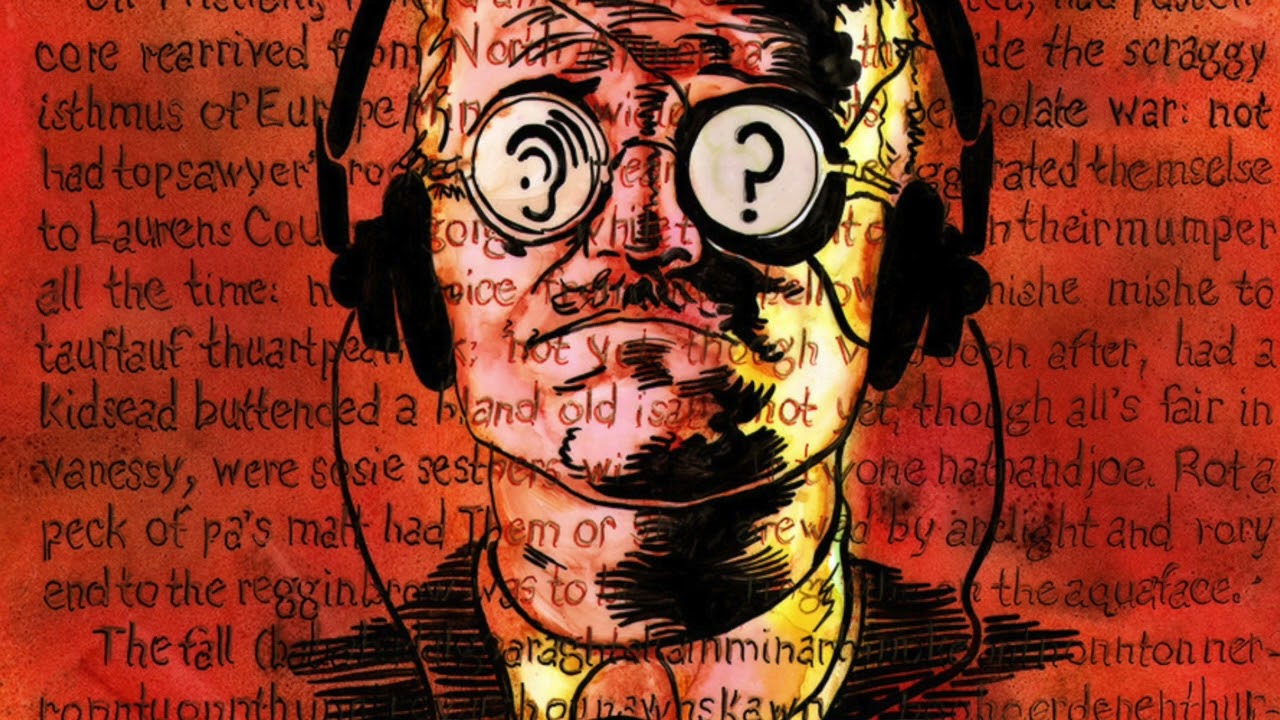
![Finnegans Wake // [Unboxing]](https://i.ytimg.com/vi/QaVT557g2y8/maxresdefault.jpg)
James Joyce revolutionized literature by developing the stream of consciousness technique, which captures the unfiltered flow of human thought and emotion, revealing that ordinary daily experiences contain profound beauty and meaning when examined closely; his novels, particularly Ulysses, demonstrate that the apparently mundane moments of everyday life—eating, walking, worrying—are worthy of artistic attention and can illuminate what it truly means to be human.
James Joyce: The Stream of Consciousness in Literature
Added:An understanding of Literary Modernism and its departure from 19th-century Victorian realism.
Familiarity with standard narrative modes, such as third-person omniscient versus first-person point of view.
The concept of 'stream of consciousness' in psychology, originally coined by William James to describe the continuous flow of subjective thoughts.
A basic awareness of early 20th-century Irish history and the cultural significance of Dublin during this period.
A close textual analysis of Joyce's major works, specifically 'Ulysses' and 'A Portrait of the Artist as a Young Man'.
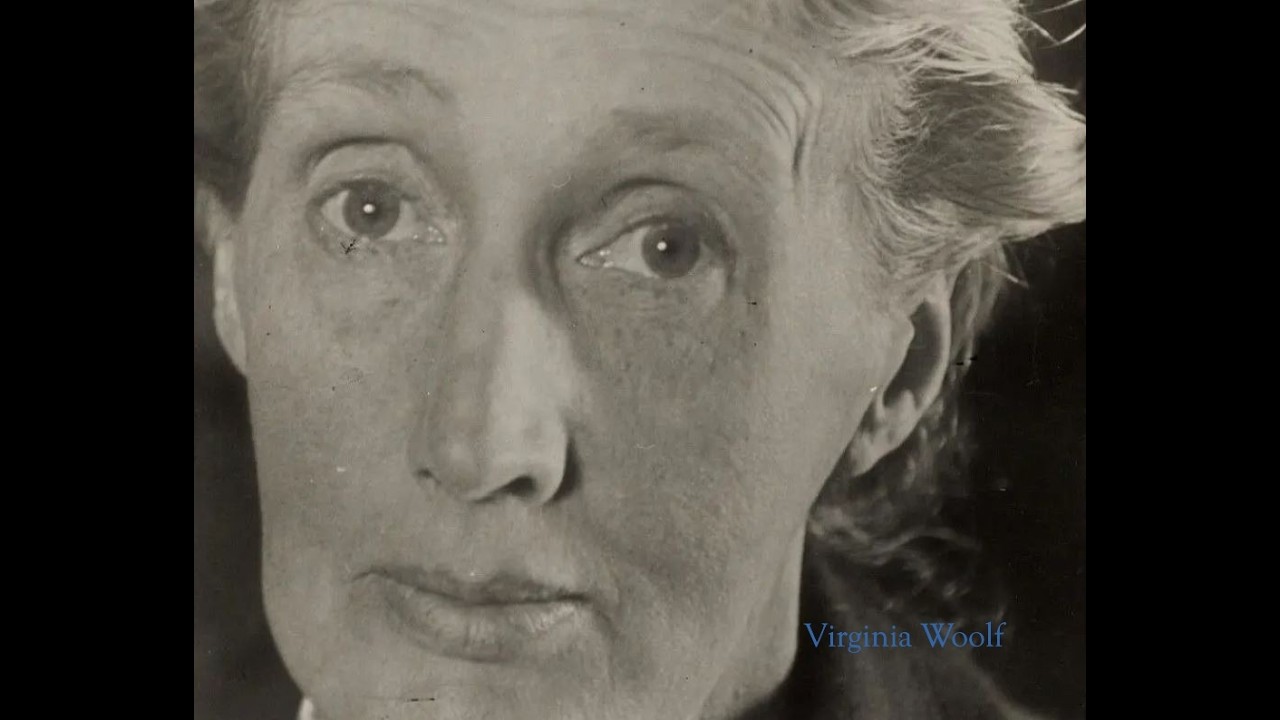
A comparative study of stream of consciousness techniques in the works of other Modernist writers like Virginia Woolf and William Faulkner.
An exploration of Joyce's literary concept of 'epiphany'—the sudden realization or spiritual manifestation in mundane daily life.
An investigation into 'Finnegans Wake' to see how Joyce pushed linguistic boundaries beyond standard stream of consciousness into dream-state narratives.
1.1M views21Klikes13:21Original Release: 2016-08-05
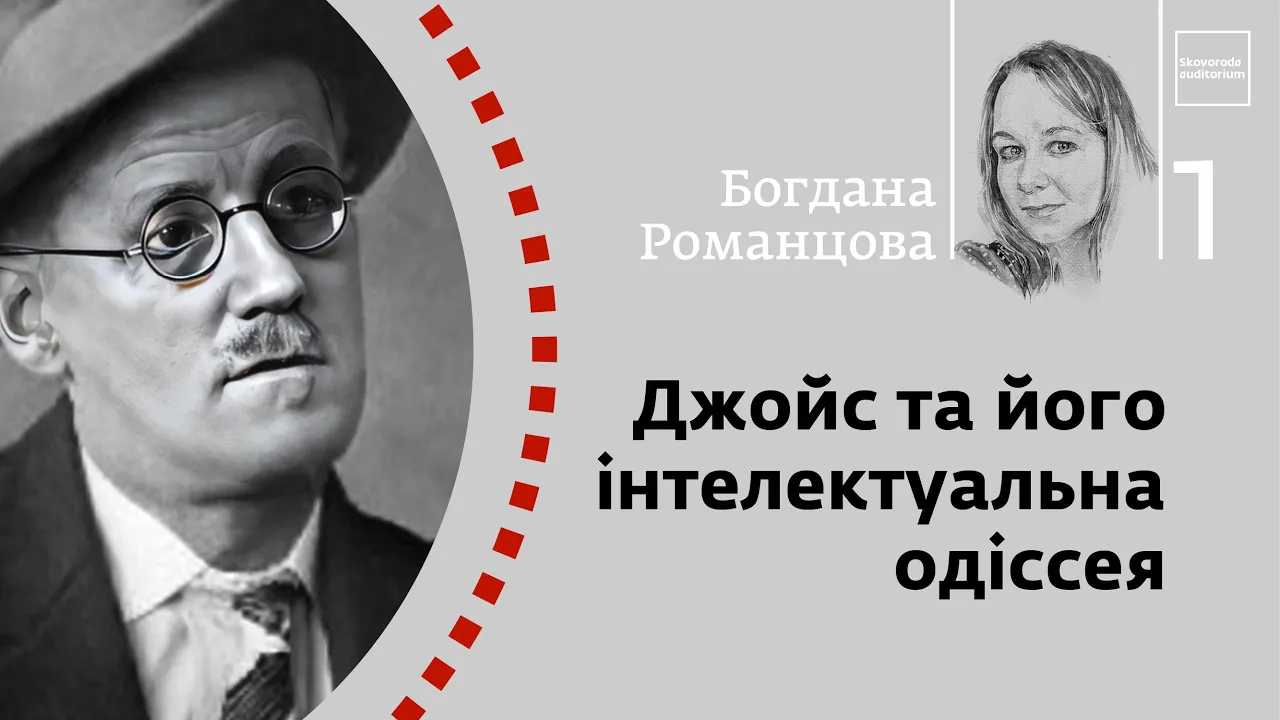
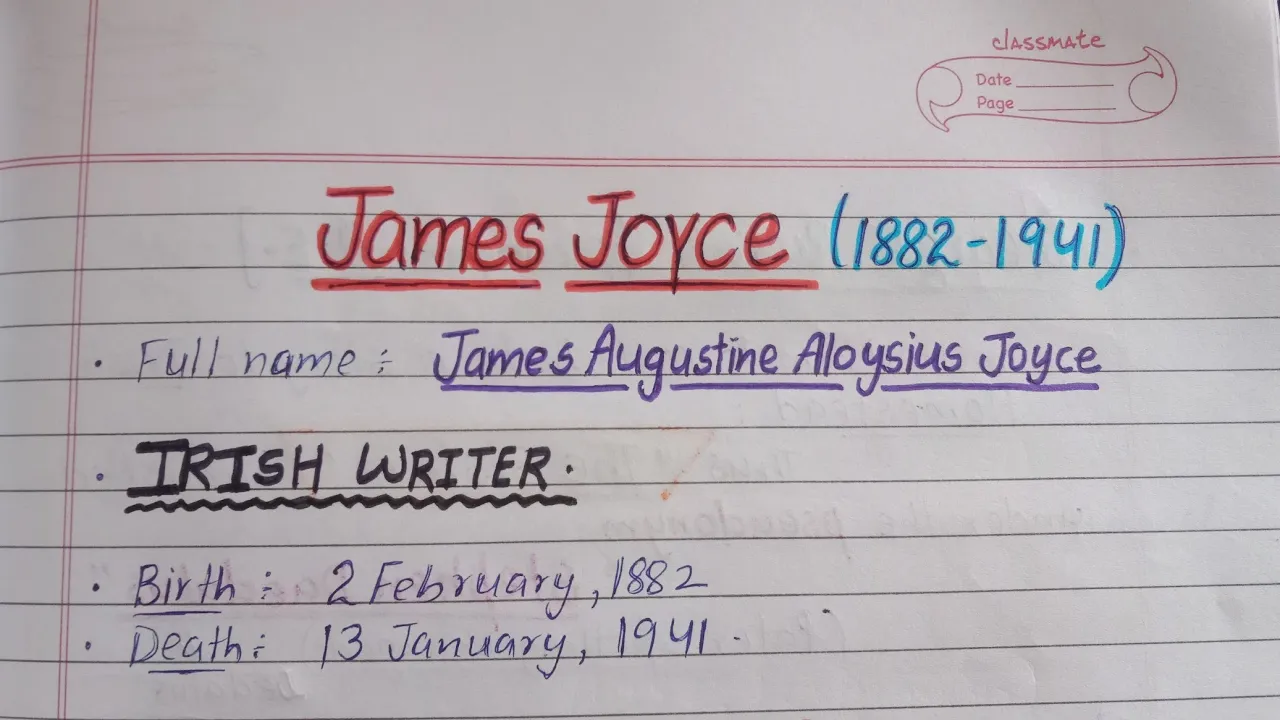
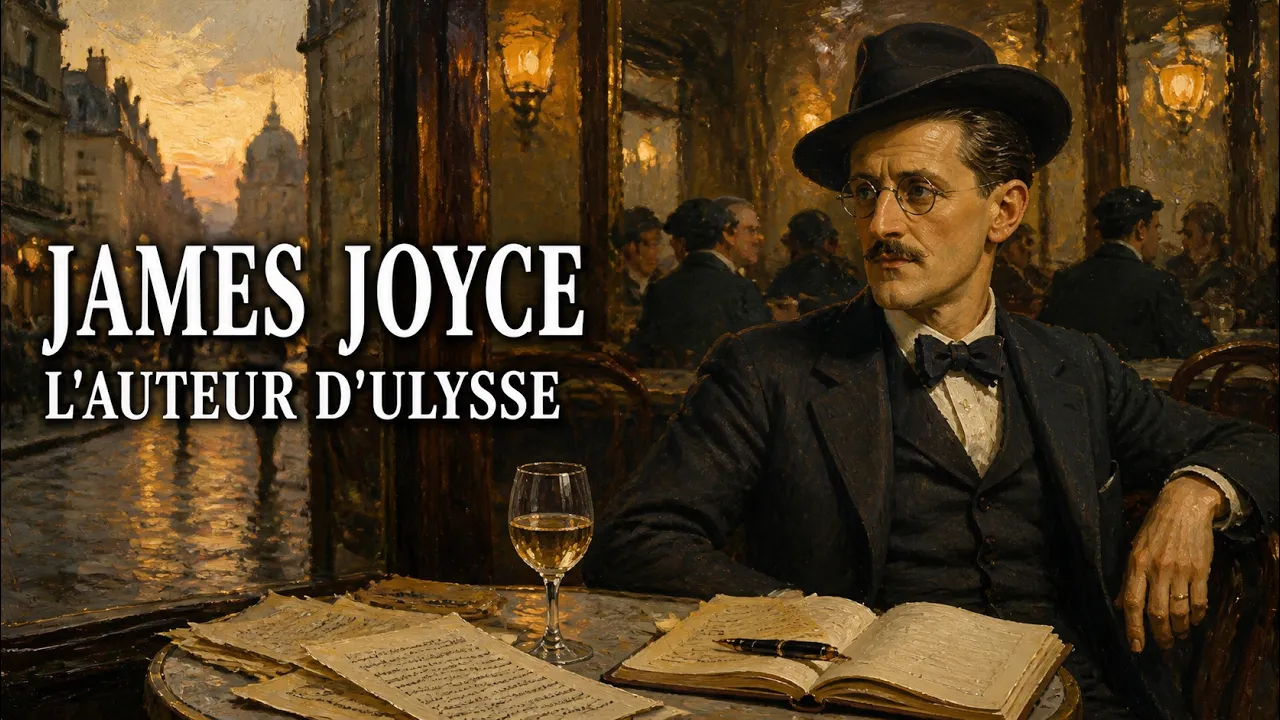
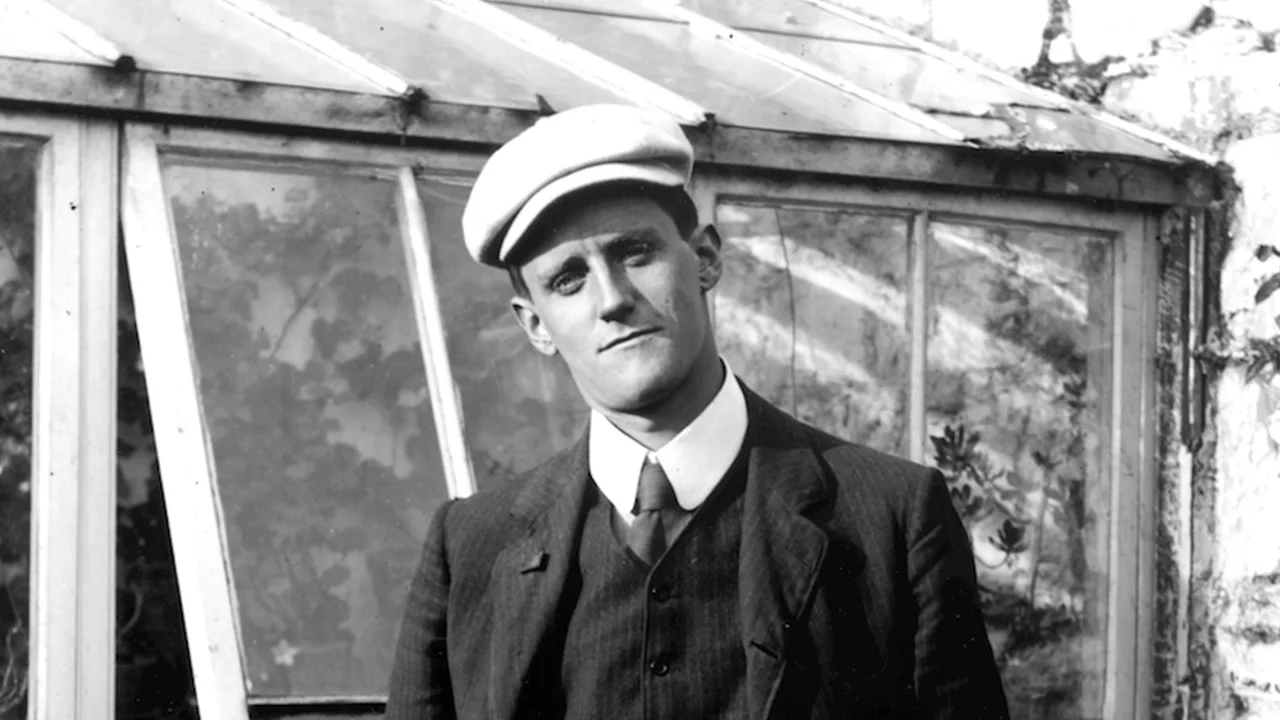
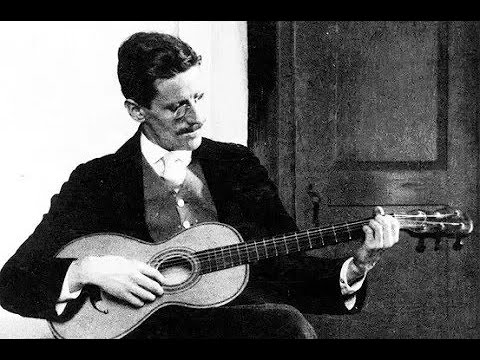
James Joyce is one of the most revered writers in the English language and a central figure in the history of the novel he is still hugely important to us because of his devotion to some crucial themes the idea of the grandeur of Ordinary Life his determination to portray what actually goes on through our heads moment by moment what we now know partly thanks to him as the stream of consciousness and His determination to capture on the page. What language really sounds like in our own minds Born in 1882 James Joyce Spent the first 20 [years] of his [life] in and around Dublin and the rest wandering in and between the European cities of trieste Zurich and Paris in Three decades he published two books of poetry one collection of short stories one play and three novels All of them different in scope and scale, but sharing one thing in common Dublin a city he loved and hated Each of my books he once explained to a friend is a book about Dublin Dublin is a city of scarcely 300,000 but it has become the universal [city] in my work at the end of the nineteenth century Dublin was the second city of the British Empire Like his father Joyce was fiercely opposed to Ireland's status as a british colony and supported the cause of Irish independence Joyce was educated by the Jesuits [and] early on at school began to reveal his knack for foreign languages By the time he arrived at University college Dublin Joyce was writing book reviews poems and short stories But he also needed to find a career. He tried medical school in Paris, but spent more time in brothels and bars than the library In 1904 he met a young woman from Galway named, Nora barnacle who was uneducated But highly erotic and compelling [to] Joyce when she first saw him She thought he [was] a nordic Seaman with electric blue eyes a yachting cap and plimsolls, but when he spoke well Then I knew him at once for just another word Phylis Dublin boaster trying to chat up a country girl But Nora fell in love with him nevertheless and remained devoted through all their difficult years of life together After a few months [noir] agreed to follow Joyce to Europe for a self-imposed exile free from the morality of the Catholic church and the subjugation of the British Empire They eventually landed in trieste an austro-Hungarian port town where they would spend the next [10] years raising two [children] both of them given Italian names Lucia and Giorgio Joyce eked out a meager existence as a language teacher at the Berlitz school and translating Irish writers like Yeats and Oscar wilde into Italian 1914 turned out to be Joyce's year of breakthrough when a publisher in London finally decided to bring out his book of short stories Dubliners which had been rejected 22 times and the American poet Ezra pound arranged to get his novel a portrait of the artist [serialized] this was followed by the serialization of Ulysses in 1918 the novel which made Joyce's name around the world For the next 23 years Joyce's reputation grew and he took his experiments with language and literary form ever further Until his unexpected and sudden death in zurich in 1941. He was buried in Fronton Cemetery just near Zurich smen [Zoo] Joyce's Principal work ulysses is named after the most dramatic adventure story the ancient Greeks handed down to western Civilization It is seen as a pinnacle of high culture and tells the story of the long wanderings of the hero Ulysses on his journey back [from] the siege of Troy death occur his home But the major character of Joyce's novel is not a warrior King or a grand hero He is instead a very flawed quite Kindly and quite foolish man Named leopold bloom he works as a minor player in the advertising industry He's married, but his wife is having an affair He's been sacked from a string of jobs And he's very much given to daydreaming about all the things he would love to go right in his life But which we know won't happen he farts he likes looking at women in the street He dreams of winning competitions in weekly magazines and of owning a cottage by the sea Being Jewish he's a bit of an outsider in Catholic Dublin And there are various little humiliations which he has to put [up] with all the time [bloom] is very unlike a traditional hero, but he is representative of our average unimpressive Fragile but still rather likable everyday selves Joyce Lavishes attention on Leopold bloom he treats him as deeply worthy of respect and immense interest He someone joyce suggests that we should learn [from] and try in certain ways to be [liked] just as in the ancient world Ulysses was held up as an inspiring model of resourceful and brave conduct We follow bloom for a whole day as he wanders around Dublin. We see him having lunch buying a supper drinking coffee and cocoa He worries about his relationship with his wife and daughter. He goes to work he listens to someone singing he has various conversations Joyce is saying that the apparently little things that happen in daily life eating feeling sorry for someone feeling sorry for oneself Putting the washing on the clothes line these aren't really little things at all if we look at them through the right lens they are revealed as beautiful serious deep and Fascinating our own lives are just as interesting as those of the traditional heroes It's just with less good at appreciating them the helpful lens is supplied initially by Joyce's novel But ideally we should internalize it and make it our own. We should accept ourselves as minor legitimate heroes of our own dignified lives Traditionally novels like most films today show us people speaking in well-formulated clear and relevant sentences And we tend to suppose without really thinking about it that this is a fair reflection of their inner life They speak thoughts and feelings that they have but this isn't Joyce's way at all Joyce takes us into our minds and tries to show us. What thinking actually?
Sounds like at one point in ulysses leopold muses on the cycle of life while he's watching the tram cars and people in the street This is [what] it sounds like through Joyce's microphone trams past one another [in] going out going clanging clanging useless words Things go on the same day after day squads of police marching out back trams in out Those two loonies mooching about Dignam carted off Minor purefoy swollen belly on a bed groaning to have a child tugged out of her one born every second somewhere other Dying every second since I fed the birds five minutes 300 kicked the bucket other 300 born washing the blood off all I washed in the blood of the [lamb] bawling [man] It's a strange and yet actually perhaps rather familiar muddle of high and low concerns Bloom is thinking about birth and death and the random shortness of life and the idea of religion but he's also thinking about how he fed some birds the ordinary rhythms of Daily life the noisy trams and the fundamental oddity of language in which sounds we make with our mouths Stand for things in the world if we could slice the top of people's heads and get a view into the diverse thoughts that Circulate and cut across one another Contradicting and confusing we have a much more [accurate] picture of our fellow humans and one radically at odds with the image We typically have that people are psychological monoliths with clear definite and fixed views who are very certain what they believe [and] care about Joyce like other Modernists describers of stream of consciousness thoughts and feelings is Suggesting that if we knew more [about] what others in ourselves Really thought and felt. We'd have a clearer sense of what it means to be human And we'd perhaps also be slower to Anger quicker to forgive we'd love more and hate less We'd be more curious about the apparently strange by ways of our own and others minds the more Joyce went beneath the surface of our Utterances to reveal the cacophony of our minds the more he felt the need [to] twist and remould language itself To capture how he sound to [ourselves] in his last and truly puzzling novel Finnegan's wake Joyce decided to create his own [version] of English a tower of babel He called it by mixing together bits and pieces of more than 40 languages Sometimes the words on the page look entirely foreign, but if you sound them out you can often find the sense here We are again means what it says. It's just that the words are jammed together to reflect the speed of the mind in action Joyce went in for many Portmanteau words two more words stuck together to create a new one [a] fun for all is a fun funeral or a fun for all a bisects cycle is a bisexual or a bicycle for sex Joyce twisted prestigious names so shakespeare became shake his beard and Denty alligator was Dante alighieri The plot insofar as there is one in Finnegan's wake is about a man called Tim Finnegan who falls from a ladder dies and comes back to life when someone spills whiskey on his face during the wake It's intended as a universal story about the fall of mankind and the character of Tim Finnegan is also meant to be simultaneously Adam, Noah Richard the third Napoleon and the Irish nationalists Charles Parnell there is indeed a plot in this book it's just not one joyce explained sarcastically that can be rendered sensible by the use of Wide-awake language cut and dry grammar and go ahead plot in attempting to be completely faithful to real life in all its true Confusion and complexity Joyce ended up writing a book that is fascinating Lee instructively unreadable the fourth sentence of the first chapter runs like this Rot a peg of pars malt had gem or [shen] brewed by arclight and Rory end to the [regan] brow was to be seen ring 'some on the Aqua face It's a reminder of how [much] fiction when it seemed logical and understandable is always necessarily a drastic [foreshortening] of what is actually going on in the world and the minds of characters Joy's pushed one possibility of the realistic novel as Far as it could [possibly] go into a realm as mysterious haunting and perplexing as the dreams of a stranger Joy Spent the greater part of his life writing. What was he hoping to achieve through his art What is art for in his novel the portrait of the [artist] as a young man?
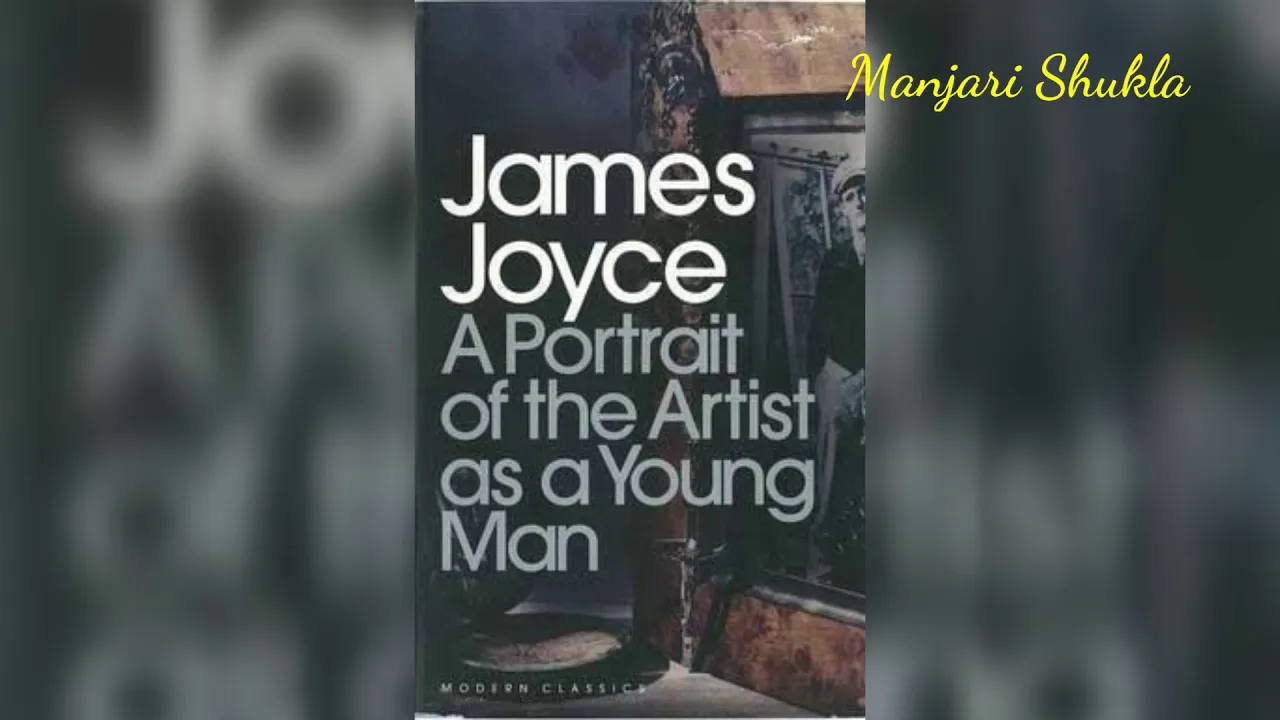
Joyce Gets his spokesman Stephen to have a go at spelling out an answer He follows a surprisingly traditional route using two terms from the medieval Philosopher, Sim, Thomas aquinas But the first is integra toss this means that an artist is [someone] who attempts to grasp with unusual vigor the true integrity and identity of what is being studied it might be a tree a Moment of history or the life of a fictional character in 20th Century Dublin, we don't normally do this We don't really concentrate on what a person [is] saying or doing or what objects around us really are and look like we don't normally isolate and study carefully art [has] the job of doing this for [us] and teaching us to do so habitually the second step for an artist in Joyce's view is to bring clarity or Clarity to things which means shining the light of reason [into] [the] murkier parts of experience and life The Paradox is that Joyce did just this but it is attempt to be utterly clear about what being human is actually like?
He created works which are in places. Uh Turley baffling to a reader in a hurry that Shouldn't surprise us too long though artist Joyce sees it should be a corrective to unnatural but dangerous blindness and inattention to cliche an over Rapid summary if art sometimes puzzles us We know says joyce that it's doing its job properly. It's really killing us to the mysteries We have to quickly grown blind to you
Up Next
5:59
Why James Joyce's Ulysses Is a Masterpiece of Modernism
@TEDEd
3.1M views•2017-10-24

13:43
Formalism in Literary Criticism: An Academic Lecture Overview
@mattalberhasky9952
39.1K views•2015-08-05

6:08
Point of View in Fiction: First Person vs. Third Person
@magicalthriftyteacher
153.8K views•2014-03-31

15:25
1984: Orwell's Dystopian World and the Mechanisms of Totalitarianism
@AlternateHistoryHub
7M views•2017-03-04
Related Study Plans & Knowledge Roadmaps
Structured learning paths in Literature
literature
Graphic Memoirs: Visual Art, Trauma & History
01Foundations of Sequential Art and Visual Language
02Autographics and Processing Historical Trauma
03Visualizing Personal Trauma, Grief, and Graphic Medicine
+ 2 more learning modules
14h5 modules
Explore Roadmap
literature
Campus Novels: Evolution, Themes & Critique
01Introduction to the Campus Novel Genre
02Mid-Century Satire and the Post-War Academy
03Dark Academia and the Critique of Privilege
+ 2 more learning modules
14h5 modules
Explore Roadmap
literature
Theater of the Absurd: Philosophy & Plays
01Postwar Existentialism & Historical Roots
02Dismantling Narrative: Esslin & Absurdist Conventions
03Samuel Beckett and Tragicomic Existentialism
+ 2 more learning modules
12h5 modules
Explore Roadmap
literature
Revenge Tragedy: Justice, Madness & State
01Foundations of Early Modern English Theatre
02Anatomy of Revenge: Structural Conventions
03Psychological Complexity: Madness and Melancholy
+ 2 more learning modules
15h5 modules
Explore Roadmap