










![Rick Roderick on Derrida - The Ends of Man [full length]](https://i.ytimg.com/vi/LvAwoUvXNzU/hqdefault.jpg?sqp=-oaymwEmCOADEOgC8quKqQMa8AEB-AH-BIACsAOKAgwIABABGGUgWChOMA8=&rs=AOn4CLD6MfAUjE2Z5nLnePUIg_MXLlTSfw)
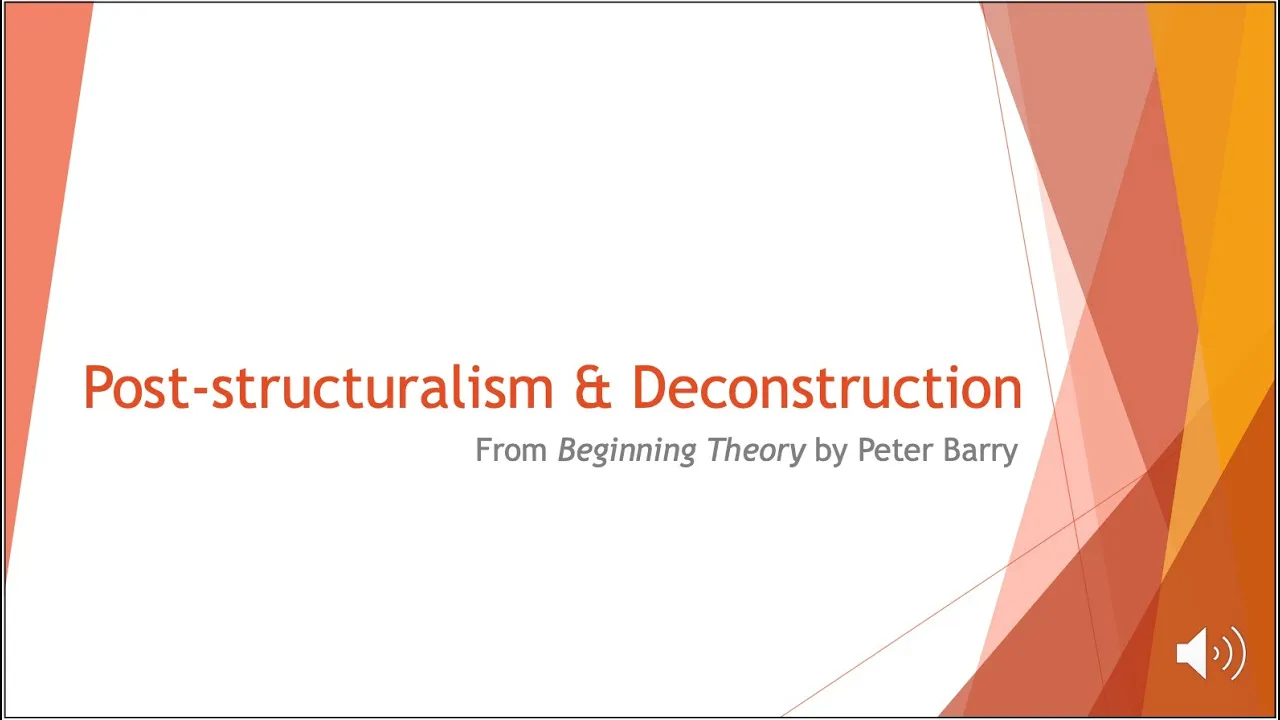


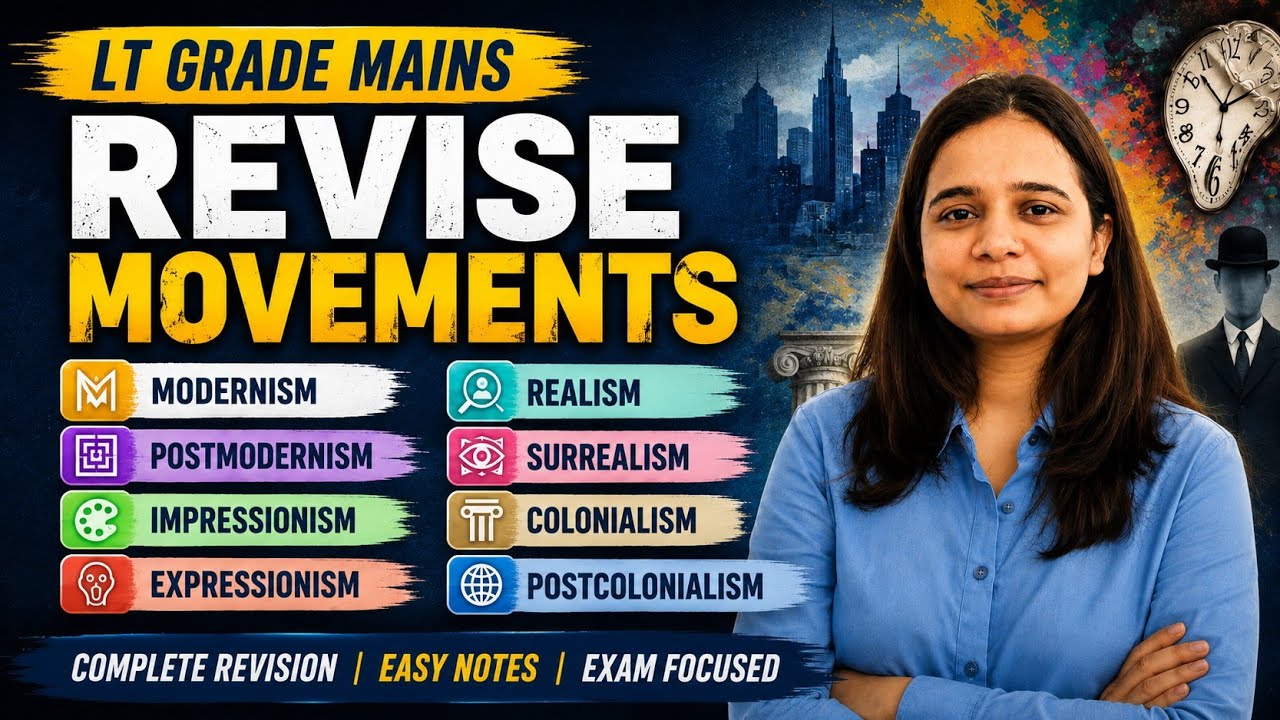


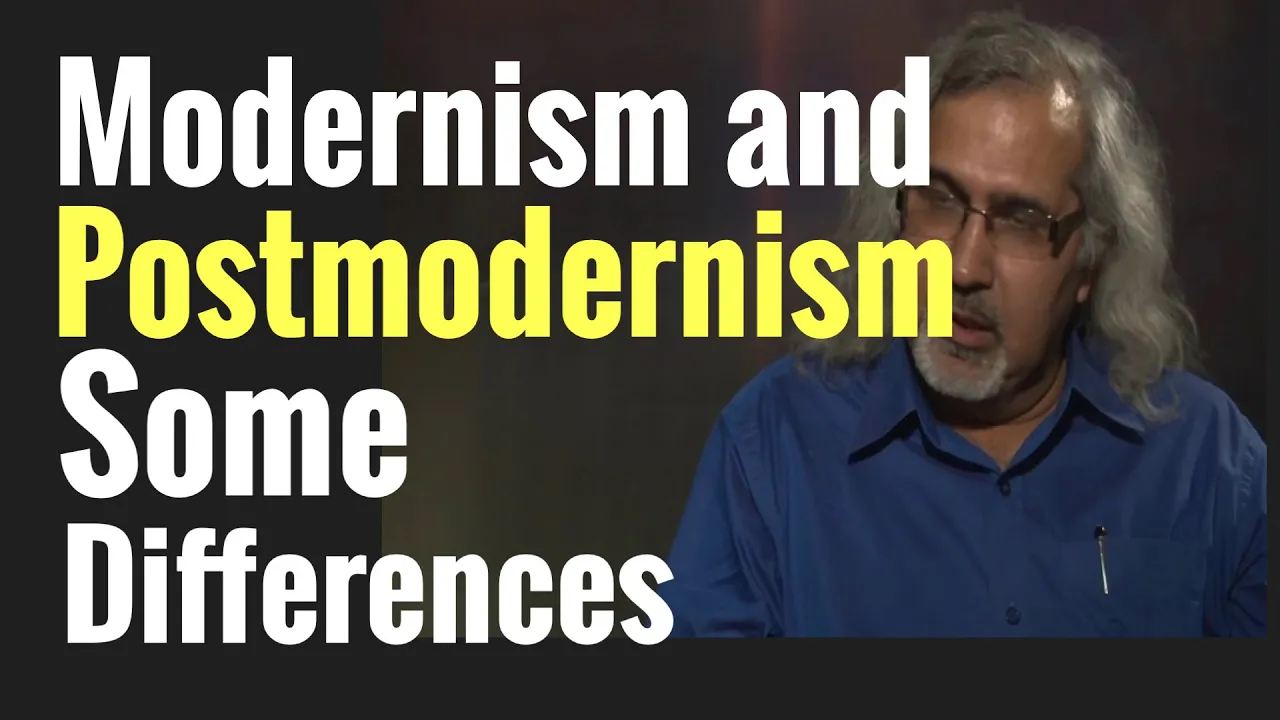
Modernism in literature (roughly 1910-1939) emerged as an artistic response to modernization, characterized by aesthetic self-reflexiveness, fragmentation, and the rejection of grand meta-narratives, while post-modernism (post-WWII) represents a critique of modernism's elitism and pretensions, embracing pastiche, the dissolution of boundaries between high and low culture, and acknowledging the impossibility of finding complete meaning in art.
Modernism vs Post-Modernism in Literature | Lecture Analysis | 60 chars
Added:Understanding of 19th-century Realism and Victorian literature to recognize what Modernism reacted against.
Historical context of the early 20th century, specifically the psychological and societal impacts of World War I.
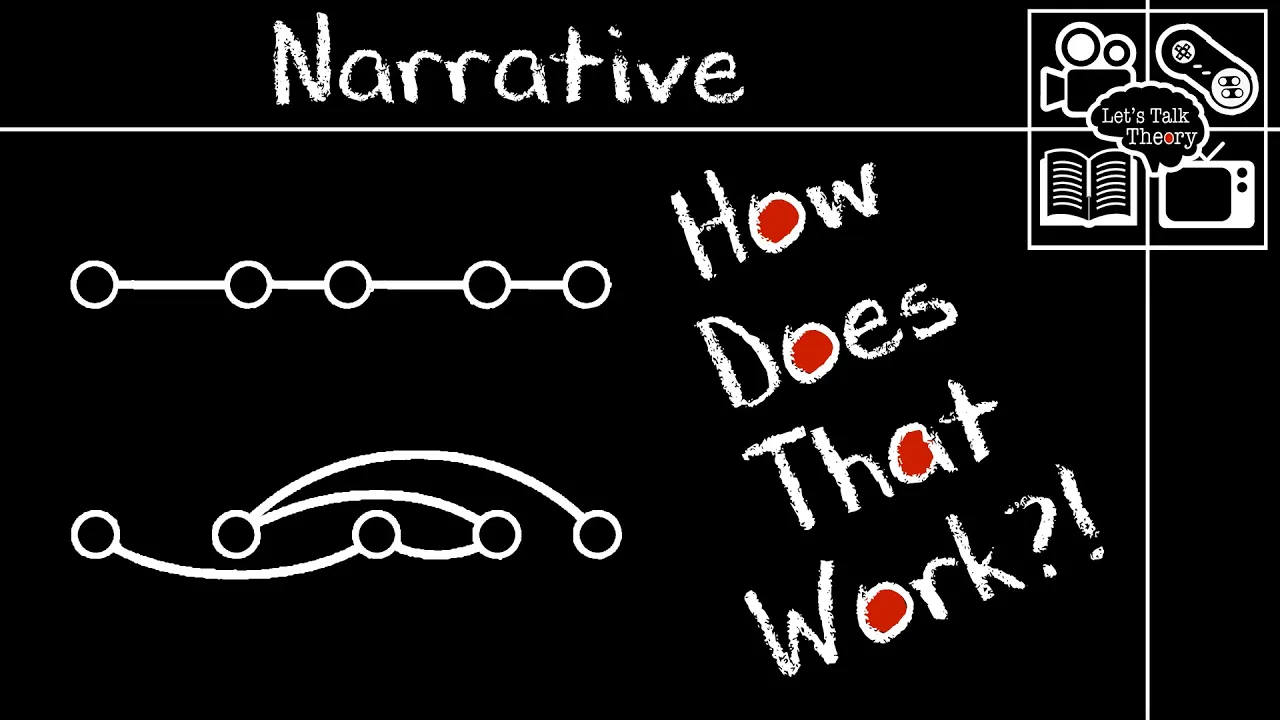
Familiarity with fundamental narrative techniques, such as stream of consciousness and non-linear storytelling.
Basic awareness of influential thinkers like Sigmund Freud (the unconscious) and Friedrich Nietzsche (existential skepticism).
Advanced analysis of postmodern literary techniques, including metafiction, pastiche, and intertextuality.
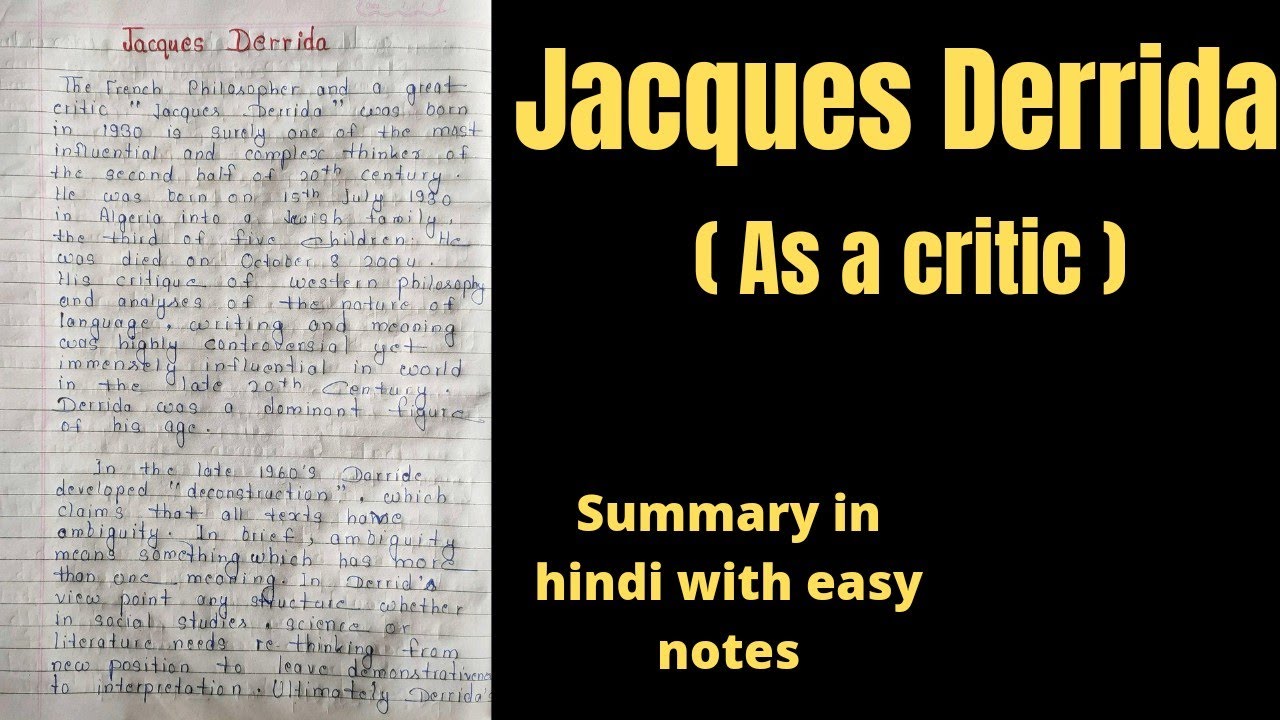
Introduction to Post-Structuralism and Deconstruction theory, particularly the works of Jacques Derrida and Roland Barthes.
Exploration of Postcolonial Literature, analyzing how writers from marginalized cultures engaged with or challenged modernist/postmodernist structures.
Study of contemporary literary movements beyond postmodernism, such as Metamodernism or Post-postmodernism.
3K views44likes47:42Original Release: 2017-04-02
what is modern we return witness would begin and when does it at end if at all so in fact the word modern exists in English from the thirteenth century the critical theorist Jurgen Habermas in an essay called modernity an incomplete project he points out that the word actually goes back to the fifth century there's a Latin word moderna so which means of the time or of the mode back in the 15th century and though in a Latin it's used to differentiate Christian civilization from pagan civilization Christian is modernist it's used to contrast the present even in the 15th century or the 13th century with the with the the present in to make it clearer than this categorically different in the past so the word is one that announces a new beginning but our relation to a tradition that it reacts against and supersedes and you might think now about how many of the works in the words we read that evoke tradition what the wasteland just quotes everything from the tradition so it puts it it puts it to the use in the 18th century there's a famous ongoing debate between the ancients and the moderns to reflecting the sense of the moderns modern writers are different from the past but also it implies a break away from from the past from relations to the past so modernity and tradition are opposed but in a paradoxical way there's a famous essay that everybody quotes these States by Charles Baudelaire the French poet called the painter of modern life who talks about the process of creating modern art when the painter goes out to capture what he sees as new and fresh and interesting and he goes back to the studio paint it and it's already old by the time he gets there and puts it on a canvas his modern life was at such a fast pace so when you went across these words these days in the academy modernism was understood to be the artistic or aesthetic reaction to a bigger process known as modernization different to different words and concepts modernism was what happens in the arts and modernization is the process the Technic project of technological and social change that brings about the the formation of the modern world includes like the development industry and infrastructure of Technology and so forth so modernization in turn is the host of forces it introduces novelty in the world that makes it different from the past so where does the modern period begin according to some people who begins in the 13th century and those of you in the English department here at Berkeley know that some people call Renaissance literature early modern literature because it's in the 13th century that you start to see the growth of the middle class and that signifies a social shift from the the world of feudalism an aristocracy where everything is hierarchical so maybe in the 13th century and also at this time the Protestant Reformation is in full force and Protestants will of course places emphasis interpretive emphasis on the individual it's not the priest or authority who tells you what's right or wrong in Protestant vision but you don't you're on your own judgment to working with the Bible so the individual becomes like an independent interpreter without authority and the emphasis on the individual in middle-class culture also meant an emphasis not simply an individual interpretation of Scripture but of individual observation which leads of course to the idea of experimentation and science and so uh the Protestant Reformation helps to bring about the advent of modern science and with it all the technological changes that ensure the coming of the city and modernity some people locate the origins of modernism in the 18th century at the age of recent when the Enlightenment comes along and brings us a processes that enable science to flourish and rationality other people see monitors and beginning with the romantic revolution when anybody can be an authority on anything without being school because you know how you feel and you have the authority of your feelings so if you if you think about the the course of social history I've just raced out the path of authority in a from the Middle Ages to the early 20th century is downward out of the sky in inward into the mind authority becomes the up the property of the interpreter so other a lot of people see the advent of modernization this process as the snake for modern art roughly in the 18th century which sees the urbanization of England and America and in general there's a huge shift in the way people live lives that takes place around the 17th and 18th century before before the 17th century life was futile afterwards as people move from the country to the city it becomes a capital it was opposed to rural or garyun urban when we have measuring the distance between these cultures is to look at the word feet because in capital it comes from the anglo-saxon word to see which means cow or cattle in the german word for cow is feet and people used to barter with cattle if you wanted to buy something you would exchange cattle now fortunately we have paper money so that everybody doesn't have to be walking around with their own herd of animals there's also a shift politically from an aristocratic and hierarchical social structure to one this Democratic and where emphasis is on the individual as opposed to the Lord or the owner of the estate authorities in the individual but people in different disciplines have characterized the problem the transformation that changes culture in this way historians call it the great transformation the inspiration of cities become the kind of center of human life with the great transformation it's also the inspiration of the age of recent we call the 17th century was a century of sectarian warfare and bloodshed and as people started to aggregate in the city rules had to be developed to allow them to get along politely rules of decorum manners of urbanity and these are the processes that lead to the valorisation of reason and reason ability is what people's approach to fanaticism and sectarian hatred rationality becomes the norm for a civilized behavior TS Eliot calls this a transformation the dissociation of sensibility in an essay he writes on the metaphysical poets arguing that before the founding of cities modern cities people's intellectual lives and emotion our lives worked dissociated he thinks in the aftermath of the growth of cities the intellectual life was divorced from the emotional life this period has also been called a time of the invention of childhood think about the literature you've read over the course of your life and ask where you find representations of children in literature prior to the 18th century with John Locke comes along and starts writing about education and pedagogy before the great transformation and in particularly the writing of John Locke it was the practice just to tell children what to do and they follow the rules in a big pop there was a practice called swaddling in which a child was wrapped up like a mummy wadded up a clause in order to restrain the movements of its limbs to teach it to be still within ten years of John Locke's publishing a book that said the child should learned by experience as an individual to be able to touch the bars of his crib and burn himself on a stove so he learns not to do that within ten years swaddling disappears as a custom there are other transformations that take place in the home too prior to the great transformation people used to eat through meals out of things called trenchers which were basically like long trousers and everything would mess together but as people started the value of the individual a democracy plague started and developed so that everybody could accommodate their individual tastes it was also the habit before the transformation to sit in benches afterwards everybody got their own chair so we could go on and look at all these different differential changes and customs that happened as we moved into the modern period but modernism and to be the long and short of this is is a relative term and learner today is modern in relation to the past as we can tell from all the literature you read all of it kind of defines itself in relation to the past not simply the poets who are quoting past literature right and left and putting in into new forms of arrangement but the Sun Also Rises is a imminently referring to the love story and writing a new and different way just as mrs. Depp mrs. Dalloway is remaking the novel modern literature for me begins around the turn of the century something happens that makes the art of this period distinctly different in mikemaya for my temperament exhilarating I love the art of this period which is why I teach it and that's it we literature but the music in the painting too so there's an inter period a kind of shady area between late Victorian and early modern the years 1890 to 1914 or maybe the beginnings of the modern period the heyday of modernism is from the war 1914 to the beginning of the Second World War in 1939 when Europe goes down the tubes and when it comes out of World War 2 something different is happening in literature something that people have characterized as post-modernism so modernism is but it occurs roughly in the period from 1910 to 1939 or 1890 to 1939 depending on how you fix it and there's a debate about whether modernism is something that's periodic that is whether it's confined to a specific historical period 1890 to 1939 or whether it's a formal whether it's a kind of property of art that makes it modern and that argument sustained most forcefully these states but people who see the kinds of writing that we've been reading modern literature being taken up a new particularly in third world countries that are developing their own literature's and drawing and writers like Faulkner in Joyce in a wolf to create their own national literature so in that sense modernism may still be alive so in the usual tradition to which monitors and machinery acting is 19th century of Victorian culture which in poetry meant a lot of lyric poems about subjectivity and how you feel Gee's wondered that Telegraph Avenue and by a book of poems from somebody or selling poems and you'll find a lots of poems that begin with the word I and then some feeling that kind of writing became embarrassing by the end of the 19th century which explains why Eliot and pound turned to a form of impersonal verse in the novel of the dominant form of practice was realism or naturalism which implied a kind of transparency between language and the world that's depicted by language in the realistic novel it's like the language is an instrument that's pointing to a reality that's there and behind the words but the language is there just to point you to something that's a more important it's the language of science that informs realism and allows us to think of language actually mapping the real world and describing it so and also to go back to the origins of Protestants and one of the things that Luther's insistence that the individual interpret the Bible meant was that people had to be able to read it and that meant the development of dictionaries and reference works and also of reading practices that Luther Luther's case he he suggested that you read the scripture for it's I'm doing and witty kite my name's one do any kite means meaningless were to be something like unit vocality that is you try to attach a single meaning to every word or tempering the Bible and get it right instead of being allegorical and performing the kinds of operations that the church did to justify its hierarchy so in the 20th century by contrast literature undergoes what nietzsche called a linguistic turn a revolution in the study of linguistics and language in which language is regarded now it's not transparent not as an instrument that's pointing toward a reality that's always there but it's something that's arbitrary and man-made and that has an arbitrary relation to things what's the relation of the word treat to the thing that we see when we go outside there is there something inherent in the tree that makes it want to start with a word that begins with T or is it just artificial the sense is that it's artificial and these words are arbitrary concepts and and that has profound effects because think about the meaning of the word human doesn't have a single meaning the word human has been used throughout history to justify genocide because all you have to do is say that one culture people don't behave human-like they have savage customs they practice cannibalism or they don't go to church so they're not human they're savage so words have a profound effect on how we look at reality in 20th century literature is aware of that and so I would say that the first of the many shared properties in the literature that we is a kind of aesthetic self-reflexiveness or reflection all the writers we've read make their own media which is words and language and storytelling that part of the part of their their subject the objects of study the language itself is part of the story and that happens because art and language are not merely refracted reflectors of a given reality in the 20th century words are saying to create reality maybe you can see that most clearly in a absalom absalom where by the end of the book given just a few scraps of stories and narratives quite an entry VAR inventing a whole history of the 19th century in the south just out of stories and fabrications or think about James the characters and James are not always talking about real world events there's a lot of talk about talk and you cannot avoid looking at James's style you can't read that story and just pretend the Styles not there it's impossible with Henry James instead you have to pay attention to the way the language is working and see how it clarifies marketers fate for instance at the same time that it's concealing and hiding innovating it's showing us how the stories that people tell each other hide and Eve ate as much as they conceal you know it's a hard story we had the characters st. saying things like what do you mean and she says you know you know what I mean yeah he says I think I know what you mean and she says I don't think I mean what you think I mean there's dialogue like that in the story and then and in Faulkner of course you cannot just get to the sub mansion without having to listen to the the speakers who tell the stories in their language - the language is there is part of the story and then uh you know the poetry we're also made aware of the medium because nothing is told straightforwardly in any of the stuff we've read not the poetry not the novels in the poetry we get fragments and we're left with the question of how these things go together or how they connect instead of just reading transparently through a poem the way it could say in the 19th century uh reading one of Wordsworth lyrics on clouds we have to work to see how things fit together an ideogram and pound or as a fragments that are adjusted meaningfully in a in the wasteland and tumors cane works like this - it's a series of disjointed fragments that we have to ask about their their unity so I would say that this attention to the media in which they're working is a property of other arts that appear in the early 20th century - you know cubism for example Picasa is practice there's always a tension when you look at his painting between a sense of the flatness of the canvas the two dimensionality in the illusion of perspective and also he will like draw pictures of ladies they're made out of geometric shape so that at one moment you're looking at what looks like a representation of something real and at the other you're aware that this is just a construction made of geometry and flat shapes on a surface and then the theater to the theater of bertolt brecht or Samuel Beckett breakfast a Threepenny Opera has an amendment which one of the characters faces the audience and asking to vote on what's going to happen in the play and the idea of a character turning for the audience and engaging the audience what he called the the estrangement estrangement effect and from doomed Gee's were getting a lot of German here today estranging effect it takes you away from the idea that you're looking at on the like of other people I'm reminds me you're in a theater watching a work of art and in music all of you can hum in your heads the beginning of the Rite of Spring where Stravinsky has a bassoon playing at registers it was never meant to play it so it sounds a serial and weird in the Firebird he has the violinist of the spring section to turn over the bows and plays play with the wood which makes this incredibly weird weird sound ethereal and so on and so forth so as a result of this self reflexivity and attention to the media in which stories were being told in the 20th century and modern literature you generally find a weakening of straightforward storytelling in this is an apartment part in effect of the weakening of meta-narratives like metafiction is beyond fiction meta-narratives beyond narrative meta-narratives a terms used in current theory for the big stories that explain everything like the judeo-christian story which tells us that we're good in kind in self-sacrificial we'll end up happy in heaven or the story of 19th century science which says that the mind can conquer nature and manage it and we're progressing and everything's getting better and easier and more perfect or the indoctrinated story of middle-class success which are told don't give up on your dreams if you believe in yourself and work for what you want you'll get it you always hear that story from the people who get it you never hear it from the people who don't there are a lot of those people too they had dreams and they worked hard and gotten nowhere in the 20th century these meta-narratives or these all-encompassing explanations for how the world works loses their hold in a place of clear storytelling you get things like juxtaposition and montage the putting together pulling the putting together of discontinuities and fragments in the poetry or contradictory stories and the novels stories that you face each other or contradict according to the critic Gregory Ulmer quote by most accounts collage is a single most revolutionary formal innovation in artistic representation to occur in our century you might think about how many of these not novelists and poets worked by juxtaposing fragments against fragments or take mrs. Dalloway as a case in point we have multiple points of view looking at the same single thing a single day in some of those points of view like septa mrs. and mrs. DeLuise are an utter conflict so we've read some epic poems the wasteland and and the characters which have a large sweep but don't have a kind of narrative continuity or coherence things are put together in ways that suggest new unities or that build fragment to get fragment as in the ideogram or in le Eliot's use of fragments or in Picasso I think I pointed out in the lecture on William Carlos Williams is construction of a bull's head from a bicycle he took the bicycle seat for the head and the handlebars for the horns and in doing so he evoked two pasts two cultures as Elliott doesn't know wasteland but juxtaposing 20th century life against the life of the past she's got to find other forms of juxtaposition collage in this literature - like in Ulysses we're what Joyce is constantly foiling the activities of mr. Leopold Bloom against as if is a cultural forbear Ulysses or for that matter the wasteland were Elliot as juxtaposing is wandering and diffuse narrator - the Grail night so in a wolf the and Hemingway we get multiple points of view on one day and mrs. Dalloway on one man and family in Faulkner in on a community in Hemingway but no one point of view captures the whole story some of these novels are like looking at a mobile or let's say Absalom Absalom where you have different characters all kind of hovering around the same Center but none of them ever kind of getting there so as a consequence modern literature has been seen as a literature of paradox ambiguity and uncertainty the realistic novel crudely put gives you the point of view of a character who learns how to adjust and fit into the world around him usually middle-class society it shows you what a well-managed or a badly managed life will get you so that most of the most novels in the realistic genre will end up with somebody getting married or discovering that they're really a noble person or getting a great job or position or else and this is the middle class if the character is a female she gets a husband at the end and marries or complement to that kind of novelist and novelist shows you had a Bachelor life in middle-class society and that story somebody ends up in prison crime and punishment for example you kill somebody you go to prison and you don't end up assimilated to middle-class life so the realistic novels in some sense how to survive in the world of middle-class reality we have one of my colleagues da Miller has a great book called the novel on the police which talks about the novel is a kind of policing institution father would bring it home in the 19th century and read it to the family in front of the fireplace and it would tell you what you could get away with and what you couldn't so in January for example you learn just how vociferous and aggressive a woman can be without getting shut up because if you scream too lovely like Rochester's first life you can get away if you get shut up but if you're angry like Jane then you can get married so it was kind of guys look for a moon in the middle of the 19th century so in a monolith though with the client within wine our literature though with the collapse of meta-narratives whether the religion or science or emissions it's not clear a successful entrance to the middle class is a good or bad thing think about something story uh he got he got the American dream and it turned out to kick him in the ass and be the American nightmare because of the way he got it and the people we heard on his way to the top so the same thing happens in Great Gatsby up he gets he gets it in the end - so it's not clear if making a look at marriages in Faulkner or mrs. Daly for that example of getting married or acquiring a job as a good thing think about the end of mrs. Dalloway for that matter is it a happy ending or a sad one has she sold out and where she reached paradise maybe some about and in bloom and Ulysses bloom a modern day equivalent of Ulysses or he's just a kind of impotent sad sack in a general think back over the male characters we've read about in this literature in James and Eliot and Hemingway in a Joyce the modern male is impotent and weak in comparison to his predecessor because all the stable kinds of categories of gendered behavior have collapsed and especially in the aftermath of World War one where the idea of male as a hero just got decimated so another property of modern art corollary to its pursuit of paradox and ambiguity its portrayal of it breaks away from the output the portrayal of an integrated and individual subject in the nineteenth-century novel the hero or heroine is the master or mistress of his own fate he or she struggles with adversity difficult people and either triumphs or fails but the implication is that the individual is the master of his fate in his control of his life we might think about Walt Whitman in this regard very confidently a command of what he's going to do and doing it well in the 20th century by contrast here as in here ins our conflict riddled and often self sabotaging Freud had taught most of these writers that no one really knows himself fully in this regard you might think of the secret sharer where we learned to have our attention is somewhere below the deck in an underworld that no one else sees and we see this in Joyce as well and even the Hemingway where a man's attention is given to keeping keeping control of things and that suggests that there are hidden things that need to be controlled and of course you want to look for once we see that an attempt is being made to not talk about them and Faulkner shows us that our most committed calculated and deliberate actions sutton's grand design has vast unattended consequences that can't be foreseen so setting out to achieve is design also releases the forces that come back for retribution and revenge into sealless destiny Wolfe I think we see that people aren't really individuals discreet and apart from each other but exist in relations and of dependency everybody depends on everybody else in an integrated society so at least to a new model of being I think in the 20th century - as opposed to the kind of self-contained autonomous self-governing individual that's at the heart of the realistic novel we instead we find 20th century heroes and heroines who are split subjects they have divided Minds and part of what makes up their minds is not native to them it's the language that they work with in which these writers are self conscious so at the same time that we see these all these destabilizing tender lieutenants tendencies in a modern art there's an opposite tendency according to which in some views the deep structure of reality is still knowable or intellectually and culturally penetrable so the process of uncovering or penetrating moving beneath the surface and interpreting its felt at least theoretically to reveal or approach some sense some some essential sense of the world think of all the places in the earth we read where people talk about apocalypse in the second coming a Yates's poem closing time in the wasteland it's closing time or Elijah is coming in Ulysses there's a I think these emphasis on the apocalypse which means taking the cover off of things more entomology the Greek word akka lipton means to cover or hide and something that covers really well is eucalypt on eucalyptus apocalypse means taking the cover off enjoying the real fabric of things so you get the sense that just one more trip through Absalom Absalom conflating facts and cross-referencing details we'll put you a little closer to the truth about sup and if you read it a fourth time even a little closer and closer so that you approach approach something that seems real it just is one more reading of mrs. Dalloway we get you closer closer to the heart of the moment that she's portraying in giving us one this one day or in pound or le are Jewish you get the sense that if you just penetrate the clutter of everyday life you can get to the bottom of something that's accessible and real maybe the mythic consciousness Eliot evokes in the wasteland or the unconscious which for a brief period of the being of the 20th century becomes a new meta-narrative something that can explain everything at least for a while at the same time you'd a clearer sense to the process of understanding and high modernism art is unstoppable and never-ending there's no amount to the interpretation you can do to any of the stuff we've read interpretation just goes on as long as a life does and I wish I wish we could have read all of Ulysses in this class it's the greatest novel but at one point one of the characters tells a parable called a piss gosh site of Palestine my Pisgah is the mountain from the top of which Moses saw the Promised Land and as the parable is told in Ulysses the idea is that you're you're the process of reading is going to be like Moses descriptions it too - through the desert to the top of Mount Pisgah you're gonna get to the top of the mountain and see the Promised Land they've wrapped up meaning but you're never going to get there gonna die before you get there that's just the way it works but you can see it off in the distance so figures like those suggest that modernism which is already self reflective and self-conscious implicitly carried within a critique of itself and its own limits and it's the it strives to find but doesn't believe it can't find a meaning that's complete and final and wrapped up so that's in part I think why this lyric star emphasizes the fragment the fragment becomes a new new and ideal kind of form instead of having everything wired and wrapped up in a whole the fragment presents things the way they are in life there's there's one critique of modern literature that says it's totalitarian that Elliot in the wasteland and pound the Kant is and Joyce and Ulysses tries to imperialize everything and put everything in there Ulysses has a reference to everything until the last chapter when Jewish crams in a woman so that he's doing like with the realm of human knowledge with the Imperial culture does with the world I don't see that I see all of want to Lucifer instead like valor Russian the fragment telling us that there's nothing whole everything's everything's apart so and it doesn't endorse the belief in progressive perfectibility or in the attainment of kind of intrapsychic unity and instead these as the arguments and insights have offered suggest there's a line of continuity between modernism and post-modernism the latter of which can be best understood as an summed up as a critique of modern isms pretensions in its elitism in his posturing people got impatient with it in the aftermath of world war ii so i'm going to now try to give a brief account of my understanding of the difference between first of all realism and naturalism the aesthetic programme of the 19th century and then modernism which I've been talking about and then post modernism post modernism a critic named Russell Burman has pointed out that it shifted meaning from an awkward neologism to a derelict cliche without retaining the dignity of a concept that first appears actually in the 1930s in Spain it gets the most usage in the 19th started to appear to be used mostly in the 1970s in architectural criticism but it's a kind of program of art that proclaims its opposition to a lot that's done in the literature we've been looking at for one thing it commits itself to a heterogeneity in fragmentation indifference as opposed to homogeneity and wholeness and totalitarian unity it developed validates the fragment over the whole but as I've said I see modernism doing that too and I don't see a joy sir Eliot or pound kind of imperialistic wrapping up everything up perfectly in their work so at the end of the campus about town says I can't make it go here it doesn't go here the criticism of modern enterprise section after world war ii where with the the growth explosion and culture after the war the baby boom and the aggressiveness culture no one is special anymore and everybody's seemed to be operating repetitively and iteratively doing the same things over and over again particularly in the kind of homogeneous conformist culture of the American 1950s the literature after World War two has been called the lyrical exhaustion by John Barth a pal used to say make it new in the aftermath of World War two Barth and writers like him Samuel Beckett said there's nothing new it's all been told every story's been told already how many more love stories do we need to hear there's nothing left to do that's new and so literature becomes kind of as in the book operatic it starts quoting prior literature and talking about the way the world the world is built up of literature or it resorts to a form of what's called pastiche drawing on styles from other works of literature or art kind of like that building on the corner of telegraph and Durant on the south side southwest side of the street it's uh it's a postmodern building its got like features that look like columns but they're not really columns and it's got like a fan lights that look like families and wheeler Hall but they're not like families and wheeler Hall it's quoting a lot of architecture of the past but you're doing it at a candy and knowing way but it's not enough functional it's just decorative and I'm going to have to look at it for the rest of my so the belief in lyrics for not being able to do anything newer special anymore also deepened by the the sense that artists somehow out of touch with life it's a protest that have a grip on life but is art its art it's artificial and some of this has to do with the atrocities that were visited upon culture by world war two with the death camps and the the prospect of nuclear annihilation the Frankfurt Critic Walter Benjamin famously said there's no work of art that is not also a work of barbarism what he's probably referring to is the the sense that art can be a stop to take our minds off of real the real world and real pop problems and he cites in particular the the stein discovery by American troops when they went into the death camps after World War two of German children soldiers lounging in our lounge chairs and listening to the music of France Schubert while bodies are going up in smoke so if you think about the the kind of enjoyment that a Schubert song would provide in those circumstances you can see the kind of critique of art that's being made in the aftermath of world war two Terry Eagleton the critic the Marxist critic talks about art appealing to the aesthetic realm that is it provides us a place where we can sympathize with other people feel really bad for the poor and downtrodden to such an effect that when we walk down the street we don't need to feel guilty about not giving any money to beggars because we felt sorry for them in books it's that sense the artists seem to like sanitized reality and to evade it and it's for that reason to that some people think the ending of mrs. Dalloway for instance is a kind of sleight of hand in which problems whoever looked to get a happy ending because septum--ah themself and she goes into that room aside and says well too bad it'll spoil my party and then she gives them a few minutes of thought and goes back and has a has her party so the sense of the modern satisfies reality and manipulate symbols and make it not real it seemed to be kind of artificial and it raises debate in context of debate and contemporary discussions of literature of as to the relative value of the aesthetic over the ethical which is more importance some critics of the moderns will say that they give the illusion of coherence and transcendence of reaching a discovery at the expense of leaving things out so the effect is elitist and it works reactionary so Ulysses was billed as a book that was going to be sexually liberating it broke laws it was illegal in the United States for 12 years it broke rules it broke the law it was supposed to be a revolutionary revolutionary and yet what does it do it gets you to look look things up in reference books and sit at a desk how liberating is that and then in the view of some writers with touched modern a postmodern theory particularly those who have been like candy to the recurrence of images of the apocalypse and the lurch we've been reading we've reached the end of history and the end of narrative there's nothing else to be told there's nothing any individual can do today that's going to be different from anything that anybody's done in the past and even if you do anything significant the swat the SWAT team is going to be there to mop it up within ten minutes so the sense is that we're living in a monolith a closed world of language and symbols in capital in which nothing is different nothing was really different nothing can be original anymore as for you what's being original go to the library in the Reference Room and look at a table of people running their papers and they're all sitting there like that being original doing the same thing or think about the word freedom as its interpreted in postmodern culture you have freedom you can do anything you want to so you get into your car and you get stuck in gridlock on the Golden Gate Bridge what's the difference between freedom and print imprisonment in that sense some of the high concepts of the modern modern tried to valorize get deflated in modern postmodern theory so there's also the sense that all attempts at meta-narrative explanations that of wrapping up meaning are bankrupting and corrupt so plush manners with also it claims to dissolve the bout that the artificial arbitrary boundaries that separate high and low culture and so it sees itself as a reaction to the elitism of the modernism its institutionalization advocates of postmodern art would claim that Picasso might have been even our artist but he was an even better marketer who was good at dealing with agents and salespeople and getting his work installed in museums and other people will point out that the ideal reader of Ezra Pound or James Joyce is somebody in graduate school so that these people writing novels are writing for an elite in a small group of people in consequence is a reaction against the what was perceived as the elitism of my modern arc maybe you see this most most strongly in pound with his quotations from every language in the world a reaction that results in the appearance of artists like Andy Warhol creating like replicas of Campbell's soup cans or of Marilyn Monroe or of John Cage and music who starts to write Eliot auric music this means music that's generated by chance Eliot or Eliot or ik or in Samuel Beckett he starts cultivating a style that has no style he started writing in Joyce's style very ornate and Rococo and after World War 2 started running in French so that isn't running didn't get interesting it stays flat geez and one of us novels he says in his reduction of the lure to exhaustion I'm going to tell three stories one about a man one about animal and one of an object and that when one paragraph says to hell with the animal so in the book up is engaged in this kind of postmodern we went to because he's drawing all kinds of pop culture and all the other movies and comic books in junk literature which parodies so it makes the subject of us are but I would I would argue that what the postmodern theorists say that modern art is high culture and disregards and contempt low culture it's not true there was always a tendency to look at low culture and in modern literature which we can see in Joyce for example whose character is like looking at commodities of the the early 20th century and the bookie writes after Ulysses Finnegan's Wake one of his sources is a book called read them and weep the world's worth jokes one of which I'm tempted to tell a man may laugh the whole of a farce a man mate laughter the whole of play but a man can't laughter the hole in his arse because he just wasn't built that way so in post-war people who theorized postmodern will also say that this art dissolves the distinction between art and life that instead of producing kinds of art that are installed in museums where the wealthy and elite go or taught in graduate schools it's a kind of art that happens on the street and so in postmodern culture you find things like the happening or situational art appearing situational art it's where people agree to do something disruptive and ordinary circumstances of one of my visits to Dublin Ireland was walking down the street enjoying the view and there was a line of women all of them all I'm wearing these Clerval clowns wigs flaming red wearing black tuxedos with shorts and carrying little briefcases walking in a file and they just somebody went to one in the front of line blew a whistle and I lay down their backs I started doing bicycles so I went up to the one at the end of the line I said who are you people on she said oh we're a group of travelling physicians so that's situational art Herbert Marcuse another remember the Frankfurt School taught down in San Diego for a long time theorized the happening is a place where all the energies and a joys of a culture could be activated and brought together democratically in the street so that the the the meaning of people in common in public can be a work of art instead of say reading a book alone in your room as a work of art on the other and we see this in the back off to that in Lolita the hero the book is a reader something something real because you as a reader of the book are a real thing and not fictional in the book I was constantly making you aware of the act of reading so and post modeler - there's a rejection of totalizing theory of global theory of essentialism of universalism of men and narrative the sense that if you try to have a theory that wraps everything up and always going to leave something out in disregard it and so again a kind of emphasis on the pastiche or the fragment so I guess I would have implied what I've said that I see a lot of what people take as distinct in Costa modern literature at least growing out of imminent already in modern monitor literature it's already there I think the moderns develop these insights that the post modernist claim as their own input into play so uh is art dead if if we're if we're an era where people are proclaiming delivered from exhaustion and saying there are no news stories sort of to be told my sense of it is that it's not that there are fantastic things of fantastic novels and poems being written these days in the word novel the area of literature in which I specialized as a professional it means new novel implicitly idea of the novelist novelty what makes the novels that we read good is that they're all novel they do something that prior novels didn't do and they expand the horizons of what literature and this kind of writing can accomplish my sense of what happens is happening with the novel now in the future is that there are still writers who are perfecting traditional forms of the traditional novel Saul Bellow is a writer like that he's writing about people who are identifiably real citizens of real cities dealing with middle-class life and soccer and Hemingway are kind of in this class - they're dealing with traditional stories the novel is also going the direction of metafiction a sample of which we got in looking at Nabokov and bar short story a Beckett is writing in this vein - and a lot of other writers David marks and robbery in France who invents something called a new novel which is kind of a tautology if we think about it since not all means new and there's actually now in France some they call the nouveau Nouveau romant the new new novel work to translate at the new new new sounds like advertising and then there's a kind of in keeping with the critique launched by the postmodern critics the the borderline between fiction and reality is dissolving its forms of novel that approach was called a new journalism where a novelist will take up a real story Truman Capote famously in cold blood rewrites the story of the clutter clutter family in Kansas or Norman Mailer in the executioner's song a 1,000 page book about the life of Gary Gilmore based on interviews that they did with Gilmore and almost relatives and 1000 page novel by Norman Mailer in which Norman Mailer doesn't appear phenomenal and then a most important I think in the novel there's an opening of vocalization Vestas signs of which we got in reading wolf and tumor and by opening vocalization what I mean is that novels are now giving expression to more kinds of voices and informs the experience that we just weren't represented in the early part of the century and so now being with Larry cannon is coming to include not just American in English and Irish works but Anglophone works being written in South Africa India in third world countries so all those places unexpressed and unrepresented so that's my general overview of the material we've looked at you know where it leads us I've also tried to give you a sense of like since this 45c the culminating course in the the survey course that shove down your throats I wanted to relate what we've studied this semester to what came before and 45b most notably some I talk about the great transformation so let me close by saying how much I've enjoyed the course in interacting with those of you who have come to talk and wonder about the literature with me either on office hours or in discussions after class or on the way that we look back we back to wheeler Hall you're all probably aware at some level that teaching is a symbol I kind of process that if students don't show interest in the materials teaching or in what you're saying as a teacher then the teacher gets a demoralized and it doesn't put work into the course and conversely if the teacher doesn't show an interest in the stuff he's teaching and put work into the course the students lose interest too now the course meant something to me not only because of the literature I put on the list I love all this literature that's why I asked you to read it with me but also because of the dedicated and hard core group of you who came and attended regularly and to shared their interest in the works with me and also because of my distinguished and excellent GS is what made this course a success so I'm proud of you all all of you who did all the reading for the work for the work you put into the course it was a lot of reading and as you know a lot of it was just bearish very difficult to read but also I hope exciting and entertaining and rewarding and it's my hope further that those of you enjoy some of the stuff we read will now go on and explore it further and with more intensity and some upper division courses that specialize on some of these writers and I hope that somebody returned to it and consult this literature issue you move through life and see it deepening that's my spiel thank you for being part of this class [Applause]
Up Next
12:15
Intertextuality Explained | Context of Text Development | Reading & Writing Skills
@TeachinglearningEnglish
113.3K views•2021-02-12

13:43
Formalism in Literary Criticism: An Academic Lecture Overview
@mattalberhasky9952
39.1K views•2015-08-05

6:08
Point of View in Fiction: First Person vs. Third Person
@magicalthriftyteacher
153.8K views•2014-03-31

15:25
1984: Orwell's Dystopian World and the Mechanisms of Totalitarianism
@AlternateHistoryHub
7M views•2017-03-04
Related Study Plans & Knowledge Roadmaps
Structured learning paths in Literature
literature
Graphic Memoirs: Visual Art, Trauma & History
01Foundations of Sequential Art and Visual Language
02Autographics and Processing Historical Trauma
03Visualizing Personal Trauma, Grief, and Graphic Medicine
+ 2 more learning modules
14h5 modules
Explore Roadmap
literature
Campus Novels: Evolution, Themes & Critique
01Introduction to the Campus Novel Genre
02Mid-Century Satire and the Post-War Academy
03Dark Academia and the Critique of Privilege
+ 2 more learning modules
14h5 modules
Explore Roadmap
literature
Theater of the Absurd: Philosophy & Plays
01Postwar Existentialism & Historical Roots
02Dismantling Narrative: Esslin & Absurdist Conventions
03Samuel Beckett and Tragicomic Existentialism
+ 2 more learning modules
12h5 modules
Explore Roadmap
literature
Revenge Tragedy: Justice, Madness & State
01Foundations of Early Modern English Theatre
02Anatomy of Revenge: Structural Conventions
03Psychological Complexity: Madness and Melancholy
+ 2 more learning modules
15h5 modules
Explore Roadmap