







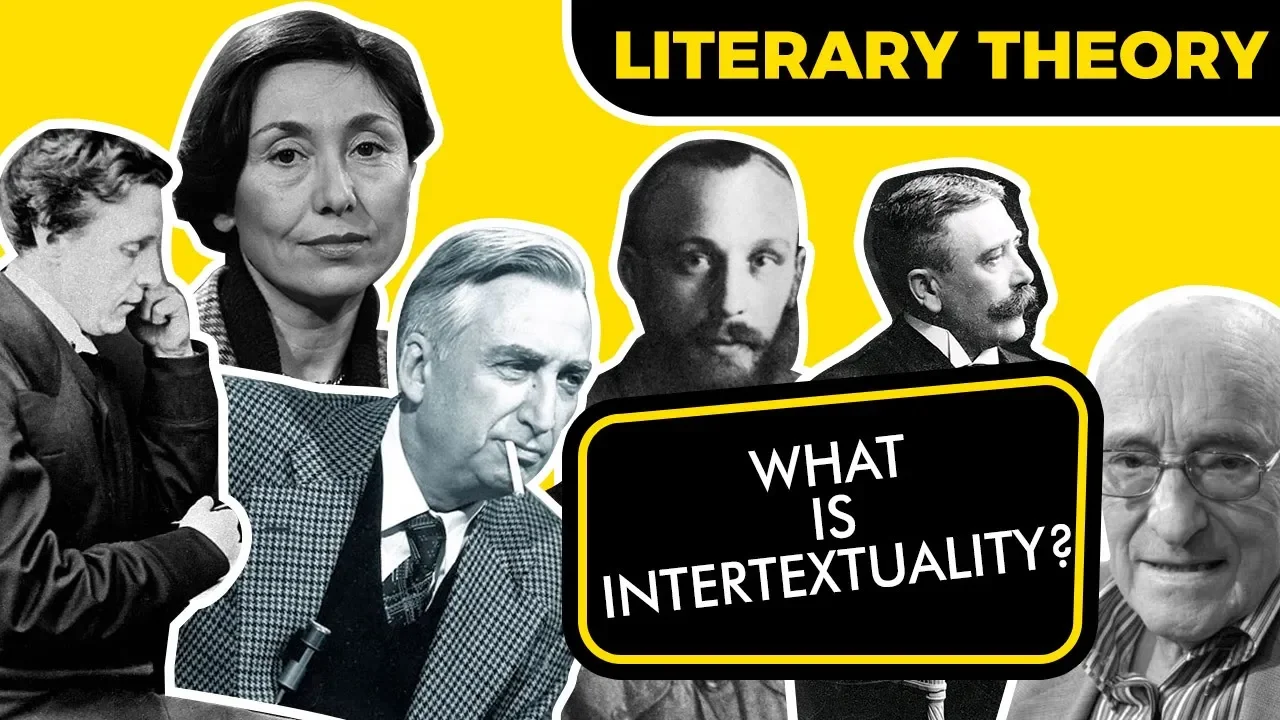









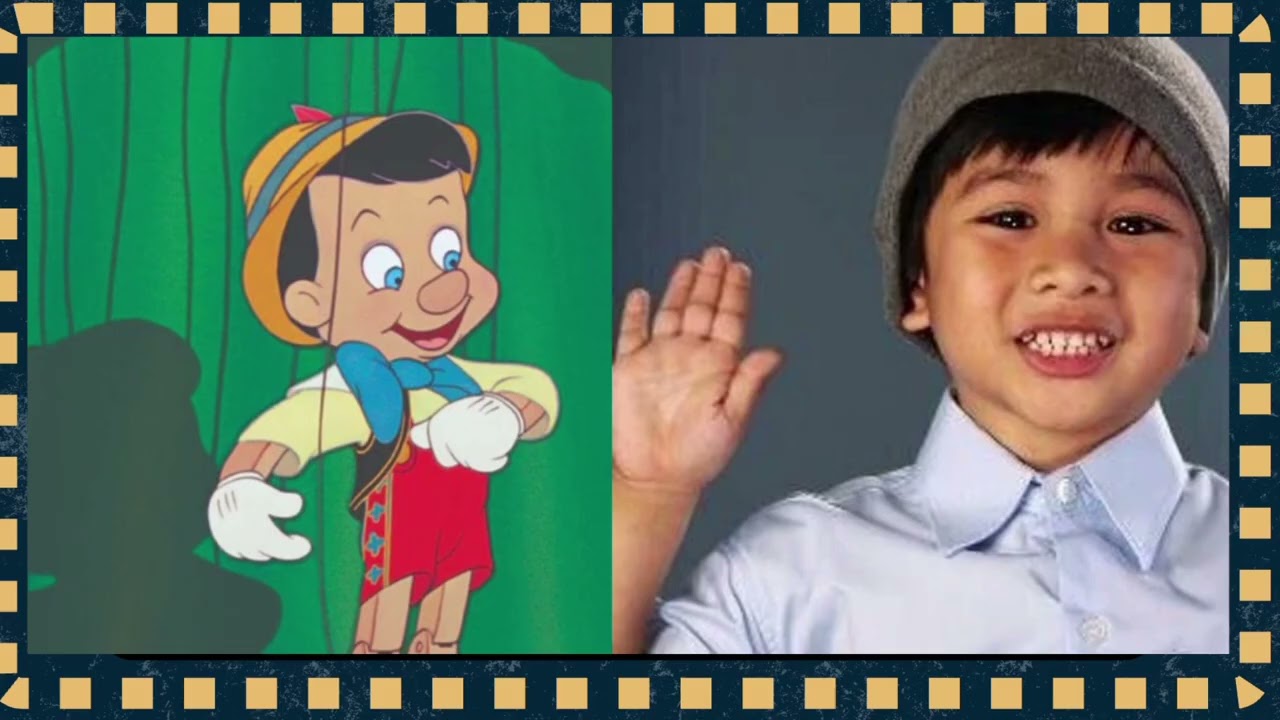
Intertextuality, introduced by French semiotician Julia Kristeva in the late 1960s, refers to the shaping of a text's meaning by another text, where any text is constructed as a mosaic of quotations and transformations of other texts; it encompasses various types including allusion (historical, biblical, literary, cultural references), parody (humorous imitation), pastiche (respectful borrowing), adaptation, retro, and appropriation, and can be effectively analyzed using three strategies: associating (connecting to prior knowledge), integrating (applying past knowledge to present texts), and evaluating (forming personal judgments and conclusions).
Intertextuality Explained | Context of Text Development | Reading & Writing Skills
Added:Basic reading comprehension and the ability to identify themes, tones, and core messages in a written text.
An understanding of 'context' in reading and writing, specifically how a writer's historical, cultural, or social environment influences their work.
Familiarity with fundamental literary devices, particularly allusion, citation, and direct quotation.
Exploring advanced literary criticism and critical theories, such as Post-structuralism and the theoretical frameworks of Julia Kristeva and Roland Barthes.
Analyzing digital intertextuality and hypertextuality, examining how links, memes, and multimedia platforms connect texts in the digital age.
Conducting comparative literature studies, specifically analyzing how modern adaptations (e.g., films, modern novels) recontextualize classic canonical works.
Applying intertextual strategies (such as pastiche, parody, appropriation, and homage) in creative writing and rhetorical composition.
113.3K views1.6Klikes12:15Original Release: 2021-02-12
intertextuality what does this word all about stick around hi dear learners from all over the world this is renette welcome back to our reading and writing class today i encourage you to read different types of reading materials as our new lesson is connected on how a text is related to the other text but first let's review our lesson what was it it is about hypertextuality we started that hypertextuality or hypertext is a series of chunks connected by lengths that offer readers different pathways it is non-linear or multi-linear non-sequential nodal allows for the reader's navigation control please click the link above if you haven't yet watched that video let's begin our lesson with the following objectives at the end of the lesson you are expected to define the meaning of intertextuality identify the types of intertextuality and apply inter-text strategies in reading resources for an output you try to look at these pictures and video clips who are movie lovers here you might say that that movie is related to another movie even the most iconic or popular original films have borrowed heavily from other source material other fashion designers say oh i got this idea from a famous designer and just made my own twist for singers the moment they sing a popular song they also have their own version their own style this is zero in part of what is called intertextuality during the miss universe philippines q a when miss rabia answered she was the best president he never had a lot of people reacted they said i think i read that line from the book or somebody already made that statement well it is not our concern to trace whether or not she borrowed that statement personally i don't mind because there's nothing wrong with borrowing words or statements it is difficult to identify intertextuality if you don't have a wide knowledge of different texts that's why it is important that you should always read not just one genre could be books poems films plays remember reading an academic book is different from reading a fiction novel okay our ideas our perceptions are most of the time based from the sources we have read so what is intertextual from the dictionary inter means used to form words meaning between or among groups of people things of places the text the written words in a book or a magazine in other words intertextuality is the shaping of a text meaning by another text it is derived from the latin inter text meaning to intermingle while weaving intertextuality is a term first introduced by french semiotician julia christopher in the late 60s in essays such as word dialogue and novel christopher brooke with traditional notions of the authors influences and the texts sources positing that all signifying systems from table settings to poems are constituted by the manner in which they transform earlier signifying systems to simplify a literary work then is not a product of a single author but of its relationship to other texts to the structures of language itself any text is constructed of a mosaic of quotations and any text is the absorption and transformation of another the text itself will have meaning if it is written under some context and this includes the physical and the cultural conditions and is related to other texts that's why we sometimes wonder for example in the field of music you may ask who is the original singer of the song with so many versions and revisions from different singers we could no longer trace the original version intertextuality can also happen in all forms of art literature and music an example of intertextuality is an author's borrowing and transformation of a prior text or to a reader's referencing of one text in reading another there are many different types of intertextuality all of them refer to texts in different ways to produce and shape meaning the first type is illusion it is an expression that calls attention to something without explicitly mentioning it it often called passing reference it is actually a figure of speech that references place thing or event for example when you say to your boyfriend thank you my hercules oh thank you romeo his name is not romeo by the way but you call him romeo because you associate romeo from the romeo and juliet story you say oh my gosh here comes my girlfriend my helen of troy but you will never appreciate these expressions or you can't relate to this if you don't know the stories you may say my greatest water law is when i failed the exam i like allusion actually well there are four types of illusion they are historical biblical literary cultural when you want to elude the stories or characters from the history such as waterloo napoleon bonaparte was defeated in waterloo actually that's historical you are my romeo that's literary michelangelo's well-known statue like david depicts the biblical hero king david alright these are examples of illusion the second is the parody when one piece of writing uses many of the same elements of another but does it need a new and funny way this is an example of parody the parody may copy the setting plot characters or other parts of the original word it is mimicking to comment there are people who love to mimic president duterte president trump and other famous people remember it is imitating or mimicking with humor and commenting to simplify it is somewhat like a spoof watch this example of movie parodies we even have music video parodies i think they are not really mimicking the songs but more of the groups pirating the looks of other singers check that video the third type of intertextuality is pashtish apestice borrows elements from one or more works and reconfigures them to create something new or even incorporating the elements of a novel or writing style this is reworking of an original work but not humorous disparity it is generally a respectful type of borrowing that gives credit to the original and is not plagiarism before modernism it was not acceptable or it is considered as plagiarism but in today's situation it is somehow acceptable example is cassandra is retelling of the fall of joy but from a woman's point of view you mimic some authors say you are just mimicking to mimic you are not commenting it's the opposite of the parody one author his name is frank angelo from this link cited other types of intertextuality and they are adaptation when you say adaptation he mentioned that it's recasting into a new form the second is retro means recycling it is the most pervasive strategy of refashioning old rhetorical forms and adapting to new uses i have noticed some parties are in retro theme the third is the appropriation this is the act of borrowing or stealing over others meaning to one's own end this is very common in modern and post-modern art and photography and he cited parody and pastiche too well some authors may have different terms as to how they identify the types of intertextuality but given the context i hope you have understood the deeper meaning of intertextuality so i have here some examples of intertextuality how can you appreciate intertextuality i will give you three strategies the first is associating you should associate the text some past text is linked to a present text you have to make associations to your existing knowledge and make mental pictures or maps of a topic and make connections to prior knowledge and experiences next is integrating means debacle knowledge is applied to a present text and the third is evaluating these consist your personal judgments your values your conclusions and generalization in comparing past and present texts well when you know the importance of intertextuality it will increase your awareness of how it is used in real life when you read a text you also have to consider the interrelated context in which it is written in order to get wider look toward the text you need it to relate it with other texts okay recently i have attended a webinar on focus memory and how to remember names our speaker is from india and he mentioned the value of association and visualization you can visit this youtube this webinar is helpful for students so if you want to remember the names you have or you want to remember the things you have started then you should attend to his webinar very powerful when you hear watch or read a familiar story try to associate it what are some similarities that you can associate about it then learn to integrate it means what's the value of the story in the present time okay and you will be able to reflect remember in every learning you take try to ask yourself why do i need to learn this what is my takeaway why is this topic included in my subject if you make this as a habit of valuing your lesson you will discover that learning is a mosaic of ideas and they are all intertwined now i hope that every time you read a novel watch a film or listen to a song try to analyze whether or not it is being intertextualized should you have any questions and qualifications please feel free to write them in the comment section below happy learning everyone see you [Music] you
Up Next

17:35
Postmodernism: Parody & Pastiche in Literary Theory
@KavithaN
2.9K views•2020-07-23

13:43
Formalism in Literary Criticism: An Academic Lecture Overview
@mattalberhasky9952
39.1K views•2015-08-05

6:08
Point of View in Fiction: First Person vs. Third Person
@magicalthriftyteacher
153.8K views•2014-03-31

15:25
1984: Orwell's Dystopian World and the Mechanisms of Totalitarianism
@AlternateHistoryHub
7M views•2017-03-04
Related Study Plans & Knowledge Roadmaps
Structured learning paths in Literature
literature
Graphic Memoirs: Visual Art, Trauma & History
01Foundations of Sequential Art and Visual Language
02Autographics and Processing Historical Trauma
03Visualizing Personal Trauma, Grief, and Graphic Medicine
+ 2 more learning modules
14h5 modules
Explore Roadmap
literature
Campus Novels: Evolution, Themes & Critique
01Introduction to the Campus Novel Genre
02Mid-Century Satire and the Post-War Academy
03Dark Academia and the Critique of Privilege
+ 2 more learning modules
14h5 modules
Explore Roadmap
literature
Theater of the Absurd: Philosophy & Plays
01Postwar Existentialism & Historical Roots
02Dismantling Narrative: Esslin & Absurdist Conventions
03Samuel Beckett and Tragicomic Existentialism
+ 2 more learning modules
12h5 modules
Explore Roadmap
literature
Revenge Tragedy: Justice, Madness & State
01Foundations of Early Modern English Theatre
02Anatomy of Revenge: Structural Conventions
03Psychological Complexity: Madness and Melancholy
+ 2 more learning modules
15h5 modules
Explore Roadmap