




![كيف تُجيب باحترافية على أسئلة شعر المنفى [ الشعب الأدبية| بكالوريا] 🔥](https://i.ytimg.com/vi/7o9jmOFbr9A/hqdefault.jpg)





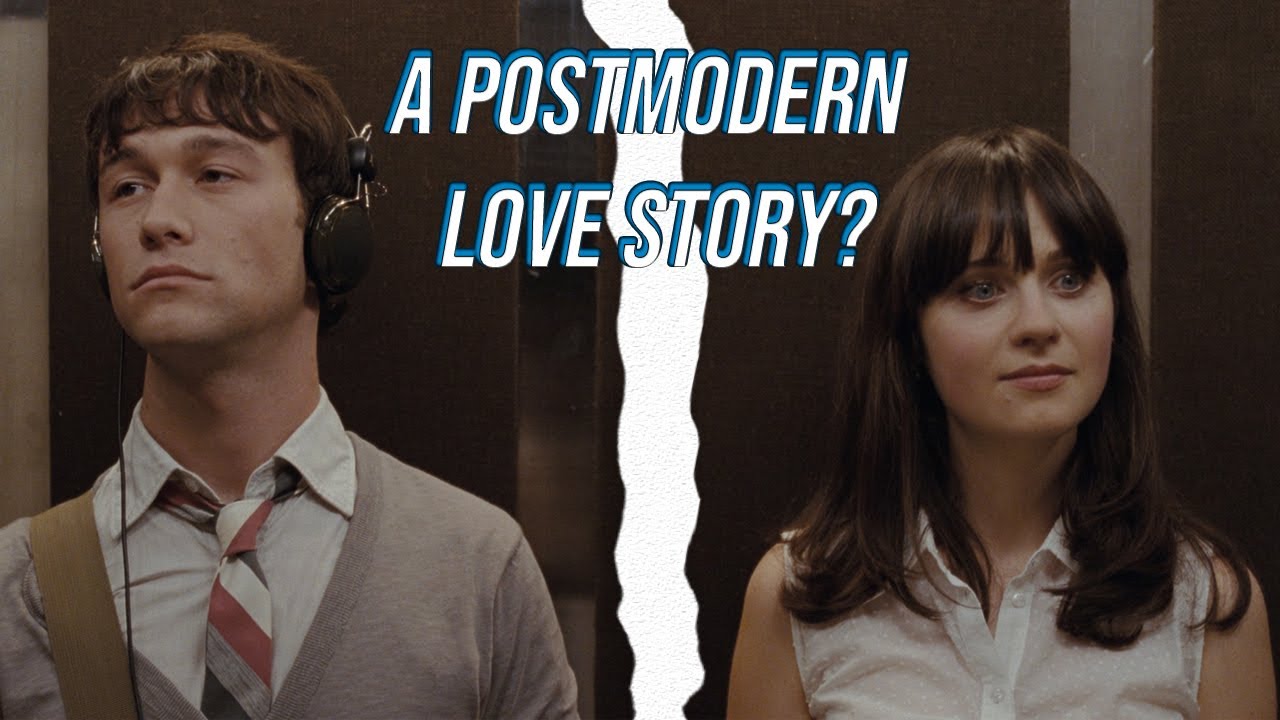
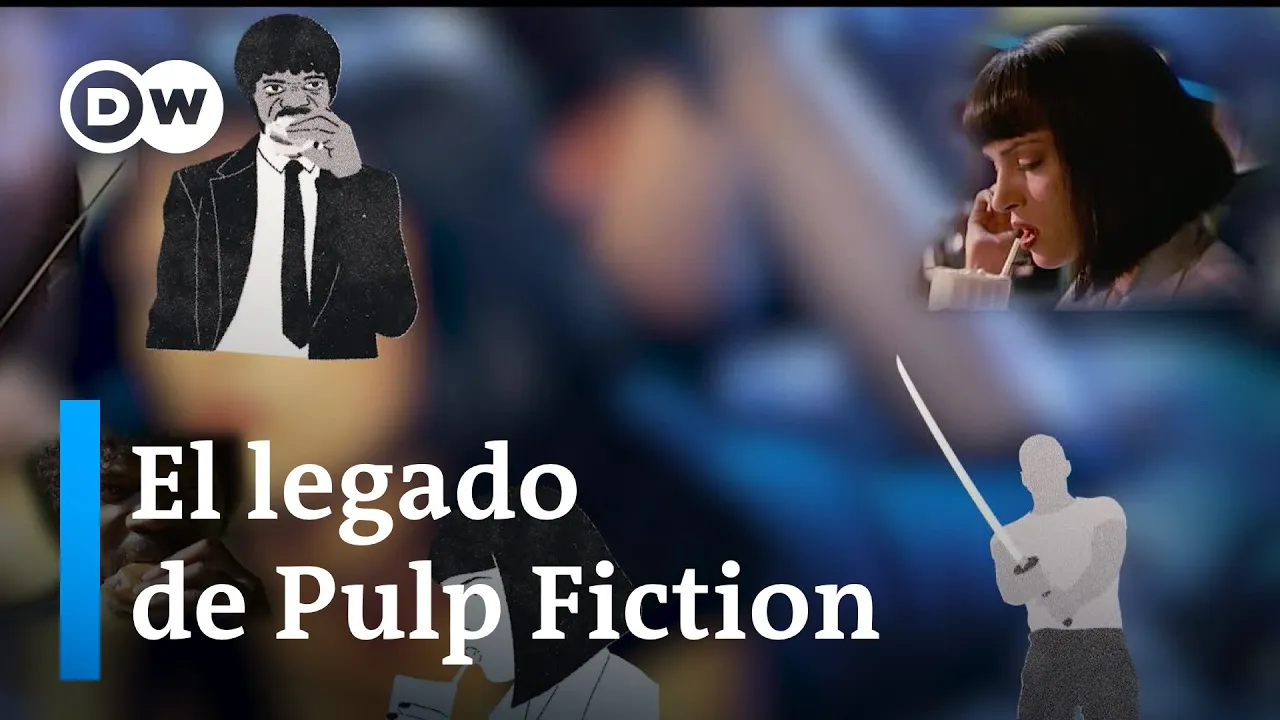
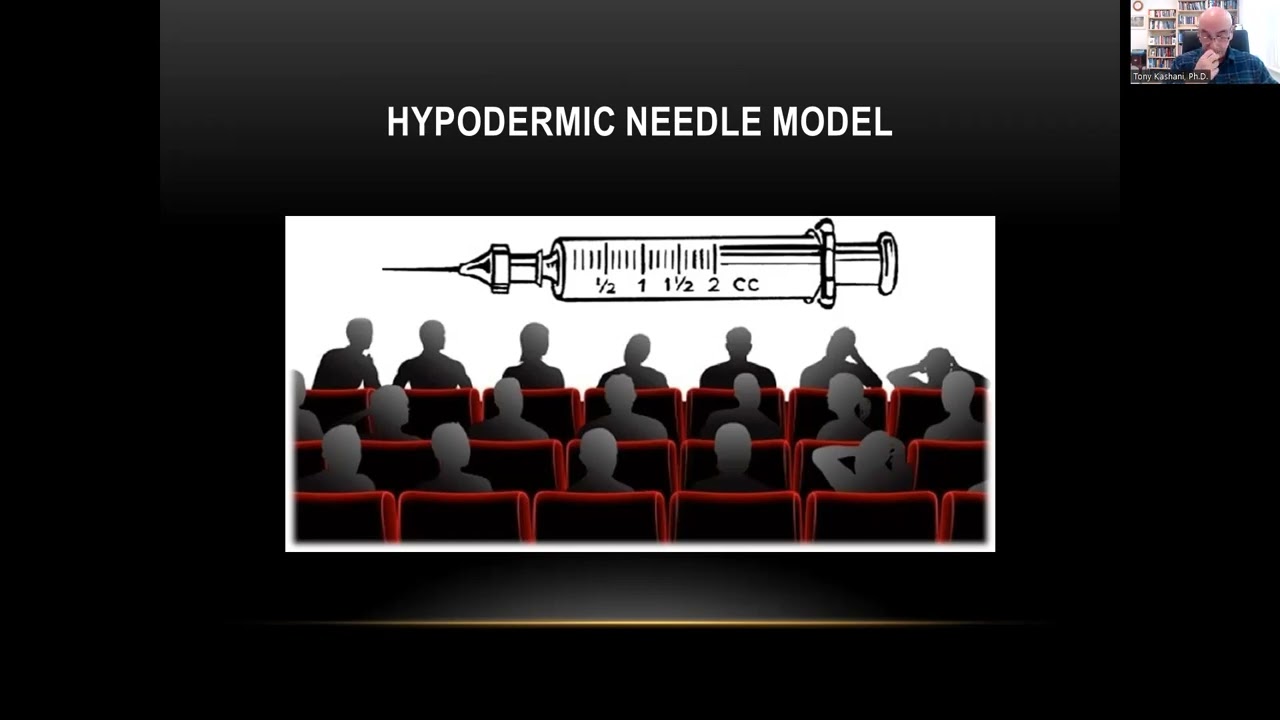
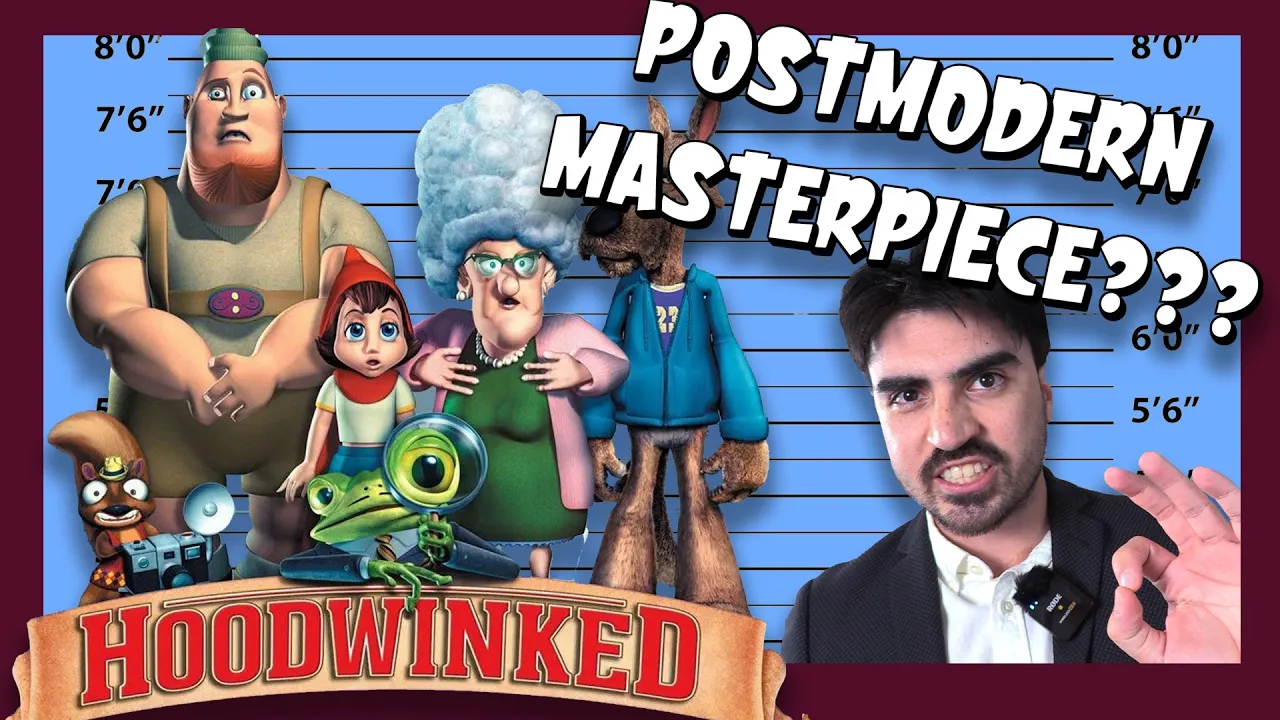


Parody and pastiche are key postmodern literary techniques where parody involves the ironic imitation of a single text's style with critical distance, while pastiche combines elements from multiple texts or genres without satirical intent, representing the fragmented, pluralistic nature of postmodern society; Linda Hutcheon argues parody signals how present representations derive from past ones, revealing ideological consequences of continuity and difference, whereas pastiche, as 'black parody' (Jameson), loses connection to history and political critique through neutral mimicry.
Postmodernism: Parody & Pastiche in Literary Theory
Added:Introduction to Literary Modernism: Understanding the historical shift, fragmentation, and aesthetic characteristics that Postmodernism reacted against.
The Concept of Intertextuality: Familiarity with how texts reference, influence, and derive meaning from other texts, originally conceptualized by Julia Kristeva.
Basic Literary Terms of Imitation: Distinguishing between traditional parody, satire, caricature, and allusion before exploring their postmodern evolutions.
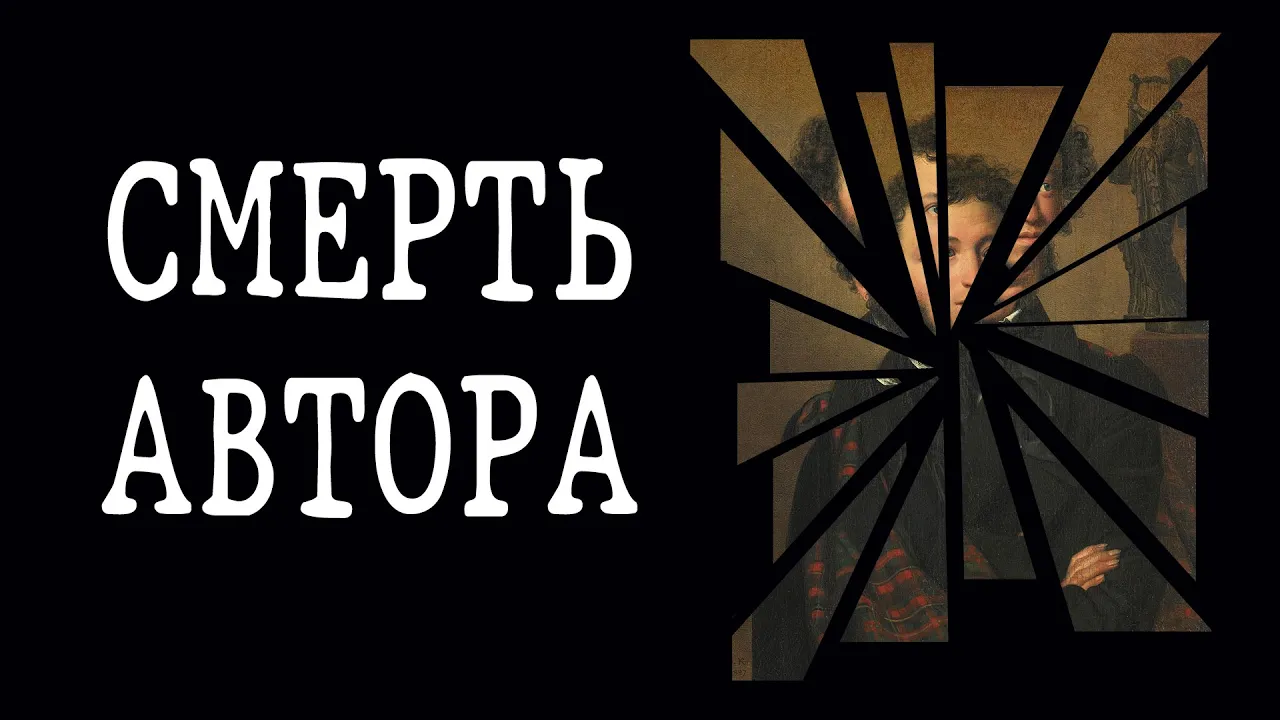
Post-Structuralism and the 'Death of the Author': Understanding Roland Barthes' theory on how text meaning is generated by the reader and cultural codes rather than a singular authorial intent.
Fredric Jameson’s Critique of Pastiche: Analyzing pastiche as 'blank parody' devoid of satirical impulse, and its connection to late capitalism and consumer culture.
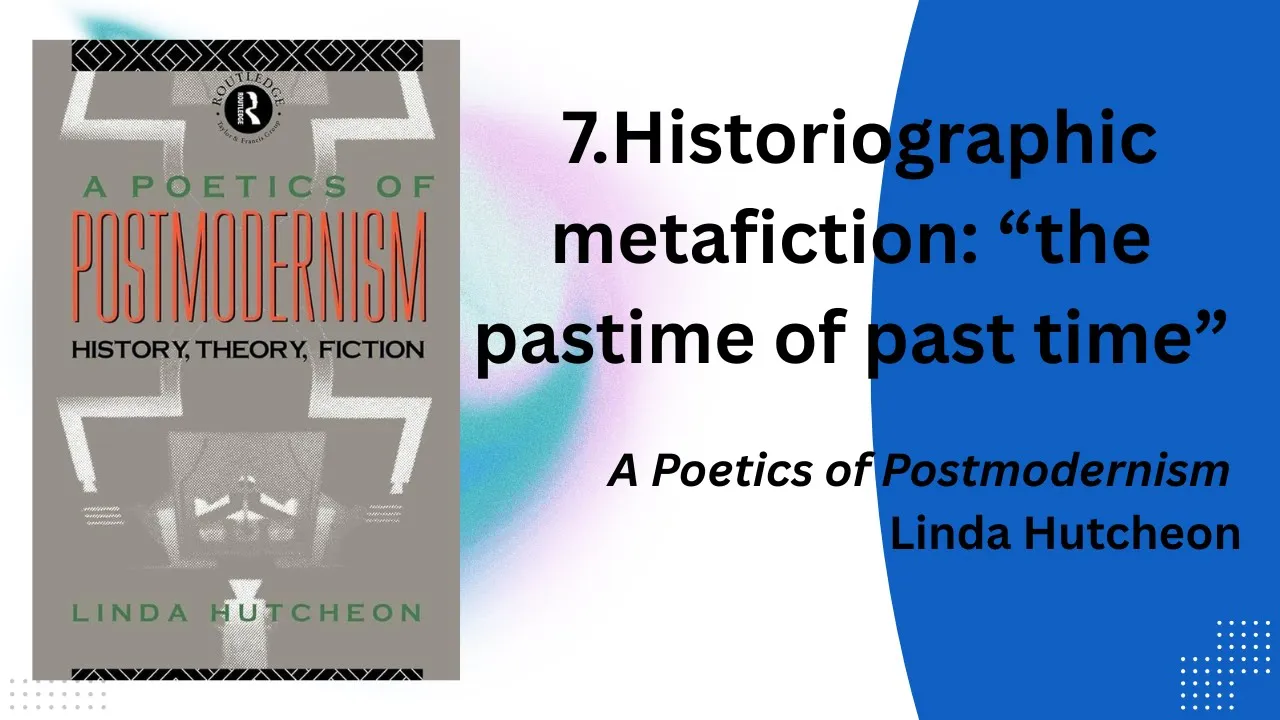
Linda Hutcheon's Historiographic Metafiction: Studying how postmodern literature uses parody to simultaneously enshrine and critique historical narratives and truth claims.
Postmodernism in Film and Visual Media: Applying the concepts of parody and pastiche to cinematic works (e.g., Quentin Tarantino's genre-blending) and digital remix culture.
The Shift to Metamodernism: Exploring how contemporary 21st-century literature moves beyond postmodern irony and pastiche toward 'informed naivety' and 'new sincerity'.
2.9K views55likes17:35Original Release: 2020-07-23
welcome back to the lecture series on critical studies today we look into the traits of postmodernism so uh in this lecture we consider the trade parody and past dish so in a general sense pastish and parody are both typically defined as ways to reference previous art forms the tendency to borrow style from the past is certainly not exclusive to the postmodern era this happens always anyway modern artists consistently referenced historical works but did so within their established individual artistic styles both parody and pastish are intertextual in nature and bastish in postmodern literature is a homage to the parody of past styles because you know that there is no historical temporality in postmodernism so this can be concerned this is elucidated through this parody and pastiche as linda famous post-modern critic explains parody often called ironic quotation pastiche appropriation or intertextuality is usually considered central to post modernism so parody is over known as an irony or ironic rotation and bastition appropriation or intertextuality and it's usually considered as a significant trait of postmodernism okay so there are people like any other theoretical traits there are people who are critics who supports the these traits as well as those who oppose and the basic definition of parody as explained in mh abraham's glossary of literary terms already you know the definition you have studied in your degree classes a parody imitates the serious manner and characteristic of a particular work or the distinctive style of a particular author or the typical stylistic and other features of a serious literary runner and applies the imitation to a lowly or comically inappropriate subject this is the basic definition of parody but when it comes to post modernism we need to like redefine it within the premises of post-modernism linda hutchin in her book a theory of parody the teachings of 20th century art forms opines that parody is one of the major forms of formal and thematic construction of texts let us look into how first we will consider the definition of parody or the distinct features of parody and some of the points statements made by different critiques on critics on parody then we will move on to past dish first of all we'll look into linda unlike frederick jameson who considers parody and postmodern parody as a symptom of the age one way in which we have lost our connection to the past and to effective political critique linda hajian argues in her book the politics of post-modernism which was published in 1989 that through a double process of installing and ironizing then parody signals how present representations come from past ones and what ideological consequences derive from both continuity and difference so it's not simply in a form of imitation anymore it has its own meanings and that you need to find especially multiple levels of meanings that you have already discussed in post structuralism and you need to find out those levels of meaning hachion insists that such ironic stance on representation runner and ideology serves to politicize the representation illustrating the ways that interpretation is ultimately ideological parody d dog toxifies or to use a favorite term of a change that is it unsettles all dogs are all accepted beliefs and ideologies that is what ajin says about parody rather than see this ironic stance as some infinite rigorous into textuality okay so parody is considered as one of the famous examples of modern self reflexivity self reflexivity as you all know is an important uh characteristics of post modernism it itself is a form of self reflectivity and it is also a form of inner art winter art discourse the auto self reflectivity of the modern art forms often takes the form of parody while creating something new it provides a new model for artistic process it's clear by linda hutching that parody is not a ridiculing ridiculing image imitation mentioned in the standard definition and dictionary definition so as i mentioned earlier so when it comes to postmodernism it's no longer a simple imitation of something that has already been created it has its own references it has its own meanings ideologies ideas and many other things the challenge to this limitation of its original meaning is one of the lessons of modern art linda says parody is the minimal transformation of a text and she further sees parody as a formal or structural relation between two texts okay also there are definitions made by other critics one of them one of the form famous definition by north northrop tribe is that parody is often a sign that certain works in handling conventions are getting worn out because of course that conventional meaning is worn out and you are giving it an a new meaning and coming to mikhail bhakthi especially in his book dialogic imagination he says that parody is an international hybrid and that too in the sense that two languages are crossed with each other because another person is creating the parody on the same subject as well as the style and in the final analysis two speaking subject you are getting multiple voices two voices you are getting he also defines parody as a form of indirect discourse as referring to other forms and parody has a strong bi-textual determination than does simple quotation or even an illusion it's no longer an illusion or a quotation that is being taken from another text it's a recreation of the text itself it is also more often uh an extended form of trans textual reference in modern post modern age but the above definition in the above definition parity is a repetition but repetition that includes a difference it is imitation but imitation with a difference and yeah it is an imitation with critical ironic distance those irony can cut both ways ironic version of trans context contextualization and inversion and its major formal operatives and the range of pragmatic ethos you can read from the or understand from the text itself and parity is often related to birth travesty past dish then plagiarism quotation illusion etc is an often related but it of course you know that it is not plagiarism it has something its own it can be considered as another discursive text which can be analyzed with fine new meanings and according to roland barthe parody is a conservative mode which is why he describes parody as a classic discourse okay now coming to pastis frederick jameson explains pastors like a parody the imitation of a peculiar or unique idiosyncratic style the wearing of a linguistic mask speaks in a dead language but it is a neutral practice of such mimicry without any of parody's arterial motives amputated of the saturic impulse devoid of love or laughter pastiches thus blank parody a statue with blind eyeballs this is his um this is a code made by frederick jameson pastish can be a combination what it means passage can be a combination of multiple rana's to create a unique narrative or to comment on situations in postmodern uh modernity uh so the basic difference comes here parody is the literally is literally the recreation or imitation or mimicking a particular text but bastard makes use of quite a lot of text it can be two three or multiple number of texts or even from multiple rana's it combines everything together thereby the narrative itself becomes multiple okay which is considered as one of the traits of postmodernism postmodern literature celebratory mode of experimentation found a new impetus with the usage of parody and pastiche while a parody imitates the manner style or characteristics of a particular literary work the pastiche combine or what pays together multiple elements from this multiple from different others may be different rana's different types of literary works then pastish thus can be seen as a representation of the chaotic pluralistic aspect of postmodern society because it has been it is taking uh numberless um it it is taking information or it is uh taking its literal element or that element which it need to recreate from numberless text for example in novels like william as baro he combines science fiction detective fiction and the westerns and that would similarly act would combine science fiction at fairy tales umberto combined detective fiction fairy tales science fiction etcetera so all these kind of mixing the rana's so the though pastiche commonly refers to mixing of uranus the work may include elements like meta fiction and temporal distortion all these things coming together it's termed as bastards okay so yeah uh for jameson he claimed he sometimes he calls pastor chess black parody because because it is and he says that it is more significant in post modernism as the fragmentation of literature has eliminated the very possibility of a linguistic norm in terms of which one could ridicule private languages or radiosyncratic styles we already said about this okay there is no norm then what he describes as a certain impulse must be absent and the textual limitation exists without the necessary intention to produce humor and that's why it is termed as black parody so it is uh the primary [Music] intention of past dish is not to make you laugh anymore it has more higher intentions by uh by combining all this multiple runners it has more higher things to do not only to make you laugh okay then according to jameson parody in the post modern age been replaced by bastis pastis like this parody the imitation of a peculiar or unique style what happens is that in we in this passage we lose our connection to history and which gets in turn into a series of styles or and superseded runners or even simulacra similar you will understand when we come uh to come to a discussion about that in the coming lectures and yeah for hachi and pastis becomes parody when the simulation is significantly changed from that which has been simulated this also the term this all the things with the simulation sim similar simulacrum etc you will understand early when we when you learn that now just be familiar with the terms so hefty indicates that parity is unavoidable for post modernism similarly certain aspects of postmodernism are always present in the works of parody as as well as pastition the inter-textual nature of both parody and pastish situates them firmly within the infinite possibilities of a particular text okay whereas when it comes to this past dish it simply recreates the parody represents the past through the use of humor but when it comes to pastiche it simply recreates the historical style in its original form now we look into the multi differences between parody and bastish it is very difficult to distinguish parody and pastors because of course you know that both are imitations but there are certain certain measures by which we can avoid confusion between these two categories one is that as i mentioned um in parity they'll mostly they'll take only one text but past dish they'll be taking um the people who are the writing something with this element of pastors will be taking illusions and situations from different texts especially from different genres okay so uh also we can say that parody seeks differentiation in its relationship with the original text but pastiche operates by similarity and correspondence according to gerard janet janet is the famous neurotologist parody is a transformational and a parody is transformational in its relationship to another text pastiche is imitative so there lies the basic difference hence pastor seems to be more superficial carol in ben in her famous work on parody as a fine art he says bastish is form rendering usually bastish has to remain within the same runner as its model whereas parody allows for adoptation adaptation pastiches of an imitation of not a single text but a number of multiple texts that point you need to focus on so it involves inter style not an inter text it is about inter style pass dish is about ninja style and not in the text both parody and bastards are not only formal textual limitations but involve the issue of intent what they are intending to write okay now uh also the presence of parody folk forces the audience to become self aware of their reading process and it often indicates allows audience to question the significance of the um of the subject that is being parodied okay and as a form of ironic representation parody is doubly coded in political terms and um sometimes it's a kind of subversive retelling or reading so for this both this parody and pastor she's a mix of neutral mimicry and satirical mimicry that allows for commentary on the past she believes that postmodern art eludes to history through a strategy combination of neutral pastiche and self-reflexive saturation parody that's one of the important points she believes that postmodernism or postmodern art um actually allows the combination of neutral pastiche and self-reflection satirical parody by focusing the reader's attention on classic generic conventions through passage and then representations uh then subverting the same conventions through parody uh postmodernism actually signals how present representation come from past ones that is important because that to show that historical temporality and what ideological consequences derive from both continuity and difference so that's one of the important points because each of these uh traits have its own role in postmodernism okay so this when you look into a classic runner and takes it to rework through past it pastors will be subverting the same conventions because sometimes it will be taking ideas from two three returners at the same time and it converts to it to parody okay and parody especially through the it signals how present representation come from past ones from that past work so historical temporality and what ideological consequences derive from both continuity and difference so continuity along with you have to read along with parody as well and difference that is being represented through passage so read try to read more on this then only you'll get a clear understanding this is early the all those are and also focus on all the references i have made um then only you'll get a proper understanding of um parody and pastis so we'll stop here for the day and we i will be back with another trait in the next lecture until then thank you
Up Next
15:41
Roland Barthes' Death of the Author: Theory & Impact Explained
@Tom_Nicholas
153.8K views•2019-04-03

13:43
Formalism in Literary Criticism: An Academic Lecture Overview
@mattalberhasky9952
39.1K views•2015-08-05

6:08
Point of View in Fiction: First Person vs. Third Person
@magicalthriftyteacher
153.8K views•2014-03-31

15:25
1984: Orwell's Dystopian World and the Mechanisms of Totalitarianism
@AlternateHistoryHub
7M views•2017-03-04
Related Study Plans & Knowledge Roadmaps
Structured learning paths in Literature
literature
Graphic Memoirs: Visual Art, Trauma & History
01Foundations of Sequential Art and Visual Language
02Autographics and Processing Historical Trauma
03Visualizing Personal Trauma, Grief, and Graphic Medicine
+ 2 more learning modules
14h5 modules
Explore Roadmap
literature
Campus Novels: Evolution, Themes & Critique
01Introduction to the Campus Novel Genre
02Mid-Century Satire and the Post-War Academy
03Dark Academia and the Critique of Privilege
+ 2 more learning modules
14h5 modules
Explore Roadmap
literature
Theater of the Absurd: Philosophy & Plays
01Postwar Existentialism & Historical Roots
02Dismantling Narrative: Esslin & Absurdist Conventions
03Samuel Beckett and Tragicomic Existentialism
+ 2 more learning modules
12h5 modules
Explore Roadmap
literature
Revenge Tragedy: Justice, Madness & State
01Foundations of Early Modern English Theatre
02Anatomy of Revenge: Structural Conventions
03Psychological Complexity: Madness and Melancholy
+ 2 more learning modules
15h5 modules
Explore Roadmap