


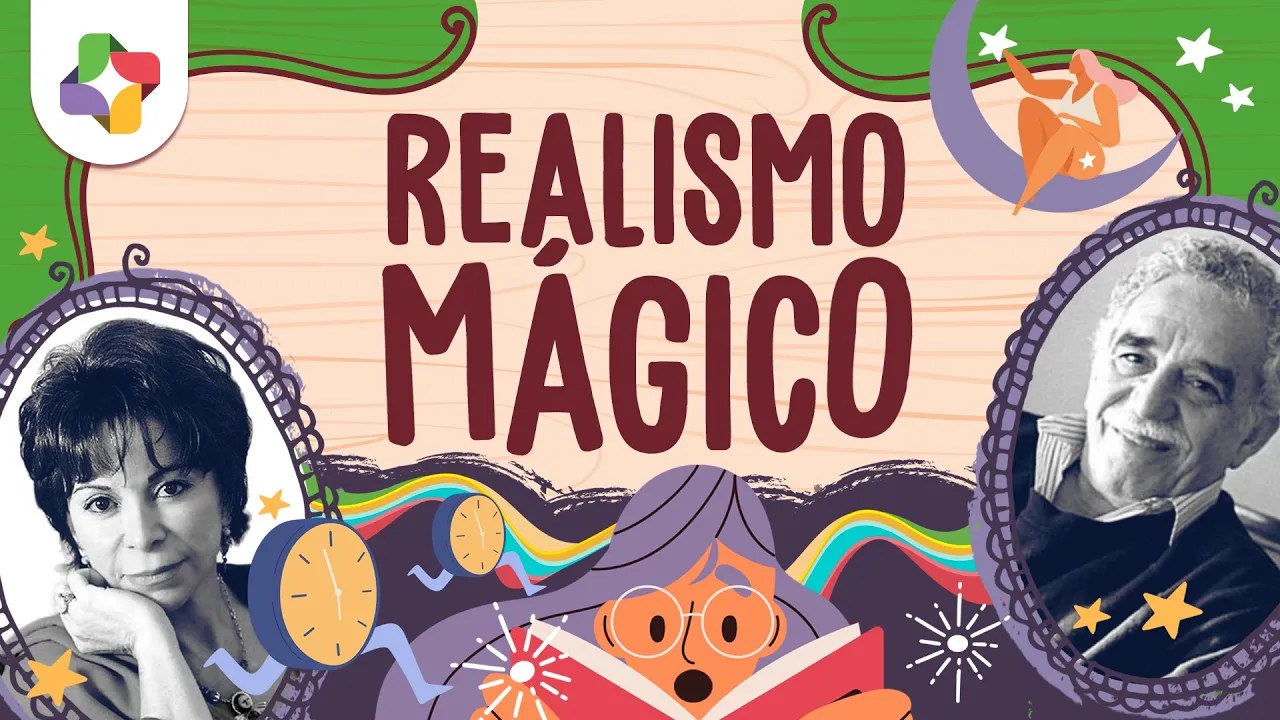














Magical realism is a literary and film genre defined by seven key elements: (1) Real world setting - fantasy elements exist within our actual world rather than invented universes; (2) Fantastical elements - magical creatures, spells, and supernatural occurrences; (3) Authorial reticence - characters accept magical events as ordinary without panic or questioning; (4) Plentitude - layering of extraordinary imagery and symbolism; (5) Hybridity - distortion of time and narrative perspectives; (6) Heightened awareness of mystery - readers must accept violations of conventional logic; (7) Political critique - implicit criticism of society, particularly the elite, often supporting marginalized groups. These elements work together to create narratives that reveal hidden truths about contemporary life through the lens of the magical.
Magical Realism in Film: Seven Key Elements Explained
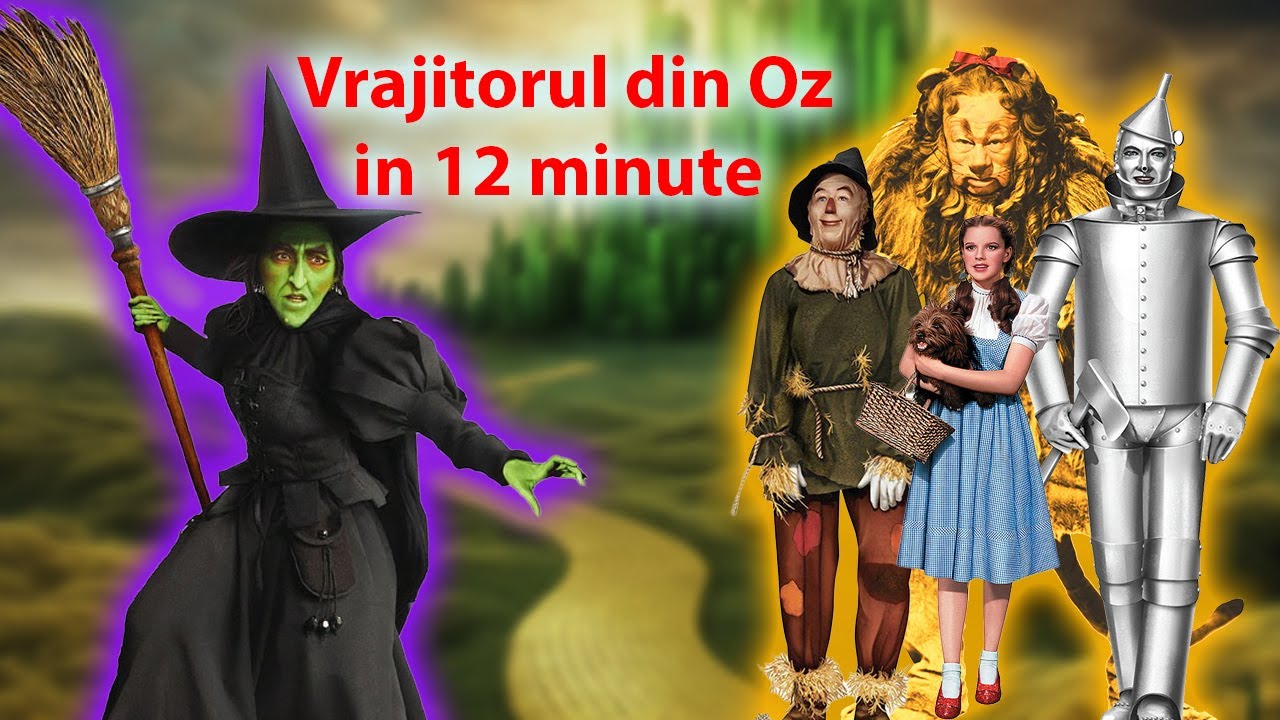
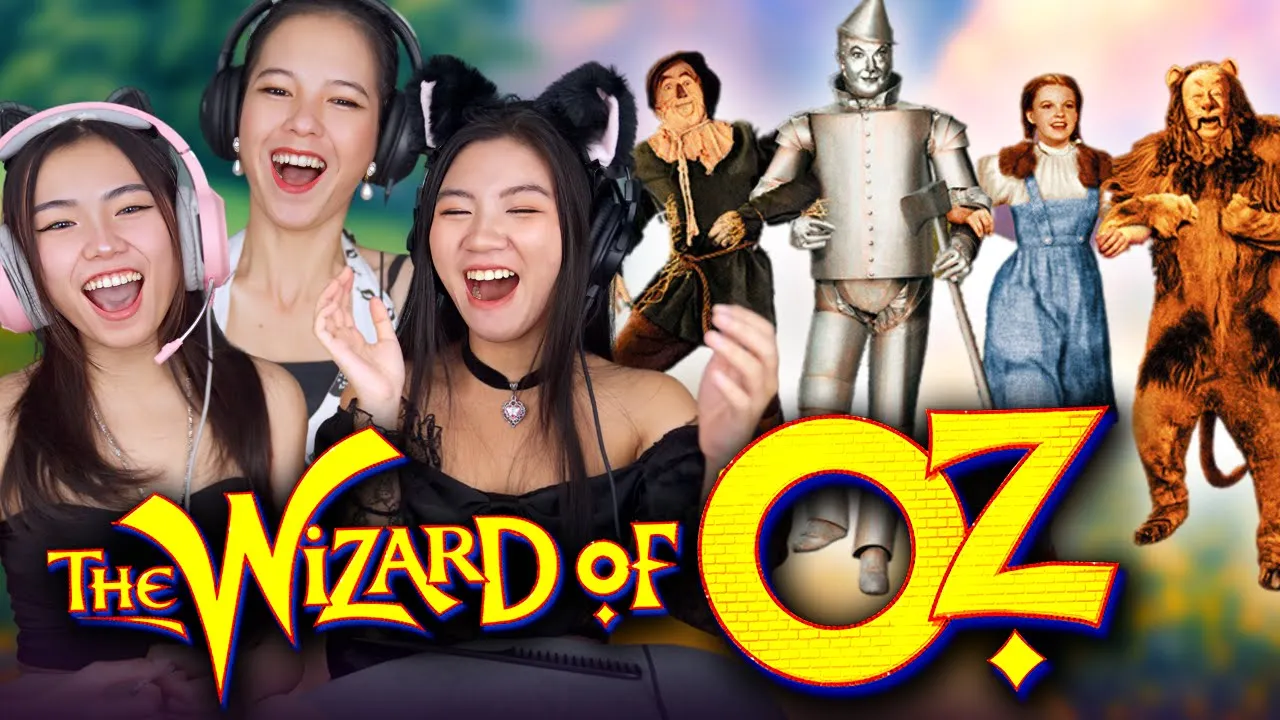
Added:hi students today in class we started learning about magical realism and we began with looking at the seven major elements that Define what magical realism is in both film and literature this video is going to review the concepts that we went over in class today so that you can be prepared for your quiz tomorrow so in class you saw these elements of magical realism that included Fantastical elements real world setting authorial reticence plentitude hybridity heightened awareness of mystery and political critique then watching one of four videos you guys completed your own table explaining how each of these elements appeared in a clip that you watched what I'm going to do is I'm going to take you through one of the videos specifically Wizard of Oz and I'm going to break down how each of those elements occur in there this is the same thing that two of the groups did in class today but I want to dig a little deeper and explain it to you step by step so that you understand how the elements occur in video so that later on you can understand how it occurs in writing your quiz tomorrow is going to be very similar to this I'm going to select one of the four clips that we viewed yesterday I'll give you a hint it's not going to be Wizard of Oz because I'm going over that one now so one of the other three Clips will be play play it in class and then you will be able to answer questions about how that clip is an example of magical realism so in addition to viewing this video other ways that you can study for tomorrow's quiz is by watching the videos that we watched in class today and also reviewing the table that your groupmates created or that your peers also created all right now let's get started so if you would like go to today's folder and today's Google slide and watch The Wizard of video I'm not going to play it here because it'll take up too much time but if you want to watch the video go ahead and do that now but I'm going to start explaining Wizard of Oz and how it's magical realism so the first thing that we notice with Wizard of Oz is the real world setting at the beginning of the movie Dorothy is out in the west during the Dust Bowl and so everything looks very Bleak to emphasize this bleakness the movie is in black and white at the beginning so remember that the real world setting is the existence of fantasy elements in the real world that provides the basis for Magical realism Writers Do not invent new worlds but reveal the Magic in this world so Dorothy lives in the same world that we live in it's a couple decades ago but it's the same world that we live in then the Fantastical elements are entered into her reality though her house gets swept up by a tornado and she wakes up in a different land now with these Fantastical elements they are like fables folktales and myths that are date back to ancient civilizations however magical realism takes the characteristics of fables folk tales and myths and portray them in otherwise realistic tones bringing fables folktales and myths into contemporary social relevance therefore while we have talking animals and Majestic cities and spells casted over people with po these kind of things are what we find in fables talking animals folktales magical spells myths magical cities but this is not in an ancient setting this is in a contemporary social setting that way it is reflecting Upon Our Lives today as opposed to the lives of the past therefore to restate that magical realism is going to share the characteristics of fables folktales and myths but the settings will be very different where these are set in ancient times most often and magical realism is sent in a contemporary time period now next we have aoral reticence where the narrator and characters are indifferent to the Fantastic events magical events are presented as ordinary occurrences therefore the reader accepts them marvelous as normal and common we can see that right here in this scene here we have Dorothy wiping the tears of a lion and standing beside a scarecrow and tin man who can talk walk and think and speak she doesn't freak out about this she doesn't run away screaming she doesn't ask a lot of questions she just accepts it to be true and interact with them like they're the everyday person this is aoral reticence It's the idea that when the odd Fantastical element enters into reality the characters Don't Run Away screaming they don't call the government they don't freak out in any way they might feel other emotions like curiosity annoyance anger happiness but they don't feel Panic they do not freak out about the Fantastic event that occurs next we have plentitude there is a layering of elements or The Marvelous not meaning beautiful and pleasant but extraordinary strange and excellent therefore there will be a high use of imagery and symbolism so in Wizard of odds they go through this episodic Journey where multiple things occur that they have to that characters have to overcome this is a layering of elements where things get stranger and stranger more excellent and more excellent and more extraordinary and more extraordinary also with the imagery note how in all the scenes there are vivid colors also in your writings you will read a lot of imagery that appeal to sight sound taste touch and smell also there's symbolism the Tin Man The Lion and the Scarecrow all symbolize different different faults that we might have in our characteristics for instance not being very smart not being very brave or not being very emotional they symbolize these problems furthermore The Wizard of Oz himself symbolizes a corrupt government so we can see in The Wizard of Oz that symbolism is occurring next comes hybridity hybridities with magical realism plot lines characteristically employ hybrid multiple PLS of reality for instance the story May distort time and switch narrative perspectives we see this in Wizard of Oz with how Dorothy goes from her Midwest home that gets swept up by a tornado and ends up in The Wizard of Oz there's a huge shift in time and place we're not sure if Oz is in Dorothy's mind because she hit her head when she got swept by a tornado or if she actually gets sucked into a different time and dimension regardless whichever it is it's still an example of magical realism because it distorts time where Dorothy ends up in a completely different situation than she was before this also can be seen through switching narrative perspectives as opposed to time where one character will tell part of the story and another character will tell another part of the story now next we have heightened awareness of mystery magic realist literature tends to read at an intensified level the reader must let go of pre-existing ties to Conventional Exposition plot advancement linear time structure scientific re reason and so forth to strive for a height of state state of heightened awareness of life's connectedness or hidden meanings so in Wizard of O A lot of weird stuff goes down we have a lion that is very scared of things we have people froling down a yellow brick road we have a magical fairy we have a lot of stuff we have a witch looking into a p so there's a lot going on and the idea is that there is no explanation offered to us as to why all this is occurring as readers we just have to accept that it's happening and we have to accept that our understanding of plot science time reason are all going to be violated and we have to just roll with it so the reason why magical realism violates all of these Norms that we're used to seeing in stories is to make us think harder so if you get confused the magical realism is working because it's trying to heighten your awareness of life's connectedness or hidden meanings next comes the political critique which is The Last of The Seven Elements so magical realism contains an implicit criticism of society particularly the elite the the writing often supports the geographically socially and economically marginalized therefore magic realism writings are subversive text revolutionary against social dominant forces so the idea is that those who are weaker based upon their geographic location their social status or their economic status those people who tend to be marginalized are often times shown as the heroes within the story so in Wizard of Oz Oz himself the scary floating head with flames around him he symbolizes a corrupt government that controls his people by taking away their rights to live therefore wizard OAS is revolting against that kind of government throughout all magical realism you will consistently see the concept of the elite as being portrayed negatively where they use their power to hurt other people so these are the seven elements of magical realism as they apply to the wizra ODS if you need to watch this video one more time I would suggest doing that otherwise if you would like to study further in a different way again go watch Wizard of Oz well not Wizard of Oz we already went through that go watch Life a pie big fish and pan Labyrinth and consider how The Seven Elements apply to those three videos if you have trouble figuring out how the Seven Elements apply go and read these tables that your peers created in these tables they talked about each element and how they're found in the video by doing this this will help you prepare for the quiz that will ask you to analyze one of these three videos based upon their use of The Seven Elements if you have any questions please feel free to email me otherwise I'll see you tomorrow for your quiz bye
Up Next
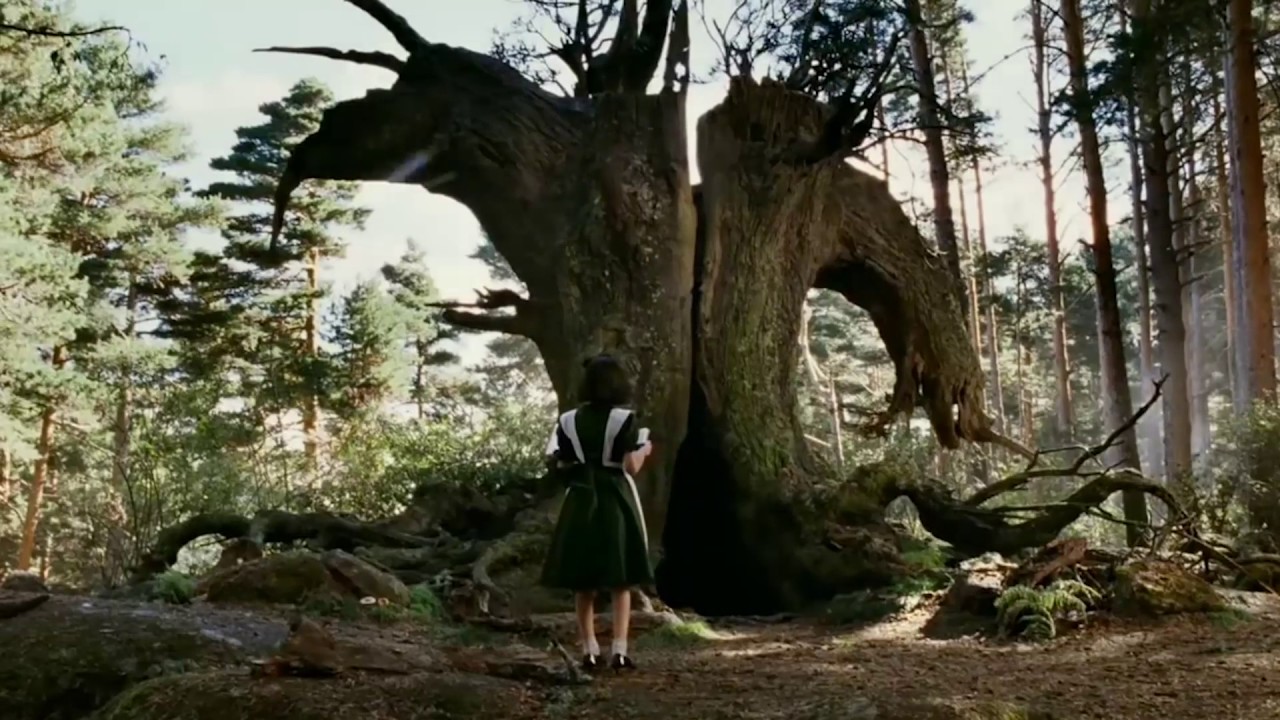
Magic Realism in Film: Definitions & Modern Analysis
@parker_gibbons
56.7K views•2016-12-14

Street Haunting: Virginia Woolf’s London Essay Analysis
@ExtraLiteraryAffairs
146 views•2025-01-24

Point of View in Fiction: First Person vs. Third Person
@magicalthriftyteacher
153.8K views•2014-03-31

1984: Orwell's Dystopian World and the Mechanisms of Totalitarianism
@AlternateHistoryHub
7M views•2017-03-04
Related Study Plans & Knowledge Roadmaps
Structured learning paths in Literature