













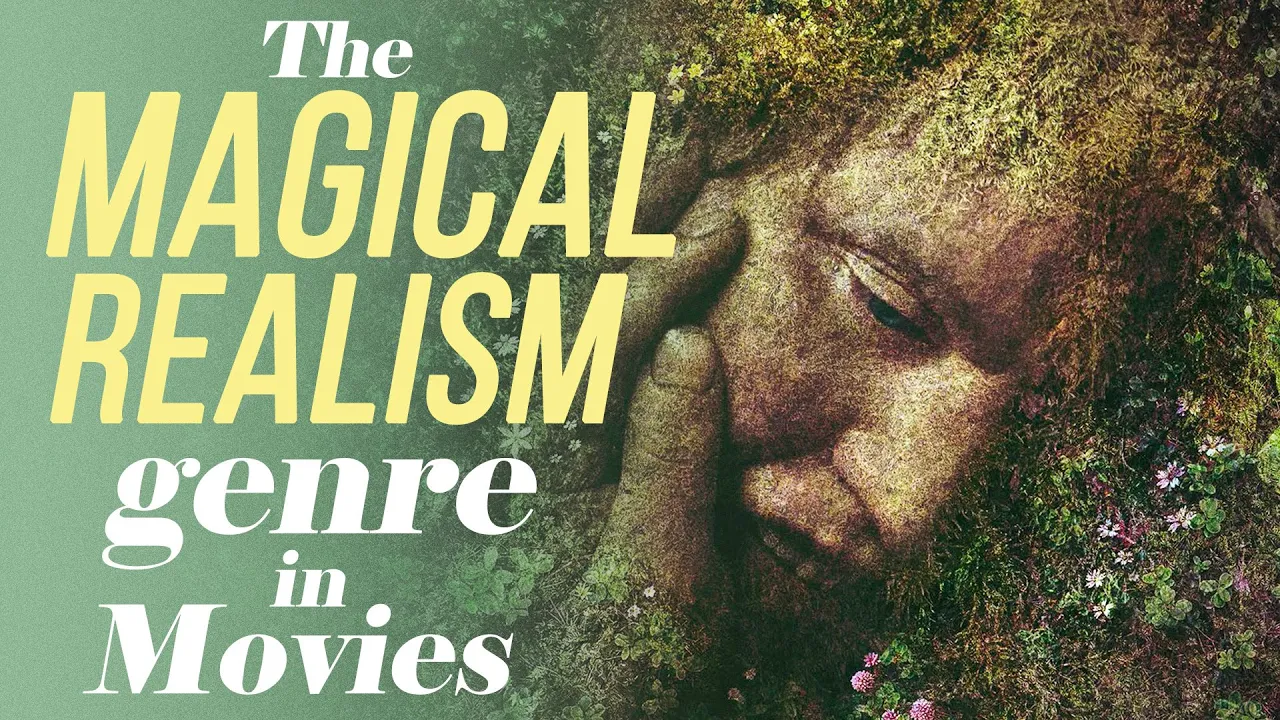




Magic realism is a cinematic genre that blends realistic narratives with fantastical elements to explore deeper philosophical themes; it originated from art critic Franz Roh's 1925 coinage and was later adopted by Latin American writers, though scholars debate its legitimacy due to overly broad definitions. A modern synthesis suggests magic realism creates mimetic illusion while disrupting it through strange treatments of time, space, and physical rules, using fantastical elements to represent pre-existing ideas in a supernatural form, ultimately offering audiences a more acceptable alternative to harsh life realities while provoking thought about existence, fate, and self.
Magic Realism in Film: Definitions & Modern Analysis
Added:The literary origins of magic realism, particularly the mid-20th-century Latin American literary boom associated with authors like Gabriel García Márquez and Isabel Allende.
The conceptual distinctions between adjacent genres such as high fantasy, surrealism, and science fiction, specifically how magic realism treats the supernatural as mundane.
Fundamental film studies concepts, including mise-en-scène, cinematography, and narrative structure, which directors use to construct a film's reality.
An understanding of post-colonial theory and historical trauma, as magic realism often emerges as a tool to subvert dominant colonial or political narratives.
Auteur analysis of key directors who utilize magic realism in their filmographies, such as Guillermo del Toro, Jean-Pierre Jeunet, and Apichatpong Weerasethakul.
Creative screenwriting techniques for seamlessly integrating supernatural occurrences into grounded narrative structures without conventional fantasy world-building.
A comparative study of global magic realism, examining how different cultures (e.g., Italian Neorealism, West African cinema, or contemporary Asian cinema) adapt the genre's tropes.
Applying advanced psychoanalytic and political film theories to analyze how magic realism is used to represent memory, grief, and marginalized identities on screen.
56.7K views1.5Klikes8:10Original Release: 2016-12-14
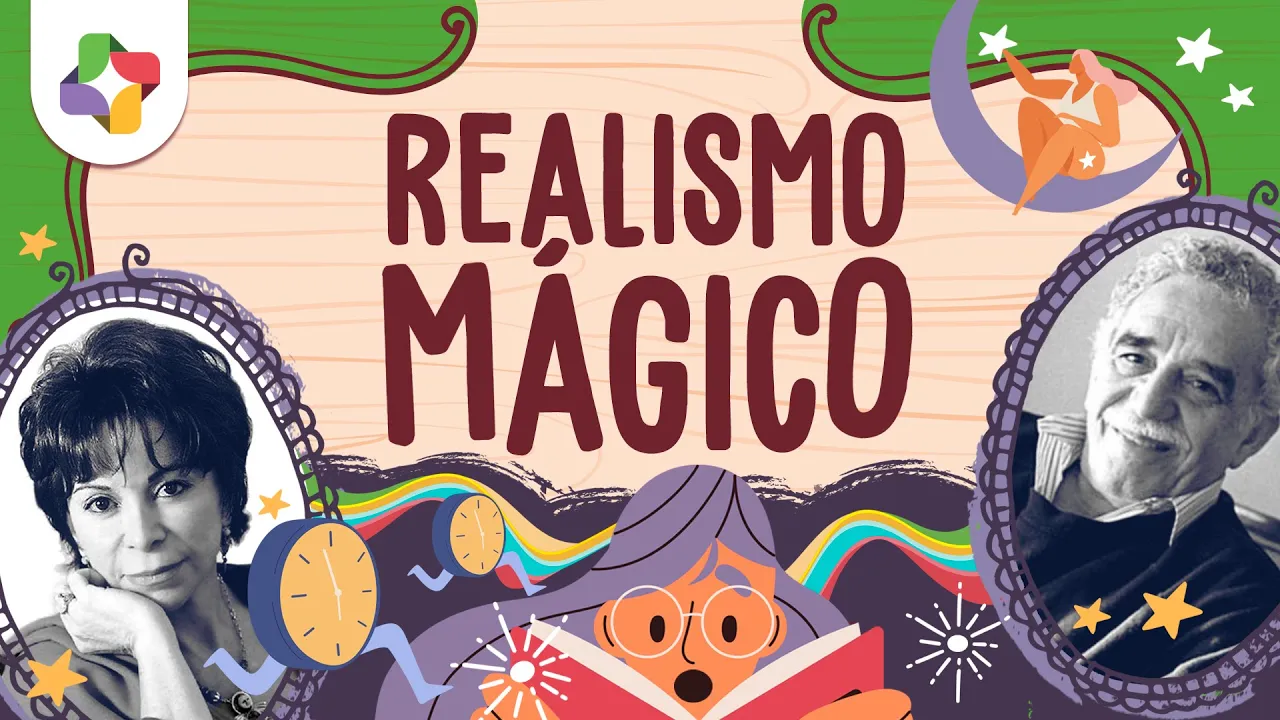
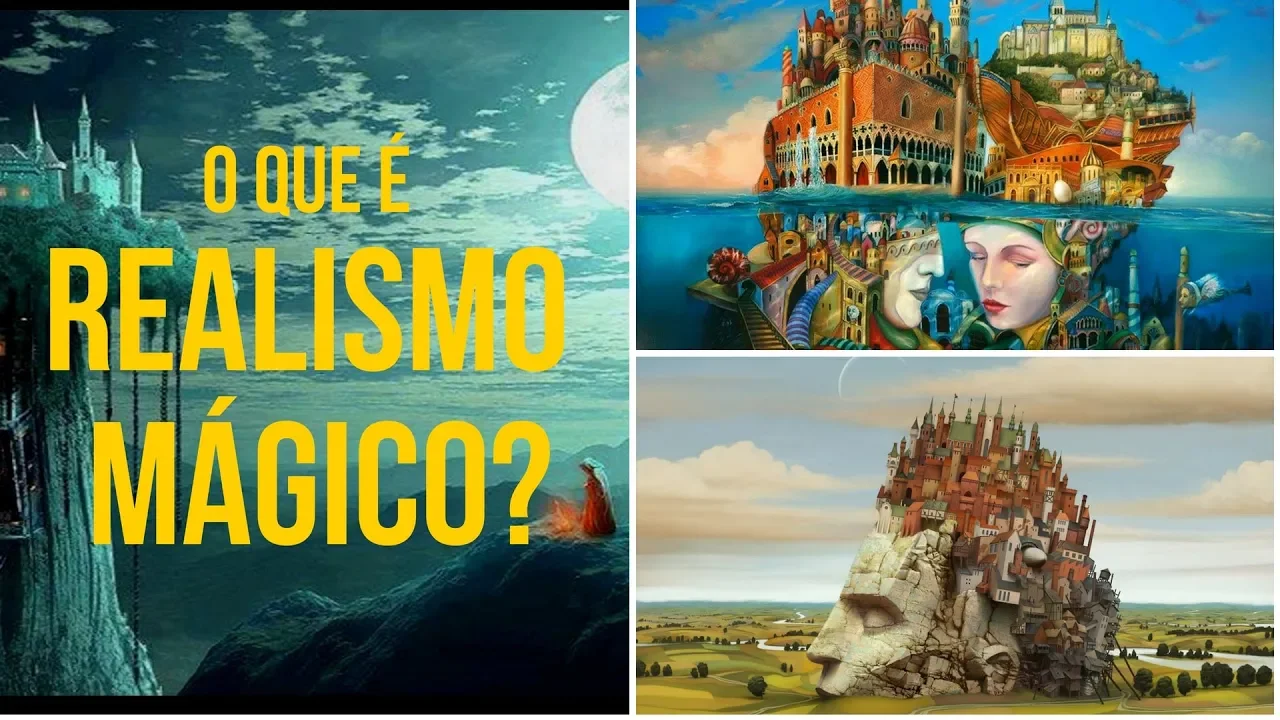
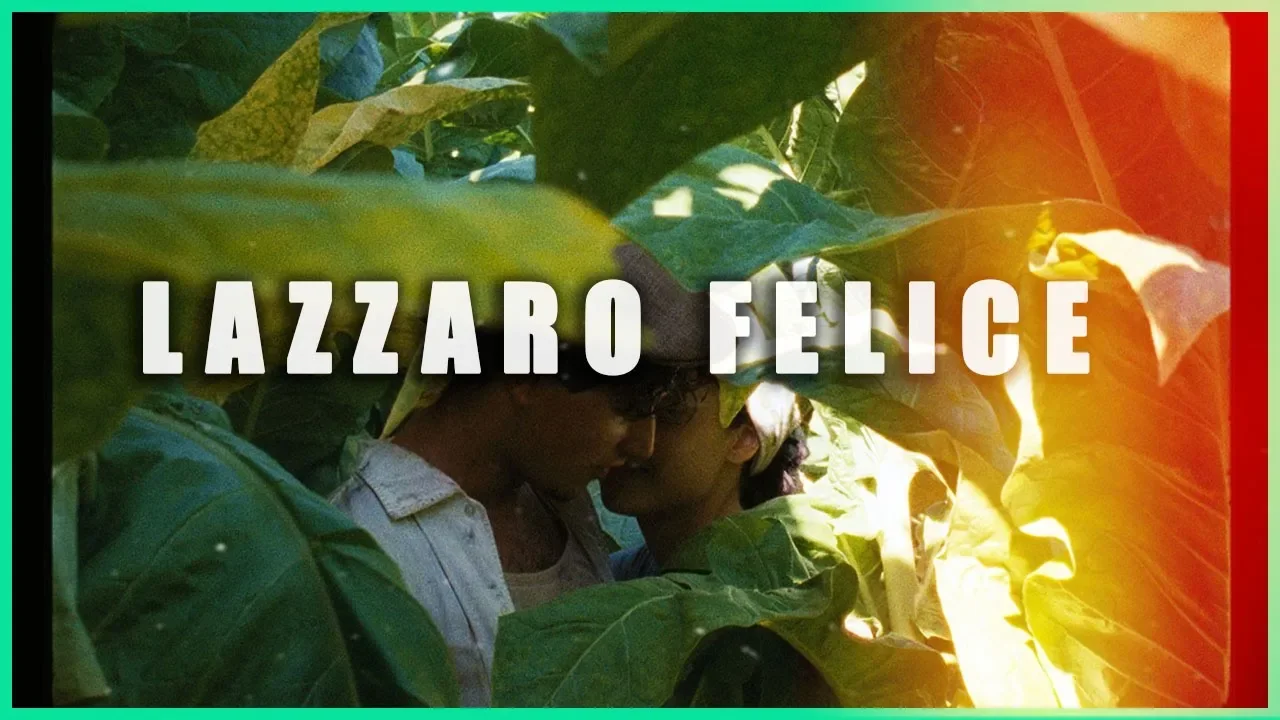
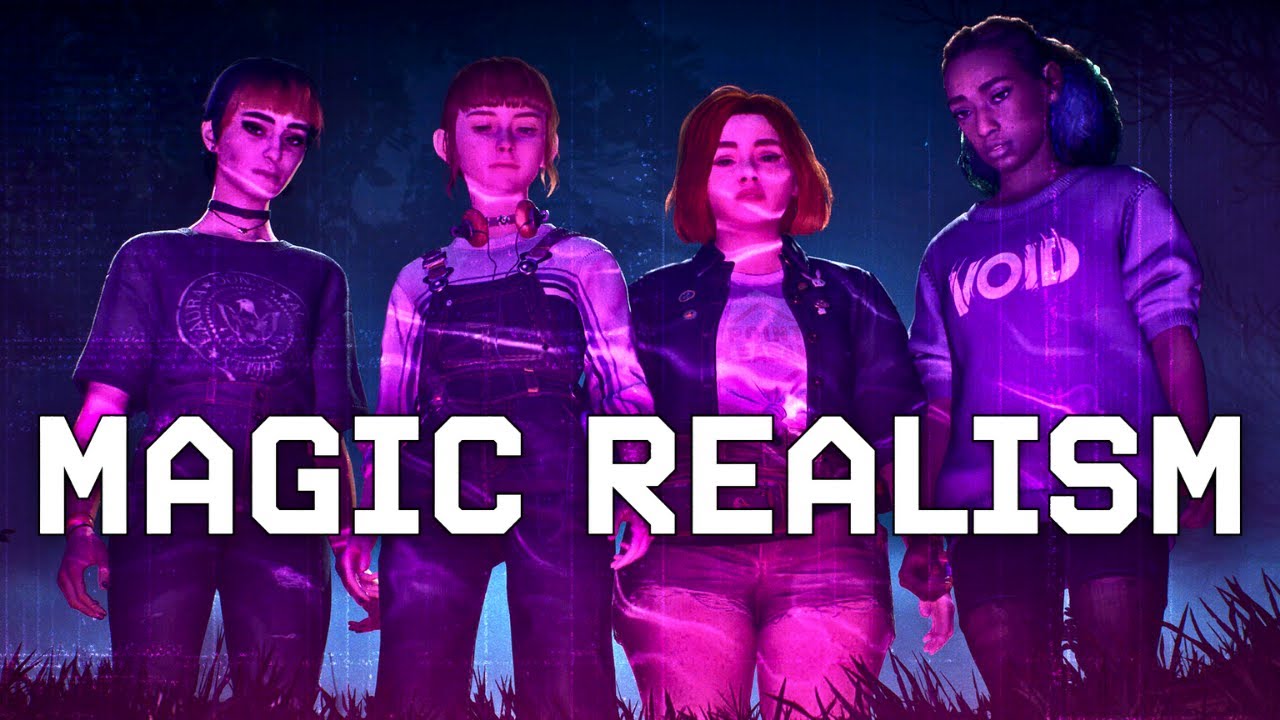
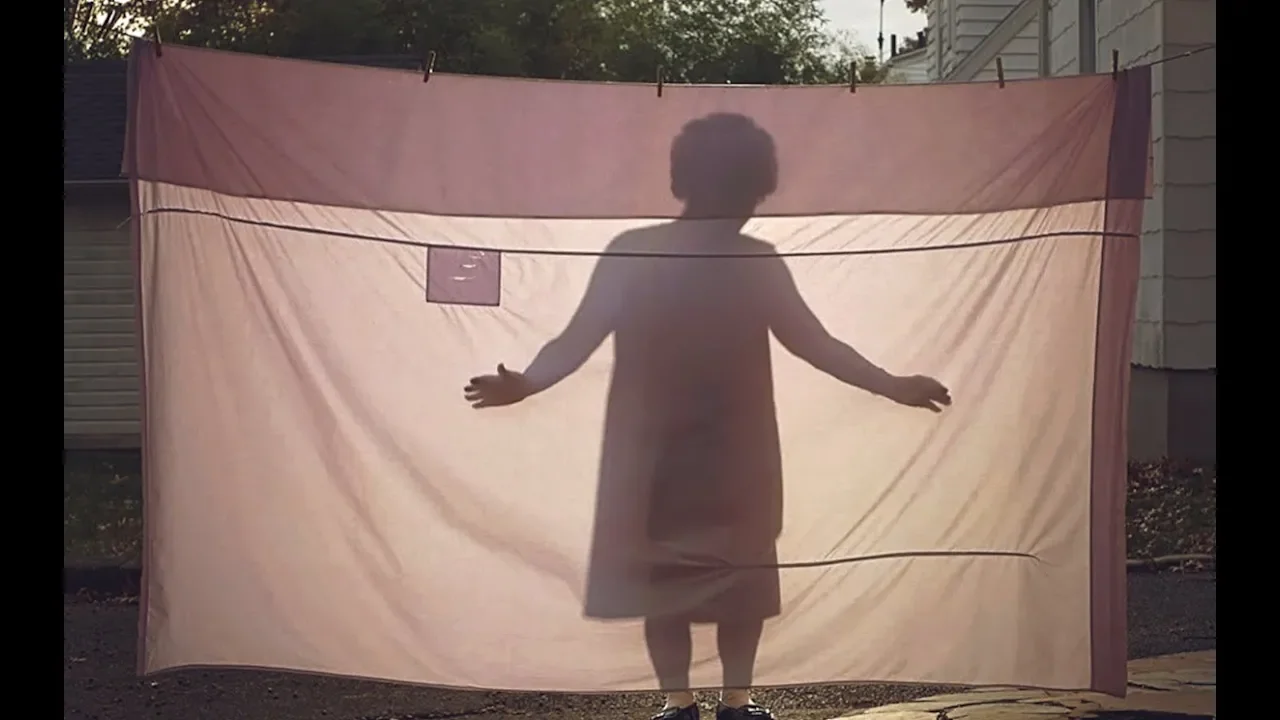
magic realism is easily one of the most underrated genres in today's Cinema and many scholars still dispute its legitimacy as a form of Storytelling but to me this is actually one of the most common and most powerful kinds of narratives and ought to be recognized as such considering how common it is the very first way I recognized magic realism films was treating it like a dream recognize the narrative and the setting and constantly ask yourself is this normal let's run a little experiment on that in the case of this scene you might be thinking okay uh bioluminescence at night pretty normal guy stranded at C pretty normal everything looks good here but wait a minute what what the okay yeah something is off it turns out that the reason many scholars don't accept magic realism as a legitimate genre is because they think existing definitions are too broad I would argue that they're simply outdated but they aren't wrong in recognizing that there is a disconnect in what we view as acceptable films for this category it's it's like the scholar Jean Pier du States commentators have used the term magic realism to refer to so many different works of art that the term has largely lost its value for making distinctions between genres interesting point Mr du let's fix that in the next few minutes we're going to look at three of the most widely recognized definitions of magic realism figure out which points are Antiquated for the modern films using the genre and see if we can establish a new age magic realism definition and I should preface this by saying that I'm I mean no disrespect to the opinions or beliefs of the scholars mentioned in this video but I need a good grade in my film history course and I'm in a fighting mood so I'm down for a little academic quarreling all right let's go okay so for some background it's important to know that the term magic realism was coined by the art critic fron Row in 1925 and served as a way to differentiate the aesthetic qualities that made up non-objective paintings across other art forms like literature and music and film at this point the term was adopted by Latin American Writers like Gabriel Garcia Marquez and allejo Carpenter magic realism quickly spread through Latin America as a way of expressing the American mentality infused with the Supernatural and developing an independent autonomous genre this is where we see the first scholarly discrepancy see some Scholars argue that the term magic realism can only be applied to Works coming from Latin America since that's where most development of the art came from in reality though works of art with the same aesthetic qualities and narratives quickly spread into the international scope showing that Latin America didn't have a monopoly on the genre in the book magic realism rediscovered 1918 to 1981 we see perhaps the first widely accepted definition of magic realism by Seymour Menon although his list of seven characteristics was largely pointed towards painting they've been used to describe other art forms within the same genre let's see what's still applicable number one Ultra sharp Focus Menton believed that magic realist painting needed to have a strong and obvious point of focus applying this to narrative structures he believed that a narrative needed an obvious point but we know now that that isn't necessarily true see one might finish watching Pan's Labyrinth and say ah yes of course magic realism aided a heartbreaking narrative and taught me that in a war torn world of Good and Evil there is no place for innocence they might then watch Birdman and leave thinking I have no idea what the that was about but it doesn't necessarily change the fact that they were both realistic narratives aided by a fantasy to tell a deeper Story number two objectivity Menon argues that magic realism art portrays people landscapes and still life with an apparent objectivity that eliminated the presence of the artist I'm going to agree with him with this one think about the Dead Pan delivery of Wes Anderson's quirky characters or the emotional distance we keep from Lars vont trier's characters despite having a [Music] voyerism is kind of ambiguous but within it ment and claims that magic realism has to appeal to the intellect and not emotion I couldn't disagree stronger here one of the benefits of magic realism is to take a highly personal and intimate story and Elevate its characteristics through the application of fantasy while magic realism is often seen as a highbrow Heyday for hipster trash like me it doesn't have to be cold distant and intellectual to be cool one of the reasons I love magic realism films is that they can be immensely emotional and we shouldn't discredit that number four Cent pedal if I'm being honest I have no idea what Seymour Menon meant by this term but if I continue my trend of stomping unresected academics with my naive world view I'd guess that he's saying the story has a central theme and that causes elements of the film to follow a path towards it meaning that while not all elements Point directly back to the themes they are swayed and affected by them that sounds reasonable to me so I'll agree with him number five effacement of the painting process us yeah this one doesn't really apply to us number six naiv spot on Seymour in almost all widely accepted magic realism films the characters seem to present a front of innocence and coolness in the face of danger or in the fact that they're experiencing the supernatural in the first place take for instance Pan's Labyrinth I would be booking it in the opposite direction if I saw a creature like this but aelia's innocence leads her to her curiosity or in Being John malovich all of the other characters are naive enough and somehow accept the strange fact that the title character works on floor 7 and A2 of their building number seven representational this is perhaps one of the most important distinctions of magic realism the Fantastical elements aren't arbitrary and for entertainment they exist to represent ideas already present in the story but in a supernatural form magic realism is based on the representation of what is possible but not probable so what do other Scholars have to say on the subject well that one dude from earlier Jean Pier du who thinks that magic realism is too vague to be a genre actually gave one of the other best definitions according to our most restrictive definition of the term the magic realist aims at a basis of mimetic Illusion while destroying it regularly with a strange treatment of time space characters or what many people consider the basic rules of the physical world interesting let's compare that to Black Swan strange treatment of time check strange treatment of characters check strange treatment of the basic rules of the physical world yeah maybe just a little bit weird okay we've got one more great definition This Time by Maggie an Bowers who is the author of the book magical realism the magic realist film acts as a means of initiating questions concerning philosophical issues such as the existence of God the role of fate and the idea of self that extends beyond the film's capacity to divert and entertain wait a second homeg girl Maggie thinks that we should absolutely include Larger than Life elements in our films but only as a way to make us think as opposed to turn us into lifeless puppets to be entertained for 2 hours interesting concept somebody should tell Michael B so with all these definitions in mind I can see why Scholars have a hard time identifying where magic realism fits among other genres however I think one of the most poignant syntheses of these scholarly definitions was made by Martin R Hall of York St John University who argues that magic realism is so effective Ive because it offers a more readily acceptable alternative to the harsh realities of life let that sink in for a moment isn't that why we've always loved stories in the first place it's a more acceptable alternative to the harsh realities of Life magic realism only elevates that you know we all struggle with childhood memories workplace stess lifelong dreams evil beyond our grasp and failed pths magic realism lets us confront all of these realities but still find a way to escape from them and find meaning now that's a good use of Cinema thanks for watching
Up Next

9:51
Animals & Shapeshifters in Latin American Literature | Crash Course
@crashcourse
21.3K views•2026-01-29

13:43
Formalism in Literary Criticism: An Academic Lecture Overview
@mattalberhasky9952
39.1K views•2015-08-05

6:08
Point of View in Fiction: First Person vs. Third Person
@magicalthriftyteacher
153.8K views•2014-03-31

15:25
1984: Orwell's Dystopian World and the Mechanisms of Totalitarianism
@AlternateHistoryHub
7M views•2017-03-04
Related Study Plans & Knowledge Roadmaps
Structured learning paths in Literature
literature
Graphic Memoirs: Visual Art, Trauma & History
01Foundations of Sequential Art and Visual Language
02Autographics and Processing Historical Trauma
03Visualizing Personal Trauma, Grief, and Graphic Medicine
+ 2 more learning modules
14h5 modules
Explore Roadmap
literature
Campus Novels: Evolution, Themes & Critique
01Introduction to the Campus Novel Genre
02Mid-Century Satire and the Post-War Academy
03Dark Academia and the Critique of Privilege
+ 2 more learning modules
14h5 modules
Explore Roadmap
literature
Theater of the Absurd: Philosophy & Plays
01Postwar Existentialism & Historical Roots
02Dismantling Narrative: Esslin & Absurdist Conventions
03Samuel Beckett and Tragicomic Existentialism
+ 2 more learning modules
12h5 modules
Explore Roadmap
literature
Revenge Tragedy: Justice, Madness & State
01Foundations of Early Modern English Theatre
02Anatomy of Revenge: Structural Conventions
03Psychological Complexity: Madness and Melancholy
+ 2 more learning modules
15h5 modules
Explore Roadmap