


![[랜드하나]2019공인중개사 기출문제-부동산학개론 이종호(입문 11강:미리보는 기출문제2)](https://i.ytimg.com/vi_webp/GtL1GkjWOas/maxresdefault.webp)


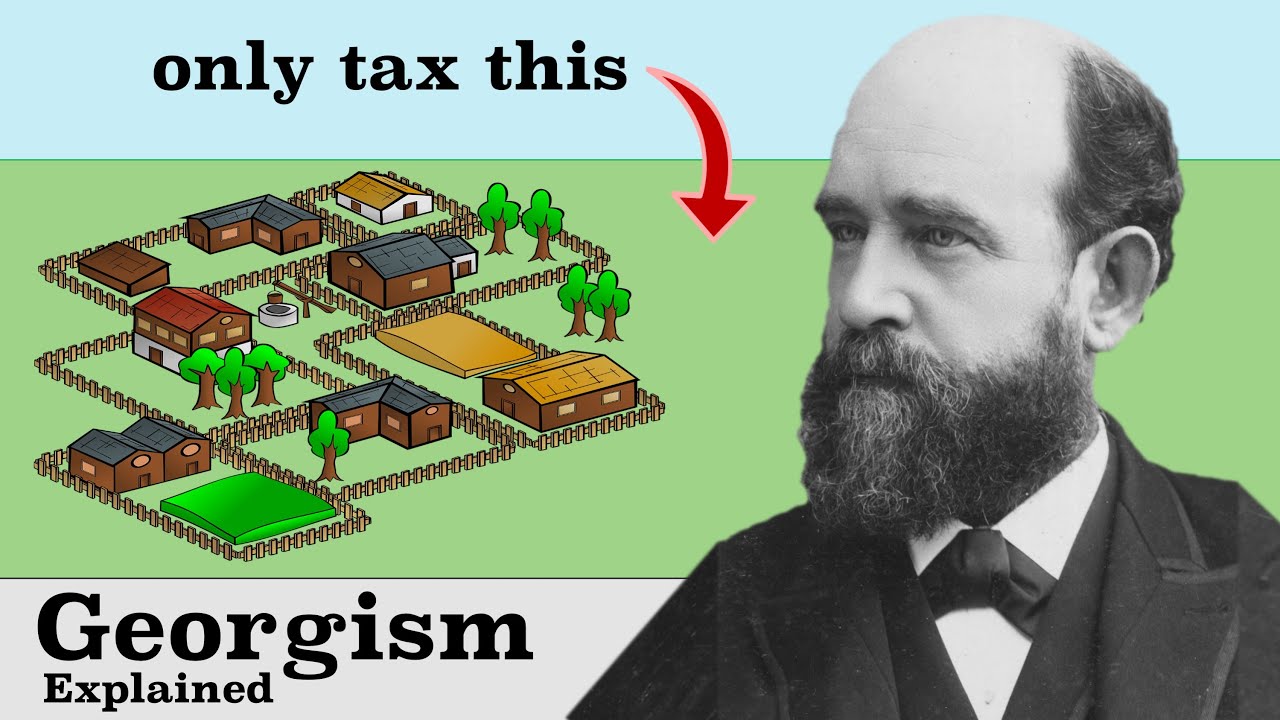





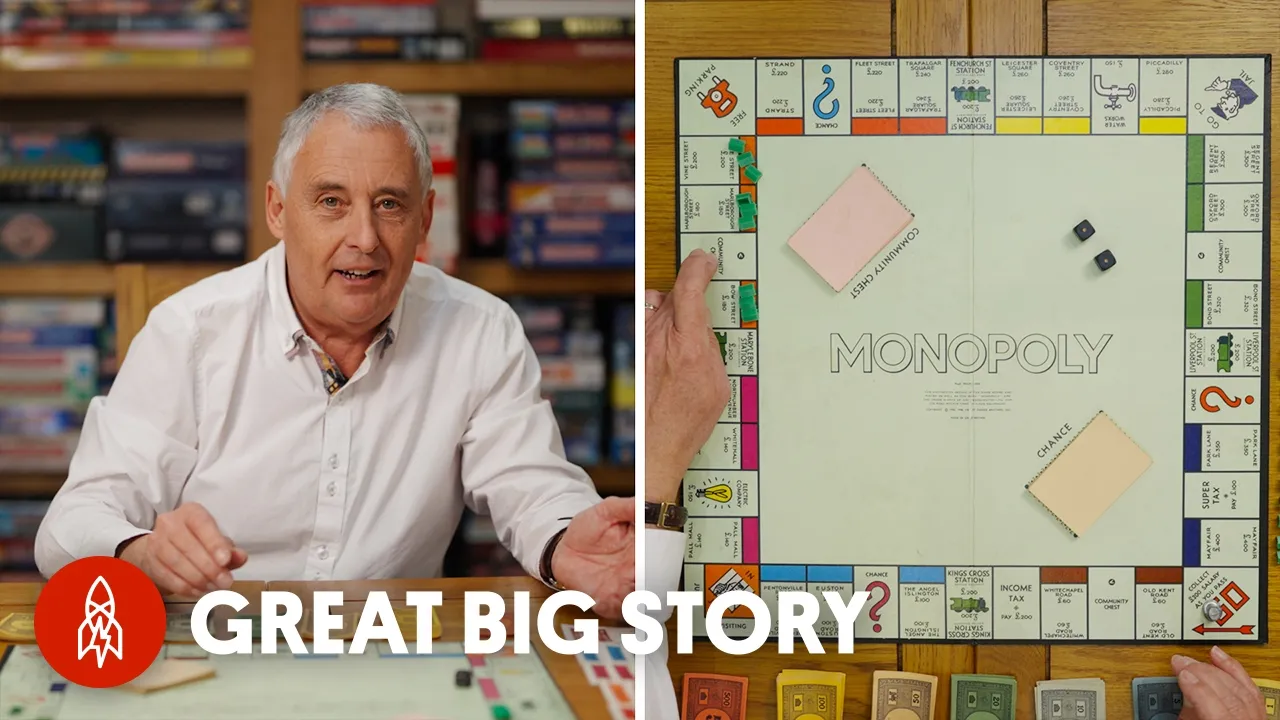













Monopoly began as 'The Landlord's Game,' created by economist Elizabeth McGee in 1903 to teach Georgist economic principles advocating for a single tax on land value to reduce wealth inequality; however, Charles Darrow later claimed to have invented it independently during the Great Depression, leading to a decades-long legal battle where Parker Brothers concealed the connection between the two games, ultimately acquiring both for $500 and burying the truth until Ralph Anspach's 1970s lawsuit partially exposed the historical facts.
Monopoly's Contested Origin: A History of The Landlord's Game
Added:Basic principles of microeconomics, specifically the concepts of monopolies, rent-seeking, and land ownership dynamics.
An understanding of 19th-century Progressive Era economic reforms, particularly Henry George's 'Georgism' and the concept of a single land-value tax.
Fundamental concepts of intellectual property law, including the distinctions between patents, trademarks, and copyrights.
Familiarity with the standard rules and gameplay of the modern board game 'Monopoly' to contrast with its original version.
The legal and economic history of patent and copyright infringement battles within the toy and board game industry.
Advanced studies in Georgist economic theory and its modern-day applications, such as the debate over contemporary Land Value Taxes (LVT).
The use of serious games and simulations as pedagogical tools for teaching complex socio-political and economic theories.
Corporate ethics and the history of intellectual property appropriation of folk designs or public domain concepts by major corporations.
53.6K views4.5Klikes20:10Original Release: 2024-11-21
from the very beginning it was created as a teaching tool as time went by the lesson and the teacher changed revealing an American Consumer base that wasn't interested in hard Lessons Learned well what they wanted was a shortcut to wealth and power at the expense of their neighbors hi I'm Dan Larson and this is the history of [Music] Monopoly Monopoly is a board game currently owned and produced by Hasbro but previously owned and produced by Parker Brothers since 1935 see what happened was that one company has been buying up all the other companies so that there's no competition in the market and when that happens it's called actually you know what let's just get on with the rest of the video this will all make sense later Monopoly is a board game for as few as two people but as many as eight the official rules state that the object of the game is to become the wealthiest player through buying renting and selling property players select a token that represents their brand of property profiteering are you a dog dog a race car perhaps you're more like a penguin or a rubber ducky you can select the top hat the battleship or the colander I'm sorry that's a thimble players begin from a neutral starting point fronted $1,500 by the bank chance takes over as the role of the die dictates movement around the board it's up to each individual to develop a winning business strategy slow conservative growth moderate gains or making it rain buy up property charge rent avoid paying taxes as long as you can and do it all faster and more efficiently than everyone else someone is going to pay someone else for the right to live make sure you're the one with the most resources because in the end one player must Ascend through a series of Victories that is part chance part strategy driven to acquire as much wealth as possible Victory is achieved when every other player is either bankrupt or in jail God Bless America thank you to 80s.com for sponsoring this video click the link in the description below and use code toy Galaxy to get 30% off your order today what's the first thing that pops into your head when I say the 1980s or the 1990s don't think about it just say it 1 2 3 Rubik's Cube yes they have that or they had that or they will have that 80s.com is constantly refreshing their inventory with officially licensed t-shirts featuring characters quotes and logos from cartoons Comics TV shows movies wrestling and music from the 1970s through the 2000s so while I can't guarantee that everything you can think of will be in stock I can guarantee that you'll always be surprised by the range of their selection ads.com has something for everyone your favorite Heroes like Batman Spider-Man Mega Man Deadpool and Wolverine Voltron both lion and vehicle Star Wars Stargate old and older Battlestar Galactica mly crew bis Marquee Pink Floyd and Jimmy Hendrick find the shirt that's right for you the one that speaks to your interests and lets the world know that there's no bigger fan of scratch and sniff stickers spam or Kelloggs Froot Loops than you and you can prove it because you're wearing the shirt click the link below and use code toy Galaxy for 30% off your order today again that's code toy Galaxy for 30% off your order and thanks again to 80s.com Elizabeth McGee was born in 1866 she was a writer and actor and a big fan of the economic theories of Henry George his 1879 book progress and poverty laid the foundation for what would become an entire movement devoted to a single tax while living in ardan Delaware in the late 1800s early 1900s McGee found Community with others who believed in George's single tax concept that is instead of the existing in efficient system of taxing everything from income to Imports exports purchases we should simply tax land value Shifting the burden of Taxation to the people who can actually afford to own what is and always will be an extremely limited resource furthermore georgists as they were called believe that all resources that benefit the public at large should be owned by the public at large they believe that this would be a better way to moderate the disparity in wealth and opportunity between the highest and lowest members of society because at the time there was a huge disparity in wealth and opportunity it was the age of Rockefeller Vanderbilt JP Morgan the titans of oil railroads and Industrial consolidation the robber barons as Hal Bridges wrote in business history review in 1958 quote Business Leaders in the United States from about 1865 to 1900 were on the whole a set of avaricious Rascals who habitually cheated and robbed investors and consumers corrupted government fought ruthlessly among themselves and in general carried on predator activities these were some of the richest people in the country in the world ever with a degree of Freedom comfort and security unattainable by nearly everyone else alive at the time or since a freedom that was quite literally an unachievable fantasy from 1900 to 1903 Elizabeth McGee developed a board game to help illustrate the benefits of George's single tax Theory to help educate people as to the danger of too much wealth and power Consolidated or monopolized by one person or Corporation the landlord's game was play tested through 1903 when McGee officially filed for a patent which was granted in 1904 the board itself was a revolutionary concept most of the popular games at the time were either built on a grid for head-to-head competition like chess or Checkers or employed a single deliberate path players Advanced along until the inevitable End of the Road the landlord's game was essentially an infinite path it required players to make multiple revolutions around the board the end of the game the duration of the game was not determined by geography but by the actions taken by the players themselves the landlords game featured a series of utilities railroads and real estate industries that were traditionally the targets of the aformentioned richest people in the world ever and encouraged players to own as many of the properties as possible the Four Corners established a public park that cost nothing for a token to sit there for a turn go to jail for trespassing on Lord blue blood's estate and the jail on the opposite corner and the starting point Mother Earth which also acted as a Payday for collecting wages as players made their way around the board there were also two different sets of rules in the monopolistic version of the game players competed to acquire the most wealth and property the Game ending either after five trips around the board when only one player remained or after someone flipped the board and tossed all the tokens on the floor St this game in the single tax version players worked together to break up monopolies return utilities and lands back to public ownership establish free colleges and the game didn't end until the poorest player had a predetermined amount of regular income or someone flipped the board and tossed all the tokens on the floor this game but here's the thing you could also play both sets of rules a simple majority vote would allow the game rules and the function of the game board tiles to change Midway if one player was amassing too much wealth the other players could vote to switch to single tax rules or vice versa in 1906 McGee moved to Chicago that same year she along with other members of the single tax Community founded the economic game Company of New York to publish and mass-produce the landlord's game through 3 years later in 1909 she approached one of the biggest board game companies in the country Parker Brothers with the concept Parker Brothers passed because the landlord's game was too boring it was too complicated took too long to play and was boring I'm paraphrasing of course but hey look the landlord's game was a teaching tool Henry George's ideas about tax reform spread across the region teachers used it in their curriculum and those students took it back with them to their own communities from 1906 into the 1920s the presentation and the object of the game began to evolve as players from Delaware brought it with them to places like Pennsylvania and New Jersey the materials used to play the game and the game board itself were frequently handmade with the rules and interest carried over from player to player localized for their own neighborhoods the two rule game system of monopolistic and single tax gave way to a single rule system driven by the most popular way to play it as indicated by the use of the name Monopoly on Surviving game boards from as early as 1920 McGee's original patent for the landlord's game expired in 19 21 at which time she once again approached Parker Brothers about buying the game and was once again rebuffed because it was still too boring took too long to play was too confusing and now too political that said Parker Brothers encouraged her to file a new patent McGee made some aesthetic changes including names of properties based on locations in Chicago and filed a new patent which was granted in 1924 the waade Monopoly has been bringing people together for almost 50 years that's how long we've been wheeling and dealing together building hotels together and going to jail together Corner the market and utilities you can't lose shile seems a [Music] par sometime around 1930 Charles Darrow an unemployed salesperson played a version of the landlord's game taught to him by friends who learned it from friends who learned it from friends darl like many people was unemployed and seeking an opportunity to generate income thanks to the Great Depression Daryl loved the game and like fans had done for decades before he drew up a unique circular game board on sheets of cloth to fit his kitchen table and made his own tokens he based all of the property names and the rules of the game on the game as it was taught to him by friends who learned it in Pennsylvania and New Jersey he called it Monopoly he sold handmade games until he reached a point where he could no longer keep up with Ord he moved production to a printing company and refined elements of the game's aesthetic design the game board was squared off instead of circular and he worked with an illustrator to create a unique visual design that included icons for railroads utilities for free parking go to jail jail and the starting point simply titled go in 1932 the 1924 version of McGee's landlord's game was published by the ad game company this version of the game continued to include both the monopolistic version and the single tax gameplay rules but the single tax version was now called Prosperity one year later in 1933 Charles Daryl filed for and was granted a copyright for Monopoly in 1934 he too took his game to Parker Brothers to see if they would be interested in purchasing it they declined stating that it was too boring took too long to play was too confusing too political but then a funny thing happened Darrow continued to produce and sell Monopoly through Christmas 1934 and moved over 14,000 units which caught the eye of Parker Brothers who were suddenly very interested in purg purchasing darl's Monopoly but before that could happen they needed to clean up some of the legal issues Parker Brothers needed plausible deniability about darl's creation of Monopoly as they were already very well aware of the existence of the landlord's game and had been for some time everybody's so creative darl was asked to legally Proclaim on a signed document that he had no prior knowledge of any other games called Monopoly prior to his creation of the game they were purchasing from him and he swore he had never heard of a game called Monopoly before he called his game Monopoly we'll come back to this in March of 1935 Parker Brothers purchased his remaining stock and assisted darl in filing for and acquiring a patent for Monopoly and finally Parker Brothers purchased the patent for the landlord's game from McGee for $500 tying up the final legal loose end McGee insisted that they make no changes to the game and willingly forfeited any claim to royalties content in the knowledge that Henry George's single tax ideas would propagate into the future as a Cornerstone of Parker Brothers Library it's false no way not this time not this time no not this time it's totally made up pure Fiction it's Fiction it's fiction it never happened it never happened this one was invented by a writer instead Parker brothers' Monopoly was built on top of the buried bones of the landlord's game and quickly became one of the most popular board games fulfilling the American fantasy of being a real estate hoarding Tyrant of Industry forcing all of their friends and family into bankruptcy but like for fun it was the Great Depression after all if there had been been no Gallows humor there would have been no humor at all they plowed ahead with Monopoly most of the design elements that we know today already in place from the very beginning additions like metal tokens were unique to Monopoly the rules were refined to make the gameplay shorter more efficient and less political the Monopoly man officially known as Rich Uncle pennybags made his first appearance in 1936 on chance and Community chest cards modeled after JP Morgan he didn't actually have a name until he appeared in a Parker Brothers game called Rich uncle in 1946 par Brothers kept up the pretense that the landlord's game and Monopoly were two very distinct games created by two very distinct people at very different times and in no way related to each other by quietly continuing to publish the landlord's game with no marketing or advertising in fact they introduced a new cya version in 1939 that's cover your ass in 1941 McGee's 1924 patent then owned by Parker Brothers expired at which time she was no longer included as one of the creators of Monopoly 3 years later in 1944 post World War II sales of Monopoly surpassed 1 million units per year and in 1948 McGee passed away at the age of 81 20 years later in 1968 Parker Brothers was purchased by General Mills as part of the company's expansion Beyond food and into toys and games they had just purchased rainbow toys makers of Plato in 1965 and kener in 1967 in 1971 retired economics professor Ralph ansbach played Monopoly with his 8-year-old son the game resulted in a resounding defeat for the professor which prompted him to imagine a game that picked up where Monopoly ended perhaps something that was built around the idea of breaking up monopolies instead of establishing them antbox spent the next two years creating the game anti- Monopoly and through the 1973 holiday season sold 200,000 copies sales remained strong into 1974 hardly a dent in the 80 million units of Parker Brothers Monopoly that were already on the market but still a concern for General Mills before General Mills could take legal action against ansbach and anti-monopoly ansbach sued them to prove that their copyright of Monopoly was invalid an Spock and his legal council had done the research and knew about McGee's creation of the landlord's game and its connection to Daryl's Monopoly which honestly wasn't that much research she's pictured holding both games and talking about it in a 1936 article one year after Parker Brothers began producing Darrow's Monopoly the article directly connects McGee the landlord's game daro and Monopoly in like one sentence stating that daro quote retrieved the game from the Oblivion of the patent office and dressed it up bit to get it [Music] going I had checked with loyers and they said there would be no problem because the courts had already found that if a name is the opposite of existing trademark there would be no confusion that I had a right to do it and we had orders for over a million games and then the roof fell in an Spock and General Mills battled in court for the next decade an Spock wanted to prove that Monopoly as it existed was a public domain game and that General Mills had no legal right to block the use of the name anti-monopoly since it was literally the polar opposite of Monopoly I was in a television station a lady calls in and said they have a lot of nerve to sue you Professor anbar when they stole the game ansbach dug up the full transparent history of the game and brought testimony from the people who taught it to Darrow and the people who taught it to the people who taught it to Darrow he the former president of Parker Brothers Robert Barton who admitted that Parker Brothers knew the actual history of the game and that Darrow didn't actually invent it 1976 the judge ruled in favor of General Mills and ordered that all existing inventory of antimonopoly must be destroyed an event that was observed and probably celebrated by General Mills as 7,000 units were buried in a garbage dump an Spock appealed twice in a 1982 a judge ruled that Parker Brothers did in fact do everything ANS Spock accused them of General Mills appealed that ruling to the Supreme Court with support from trade associations and Industry groups all those inks and Corps and legal experts rallying to the aid of their poor friend General Mills fund Group stock market symbol GIS barely squeaking by with $2.5 billion in total sales the Supreme Court courageously declined to hear the case which cleared the way for anspach to go back into business selling anti-monopoly and attempting to put his life and finances back together after the prolonged legal fight his victory more about the revelation of McGee and the credit due to her at least historically if not financially that said as of this video you can legally buy antimonopoly right now at a variety of retailers online including Amazon and Walmart which reminds me of the time that there were 10,000 spoons but all I needed was a knife or at the very least a black fly in my Chardonnay in 1985 Parker Brothers and kener toys were Consolidated by General Mills and broken off as an independent entity called kener Parker toys that was also the 50 anniversary of Monopoly celebrated with a new 50th Anniversary Edition 2 years later in 1987 caner Parker was purchased by Tonka who were then purchased by Hasbro in 1991 Hasbro would go on to purchase Japanese toy company nura toys in 1992 in 1994 they merged play school Kenner and kid Dimension into the larger Hasbro toy group Hasbro's Monopoly production kicked into high gear with licensed versions of the game ACDC Angry Birds Back to the Future Batman The Beatles Beetlejuice Bratz Britney Spears Candy Crush A Christmas Story Coca-Cola DC Comics Dr who elf Elvis ESPN Fallout Family Guy fortnite Friends futureama Garfield Ghostbusters GI Joe Indiana Jones Jay and Silent Bob Strike Back Dr Park kiss Looney Tunes Lord of the Rings Major League Baseball Metallica NASCAR Nightmare Before Christmas Nintendo the office Pirates of the Caribbean on Stranger Tides Pixar Pokemon QVC Ren and Stimpy Rick and Morty Rudolph The Rednosed Reindeer RuPaul Roblox Scooby-Doo Seinfeld Shrek The Simpsons Smurf South Park Spider-Man Space Jam Star Trek Star Wars Supernatural Teenage Mutant Ninja Turtles Transformers Tommy bah UPS The Walking Dead World of Warcraft WrestleMania W Wizard of Oz X-Men Yu-Gi-Oh zappos.com and many others just like Elizabeth McGee would have wanted in 1998 Hasbro purchased Avalon Hill and galoo Parker Brothers was merged with Milton Bradley whom Hasbro purchased in 1984 and in 1999 Wizards of the Coast Hasbro till all are one Monopoly began its life as the landlord's game created to teach people a different way to live their lives a potential solu to the economic inequality that plagued Society it offered them the tools to fight back against the consolidation of wealth and power in fewer and fewer individuals this is particularly resonant today in a world where we once again find ourselves beset by robber barons hastening the consolidation of wealth in the name of Industrial Revolution with an Ever widening wealth Gap crushing generations of individuals in their dreams of Freedom comfort and security and unachievable fantasy but it may not be too late if we choose to learn from the lessons of Elizabeth McGee and not Charles Darrow she left us with two sets of rules after all we can choose to let our neighbors suffer under the rule of the landlords or we can change the game with a simple majority vote a vote for fairness for equality for prosperity and for the end to Monopoly thanks for watching please hit like hit subscribe if you're not already a subscriber thank you very much to those of you who already are if you're in the position to help the channel grow please visit our patreon at patreon.com toygalaxy several different tiers to address your specific secret Galaxy content needs check out the secret Galaxy merch shop at secret galaxy. shop all merchandise is physically in stock and ready to ship links to all of this in the description down below and let us know in the comments down below if you were a big fan of Monopoly as a kids my as a kid my friends and I spent a whole summer one year doing a monopoly tournament or I should say my friends spent the summer doing a monopoly tournament I did not care about Monopoly and was not about to spend the summer playing a game about money and math I got bounced early and spent the rest of my time hanging upside down from the trees in the park with my Spider-Man action figures you guys won Monopoly but I won the game of Life cut
Up Next
19:53
The True Story of Crucible Cast Steel vs. Bessemer Process
@WoodenPlanes
206.8K views•2023-04-30

33:02
The Great Schism of 1054: Causes and Consequences
@SacredCathedrals
113.5K views•2026-02-19
91:57
The Geopolitics of the Ukraine War and the Rise of Global Autocracy
@JordanHarbingerShow
468K views•2025-04-19
17:05
Understanding the Cold War: Superpower Conflicts and the Road to Détente
@OverSimplified
46.1M views•2019-01-24
Related Study Plans & Knowledge Roadmaps
Structured learning paths in History
history
Byzantine Iconoclasm: Theology, Art & Politics
01Foundations of Byzantium and Early Christian Images
02The First Iconoclasm: Leo III and the Crisis of Images
03Empress Irene, Nicaea II, and the Second Iconoclasm
+ 2 more learning modules
9h5 modules
Explore Roadmap
history
Iranian Revolution (Causes, Events & Legacy)
01The Pahlavi Dynasty and the Roots of Discontent
02The Spark of Rebellion and the Rise of Khomeini
031979: The Fall of the Shah and the Climax of the Revolution
+ 2 more learning modules
8h5 modules
Explore Roadmap
history
Mali Empire: Mansa Musa, Trade & Timbuktu
01Foundations of the Mali Empire
02The Trans-Saharan Gold and Salt Trade
03The Reign and Pilgrimage of Mansa Musa
+ 1 more learning modules
6h4 modules
Explore Roadmap
history
1947 Partition: Politics, Borders & Legacies
01Foundations of British India and the Divide
02The Political Negotiations and the Mountbatten Plan
03Drawing the Boundary: The Radcliffe Line
+ 2 more learning modules
8h5 modules
Explore Roadmap