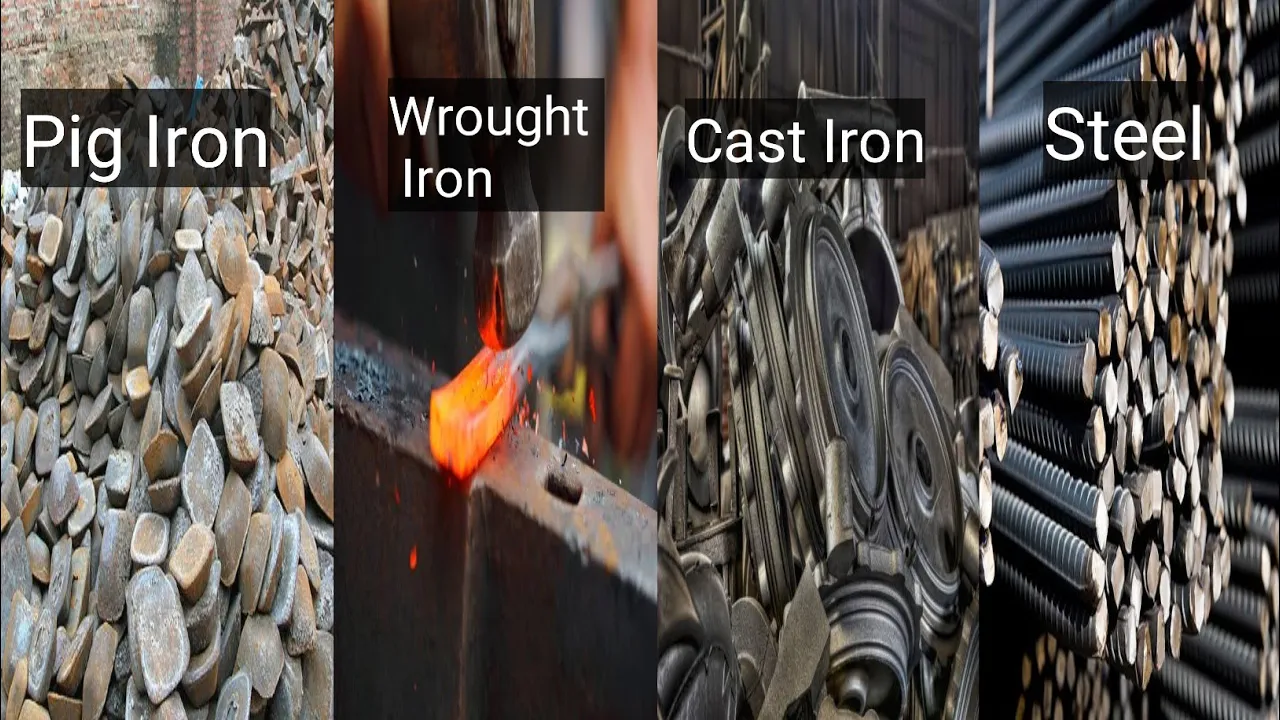






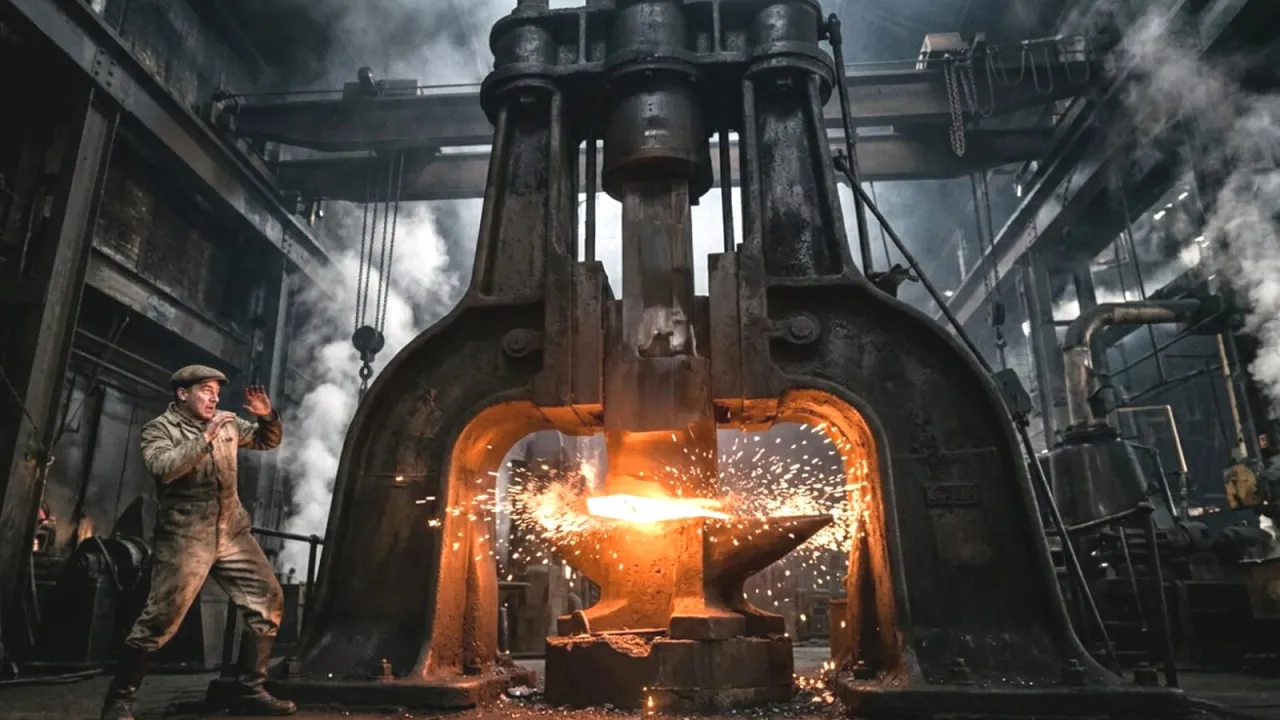




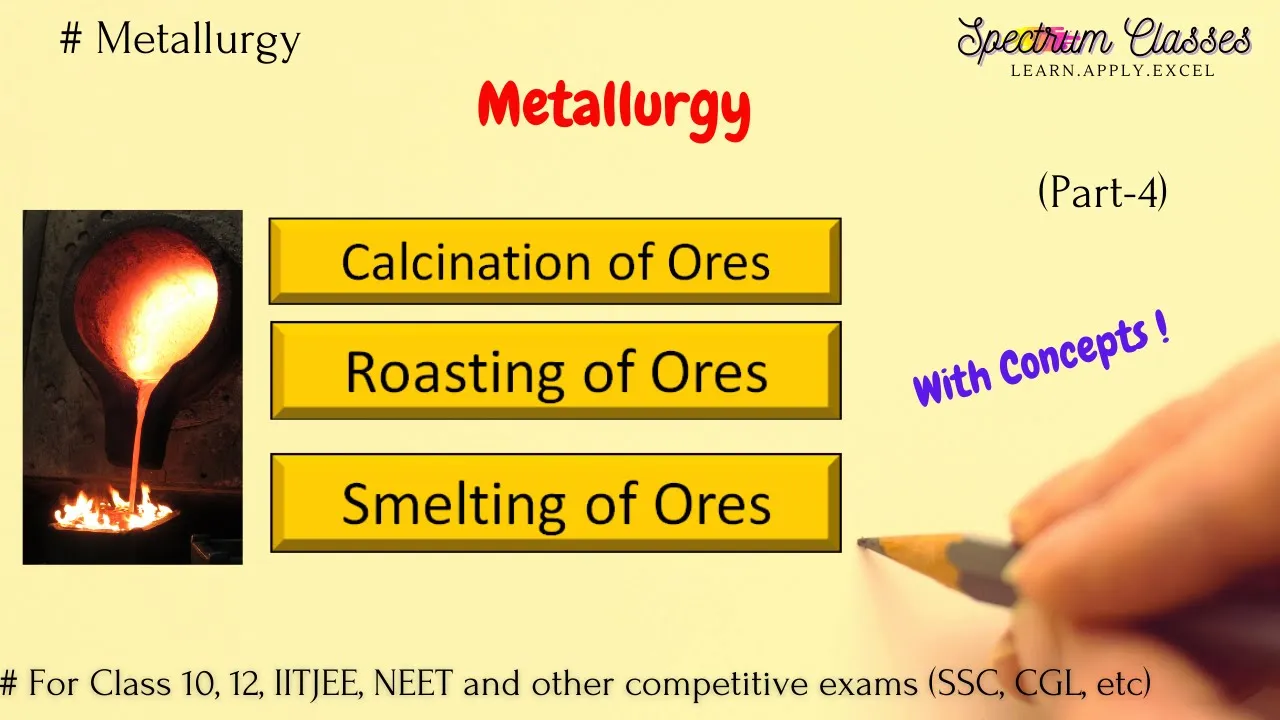














Cast steel, invented by Benjamin Huntsman in the 1740s using crucible melting of blister steel, was the premier material for precision cutting tools and high-strength applications until the late 19th century; despite Henry Bessemer's bitter claims that Sheffield steelmakers were secretly using his cheaper mild steel to make cast steel (which were later proven false through historical research), cast steel remained essential for specialized applications like armor-piercing shells, surgical tools, and aerospace components, evolving into modern high-speed steels and nickel-chromium alloys that continue to be used in advanced manufacturing today.
The True Story of Crucible Cast Steel vs. Bessemer Process
Added:The basic metallurgy of iron and steel, including the differences between cast iron, wrought iron, and steel based on carbon content.
The historical context of the early Industrial Revolution and the growing demand for stronger structural metals and tools.
Fundamental concepts of thermal processing, such as melting points, crucible containment, and the role of flux in removing impurities.
The basic chemical principles of oxidation and reduction in metal refining.
The development and mechanics of the Siemens-Martin (Open-Hearth) process as a successor to the Bessemer process.
The evolution of modern alloy steels, particularly high-speed steel and its applications in cutting tools and precision engineering.
The history of patent disputes and intellectual property in the Industrial Revolution, specifically focusing on Bessemer, William Kelly, and Benjamin Huntsman.
The Basic Oxygen Steelmaking (BOS) process, which serves as the primary method for modern mass steel production.
206.8K views6.8Klikes19:53Original Release: 2023-04-30
I'm Abraham and this is what I have always been told about Castile famous Castile that so many plain irons chisels are made from I think you might have heard the same invented in around 1750 really high quality steel because it's made in small batches quality from bash to batch isn't always the same the Bessemer process the mid-1800s made it obsolete by 1900 it's a niche product just for Edge tools decade or so later it dies out aside from when it was invented everything else I just said is dead wrong Henry Bessemer was so bitter about cast steel being better than his steel he told spectacular lies about it oh yeah this is a good story okay I'm gonna try to cover a lot of ground today hopefully I don't oversimplify things too much my goal is to help you trust that Castile mark on your plane iron or your chisel um I'm not gonna do a comparison of anti-cast Steel and contemporary steel Rex Krueger James Hamilton have both done excellent videos on that I've linked to them below uh I also have listed all my sources for this video below and I'll talk a little bit more about them at the end so we'll get to the train wreck that is Bessemer in a minute uh but to start this story we need to go back to around 1700 which is right when commercial plane making kind of getting off the ground in England Edge tool makers knew what Quality Steel was back then they were in awe of what was called Damascus steel which was this layered steel it was made in the Islamic World using Indian Crucible Steel but they didn't know how to make it so they had access to it's called blister steel they could get it from Spain they could get it from Italy they was a little bit made in England they get from Germany that's where the good stuff was problem with blister steel is because the way that it's made a little flecks of impurities in it and the carbon distribution which is what makes steel strong was really uneven so you get these random weak spots in it some analysis that was done in the late 1800s found that the distribution of carbon in blister steel could range could drop from 30 to 40 percent from the outside of the bar to the center of it you can take it to the forge you can hammer it you can rework it here's what the Germans did and you can get some pretty decent uh Edge tool steel out of it so let's jump to the 1740s this is a story a lot of us know English watchmaker and Benjamin Huntsman he figures out if you can get a furnace hot enough and he uses the crucibles that the local glass makers are using he can melt that blister steel completely when he does that you get the perfect distribution of carbon you can get rid of those impurities because it's liquid you can pour it into casts so you get the name Crucible cast steel and it's revolutionary it's incredibly good steel but what he realizes very quickly is that the only way to get good cast steel is to start with blister steel that's made with high grade very pure Swedish iron so all the English and American plane makers start using this incredible steel right away right nope not even close but that's a story that I'm going to tell in the next working wooden Plains newsletter for this story for this video Let's jump almost 100 years like 1850-ish Castiel has been widely adopted been shuffled at this point in time is really the center of not just English steel making but steel making in the entire world what's also grown is pretty much everything about The Crucible steel process the crucibles themselves have grown they used to hold about 13 pounds of steel in huntsman's days now they hold between 50 and 70 pounds the melting holes that's what you put the crucibles down into in the furnace those have grown to accommodate more crucibles the size of the furnaces have grown by 1850 Sheffield was producing about 50 000 tons of cast steel a year but what Remains the Same and this is true from 1740 to 1940 is that it's a very labor-intensive process you've got somebody who has to watch the furnace it's usually a young kid then you've got the guy who monitors the crucibles he's not just looking for when they're when the steel is liquid you also have to do a process called killing the steel and that's when you let it sit long enough so that when you pour it into the mold bubbles don't form then you have What's called the puller and he's got to be strong enough to be able to lift 30-pound Crucible full of 50 to 70 pounds of melted metal out of the melting hole but he also has to have a delicate enough touch so that he does not Crush The Crucible because at this point in time The Crucible is semi-solid this is one of the reasons that for the most part this process was never automated and then you have the teamer both he and the puller their legs and their arm are wrapped in wet Rags they're breathing through Rags that they're holding in their mouths to protect them from the heat coming off The Crucible and the teamer's job to pour that melted steel perfectly into the mold so that nothing touches the walls and cools down too quickly so shuffled is turning out tons and tons of Castile but the world needs more it needs a different kind of Steel and this is where Henry Bessemer comes in he's a self-taught entrepreneur in 1856 he comes up with this idea where you take pig iron was a fraction of the cost that high-end Swedish iron and using this process where you blow air through it while it's melted you can create what's called mild steel it's nowhere as hard as cast steel you can sharpen it but it won't hold an edge but it's strong and it's strong enough for a lot of engineering applications and importantly you can make massive amounts of it for comparatively fraction of the cost that you can make Castile with it's also a process you can automate it's not a labor-intensive process there are many critics of bessemer's process and he really struggles to perfect it but a decade later German engineer named Carl Siemens he comes up with this idea for a different type of furnace that improves on the way that Bessemer does this and over the next 50 years a steal made from these two processes literally changes the world now this is where it gets interesting because mild steel is so much softer than cast Steel Bessemer and Siemens had almost no negative impact on the Castile industry in fact Castile firms used Siemens furnaces to become more efficient one of the founders one of the major Castile companies said that because you need Castile tools to machine mild mild Steel in some places the demand for castile doubled because of Bessemer this is a quote from a British government official and what used to be called the ministry of Supply by 1869 Bessemer was beginning to make inroads even in Sheffield and soon Siemens Open Hearth process arrived also with its firmer reputation for reliability yet until the coming of the electric furnaces in the 20th century the small Crucible and sheer steel makers were not greatly affected in new processes cast steel was required for anything that needed a razor sharp edge for anything that needed to be machined to a very high tolerance or that needed to be exceptionally strong so it was being used for any cutting tool dies files chisels Springs surgical tools very small machine parts mining tools Machining tools it was being used to create enormous castings for these huge machines that were coming out of the Second Industrial Revolution propeller shafts and crankshafts for huge ships Castile was used to wrap the first transatlantic Communications cable it was used for armor-piercing shells it was used for the inner bores of massive guns birth and sons did a casting for an 81 ton gun required 194 men and 628 crucibles so that's the backdrop for what happens next in 1880 Bessemer stands up in front of an industry group and drops this bombshell he claims that half of all casts steal Maine and Sheffield is being made from Bessemer steel scrap not Swedish iron he's making two implications here one that Bessemer steel is not cheap in fact it's Superior to Swedish iron number two the Sheffield makers are hiding this fact from the world in order to keep steel prices artificially High a year later he makes a similar claim so Henry C bomb who's the founder of one of the major Sheffield firms writes a rebuttal in the Journal of the Iron and Steel Institute and he just breaks it down step by step and says this is why mild steel this is why the Bessemer and Siemens steel can't be used to make cast steel and he says essentially look we've been doing this for a hundred years we've been experimenting for 100 years and the one thing we know is that you can only make quality cast steel with blister steel made from high quality Iron the best iron out there right now that we can find is from Sweden as he put but there is an old proverb in Sheffield usually expressed in the terse vernacular of the country but which may be refined into the expression that if you put his satanic Majesty Into The Crucible his satanic Majesty will come out of The Crucible responds he calls it a nasty kick Bessemer steel says he's going to provide evidence but he never does as far as I have been able to find he never provides any evidence of this happening a few years later Queen Victoria establishes a commission to look into this economic depression that's happening in England at the time and the commission calls a couple Tradesmen from Sheffield as Witnesses and as part of their testimony they happen to quote bessemer's claim and I don't know if the commission didn't investigate it I don't know if they investigated it and didn't find any substance to it but no matter what it's not mentioned in their final written report Kenneth Barclay who is the preeminent Sheffield historian he looked into this as well in the 1980s and in fact he went back and looked into the the company records from the companies who were around at that time he can find no evidence of it as well and bessemer's own autobiography makes no mention of it and if you think about the claim for a minute it kind of falls apart at this point in time Sheffield is making half of the world steal every year but a hundred thousand tons of that is cast Steel so we're talking about a conspiracy involving tens of thousands of workers hundreds of companies related to Steel making across England and not a single word from any of them and if it was true and it would have revolutionize the steel making industry you can make high quality cast steel for pennies because autobiography is just painful he had this massive but incredibly fragile ego it's 380 pages of this self-congratulation and weird Fabrications he claims that when he first announced his process people stood up and cheered they were so amazed by it and that he switched bars of Castile and his steel and steel makers weren't able to tell the difference between the two uh over and over he equates mild steel and Castile as if they're the same thing he keeps saying Bessemer tool steel he writes this at one point hence it was an undeniable fact that we could and did produce commercially Crucible cast steel of great Purity and of any precise and predetermined degree of carburation with greater accuracy than was obtained by the method employed to produce Crucible Steel in Sheffield that is such a bizarre lie I mean you don't even know need to go back and look at the historic records which are all there to see that that's not true I mean you just need to hold up a bar of mild Steel in a bar of Castile they're structurally completely different uh there are people who say he stole some of the key components or the key parts for his process from other inventors and they're probably right um but the steel made with the Bessemer process changed the world you know he's he's rightfully famous for the work that he did but his ego just couldn't handle the fact that his steel wasn't the best deal in the world he would have hated what happened next by the beginning of the 20th century Castile firms were still making Edge tools and small castings they weren't doing the big castings anymore they switched to what is probably their most impactful role and that was making new specialty steals we're talking about high speed Steels and then a bunch of the new Alloys that were coming out of the time so carbon tungsten steel and chromium steel and silicone steel and nickel steel anybody in the Aerospace industry will recognize that one these weren't these are almost all of them had been invented previously but the Castile industry was the first to perfect them and to sell them commercially okay I'm gonna start wrapping this up I've been talking for way too long but I want to hit two things first one of them is the US and the other one is the shortcomings of Castile um here in the US ever since we were English colonies we've had a booming iron industry but we have virtually no Quality Steel making until Bessemer when it comes to Castile we had that fundamental problem we didn't have high quality Iron that used to make the blister steel that used to make the good Castile in the 18 late 1860s that started to change one of the things that helped spur those changes is there were new inventions um that allowed you to purify really crappy iron and then to use that iron directly to make Castile rather than having to go through the blister steel step first I know charts are boring I'm sorry I'm going to show you a chart because I think it's really interesting uh this is American Castile production from 1881 to 1922.
so much for that idea that the industry just disappeared after the turn of the century huh but the problem was is that there was this huge bias that English Castile was Superior to American Castile so you have American plane makers like the Greenfield Tool Company who are trying to like fight against that so the 1870 their 1872 catalog addresses it right up front we wish to call the attention of dealers to our plane irons which are proving equal if not superior to the best stamps of English irons uh Sandusky 1877 their catalog they just say our irons are made with English cast steel so is all Castile guaranteed to be good no there were problems with counterfeiters remember those Victorian era Tradesmen who testified to that Commission the main thing they wanted to talk about to that commission was that they had found Cutlery and some tools that were stamp cast steel that were clearly not Castile so when it comes to plane making that's going to show up a little differently so remember your plane iron is made of an iron blank and then a piece of cast steel that's been Forge welded to the to the tip of it you can this has been discolored so you can actually see where that that Castile is so this piece of Steel would have shown up in America it would have been stamp cast steel so the plane mirrors the American plane makers or the English Playmakers would have had to knowingly use subpar steel for their iron did that happen oh I'm sure there were cases of it happening when you make a premium product you're going to have problems with counterfeiters occasionally so the Castile industry in America Germany France peaked the end of World War One what happened after that a bunch of things changing economies changing labor force changing manufacturing methods one of the big ones was the cost of electricity cost of electricity come down enough that it was cost effective to run electrical furnaces and they could make high quality steel for a fraction of the cost that you could do using The Crucible method in 1920 there was still 150 cast steel makers in Sheffield but the last Crucible furnace was demolished in 1968 to make room for Road improvements all the guns and the ships and so many other things were sold for scrap or turned to dust but whether it was the 1800s or the 20th century crucibles were not some archaic ancient technology they were how you made the leading metal technologies of their era there is a direct line that you can draw from an 18th century clock maker through to the nickel Steels that were used on the lunar lander and on spacex's Rockets today these tools are not just good they are part of an incredible Legacy thank you so much for watching I deeply appreciate it this video is kind of an experiment I've never done a research-based video before usually just do Restorations let me know if you liked it if you think I should do more tell me never to do them again uh let me know down in the comments um I relied uh on the work done by Ken um Barak law very heavily for this video he was a chemist who started working in the Castile industry in Sheffield in the 1930s and over the next five decades he tracked down he found this incredible wealth of information about Castile making in Sheffield his books they're all out of print um the cheapest one that I found volume one is 750 dollars but all the research that went into those books can be found in his dissertation that he wrote in the 1980s I have linked down below to copies of that if you're interested in steel and steel making they are fascinating and totally worth your time I also want to plug American Iron 1607 to 1900 by Robert Gordon totally worth a read as well uh next time I'll do a restoration video thanks for watching and goodbye
Up Next

10:30
1950s Commercials Compilation: Vintage Advertising History Analysis
@retroyard
3M views•2015-11-29

33:02
The Great Schism of 1054: Causes and Consequences
@SacredCathedrals
113.5K views•2026-02-19

91:57
The Geopolitics of the Ukraine War and the Rise of Global Autocracy
@JordanHarbingerShow
468K views•2025-04-19

17:05
Understanding the Cold War: Superpower Conflicts and the Road to Détente
@OverSimplified
46.1M views•2019-01-24
Related Study Plans & Knowledge Roadmaps
Structured learning paths in History
history
Byzantine Iconoclasm: Theology, Art & Politics
01Foundations of Byzantium and Early Christian Images
02The First Iconoclasm: Leo III and the Crisis of Images
03Empress Irene, Nicaea II, and the Second Iconoclasm
+ 2 more learning modules
9h5 modules
Explore Roadmap
history
Iranian Revolution (Causes, Events & Legacy)
01The Pahlavi Dynasty and the Roots of Discontent
02The Spark of Rebellion and the Rise of Khomeini
031979: The Fall of the Shah and the Climax of the Revolution
+ 2 more learning modules
8h5 modules
Explore Roadmap
history
Mali Empire: Mansa Musa, Trade & Timbuktu
01Foundations of the Mali Empire
02The Trans-Saharan Gold and Salt Trade
03The Reign and Pilgrimage of Mansa Musa
+ 1 more learning modules
6h4 modules
Explore Roadmap
history
1947 Partition: Politics, Borders & Legacies
01Foundations of British India and the Divide
02The Political Negotiations and the Mountbatten Plan
03Drawing the Boundary: The Radcliffe Line
+ 2 more learning modules
8h5 modules
Explore Roadmap